That’s the way you do it, you play the guitar on the MTV
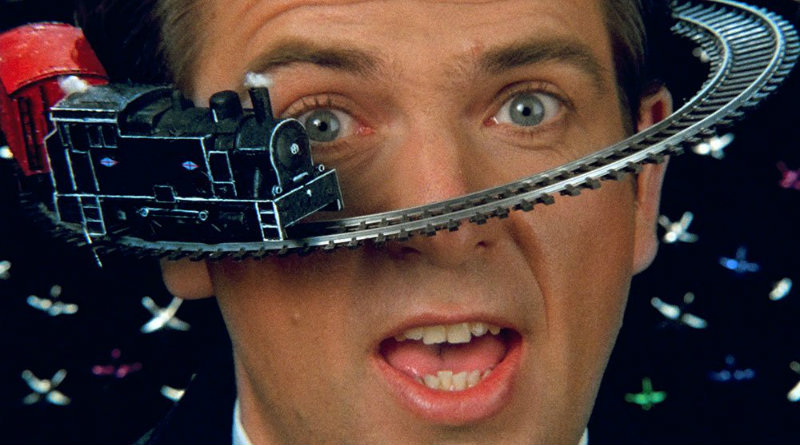
Peter Gabriel’s groundbreaking, award-winning music video for “Sledgehammer”

We LISTEN to music, right?

In the ’50s, ’60s and ’70s, we turned on the radio, and we played singles, albums, 8-tracks and cassettes. Now and then, we were treated to seeing our favorite artists perform on “American Bandstand,” “Hullabaloo,” “Shindig,” “The Ed Sullivan Show,” “Midnight Special” and “Soul Train.”

But on August 1, 1981, there was a major paradigm shift in the music universe. Thanks to the spread of Cable TV and the proliferation of a multitude of programming options, suddenly we could see and hear rock music 24 hours a day, 7 days a week.

We could watch MTV.

The notion that there would be an audience for music videos, sent out on some remote cable channel 24 hours a day, was ridiculed at first, just like other “narrowcasting” ideas of cooking channels, fishing channels, Christian channels, History channels, even 24-hour news channels.  “Who will watch this all day and night?” was the question the businessmen asked.

As usual, many of them were clueless to the changing times.  Even Bob Pittman, one of the executives who helped launch MTV, said, “Frankly, it sounded like an asinine idea.”  MTV was an outlet for a product that barely existed; there were maybe 100 music videos in existence, mostly by unknown British and Australian bands, and the quality was generally abysmal.  Who would care to watch this stuff?

Turns out, teenagers didn’t watch TV much, but they sure were eager to watch this.  They were a great untapped audience, an invisible power.  As my friend Holly put it, “We’d go to our friend’s basement and watch MTV all day long.  It was on in the background, and we didn’t watch it continuously, but whenever a great song came on, we were mesmerized.”

Mike Nesmith, the most intelligent and innovative of The Monkees, was among the first to recognize the wisdom of marrying music and video into a full-flung cable channel that offered 24/7 music videos.  But it was a tough sell.   “Back in 1979, we put together a pilot with a half-dozen clips — Paul McCartney’s “Mull of Kintyre” and the like — introduced by comedians like Howie Mandel.  And we were unable to sell it.  The TV guys were resistant.  They said, ‘Music doesn’t work on television.  Never has, and never will.’  And up until then, they were right.  But that was about to change, and in a big way.”

search

When The Buggles’ “Video Killed the Radio Star” debuted as the first-ever video shown on MTV, it ushered in a new age, when songs would be introduced not only aurally, but visually as well.  MTV started out pretty much offering films of bands performing their latest songs in a studio or concert setting.  But within six months, maybe a year, every song that was released as a single had a dramatic, eye-catching accompanying video that MTV could play in their ever-changing rotation.  Songs were no longer audio only.  Now they had a visual component too.

At first, the only videos available were a weird brew of questionable stuff by the likes of Rod Stewart, Devo, Pat Benatar, Men at Work, Andrew Gold and others.  And MTV played them in relentless rotation, because that’s all they had to show.  But it didn’t take long for the record companies and their artists to catch on to this new marketing opportunity.  “Hey, we need to shoot a video of our new song so they’ll play it on MTV!” they said.  And the juggernaut was off and running.
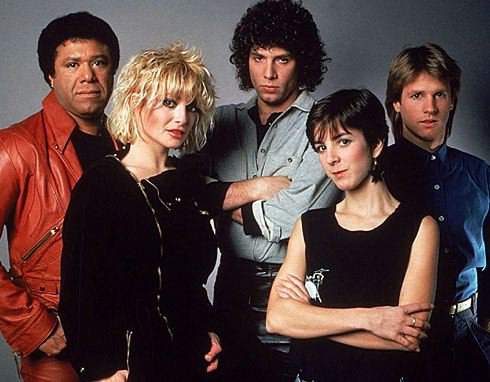
mt-vj-crew-3
MTV’s original team of “VJs”

When MTV first arrived, they realized they needed video jockeys — disc jockeys, but on TV. They needed to have stage presence, well beyond what DJs needed on the radio.  And they needed to appeal to all facets of the potential audience.  As executive John Lack put it at the time, “We need a black person, we need a girl next door, we need a little sexy siren, we need a boy next door, we need some hunky Italian-looking guy with curly hair.”

Martha Quinn, the youngest and perhaps most well known of the VJ stars of MTV’s early years, remembers the hiring process.  “I was still involved with my high school boyfriend.  That’s how young I was.  I said, ‘What’s a VJ?’   They said, ‘It’s like being a DJ, but on TV.’  I said, ‘What do I do while the records are playing?’  I was thinking it’s like ‘WKRP in Cincinnati.'”

For quite a while, MTV had scant viewership, and little credibility.  But then, they went to Mick Jagger and got him to agree to go on air and say, with a tear running down his cheek, “I want my MTV.”  And once they got Jagger, they got Bowie, and Pat Benatar and countless others, and suddenly, every cable provider in the country was being pressured into offering MTV in their basic cable packages.

michael-jackson-beat-it-music-video-michael-jackson-10371211-1047-609
Michael Jackson’s iconic music video for “Beat It” broke the color barrier in 1983

MTV was a business, and like any business, they catered to their primary audience which, at first, was white suburban kids whose families could afford cable TV.  So the artists MTV featured were almost exclusively white — New Wave, heavy metal, and hard rock — but white.  It was rather extraordinary, really.  There were NO black artists on MTV in 1981-1982-1983, even though R&B and funk music were wildly popular at the time.  And then came Michael Jackson’s “Thriller” album, and, more specifically, “Beat It,” which was rock-oriented and featured the hard-rock guitar work of Eddie Van Halen.  That opened the door.

“I loved watching MTV for the dance videos,” said Audrey, who was 19 when MTV first showed up.  “We would tune in to see the newest ones everyone was talking about.  They were like short musicals, and they held our attention.”

To be frank, I’ve never been a fan of the music video revolution, and here’s why:  When I listen to a song, my imagination takes over, and I go to another place where the lyrics and music take me.  “Strawberry Fields Forever,” for example:  “Let me take you down, ’cause I’m going to Strawberry Fields, nothing is real, and nothing to get hung about…”  I don’t need, nor want, some director, some film person, to give me their idea of what that might look like.  I wanted to conjure up that image on my own.

Some bands who didn’t really have all that much to offer still became big because they were fun to look at — artists like A Flock of Seagulls, Men at Work, Billy Idol and Culture Club.  As producer Rick Rubin put it, “In some ways, MTV hurt music, in that it changed what was expected of an artist.  You started to see artists break who were stronger visually than they were musically.”

My friend Sean, who was 15 when MTV debuted, said, “I loved the diversity and randomness of it.  You never knew what you would see or hear next.  I remember hanging in with music I didn’t really like, not only because something I did like might come on next, but because I was absorbing all the creative imagery.  And there’s no question that MTV’s influence was massive.  Bands like Men Without Hats were suddenly selling CDs in places like Iowa, where the radio stations were never playing them.”

Metal bands like Motley Crue took the ball and ran with it in a different way, using women in a slutty, demeaning manner that turned on some people but alienated many others. “The videos were poppy, and silly, and we got a kick out of them,” said Holly.  “But then they got sexist and kind of gross, and we were turned off by that side of it.”
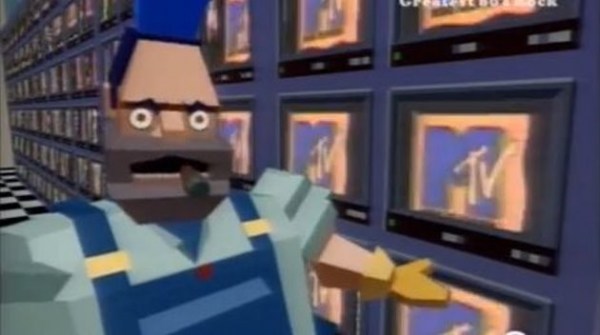
fireshot-screen-capture-373-dire-straits-money-for-nothing-music-video-good-quality-all-countries-youtube-www_youtube_com_watch_vlad6obi7cag
A scene from Dire Straits’ “Money For Nothing” video

The British band Dire Straits went so far as to use guest vocalist Sting singing the ad tag line “I want my MTV” on its #1 single, “Money For Nothing.”  The song’s lyrics featured two blue-collar guys glancing at MTV and enviously referring to the rock musician this way: “That ain’t workin’, that’s the way you do it, you get your money for nothin’ and your chicks for free…”

By 1984, the budget for videos went from $50,000 to well over $500,000, and eventually, $1 million.  Everyone wanted to emulate Jackson’s “Thriller,” even if their work didn’t deserve that kind of expenditure.  No one wanted to watch four guys singing into microphones anymore.  There had to be a grand concept, with half-naked women, flamboyant fashion, artsy lighting, or serious choreography, or all of the above.  The music was almost an afterthought.

Some artists saw the potential and went wild with it, most notably those that could include elements of dance and fashion to their presentation, like Jackson, Madonna and Prince.  They all freely admit that their mid ’80s superstardom owed a great deal to their omnipresence on MTV during those years.  Indeed, the debut of the 13-minute video for “Thriller” in 1983 attracted MTV’s widest audience.
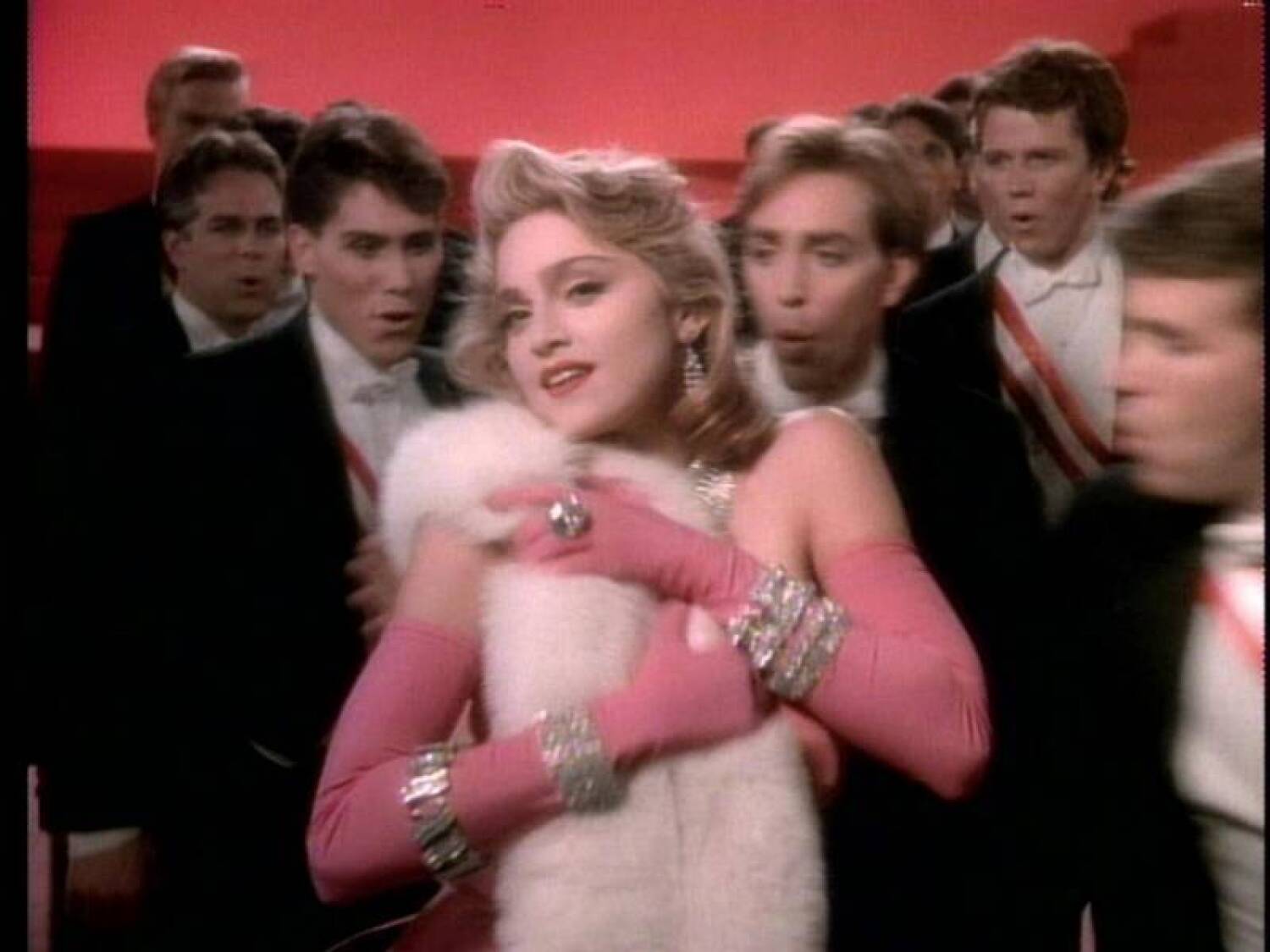
Madonna’s “Material World” video

Eventually, up-and-coming film directors saw MTV as a potential entree and resume builder.  Oscar-winning directors like David Fincher, Martin Scorsese and Jonathan Demme saw the value in doing high-quality music videos for top name bands like the Rolling Stones and the Talking Heads in order to boost their reputation in rock music circles.

“The videos gained the artists followers as much for what they were wearing as what they were singing,” said Chris, a music industry insider from Cleveland.  “The videos gave life to some of the songs well beyond the meanings of the words.”

Artists that would’ve otherwise been ignored were suddenly a big deal, thanks to their video exposure on MTV.  Billy Idol’s “White Wedding” and Men at Work’s “Down Under” gave those bands the kind of attention agents would kill for.
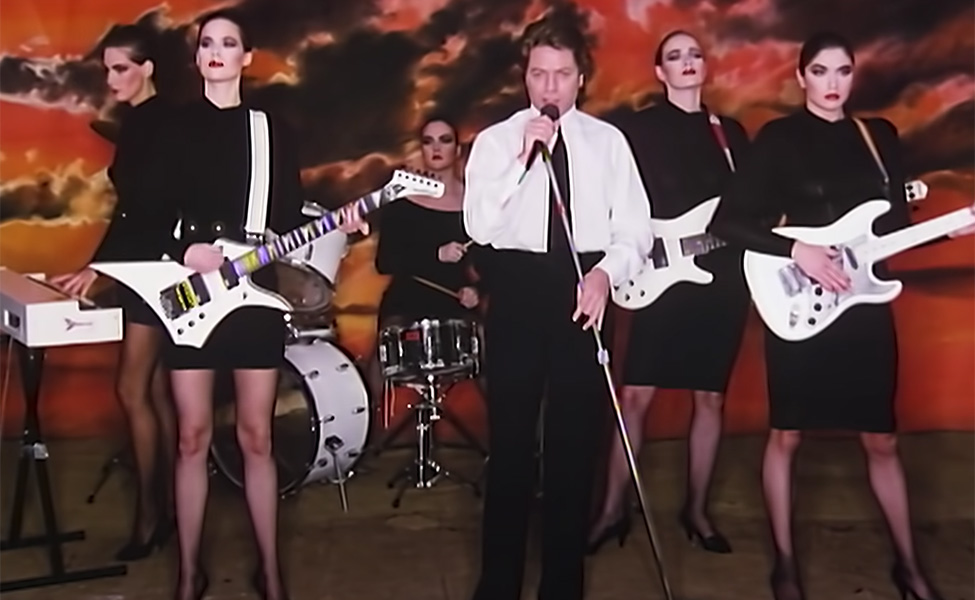
Robert Palmer’s “Addicted to Love”

Sure, sometimes the videos were wildly imaginative, well beyond whatever feeble effort our own minds could come up with.  Witness these award-winners:  “Sledgehammer,” Peter Gabriel, 1986;  “Take On Me,” a-ha, 1985;  “Like a Prayer,” Madonna, 1989;  “Girls Just Want to Have Fun,” Cyndi Lauper, 1984;  “You Might Think,” The Cars, 1984;  “Rhythm Nation,” Janet Jackson, 1989;  “Addicted to Love,” Robert Palmer, 1987;  “Hungry Like the Wolf,” Duran Duran, 1983;  “When Doves Cry,” Prince, 1984.

After four years on the air, MTV diversified, and came up with additional spinoff options like VH-1, which aimed toward an older demographic that enjoyed classic rock bands and vintage footage from “Ed Sullivan” and films like “Woodstock” and “Monterey Pop.”   This not only attracted another older audience but allowed MTV to become even more targeted toward current, younger bands.  As Holly explains, “Once VH-1 appeared, I probably never watched MTV again.”

Indeed, some bands rebelled as. best as they could against the video revolution. The Dead Kennedys, a major San Francisco punk band, released a song in 1985 that includes this lyrical diatribe against music videos: “How far will you go, how low will you stoop, to tranquilize our minds with your sugar-coated swill, /You’ve turned rock and roll rebellion into Pat Boone sedation, making sure nothing’s left to the imagination, /MTV get off the air!…

By the 1990s, even the MTV suits knew the bloom was off the rose.  They watched other cable channels enjoying huge profits from airing original programming, and decided they too should start reaching out to their demographic with something other than music videos.  “We knew we needed to move on, even if it alienated many of our core audience who had come to expect music videos all day and all night,” said Amy Finnerty, an MTV exec.  “We came up with a teen soap concept — ‘The Real World’ — and the numbers were through the roof.”   It started slowly, but within two or three years, Music TeleVision no longer showed music videos, except for maybe an hour a week at a predetermined time.

By then, there were other ways to see music videos, and by the mid-’90s, the Internet was in full bloom, with YouTube and other avenues for viewing music.

Today, many TV shows and most commercials use rock music and the quick-edit stylings that MTV pioneered in the early ’80s.  It’s not necessarily the best thing that ever happened to television, but it sure has had a major impact.
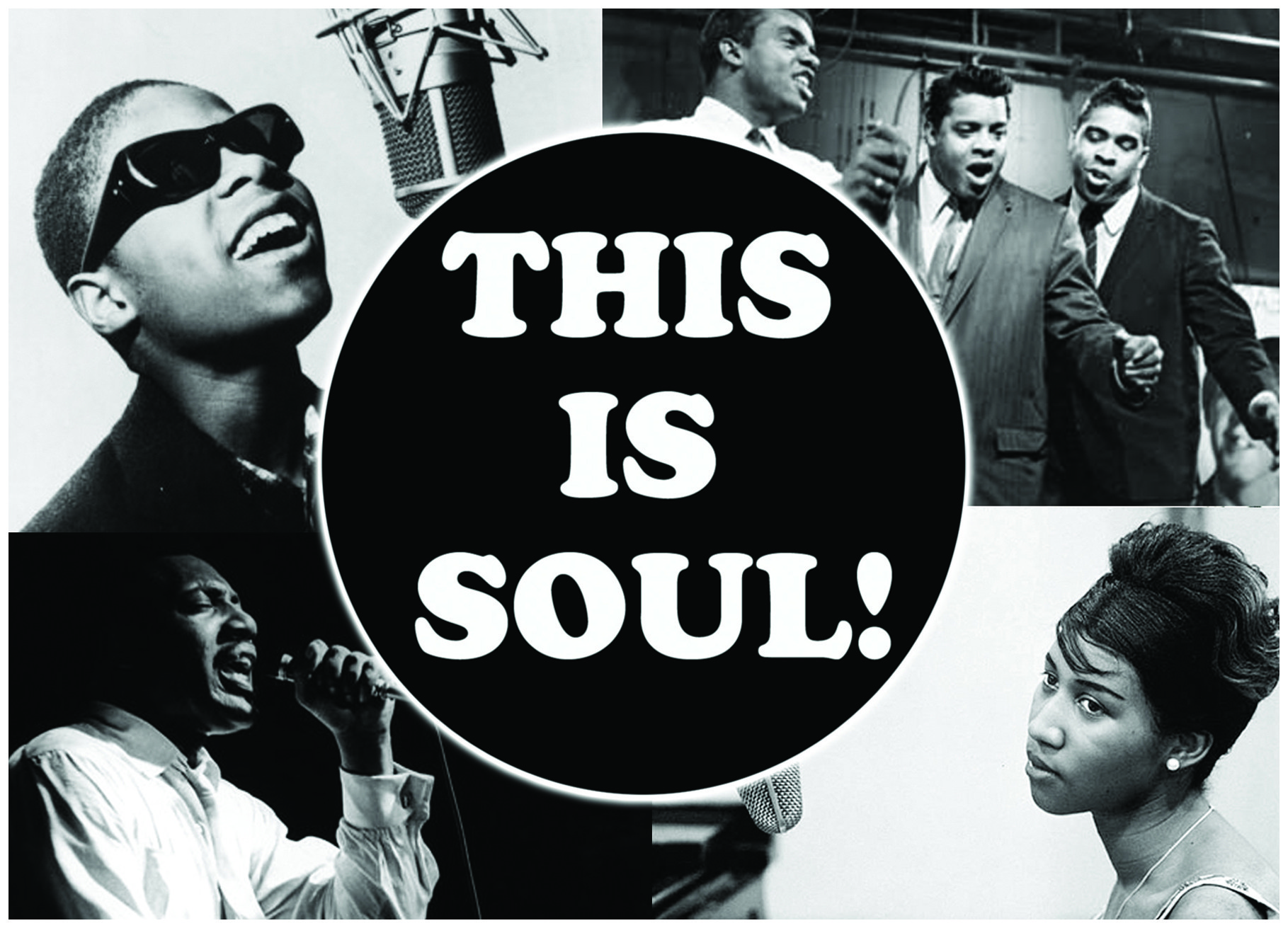
Do you like good music? That sweet soul music

Ahhhh, soul music!

Gospel-style music with secular lyrics emerged in the late ’50s as an amalgam of rhythm-and-blues and gospel. The Rock and Roll Hall of Fame defines soul music as “music that arose out of the black experience in America through the transmutation of gospel and rhythm & blues into a form of funky, secular testifying.” The best soul music offered impassioned vocals, handclaps, call-and-response arrangements, heartfelt lyrics and, most of all, irresistible rhythms that compelled people to get up and dance. 

As a white kid growing up in suburbia, I knew almost nothing of “the black experience,” but I was certainly moved by the music I was hearing on Top 40 radio that co-mingled with The Beatles and The Beach Boys beginning around 1964. I heard a lot of soul music thanks to an older sister who exposed me to many of the songs coming from the artists on Motown, Stax and Atlantic Records. It was all such fun, so joyous and energetic, despite voices that sometimes sounded deeply anguished if you took the time to listen to the pain of unrequited love and injustice in the lyrics.

The biggest soul music hits are still played endlessly, from The O’Jays’ “Backstabbers” and Stevie Wonder’s “I Was Made to Love Her” to Aretha Franklin’s “Respect” and The Four Tops’ “Reach Out I’ll Be There.”

In this special edition of my periodic “Lost Classics” feature, I am focusing on 16 “lost soul classics” — tasty R&B-based tracks that likely went under your radar because they were B-sides or deep album tracks that got almost no radio play, plus a few minor hits that have been long forgotten…until now.

These songs all have a wonderful ’60s energy to them. I invite you to dance around your living room as you listen to the Spotify playlist at the end!

************************

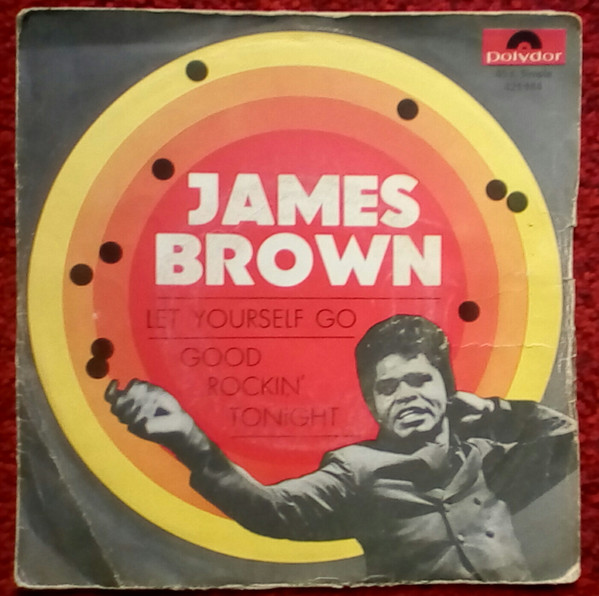
“Let Yourself Go,” James Brown, 1967

Brown recorded “Let Yourself Go” and several other great tracks after hours in a Philadelphia nightclub where he had a 10-day engagement in 1967. The Fabulous Flames, Brown’s longtime backing vocalists and dancers, were near the tale end of their relationship with the volatile star, but they’re still heard on this recording. It was released as a single, which charted at #5 on R&B charts and #46 on pop charts, so mainstream audiences never heard it much compared to Brown’s signature hits. The track adopts the signature early funk that Brown favored throughout his uptempo catalog.

“I’m Doin’ Fine Now,” New York City, 1972

Originally known as The Tri-boro Exchange, this vocally talented R&B group changed their name to New York City in 1972 and recorded for the Chelsea label with the great Thom Bell. This collaboration resulted in one of my favorite soul tracks, the underappreciated 1973 minor hit, “I’m Doin’ Fine Now,” written by Bell. Peaking at #17 that spring, the tune’s joyous tempo and arrangement are underscored by lyrics in which the narrator mourns the day of his romantic breakup but is proud of his ability to eventually adopt a positive attitude about it all. New York City continued recording and touring for another three years but failed to match the success of their first single.

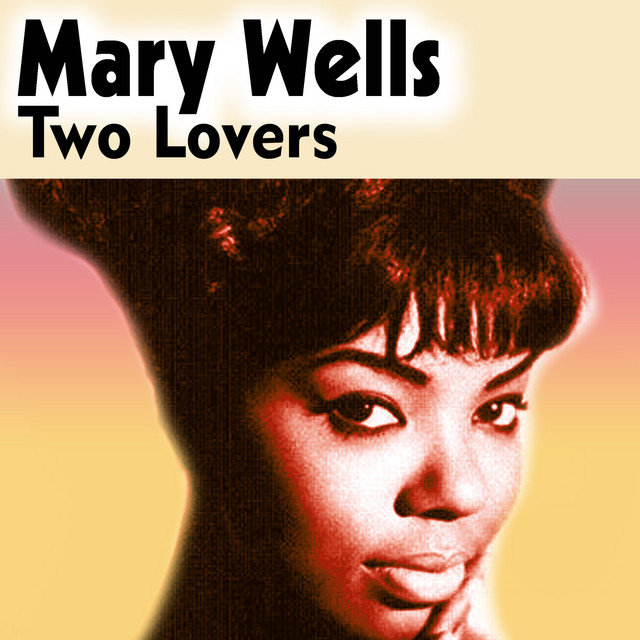
“Two Lovers,” Mary Wells, 1964

Just about everyone knows Wells as the girl who sang “My Guy,” the song Smokey Robinson wrote for her in 1964 that became an enormous #1 hit here and in the UK. Wells had in fact been recording hit singles since 1962 and earned the nickname “The Queen of Motown” for her role in bringing R&B music and black artists to mainstream America. Among her accomplishments was the #7 hit “Two Lovers,” which at first seems to about two men (one who treats her well and the other who treats her badly) but is actually the same guy whose mood swings determine how he behaves toward her. Wells had a falling out with Motown and bounced around between several labels throughout the ’60s and early ’70s as she struggled in vain to duplicate her early glory.

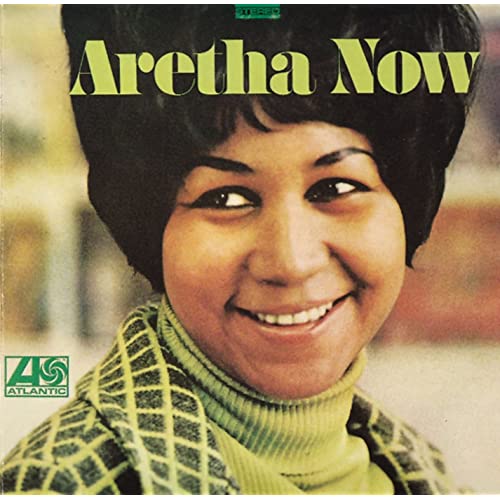
“A Change,” Aretha Franklin, 1968

“The Queen of Soul” had so many familiar hits that sometimes her deeper album tracks got overlooked. I’ve always dug this song from her 1968 LP, “Aretha Now,” written by the prolific songwriter/producer Clyde Otis, who collaborated with many dozens of artists, most often with Brook Benton. “Aretha Now” reached #3 on the US album chart on the strength of three hits — the irrepressible “Think” (#7), her cover of “I Say a Little Prayer for You” (#10) and “See-Saw” (#14) — but there are seven other tracks you might have missed or forgotten about, like “A Change.”

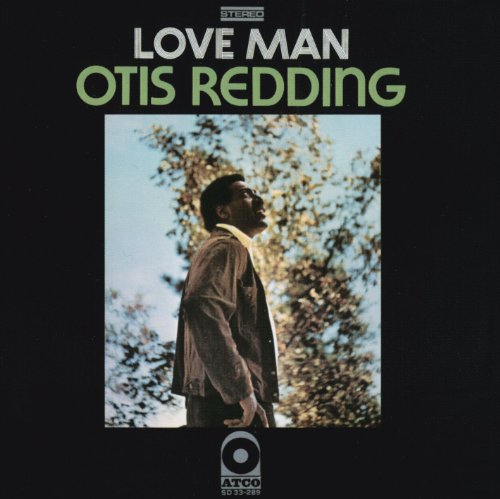
“Love Man,” Otis Redding, 1969

The death of Redding at age 26 in a plane crash in late 1967 was a huge loss for the R&B community and the mainstream pop world as well. He had just begun to be more widely appreciated following his riveting performance at the Monterey Pop Festival and, fortunately for us, he recorded several dozen tracks in the latter half of 1967 that Atco Records released on a few posthumous albums in 1968 and 1969. “Love Man” was one of these LPs, reaching #46 on the album chart in 1969. The title song, written by Redding, has a funky groove, courtesy of Booker T and the MGs’ accompaniment, and although it stalled at #72 on the pop charts, it reached #17 on the R&B chart.

“Baby, Call on Me,” Wilson Pickett, 1963

Solomon Burke, one of the founding fathers of soul music in the late ’50s, was a friend and supporter of a young Wilson Pickett, urging his signing at Atlantic Records, but label head Jerry Wexler was hesitant at first. Pickett had written and recorded “If You Need Me” and was on track to score his first big hit with it, but Wexler had recorded a reluctant Burke doing it and rush-released his version. Because he was an established star, Burke’s version got the attention, peaking at #2 on R&B charts while Pickett’s stalled at #30 (and only #64 on pop charts). The B-side of Pickett’s single, “Baby, Call On Me,” is arguably as great as the intended hit, but it was ignored. Check it out!

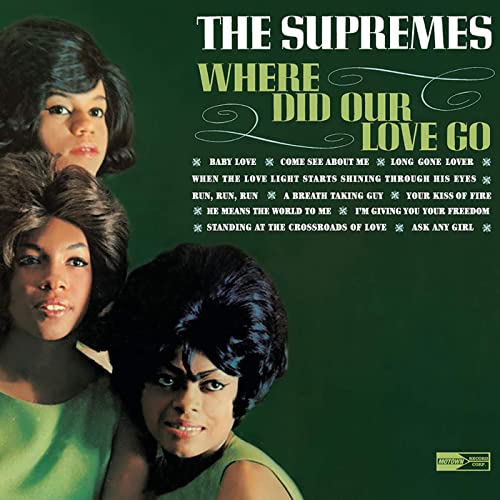
“When the Lovelight Starts Shining Through His Eyes,” The Supremes, 196?

Preceding their big breakthrough in 1964 with “Where Did Our Love Go,” “Baby Love” and three other #1 smash hits, The Supremes had been recording for Motown Records since 1961. The brilliant songwriting/producing team of Holland-Dozier-Holland, responsible for most of The Supremes’ biggest hits, first worked with them on “When the Lovelight Starts Shining Through His Eyes,” the group’s first entry in the Top 40 (at #23) in late 1963. Brian Holland said the record was modeled after, and in response to, producer Phil Spector’s “Wall of Sound” recording technique in vogue at the time. Some say Motown songs were too polished and not gritty enough to be considered “soul,” but that’s not the way millions of listeners (like me) saw it.

“Soul Finger,” The Bar-Kays, 1967

Formed in 1964 in Memphis as a band of session musicians at Stax Records, The Bar-Kays were selected to become Otis Redding’s backup band, participating in several recordings and on tour. Sadly, four of their members were on the same plane with Redding when it crashed in 1967, but the surviving members regrouped and ended up putting together a long and successful career on the R&B charts throughout the ’70s and ’80s. In the mainstream, their most famous moment came early when the original lineup recorded the festive “Soul Finger” in 1967. Neighborhood kids were called in to intermittently shout “soul finger!” and join in the studio merriment. It was a #17 hit on pop charts.

“Tainted Love,” Gloria Jones, 1964

It’s a safe bet that most of the US record-buying public had no idea that British synth-pop duo Soft Cell’s international #1 hit “Tainted Love” was originally a soul record recorded by American singer Gloria Jones in 1964. Written by Ed Cobb, the song was released by Jones as the B-side of “My Bad Boy’s Coming Home,” a commercial flop on the small Champion label. In the late ’60s, a dance movement known as “Northern Soul” took root in towns in Northern England, where obscure American soul records were promoted and became hugely popular. Soft Cell’s Marc Almond heard Love’s record of “Tainted Love” and chose to give it the New Wave treatment and found spectacular success with it. I find it fascinating listening to Love’s version now.

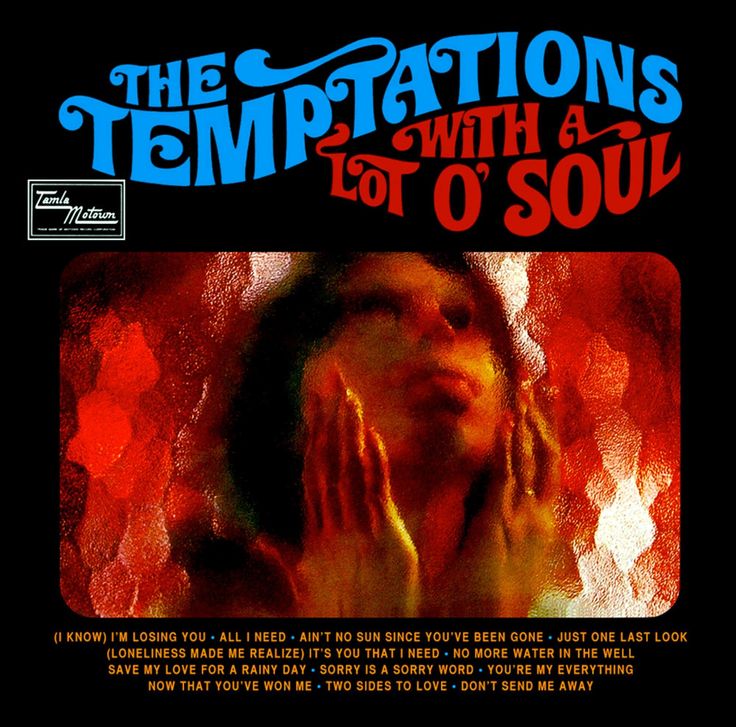
“Ain’t No Sun Since You’ve Been Gone,” The Temptations, 1967

The songwriting team of Norman Whitfield, Cornelius Grant and Sylvia Moy came up with this uptempo beauty in 1966 and worked with Gladys Knight and The Pips to record it, but nothing came of it. Whitfield and Grant had collaborated with Eddie Holland to write “(I Know) I’m Losing You” for The Temptations, and when that song became a huge hit, the songwriters modified “Ain’t No Sun Since You’ve Been Gone” to mimic it and put it on The Tempts’ next LP. It may be a copycat track, but I think it stands up on its own merit as a quality record in The Temptations’ catalog. The following year, Dusty Springfield took a stab at it for her Dusty…Definitely” album.

“Woman’s Gotta Have It,” Bobby Womack, 1972

The multi-talented Womack served as Sam Cooke’s guitarist, contributed to records byAretha Franklin and Sly and The Family Stone and wrote songs for other artists (including “It’s All Over Now” for The Rolling Stones and “Breezin'” for George Benson) during his 60-year career. Beginning in 1969, Womack debuted as a solo artist and, in 1972, he made his first Top 40 appearance with “That’s the Way I Feel About Cha,” reaching #27 (and peaking at #2 on the R&B chart). Next up was “Woman’s Gotta Have It,” a #1 single on the R&B chart that inexplicably stalled at #60 on the pop chart. I was first introduced to the song when James Taylor covered it on his 1976 LP “In the Pocket,” but I really enjoy Womack’s original as well.

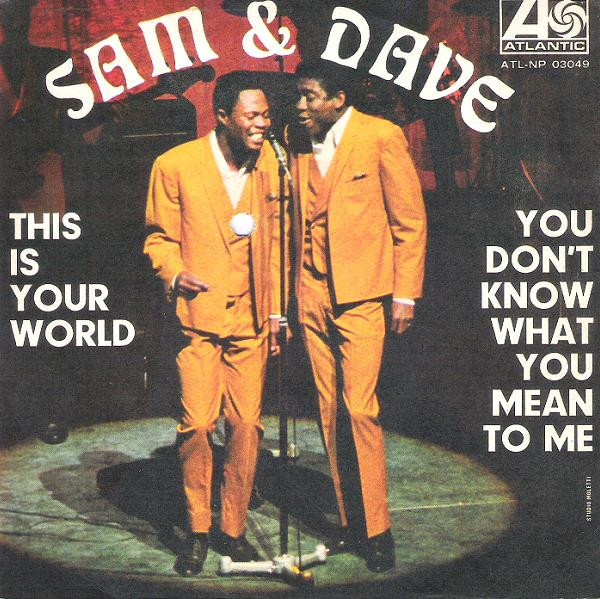
“You Don’t Know What You Mean to Me,” Sam & Dave, 1968

Steve “The Colonel” Cropper, guitarist and producer for the Stax Records house session band Booker T and the MGs, became involved with several of the Stax artists’ records, most notably Sam & Dave. You can hear Cropper’s name called out in the middle of their biggest hit “Soul Man” when Sam Moore says “Play it, Steve!” The exciting hits of Moore and Dave Prater (“Soul Man,” “Hold On I’m Comin’,” “I Thank You”) overshadowed many other terrific tracks hiding on their albums, and the one that sticks out for me is “You Don’t Know What You Mean to Me,” a song Cropper wrote.

“Somebody Have Mercy,” Sam Cooke, 1962

Virtually every soul singer who followed in his wake mentions Cooke as one of their most important influences, and it’s easy to see why. Although rooted firmly in the gospel tradition, Cooke began singing blues, traditional and R&B music in 1958, beginning with his biggest hit, “You Send Me.” Between 1960 and 1964, he scored a dozen Top 20 hits (“Cupid,” “Chain Gang,” “Twistin’ the Night Away,” “Let the Good Times Roll”), some of which had B-sides that were arguably as good as the A-side. Case in point: “Somebody Have Mercy,” the flip side of the #12 hit “Nothing Can Change This Love” in 1962.

“Sugar,” Stevie Wonder, 1970

Watching “Little Stevie” Wonder mature from a child prodigy with a #1 hit (“Fingertips”) at age 12 to a phenomenal young man with three Album of the Year Grammy awards in the 1970s was truly a sight to behold. Before he came up with titanic LPs like “Innervisions” and “Songs in the Key of Life,” he still had some work to do. His 1970 LP “Signed, Sealed, Delivered” included four pop chart hits that kept his impressive streak going, including “Heaven Help Us All” and the title track. One of Wonder’s most soulful tracks, “Sugar,” can be found deep on this album, showcasing his vocals and the clavinet. It’s rarely if ever heard on the radio, and he has curiously never played it in concert.

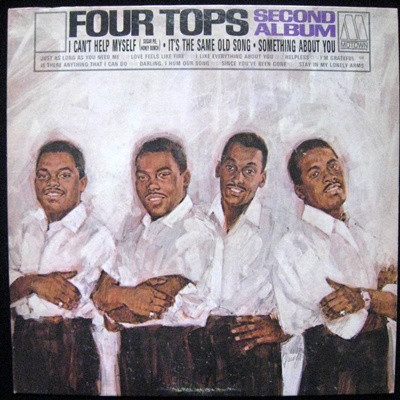
“Love Feels Like Fire,” The Four Tops, 1965

The spectacular voice of lead singer Levi Stubbs is the primary reason The Four Tops emerged from the Motown stable as one of their premier acts, emboldened by the wondrous songs and production values of the Holland-Dozier-Holland triumvirate. We all know the hits: “I Can’t Help Myself (Sugar Pie Honey Bunch),” “Standing in the Shadows of Love,” “Bernadette,” “Baby I Need Your Loving.” But wow, check out the other tunes on LPs like “Four Tops Second Album.” It’s hard not to like “Love Feels Like Fire,” which I’d never heard until this week when I started digging through the group’s catalog.

“Talkin’ ‘Bout You,” Ray Charles, 1958

When you consider the pioneers of soul music, Ray Charles is at the top of the list. His earliest records in the late ’40s and early ’50s offered a combination of blues, jazz, rhythm-and-blues and swing that, by the late ’50s had spawned this new musical genre eventually known as soul. On his second LP for Atlantic, “Yes Indeed!,” I’ve always been partial to “Talkin’ ‘Bout You,” one of seven tracks Charles wrote that showcases his expressive voice. A word to the wise: Look beyond “Lonely Avenue” and his other signature songs (“What’d I Say,” “Georgia On My Mind”) and revel in the countless deep tracks that provide ample evidence where soul originated.

****************************