You leave me, ahhh, breathless

The final soldier in the original rock and roll army has fallen.
First were Buddy Holly and Ritchie Valens, taken shockingly early in a plane crash in 1959, at only 27 and 17, respectively.

The next to leave, of course, was Elvis Presley, who died way too young in 1977 at 42.

Bill “Rock Around the Clock” Haley passed away in 1981 at age 55. Carl “Blue Suede Shoes” Perkins left us in 1998 at 65, and Bo Diddley made it to 79 until his death in 2008.

The other kingpins of the original rock and roll gallery lasted well into their 80s. In 2017, Chuck Berry, actually reached 90 when he died, and Fats Domino was 89. Little Richard died at 87 in 2020.

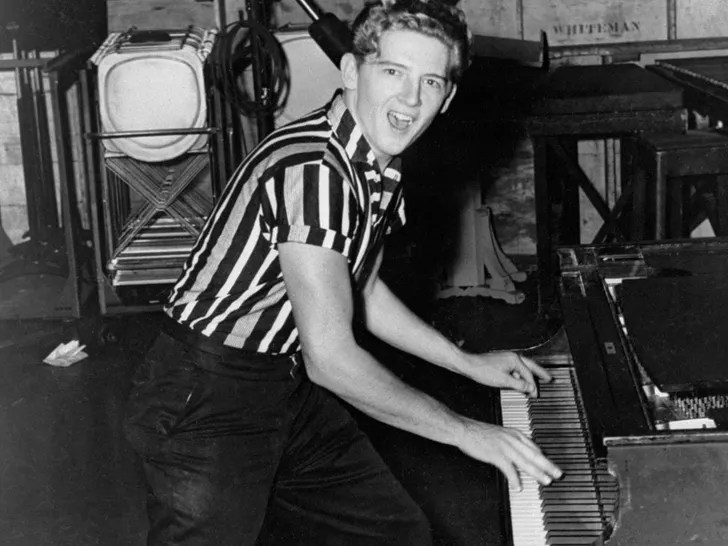
Last week, we lost Jerry Lee Lewis, the last of these true trailblazers, at 87.

They were a bold bunch, these guys, pushing an exhilarating, then-scandalous new genre of popular music when all around them was still non-threatening ballads and bubblegum. They had taken the raw excitement of rhythm-and-blues and merged it with country, folk and gospel to create an inexorable juggernaut that inspired hundreds, even thousands of musicians in the half-century that followed.
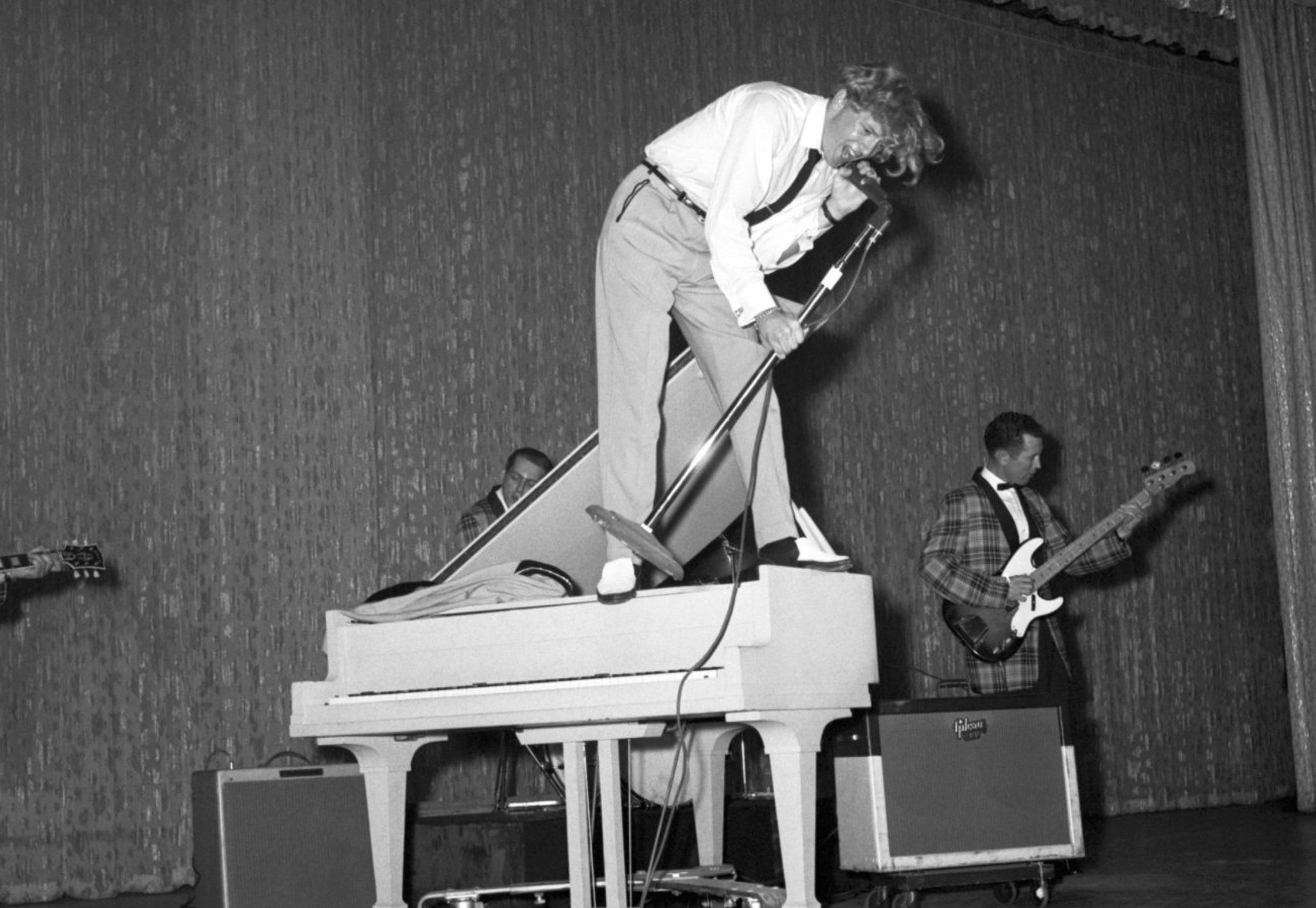
Lewis, in particular, was a sight and a sound to behold. I never had the opportunity to see him perform, but I’ve always had a profound respect for, and admiration of, the handful of monumental hit singles that established his place in the rock and roll pantheon.

You had to be something of a renegade to pick up the mantle and play rock and roll in the 1950s, but Lewis pushed the envelope even more than his compatriots. He sang and pounded the piano with reckless abandon, but he also stood defiantly against the social mores of that era, even when he knew he was rolling the dice and jeopardizing the career he was aiming for.

In 1958, after a year or two flirting with superstardom, he secretly married Myra Gale Brown, his third wife, though he hadn’t yet reached age 23. But that wasn’t the worst of it. Brown was his first cousin, the daughter of his bass-playing uncle, J.W. Brown…and she was only 13. This might’ve been legal in Louisiana, where Lewis was born and raised, but in most of the country, this was immoral and unacceptable. Radio stations banned his songs, promoters dropped him from the concert circuit, and Lewis found himself persona non grata for many years to come.
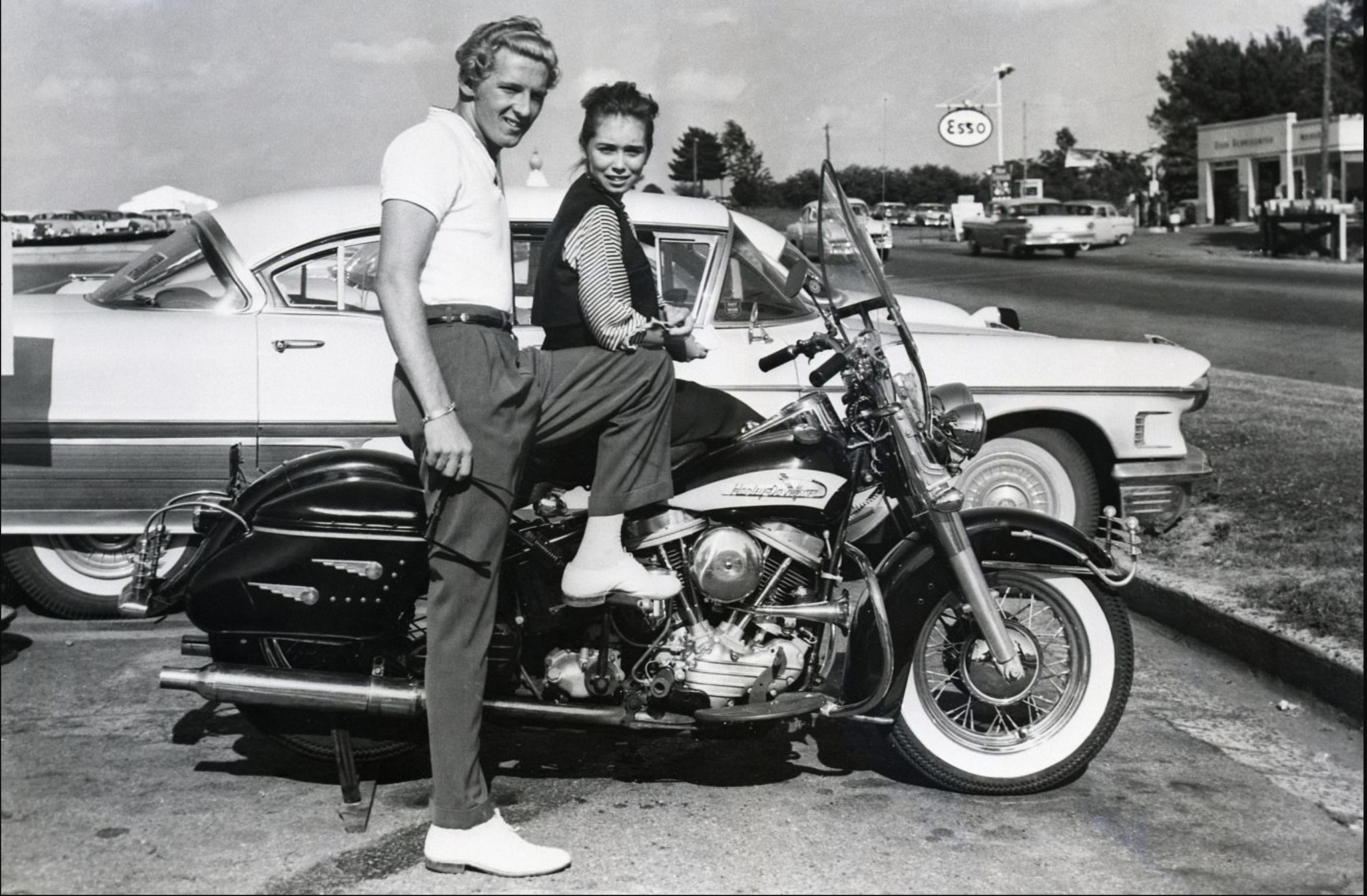
Lewis with Myra Gale Brown

Born to Elmo and Mamie Lewis in Ferriday, Louisiana in 1935, Lewis was brought up in a dirt-poor environment in a country shack, but the family scraped together enough money for a third-hand upright piano to pass along the family’s musical genes to the next generation. Lewis and his cousin Mickey Gilley (a successful country singer-songwriter in the ’70s and ’80s) took piano lessons together, along with another cousin, Jimmy Lee Swaggart, who found fame and notoriety as an evangelist. Before he was a teenager, Lewis showed an extraordinary aptitude for the piano, merging gospel and boogie-woogie styles he had heard at church and on the radio. Indeed, these two influences created a sort of split personality in Lewis that was never truly resolved.

He was thrilled by how the boogie-woogie music made him feel, particularly when he heard it performed at his uncle Lee Calhoun’s club, Haney’s Big House, which catered to a Black clientele. His mother, however, exerted her authority over her son by enrolling him in a Texas Bible college to ensure that he would be using his musical gifts in more wholesome pursuits than show business. Of course, that didn’t last long; as legend has it, Lewis offered up a wild, caterwauling version of “My God is Real” at a church assembly one night that got him booted from the college.
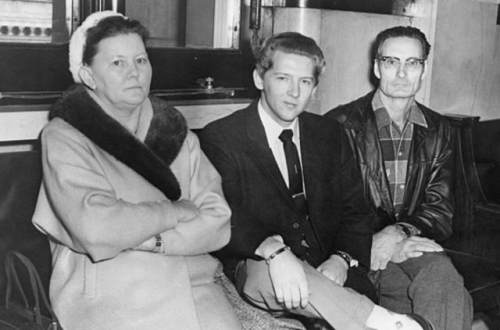
Lewis with his parents, who never forgave him for choosing rock and roll over church music

Lewis was moved by sacred music, and it remained a substantial influence on him throughout his life, but he was irresistibly drawn to the rhythms and earthy emotions of what soon became known as rock and roll. He was passionate about performing in his frenetic, juiced-up manner — kicking over his piano bench, playing while standing up, using his elbows, even his heels, much like Little Richard was also doing. Said Lewis in a line later used in a Grateful Dead song, “I may be going to Hell in a bucket, but at least I’m enjoying the ride.”

His passion to make music took him to Nashville, but the record companies there wanted nothing to do with his wild-child persona and musical leanings that were too far removed from country music. By 1956, though, Lewis found himself in Memphis auditioning for Sam Phillips on his Sun Records label, where Presley, Perkins and Johnny Cash, among other luminaries, were honing their chops on acetate. He played piano on some of their early records, including Perkins’ hit “Matchbox,” and lobbied for a chance to records his songs as a solo artist.
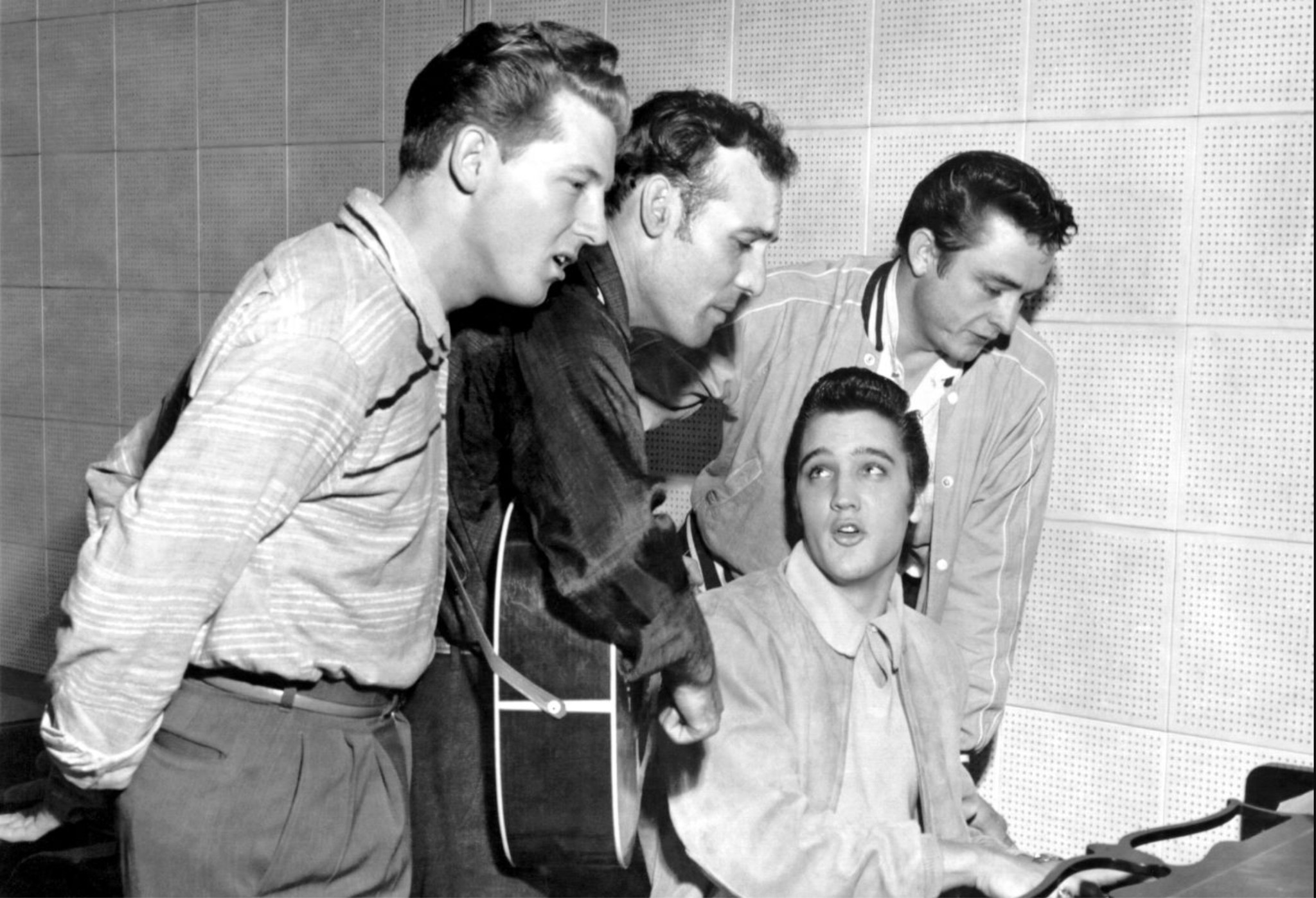
One legendary night: Lewis, Perkins, Presley and Cash took a stab at gospel songs at Sun Records studio

Phillips was impressed by Lewis’s range and abilities and finally gave him his chance in early 1957 with an R&B tune first recorded by Big Maybelle called “Whole Lotta Shakin’ Goin’ On.” Lewis gave it a no-holds-barred R&R treatment at a faster tempo, and Phillips promoted the hell out of it, and within a month, it was the #1 song on country and R&B charts and #2 on the pop charts (held back by the saccharine Debbie Reynolds hit “Tammy”). Overnight, Lewis was the hot new sensation, the heir apparent to Presley’s throne.

He maintained that reputation with two more sensational hits, the sexually charged “Great Balls of Fire” and the more desperate “Breathless.” He added another layer of fame by singing the title song for, and making an appearance in, the frothy rock and roll movie “High School Confidential.” This instant, runaway success brought about an unbridled ego and fierce competitiveness that earned Lewis the nickname “Killer.” Ironically, it didn’t exactly serve him well going forward.

Arriving in London for a tour in 1958, he brazenly brought along Brown, his new child-bride, and the British press gleefully exposed this “sinful union” to the world. The tour was canceled after only three shows, and his career went into a tailspin. His bookings went from $10,000 a night to $250 at any honky-tonk that would have him.

For most of the ’60s, as rock music exploded both in popularity and the diversity of sub-genres from country rock to psychedelia, Lewis struggled, no longer in the limelight but doggedly keeping his head down as he turned in riveting live shows across the US and bin Europe, waiting for a chance to reclaim some measure of fame on the charts again.

That came in 1968 when he persuaded Smash Records to sign him as a country artist, covering popular country tunes that helped him find a new audience from a new generation of country music fans. His cover of the Jerry Chestnut song “Another Place, Another Time” reached the Top Five on country charts, the first of an impressive dozen Top Ten country hits in three years, including the #1 “To Make Love Sweeter For You.” In concert, Lewis continued to sprinkle rock and roll into the set list whenever he felt like it, which was almost every night, and the paying public seemed fine with it as long as his records remained pure country. It was a balance that both the artist and his audience could live with, and it worked throughout the 1970s.

Sadly, though, his personal life was pretty much a mess. His marriage to Brown ended after 13 years, and two subsequent marriages also ended in divorce. He lost both of his parents and his oldest son, the IRS was after him continually for back taxes owed, and he wrestled mightily with alcohol and pills that resulted in lengthy hospital stays.
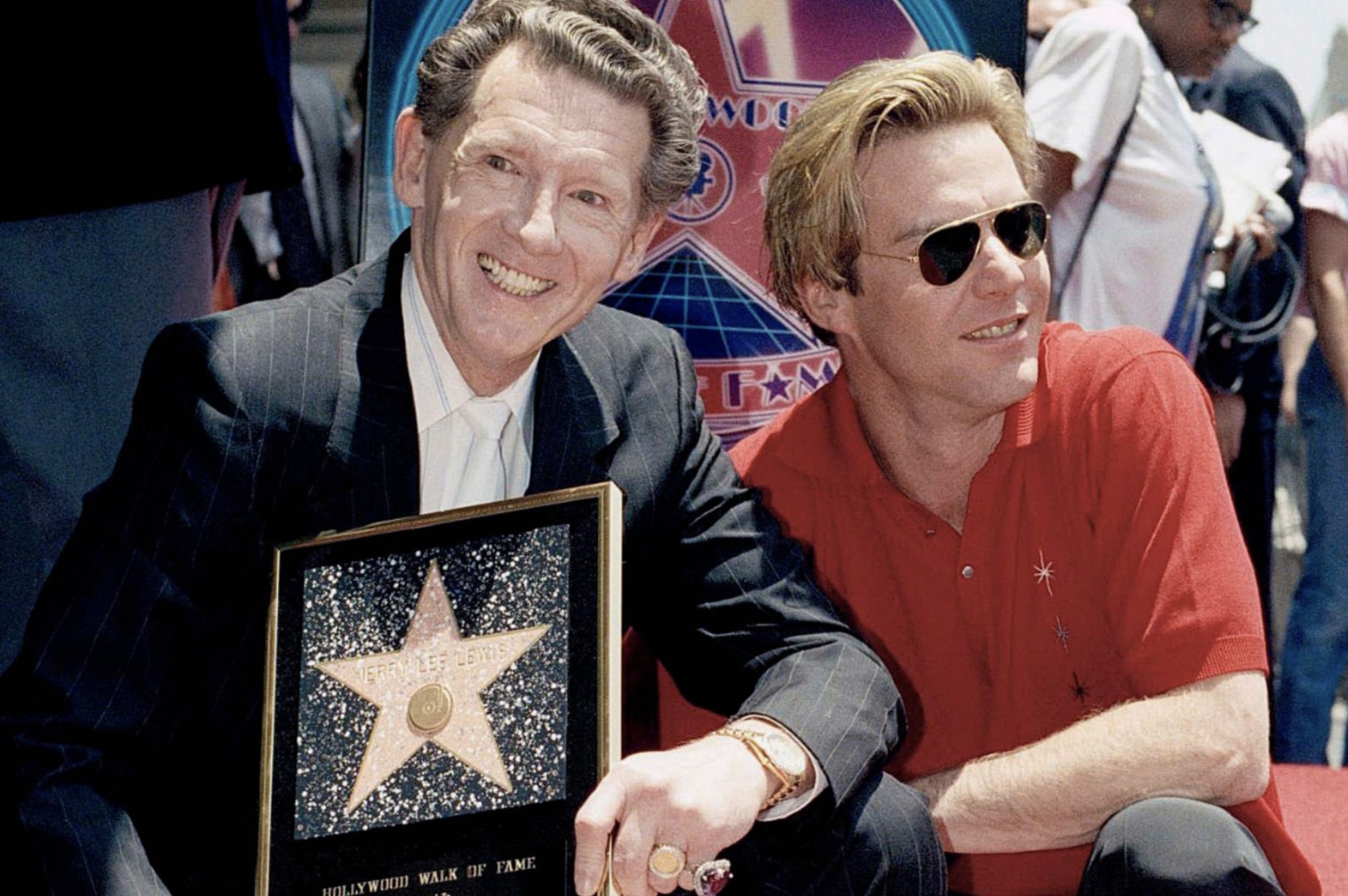
Lewis and Quaid in Hollywood, 1988

But Lewis’s career had yet another resurgence when Hollywood chose to release “Great Balls of Fire,” a feature film about his life starring Dennis Quaid. Lewis was recruited to sing the songs for the soundtrack, reminding everyone who the real “Killer” was. Concurrent with that movie was his induction into the Rock and Roll Hall of Fame as part of the inaugural group of inductees. He was responsible for kicking off an unplanned jam session at evening’s end, a tradition that has continued every year since.

A final return to prominence came with a pair of albums in 2006 and 2010 where Lewis was paired with various stars like Mick Jagger, Jimmy Page, Willie Nelson, Bruce Springsteen, Eric Clapton, Merle Haggard, John Fogerty and Rod Stewart. These albums reached the Top 30 on the pop album charts, Lewis’s first appearance there since the 1950s.

Lewis was a rock and roll piano player of unparalleled skill and influence (Elton John and Billy Joel both publicly mourned his passing last week), and his recorded performances of “Whole Lotta Shakin’ Goin’ On” and “Great Balls of Fire” are etched permanently into the annals of rock and roll history. But in my view, he’s another sad story of “what could’ve been” had he not imploded his career at precisely the wrong time.

*************************

Here’s a playlist of great moments from Lewis’s career, handpicked by me after a lengthy session of listening to nearly everything he recorded. As you might expect, it’s weighted heavily with the classic stuff from the 1950s.

I’m scared, Lordy Lord, I’m shaking, I’m petrified

Favorite holiday?

Many say Christmas, and with good reason. Others pick Thanksgiving, also a fine choice. Even the Fourth of July gets a nod from a few, and that makes sense as well.

But me? I’ve always loved Halloween. As the leaves turn, the temperatures dip and the sun keeps setting earlier in the day, I get a sense of foreboding that gives me goosebumps. I relish a good scare, whether it’s from negotiating my way through a haunted house or sitting through a marathon of really hair-raising horror movies.

Like other holidays, Halloween comes with its own soundtrack, but I don’t mean the lame, overplayed stuff like “The Monster Mash” or “Werewolves of London.” I’m talking about music that imparts a sense of unease and makes you want to glance repeatedly over your shoulder to be sure there’s no one about to do you harm.

I’ve gathered 15 haunting pieces of music from the classic rock era that should make your trick-or-treat season just a little bit more creepy. They’re all on a Spotify playlist at the end of this post, along with a handful of honorable mentions.

May the ghosts, goblins and monsters from your psyche come visit you this weekend!

****************************

“‘Halloween‘ Theme,” John Carpenter, 1978

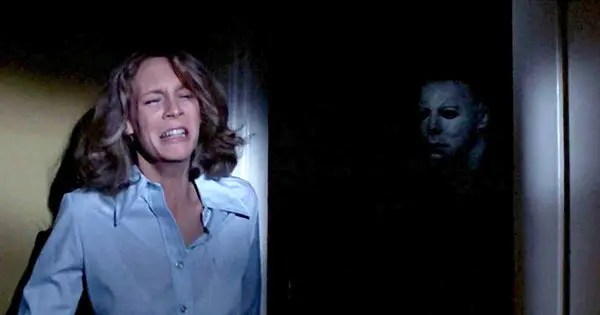
Every October, I dial up this horror classic starring a young Jamie Lee Curtis, and it never fails to give me the willies. I was astonished to learn very recently that the frightening soundtrack theme music was written by the movie’s director, John Carpenter. We used to use it every year for the haunted house we staged in our Atlanta neighborhood. It’s such a hypnotic piece, using a 5/4 beat, minor chords, piano and synthesizer to build a relentless heartbeat to what turned out to be the first in a long series of scary movies about the unkillable killer Michael Myers.

“‘Psycho‘ Prelude,” Bernard Herrmann, 1960

I still rank this Alfred Hitchcock masterpiece among my favorite films of all time (not just scary ones), and part of the reason it retains its effectiveness is Herrmann’s incredible score. He uses staccato violins almost exclusively to build tension as he torments the audience while star Janet Leigh struggles with moral issues, and then co-star Tony Perkins as Norman Bates wrestles his inner demons. It might be the most terrifying soundtrack ever created. This piece and two others from “Psycho” were also a regular part of our haunted house music accompaniment.

“Season of the Witch,” Donovan, 1966

It’s hard to decide which version of this classic song grabs me more: Donovan’s five-minute original or the 11-minute track by Al Kooper, Stephen Stills and Co. on the legendary 1968 “Super Session” LP. Donovan, the British mystical folkie responsible for “Sunshine Superman” and other flower-garden reflections of the mid-to-late ’60s, wrote it as a somewhat creepy ode to October. Two years later, Kooper & Stills recorded a remarkable jam on Donovan’s chords that became something else entirely, also haunting and intriguing in its own way. “When I look out my window, so many sights to see, and when I look in my window, so many different people to be, and it’s strange, so strange…”

“Black Magic Woman,” Santana, 1970

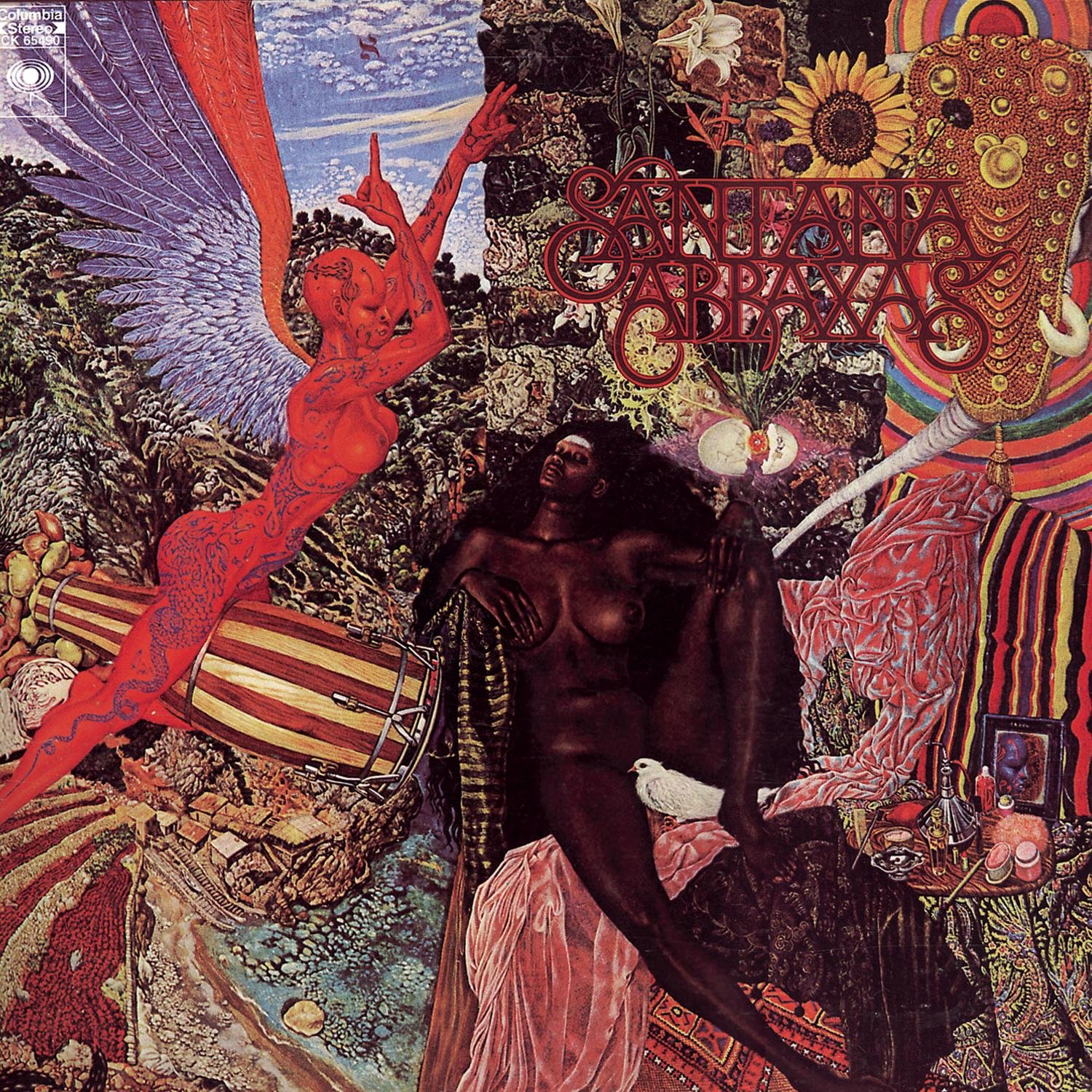
Written by the great blues guitarist Peter Green and released as a single with his band Fleetwood Mac back in 1968, this song became a huge #4 hit for Carlos Santana and his band in 1970, from “Abraxas.”  It was combined in a medley with the 1966 track “Gypsy Queen,” and utilised congas, timbales and Latin polyrhythms to give the whole thing a distinct voodoo feel: “Got your spell on me baby, yes, you got your spell on me baby, you’re turning my heart into stone, I need you so bad, magic woman, I can’t leave you alone…”

“Spooky,” Classics IV, 1968

Written in 1967 as an instrumental featuring the saxophone riffs of Mike Shapiro, “Spooky” stalled at #57, but the next year, Mike Hirsch added lyrics about “a spooky little girl like you,” and the Classics IV took that version to #3.   James Cobb of the Classics IV went on to form The Atlanta Rhythm Section in the ’70s, and their re-recorded rendition in 1979 reached #17 on the charts.  Not really a very spooky tune at all, but still appropriate lyrically:  “Just like a ghost, you’ve been haunting my dreams, so now I know you’re not what you seem, love is kinda crazy with a spooky little girl like you…”

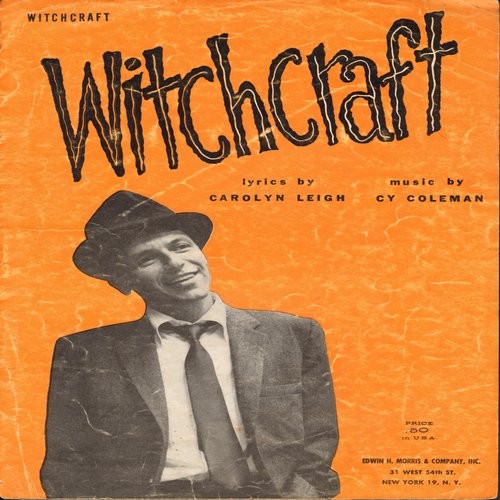
“Witchcraft,” Frank Sinatra, 1957

Carolyn Leigh was a successful lyricist for Broadway shows and films throughout the ’50s, ’60s and ’70s. Among her most popular efforts was her collaboration with composer Cy Coleman on “Witchcraft,” the 1957 song made famous by Frank Sinatra. It reached #6 that year on US pop charts and was nominated for Song of the Year and Record of the Year at the. very first Grammy Awards. Its lighthearted tempo and melody may not be exactly right for Halloween, but the words certainly send a few chills up the spine: “Those fingers in my hair, that sly ‘come hither’ stare that strips my conscience bare, /It’s witchcraft, /And I’ve got no defense for it, the heat is too intense for it, /What good would common sense for it do? /’Cause it’s witchcraft, wicked witchcraft…”

“Thriller,” Michael Jackson, 1982

Jackson’s trailblazing 13-minute music video of his title track “Thriller” broke new ground as a short story, fully choreographed with gory zombie makeup, and the first to be preserved in the National Film Registry…and for the finale, horror movie legend Vincent Price recites the spoken section that ends with his maniacal laugh.  It has become a Halloween classic, and rightly so:  “It’s close to midnight, and something evil’s lurking in the dark, under the moonlight, you see a sight that almost stops your heart, you try to scream, but terror takes the sound before you make it, you start to freeze as horror looks you right between the eyes, you’re paralyzed…”

“Black Sabbath,” Black Sabbath, 1970

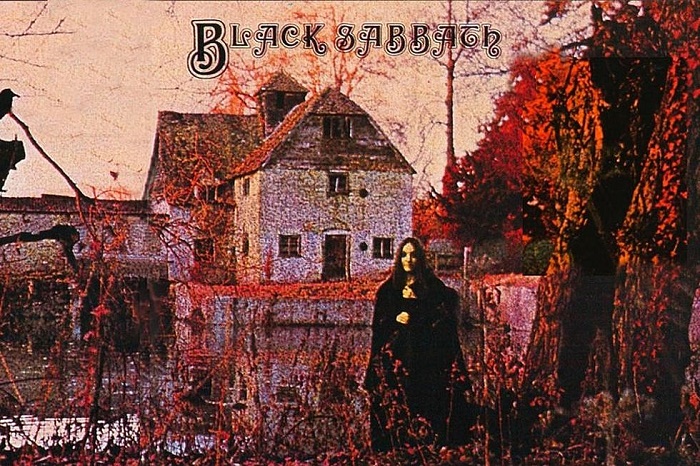
Death metal, Goth, Satanic rock — the bands who revel in these genres have plenty of disturbing, macabre lyrics that could certainly be deserving of space on a Halloween setlist, but frankly, I don’t claim to know much about them.  I do, however, recall the spooky chill that made me shudder the first time I heard the song “Black Sabbath,” the leadoff track from Black Sabbath’s debut LP (and check out that creepy album cover).  An ominous tolling bell, a rainstorm with distant thunder, then huge power chords in a minor key, and Ozzy Osbourne demanding to know, “What is this that stands before me?”  Brrrrr. If this isn’t appropriate Halloween music, I don’t know what is.

“Too Much Blood,” The Rolling Stones, 1983

Mick Jagger gets the lion’s share of songwriting credit for this strangely compelling dance track from The Stones’ 1983 LP “Undercover” that protests gratuitous violence in 1980s films even while it’s knee-deep in graphic images about that same violence.  Sparked by a lurid murder in Paris that year involving dismemberment and cannibalism, the song’s lyrics devolved into rap in the middle third, specifically mentioning the 1974 film “The Texas Chainsaw Massacre” and bemoaning, “I can feel it everywhere, feel it up above, feel the tension in the air, there’s too much blood, yeah, too much blood…”

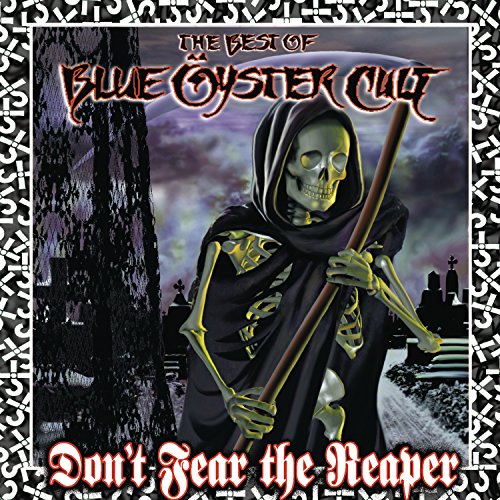
“Don’t Fear the Reaper,” Blue Oyster Cult, 1976

Out of Long Island, New York, in 1971 came Blue Oyster Cult, one of the stalwart hard rock bands of its era.  BOC guitarist Donald “Buck Dharma” Roeser wrote this 1976 hit single in his early 20s, imagining an early death for himself.  “I wasn’t suicidal,” he said, “just thinking cosmically about eternal love and premature death.”  Seems spooky enough to me to be perfect for a Halloween mix… “Then the door was opened and the wind appeared, the candles blew and then disappeared, the curtains flew and then he appeared, saying, ‘don’t be afraid, come on baby, don’t fear the reaper’…”

“D.O.A.,” Bloodrock, 1971

The two-note drone of a European emergency siren is the basic hook on which this gruesome song hangs, and embodies that feeling of dread you might feel in a dark alley or as you approach a haunted house.  The lyrics, which caused the song to be censored in some markets, graphically describe the thoughts of a plane crash survivor as he is brought into a hospital:  “I try to move my arm and there’s no feeling, and when I look, I see there’s nothing there…Life is flowing out my body, pain is flowing out with my blood, the sheets are red and moist where I’m lying, God in heaven, teach me how to die…”

“Scary Monsters (and Super Creeps),” David Bowie, 1980

Bowie had written an early version of this song called “Running Scared” in 1975, and recorded a demo, but ultimately put it aside until compiling tracks for his 1980 LP that he intended to be more commercial than the so-called “Berlin Trilogy” albums that preceded it. “Scary Monsters (and Super Creeps)” is a punky, heavily distorted track featuring Robert Fripp’s harsh guitar, and Bowie so loved the way it turned out that he chose to make it the album’s title track. The eerie lyrics convey the dysfunction behind a strange relationship: “When I looked in her eyes, they were blue, but nobody home, /Well, she could’ve been a killer if she didn’t walk the way she do, /She opened strange doors that we’d never close again…”

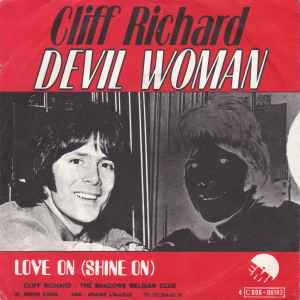
“Devil Woman,” Cliff Richard, 1976

British rock ‘n’ roll legend Richard ruled the UK airwaves in the pre-Beatles years (1957-1962) and is one of the most successful recording artists of all time, but he rarely made a dent in the US charts. In 1976, after he had gone through a softening phase, dabbling in gospel and Christian music, he found himself with a big hit in “Devil Woman,” which reached #6 in the US and sparked four more Top 20 hits here in the late ’70s. The lyrics tell the tale of a man jinxed from an encounter with a stray cat with evil eyes, and his discovery that the psychic whose help he sought to break the spell turned out to be the one responsible for the curse in the first place

“I Put a Spell on You,” Nina Simone, 1965

Written and originally recorded by “Screamin'” Jay Hawkins in 1956, “I Put a Spell on You” has been covered by more than a hundred different artists, from Creedence and Jeff Beck to Annie Lennox and Bryan Ferry. In 1965, blues/jazz singer Nina Simone recorded an amazing rendition that reached #23 on the R&B charts here and also charted well in England. Hawkins, a blues singer, had established himself in the rock ‘n’ roll pantheon by turning the song into a ghoulish stage centerpiece, rising from a coffin amidst smoke and dry ice to deliver a frightful screaming vocal that gave him his nickname.

“‘The X-Files‘ Theme,” Mark Snow, 1993

Martin Fulterman, known professionally as Mark Snow, has written theme music and incidental score parts for several hundred film and TV series since his first project, “The Boy in the Plastic Bubble,” in 1976. Other series include “Hart to Hart,” “Starsky and Hutch,” “Vega$” and “Cagney and Lacey.” At first, Snow was hesitant to work on “The X-Files” because he thought creator Chris Carter and his staff were “kind of weird.” That weirdness is reflected in the theme he ended up composing, which utilized electronic whistling and spooky piano scales that complemented the often macabre story lines.

*************************

Honorable mention:

Welcome to my Nightmare,” Alice Cooper, 1975; “Yes, I’m a Witch,” Yoko Ono, 1974/2007; “Evil Woman,” Electric Light Orchestra, 1975; “Cemetery Gates,” The Smiths, 1986; “Witchy Woman,” The Eagles, 1972; “Halloween,” The Misfits, 1981; “Hells Bells,” AC/DC, 1980.

**************************