Ain’t nobody got time for that!
If it ain’t broke, don’t fix it, and I ain’t just whistlin’ Dixie. It ain’t over ’til the fat lady sings, and I ain’t lyin’…
Ain’t has been called “the most stigmatized word in the English language,” but its presence in verbal and written forms is now ubiquitous, especially in popular song lyrics, film dialogue and catch phrases.
I can still hear the Cowardly Lion in the 1939 film “The Wizard of Oz” proclaiming, “Ain’t it the truth! Ain’t it the truth!” In response to “Shoeless” Joe Jackson’s admission he had cheated in the 1919 World Series, a reporter forlornly said, “Say it ain’t so, Joe.” Dozens of jazz and blues titles from the ’30s and ’40s used the term (“Ain’t Misbehavin’,” “It Ain’t Necessarily So,” “Ain’t No Grave Gonna Hold This Body Down”).
Countless rock ‘n’ roll and R&B songs from the ’60s and ’70s made prolific use of “ain’t,” not only in the title but in the lyrics as well: “This ain’t no party! This ain’t no disco! This ain’t no fooling around!”…

In 2012, a video clip of a woman being interviewed after having escaped a fire in her Oklahoma City apartment complex went viral, especially her use of the phrase “Ain’t nobody got time for that!”
A little linguistics lesson is in order:
The contraction for “am not” was, at one time, “amn’t,” which proved too awkward, causing people to drop the “m” and say “an’t,” which evolved into “ain’t.” The strong proscription against ain’t in standard English has led to the misconception, expressed ironically, that “ain’t ain’t a word” or “ain’t ain’t in the dictionary.” In fact, “ain’t” is listed in most dictionaries, including the Oxford English Dictionary, although it says it is considered slang and “should never be used in formal or written contexts.”
The Merriam-Webster Dictionary states that ain’t “is “widely disapproved as non-standard and more common in the habitual speech of the less educated. Still, it is found throughout the English-speaking world across regions and classes and is among the most pervasive nonstandard terms in English.”

Using “ain’t” is basically just another form of rebellion against the rules and established order. Let’s face it, a song title like “I Ain’t Got Nobody” has so much more attitude and emotional appeal than the more grammatically correct “I Don’t Have Anybody.”
It was a challenge to whittle down a list of more than 100 songs with “ain’t” in the title to a “baker’s dozen” to feature in this blog, which is why the “honorable mentions” paragraph at the end is so long. The Spotify playlist at the end includes the spotlighted tracks as well as the many other runners-up.
Ain’t it grand?
*************************

“Ain’t That a Shame,” Fats Domino, 1955
White artists covering black artists’ songs was common in the segregated ’50s, so although it was Domino who co-wrote this song and recorded the original version in early 1955, Pat Boone’s cover, released two months later, was the one that reached #1 on the charts. According to some sources, Boone suggested changing the title and lyrics to “Isn’t That a Shame,” supposedly to make it more appealing to a broader audience, but he was dissuaded by his producers. Domino thanked Boone for his rendition, which brought him significant royalties.

“Ain’t No Sunshine,” Bill Withers, 1971
Withers said he had just seen “The Days of Wine and Roses,” a 1962 film about two alcoholics who fell in and out of love because they were a bad influence on each other. The recording included “Duck” Dunn, Al Jackson and Stephen Stills on bass, drums and guitar, with Booker T. Washington doing a gorgeous strings arrangement. It reached #3 in the summer of 1971, launching Withers’ career. Dozens of major artists covered it, including Michael Jackson, Tom Jones, Kenny Rogers, Buddy Guy, Tracy Chapman and Aaron Neville. In case you were wondering: Withers intended to write another verse to take the place of him singing “I know” 26 times, but he was persuaded to leave it be.
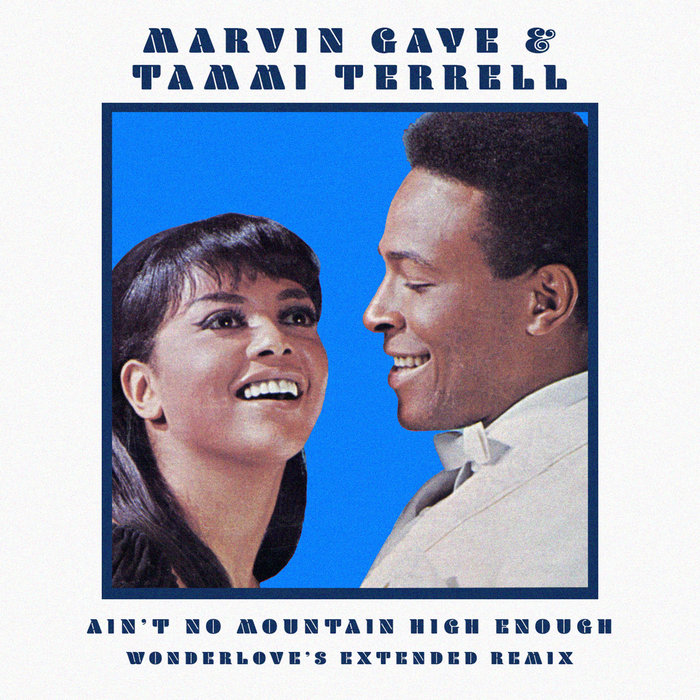
“Ain’t No Mountain High Enough,” Marvin Gaye and Tammi Terrell, 1967
After a half-dozen solo hits, Gaye found that he liked singing duets with female vocalists, primarily Tammi Terrell and Kim Weston. With Terrell, he reached #19 on the pop charts in 1967 with this carefree, breezy, danceable love song that uses “ain’t” 17 times in the lyrics. You’d never know it by listening to it, but producers Harvey Fuqua and Johnny Bristol recorded Terrell’s vocals first, then added Gaye’s parts at a later date. In a completely different arrangement and tempo, Diana Ross recorded the tune in 1970, scoring a #1 hit in her first song as a solo artist after leaving The Supremes. Give me the original any day.
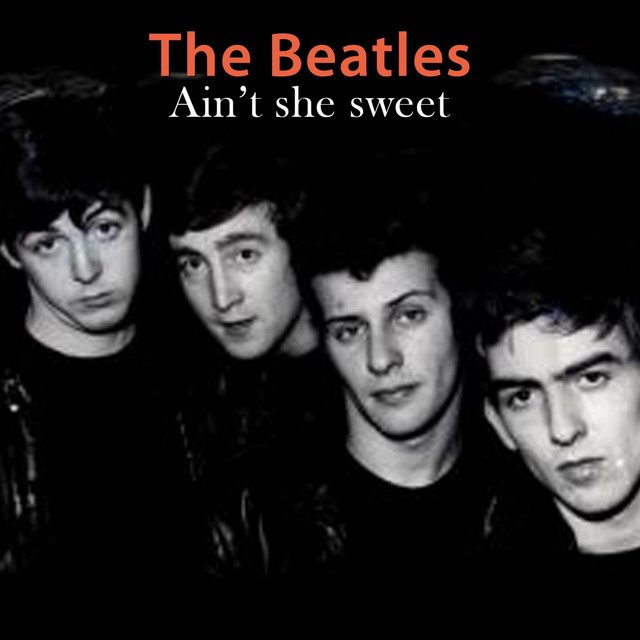
“Ain’t She Sweet,” The Beatles, 1961
Two guys named Milton Ager and Jack Yellen wrote this song in 1927, and it became a Tin Pan Alley standard of that era. (Little-known fact: Ager wrote it for his daughter Shana, who grew up to become CBS political commentator Shana Alexander.) There are at least 100 recorded versions of the tune, most notably The Beatles when Pete Best was still on drums during their early years performing and recording in Hamburg, Germany. Once the group became an international sensation, the recording was released in the U.S., where it reached #19 among the flood of Beatles product that dominated the airwaves in 1964.

“Ain’t That a Bitch,” Johnny “Guitar” Watson, 1976
Originally a jump blues singer and guitarist in the ’50s and ’60s, Watson transformed himself into a soul/funk performer in the ’70s, presenting his urban swagger in flashy fashion. His 1976 album “Ain’t That a Bitch,” particularly its title track, have been described as “sharp and sassy, and some of the best sounding funk of all time.” In the lyrics, Watson describes various exasperating situations and laments to no one in particular, “Ain’t that a bitch?”

“Ain’t Too Proud to Beg,” The Temptations, 1966
Motown producer-songwriter Norman Whitfield collaborated with lyricist Eddie Holland to come up with this gritty soul tune, made especially urgent by arranging it in a key just beyond Temptations lead singer David Ruffin’s range. “He was really straining for some of those notes, which made the guy’s plea to the girl for a second chance seem more desperate,” said Whitfield. It reached #13 on pop charts and #1 on R&B charts in 1966 and is considered one of the quintessential songs of the entire Motown catalog. The Rolling Stones’ cover from their “It’s Only Rock ‘n’ Roll” album made it to #16 on the US charts in 1974.
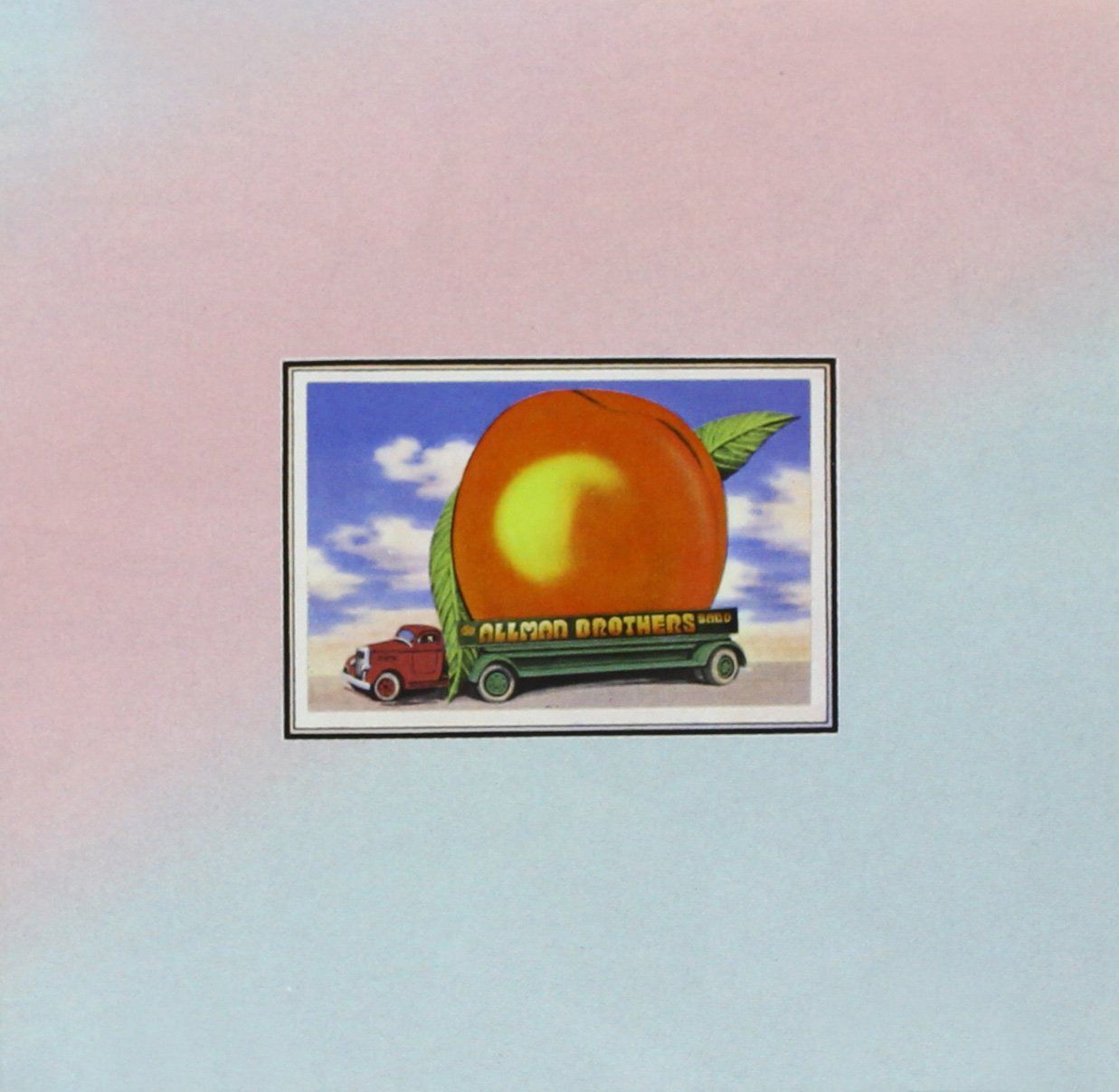
“Ain’t Wastin’ Time No More,” The Allman Brothers Band, 1972
In the immediate aftermath of Duane Allman’s tragic death, the band grieved as it tried to decide what their path forward would be. Their spectacular live album “At Fillmore East” had just climbed into the Top 20 on the album charts, and they concluded Duane would’ve wanted them to soldier on without him. Brother Gregg took a blues shuffle he’d been writing and added lyrics that focused on the need to move on: “I still had two strong legs, and even wings to fly, /And oh, I ain’t wastin’ time no more, ’cause time goes by like hurricanes…”
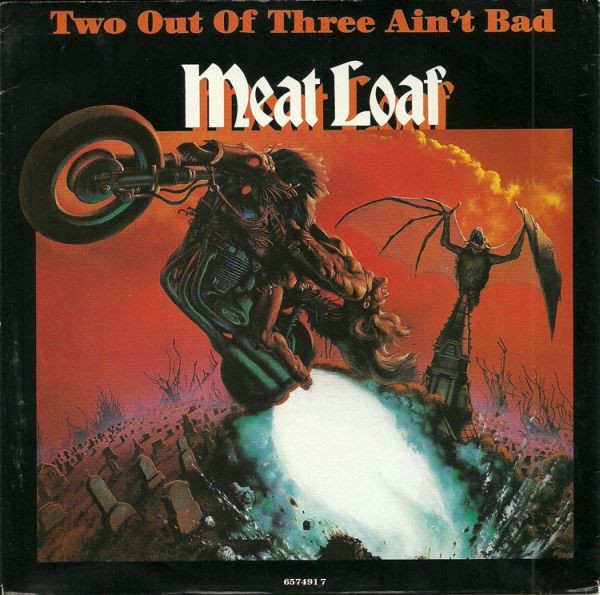
“Two Out of Three Ain’t Bad,” Meat Loaf, 1977
The phrase that Meat Loaf and songwriter Jim Steinman used in this track from the mega-platinum hit album “Bat Out of Hell” is one of the most common usages of “ain’t.” Steinman recalled being encouraged to write some songs with less complicated lyrics. “I happened to be listening to the radio when the old Elvis hit ‘I Want You, I Need You, I Love You’ came on. What I came up with instead was ‘I want you, I need you, but there ain’t no way I’m ever gonna love you, /Now don’t be sad, ’cause two out of three ain’t bad.’“
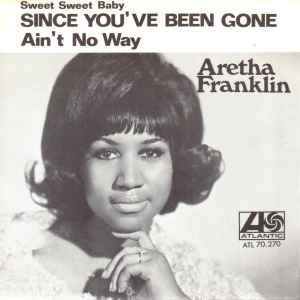
“Ain’t No Way,” Aretha Franklin, 1968
The Queen of Soul was firing on all cylinders when she signed with Atlantic Records in early 1967 and started cranking out vibrant soul records. When “(Sweet Sweet Baby) Since You’ve Been Gone” was released in March 1968, it became her sixth consecutive Top Ten hit on the US pop charts, and her fifth of six #1 hits on the R&B chart. Almost as impressive was the fact that the single’s B-side, “Ain’t No Way,” reached #16 as well. It was written by Franklin’s sister Carolyn, who sang background vocals along with the Sweet Inspirations, the girl group that included future solo artist Cissy Houston.

“It Ain’t the Meat, It’s the Motion,” Southside Johnny and the Asbury Jukes, 1976
Written in 1951 by Henry Glover and Sad Nathan, “It Ain’t the Meat” was recorded as the bawdy B-side of the third single by the R&B vocal group The Swallows. (Insert joke here.) “Everybody liked that song everywhere we played it, but the radio wouldn’t touch it,” said first tenor Eddie Rich. “We got blackballed for that.” By the 1970s as sexual mores changed, the song was embraced by such artists as Maria Muldaur, and Southside Johnny and the Asbury Jukes, who relished how the lyrics emphasize the importance of sexual technique over the size of the “equipment.”
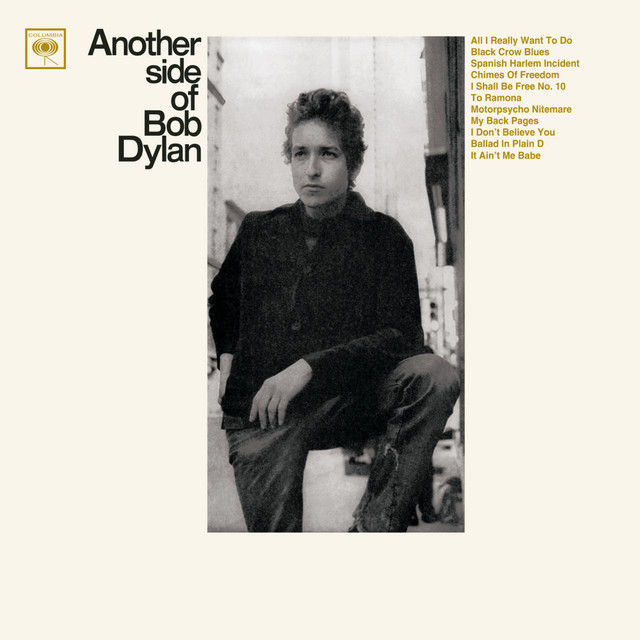
“It Ain’t Me Babe,” Bob Dylan, 1964
Dylan’s 1964 LP, appropriately titled “Another Side of Bob Dylan,” put aside the social issues and protest lyrics he’d been writing in order to explore other areas of the human condition. “It Ain’t Me Babe,” which later become a folk rock hit for The Turtles, was Dylan’s response to a woman who expected him to be “her invincible hero and all-encompassing provider,” as one writer put it. “You say you’re looking for someone, someone who will die for you and more, but it ain’t me, babe, it ain’t me you’re looking for…” Dylan often utilized phrasing that celebrated the common man, so”ain’t” worked better than “isn’t” here.
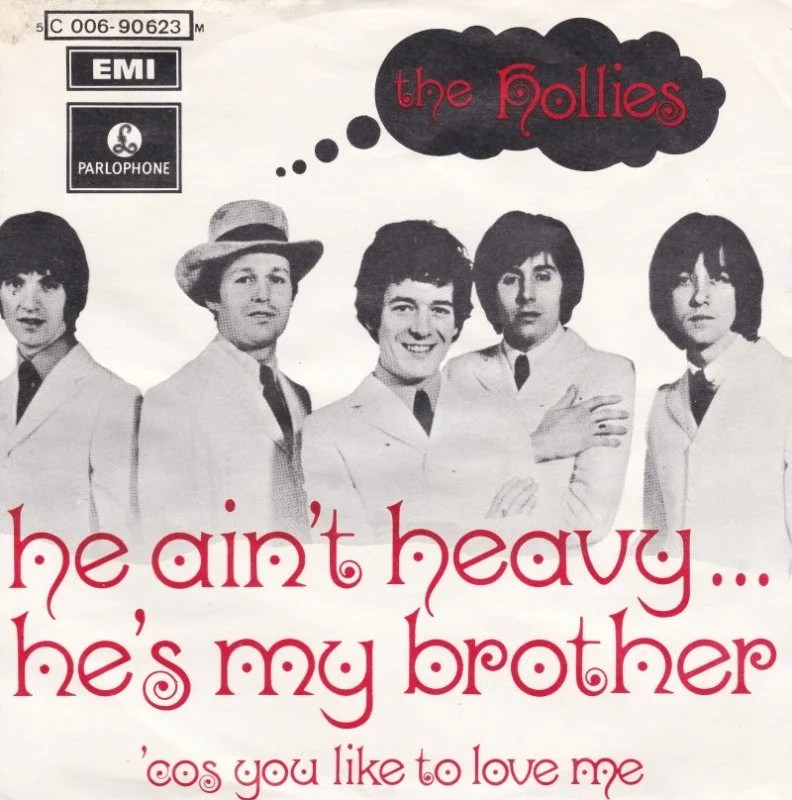
“He Ain’t Heavy, He’s My Brother,” The Hollies, 1969
Songwriters Bobby Scott and Bob Russell partnered on this classic song that made use of an ancient parable about a young girl who struggled while carrying her chubby baby brother. When asked if she could mange the challenging load, she replied, “He’s not heavy; he’s my brother.” The songwriters chose to use the vernacular “ain’t” that had appeared in the headline of a recent newspaper column. The Hollies recorded it in 1969 and took it to #7 on the US charts (#3 in their native England). Neil Diamond had a Top 20 hit with his version in 1970.

“You Ain’t Seen Nothing Yet,” Bachman-Turner Overdrive, 1974
Randy Bachman had the bones of a song he referred to as a “working track” that the band would use during soundchecks, utilizing riffs and chords from Dave Mason’s “Only You Know and I Know.” It was kind of a joke, Bachman said, poking fun at his brother’s occasional stutter in the manner of The Who’s “M-m-m-my Generation.” The producer loved it and urged the group to add it to the next album, “Not Fragile,” where it vaulted to #1 in the US and went Top Five in a dozen other countries as well, complete with the stuttering on “baby” and “nothing.”
************************
Honorable mention:
“Ain’t No Woman (Like the One I Got),” The Four Tops, 1974; “Ain’t Got You,” Bruce Springsteen, 1987; “We Ain’t Got Nothin’ Yet,” The Blues Magoos, 1967; “It Ain’t Easy,” David Bowie, 1972; “This Ain’t a Love Song,” Bon Jovi, 1995; “I Ain’t Gonna Stand For It,” Stevie Wonder, 1980; “Ain’t No Need,” Buddy Guy and Junior Wells, 1970; “You Ain’t the First,” Guns ‘N Roses, 1991; “Say It Ain’t So,” Murray Head, 1975; “Ain’t Nothin’ Like the Real Thing,” Marvin Gaye and Tammi Terrell, 1966; “Ain’t Nobody,” Rufus with Chaka Khan, 1983; “(Ain’t That) Good News,” Sam Cooke, 1964; “Love Ain’t For Keeping,” The Who, 1971; “You Ain’t Goin’ Nowhere,” The Byrds, 1968; “Ain’t That Loving You Baby,” Elvis Presley, 1964; “Ain’t No Song,” James Taylor, 1974; “Ain’t That So,” Roxy Music, 1979; “Ain’t No Stoppin’ Us Now,” McFadden & Whitehead, 1979; “You Ain’t Foolin’ Me,” The Marshall Tucker Band, 1974; “Ain’t No Need to Worry,” The Winans with Anita Baker, 1987; “Love Ain’t No Stranger,” Whitesnake, 1984; “Ain’t That a Kick in the Head?,” Dean Martin, 1960; “Ain’t Talking ‘Bout Love,” Van Halen, 1978; “Sometimes Love Just Ain’t Enough,” Patty Smyth and Don Henley, 1992; “Ain’t That Peculiar,” Marvin Gaye, 1965; “The Sun Ain’t Gonna Shine Anymore,” The Walker Brothers, 1965; “Rock and Roll Ain’t Noise Pollution,” AC/DC, 1980.
*************************





 Hack's Back Pages