If you look at any given year in the classic rock era — say, 1974 — there’s a list of songs that dominated the Top 40 and became, in many people’s minds, representative of the music we were listening to in that particular year.
Fifty years ago, the ubiquitous hits were songs like Terry Jacks’s cringeworthy “Seasons in the Sun,” Ray Stevens’s silly (but timely) novelty tune “The Streak,” Grand Funk’s ho-hum remake of the 1961 hit “The Loco-Motion,” Barbra Streisand’s tearjerker movie ballad “The Way We Were” and MFSB’s early disco anthem “TSOP (The Sound of Philadelphia).” I don’t know about you, but these were definitely not typical of the kind of music I was listening to in 1974.

Every year in the ’60s, ’70s and ’80s (and beyond), there were many dozens of songs that fall into a category I have called “lost classics” — tunes you loved but have forgotten about, or tracks you somehow never heard even though you might’ve owned the album where they’re found. My goal has been to periodically shine a bright light on these “diamonds in the rough” a dozen at a time. This week, I’ve chosen to focus on 13 neglected songs from 1974. They’re on a Spotify playlist at the end, so check them out. Hard to believe they’re a half-century old this year!
************************

“Star Baby,” The Guess Who, 1974
Ever since co-founder Randy Bachman left the group in 1970, The Guess Who had been dominated by the strong songwriting and singing of keyboardist Burton Cummings, who continued their string of Top 40 hits (“Hand Me Down World,” “Share the Land,” “Albert Flasher,” “Rain Dance”) and gold albums into the mid-’70s. In 1973, Cummings wrote “Star Baby” about one of the band’s roadies having an affair with singer Bonnie Bramlett. It has always irked me that the insipid “Clap For the Wolfman” became the hit single from their 1974 LP “Road Food” while the far superior “Star Baby” stalled at #39 on US pop charts (though it reached #9 in their native Canada). Such a great tune!

“Another Cruel Love,” The Marshall Tucker Band, 1974
Named after a blind piano tuner from Spartansburg, SC, The Marshall Tucker Band helped kick off the Southern rock genre with its eclectic mix of country, blues, jazz and rock on their debut LP in 1973. They made their name with extended tracks like “You Ain’t Foolin’ Me,” “Can’t You See,” “This Ol’ Cowboy,” “Take the Highway” and “24 Hours at a Time,” highlighted by Toy Caldwell’s superb guitar licks and the flute passages of Jerry Eubanks. One of my favorite MTB tunes, one of only a few to feature a vibrant horn section, is “Another Cruel Love,” an uptempo blues boogie that kicks off Side Two of their 1974 sophomore LP, “A New Life.”

“As The Raven Flies,” Dan Fogelberg, 1974
“Home Free,” Fogelberg’s 1972 debut LP, leaned heavily on a countrified approach and gained only limited notice, but by the 1974 follow-up, “Souvenirs,” things changed dramatically, thanks to the substantial contributions from guitarist Joe Walsh, who also served as producer. There are plenty of pleasant acoustic melodies (“Changing Horses,” “Souvenirs,” “Song From Half Mountain”) and some fine production numbers like “Part of the Plan” and “There’s a Place in the World For a Gambler,” but the big surprise for me was “As the Raven Flies,” which rocks as hard as anything in Fogelberg’s catalog. That’s Fogelberg and Walsh together on electric guitars throughout.

“Walk On,” Neil Young, 1974
Following the commercial success and appeal of “After the Gold Rush” and “Harvest,” Young shunned the spotlight and made two albums drenched in pessimism and melancholy. 1973’s “Tonight’s The Night” was such an abrupt about-face from “Harvest” that Young’s record company delayed its release for two years. In between, Young wrote and recorded “On the Beach,” which was similarly downcast and bleak in outlook. The somewhat catchy single “Walk On” flatlined at #69 on US charts, but it at least offered the pragmatic view that change is inevitable and we must accept it and move on. Young called the tune “my over-defensive reaction to criticisms of ‘Tonight’s the Night.'”

“Barrytown,” Steely Dan, 1974
Of the seven albums that made up Steely Dan’s initial career arc in the ’70s, “Pretzel Logic” is perhaps the one with the most commercial pop appeal. Its predecessor, “Countdown to Ecstasy,” saw the group stretching out on longer tracks with multiple instrumental solos, but this LP featured a dozen uncannily catchy three-minute songs carried by accessible melodies, quirky lyrics and Donald Fagen’s unmistakable voice. “Barrytown” had in fact been written years earlier, and was considered for their “Can’t Buy a Thrill” debut but was shelved instead. It was then resurrected during these 1974 sessions, and Poco/Eagles member Timothy B. Schmit adds dazzling harmonies on the bridge.
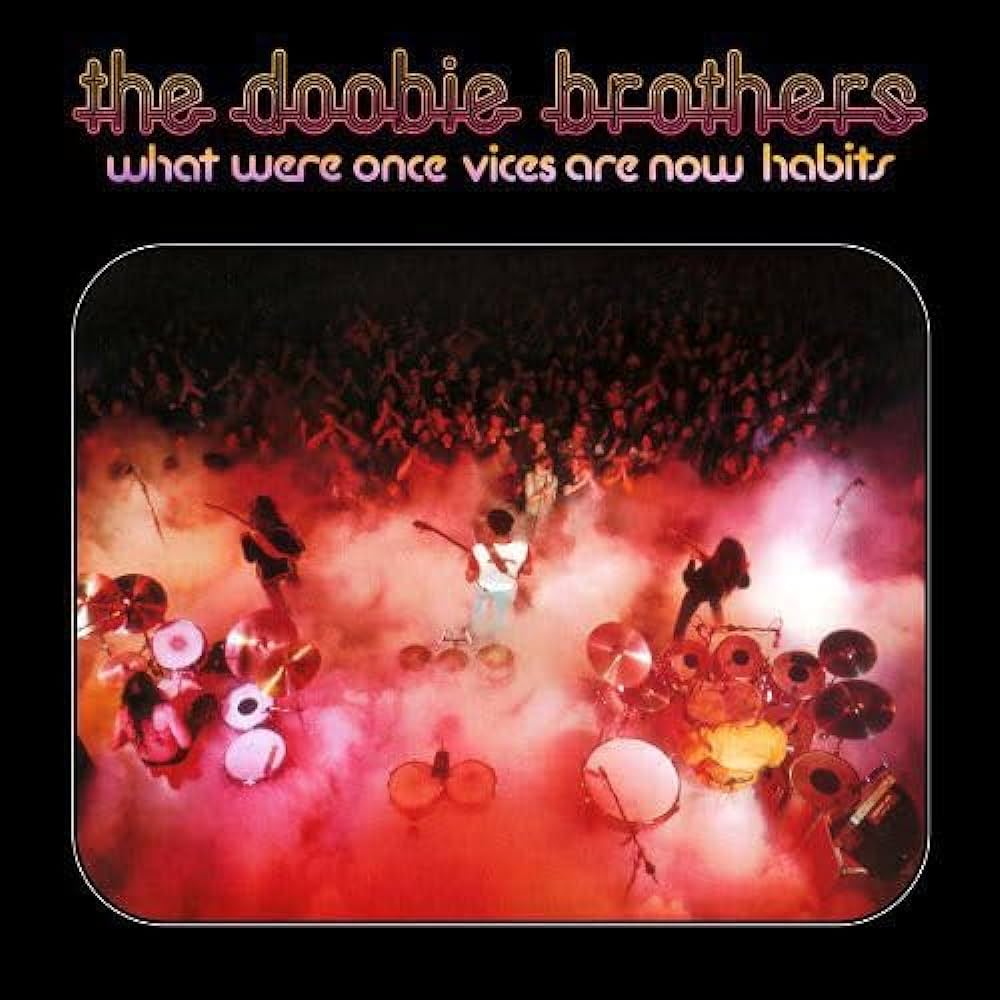
“Spirit,” The Doobie Brothers, 1974
The fourth LP by this San Jose-based band, “What Were Once Vices Are Now Habits,” continued the double-edged attack of rocker Tom Johnston and country picker Patrick Simmons each contributing quality tunes to the group effort. It was Simmons’s down-home “Black Water” that became The Doobies’ first #1 hit, but there are plenty of other great tracks to feast upon — “Tell Me What You Want,” “Eyes of Silver,” “Daughters of the Sea” and “Another Park, Another Sunday,” to name a few. When I saw the group perform in 2017, I was pleased that “Spirit,” a jaunty Johnston song I always liked, was among the surprises on the concert set list.
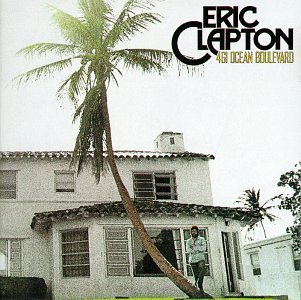
“Let It Grow,” Eric Clapton, 1974
During and after the “Layla” sessions in 1970, Clapton spiraled down into a heroin addiction that almost killed him, but he made it through to the other side with a newfound spirituality that informed much of his musical output throughout the 1970s, starting with the 1974 comeback LP “461 Ocean Boulevard.” Although his covers of Bob Marley’s “I Shot the Sheriff” and Johnny Otis’s “Willie and the Hand Jive” got most of the attention, the LP’s finest track, by far, is the Clapton original, “Let It Grow.” Some of the chord progressions resemble “Stairway to Heaven,” while the guitar/synthesizer mix positively shimmer behind Clapton’s earnest vocal delivery of lyrics that speak of hope and emotional growth.
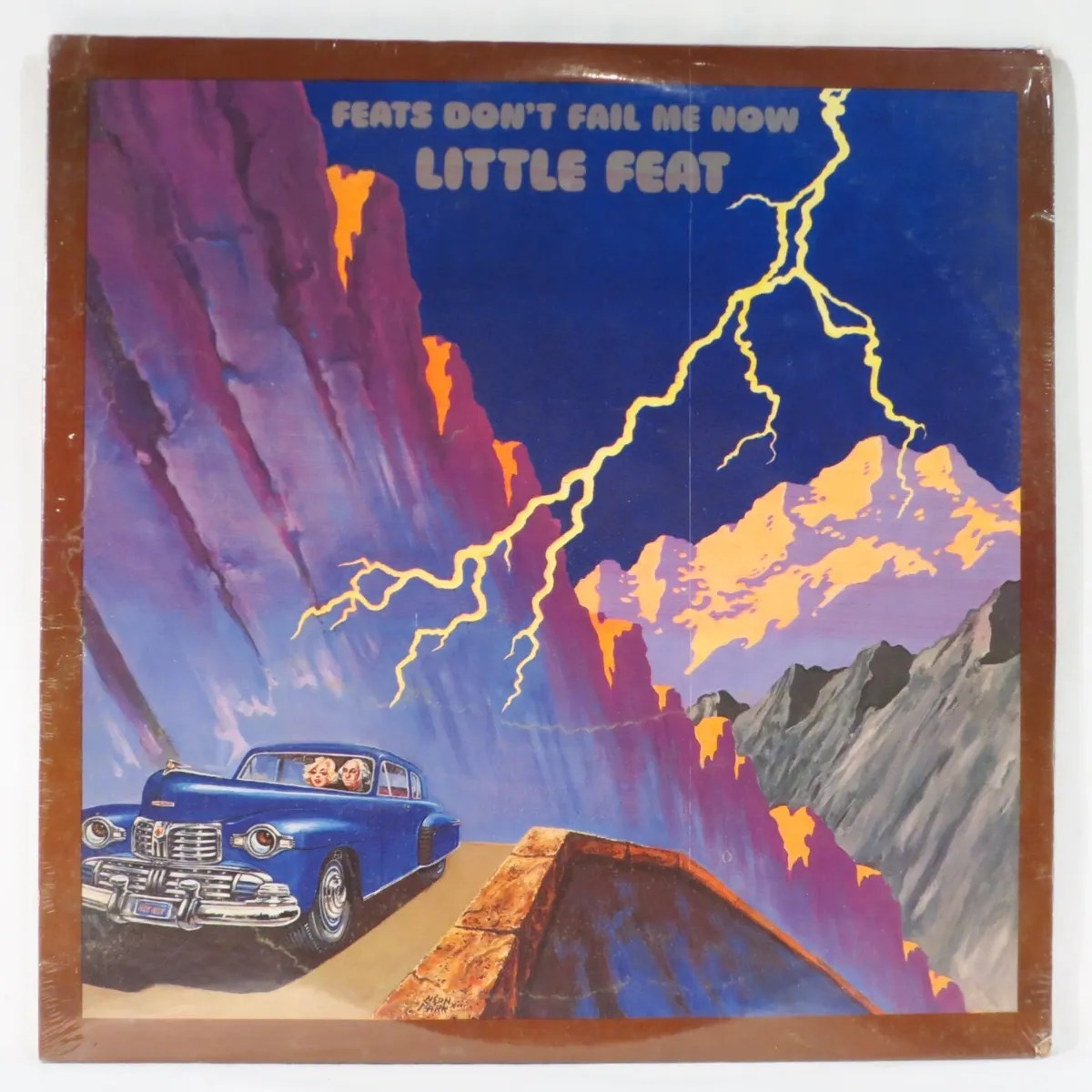
“The Fan,” Little Feat, 1974
During sessions for Little Feat’s 1970 debut, founding members Lowell George and Billy Payne co-wrote a tune they called “Wait’ll the Shit Hits the Fan,” but the song’s 7/8 meter proved a bit too challenging, so they put it aside. Four years later, the band’s bigger lineup tried again, successfully recording it live in the studio as “The Fan” for their fourth LP, “Feats Don’t Fail Me Now.” It became a regular part of the band’s live set for most of the ’70s, sometimes involving lengthy instrumental solos and medleys with other tracks from the album. The dueling guitars of Paul Barrère and Lowell George are at their best on this exemplary song.

“Three and Nine,” Roxy Music, 1974
Always a critics darling, Roxy Music emerged from the British glam rock scene in 1972, broadening their approach with each successive album. By their fourth LP, “Country Life,” singer Bryan Ferry, guitarist Phil Manzanera and reed player Andy Mackay had honed an art-rock sensibility that dabbled in other esoteric styles and arrangements. Of particular note to me is “Three and Nine,” a more conventional tune that recalls the work of The Kinks’ Ray Davies. Ferry has noted that the song was inspired by a time in his youth when he often went to the movies, where the price of admission was three shillings and nine pence (hence “Three and Nine”).

“Get a Hold,” Loggins and Messina, 1974
When producer/musician Jim Messina agreed to man the boards on the 1971 debut LP of newcomer Kenny Loggins, he contributed so much that it was titled “Kenny Loggins With Jim Messina Sittin’ In,” and they went on to release six more albums as a duo before Loggins’ solo career finally commenced in 1977. For me, their high-water mark was the 1974 masterpiece “Mother Lode,” truly a treasure trove of fine songs and performances. One of the lesser-known gems is “Get a Hold,” a delightful Loggins tune carried by Messina’s understated lead guitar and the flute and sax work of multi-instrumentalists Jon Clarke and Al Garth.

“Hello Old Friend,” James Taylor, 1974
Taylor’s upbringing in North Carolina was the inspiration for “Carolina In My Mind,” a track from his overlooked 1969 debut LP that was re-recorded for his “Greatest Hits” album in 1976 and is one of his most cherished tunes today. He and his family also spent most of his childhood summers on Martha’s Vineyard off the coast of Cape Cod, and he ended up building a house there in 1972 where he and his then-wife Carly Simon settled down. Because he found touring grueling, he loved returning to the tranquility of the Vineyard, and he chose to write about that in “Hello Old Friend,” one of the standout tracks from his unassuming 1974 LP, “Walking Man.”

“People’s Parties/The Same Situation,” Joni Mitchell, 1974
Released in mid-January, “Court and Spark” turned out to be one of the crown jewels of 1974 album releases, and Mitchell’s biggest commercial success (along with the hugely popular successor, the live “Miles of Aisles”). Hit singles like “Help Me,” “Free Man in Paris” and “Raised on Robbery” ensured plenty of airplay, while the rest of the album tracks show off her evolving musical sophistication and continued mastery of perceptive lyric writing. “People’s Parties” segues naturally into “The Same Situation,” both of which beautifully depict scenes from LA music industry parties and the hollowness of superficial personal relationships that fail to last.
**************************
 Hack's Back Pages
Dear Hack,
Very interesting selections — most faintly familiar but a few were “new again”. Like finding a box of old pictures in the attic – “WOW, I remember THAT!” or “When the HELL was THIS taken?” They say the sense of smell has the strongest link to memory cortex, but the sounds of a near-forgotten tune has to be right next to it.
Joni Mitchell’s whole ‘Court-N-Spark’ album is ONE song – just wonderful segments woven together into one tapestry (sorry, that’s Carole King). It was the soundtrack to many smoke filled dorm rooms in 1974, up and down the hall. Thanks for the stroll…
Best always, Duryea
LikeLike