It’s been said that all singers are frustrated actors.
An overstatement, to be sure. Many fine singers concede they don’t have what it takes to be plausible in a movie role…but they’ve been eager to try acting anyway. Perhaps it represents another artistic challenge from them to achieve, and allows them the chance to showcase their versatility as performers. From a practical point of view, actors often have longer-lasting careers and public profiles, while singers’ fame is tied more to musical trends and a fickle listening public.

As Susan Scher, a voice teacher at New York University, put it, “Singing and acting are two performing arts that have a lot in common. If you’re one of my voice students, you learn some acting, too. Singing a song is not enough. You need to sell the song. Only acting does that. So, many of the very successful singers do a good acting job.”
However, she cautions, “This does not make them good actors. They may not be able to maintain it for more than the duration of a song. They may not be able to assume whatever mood the director wants. There are a lot of maybes. But I think successful singers have a head start on acting.”
In this post, I have identified more than two dozen rock and pop singers from the ’60s, ’70s and ’80s who have successfully shown the ability to be convincing actors. Readers may not have seen many of the films cited here. I doubt I’ve seen more than maybe 35-40% of the films these singers have made. But after doing the research and completing this post, I’m motivated to check out some of them, and perhaps you will be, too.
I’ve decided not to do a Spotify playlist for this post because I’m focusing on acting, not music. Even though some of these musicians-turned-actors had music that appeared in their movies (“9 to 5,” “Wind Beneath My Wings,” “Knockin’ on Heaven’s Door”), they’re in only a very few of the films discussed here, so I thought it best to just leave them alone for now.
**************************
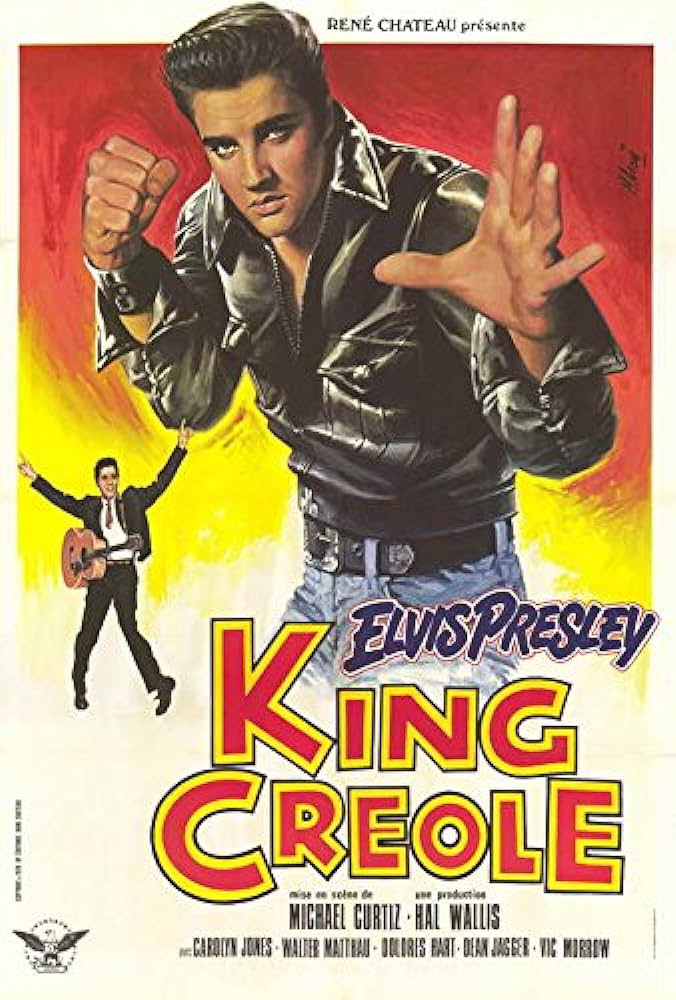
Elvis Presley
Thanks to manager “Colonel” Tom Parker’s push toward a future in Hollywood, Presley began starring in lightweight films almost as soon as he became a recording sensation. He had a starring role in nearly 30 films between 1956 and 1969, nearly all of which had lame scripts and plots that served merely as vehicles to put Elvis’s face on the big screen two or three times a year. Only a few had any staying power — “Jailhouse Rock” (1957), “Kid Creole” (1958), “Viva Las Vegas” (1964) — and even those gave him little opportunity to actually act. He wisely abandoned film and returned to the stage (albeit in Las Vegas) for his final years in the ’70s.

Mick Jagger
By the end of the ’60s, The Rolling Stones were international rock superstars, and as their dazzling frontman, Jagger fancied himself capable of acting as well, sticking his toe into those waters through two films in 1970. The little-known Australian flick “Ned Kelly,” featuring Jagger in the title role, was so poorly received, he claimed he never saw it upon its release. But in “Performance,” a sex-and-violence British crime drama shot in 1968, Jagger offered a convincing turn that was regarded in 2009 in Film Comment magazine as “best performance by a musician in a film.” He steered clear of movie roles until the 1990s, when he starred in the dystopian science fiction film “Freejack,” the controversial 1997 film “Bent” with Clive Owen, “The Man From Elysian Fields” with Andy Garcia in 2001 and “The Burnt Orange Heresy” alongside Donald Sutherland in 2019.

Bob Dylan
The 50-plus albums comprising Dylan’s recording career show him to be a man whose talents are monumental yet inconsistent. If you examine his brief career in movies, you can quickly deduce that acting is not his primary calling in life. He did all right in his debut in Sam Peckinpah’s “Pat Garrett & Billy the Kid” in 1973, but his other film appearances are so enigmatic and perplexing as to be almost inconsequential, especially “Renaldo and Clara,” a nearly four-hour movie he directed, wrote and starred in that’s part concert film, part documentary, part fictional vignette. The less said about the self-indulgent “Hearts of Fire” (1987) and “Masked and Anonymous” (2003), the better.

Cher
In 1969, Cher’s husband and singing partner Sonny Bono wrote and produced the film “Chastity” for her, which bombed so badly it deterred her from acting in films for more than a decade. Her career as a singer and TV variety show host made her a superstar in the ’70s, and then in the ’80s, she returned to movies and starred in several award-winning entries — “Silkwood” with Meryl Streep in 1983, “Mask” with Eric Stoltz in 1985, and “The Witches of Eastwick” with Jack Nicholson and Michelle Pfeiffer in 1987. She won a well-deserved Best Actress Oscar in 1987 for her work in the romantic comedy “Moonstruck” with Nicolas Cage. Other film appearances since then (“Mermaids” in 1990, “Burlesque” in 2010) included soundtrack songs that made the charts.
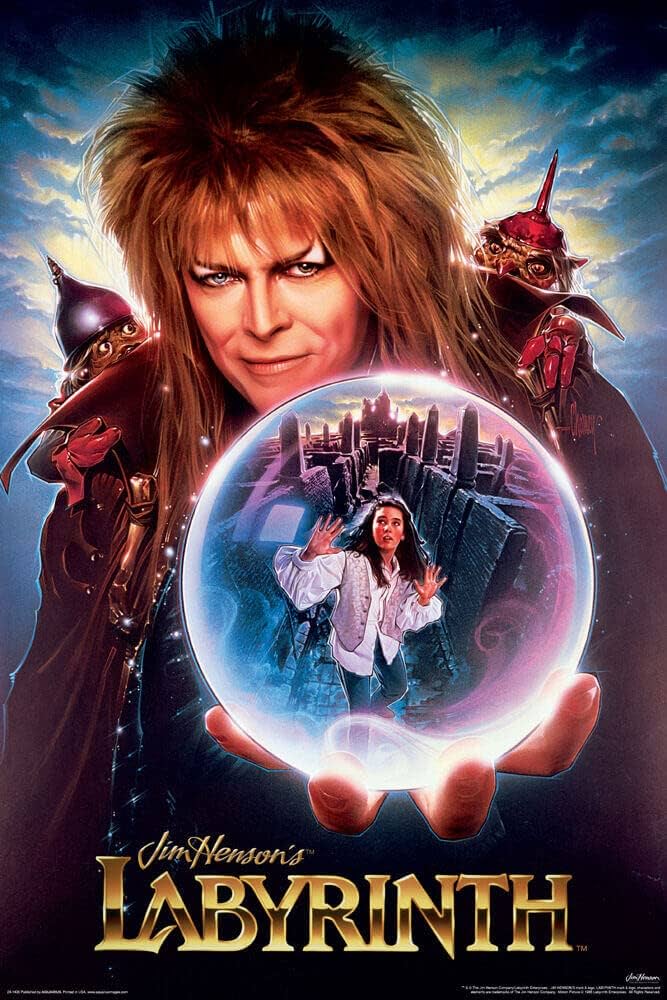
David Bowie
Always as interested in showmanship as songwriting, Bowie adopted various characters as stage personas early in his career (Ziggy Stardust, The Thin White Duke), which led rather seamlessly into pivotal and or starring roles in a number of feature films. He won a Saturn Award for his acting in the science fiction classic “The Man Who Fell to Earth” in 1976 and earned praise for his work in the 1986 fantasy “Labyrinth.” He also appeared in the German film “Just a Gigolo” (1978), the Japanese flick “Merry Christmas, Mister Lawrence” (1983), “The Hunger” (1983) and “The Linguini Incident” (1991).

Roger Daltrey
When director Ken Russell began casting for his film adaptation of The Who’s rock opera “Tommy,” he thought vocalist Roger Daltrey had the ideal look to play the lead role of “a psychosomatically deaf, dumb and blind boy who becomes a pinball champion and messianic figure.” Daltrey wasn’t too keen on the idea at first, but he warmed to it, and found the experience so satisfying that he signed up to perform in several more films, including “Lisztomania” (1975), “The Legacy” (1978) and “McVicar” (1980). In England, he became a ubiquitous presence playing characters on more than 20 different TV series, and also in British films like “Buddy’s Song” (1991), “Like It Is” (1998) and “Johnny Was” (2005).

Barbra Streisand
Following her established recording success in the early/mid 1960s, Streisand ventured into film in 1968, hitting a grand slam right off the bat playing Fanny Brice in “Funny Girl,” for which she won a Best Actress Oscar. As her singing career continued to flourish, so did her acting path, showing considerable depth and range in everything from screwball comedies (“What’s Up Doc?” with Ryan O’Neal) to wistful dramas (“The Way We Were” with Robert Redford). Streisand was a perfect choice for the 1976 remake of “A Star is Born,” also winning a Best Song Oscar for “Evergreen,” and became the first woman to write, produce, direct, and star in a major studio film with 1983’s “Yentl.” Since then, she has kept the acting ball rolling with such major films as “Nuts” (1987), “The Prince of Tides” (1991) “The Mirror Has Two Faces” (1996) and the two comedies alongside Dustin Hoffman, “Meet the Fockers” and “Little Fockers.”

Tom Waits
A distinctive musician known for his raspy voice and darkly humorous lyrics, Waits parlayed his unique musical vision into a side career as a character actor specializing in the same down-at-the-heels men who often populated his songs. Waits became highly sought after to contribute music to more than 100 film and television productions, and on screen, he was recruited for two dozen film roles by such directors as Robert Altman, Jim Jarmusch, Terry Gilliam and Francis Ford Coppola. Whether playing a convict on the run in 1986 (“Down By Law” with John Curie), a trailer-park dwelling chauffeur in “Short Cuts” (1993), or a dapper Devil in “The Imaginarium of Doctor Parnassus” (2009), Waits chalked up convincing portrayals of outcasts and ne’er-do-wells.

Harry Connick Jr.
A jazz pianist, composer and singer, Connick rose to fame as the chief talent behind the popular soundtrack to the film “When Harry Met Sally” in 1989. Much to his surprise, his matinee-idol good looks won him star billing in sympathetic roles (“Little Man Tate”) and as a serial killer opposite Sigourney Weaver in “Copycat” (1995). While continually writing and releasing new music in the decades since, Connick was busy in TV and film as well — “Independence Day” with Will Smith and Jeff Goldblum, a leading role in “Hope Floats” with Sandra Bullock, “Basic” with John Travolta and Connie Nielsen, “Bug” with Ashley Judd, and multiple appearances on “Will & Grace” and “Law & Order: Special Victims Unit.”

Sting
First as the chief songwriter, singer and bassist for The Police and then as an accomplished solo artist, Sting accumulated an impressive track record as one of rock’s more intellectual heavyweights, tackling difficult subjects with gravitas and flair. He showed an interest in and talent for acting, debuting as “King of the Mods” in “Quadrophenia” (1979) and then turning heads in David Lynch’s epic space opera “Dune” (1984). He also appeared in “Plenty” with Meryl Streep, the period horror film “The Bride” with Jennifer Beals, and “Julia and Julia” with Kathleen Turner, all in the mid-1980s.
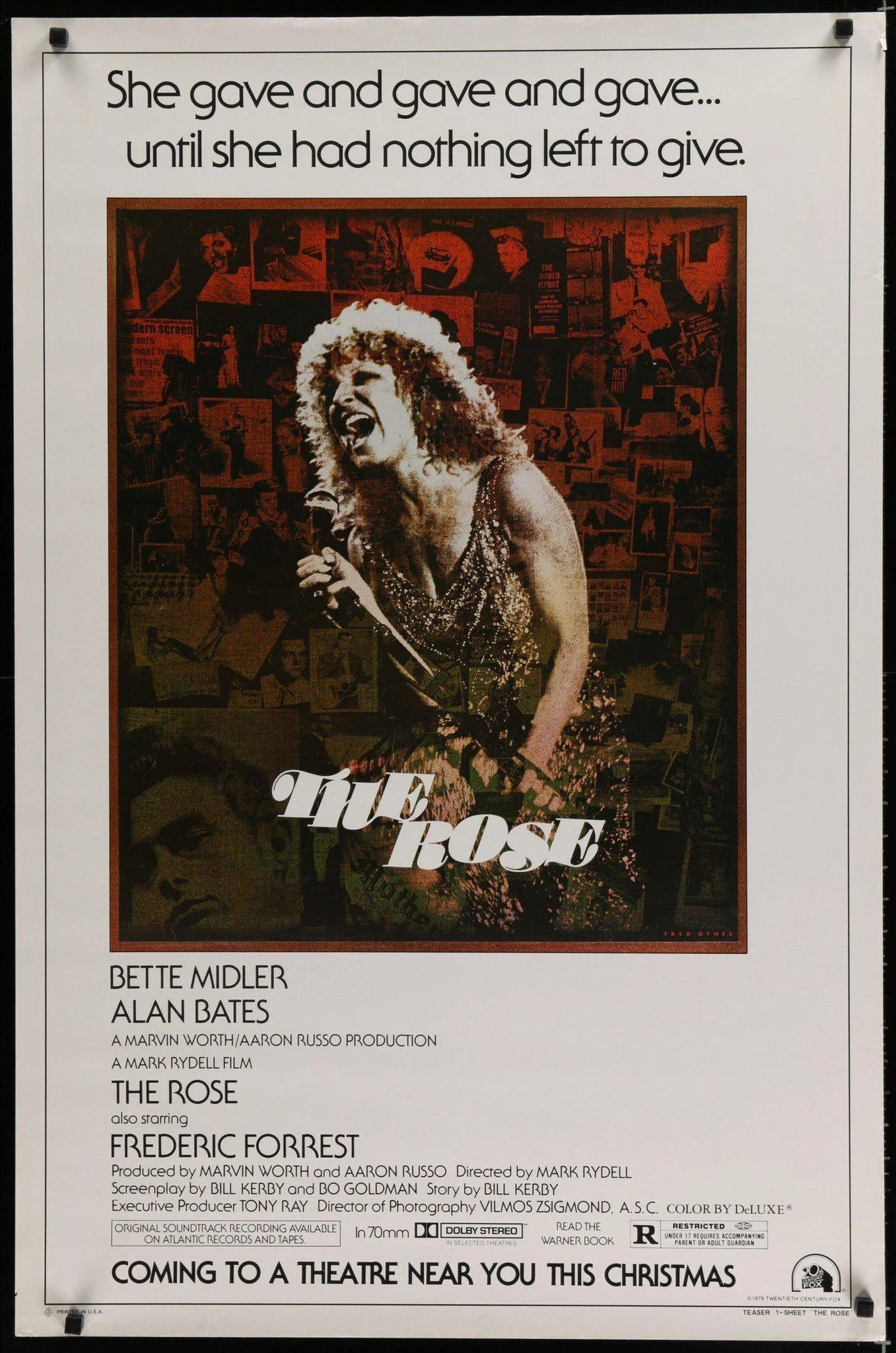
Bette Midler
Midler’s brassy, over-the-top stage presence as a singer made her an early success in music with her first two LPs (“The Divine Miss M” and “Bette Midler”) and, later, with several Top Ten singles. She had appeared in bit parts in a few films in the late ’60s, but it was her star appearance in 1979’s “The Rose” (for which she earned an Oscar nomination) that made her as much an actress as a singer in the public’s perspective. In the mid-’80s, she churned out several box-office hit comedies (“Down and Out in Beverly Hills,” “Ruthless People,” “Outrageous Fortune” and “Big Business”) alongside name actors like Richard Dreyfus, Danny DeVito, Lily Tomlin and Shelley Long. She starred with Barbra Hershey in the melodrama “Beaches” in 1990, which also spawned Midler’s #1 hit “Wind Beneath My Wings,” a multi-Grammy winner as well. Since then, she was also in “Scenes From a Mall,” “Hocus Pocus” and “The Stepford Wives” remake.

Kris Kristofferson
A Phi Betta Kappa and Rhodes scholar in literature, Kristofferson took his way with words to Nashville and established an award-winning career as a songwriter (“Me and Bobby McGee,” “Help Me Make It Through the Night,” “Sunday Mornin’ Coming Down”), although his successes as a recording artist were few and far between. He began simultaneously focusing on acting, and his filmography includes star and supporting appearances in more than 80 films and TV shows between 1971 and 2018. Among his most praised work are “Pat Garrett and Billy the Kid” (1973), “Blume in Love” (1973), “Alice Doesn’t Live Here Anymore” (1974), “A Star is Born” (1976), “Semi-Tough” (1977), “Convoy” (1978), “Heaven’s Gate” (1980), “Stagecoach” (1986) and the “Blade” trilogy (1998-2004).

Madonna
A cultural icon as singer, performer and songwriter beginning in 1983, Madonna quickly established herself on the silver screen as well, gaining praise for her acting in “Desperately Seeking Susan” in 1985 alongside Rosanna Arquette. As she continued notching 10 Top Five singles on the pop charts in the latter half of the ’80s, she endured critical drubbings for the “Shanghai Surprise” and “Who’s That Girl” films. Things improved with a fine outing in “Dick Tracy” opposite Warren Beatty and Al Pacino, and even more so with the baseball comedy “A League of Their Own” in 1992. Amidst a half-dozen so-so films in the 1990s and 2000s is one last victory, a Golden Globe in 1996 for her performance as Eva Perón in “Evita.”
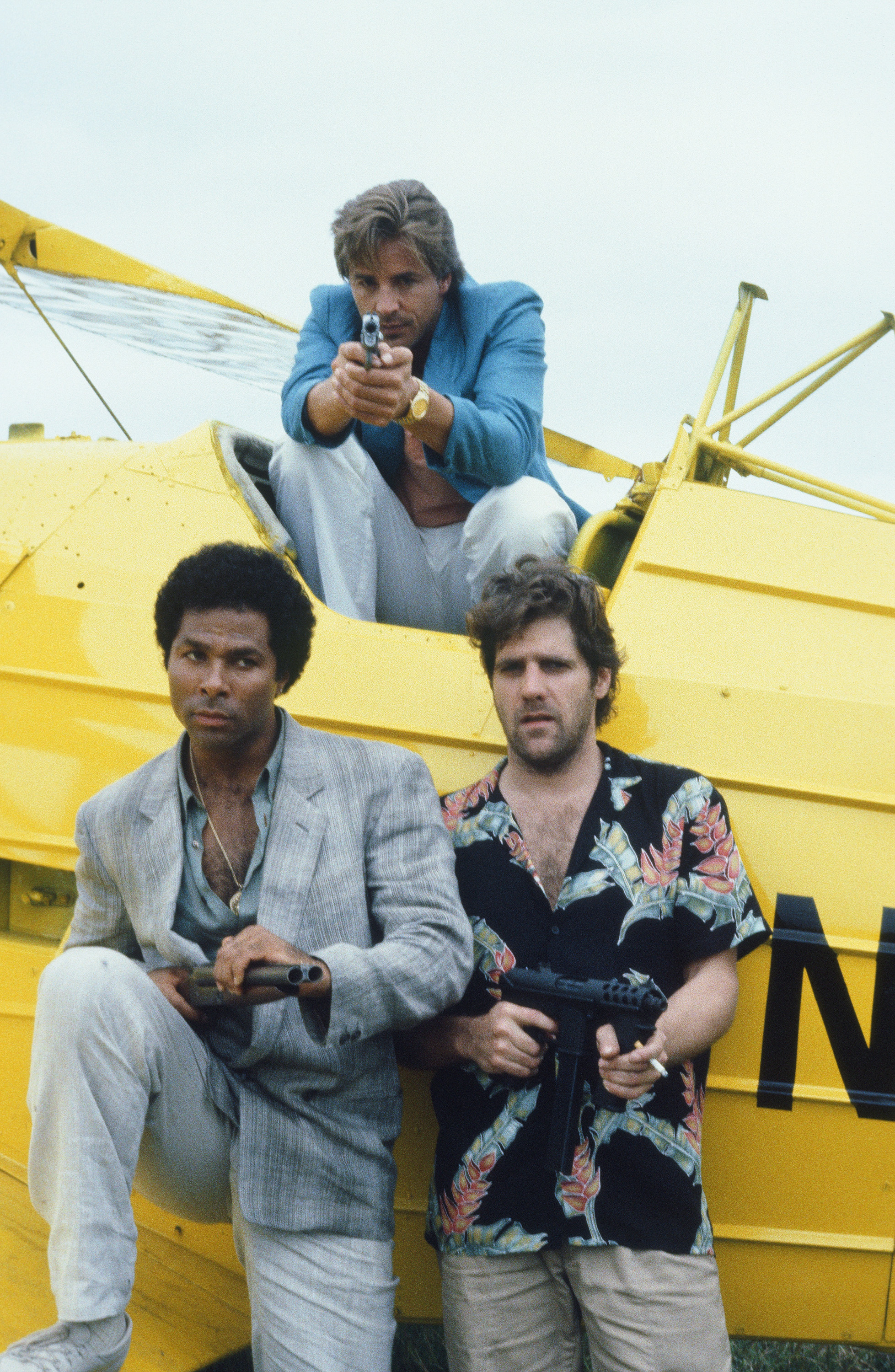
Glenn Frey
Upon the initial breakup of The Eagles in 1980, Frey established a successful solo recording career that included Top Five hits he wrote and sang for Eddie Murphy’s “Beverly Hills Cop” and the “Miami Vice” TV series. One of those, “Smuggler’s Blues,” was so cinematic in nature that he was tapped to play a role as a member of the smuggling team in the episode written for it. Frey also made appearances in TV shows like “Wiseguy,” “Nash Bridges” and “Arli$$,” and eventually won a starring role in the caper film “Let’s Get Harry” (1986) and a part in the 1996 hit “Jerry Maguire.”

Meat Loaf
The man born Marvin Aday had played high school football but was also a theater arts star, appearing in musicals like “The Music Man.” He formed a band, Floating Circus, who played in support of many major bands in the late ’60s/early ’70s. He performed in the cast of “Hair” and was cast in the stage show and then the film version of “The Rocky Horror Picture Show” in 1975. The “Bat Out of Hell” phenomenon made Meat Loaf an unlikely rock star in 1977-1978, with more albums and collaborations with Jim Steinman and others in its wake. In the ’90s, he took on small roles in “Wayne’s World,” “Spice World,” “Black Dog” and, most notably “Fight Club” with Edward Norton and Brad Pitt, followed by a few more films in the 2000s (“Formula 51,” “Polish Bar” and “Stage Fright”).

Debbie Harry
Harry and guitarist Chris Stein formed the band Blondie in New York in 1974, where they were on the cutting edge of the punk/New Wave scene, capitalizing in 1978 with their #1 LP “Parallel Lines.” Harry’s mesmerizing stage presence made her sought after by film directors beginning in 1980 with the neo-noir film “Union City.” Director David Cronenberg cast her in the leading role opposite James Woods in the science fiction horror flick “Videodrome,” which elicited rave reviews. Since then, Harry appeared in the satirical dance film “Hairspray” in 1988 and in a number of independent movies like “Cop Land,” “Spun” and “My Life Without Me.”

Chris Isaak
As a rockabilly revivalist in the 1990s with a dynamic singing voice, Isaak made waves with singles like “Wicked Game,” “Baby Did a Bad Bad Thing” and “Somebody’s Crying.” Concurrently, he performed small parts in several major films, including “Married to the Mob,” “The Silence of the Lambs,” “Little Buddha,” “That Thing You Do!” and “Twin Peaks: Fire Walk With Me.”
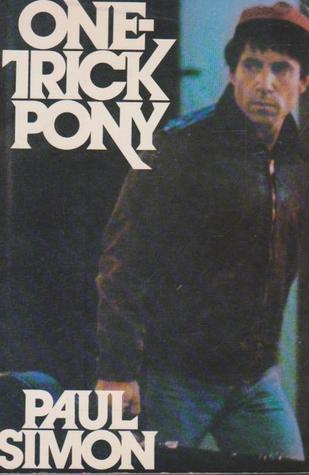
Paul Simon
From my view, Simon’s brief appearance as a record producer in Woody Allen’s Oscar-winning “Annie Hall” in 1977 must’ve made him think he could carry a movie on his own. He wrote, produced and starred in the 1980 film “One Trick Pony,” about once-popular folk-rock musician Jonah Levin trying to make a new album while coping with a dissolving marriage and indifference from his record company. The music was as typically great as we’d come to expect from Simon, but the movie, and his acting, received lackluster reviews, and Simon threw in the towel on any further acting work.

Dolly Parton
In the late ’60s, Parton made her musical breakthrough in a partnership with country star Porter Wagoner on his TV variety show, followed soon enough with the back-to-back #1 country hits “Jolene” and “I Will Always Love You.” In 1980, she made her acting debut in the women’s workplace comedy “9 to 5,” and critic Roger Ebert singled out Parton as “a natural-born movie star who contains so much energy and natural exuberance that watching her do anything in this movie is a pleasure.” She nearly matched that appeal playing the buxom madam in 1982’s “The Best Little Whorehouse in Texas” opposite Burt Reynolds, and then the less successful “Rhinestone” with Sylvester Stallone. Her last film of note was the 1989 ensemble melodrama “Steel Magnolias.”

Ringo Starr
In “A Hard Day’s Night,” as The Beatles had fun playing themselves as madcap musicians, Starr won viewers’ hearts with a poignant “sad sack” sequence of scenes in which everything seemed to go wrong for him. The acting bug had bit, and by 1968, he was cast in the erotic comedy “Candy” opposite Ewa Aulin and Marlin Brando. He buddied up with Peter Sellers on the satirical black comedy “The Magic Christian,” followed by the spaghetti Western “Blindman,” the coming-of-age drama “That’ll Be the Day” and the British musical “Son of Dracula” with friend Harry Nilsson. His last acting role was as the star in the 1981 slapstick comedy “Caveman,” where he met his current wife Barbara Bach.

Willie Nelson
Country music icon Nelson, now 91, has recorded more than 75 albums in a seven-decade career, and has made a significant impact in films as well, beginning with his role as manager of Robert Redford’s drunk rodeo character in “The Electric Horseman.” In 1980, he starred in the romantic western “Honeysuckle Rose” and played the title role in 1986’s “Red Headed Stranger,” a film adaptation of his 1975 concept album of the same name, earning good reviews. He appeared with Kris Kristofferson and Johnny Cash (his Highwaymen collaborators) in “Stagecoach,” and later in “Gone Fishin'” and “Wag the Dog” in 1997, and “The Dukes of Hazzard” action comedies in 2005 and 2007.

J.D. Souther
The singer-songwriter with close ties to The Eagles, Linda Ronstadt and James Taylor (and a modest solo recording career as well) has made several forays into acting. Souther had recurring roles in the ’80s TV series “thirtysomething” and the 2012-2018 show “Nashville,” and also appeared in the feature films “Postcards From the Edge” (1990), “My Girl 2” (1994) and “Deadline” (2012).
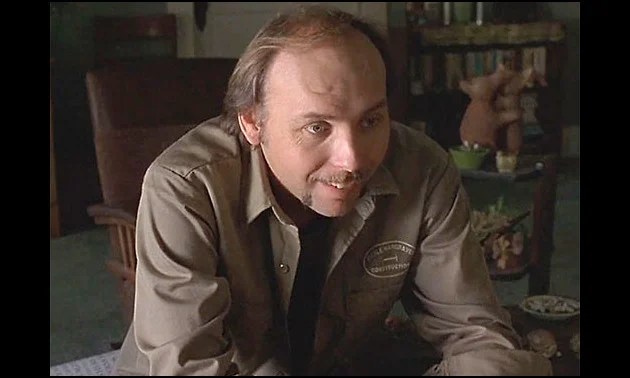
Dwight Yoakum
This singer-songwriter was a huge country music star from 1986 through the 2010s, with 16 Top Ten albums on country charts that also did respectably well on pop charts. He showed an aptitude for making films as director and occasional actor, and beginning in the 1990s, he appeared in several films, including “Red Rock West,” “The Newton Boys,” “The Minus Man” and “South of Heaven, West of Hell.” He made his biggest splash acting opposite Billy Bob Thornton in the highly praised 1996 film “Sling Blade,” and also in the box office hits “Panic Room” and “The Wedding Crashers.”

Steve Van Zandt
Bruce Springsteen’s close musical compadre has been an integral member of The E Street Band as “Miami Steve” from the very beginning. In 1999, Van Zandt was tapped by producer David Chase to play the part of consigliere Silvio Dante on “The Sopranos” for its six seasons on HBO. Van Zandt also had a recurring role on the “Lilyhammer” series (2012-2014) and appeared in the 2019 Martin Scorsese film “The Irishman.”
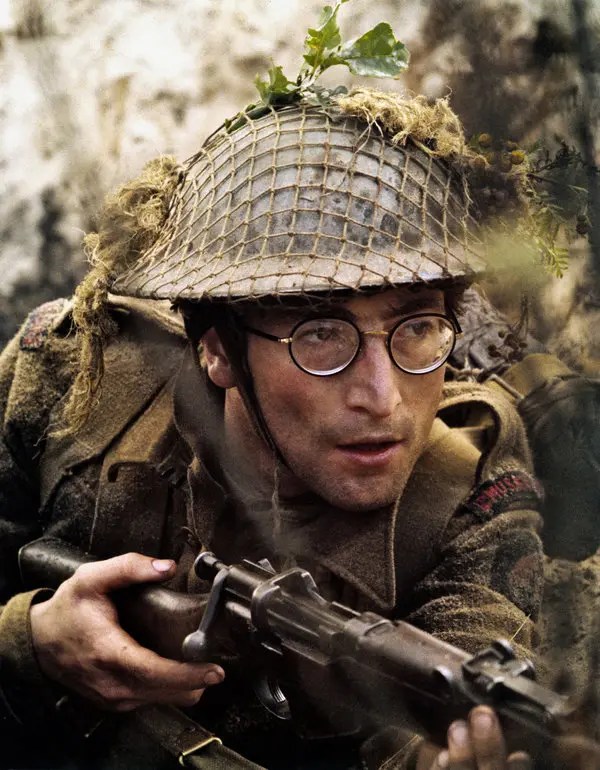
John Lennon
When The Beatles called a halt to touring in the summer of 1966, Lennon used the down time to appear in an antiwar film, “How I Won the War,” directed by Richard Lester, who had been behind the camera for both Beatles movies. It proved to be his only serious acting gig, although he appeared as himself in several documentaries in the 1970s. It was during filming of “How I Won the War” that he began wearing the “granny glasses” that he would continue wearing for the rest of his life. Also, the lush gardens at the Spanish villa where he stayed during the shoot reminded him of the Strawberry Field orphanage near his childhood home, inspiring him to write one of his best songs.
***************************
Some of the crooners from the ’40s and ’50s gave acting a shot, none more so than Frank Sinatra and Bing Crosby. Sinatra won an Oscar for “From Here to Eternity” in 1953, and also starred in hits like “Guys and Dolls” (1955), “The Joker is Wild” (1957), “Ocean’s 11” (1960), “Von Ryan’s Express” (1965) and “The Detective” (1968). Bing Crosby made nearly 100 movies between 1933 and 1970, most notably “Going My Way” (1944) and “The Bells of St. Mary” (1945), for which he won Oscars, and the series of “Road to…” films he made with comedian Bob Hope. Dean Martin also appeared in upwards of 60 films, especially: 15 comedies in partnership with comedian Jerry Lewis in the 1950s; four spy spoofs as agent Matt Helm in the ’60s; the 1959 Western “Rio Bravo”; and the 1970 Oscar-nominated disaster film “Airport.”
In the new millennium, there’s been no shortage of singers who aspired to join the acting world: Lady Gaga in “A Star is Born” (2018) and “American Horror Story”; Justin Timberlake (“The Social Network,” “Friends With Benefits,” “In Time); Mandy Moore (“A Walk to Remember,” “Saved!”) Jennifer Hudson and Beyoncé (“Dreamgirls”); Queen Latifah (“Chicago,” “Hairspray”); Tim McGraw (“Friday Night Lights,” “The Blind Side”).
 Hack's Back Pages