There’s gonna be a heartache tonight, I know
Music trivia question: Who was in the original lineup of The Eagles?
Answer: Glenn Frey, Don Henley, Randy Meisner, Bernie Leadon…and John David Souther?

Truth be told, singer-songwriter-guitarist JD Souther was a member of the group for only about 48 hours. Manager David Geffen lobbied for Souther to be an official member, but the rest of the band, and actually Souther himself, weren’t too keen on the idea.
“Geffen wanted me in the band,” said Souther decades later. “We actually rehearsed a set and played it for him one afternoon at The Troubadour. I remember looking down the stage thinking, ‘Man, this is an awful lot of singers and acoustic guitar players all in the same band.’ I felt, ‘I’m not necessary here.’ And I don’t really like being told what to do in any sense anyway.”
The other four had been a working unit for a spell, playing behind Linda Ronstadt at a few shows, and they were hesitant to turn their four-piece into a five-piece by adding Souther. Frey and Souther had been friends and collaborators in a duo in 1969-1970, but that hadn’t ended well. Souther would remain a co-songwriting partner with Frey and Henley over the years, including three #1 hits, but they all agreed he wouldn’t be a full-fledged Eagle.
“Truthfully, the band was exceptional just as it was,” said Souther. “I was clearly the fifth wheel. I wasn’t a band creature. My report cards from school always said, ‘Does not work well with others.’ I was much happier to stay home and write songs and be with Linda, who I was dating at the time.
“There was definitely a period of time later on when people would ask me, ‘Doesn’t it piss you off that the Eagles had these big hits with your songs?’ I would always respond, ‘Would you like to see the royalty checks?'”
***************************
John David “JD” Souther died last week at age 78. There has been no official cause of death issued yet.
He had been preparing to go on tour this week with his friend, singer-songwriter Karla Bonoff, when he fell ill. Said Bonoff, “We had learned each other’s songs and were going to be on stage together for an amazing evening. I guess it was not meant to be…but I am incredibly grateful for the time we spent recently reconnecting, laughing and reminiscing. He was one of the best songwriters on the planet and influenced so much of my writing. Fly free, my friend.”

Souther has been one of those important yet shadowy figures in the California music industry, who added a great deal but never really cared much about being in the limelight. In addition to his fruitful relationship with The Eagles, Souther wrote or co-wrote hit singles for Ronstadt and James Taylor, and also reached the charts as a solo artist with the #7 hit “You’re Only Lonely” in 1979. He has added vocals and guitar parts to many dozens of tracks by artists as diverse as Warren Zevon, Crosby, Stills & Nash, Dixie Chicks, Burt Bacharach, Roy Orbison, George Strait, Brian Wilson and Trisha Yearwood.
Born in Detroit and raised in Amarillo, Texas, Souther started playing jazz drums, influenced by his parents’ love of Big Band music, but soon switched to guitar and had some regional success playing with a country band called The Cinders in the mid-’60s. When he relocated to Los Angeles in 1968 at age 22, he met Frey, who had more of a rock/R&B background, and they fed off each other’s influences, jamming and trying to write songs.
They shared a small apartment and eventually formed a duo called “Longbranch/Pennywhistle,” cutting one album on a small label. It went nowhere, but within the 10 tracks that comprise the self-titled LP (out of print for decades but remixed and re-released in 2018) you’ll find the country-rock building blocks upon which successive generations of singers and songwriters have drawn inspiration. Most notable were Frey’s ballad “Rebecca” and Souther’s intriguing songs “Mister, Mister” and “Kite Woman.”
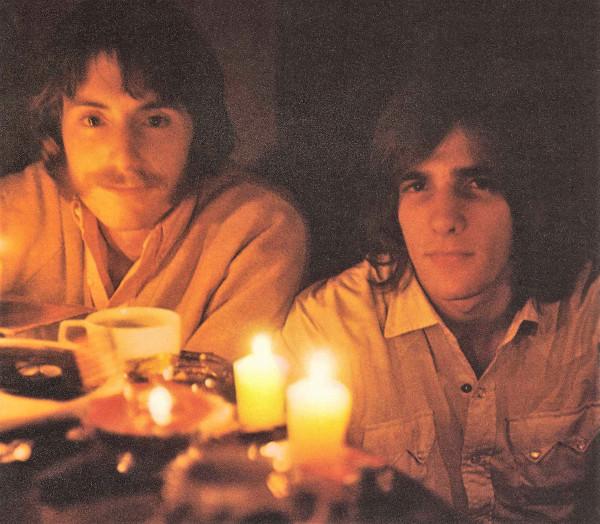
In a 2013 interview, Souther downplayed the opinion that Longbranch/Pennywhistle was a groundbreaking country-rock sound. “I keep being referred to as an architect of something,” he said, chuckling. “I assure you, at the time, we didn’t think we were designing anything. We were just trying to make a living by writing songs. The album has a certain charm to it, although it still sounds to me like an 8-track record from guys who didn’t write that well working with first-time producers.”
While Frey became the de facto leader of The Eagles and developed a songwriting partnership with Henley, Souther chose instead to pursue a modest solo recording career, more content to write songs that he would record himself or pass along to others. His 1972 self-titled debut showed his country-inflected songwriting prowess (“How Long,” “The Fast One,” “Some People Call It Music”), and in my view, some of these tunes sound more convincing than some of the lesser tracks that filled out The Eagles’ debut LP that same year.
He remained on good terms with Frey and Henley, co-writing “Doolin’ Dalton,” the opening track on The Eagles’ “Desperado” cowboy concept album in 1973. He regularly hung out with the group as part of their posse; indeed, if you look at the photo on the back cover of “Desperado,” you’ll see Souther posing among the other Eagles as one of the captured “Doolin’-Dalton” gang.
A year later, Souther also helped Frey and Henley complete three tracks for their third LP, “On the Border” — “You Never Cry Like a Lover,” “James Dean” and the tune that became their first #1 hit, “The Best Of My Love.”

Meanwhile, Souther’s relationship with Ronstadt changed from boyfriend-girlfriend to producer-artist as he manned the boards for her third album, “Don’t Cry Now,” which included two of his songs, the languid “I Can Almost See It” and the more uptempo “The Fast One.” The former paramours went on to enjoy a close friendship and professional relationship that lasted for decades, as Ronstadt sang many of his tunes on her top-selling albums throughout the ’70s: “Faithless Love,” “Prisoner in Disguise,” “Silver Blue,” “Simple Man, Simple Dream” and “White Rhythm & Blues.” While none of these were hit singles, most were regulars in her concert set list and popular with her audiences.
For his part, Geffen remained a fan of Souther, to the point that he championed him to be one third of a new trio, The Souther-Hillman-Furay Band, teaming him up with ex-Byrd Chris Hillman and ex-Poco leader Richie Furay for two albums in the 1974-75 period. Hopes were high they would become the next Crosby, Stills and Nash, but it wasn’t to be.

Said Hillman last week, “Today I lost my friend, John David. We were close, and I count him as a great blessing in my life. He possessed a great sense of humor, and was one of the most intelligent people that ever crossed my path. His voice, and the songs he wrote, will forever be in my heart.”
Souther returned to his solo career and released the widely praised LP “Black Rose,” which featured a who’s who of LA musicians in support of some of his best work (“Faithless Love,” “Baby Come Home” and the title tune).
Legendary producer Peter Asher, who worked with Ronstadt and several other artists including Souther on the “Black Rose” album, reflected on Souther’s career in the wake of his passing. “JD was a sublimely imaginative composer and lyricist. He was musically sophisticated and poetically inspired. I see his work as a modern extension of the Great American Songbook, and I was delighted when I was invited to induct him into the Songwriters’ Hall of Fame, a well-deserved honor. In my view, ‘Faithless Love’ alone qualifies him for the distinction. It deserves an award all to itself.”

Souther’s greatest commercial success came in the 1976-1981 period, when two of his Eagles co-writes — “New Kid in Town” and “Heartache Tonight” — both reached #1 on US charts. Personally, I don’t care much for either of those simplistic tracks, but in between those two monster hits came his own Top 10 single, the gorgeous, poignant “You’re Only Lonely.” Then, in 1981, he co-wrote and co-sang the heartbreaking “Her Town Too,” a #11 hit for James Taylor.
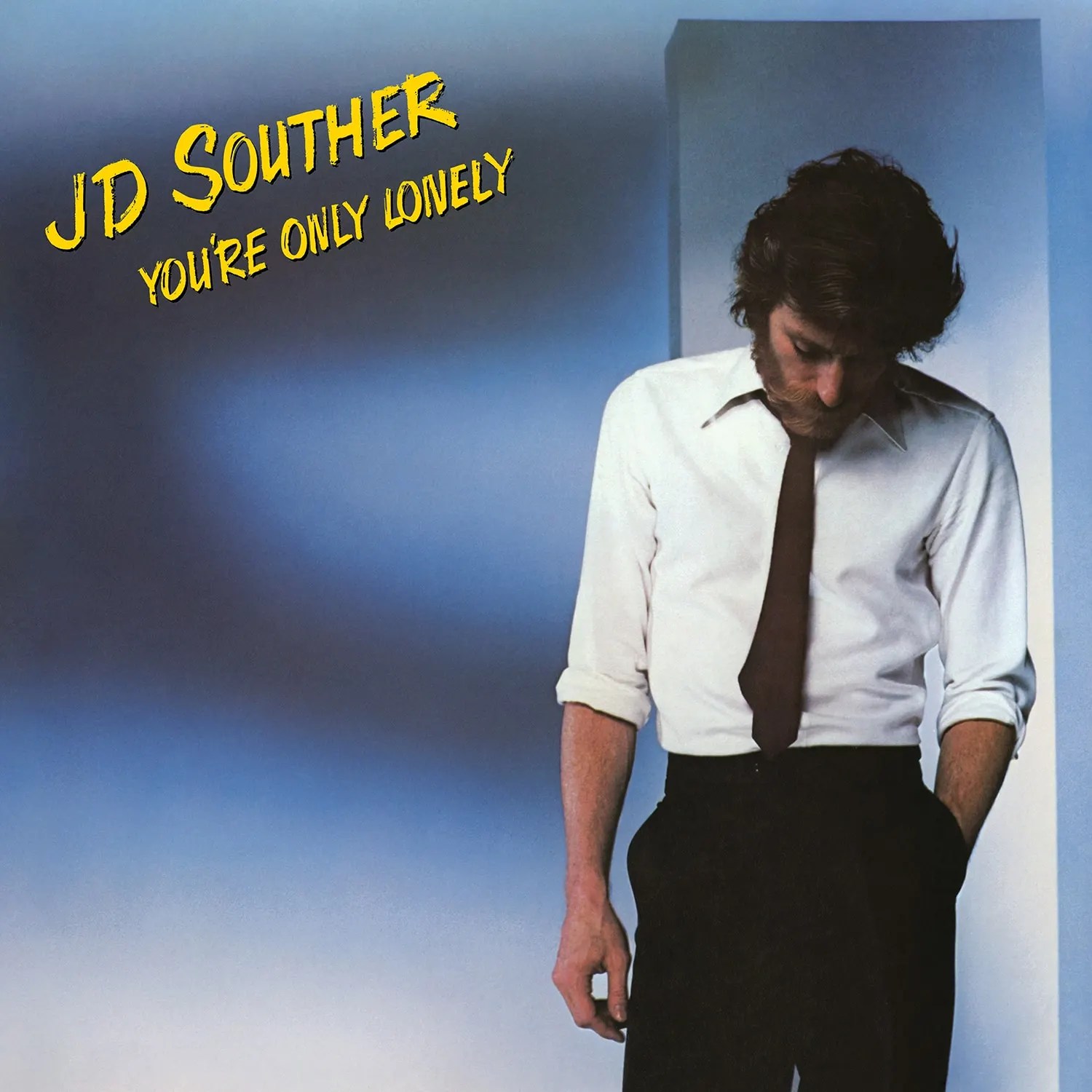
After Souther’s 1984 album “Home by Dawn” stiffed badly on the charts (the LP was “that unfortunate curiosity that’s later called a ‘critical success,’” he said in an interview in 1990, “meaning nobody bought it”), he took a break from recording, discouraged in part by the music industry’s growing reliance on MTV. “I wasn’t a huge fan of music videos because I thought they encouraged an excess of production as opposed to a real focus on the heart of the music,” he said in 2012.
Still, he continued songwriting, helping Henley write “The Heart of the Matter,” one of his big solo singles from his “The End of the Innocence” LP in 1989.
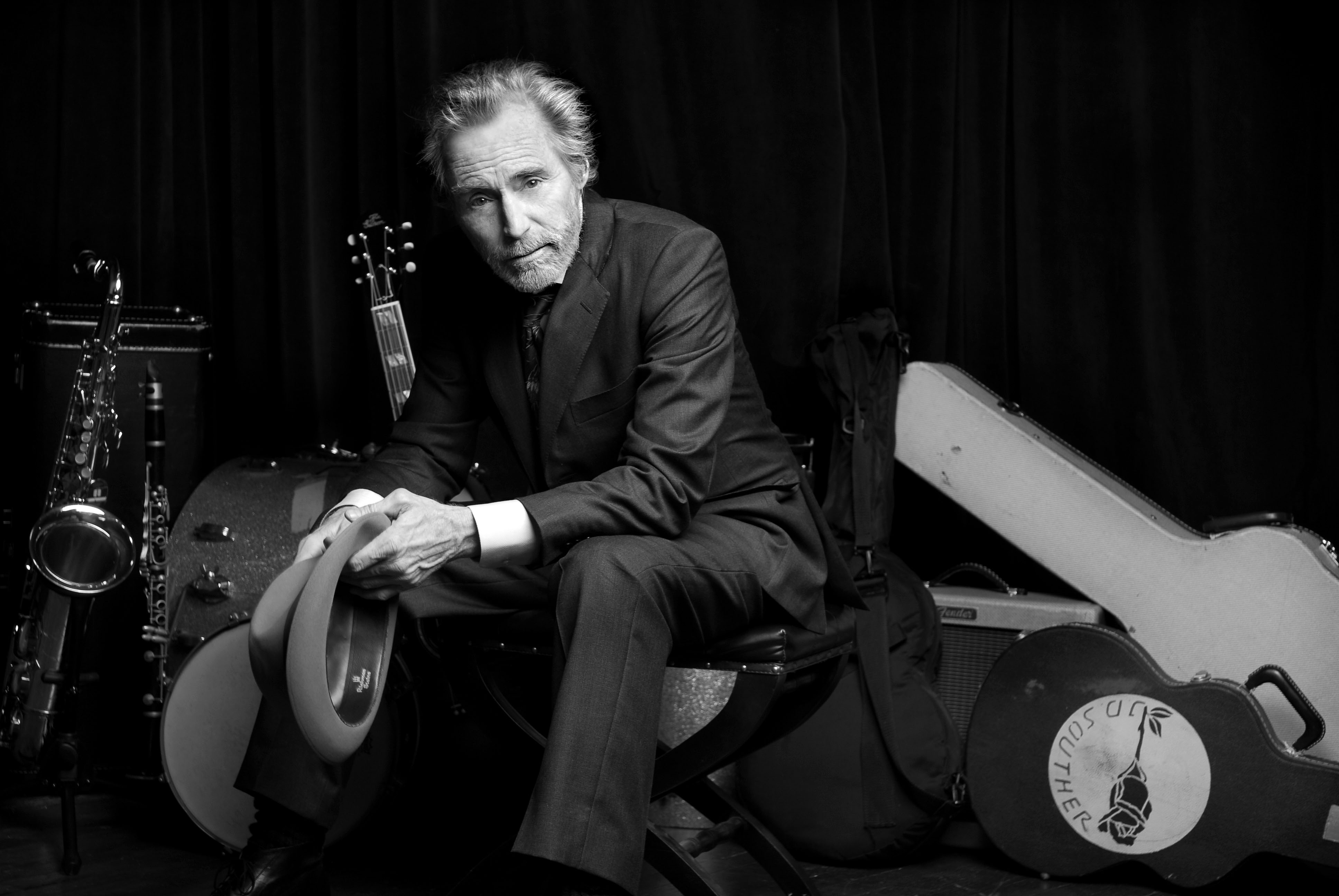
In the ’90s, he stuck his toe in the waters of acting, appearing in the 1990 film “Postcards From the Edge” and as a recurring character in the third season of the award-winning TV drama “thirtysomething.” Other acting roles included a stint as a grizzled country music fixture in the 2012 TV drama “Nashville.”
Souther released three more albums since 2000, and although they were largely ignored, all of them include tracks worthy of your attention. The Spotify playlist below includes several fine tunes from 2008’s “If the World Was You” and 2015’s “Tenderness,” which both lean toward jazzier arrangements, and 2011’s “Natural History,” on which he records his own renditions of his Eagles hits and other earlier successes.
The timeless nature of Souther’s songs is best exemplified by his 1972 song “How Long,” which appeared on his debut LP. When The Eagles reunited and assembled their ambitious double LP “Long Road Out of Eden” in 2007, “How Long” was not only included but featured as one of the two singles they released from it. It arguably came closest to recapturing the group’s classic blend of country and rock, reached #23 on the country chart and won a Grammy for Best Country Performance by a Duo or Group.
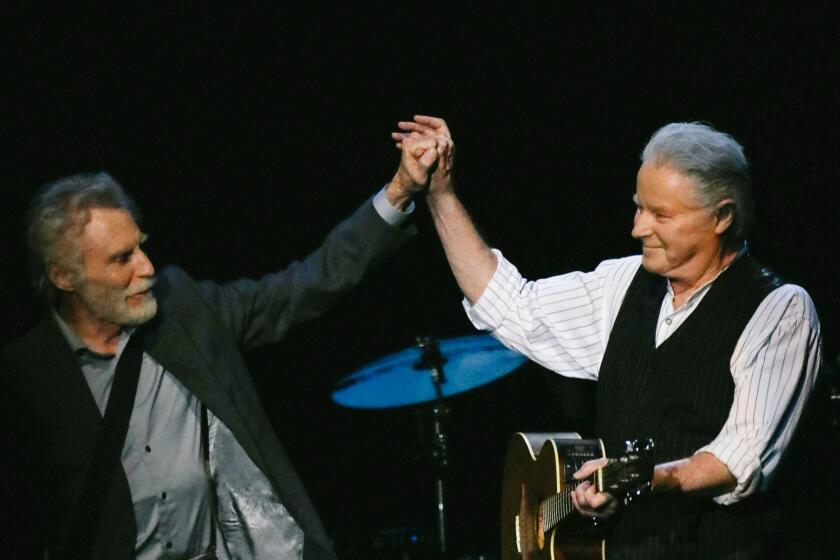
This past January, when The Eagles performed in Los Angeles, Souther came on stage for several numbers including “How Long.” Henley introduced him as “an important part of the tight-knit community of songwriters and singers we turned to when we would get stuck on a song or we’d try to start some new material.”
R.I.P. to you, J.D. Your legacy is intact.
*************************
This playlist includes what I consider JD Souther’s best material, presented in chronological order of the release of the albums they came from (his own as well as those by other artists).
 Hack's Back Pages