January 1st, I think, is a terrible time to start a New Year. We’re exhausted from the Christmas season, it’s cold and dark outside, there’s a long stretch of winter months ahead of us. I always thought April 1, or May 1, with its blooming crocuses and “hope springs eternal” mindset, would be a far better time for this spiritual, physical and mental renewal. But January 1 it is, so let’s proceed.
The need for rebirth, for turning over a new leaf, is a strong and beneficial thing. We all benefit from recharging our batteries, refocusing our goals, and starting anew sometimes. Maybe every day, or every month, but surely at least once a year.
Today, to commemorate the ushering in of 2025 (even though it’s already January 3rd), I am featuring 15 songs that celebrate New Year’s Day and the opportunity for renewal. Most have lyrics designed to give us all a little motivation to hold our heads up and forge ahead as we turn the calendar once again.
I saw this wish the other day and am embracing it: “A new year is like a blank book; it has 12 chapters and 365 pages, and you are the author. My wish is that, this year, we all write the most beautiful stories for ourselves.”
***********************
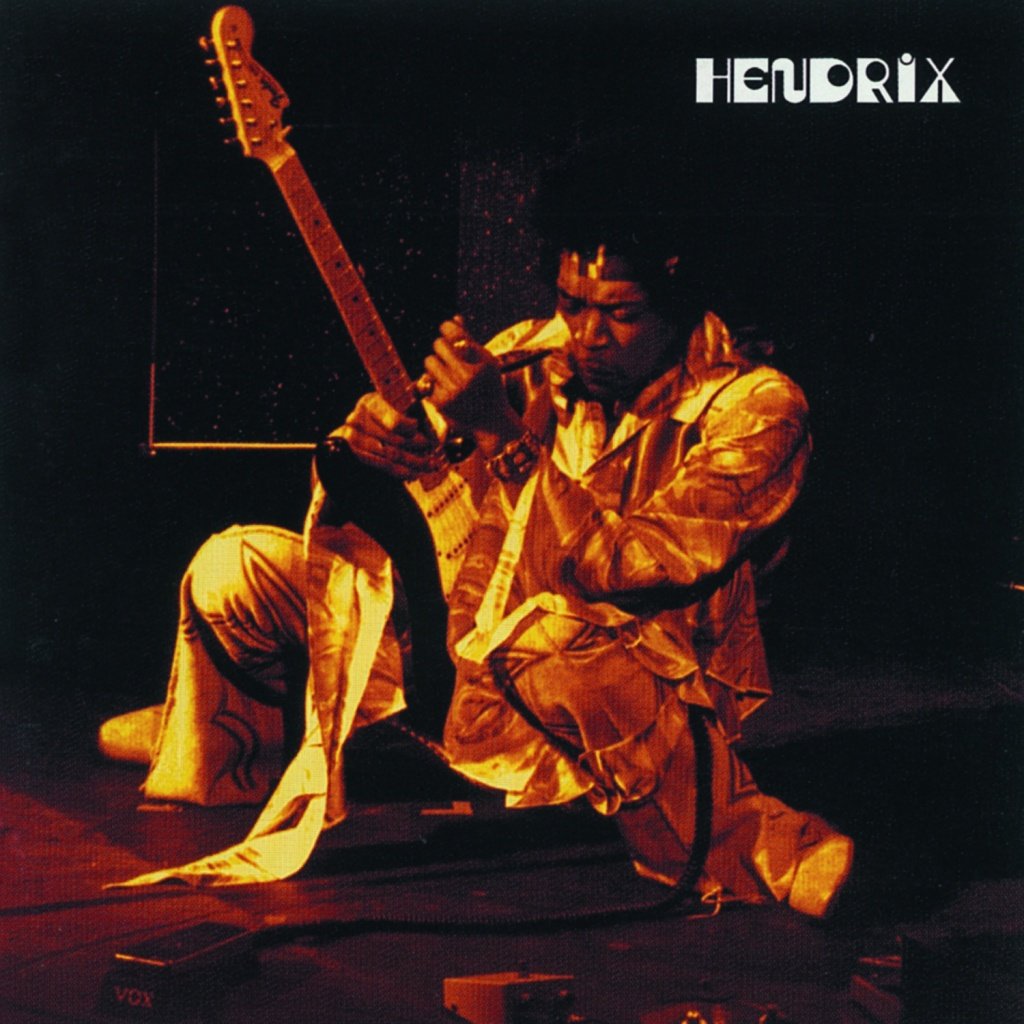
“Auld Lang Syne,” Jimi Hendrix, 1969
In 1970, Hendrix reached #5 on the US album charts with “Band of Gypsys,” a live album of performances he did at the Fillmore East in New York on New Year’s Eve and New Year’s Day as 1969 turned to 1970. Nearly thirty years later, a 2-CD package called “Live at the Fillmore East” was released that contained 16 more tracks of performances from that two-night gig, one of which was an instrumental Hendrix adaptation of the traditional New Year’s tune “Auld Lang Syne,” complete with the crowd counting down to midnight and an emcee’s well wishes.
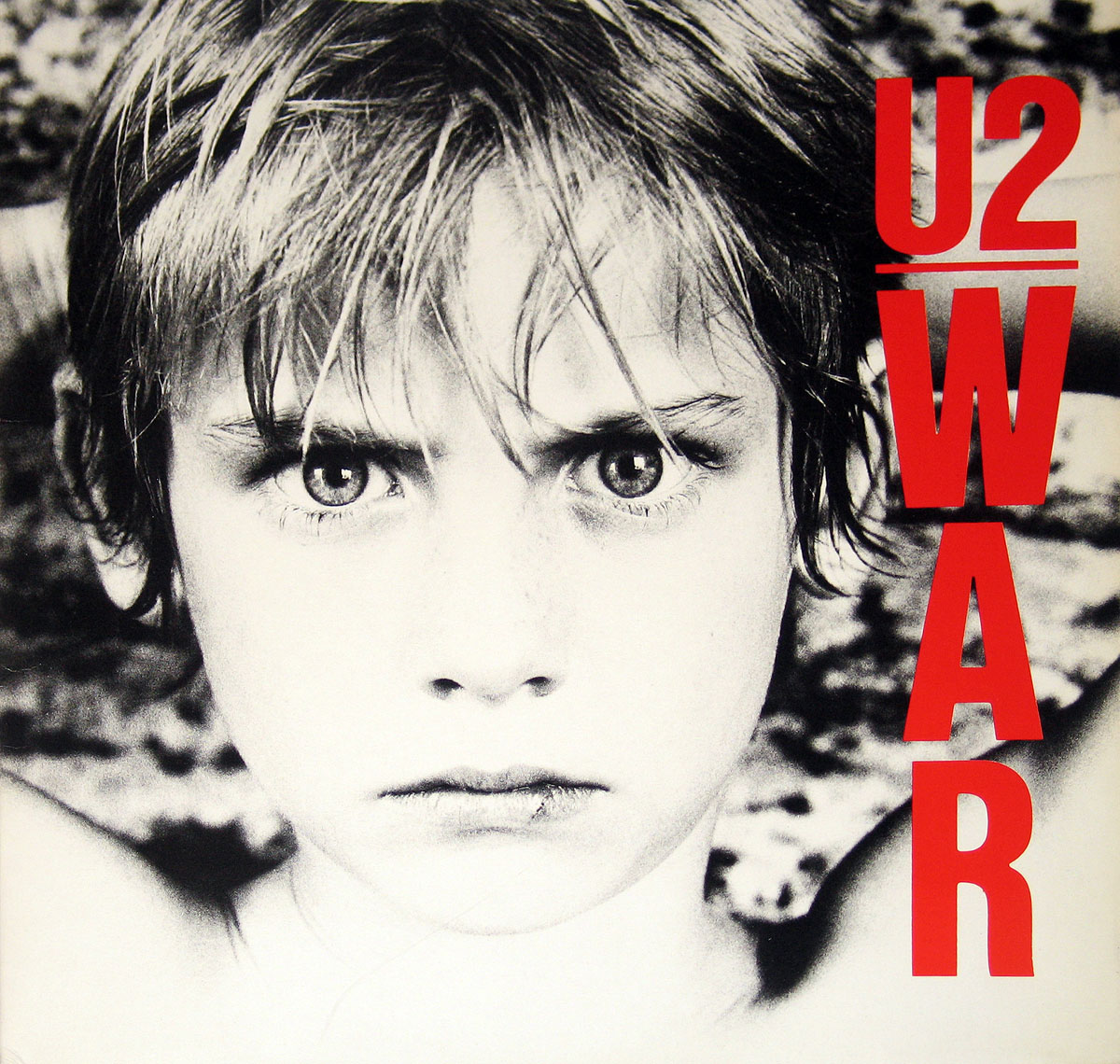
“New Year’s Day,” U2, 1983
“Though I want to be with you, be with you night and day, nothing changes on New Year’s Day…” Bono is probably right. Nothing much changes on New Year’s Day. It’s usually the day AFTER when we start getting serious about exercise programs, diets, job changes, or whatever high-hopes resolutions we’ve made. Bono’s lyrics were inspired by the fact that the Solidarity Movement in Poland was pressuring the government to lift its martial law, and it ended up doing so on New Year’s Day 1983, only days before the song was released as U2’s first single to reach the Top Ten in the UK (only #53 in the US). The words make a general plea for perseverance and commitment to improved lives.
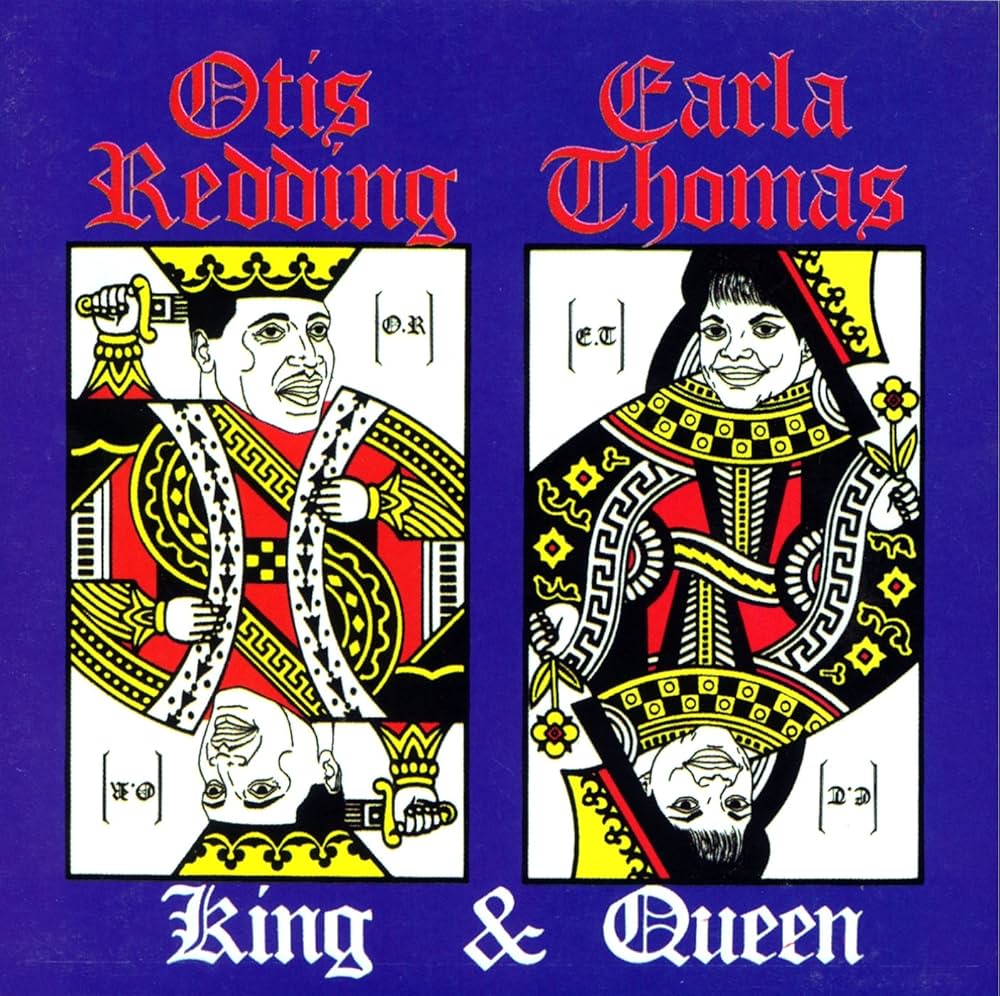
“New Year’s Resolution,” Otis Redding & Carla Thomas, 1967
Since Marvin Gaye had done so well recording duets with Kim Weston and Tammi Terrell, Otis Redding decided to try the concept with R&B songstress Carla Thomas on “King and Queen,” an album of collaborations of Redding’s grittiness and Thomas’s sophistication. With Booker T and the MGs providing razor-sharp accompaniment, the twosome charted two Top 30 singles, and the album includes “New Year’s Resolution,” a horn-driven, waltz-time tune in which they take turns vowing not to hurt each other in the coming year.
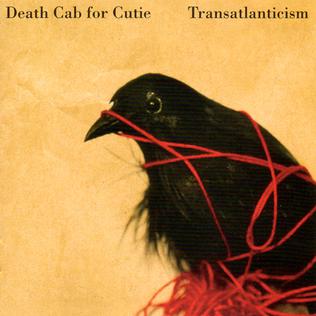
“The New Year,” Death Cab for Cutie,” 2003
In 1998, Death Cab for Cutie was just a struggling US band, working the Seattle area and recording on a small indy label. Their fourth album, 2003’s “Transatlanticism,” was their first to chart, leading to a new contract with a major label and a Top Five LP, “Plans.” The opening track on “Transatlanticism” was a startling tune called “The New Year,” which offers some universal, sobering lyrics that we can all learn from a quarter-century later: “So this is the new year, and I don’t feel any different…and I have no resolutions for self-assigned penance for problems with easy solutions…”
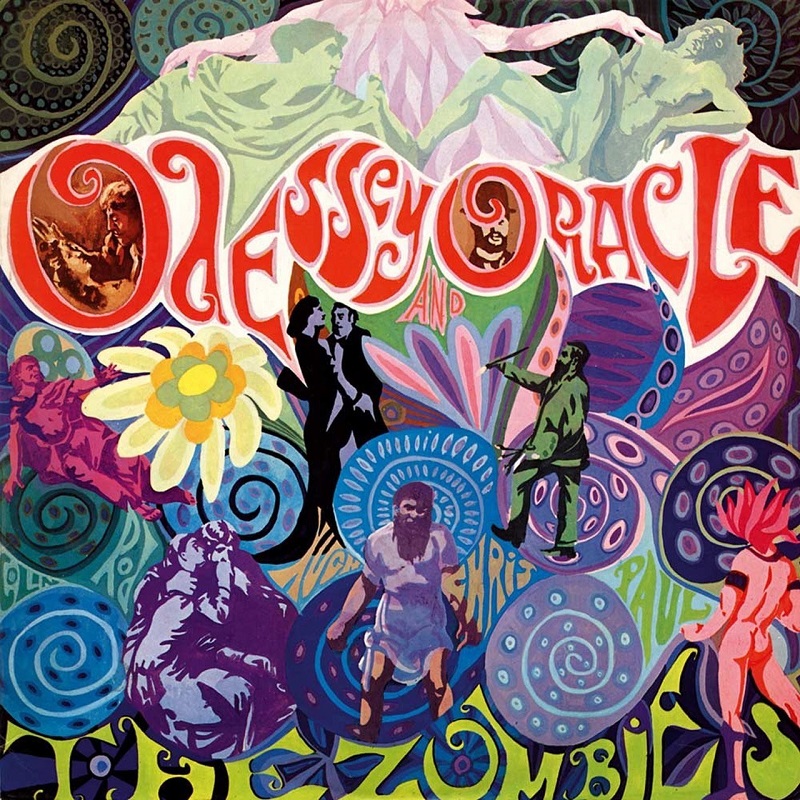
“This Will Be Our Year,” The Zombies, 1968
Rod Argent, Chris White and Colin Blunstone founded The Zombies in 1964 and had some good-sized hits (“Tell Her No,” “She’s Not There”) but were ultimately dropped by their label in 1967. On their own, they wrote and recorded the songs for “Odessey and Oracle,” seen decades later as one of the best of the psychedelic rock era. One of the finer tracks is “This Will Be Our Year,” in which a man expresses his gratitude to his woman: “I won’t forget the way you said, ‘Darling, I love you,’ /You gave me faith to go on, now we’re there and we’ve only just begun, /This will be our year, took a long time to come…”

“Celtic New Year,” Van Morrison, 2005
A stunning recorded catalog of nearly 50 albums iover six decades makes Morrison one of the most prolific songwriters of the rock era. He did some particularly fine work in the 2000s, with his 2005 LP “Magic Time” a notable standout with tracks like “Stranded,” “Evening Train” and “Gypsy in My Soul.” Two guitars and a whistle carry the comforting “Celtic New Year,” on which Morrison makes a plea to his Irish lover to return: “I’ve got to see you when it’s raining deep inside the forest, I got to see you at the waning of the moon, /Said ‘Oh, won’t you come on back, want you to be of good cheer, /Come back home on the Celtic New Year…”

“Bringing in a Brand New Year,” B.B. King, 2001
Bluesman Charles Brown is best known for writing the timeless “Driftin’ Blues” and the 1961 Yuletide favorite “Please Come Home for Christmas,” which The Eagles made into a Top 15 hit in 1978. Brown’s own recording of the latter tune in 1964 came with “Bringing in a Brand New Year” as the B-side, and showed up again on his “Cool Christmas Blues” collection in 1994, only a couple years before he died. The great B.B. King recorded a fine cover of it in 2001 for his own holiday package, “A Christmas Celebration of Hope,” and it’s more vibrant than Brown’s understated original.

“This Will Be My Year,” Semisonic, 1998
The Minnesota-based alternative rock band Semisonic had a brief arc of success in the late 1990s, especially the Top 20 single “Closing Time” from their 1998 LP “Feeling Strangely Fine.” I’m partial to a deep track called “This Will Be My Year,” where the narrator bemoans his lady’s penchant for overdoing the partying and crashing her car, and hopes he’ll be better off without her: “One wheel in the ditch,
another spinning in the air, /Put your pedal down to the floorboards, but you’re not getting anywhere, /Then you tell yourself what you want to hear, ’cause you have to believe this will be my year…”

“Funky New Year,” The Eagles, 1978
For the B-side of The Eagles’ 1978 Christmas single “Please Come Home for Christmas,” Don Henley and Glenn Frey channeled Earth Wind and Fire and came up with the aptly titled “Funky New Year,” a song about the consequences of overindulgence and how they offer a sign of a tough road ahead: “Can’t remember when I ever felt worse, nothing matters and everything hurts, /They were passin’ round the bottle, made me feel brand new, trouble with the new man, he wants a hit too, /A party, baby, never again, whose shoes are these?, /What year is this anyway?…”

“Maybe Baby (New Year’s Day),” Sugarland, 2009
The Atlanta-based country music duo of Kristian Bush and Jennifer Nettles debuted in 2002 and have released six successful LPs since then, reaching high on the pop charts as well as the country charts. Their Christmas LP “Gold and Green” in 2009 includes five originals alongside five traditional tunes, and the most touching to me is “Maybe Baby (New Year’s Day),” in which the narrator visits his hometown for the holidays and wonders if he’ll run into his old flame so they could spend New Year’s Day together: “This whole town ringing one more year, I don’t wanna let this feeling disappear, /I pray that you might be here tonight, and there you were standing, shining underneath that light…”

“New Year’s Prayer,” Jeff Buckley, 1998
The premature death of Buckley at age 30 in 1997 brought about a critical reappraisal of his only officially released LP, “Grace,” which had underperformed upon its release in 1994. His cover of Leonard Cohen’s “Hallelujah” is widely praised as one of the best records of the last 30 years. In 1998, his label released “Sketches for My Sweetheart the Drunk,” a compilation of songs Buckley was working on when he died. From that collection comes the rather obtuse and haunting “New Year’s Prayer,” whose central idea seems to be “Feel no shame for what you are.”
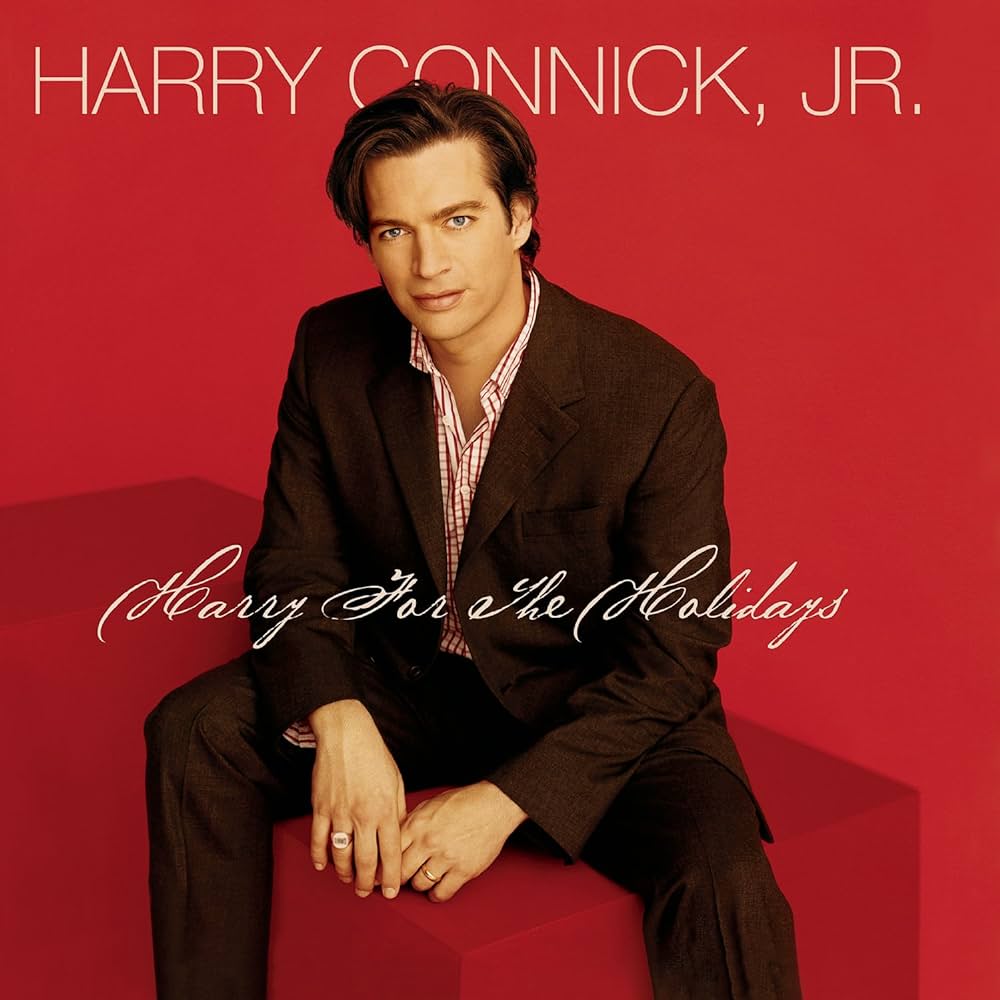
“Nothing New for New Year,” Harry Connick Jr & George Jones, 2003
For his second album of Christmas music, 2003’s “Harry For the Holidays,” Connick wrote four original songs to complement the customary traditional and secular seasonal tunes. The most intriguing of the bunch was “Nothing New for New Year,” in which the narrator bemoans the fact that he has no new romantic prospects on the horizon for the new year. He was thrilled to that country music legend George Jones accepted his invitation to join him for a duet on the record. “George Jones is one of my favorite singers, probably the most soulful country singer of all time,” said Connick. “I was so honored that he said yes.”
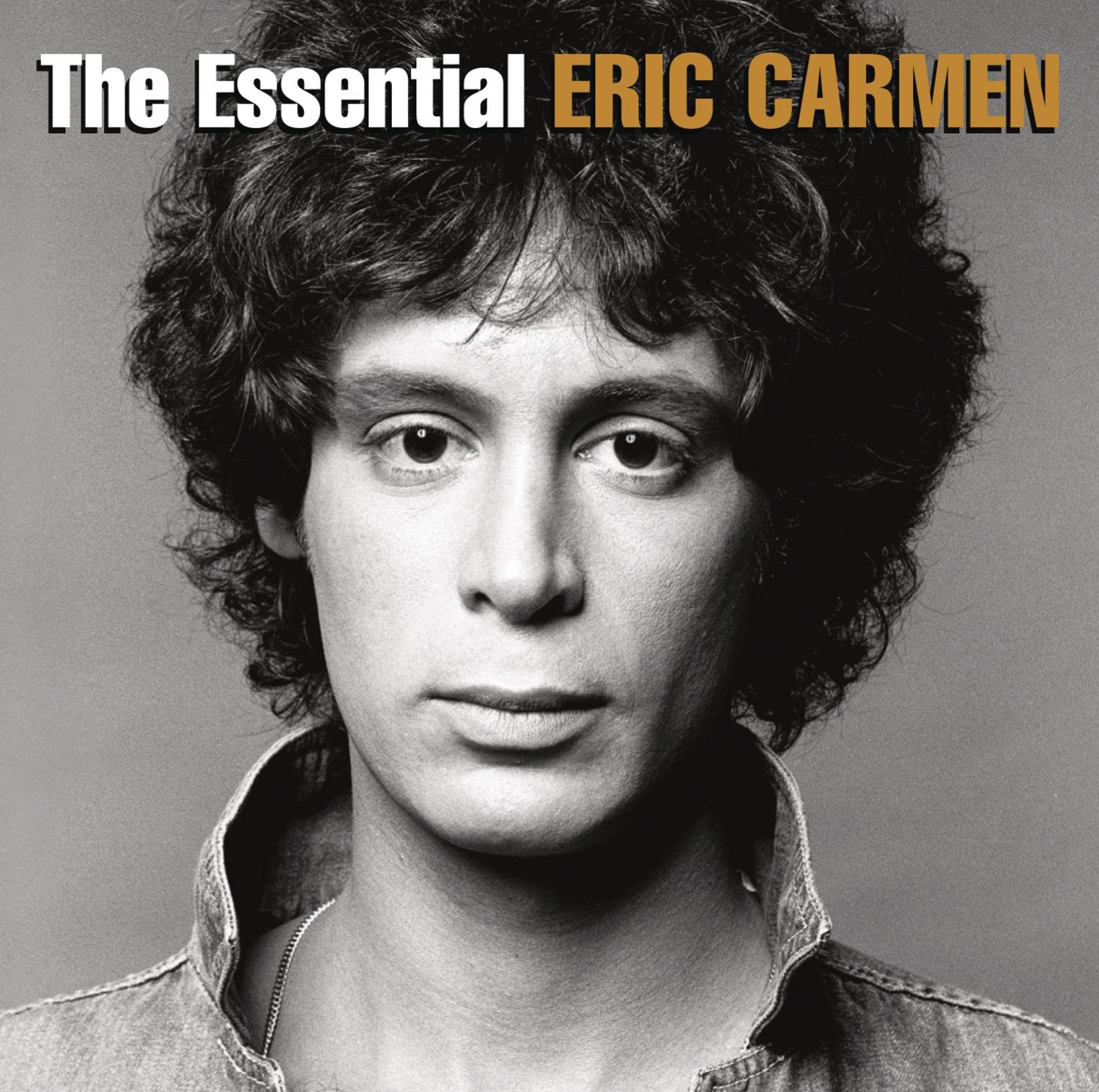
“Brand New Year,” Eric Carmen, 2014
I couldn’t find much information about this symphonic track, when it was written or why it was never released as a seasonal single, but I do know it turned up as a bonus track on 2014’s “The Essential Eric Carmen” collection. It has a typically quasi-classical Carmen structure and vocal delivery, with lyrics that offer praise for having made it through the previous 12 months and hope for better things in the year to come: “It’s been a long hard year, sometimes it felt like we might not make it, /But baby, we’re still here, we showed the world that our love could take it…”

“Let’s Start the New Year Right,” Bing Crosby, 1942
For the 1942 movie musical “Holiday Inn,” about the goings-on at a former farm turned into a luxury inn and entertainment venue open only on holidays, the great Irving Berlin was commissioned to come up with a dozen tunes for the soundtrack. The most famous was the war horse “White Christmas,” perhaps the quintessential secular Christmas song, and winner of the Best Song Oscar that year. Bing Crosby and Fred Astaire co-starred and sang most of the songs, one of which is this corny but lyrically appropriate track about kicking off the new year on the right foot.
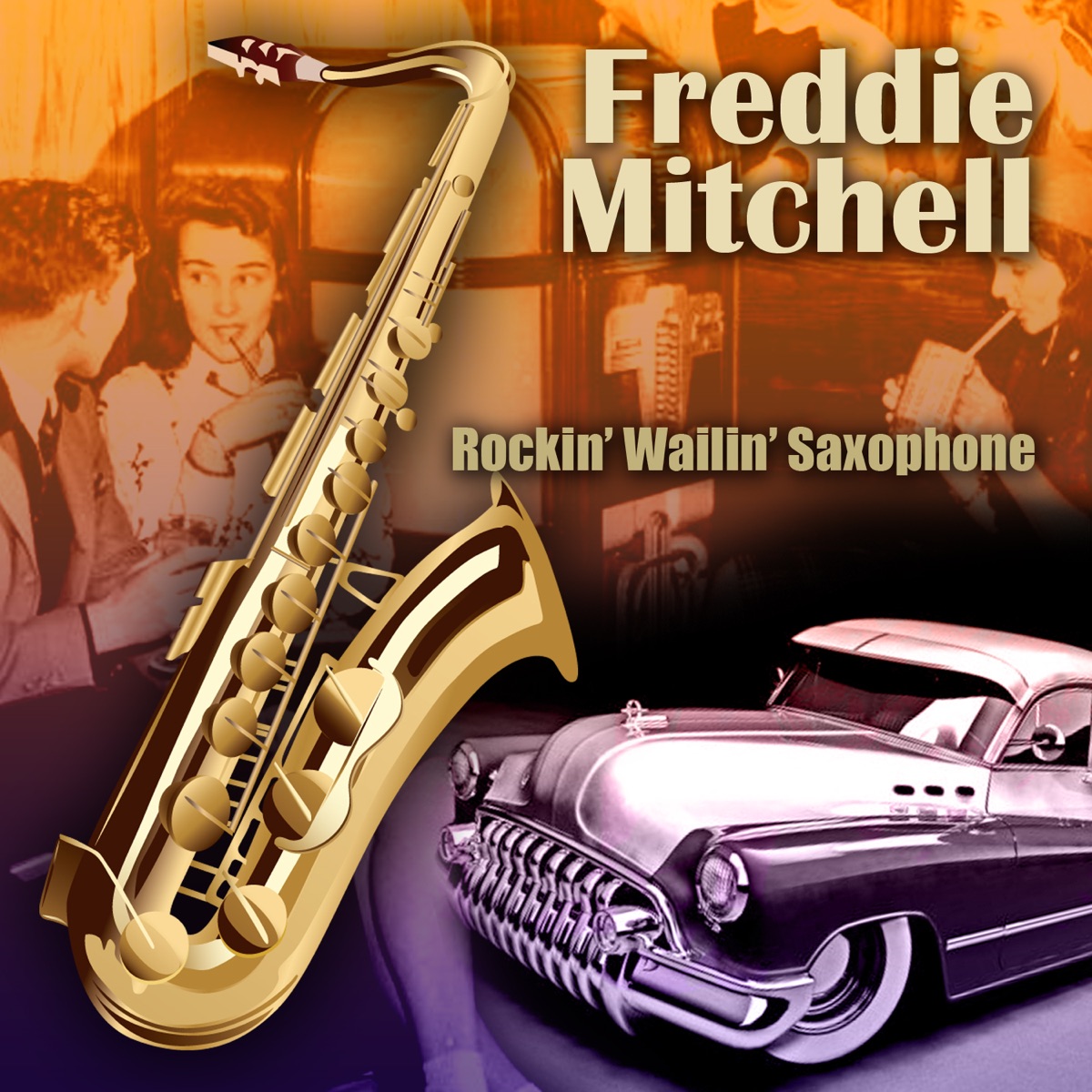
“Auld Lang Syne Rock,” Freddie Mitchell, 1954
Beginning as a pianist and bandleader in the 1930s, Mitchell made records and toured with several different bands into the mid-’40s before forming the Freddie Mitchell Band, in which he made his mark as a stellar tenor saxophonist. He developed a pioneering sound, a honking sax that dovetailed well with Swing, boogie and the emerging rock and roll. His albums never sold much, and by the late ’50s, he retired from the business, but there’s a great collection of his stuff, “Rockin’ Wailin’ Saxophone,” released in 2010, that shows off his instrumental prowess. On the opening track, I dig the way he invigorates the New Year’s standard as “Auld Lang Syne Rock.”
*****************************
 Hack's Back Pages
HNY 2025! Quite a compelling variety of songs.
LikeLike