The last thing I needed first thing this morning
I was writing a to-do list of things I needed to accomplish this week, and it occurred to me that every list has a beginning and an end. Crossing off the first completed task on the list feels good, but not as satisfying as finishing the last item.

Based on that admittedly flimsy premise, I’ve compiled 20 songs that featured the word “first” or “last” in the title. It’s not the first such playlist I’ve ever assembled, and it won’t be the last…
**************************
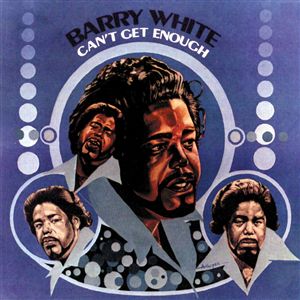
“You’re the First, The Last, My Everything,” Barry White, 1974
In 1953, a songwriter named Peter Radcliffe wrote a country song entitled “You’re My First, You’re My Last, My In-Between,” but it was never recorded or released. R&B legend Barry White came across a rough demo of it in 1974 and decided it had promise as a disco tune if it was rearranged with altered lyrics. He was right about that — it reached #2 on US pop charts as his fourth of six Top Ten hits between 1973 and 1977. It’s a statement of complete devotional love: “You’re my sun, my moon, my guiding star, /My kind of wonderful, that’s what you are, /I know there’s only one like you, there’s no way they could have made two, /Girl, you’re all I’m living for, your love I’ll keep for evermore, /You’re the first, you’re the last, my everything…”

“The First Cut is the Deepest,” Rod Stewart, 1976
Cat Stevens wrote this appealing song for his “New Masters” album when he was only 19, but neither the song nor the album fared well in the UK or elsewhere. His career would get the kickstart it needed in 1970 with the superb “Tea For the Tillerman” LP, which had other artists investigating his early work for material they could cover. Canadian artist Keith Hampshire landed on “The First Cut is the Deepest” and scored a #1 hit on Canadian charts in 1973, and much later, Sheryl Crow and James Morrison each recorded their renditons as well. Rod Stewart found the most success with it, reaching #1 on UK charts in 1976, and it peaked at #21 in the US as a single off his “A Night on the Town” album: “I still want you by my side just to help me dry the tears that I’ve cried, /And I’m sure gonna give you a try, and if you want, I’ll try to love again, /Baby, I’ll try to love again, but I know the first cut is the deepest…”

“Last Night,” The Traveling Wilburys, 1988
George Harrison was in LA recording songs and, as luck would have it, so was Jeff Lynne, working with both Roy Orbison and Tom Petty on their respective albums. Harrison recruited Bob Dylan as well, and they met in Dylan’s home studio to record Harrison’s “Handle With Care.” It turned out so well that the five musicians chose to record an entire album, calling themselves The Traveling Wilburys. Each contributed songs, with Petty offering “Last Night,” a catchy tune about a sexual encounter gone bad: “I asked her to marry me, she smiled and pulled out a knife, /The party’s just beginning she said, ‘Your money or your life,’ /Now I’m back at the bar, she went a little too far, /She done me wrong, all I got is this song, /Last night, thinking about last night…”
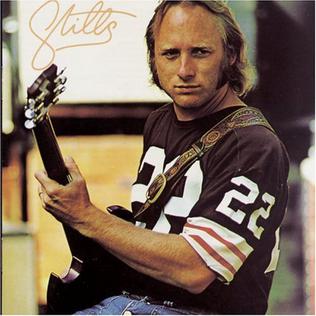
“First Things First,” Stephen Stills, 1975
After the initial breakup of Crosby, Stills, Nash and Young in 1970, they all went off for solo careers. Stills released two solid albums before forming the eclectic, vibrant band Manassas in 1972, including the likes of Chris Hillman, Joe Lala, Fuzzy Samuels and Dallas Taylor. When that band splintered in 1974, Stills recruited most of them to appear on his next solo LP, entitled simply “Stills.” He persuaded David Crosby and Graham Nash to add vocals on two tracks, one of which was this spirited tune by Taylor and Stills, which offers sensible “be in the now” philosophical advice: “First things first, when you can quit livin’ in the past, /When you stop worryin’ ’bout tomorrow, then I think you just might last…”
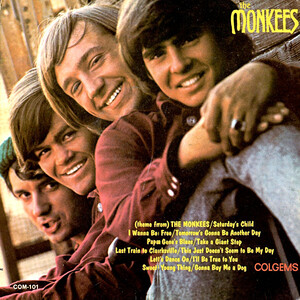
“Last Train to Clarksville,” The Monkees, 1966
Written by the Brill Building songwriting team of Tommy Boyce and Bobby Hart, “Last Train to Clarksville” was the opening salvo in The Monkees’ brief run of pop song success on US charts. Its opening guitar part was meant to emulate the kind of intro The Beatles had used in recent hits like “Day Tripper” and “Paperback Writer.” Although there are multiple Clarksvilles in the US, Boyce and Hart said they weren’t writing specifically about any town. “We’d recently driven by Clarkdale, Arizona, and thought Clarksville sounded better. That’s all there was to it,” Hart said. “Take the last train to Clarksville, now I must hang up the phone, /I can’t hear you in this noisy railroad station all alone, /I’m feelin’ low, oh no no no, oh no no no, /And I don’t know if I’m ever coming home…”
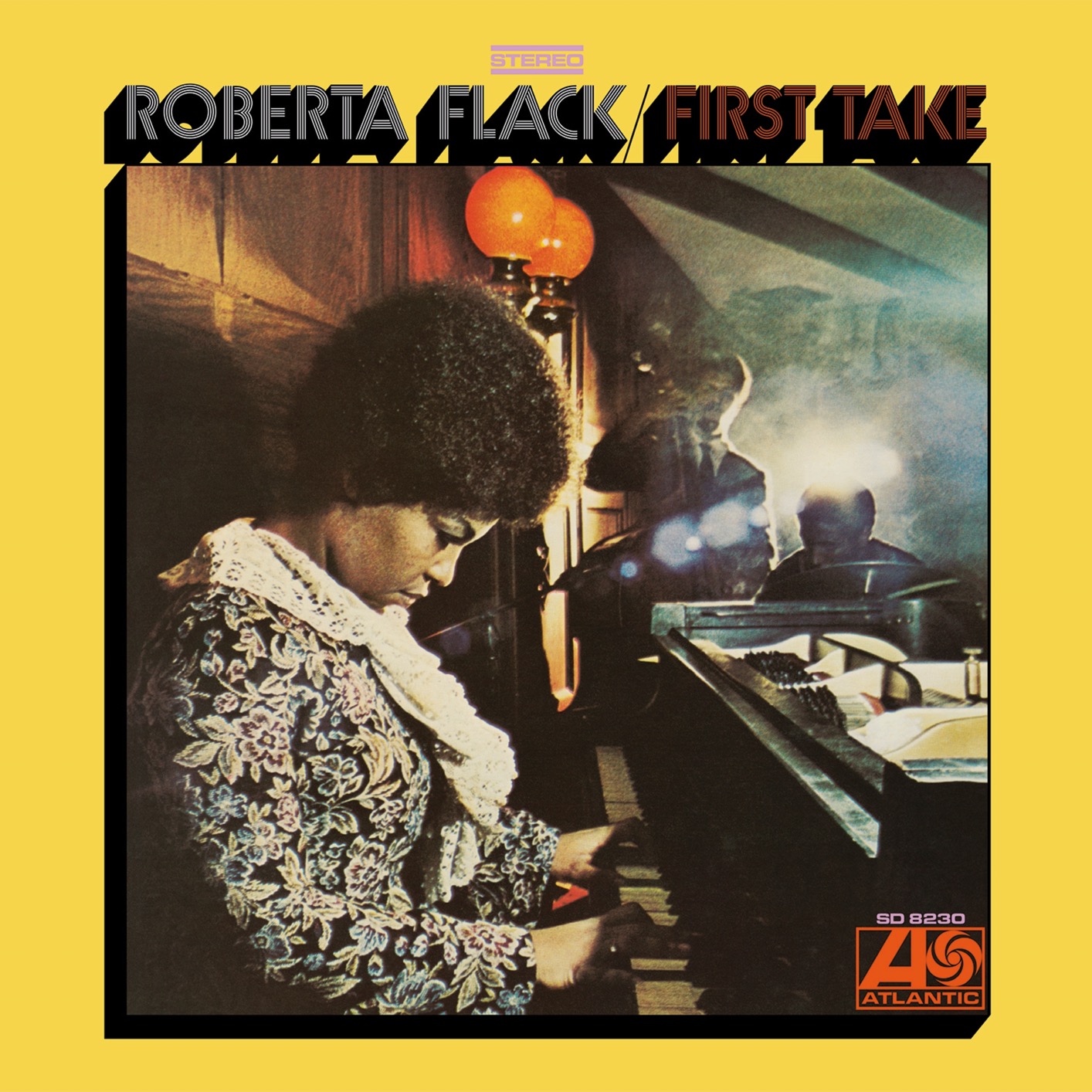
“The First Time Ever I Saw Your Face,” Roberta Flack, 1969
Ewan MacColl’s 1953 folk classic was recorded by several artists in the folk music community in the early ’60s, including Peter, Paul and Mary and Gordon Lightfoot. But it wasn’t until Roberta Flack gave it a smooth jazz piano treatment on her 1969 debut LP “First Take” that it became an international #1 hit. Actor Clint Eastwood helped make that happen by featuring it in his 1971 directorial debut film “Play Misty For Me,” a thriller about a late-night jazz DJ stalked by an obsessed listener. A lover recounts the first time “I saw your face, I kissed your mouth, I lay with you” in idyllic, romantic language: “And the first time ever I lay with you, I felt your heart so close to mine, /And I knew our joy would fill the earth, and last ’til the end of time, my love…”

“The Last Time,” The Rolling Stones, 1965
The basic idea for this early Stones single was liberally borrowed by the Jagger/Richard songwriting team from a gospel song The Staple Singers popularized in the ’50s called “This May Be the Last Time.” It ended up reaching #9 on US charts in early 1965, paving the way for their titanic #1 “Satisfaction” a few months later. (It may not sound like it to some listeners, but the popular 1997 track “Bittersweet Symphony” by The Verve uses the same chord progression as “The Last Time,” but at a slower tempo.) “Well I told you once and I told you twice that someone will have to pay the price, /But here’s a chance to change your mind, ’cause I’ll be gone a long, long time, /Well, this could be the last time, this could be the last time, /Maybe the last time, I don’t know…”
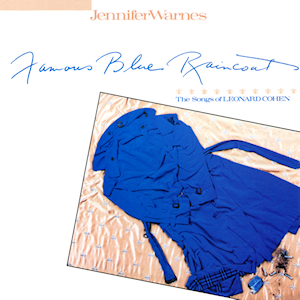
“First We Take Manhattan,” Jennifer Warnes, 1987
Poet/songwriter Leonard Cohen came up with this compelling piece in 1986 as he was working on material for his next album. He ended up giving it first to singer Jennifer Warnes, who was such a big fan of his work that she recorded an entire album of his songs called “Famous Blue Raincoat.” Cohen later included it on his 1988 release “I’m Your Man.” Its lyrics suggest religious and “end times” themes, and has been described as “a threatening vision of social collapse and a terrorist’s revenge.” “I’m guided by a signal in the heavens, /I’m guided by the birthmark on my skin, /I’m guided by the beauty of our weapons, /First we take Manhattan, then we take Berlin…”

“One Last Kiss,” J. Geils Band, 1978
Hailing from Worcester, Mass., The J. Geils Band had a fanatical if not enormous following through the 1970s, performing their energetic brand of R&B-infused blues rock. They would eventually have their biggest commercial success with their #1 LP “Freeze Frame” in 1981, but leading up to that, they charted a total of six singles in the Top 40. “Give It To Me” and “Must’ve Got Lost” fared best, but also notable was “One Last Kiss,” a spirited rocker from their 1978 LP “Sanctuary” about a relationship that has run its course: “Just one last kiss before I walk out the door, /I’m gonna hold you tighter than I ever did before, /And I never promised you the things you promised me, /And I can’t justify the way it’s gotta be…”
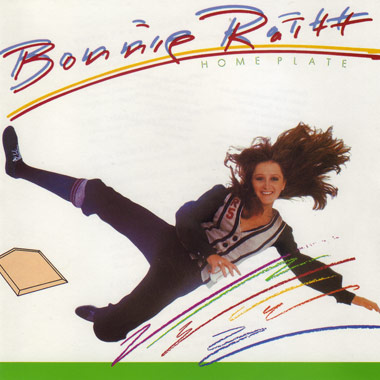
“My First Night Alone Without You,” Bonnie Raitt, 1975
Charles “Kin” Vassy was a country singer-songwriter who spent several years as a member of Kenny Rogers and The First Edition before striking out on his own, first as a solo artist and then as a session musician. In 1975, Bonnie Raitt was compiling material to record fort her fifth LP, “Home Plate,” and she chose to include her rendition of Vassy’s song “My First Night Alone Without You,” a tearjerker about someone trying to fill the void left when a romantic partner has left: “There is an aching in my head from the bed I can’t get used to, /It’s these little hours in the dark I dread as I spend my first night alone without you…”
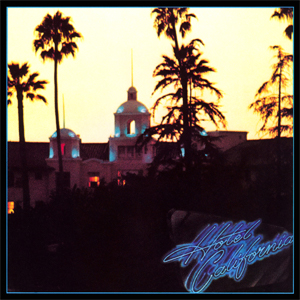
“The Last Resort,” The Eagles, 1976
On “Hotel California,” songwriters Don Henley and Glenn Frey had written about drugs and love affairs and excessive behavior, but for the album closer, “The Last Resort,” Henley chose to take a stand against man’s indifference to the environment. “We have mortgaged our future for greed,” said Henley in 1978 interview. Frey called the song “Henley’s opus,” adding, “We’re constantly screwing up paradise. That was the crux of the song: At some point, there will be no more new frontiers.” It ends this way: “We satisfy our endless needs, and justify our bloody deeds, /In the name of destiny, and in the name of God, /And you can see them there on Sunday morning, /They stand up and sing about what it’s like up there, /They call it paradise, I don’t know why /You call someplace paradise and kiss it goodbye…”

“Feels Like the First Time,” Foreigner, 1977
British guitarist Mick Jones had moved to the US in 1975 and decided to form a new group with two other Brits and three Americans, choosing to call themselves Foreigner “because whatever country we were in, at least half the band were foreigners.” Jones had recently divorced his first wife, then met and married an American woman, and he wrote about that new beginning in the lyrics of “Feels Like the First Time,” their first single from their debut LP in 1977: “And I know that it must be the woman in you that brings out the man in me, /I know I can’t help myself, you’re all that my eyes can see, /And it feels like the first time like it never did before, /Feels like the first time like we’ve opened up the door…” Both the song and the album went Top Five in the US and kicked off a solid career filled with power pop, rockers and ballads.
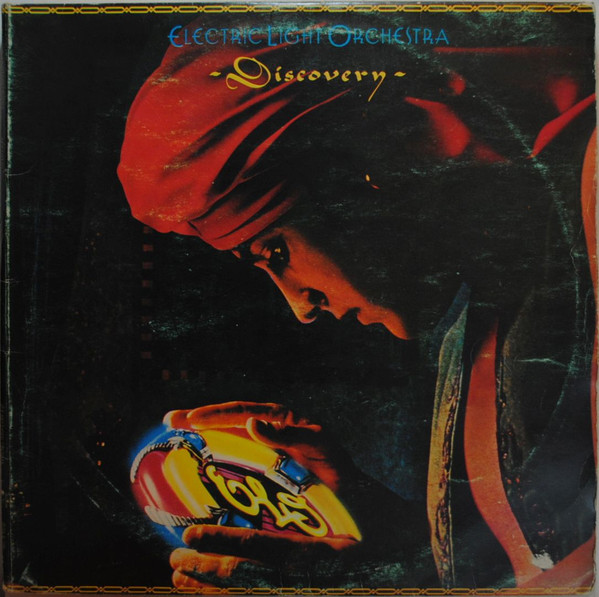
“Last Train to London,” Electric Light Orchestra, 1979
ELO was formed in Birmingham, home town of Jeff Lynne and other members of the band. During their late ’70s heyday, they were often required to travel back and forth to London for recording sessions, business meetings and radio and TV interviews promoting their latest music. While preparing the songs that would comprise ELO’s 1979 LP “Discovery,” Lynne wrote about the burden of working when you want to stay put with your loved ones: “It was one of those nights, one of those nights when you feel the world stop turning, /You were standing there, there was music in the air, /I should’ve been away but I knew I had to stay, /Last train to London, just heading out, /Last train to London, just leaving town…”
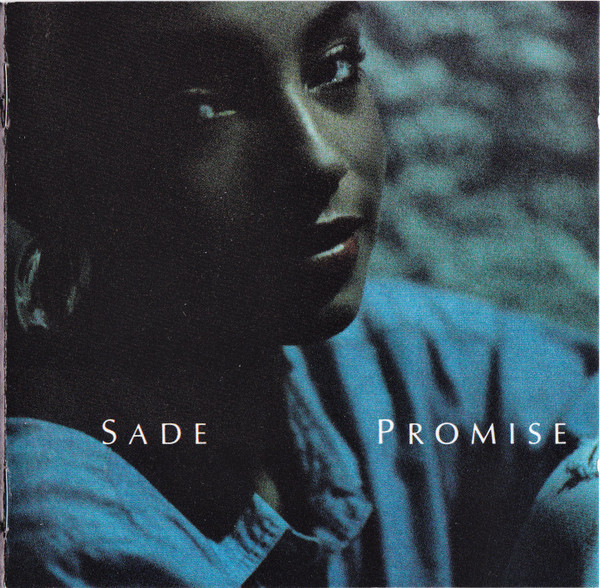
“Never as Good as the First Time,” Sade, 1984
Through the years since her mid-Eighties debut, Sade’s music has leaned toward smooth jazz and something called “sophisti-pop,” and lyrically, her songs tend to be about commitment and security. This uptempo number, though, is an ode to carefree sex and living purely in the present. It reached #20 as the second single from her second LP “Promise” in 1986. The words claim that the first sexual encounter with someone is difficult or impossible to top for excitement: “Natural as the way we came to be, /Second time won’t live up to the dream, /It’s natural as the way we came to be, /The second time is not quite what it seems, /It’s never, ooh, as good as the first time…”

“Save the Last Dance For Me,” The Drifters, 1960
Doc Pomus and Mort Shuman, each accomplished songwriters on their own, teamed up in 1960 to write this classic for The Drifters, when they still featured Ben E. King as their lead singer. It became the R&B vocal group’s only #1, their highest charting of nearly a dozen hits between 1959 and 1964. Pomus, who used a wheelchair while battling polio, wrote the song on his wedding day as he watched other men dancing with his new bride while he watched from the sidelines. “I was telling her to have fun dancing, but remember who your man is,” he said: “Oh I know that the music is fine, like sparkling wine, /Go and have your fun, laugh and sing, /But while we’re apart, don’t give your heart to anyone, /But don’t forget who’s taking you home and in whose arms you’re gonna be, /So darlin’, save the last dance for me…”

“First of May,” James Taylor, 1988
Long ago, I heard an amusing couplet about springtime: “Rah rah, the first of May, outdoor loving starts today!” That’s what Taylor was referring to when he wrote this breezy, positive tune for his 1988 LP “Never Die Young.” He’s always been partial to songs that offer a message with a grin and a sly wink, and this song clearly qualifies. It served as the closing deep track on the album, and is one of my favorites from his 1980s output: “First day of May, things are beginning, /Our side is winning, hip hip hooray, /Made in the shade, deep in the shadow, /Down by the meadow, lie in my arms, /And the moon will rise before our very eyes, /We will rise too, I’ll be with you, /It’s a rite of spring, a horizontal thing, /The sweetest sort of dance hidden in among the plants…”
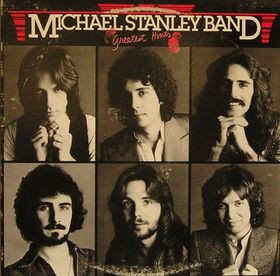
“Last Night,” Michael Stanley Band, 1979
Cleveland’s hometown heroes, The Michael Stanley Band wrote, recorded and performed some of the most authentic, quality heartland rock of the ’70s and ’80s, and enjoyed phenomenal success regionally, but they never quite made it nationally. Too bad, because songs like “Last Night” were tailor made for mainstream pop/rock radio. Its lyrics focus on the thrill of forbidden sex, with the narrator feeling guilt about it but still wanting the affair to go on forever: “She’s gotta know she’s playing around with his life, /It’s so hard explaining these things to his wife, /They cut like a knife, how could he tell her ’bout /Last night, last night, /When we were together, it was so right, so right…”

“First Day in August,” Carole King, 1972
In 1972, King was still riding a huge wave of popularity created by the phenomenal, multiplatinum “Tapestry” album the previous year. Her next two LPs, “Music” and “Rhymes and Reasons,” also claimed the top spot on US album charts, thanks to her stellar reputation as a songwriter and a few more hit singles (“Sweet Seasons” and “Been to Canaan”). For me, one of the jewels on that album was “The First Day in August,” a romantic ballad: “On the first day in August, I want to wake up by your side /After sleeping with you on the last night in July, /In the morning, we’ll catch the sun rising, /And we’ll chase it from the mountains to the bottom of the sea…”
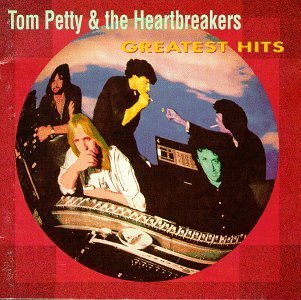
“Mary Jane’s Last Dance,” Tom Petty and The Heartbreakers, 1993
Petty was working on his solo LP “Wildflowers” when he wrote this sad track, and he chose not to include it on that album because he felt it didn’t fit well with the others. In 1993, when his label insisted on putting out a Greatest Hits package against his will, he chose to include “Mary Jane’s Last Dance” as one of two bonus tracks to give fans something new with all the repackaged singles. The cryptic lyrics talk mysteriously about a woman who seems suicidal from drug use: “There’s pigeons down on Market Square, she’s standin’ in her underwear, /Lookin’ down from a hotel room, the nightfall will be comin’ soon, /Oh, my my, oh, hell yes, you got to put on that party dress, /It was too cold to cry when I woke up alone, I hit my last number, I walked to the road, /Last dance with Mary Jane, one more time to kill the pain, /I feel summer creepin’ in and I’m tired of this town again…”
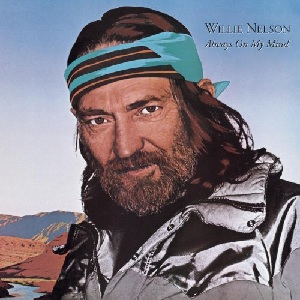
“Last Thing I Needed First Thing This Morning,” Willie Nelson, 1982
Gary Nunn, a country singer-songwriter who wrote the theme song for the longtime TV variety show “Austin City Limits,” wrote this poignant tune for Willie Nelson, who made it the third single from his popular 1982 LP “Always on My Mind.” The song reached #2 on US country charts that year, and current country star Chris Stapleton recorded it in 2017. The lyrics focus on the various ways a person’s day can start off on the wrong foot, none more depressing than losing one’s lover: “This morning at breakfast, I spilled all the coffee, /And I opened the door on my knee, /But the last thing I needed the first thing this morning was to have you walk out on me…”
**************************
Honorable mention:
“Last Dance,” Donna Summer, 1978; “The Last Time I Saw Her,” Gordon Lightfoot, 1968; “Remembering the First Time,” Simply Red, 1995; “Last Night I Dreamt That Somebody Loved Me,” Eurythmics, 1989; “My First Night Without You,” Cyndi Lauper, 1989; “Last Night I Didn’t Get to Sleep at All,” The 5th Dimension, 1972; “First Week/Last Week…Carefree,” Talking Heads, 1977; “The Last Time I Saw Richard,” Joni Mitchell, 1971; “Always the Last to Know,” Del Amitri, 1992; “I Dreamed Last Night,” Justin Hayward, 1975.
***************************
 Hack's Back Pages