OK, so singer Connie Francis died last week. She was 87.
I’m guessing there’s no more than a handful of readers of this blog — in their 60s or 70s — who might say, “Oh, I used to LOVE her songs!”
Others (like me) know her name and are vaguely aware of her career in the late 1950s and early 1960s, but didn’t much care for her music.
Most readers probably might not be able to tell me anything about her, or even recognize her name.

Francis was from that bygone era when pop/jazz/swing vocalists still dominated the US pop charts as the upstart new genre known as rock and roll was beginning to make inroads. She had more in common with traditional ’50s crooners like Rosemary Clooney, Doris Day and Jo Stafford than the early ’60s pop/rock singers like Lesley Gore, Dionne Warwick or Nancy Sinatra.
So why write a tribute about her on my rock music blog?
Well, I did some research and learned she was more groundbreaking and influential for a spell than I had realized. In listening to the highlights of her catalog, I must say that much of it is too cloying and even cringey for my tastes, but Francis had a quality singing voice, charted 14 Top Ten singles (including three Number Ones) and another couple dozen in the Top 40. She also recorded albums in a variety of styles, ranging from R&B, jazz, country, Broadway, children’s music, spiritual songs and traditional ethnic music, many in their native languages (mostly Italian, Yiddish, German, Spanish and Irish), which made her hugely popular in Europe. Between 1958 and 1962, she was one of the biggest singing stars in the music business internationally.
Francis also earned some credentials in rock music circles because she wasn’t averse to recording solid cover versions of early rock classics like Elvis Presley’s “Heartbreak Hotel” and “Hold Me, Thrill Me, Kiss Me,” Dave Bartholomew’s “I Hear You Knockin’,” Fats Domino’s “I’m Walkin'” and Ray Charles’s “Hallelujah I Love You So.”
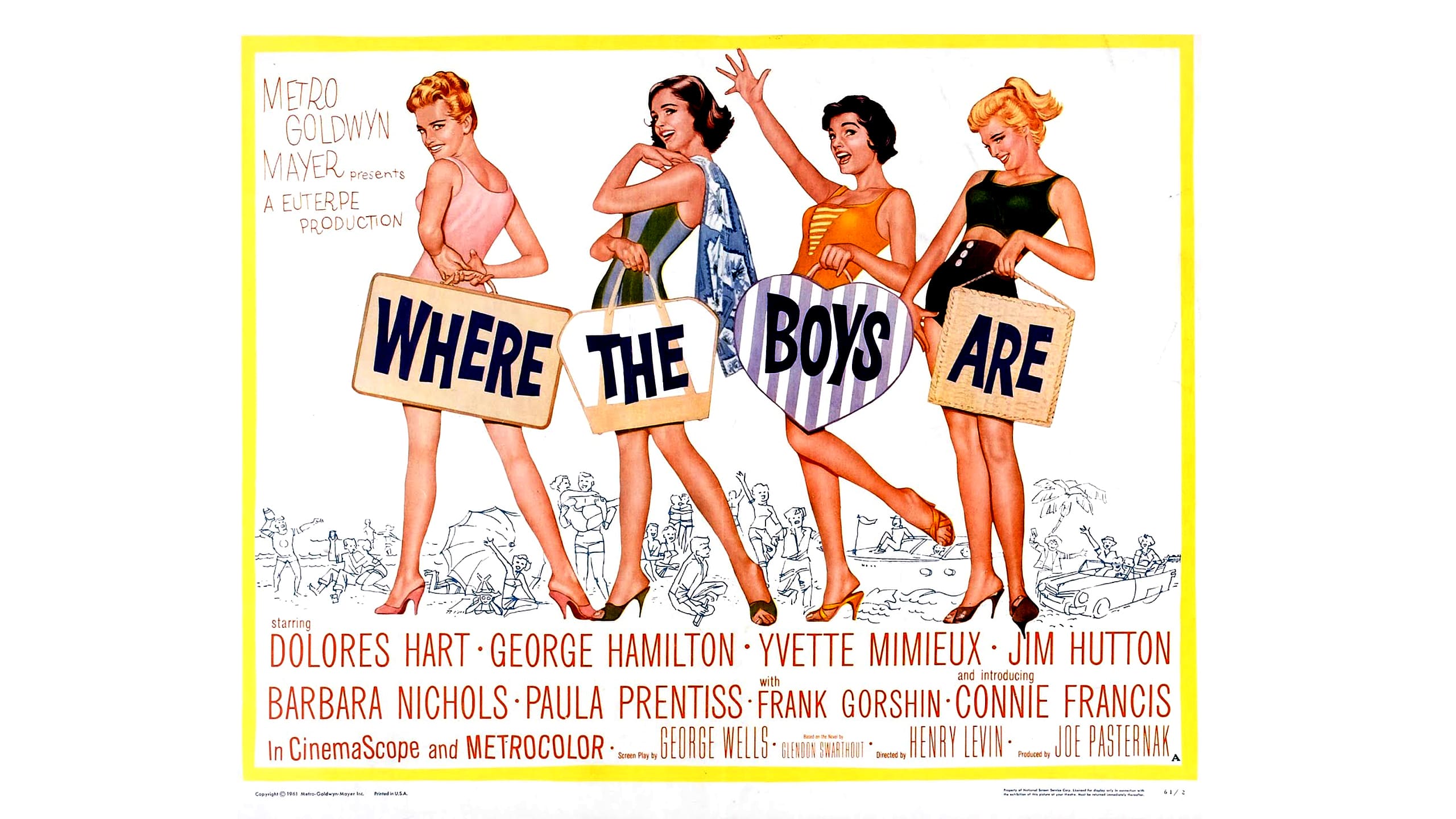
She might be best known for the 1960 hit “Where the Boys Are,” the title song for the relatively innocent “coming of age” teenage film in which Francis also made her acting debut in a secondary role. The song reached #4, and the film is credited with turning the sleepy Florida town of Fort Lauderdale into THE Spring Break destination for years to come. (She went on to starring roles in two similar films, 1963’s “Follow the Boys” and 1965’s “Where the Boys Meet the Girls.”)
*******************
Born in 1937 as Concetta Rosa Maria Franconero, the first child of Italian-American parents in Brooklyn, Francis was encouraged (some say pushed) by her father to enter talent contests and pageants as a child singer and accordionist. At age 13, she was tapped to appear on the TV/radio program “Arthur Godfrey’s Talent Scouts,” where she was advised to change her name to Connie Francis and drop the accordion (which she was all too happy to do). She continued singing and performing at local events throughout high school, reverting to using Concetta Franconero or Connie Franconero to please her Italian family and friends, and appeared on NBC’s “Startime Kids” variety show for two years.
Then in 1955, her father helped secure her a recording contract with MGM Records, which also led to singing voiceovers for non-singing actresses in film roles. Francis sang “I Never Had a Sweetheart” and “Little Blue Wren” for Tuesday Weld’s starring role in the 1956 jukebox musical “Rock, Rock, Rock.” But none of her MGM singles charted, and she was about to lose her record deal when she relented to her father’s insistence that she record a contemporary arrangement of, of all things, a 1923 waltz called “Who’s Sorry Now?”
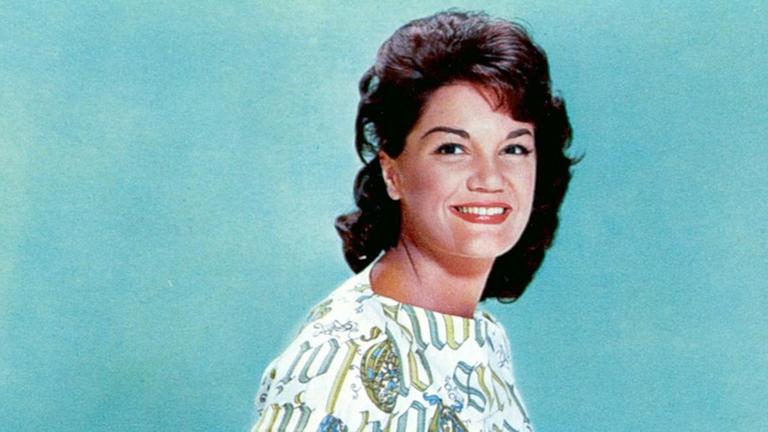
“I didn’t want to record the song, but my father insisted,” Francis said in 1984. “I thought that trying to sell a young audience on a 35-year-old song was ridiculous, but I went along as a favor to my dad. I didn’t try to imitate other singers, as I often did, I just sounded like myself for the first time. Then, I was watching ‘American Bandstand’ in January 1958 when Dick Clark introduced ‘a new song by a new girl singer. No doubt about it,’ he predicted, ‘she’s headed straight for the Number One spot.’ And he played ‘Who’s Sorry Now?’ I couldn’t believe it!” By March, the song reached #4 on US charts and #1 in the UK, and by a wide margin, Francis was voted Best Female Vocalist by “American Bandstand” viewers, a distinction she won three times over the next four years.
Suddenly, she was being approached by songwriters pitching all kinds of songs to her, including up-and-coming Brill Building team Neil Sedaka and Howard Greenfield, who supplied “Stupid Cupid” (#14), “Everybody’s Somebody’s Fool” (her first #1), “My Heart Has a Mind Of Her Own” (#1) and also “Where the Boys Are.” Francis seemed at ease with multiple genres — easy listening, country, R&B, blues, Christmas songs, traditional ethnic music — that broadened her appeal and kept her high on the charts for several years.
Earlier I called her material “cloying and even cringey,” which I attribute to syrupy string arrangements, cutesy lyrics and heavy-handed vocal harmonies. Take a track like “Lipstick On My Collar,” a Top Five hit in 1959. The annoying backing voices and insipid words had me reaching for the mute button within mere seconds (even though, if you dig deeper, you can hear Francis doing a fine job on the lead vocal). Just because I’ve never been able to embrace this style, the numbers show it was quite popular with large segments of the record-buying public in those years. Indeed, Francis made an astonishing 26 appearances on “The Ed Sullivan Show” between 1958 and 1970, ranking her among the most frequent guests on that highly rated TV variety show.
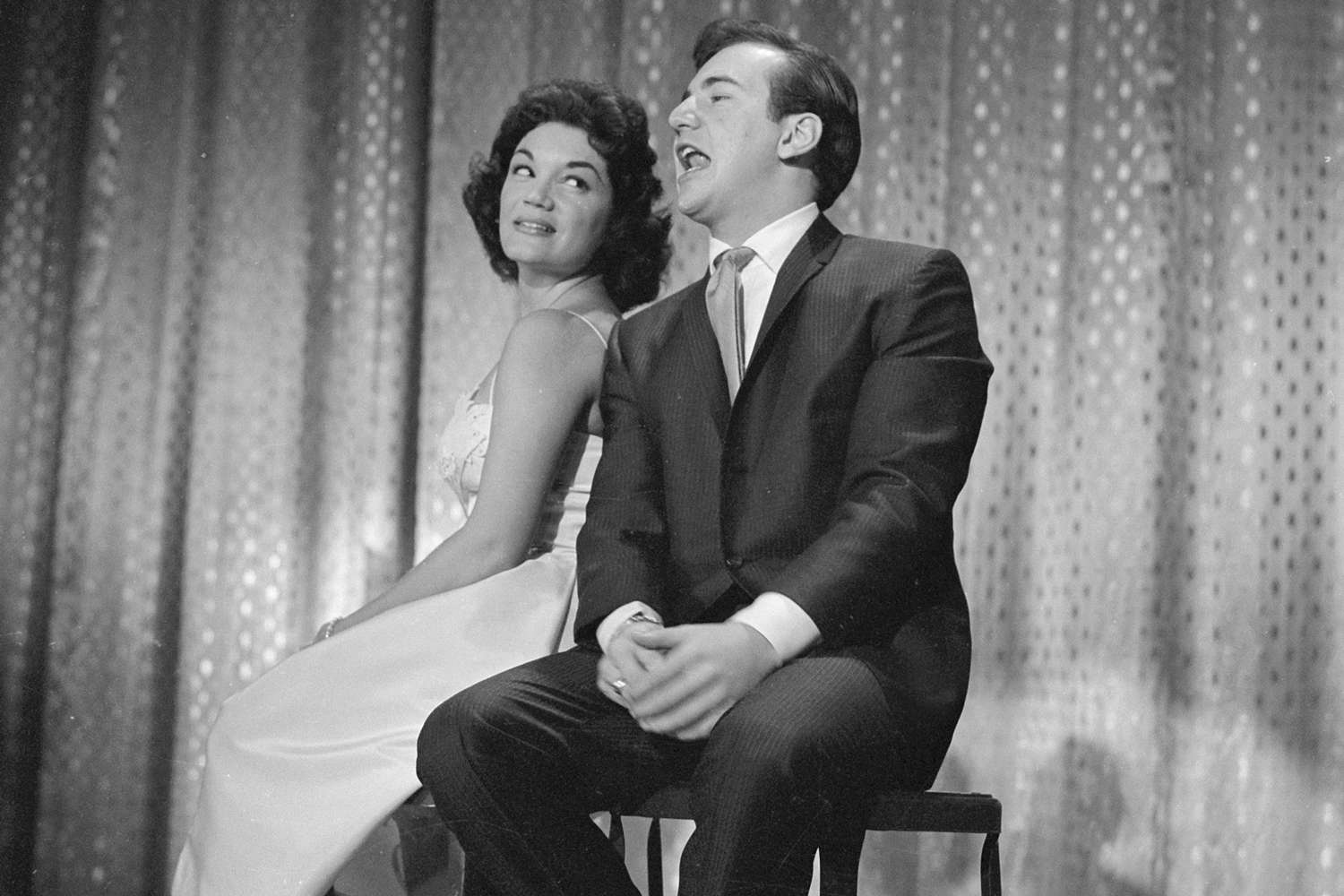
Like many of the “teen idol” singers of the period (Frankie Avalon, Bobby Rydell, Fabian Forte, Bobby Darin), Francis found herself largely upstaged and replaced by The Beatles and the British Invasion in 1964-65, and by the Motown vocal groups and American rock bands. Although her songs no longer made the pop charts, she remained a fixture on Easy Listening/Adult Contemporary format stations as late as 1967, and she remained a popular live act into the 1970s, not only in Las Vegas but in smaller markets across the country. In Europe, her popularity never waned, thanks to her foreign-language LPs, and she toured there as late as the 1990s.
Sadly, she suffered significant difficulties in her personal life. She was married and divorced four times, with three of those marriages lasting less than a year. Most traumatically, Francis was the victim of a brutal rape in a motel in Long Island, New York, in 1974, which caused severe depression, drug addiction, suicide attempts and psychiatric institutionalization that kept her mostly in seclusion for more than a decade. She successfully sued the motel chain for lax security, which brought about widespread industry upgrades in that regard.
She occasionally resurfaced with a new recording or a rare concert, most notably a disco version of “Where the Boys Are” that saw some airplay in 1978. She wrote and published her “Who’s Sorry Now?” autobiography in 1984, which was a best seller, and a second one, “Among My Souvenirs,” in 2017. In her memoirs, she made a point of thanking Dick Clark and “American Bandstand” for their early support. “If not for his endorsement, I was about to go back to college and pursue a degree in medicine,” Francis said. “My life would’ve been completely different if not for him.”
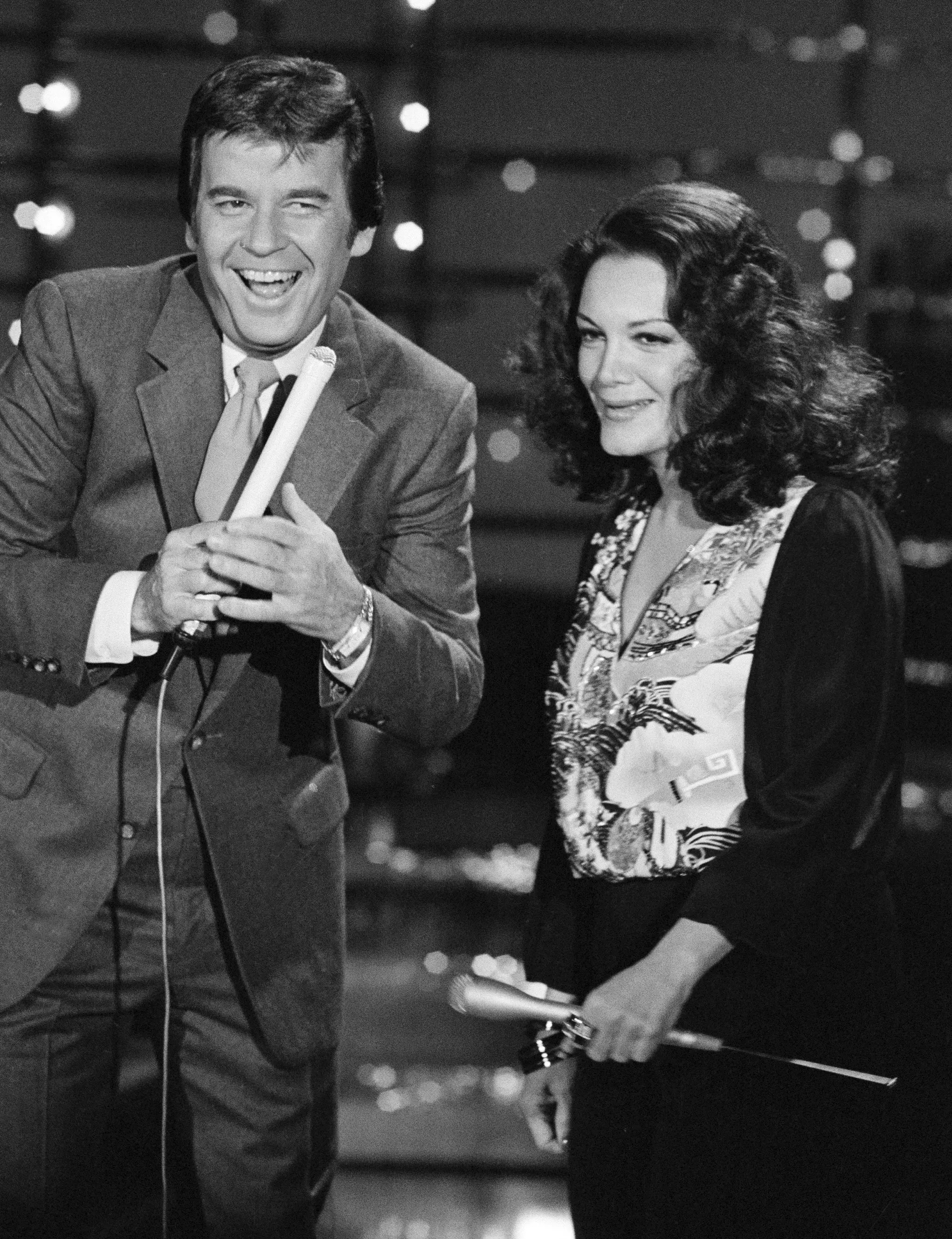
In the 2000s, Francis headlined shows in Vegas, San Francisco, the Philippines and Rome, sometimes in tandem with others like Warwick. During that period, she was in lengthy talks with Gloria Estefan about her producing and starring in a biopic about Francis’s life. “She isn’t even in the Rock and Roll Hall of Fame, and yet she was the first female pop star worldwide, and has recorded in nine languages,” said Estefan in 2007. “She has done a lot of things for victims’ rights since her rape in the ’70s. There’s a major story there.” But Francis and Estefan couldn’t agree on a screenwriter or a budget, so the project never proceeded.
Francis retired in 2018, and lived in Florida the remainder of her life. She had recently fractured her hip and was diagnosed with pneumonia the day before she died on July 16.

Although she died before she could see it, a 2025 Broadway musical about the life of Bobby Darin, “Just in Time,” features actress Gracie Lawrence portraying Francis as both a singing partner and a paramour of Darin in their younger days.
However, Francis lived long enough to see her 1962 song “Pretty Little Baby” become an unlikely hit on digital media platforms during the past year or two. It became a viral sensation 63 years after its first release, with 10 billion Tik Tok views and 14 million global streams on Spotify and elsewhere, with users lip synching to the track while showing off stylish, often retro, outfits and using it to soundtrack videos of their babies, kids and pets. “My granddaughter told me about it,” said Francis earlier this year. “I didn’t remember the song at first because it wasn’t a hit I sang much. It’s a blessing to know that kids today know me and my music now, even if just a little bit.”
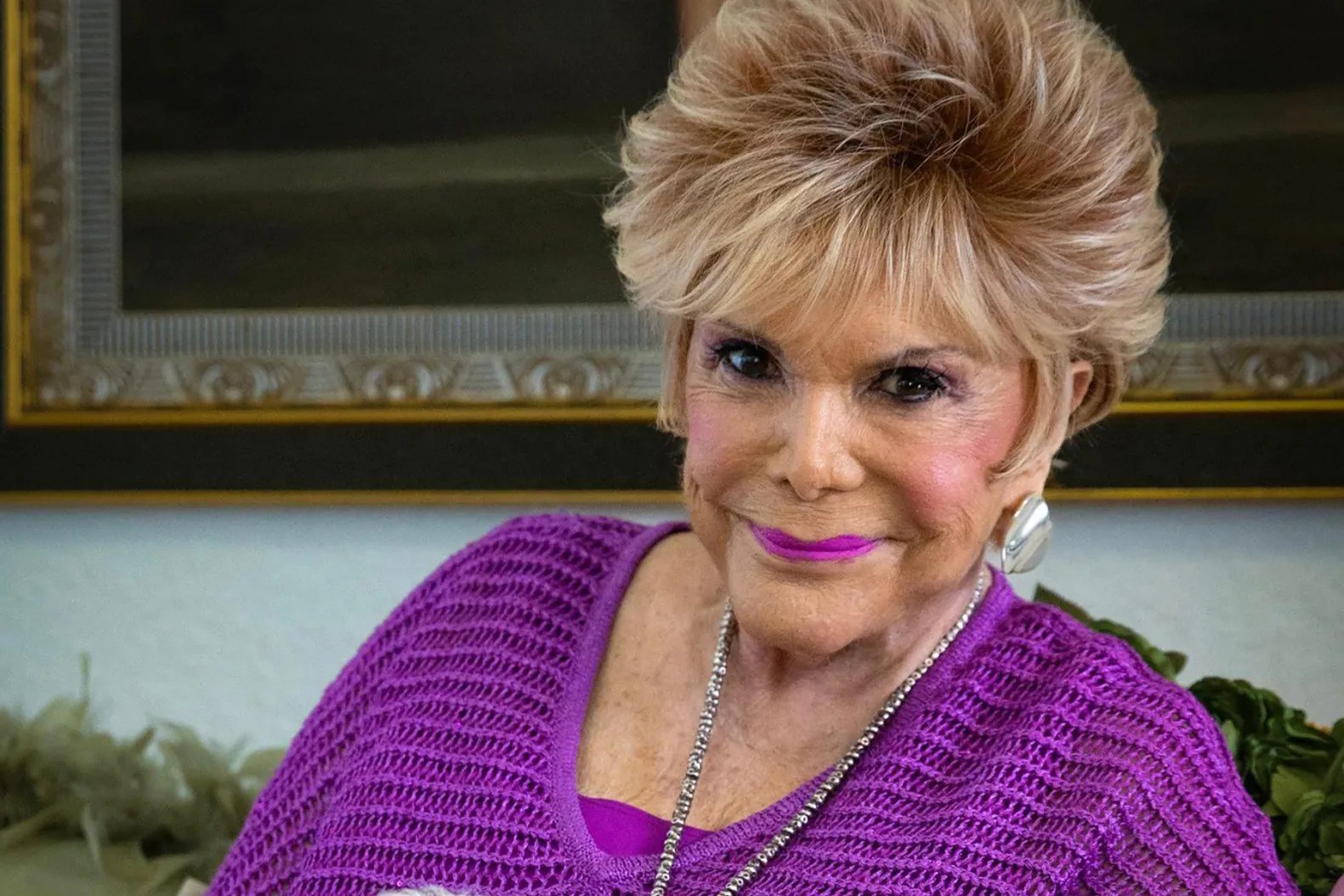
Rest in peace, Concetta.
************************
 Hack's Back Pages