More neglected gems from the 1990s
Regular readers know that unearthing long-forgotten classic rock songs is a favorite pastime here at Hack’s Back Pages. More than 40 times, I’ve devoted this blog to a dozen carefully chosen tracks from the ’60s, ’70s and ’80s that you either never knew before or had let slip your mind in the years since they were released.

Recently, it was pointed out to me that songs from the ’90s should be considered classic rock as well because they’re roughly 30 years old now. I compiled my first batch of “lost classics from the ’90s” a few months ago, and now I’m offering another dozen for your listening pleasure. As always, there’s a Spotify playlist at the end so you can feast on these songs as you read about them.
There will be many more, I can assure you.
***************************

“Mad About You,” Sting, 1991
In 1987, Sting’s father passed away, which affected the singer deeply, causing a writer’s block that lasted nearly three years. His subsequent LP, 1990’s “The Soul Cages,” ended up being a concept album of sorts, with most of the material alluding to his father’s life. “After I wrote ‘Why Should I Cry For You,’ the dam broke, and the rest of the songs just flowed out,” he said in 1991. “All This Time” was the record’s big hit, reaching #5 in the US, while the title track and the flamenco-tinged “Mad About You” were more popular in his native England.

“Sleeping Satellite,” Tasmin Archer, 1992
I remember being blown away the first time I heard this dramatic tune, and I’m kicking myself for having forgotten about it until recently. Tasmin Archer, a British-Jamaican singer-songwriter with a powerful voice, wrote this song in 1989 about the Moon missions and the regrettable fact that further significant exploration was severely curtailed in the years since. The song topped the charts in the UK and reached the Top Ten in several European countries and Canada but managed only #32 in the US. Critics gushed about her “low, evocative voice that’s both sultry and soulful.”
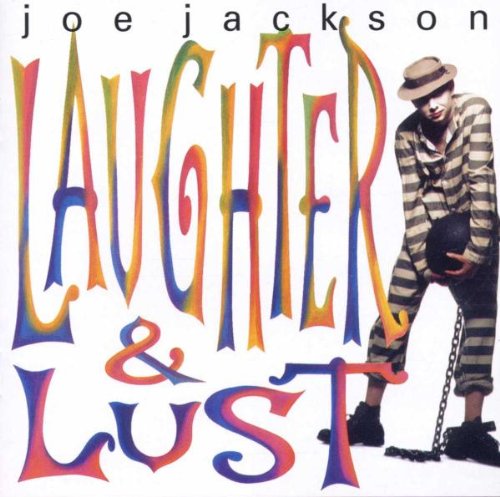
“My House,” Joe Jackson, 1991
I think Jackson is one of the most wildly talented musicians of the rock era, even if his commercial successes are relatively few and far between. Initial fame during the late ’70s (“Is She Really Going Out With Him?”) and early ’80s (“Steppin’ Out,” “Breaking Us in Two”) proved fleeting even as his albums remained intriguing and mostly engaging. “Blaze of Glory” in 1989 was criminally underrated, while 1991’s “Laughter and Lust” offered punchy rock tracks like “Goin’ Downtown” and “Stranger Than Fiction” and piano-centric ballads such as “The Other Me” and “My House.”

“Normal Town,” Better Than Ezra, 1996
Emerging from New Orleans in 1990, Better Than Ezra clicked in 1993 with their alt-rock sound on their “Deluxe” LP and two charting singles, “In the Blood” and “Good.” Singer-guitarist Kevin Griffin wrote most of their repertoire, including the quality material found on the 1996 album “Friction, Baby.” Most of that album rocked pretty hard, especially two more minor hit singles (“Desperately Wanting” and “King of New Orleans”) but several others worth mentioning offered a mellower vibe, including “WWOZ,” “Happy Endings” and “Normal Town.”
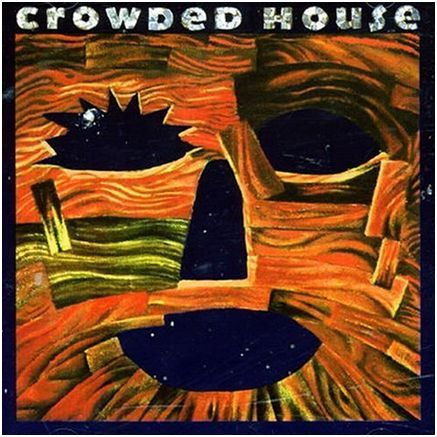
“Fall At Your Feet,” Crowded House, 1991
One of New Zealand/Australia’s best bands, Crowded House found considerable success in the US with its first two LPs and the singles “Don’t Dream It’s Over” and “Something So Strong,” both Top Ten hits here in the late ’80s. I found their third LP, “Woodface,” to be their best one yet, but it managed only #83 in the US, despite great Neil Finn songs like “Weather With You,” “It’s Only Natural,” “Chocolate Cake” and “Fall At Your Feet.” Crowded House continues to have strong appeal in the UK and Australia but only a modest following here.
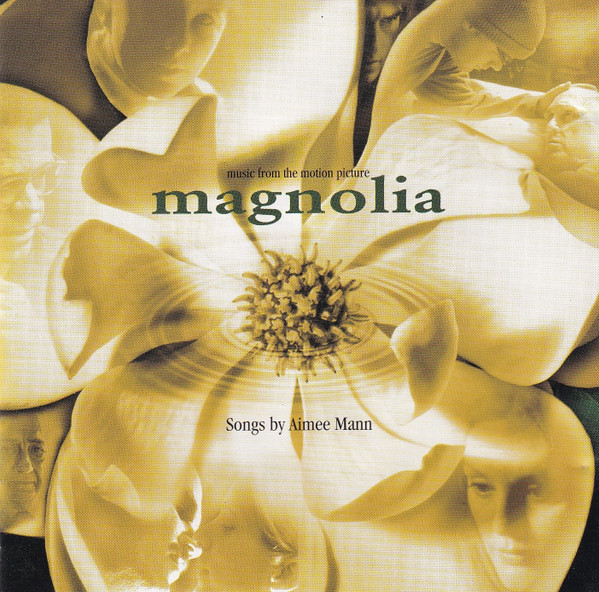
“Build That Wall,” Aimee Mann, 1999
Originally from Richmond, Virginia, Mann formed the New Wave-ish group ‘Til Tuesday in Boston, and they released three strong LPs in the 1980s, including “Voices Carry” and “Welcome Home,” both Top 50 albums in the US. Mann embarked on a solo career in 1990, and by 1999, she was recruited by filmmaker Paul Thomas Anderson to write songs for the soundtrack of his acclaimed film “Magnolia,” including such great tunes as “Save Me,” “You Do,” “Deathly” and particularly the soothing “Build That Wall,” co-written with Jon Brion.

“Passion Play (When All the Slaves are Free),” Joni Mitchell, 1991
“Night Ride Home,” Mitchell’s first album of the ’90s, has much in common with her confessional masterpieces of the ’70s but retains some of the angrier current-events focus of her ’80s LPs. Said Mitchell at the time, “The songs jump back and forth to form a sort of dialog between the present, my youth and the year zero in the Christian calendar.” One of the latter is “Passion Play,” a beautifully relentless piece that examines the Biblical ruling class and poses the bold question, “Now, you tell me, who’re you gonna get to do the dirty work when all the slaves are free?”
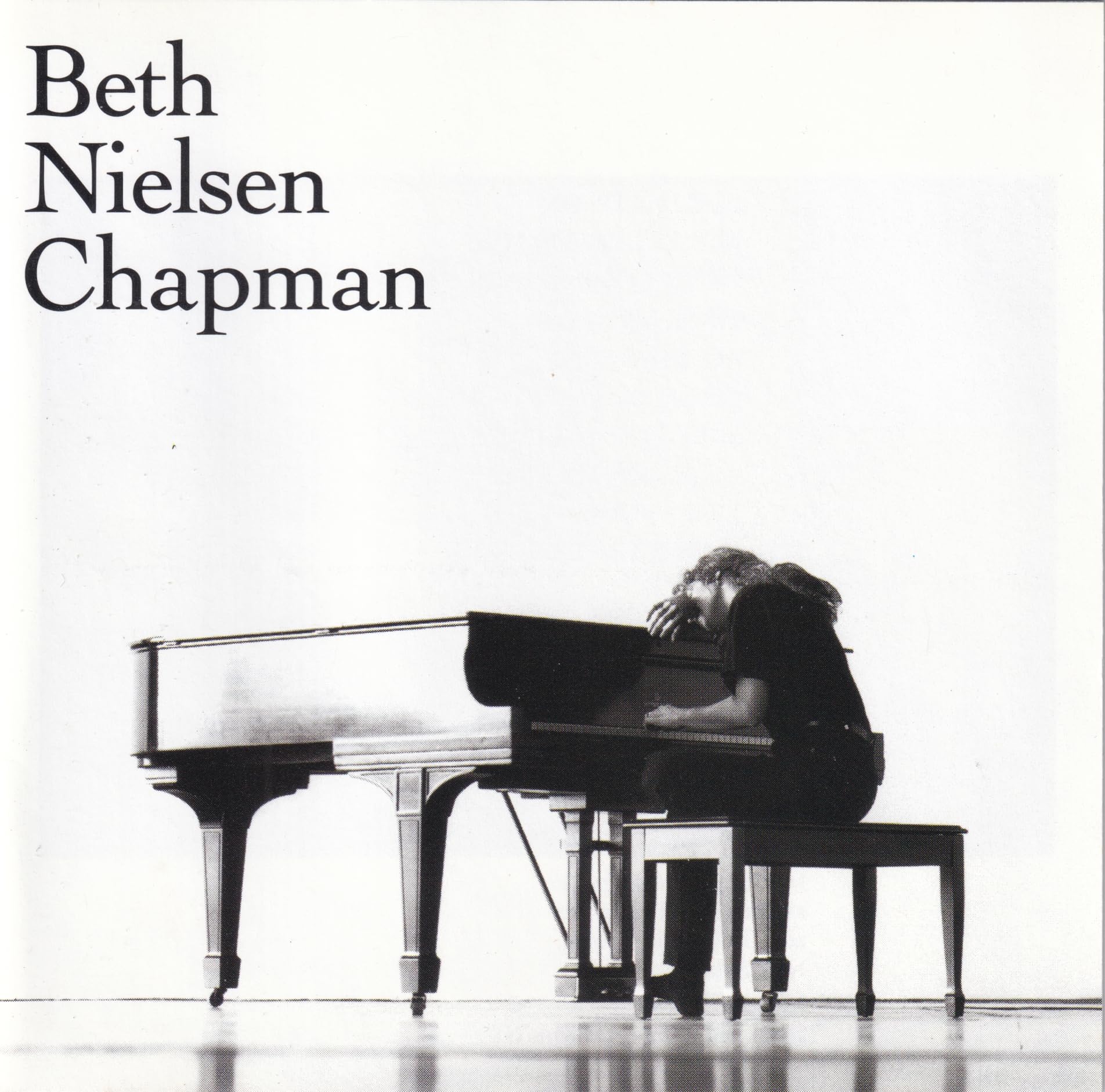
“Walk My Way,” Beth Nielsen Chapman, 1990
Ever since I first learned of her work on her 1990 self-titled debut LP, I’ve been a huge fan of both her singing and her songwriting. Even though her albums and singles have never made the mainstream charts, she has a Grammy for writing Faith Hill’s huge 1998 hit “This Kiss” and has written hits for other artists as well. Her own records have appeared on the Adult Contemporary charts multiple times, including “All I Have,” “In the Time It Takes,” “I Keep Coming Back to You,” “Sand and Water,” “Shake My Soul” and especially the melodious “Walk My Way.”

“I Wish I Were Blind,” Bruce Springsteen, 1992
After the 1987 LP “Tunnel of Love” and subsequent great-long tour supporting it, Springsteen chose to dissolve The E Street Band (temporarily, as it turned out) and try other musical approaches. The songs he wrote next were more generic pop than fans were accustomed to, and the “Human Touch” album was consequently not well received (in fact, its release was delayed nearly a year while he wrote “Lucky Town,” then released both albums simultaneously in 1992). Each album has only a couple of tracks that have stood the test of time. One is “I Wish I Were Blind,” about a man who is so heartbroken seeing his ex with someone else that he would rather lose his sense of sight.

“As Soon as the Tide Comes In,” Del Amitri, 1992
This Scottish alt-rock band did quite well on the charts in the UK with four 1990s albums charting in the Top Ten, and a dozen Top 40 singles. In the US, their success was more limited to three singles: “Kiss This Thing Goodbye,” “Always the Last to Know” and 1995’s “Roll to Me,” which peaked at #10. I recall being entranced when I heard “Kiss This Thing Goodbye” on MTV one day and ended up buying their next four LPs. From their “Change Everything” album, I found “As Soon as the Tide Comes In” to be appealing piano-based rock, with Justin Currie’s winning vocals.

“Every Mother’s Son,” The Pretenders, 1994
When Chrissie Hynde moved from Akron, Ohio, to London in the ’70s and formed The Pretenders, the group’s attitude and stage presence were always more punky than their music, which had a New Wave rock foundation. As time passed, Hynde’s songs became more melodic and accessible, and by 1994, their “Last of the Independents” LP included such mainstream tunes as “I’ll Stand By You” and a cover of Bob Dylan’s “Forever Young.” I think it’s an under-appreciated album, as evidenced by tracks like “Love Colors” and the comforting “Every Mother’s Son.”
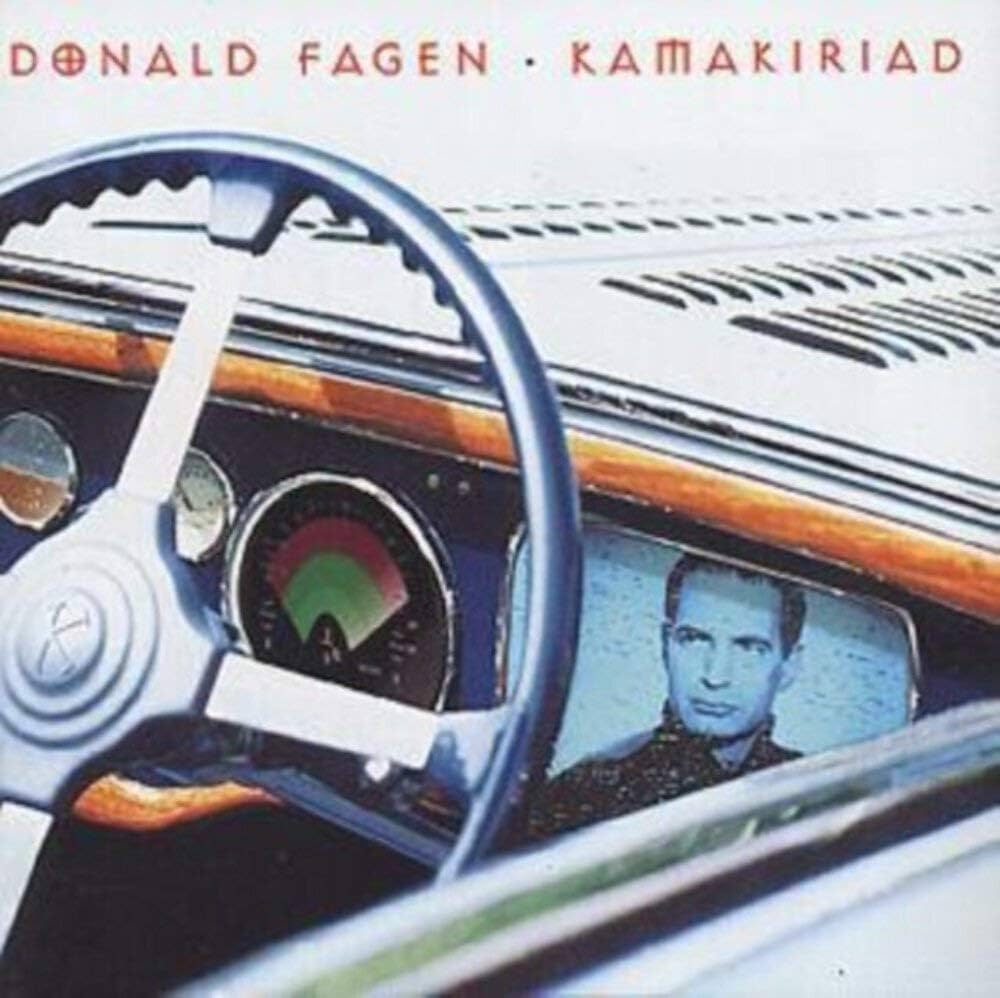
“Florida Room,” Donald Fagen, 1993
After a magnificent run of albums in the 1970s, Donald Fagen and co-founder Walter Becker chose to put Steely Dan on hiatus for nearly 15 years. Fagen’s 1982 solo debut “The Night Fly” was a superb continuation of the Steely Dan sound, but he remained adverse to doing any live performing. In the early ’90s, he met Libby Titus, a seasoned songwriter who encouraged Fagen to return to the stage and to revive Steely Dan as a recording/touring entity. She and Fagen co-wrote “Florida Room,” a delightfully jazzy track from his second solo LP, 1993’s underplayed “Kamakiriad,” and the two ultimately married.
**************************
 Hack's Back Pages