We’ll always remember the music and memories
Once again, it’s time to honor the fallen musical heroes who left us during the past calendar year.
Out of the 30 musicians mentioned here, a dozen were of sufficient stature to be the subject of detailed tributes/obituaries in Hack’s Back Pages at the time of their deaths — artists like Brian Wilson, Sly Stone, Ozzy Osbourne and Roberta Flack — and I’ve provided links to those earlier posts. Others might have arguably been singled out for individual treatment but didn’t quite qualify, in my view. Nonetheless, we’ve lost some stellar musicians, some of whom enjoyed enviable careers that lasted decades, while others had spectacular but only relatively brief success.
As the year comes to an end, now is the appropriate time to pay our respects to the contributions they made to popular music during their lives. There’s a Spotify playlist at the end that includes representative songs from each artist.
*****************************
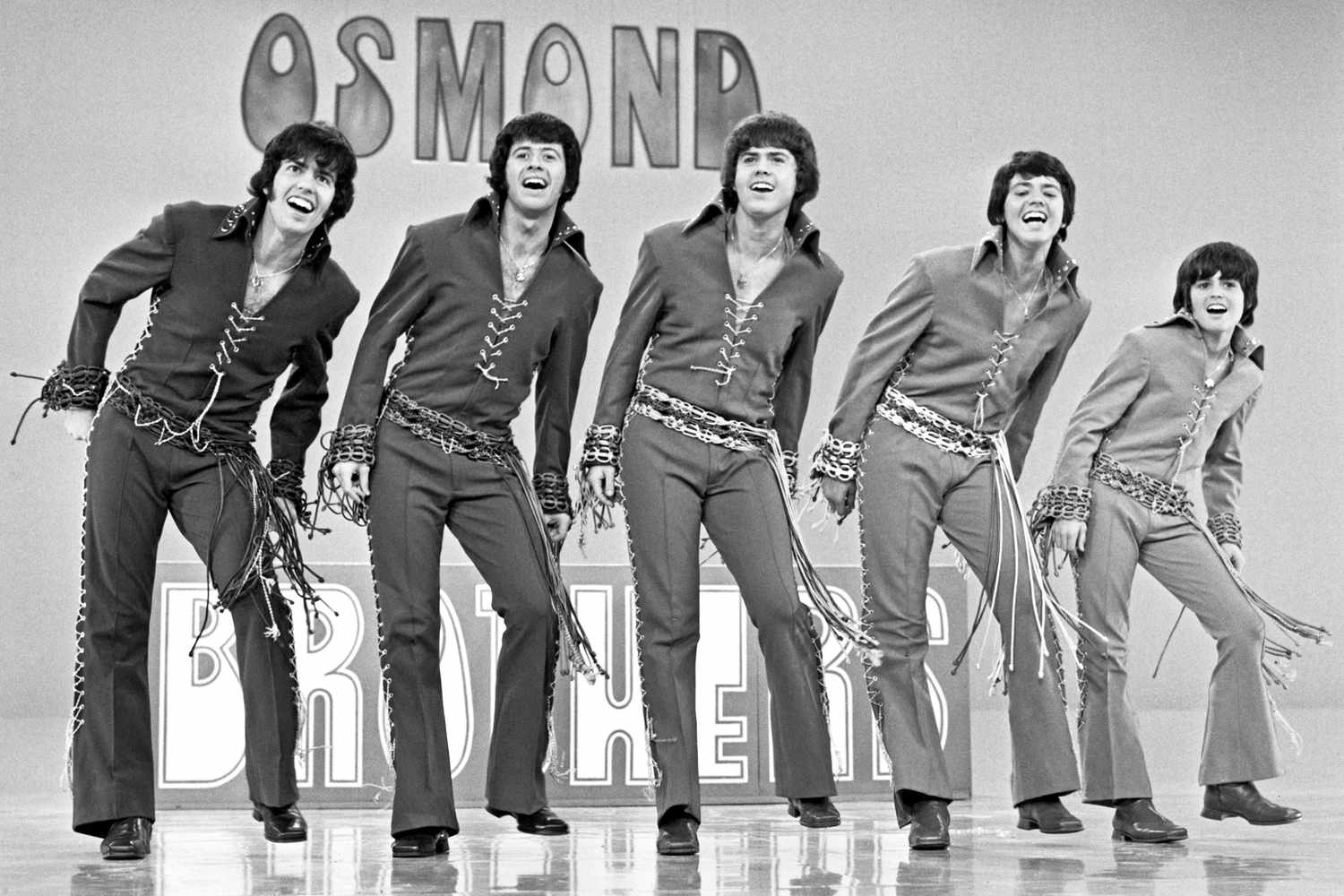
Wayne Osmond, the second oldest of the singing siblings known as The Osmonds, died January 1 at age 73. He was blessed with perfect pitch and became the group’s vocal arranger as they became hugely successful teen idols through the 1970s. The Osmond Brothers appeared regularly on “The Andy Williams Show” in the 1960s, then reached the Top 20 of US pop charts ten times with hits like “One Bad Apple,” “Yo-Yo,” “Down By the Lazy River” and “Love Me For a Reason.” While Wayne Osmond (second from left in photo) didn’t reach the heights his brother Donny and sister Marie did with their own TV show, he is credited with both songwriting and guitar-playing talents in addition to his vocals.

Peter Yarrow, one third of the internationally famous folk trio Peter, Paul & Mary, died January 7 at age 86. Bob Dylan’s manager Albert Grossman brought Yarrow together with Paul Stookey and Mary Travers in 1961, and they hit a home run right out of the box with their self-titled Grammy-winning debut LP, which reached #1 and included folk standards like “Where Have All the Flowers Gone,” “500 Miles,” “Lemon Tree” and “If I Had a Hammer.” They went on to more success with Dylan covers (“Blowin’ in the Wind,” “Don’t Think Twice, It’s All Right”) and more hits like “Puff the Magic Dragon,” “I Dig Rock ‘n’ Roll Music,” “Day is Done” and “Leavin’ on a Jet Plane.” For more about Yarrow and his career with PP&M and as a solo artist, please see my earlier tribute: Https://hackbackpages.com/2025/1/17/tell-me-why-youre-crying-my-son
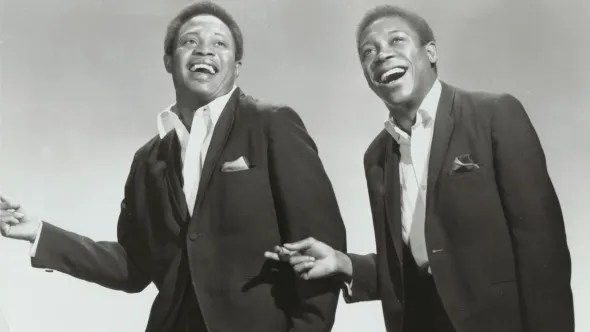
Sam Moore, one half of the ’60s soul powerhouse duo known as Sam & Dave, died January 10 at age 89. In their formative years, Moore (left in photo) and Dave Prater each sang gospel music in their Baptist church choirs, and by the time they reached 30, they honed their “call and response” style of soul tunes that proved popular in the 1965-1970 period. While their personalities may have clashed, their voices meshed effectively on many great Stax Records tracks, notable “Hold On, I’m Comin'” (#21), “Soul Man” (#2) and “I Thank You” (#9). For more on Moore and the Sam & Dave legacy, please see my earlier tribute: Https://hackbackpages.com/2025/1/24/r-i-p-to-a-soul-man-and-a-band-leader
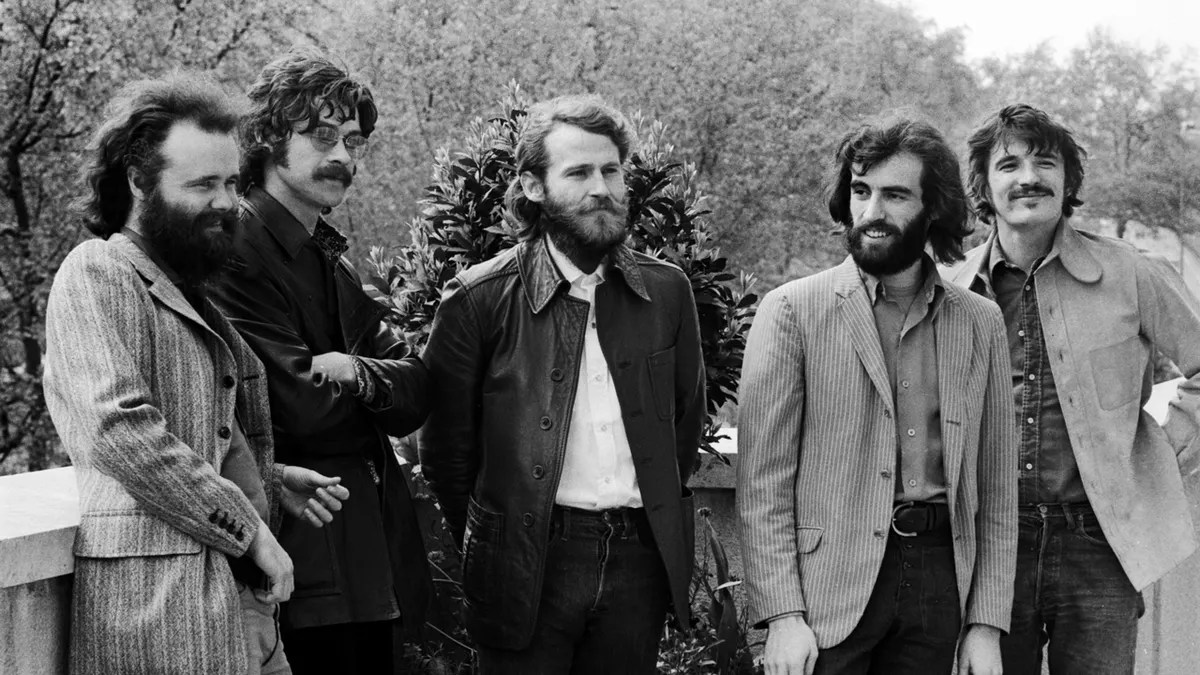
Garth Hudson, the oldest and last surviving member of the pioneering Americana/roots music group known simply as The Band, died January 21 at age 87. Regarded as a “musical polymath” and gifted multi-instrumentalist, Hudson (far left in photo) contributed organ, sax, violin and accordion to dozens of tunes on The Band’s eight highly regarded LPs between 1968-1977. He and his Bandmates played behind Ronnie Hawkins in the early ’60s and Bob Dylan after that, then struck out on their own with the celebrated “Music From Big Pink” LP. Notable tunes by the group included “The Weight,” “Chest Fever,” “The Night They Drove Old Dixie Down” and “Up on Cripple Creek.” For more on Hudson’s life and The Band’s career, please see my earlier tribute: Https://hackbackpages.com/2025/1/24/r-i-p-to-a-soul-man-and-a-band-leader
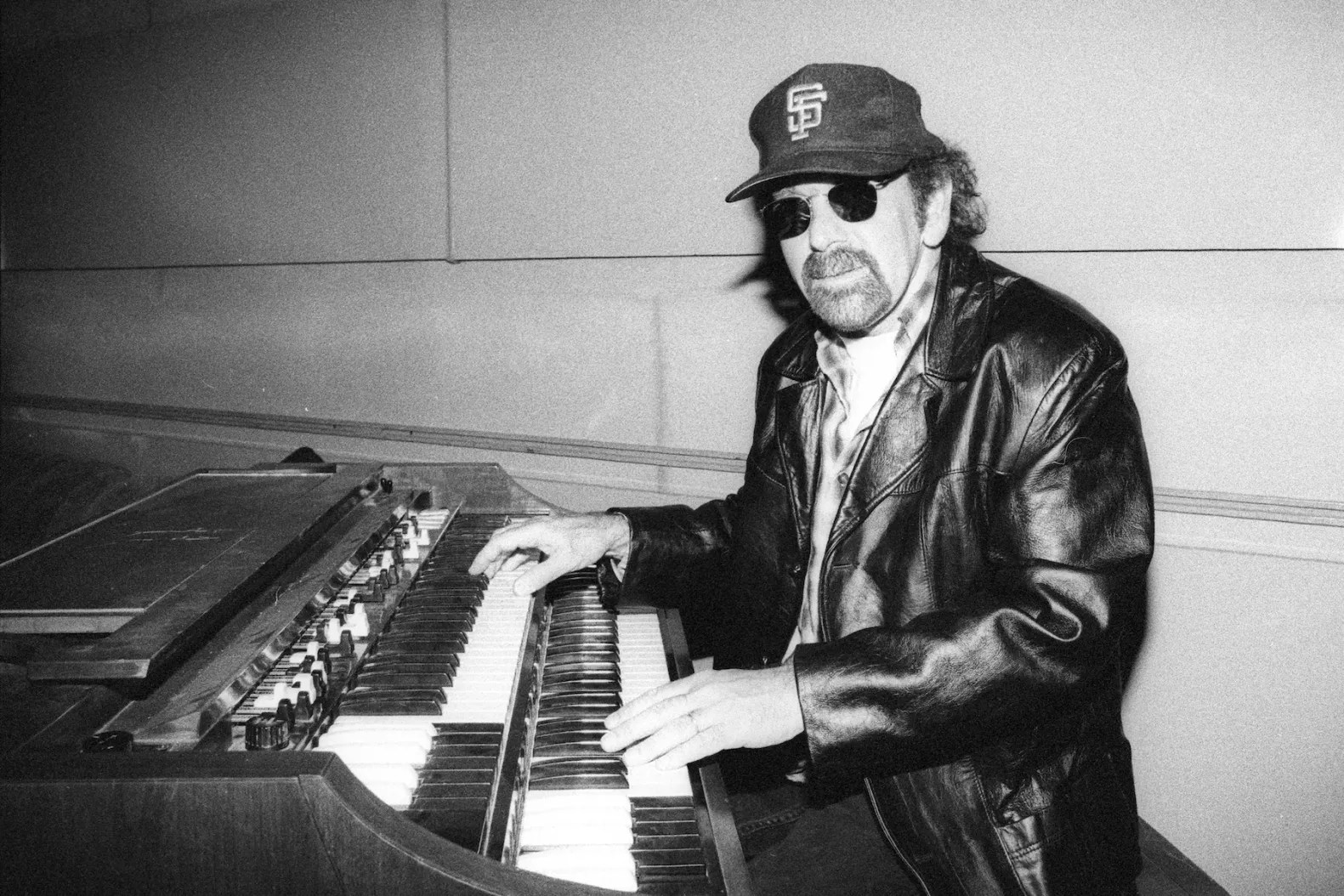
Barry Goldberg, a legendary blues keyboardist/producer from Chicago, died January 22 at age 83. While still just a teenager, he sat in with Muddy Waters and Howlin’ Wolf and was a founding member of the Paul Butterfield Blues Band in 1965 and the Electric Flag with guitarist Mike Bloomfield in 1967. He also worked with such luminaries as Steve Miller, Rod Stewart, Joe Cocker, Gladys Knight, Gram Parsons and Leonard Cohen, and appeared on the iconic “Super Session” LP with Al Kooper, Bloomfield and Stephen Stills. Goldberg remained active as a session musician and producer through the years, reuniting with Stills in the 2010 supergroup The Rides, whose album “Can’t Get Enough” was a Blues Music Awards nominee in 2013.

Marianne Faithfull, a British singer and actress in the mid-’60s, died January 30 at age 78. She was discovered by Rolling Stones producer Andrew Loog Oldham in 1965 and had immediate success with her recording of the Stones ballad “As Tears Go By” (#9 in the UK, #22 in the US). Faithfull’s three-year romance with Mick Jagger gave her more exposure, which helped her win major acting roles on British stage and screen in a broadly praised career that outlived her success as a singer. While she recorded nearly two dozen albums between 1965 and 2021, they charted only modestly in the UK and barely at all in the US.
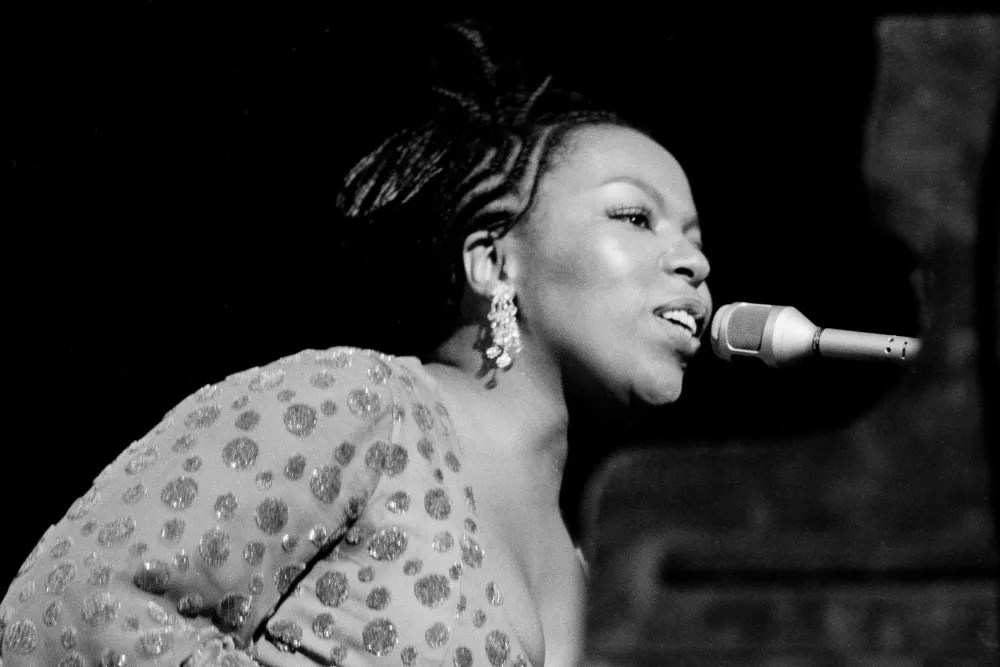
Roberta Flack, a gifted singer of both R&B and pop genres, died February 24 at age 88. Her debut LP “First Take” in 1969 turned heads, as did her subsequent albums, “Chapter Two” and “Quiet Fire.” In 1971, director Clint Eastwood used her recording of “The First Time Ever I Saw Your Face” in his moody thriller “?Play Misty For Me,” and the song vaulted to #1 on US pop charts. In 1973, Flack topped that with her Record of the Year Grammy winner, “Killing Me Softly With his Song.” For much more about Flack’s life and career, see my earlier tribute: https://hackbackpages.com/2025/2/28/telling-my-whole-life-with-her-words
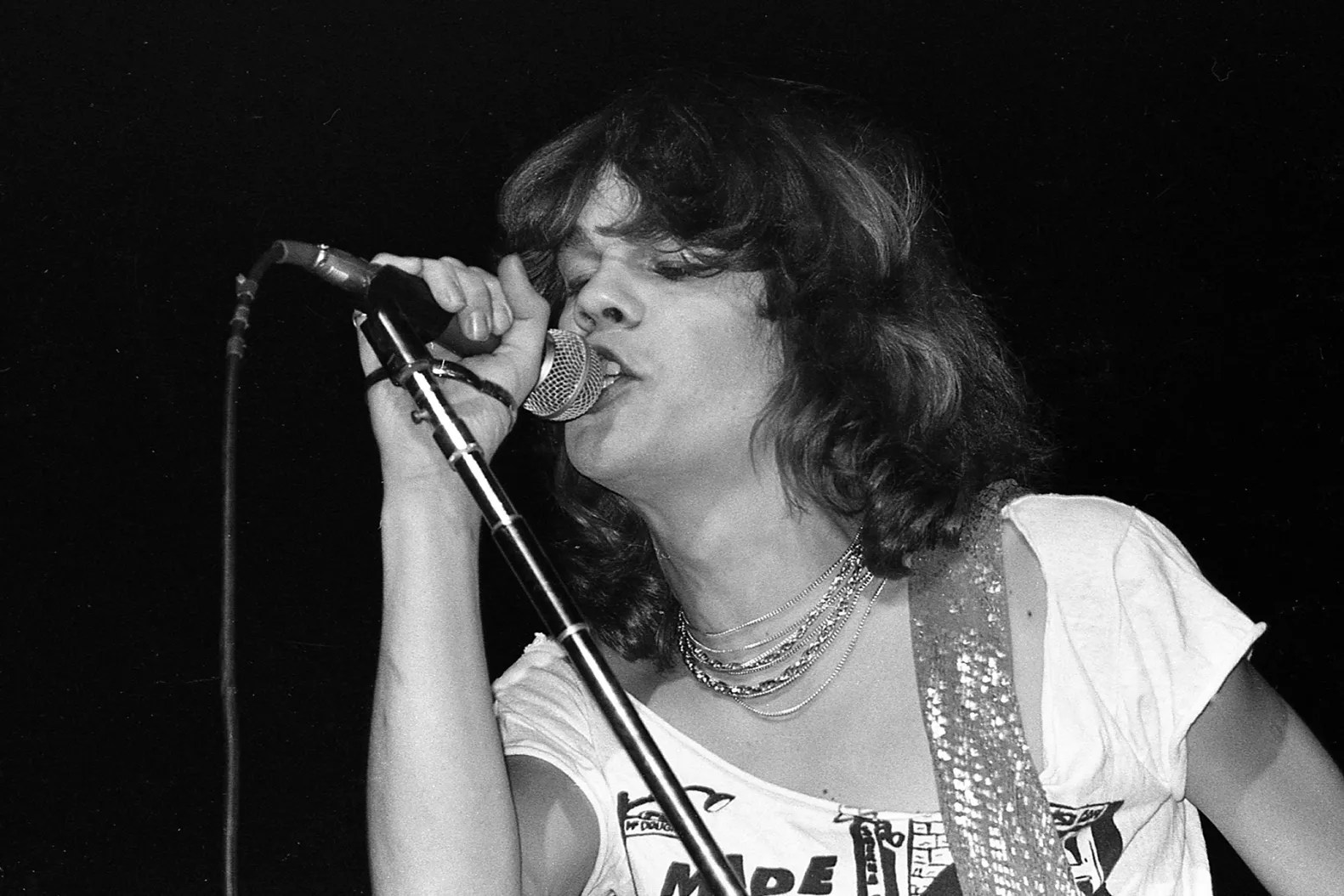
David Johansen, the charismatic frontman of the influential promo-punk band The New York Dolls, died February 28 at age 75. He and his bandmates offset the macho rock star image by wearing women’s clothing and makeup, bringing a vaudevillian energy to their aggressive music. Although they never broke the Top 100 of either the US or UK charts, the group proved to be hugely influential, pointing the way from glam to the punk music that was beginning to brew in New York City. Johansen served as the band’s lead vocalist with a distinctive, gravelly delivery, and also co-wrote much of the material with guitarist Johnny Thunders. The band dissolved in the mid-’70s, but Johansen demonstrated remarkable versatility when he reinvented himself in the 1980s as the pompadoured lounge singer Buster Poindexter, focusing on swing, jump blues and calypso. He enjoyed modest mainstream success in 1988 with his cover version of “Hot Hot Hot,” a popular dance club single that went on to become a “go-to” song on cruise ships and at karaoke bars ever since.
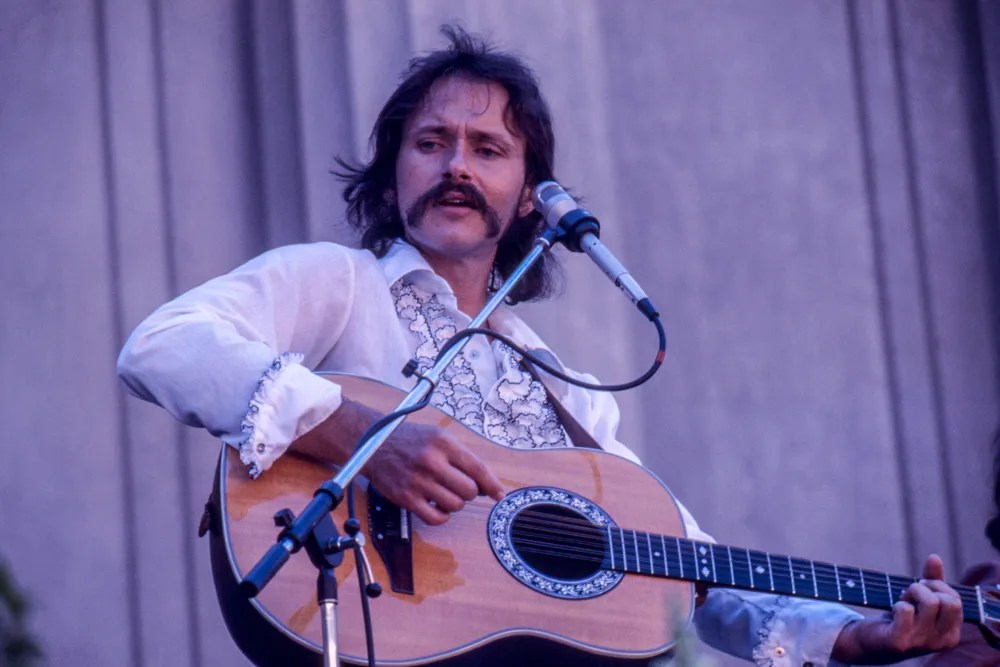
Jesse Colin Young, leader and chief songwriter of The Youngbloods and a respected solo artist as well, died March 16 at age 83. With The Youngbloods, Young sang the iconic ’60s hits “Get Together” and “Sunlight” and went on to Top 20 success with mid-’70s albums like “Song For Juli,” “Light Shine” and “Songbird.” For more about Young and his career, please check out my earlier tribute: Https://hackbackpages.com/2025/3/21/if-you-hear-the-song-i-sing-you-will-understand

Rick Derringer, a guitarist-singer-songwriter who found fame at multiple points in his career, died May 26 at age 77. He was only 18 when his fledgling Ohio-based group The McCoys were picked by a New York producer to record the song “Hang On Sloopy,” which became a #1 song on US pop charts in 1965 and an iconic example of the “garage rock” genre. By the 1970s, he became affiliated with The Edgar Winter Group, adding stinging guitar to their 1973 hits “Frankenstein” and “Free Ride.” That same year, Derringer had his own Top 40 hit with “Rock and Roll Hoochie Coo,” a remake of the song he wrote for Johnny Winter in 1970. His stellar guitar work made him an in-demand session player for major artists like Steely Dan and Todd Rundgren in the ’70s and ’80s.
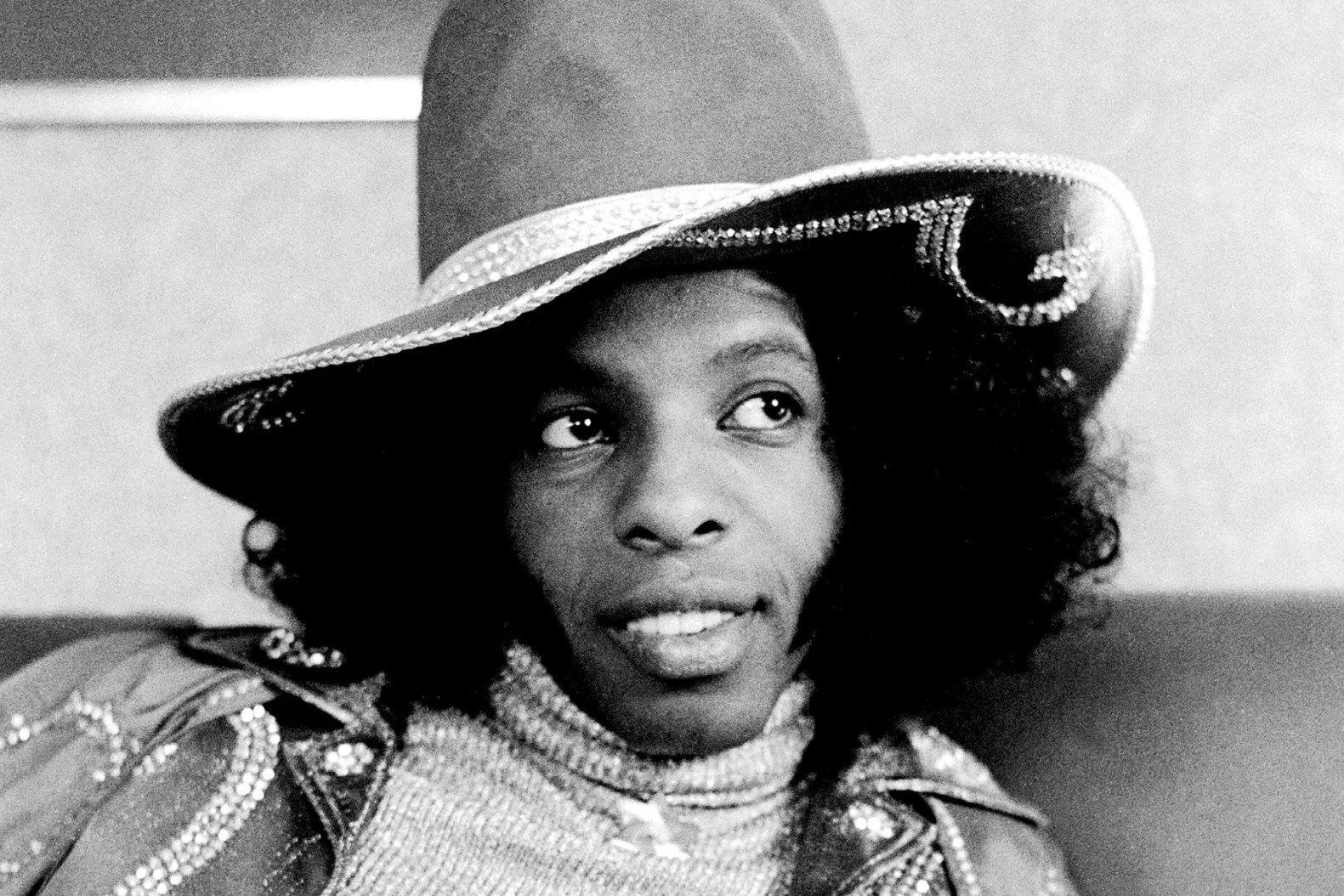
Sylvester Stewart, known as the innovative leader/singer/songwriter Sly Stone for the irrepressible Sly & The Family Stone, died June 9 at age 82. James Brown may have invented the funk genre, but Stone and his group perfected it, with a bevy of hits like “Stand!” “Hot Fun in the Summertime,” “Everyday People,” “Thank You (Falettinme Be Mice Elf Agin)” and “Family Affair.” For more about the man and the band’s roller-coaster life and career, please see my earlier tribute: Https://hackbackpages.com/2025/6/13/all-i-have-to-hold-on-to-is-a-simple-song-at-last
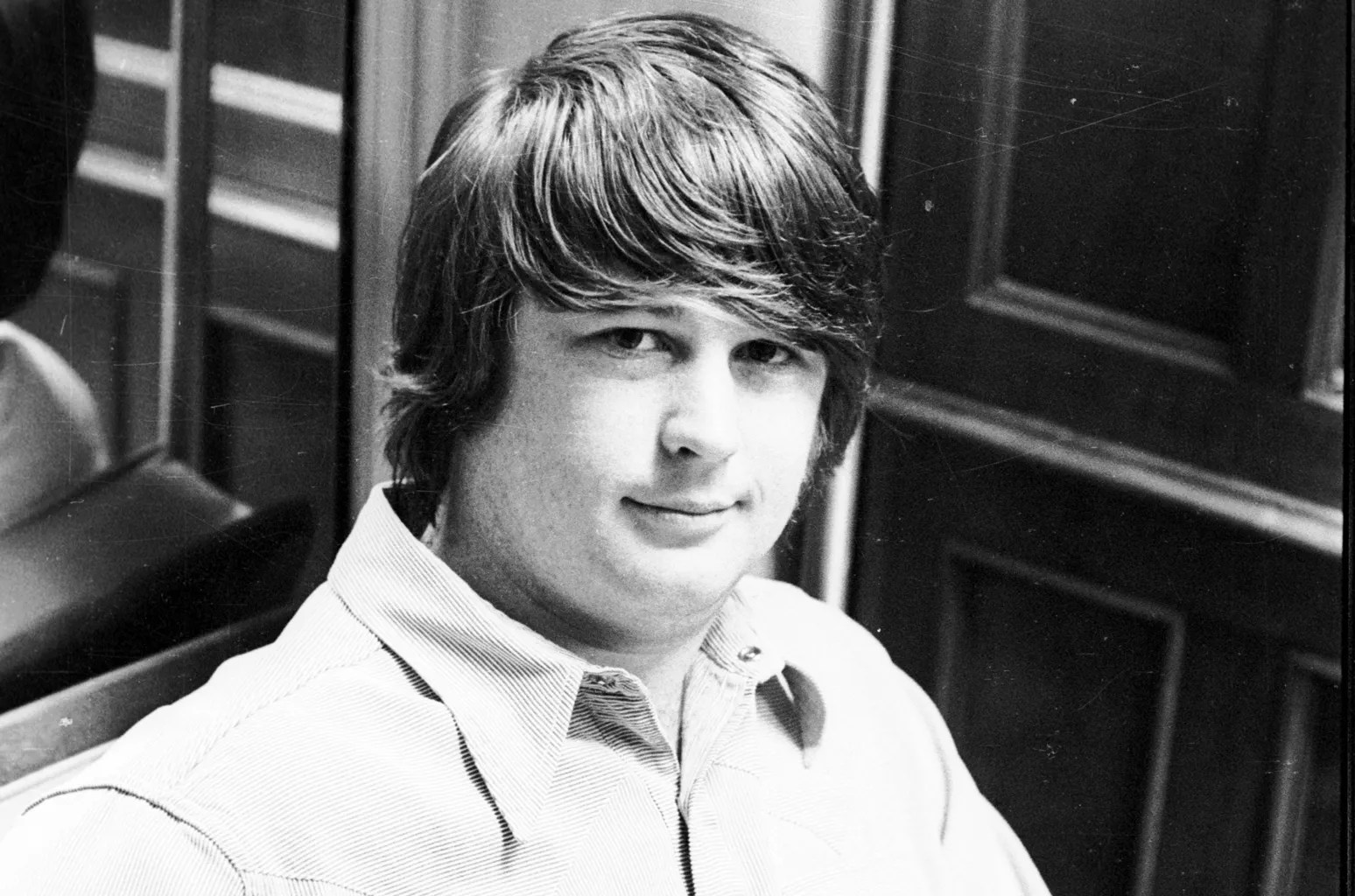
Brian Wilson, one of the finest songwriters and musical minds of our time as the leader of The Beach Boys, died June 11 at age 82. Virtually every major songwriter of the past 60 years has heaped praise on Wilson’s remarkable work, which included producing, arranging, writing and singing such monumental tracks as “I Get Around,” “California Girls, “Sloop John B,” “Good Vibrations, “Wouldn’t It Be Nice” and “God Only Knows.” I wrote a comprehensive obituary/tribute about Wilson back in June, and it’s here if you’re interested: Https://hackbackpages.com/2025/6/27/god-only-knows-where-wed-be-without-him
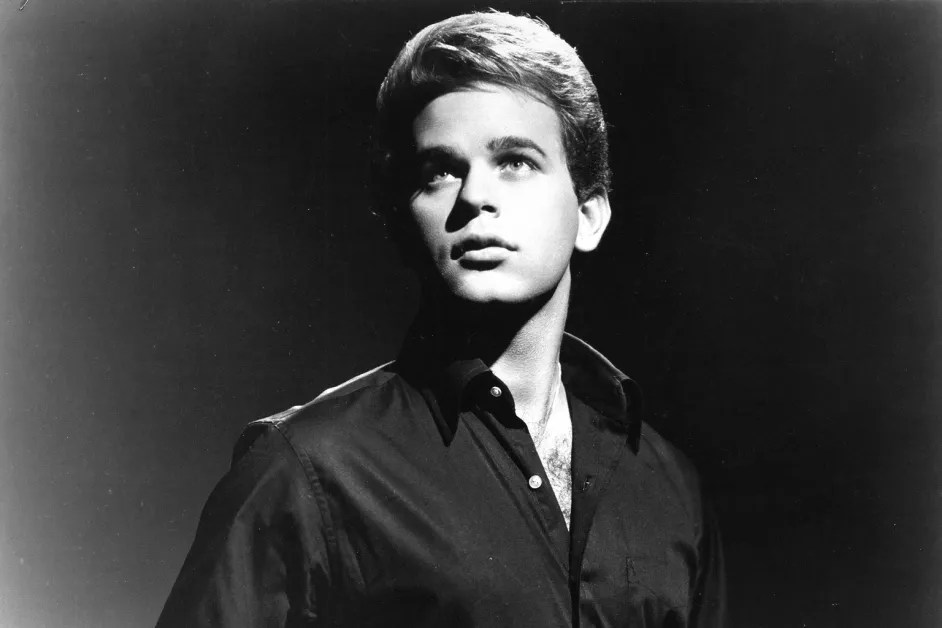
Lou Christie, a 1960s American pop singer known for his distinctive falsetto voice, died June 18 at age 82. He emerged in 1962-63 with back-to-back Top Ten hits “The Gypsy Cried” and “Two Faces Have I.” A stint in the military put his career on hold, but he came roaring back with the #1 smash hit “Lightnin’ Strikes” in 1966, followed by “Rhapsody in the Rain” (#16) and “I’m Gonna Make You Mine” (#10). In the ’70s he dabbled in a country music career and got more involved in producing other artists, and in later years he became active on the oldies circuit, touring with the likes of Lesley Gore and Bobby Rydell.

Mick Ralphs, guitarist for British hard rockers Mott the Hoople and the more mainstream rock band Bad Company, died June 23 at age 81. He provided the stinging guitar fills and crunchy chords behind singer Ian Hunter on Mott’s albums, notably “All the Young Dudes” in 1972. He then teamed with vocalist Paul Rodgers, formerly with the British band Free, to form Bad Company, a huge arena rock band with five solid albums in the ’70s, co-writing hits like “Can’t Get Enough,” “Ready For Love,” “Feel Like Makin’ Love” and “Rock ‘n’ Roll Fantasy.” When Rodgers left in 1982, Ralphs and drummer Simon Kirke persevered with other vocalists to keep Bad Company a reasonably successful entity into the 1990s.
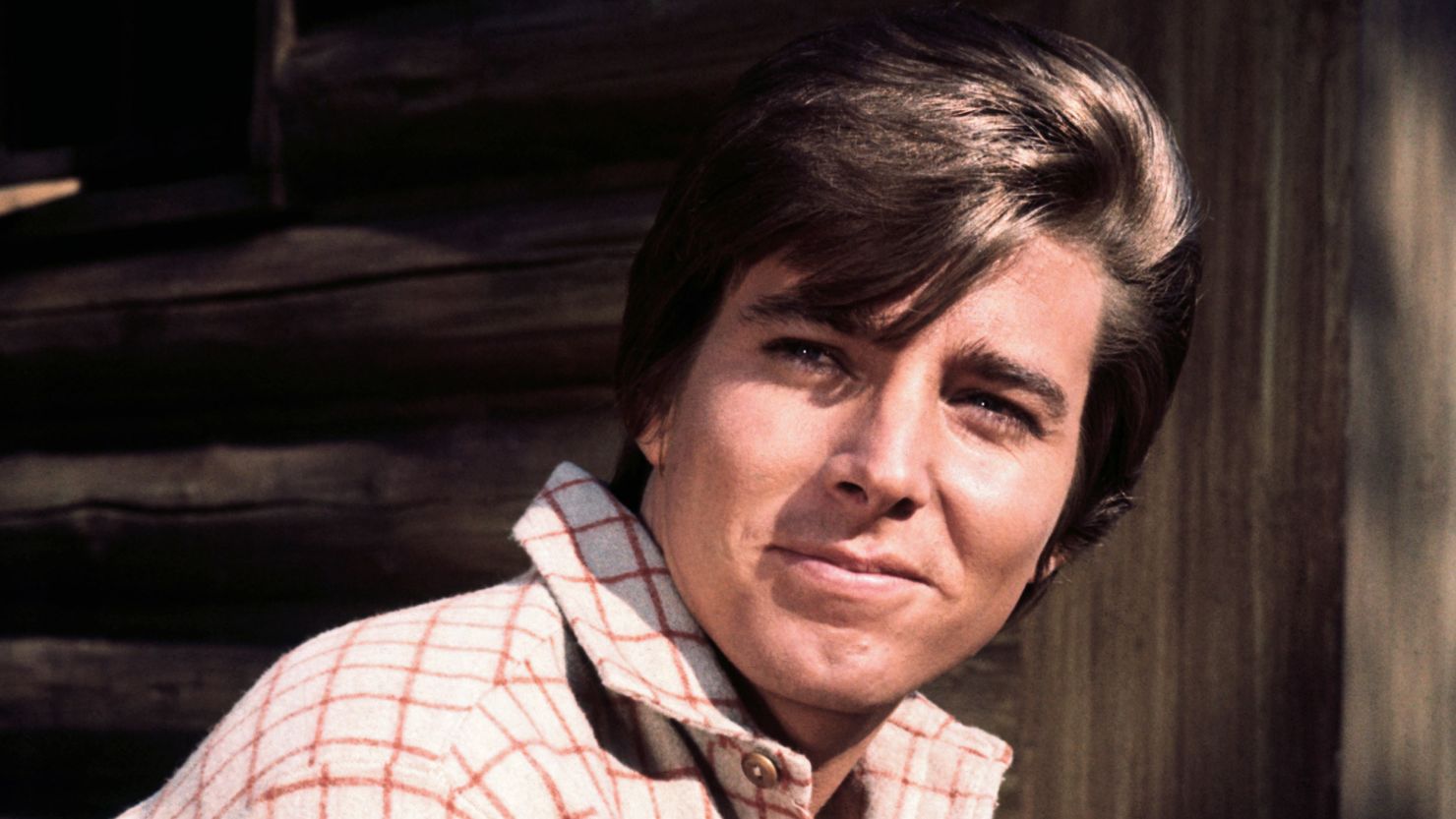
Bobby Sherman, one of the more enduring teen idols in pop music history, died June 24 at age 81. Following in the footsteps of ’60s heartthrobs Fabian, Frankie Avalon and Tommy Roe, Sherman found his success first as an actor on the TV series “Here Come the Brides,” and later appeared on multiple shows like “The F.B.I.,” “The Mod Squad” and “Murder, She Wrote.” He was best known as a singer of pop hits in the ’70s, including high-charting sin goes like “Easy Come, Easy Go,” “La La La (If I Had You),” “Julie Do You Love Me” and “Little Woman.” He toured relentlessly in the ’70s, performing for packed houses of screaming teen girls. In the ’90s, he re-emerged with Peter Noone and Davy Jones on a successful “teen idol tour” before retiring in 2004.
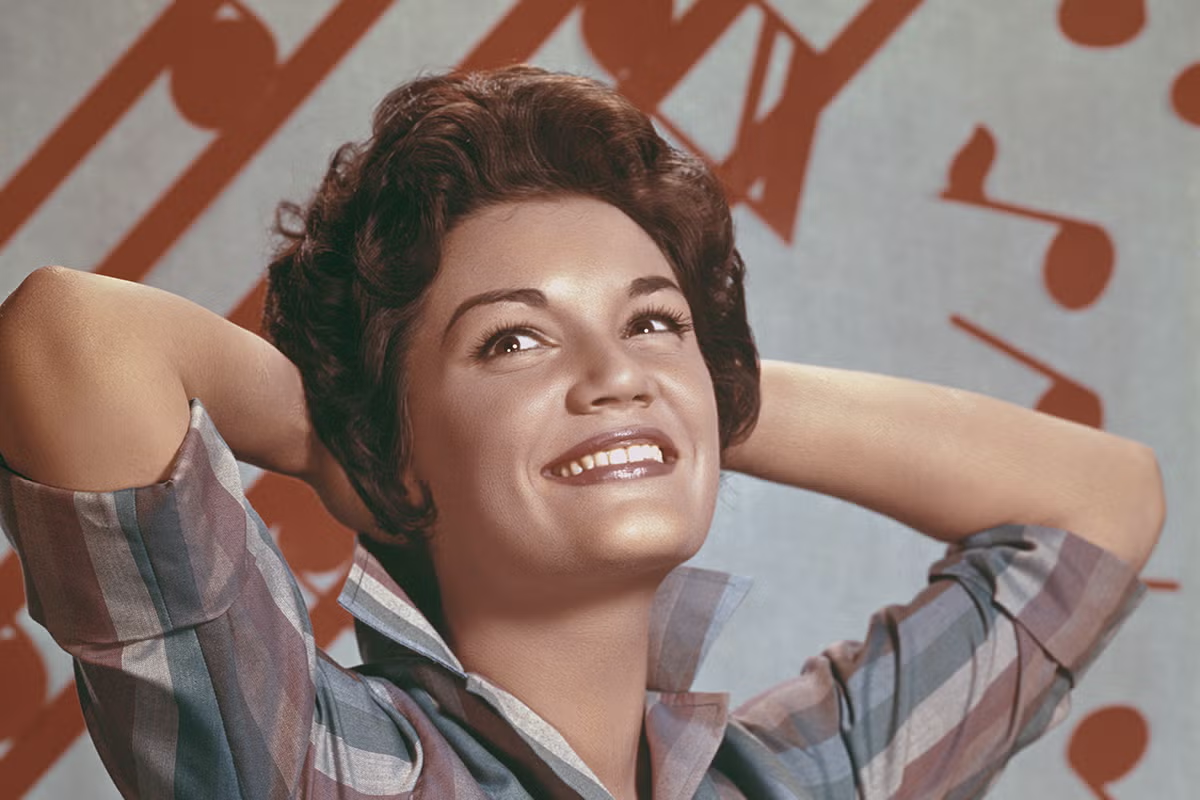
Concetta Franconero, the internationally beloved pop singer in the ’50s, ’60s and ’70s known as Connie Francis, died July 16 at age 87. She had more in common with traditional ’50s crooners like Rosemary Clooney, Doris Day and Jo Stafford than the early ’60s pop/rock singers like Lesley Gore, Dionne Warwick or Nancy Sinatra but found plenty of chart success, particularly in other countries with several foreign-language albums and singles. She is best known in the US for “Where the Boys Are,” the #4 hit single, as well as her acting appearance in the 1964 movie of the same name. For more about Francis and her life and career, please see this tribute: Https://hackbackpages.com/2025/7/25/where-the-boys-are-someone-waits-for-me
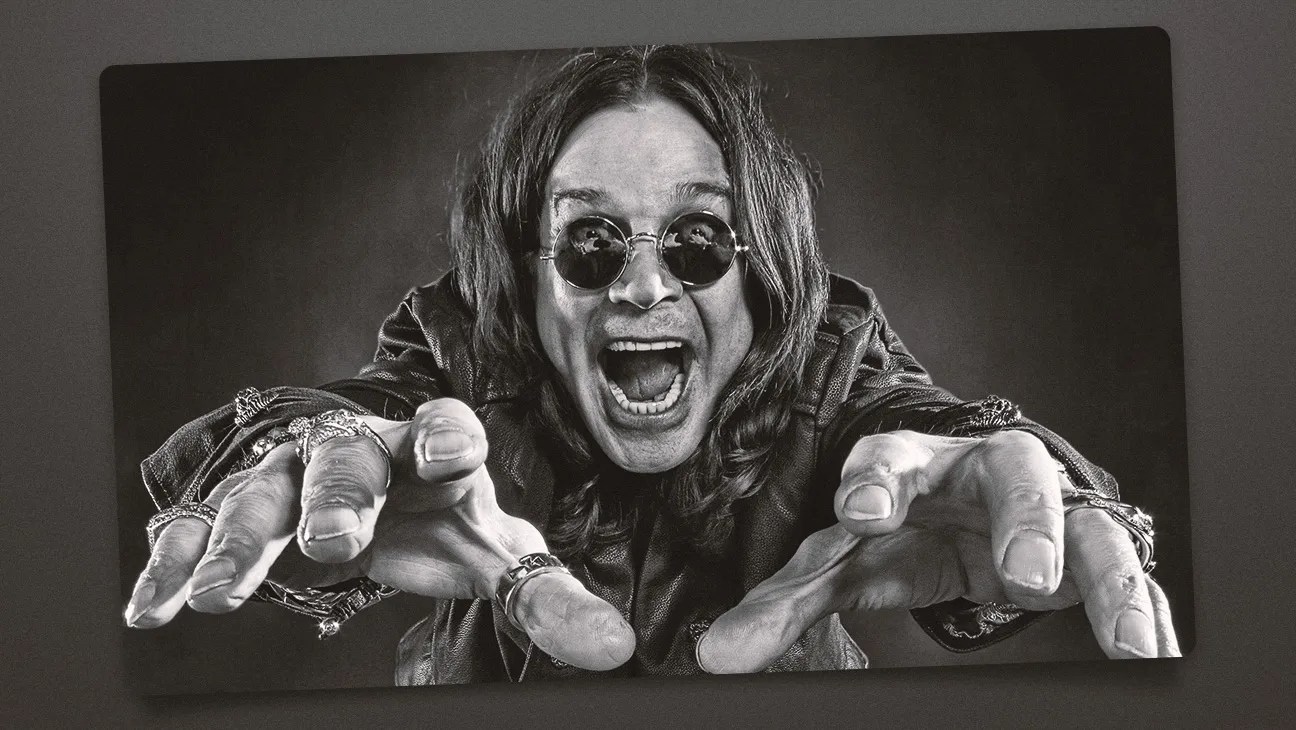
Ozzy Osbourne, one of hard rock’s most notorious bad boys as the lead singer of Black Sabbath and as a solo artist, died Jul 22 at age 76. Osbourne helped found the heavy-metal genre with Black Sabbath in 1970, churning out eight successful albums and hits like “Paranoid” and “Iron Man.” On his own in the ’80s, ’90sd and beyond, his fame grew, as did his penchant for addictive self-destruction. In the 2000s, he became an unlikely TV star on the MTV reality program “The Osbournes” as the pathetic father figure. For a more detailed look at Osbourne’s wild life and career, please check out my lengthy tribute from last summer: Https://hackbackpages.com/2025/8/1/i-cant-stand-to-say-goodbye
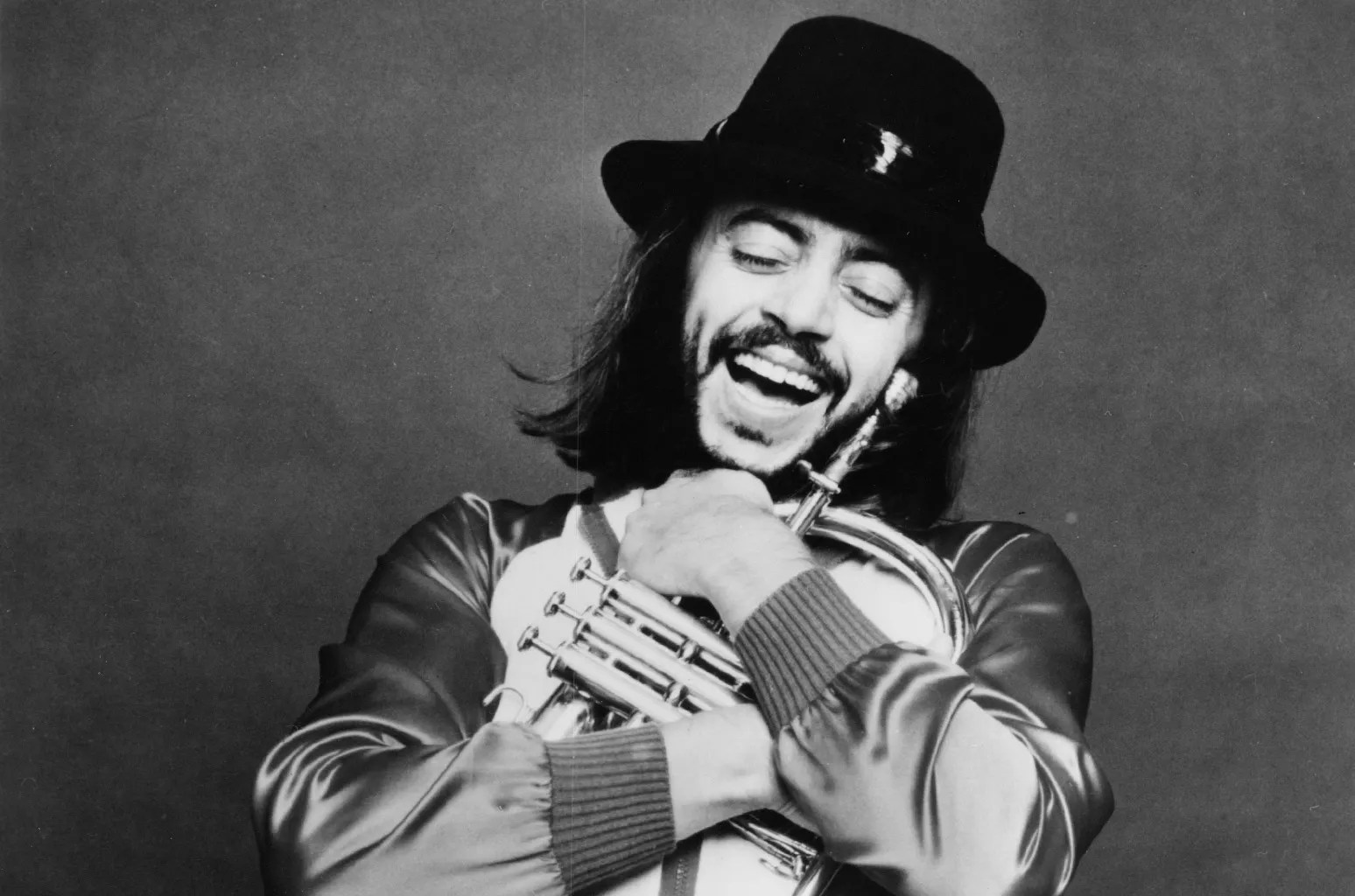
Chuck Mangione, the celebrated flugelhorn/trumpet player, died July 22 at age 84. The talented instrumentalist got his start in bandleader Art Blakey’s Jazz Messengers ensemble in the ’60s before forming his own quartet in the early ’70s. He is best known for his international hit single and album “Feels So Good” in 1977, which reached #4 in the US that year. His other main claim to fame came with two compositions he wrote and recorded as theme music for the 1976 Summer Olympics (“Chase the Clouds Away”) and the 1980 Winter Olympics (“Give It All You Got”). He participated in the recording of more than 30 albums between 1960 and 2000.

Terry Reid, the British vocalist known better for the roles he turned down than the ones he chose, died August 5 at age 75. He was regarded as “an artists’ artist,” praised more within the British rock scene than by the public at large. At only 19, he released his solo debut, “Bang Bang, You’re Terry Reid,” and toured behind Cream in 1968. When Jimmy Page approached him about being lead vocalist for his new band Led Zeppelin, he declined and instead suggested his friend Robert Plant. Similarly, he said no when Ritchie Blackmore invited him to become Deep Purple’s new lead vocalist in 1969. He released six LPs between 1968-1978, none of which fared well with US audiences, but he was an in-demand session musician in the ’80s in Los Angeles.
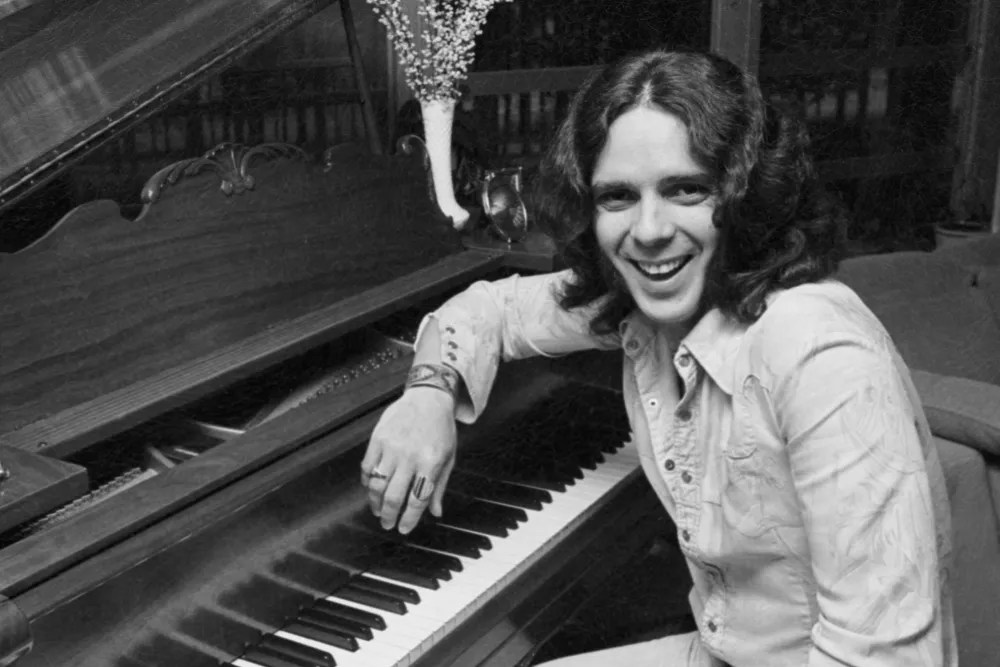
Bobby Whitlock, keyboard player withDelaney & Bonnie and then Derek & The Dominos, diedAugust 10 at age 77. A native of Memphis, Whitlock came up through the Stax Records family of soul artists, then became an integral accompanist for Delaney & Bonnie & Friends in 1969. From there, he joined forces with Eric Clapton on his solo debut LP and also George Harrison’s hugely successful “All Things Must Pass” solo debut. Whitlock, bassist Carl Radle and drummer Jim Gordon became The Dominos, who, along with guest guitarist Duane Allman, backed Clapton on his legendary double album “Layla” in 1970. Whitlock co-wrote and sang vocals on several tracks (“Keep On Growing,” “Any Day,” “Why Does Love Got to Be So Sad?”). After the Dominos disbanded amidst rampant drug use, Whitlock turned solo, releasing three LPs in the later ’70s.
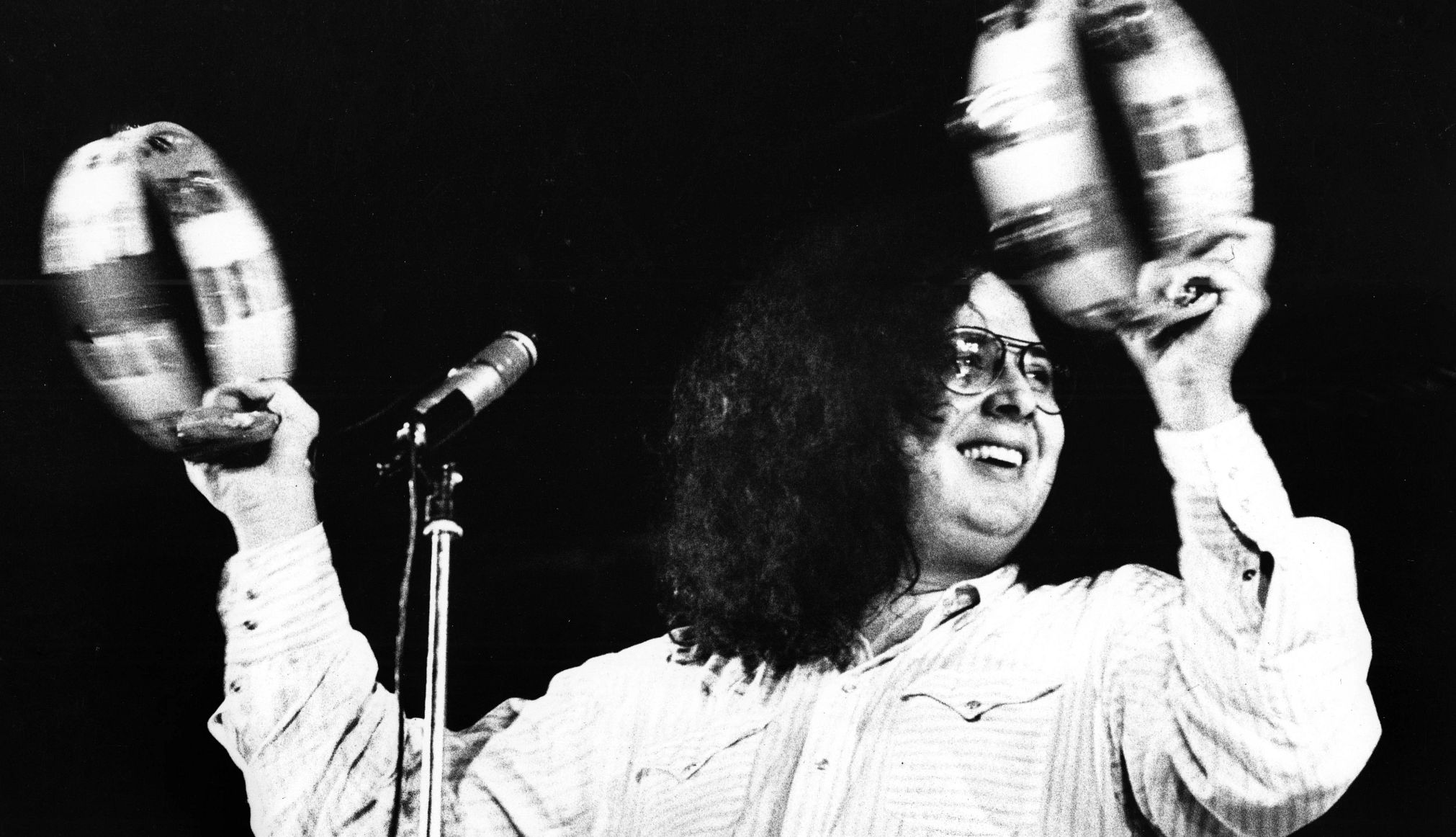
Mark Volman, one of the founding members of the ’60s pop band The Turtles, diedSeptember 5 at age 78. Volman and lead vocalist Howard Kaylan formed the band in Los Angeles in 1965, and they scored a half-dozen Top Ten hit singles in the late ’60s, notably the #1 smash “Happy Together,” “It Ain’t Me Babe” (#8), “She’d Rather Be With Me (#3), “You Baby,” “Elenore” and “You Showed Me.” The Turtles disbanded in 1970, and Volman and Kaylan joined forces first with Frank Zappa’s Mothers of Invention and then the British glam band T. Rex, presenting themselves as Flo & Eddie due to contractual restrictions on using their own names. Much later, Volman and Kaylan participated in many “Happy Together Tour” reunions of several Top 40 bands from the ’60s, which played to sold out arenas and drew rave reviews.
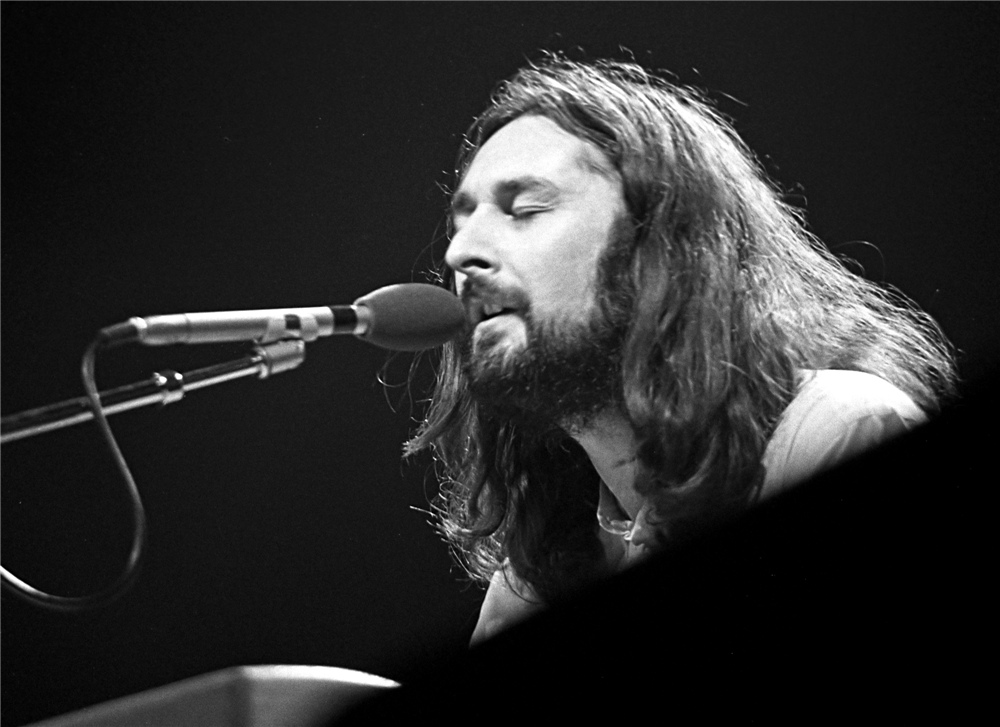
Rick Davies, one of the two creative forces behind the music of Supertramp, diedSeptember 7 at age 81. He and fellow singer-songwriter Roger Hodgson split the duties as front men for the British group, who earned a cult following for most of the ’70s until their 1979 LP, “Breakfast in America,” took the US and the UK by storm. Davies was more into blues and prog rock (“Goodbye Stranger,” “Bloody Well Right,” “My Kind of Lady” and “Cannonball” are his best-known tunes), contrasted with Hodgson’s preference for art pop. For a fuller look at the life and career of Davies and Supertramp, check out this tribute from earlier this year: Https://hackbackpages.com/2025/9/12/goodbye-stranger-its-been-nice

Bobby Hart, one half of the successful songwriting team with Tommy Boyce, died September 10 at age 86. The duo worked for impresario Don Kirshner in the ’60s and were selected to write for The Monkees, including their #1 debut “Last Train to Clarksville.” Boyce and Hart wrote many dozens of songs for other artists and were also session musicians and singers (they had their own #8 hit, “I Wonder What She’s Doing Tonight,” in 1968). The Monkees broke up in 1970, but when Mickey Dolenz and Davy Jones wanted to reunite without their other bandmates in the mid-’70s, Boyce and Hart took their places, and they toured as Dolenz, Jones, Boyce and Hart. Hart remained active with studio work and songwriting long after Boyce died at age 55.
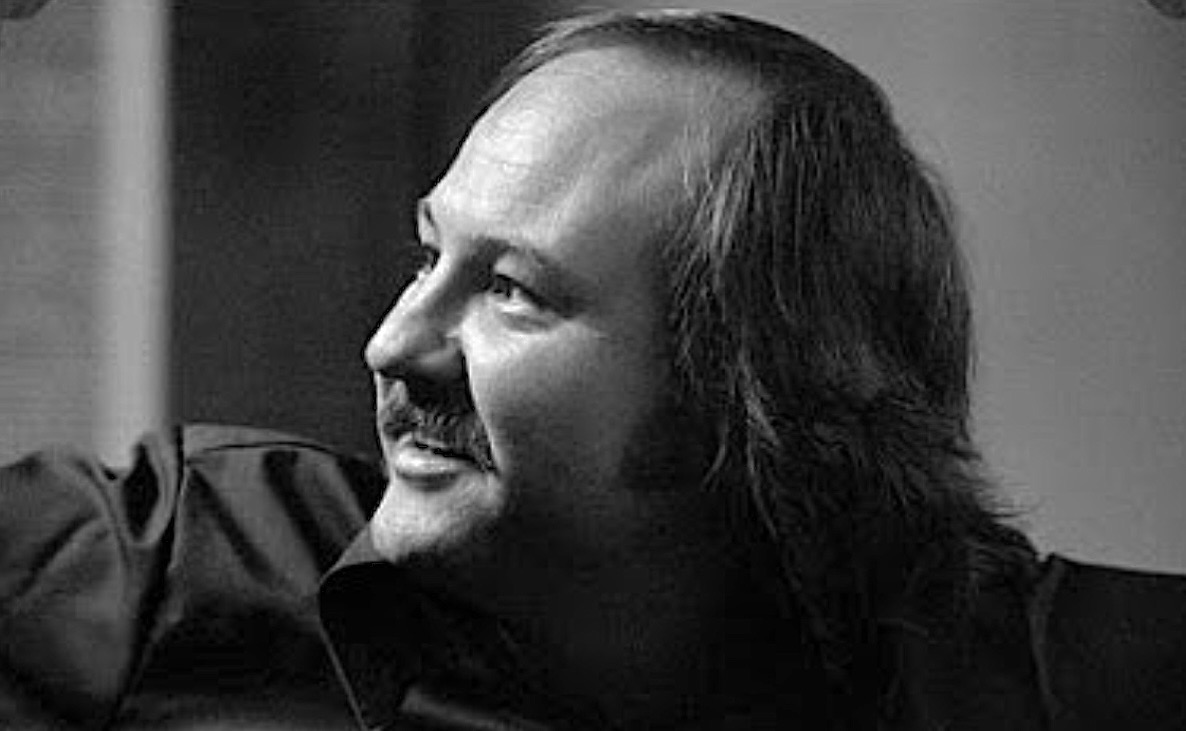
Sonny Curtis, a member of Buddy Holly’s group The Crickets and an accomplished songwriter, died September 19 at age 88. At 19, he was invited to join The Crickets on guitar and continued with the band even after Holly’s early death. During that period, he honed his songwriting skills, and The Crickets recorded early versions of songs he wrote that would become big hits for other artists. In particular, “I Fought the Law” went on to be a #9 hit in 1965 for The Bobby Fuller Four, then again for The Clash in 1979. Curtis also wrote “More Than I Can Say” (a #2 hit for Leo Sayer in 1980), the theme song for “The Mary Tyler Moore Show” (“Love Is All Around”) and “I’m No Stranger to the Rain,” a #1 country hit for Keith Whitley” in 1989.
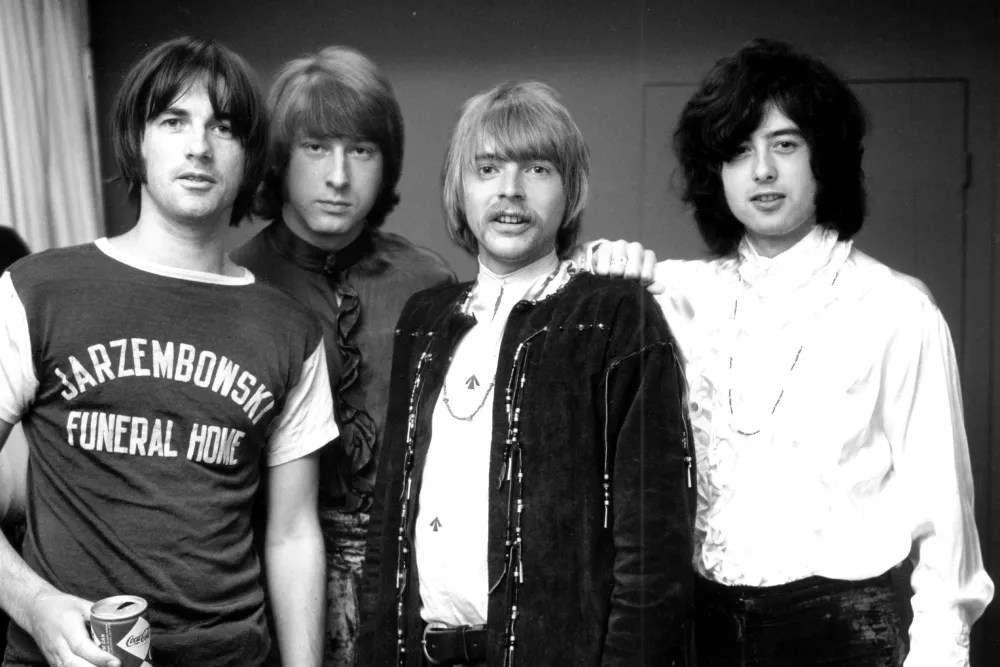
Chris Dreja, founding member and rhythm guitarist of The Yardbirds, died October 2 at age 79. He and guitarist Top Topham recruited singer Keith Relf, drummer Jim McCarty and bassist Paul Samwell-Smith to form The Yardbirds in 1963, who became one of England’s premier blues bands. After Topham left, the group became the proving ground for three of rock’s best guitarists ever: Eric Clapton, Jeff Beck and Jimmy Page, in succession. Once The Yardbirds disbanded in 1968, Dreja (second from left in photo) pursued his interest in photography and made it his life’s work.
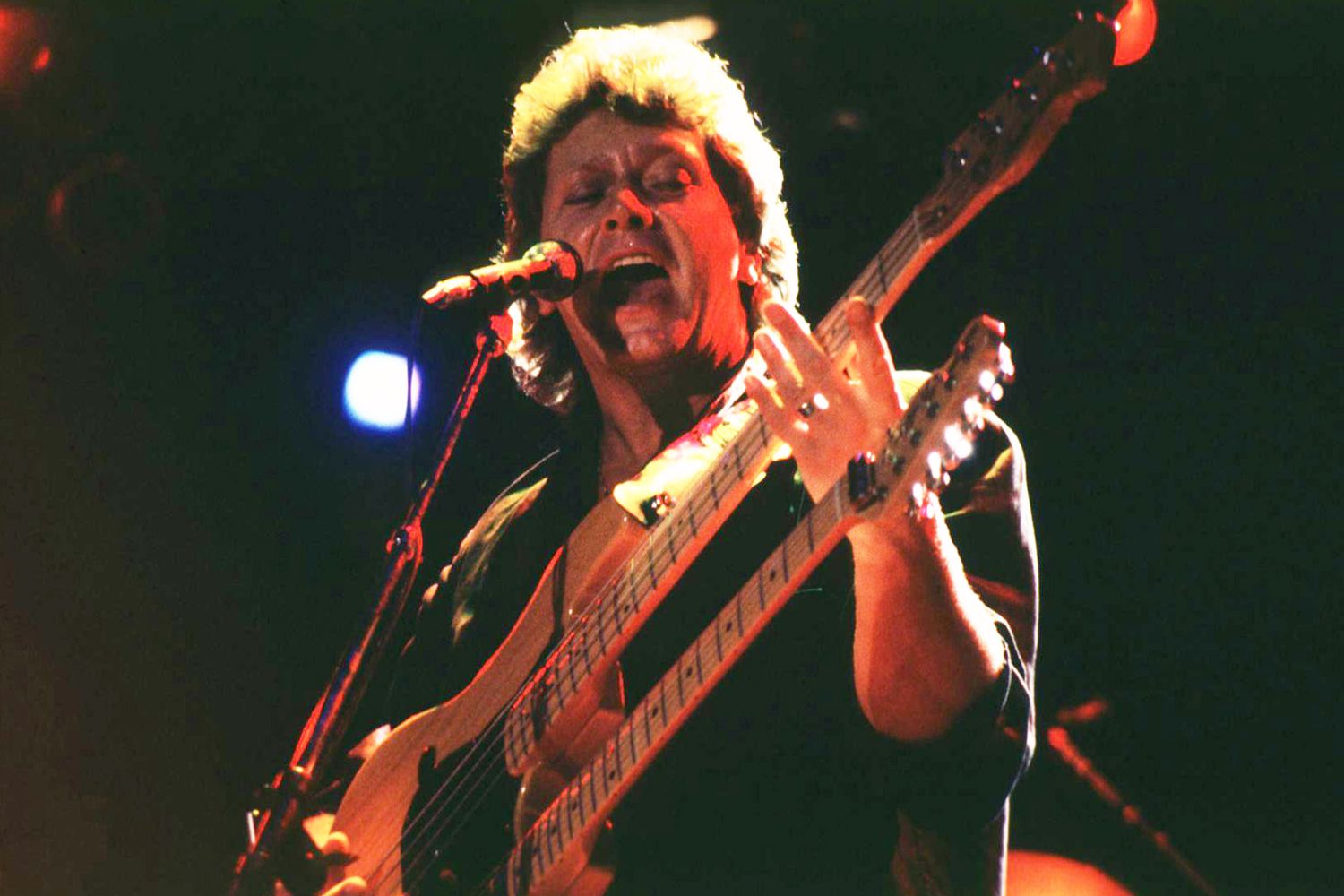
John Lodge, bass player and vocalist behind the wondrous progressive pop of The Moody Blues, died October 10 at age 82. He and guitarist/singer Justin Hayward joined the group’s lineup in 1966 and became their chief songwriters and frontmen. Lodge wrote such classic Moodies tracks as “Ride My Seesaw,” “Isn’t Life Strange,” “I’m Just a Singer (in a Rock and Roll Band)” and “Gemini Dream.” If you’re interested in more about Lodge’s life and career with The Moody Blues, click here: Https://hackbackpages.com/2025/10/17/isnt-life-strange-a-turn-of-the-page
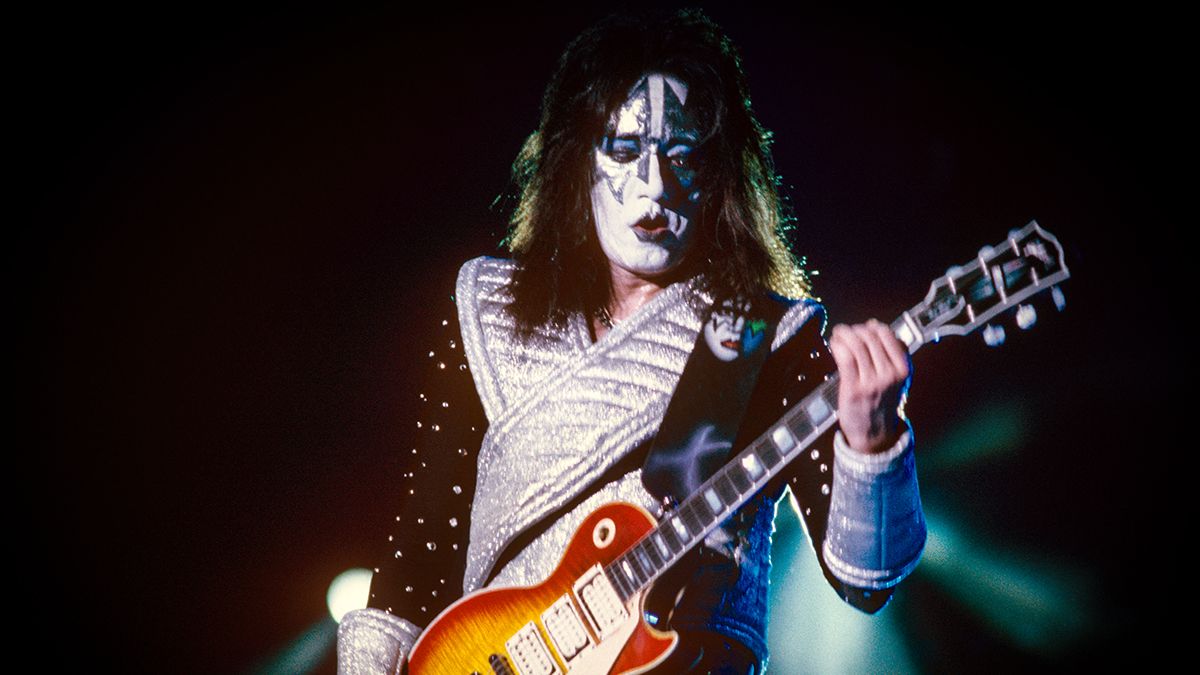
Ace Frehley, guitarist for the heavy metal show band Kiss, died October 17 at age 74. Frehley answered a want ad in The Village Voice in 1972 for “a lead guitarist with flash and ability,” and became Kiss’s guitarist a couple days later. The band wore elaborate makeup and costumes every time they appeared in public — on stage or elsewhere — and Frehley adopted the persona of “Spaceman.” He didn’t always see eye to eye with founders Gene Simmons and Paul Stanley, precipitating his departure in 1982, but he returned in 1996, then left again in 2002. For more about Frehley and his life inside and outside the Kiss lineup, please see: Https://hackbackpages.com/2025/10/24/dont-let-em-tell-you-that-theres-too-much-noise
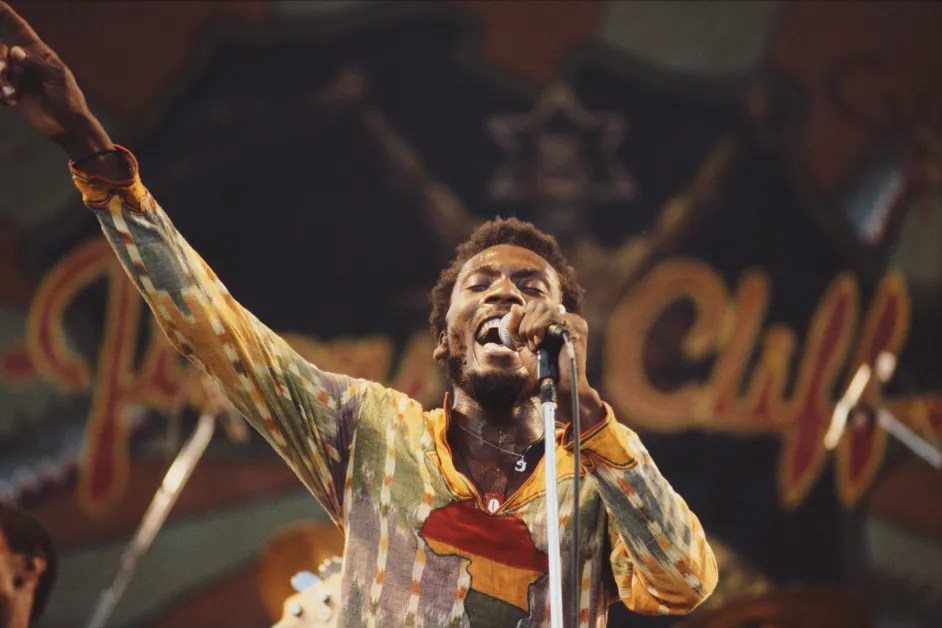
Jimmy Cliff, one of the pioneers and most celebrated musicians of Jamaican reggae, died November 24 at age 81. He remained true to his reggae roots while reaching out across racial and cultural lines to a mainstream audience internationally to increase awareness of Jamaican music. His initial popularity with his original songs in his home country soon expanded to England and later to the US, when songs like “Wonderful World, Beautiful People” and “Vietnam” caught on. His breakthrough came with the 1972 film “The Harder They Come,” in which he starred and provided several songs to the soundtrack, including the title tune. He had a hit in 1983 with “Reggae Nights,” and Bruce Springsteen helped familiarize rock fans with Cliff’s name when he recorded his song “Trapped” for the 1985 “We Are the World” LP. Cliff won two Grammys for Best Reggae Album in 1986 and 2013.

Steve Cropper, the highly respected guitarist on many dozens of albums by artists at Stax Records in Memphis, died December 3 at age 84. Cropper was an integral member of Booker T. and the MGs, the Stax house band, who played behind classic soul recordings by Sam & Dave, Otis Redding, Wilson Pickett and others. He was immortalized in Sam & Dave’s “Soul Man” when the duo shouted “Play it, Steve!” in the middle chorus. He co-wrote legendary songs like “Knock on Wood,” “In the Midnight Hour” and “(Sitting’ On) The Dock of the Bay.” He formed TMI Studios in the ’70s and worked with many other notable rockers including Ringo Starr, Rod Stewart, Jeff Beck and Levon Helm. When John Belushi and Dan Aykroyd turned a “Saturday Night Live” sketch into a touring/recording entity, The Blues Brothers, Cropper played a key role, also appearing in the films. Cropper continued to perform throughout the 1990s and 2000s in various configurations of The MGs at high-profile concerts and awards shows.
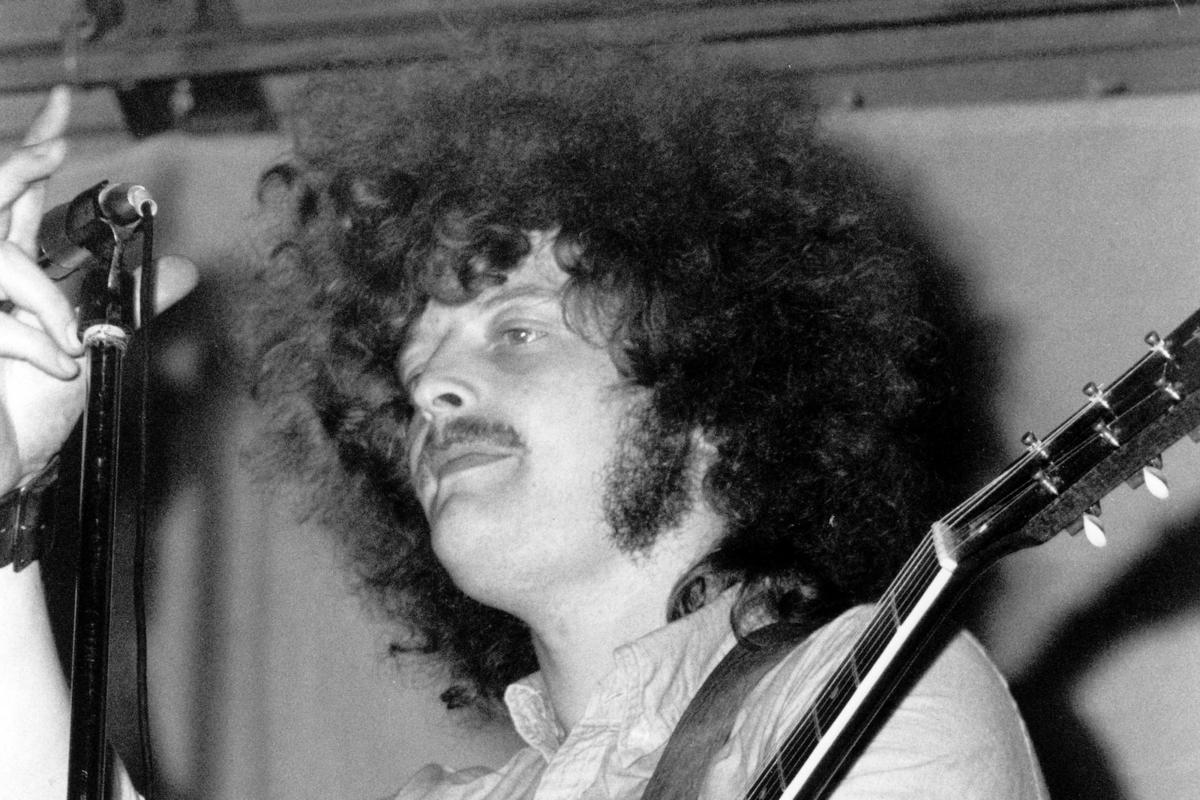
Mick Abrahams, the original guitarist of Jethro Tull and founder of blues band Blodwyn Pig, died December 19 at age 82. Tull frontman Ian Anderson praised Abrahams as “a dyed-in-the-wool rocker and blues man” who played a key role during Tull’s early years in British clubs, and on his performances of “Cat’s Squirrel” and his own “Move On Alone” on Tull’s “This Was” LP. When Anderson took the band in a different direction in 1969, Abrahams quit to form Blodwyn Pig, which focused largely on blues with elements of jazz and rock with tracks like “See My Way,” “It’s Only Love” and “Summer Day.” Abrahams stayed active on the British blues scene off and on throughout the 1970s and 1980s.
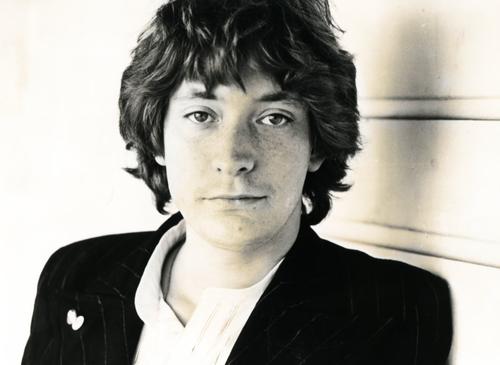
Chris Rea, a hugely popular British rock and blues singer-songwriter-guitarist who was only a one-hit wonder in the US, died December 22 at age 74. He charted six Top Ten albums in the UK between 1987 and 1998, releasing 25 albums in all between 1978 and 2019. Curiously, his only US success came in 1978 with his debut LP, which included the uncharacteristic “Fool (If You Think It’s Over),” which peaked at #12 on US pop charts. Said Rea, “I wrote it for Al Green as a Memphis blues song, but it somehow became this huge California thing, and the only track I didn’t play guitar on. It was not at all typical of my style, but it became a hit anyway.” It earned him a Best New Artist Grammy nomination, but because he never toured the US, that was the extent of his success here.
***************************
This eclectic playlist includes one song for each of the 30 artists mentioned listed here, presented chronologically by the date of death. Consequently, there several jarring segues between selections…
 Hack's Back Pages