Songs from the ’90s you’ll want to know
Regular readers know I’m fond of dipping back into the bountiful waters of great music of the ’60s, ’70s and ’80s to revisit “lost classics” that we may have neglected or forgotten. These lost classics now include songs from the 1990s, which (hard to believe) are now more than 30 years old.

In the ’90s, I was in my 30s and raising children, so I admit I wasn’t tuned in as closely to what was being released and played on the radio…but I was still buying new music (on CD at that point), and there was certainly plenty of really great music from those years that deserves our attention. I’m guessing the songs found below may be completely unfamiliar to many readers. You might know the artists, but not the tunes, so here’s your chance to get on board with a dozen choice tracks from the 1990s. Crank them up on the Spotify playlist as you read about them!
*****************************
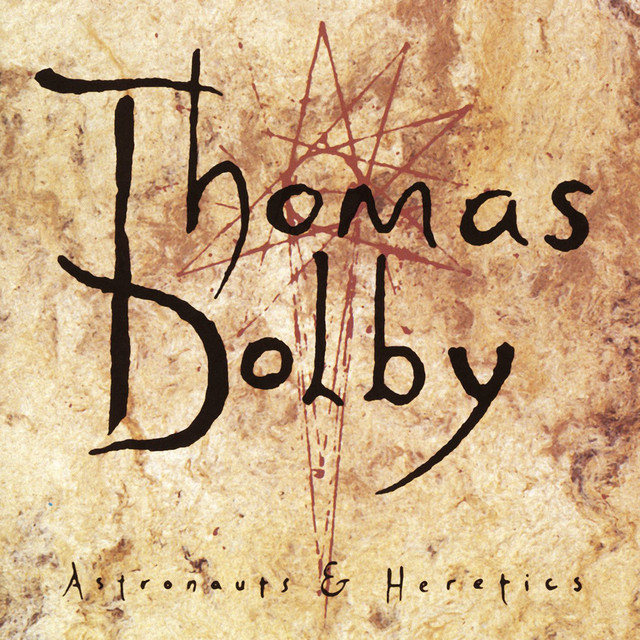
“I Love You Goodbye,” Thomas Dolby, 1992
Most US music listeners know Dolby only from his quirky 1983 single “She Blinded Me With Science,” which reached #5 as his only entry on US pop charts, but he had several other successful singles and albums in his native England. A friend of mine who followed Dolby’s work turned me on to his overlooked 1992 LP “Astronauts & Heretics,” and its single “I Love You Goodbye,” and I became obsessed with the song. The UK music industry periodical Music Week called it “a strange, eclectic piece with folksy violins, a pleasant hodgepodge of synthesized sounds, and poised and polished vocals.” The lyrics tell the semi-fictional story of a drive he once took from New Orleans to the Florida Everglades. More recently, Dolby has been involved in producing and contributing to other artists’ work, and has spent decades as an entrepreneur in the audio equipment arena.
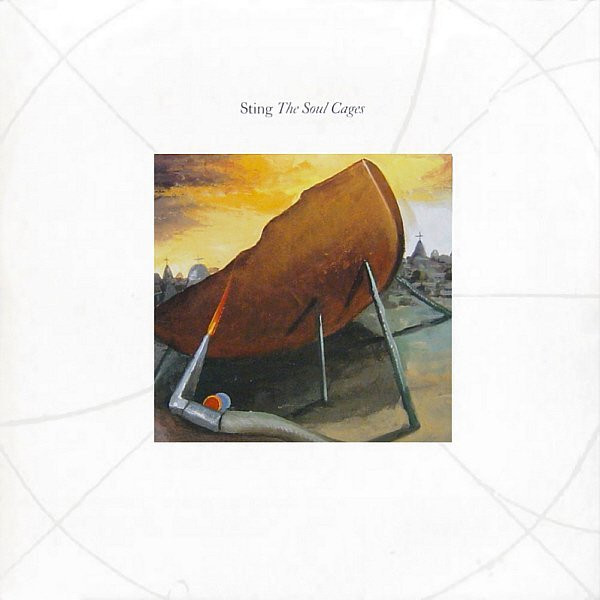
“Jeremiah Blues (Part 1),” Sting, 1991
Following the release of Sting’s second solo LP “Nothing Like the Sun” in 1987, his father died, which affected him profoundly and caused him to suffer from writer’s block, a difficult and frustrating affliction for a composer. It took him more than three years, but he finally came out of it by composing songs inspired by his father and his love of ships and sailing. The resulting album, “The Soul Cages,” was a huge success here, reaching #2 on the strength of “All This Time,” a #5 single on US charts. One of my favorites from the album is a lyrically ambiguous tune called “Jeremiah Blues (Part 1).” Said Sting, “I’ve been called a Jeremiah for sometimes being a bit preachy about the ecology thing, but with this song, I took a side-long look at it and kept the meaning intentionally murky.”
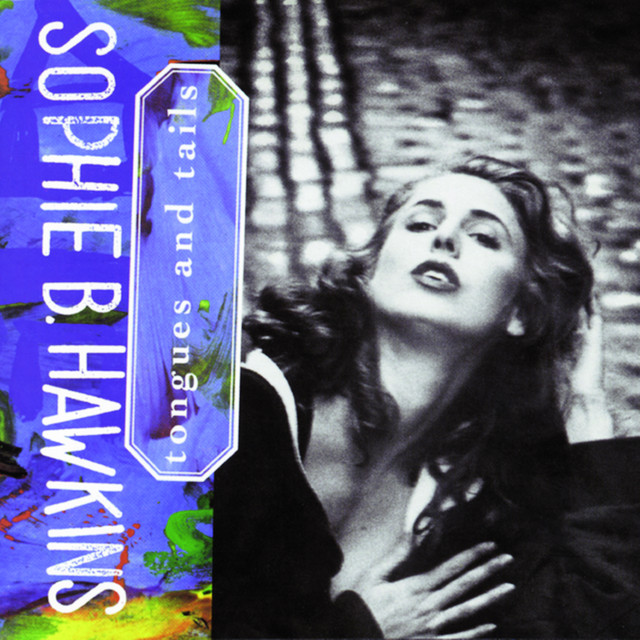
“Mysteries We Understand,” Sophie B. Hawkins, 1992
New York City-based Hawkins was a Best New Artist nominee in 1992 thanks to the dynamic single “Damn I Wish I Was Your Lover,” which reached #5 on US pop charts that year. The debut LP, “Tongues and Tails,” had a number of strong originals, including “California Here I Come” and a convincing cover of Bob Dylan’s “I Want You.” I’ve always been partial to the enigmatic “Mysteries We Understand,” carried by a relentless groove, wah-wah guitar work, and strong vocals that sound not unlike Madonna in the ’90s. Hawkins returned to the Top 10 in 1994 with “As I Lay Me Down” from her “Whaler” LP, but her strong-willed defiance and outspoken activism put her at odds with her record label, and subsequent LPs failed to capture much attention.
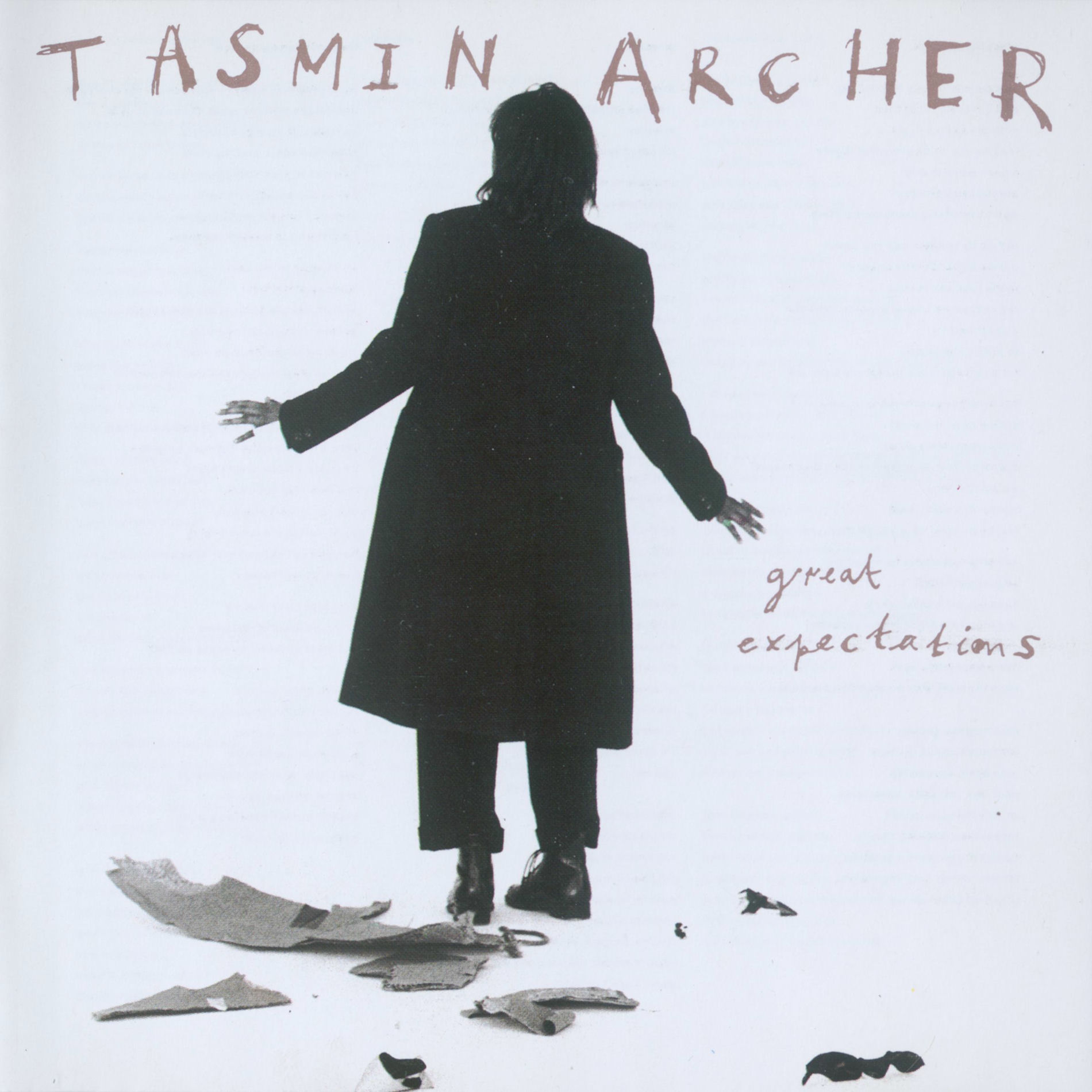
“Somebody’s Daughter,” Tasmin Archer, 1992
If her name is unfamiliar to you, you’re not alone, but I think you’ll be intrigued by her voice and songs. The Jamaican-born British singer-songwriter found initial success in the UK in 1992 with her debut LP “Great Expectations” and its #1 single “Sleeping Satellite,” but curiously, that song managed to reach only #32 in the US, despite its contagious melody and Archer’s powerful vocal performance. The album has several other jewels like “Somebody’s Daughter” that are well worthy of your time. Sadly, her second effort couldn’t match its predecessor’s quality and Archer seemed to disappear, and although she came back with two new releases in 2006 and 2025, neither charted in the UK nor the US.
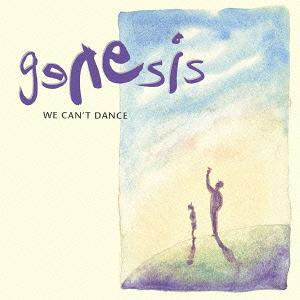
“Way of the World,” Genesis, 1991
Apparently burned out on Genesis and Phil Collins after their ubiquitous presence throughout the ’80s, critics were really hard on the 1991 LP “We Can’t Dance,” but that didn’t stop fans from making it another huge commercial success. I wouldn’t say I’m a big fan of the hit singles “No Son of Mine,” “Jesus He Knows Me” or “I Can’t Dance,” but there are some really great tracks to be found here. The 10-minute Collins opus “Driving the Last Spike” is a keeper, as is Tony Banks’s layered “Living Forever” and the catchy Mike Rutherford tune “Way of the World.” The latter offers a smooth melody/rhythm combination that goes down easy and would’ve made a better choice as a single, to my ears. This would be the band’s last LP with Collins, and the final Genesis product, 1997’s “Calling All Stations,” was a dud.
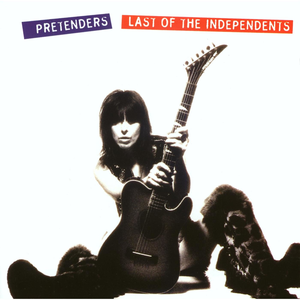
“Revolution,” The Pretenders, 1994
At age 22, Akron, Ohio-born Chrissie Hynde chose to relocate to London in 1973 to form a band and launch her impressive career, hitting the top of the charts right out of the box with the debut LP “Pretenders.” Although The Pretenders have had numerous personnel changes over the past 40 years, Hynde is still the undisputed leader, writing most of the group’s enviable catalog of hits and deep tracks. The group’s sixth LP, 1994’s “Last of the Independents,” is actually Hynde with a revolving door of sidemen. The single “I’ll Stand By You” reached #16 on US pop charts, and the album also includes a solid cover of Bob Dylan’s “Forever Young,” but I’ve always enjoyed the rich production of the deep track “Revolution” (no relation to The Beatles classic), carried by one of Hynde’s finest vocals ever.
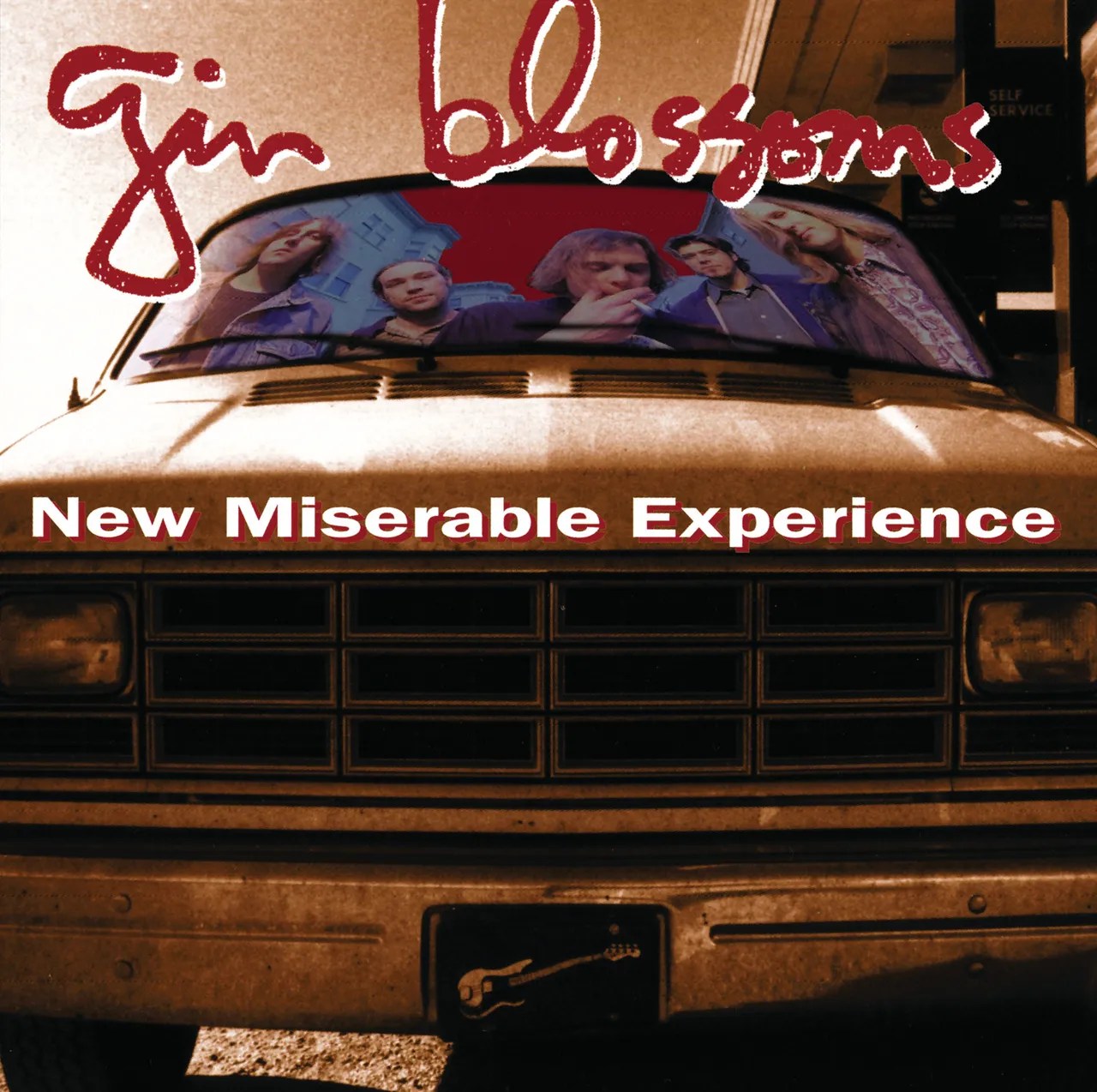
“Allison Road,” Gin Blossoms, 1992
The backstory of the Arizona-based alt-rock band Gin Blossoms is both tragic and ironic. The group’s founder was lead guitarist and chief songwriter Doug Hopkins, who named the band after the slang term for a skin condition where dilated blood vessels appear in the cheeks and nose, often of those people who abuse alcohol. Hopkins wrote most of the group’s songs, including their hit singles “Hey Jealousy” and “Found Out About You,” but his heavy drinking and consequent depression ended up causing his dismissal from the group, and he committed suicide at age 32. Meanwhile, lead singer Robin Wilson had begun writing songs as well, and his jangly pop tune “Allison Road,” originally released on an early EP, became a minor hit from their multi-platinum “New Miserable Experience” LP in 1992.
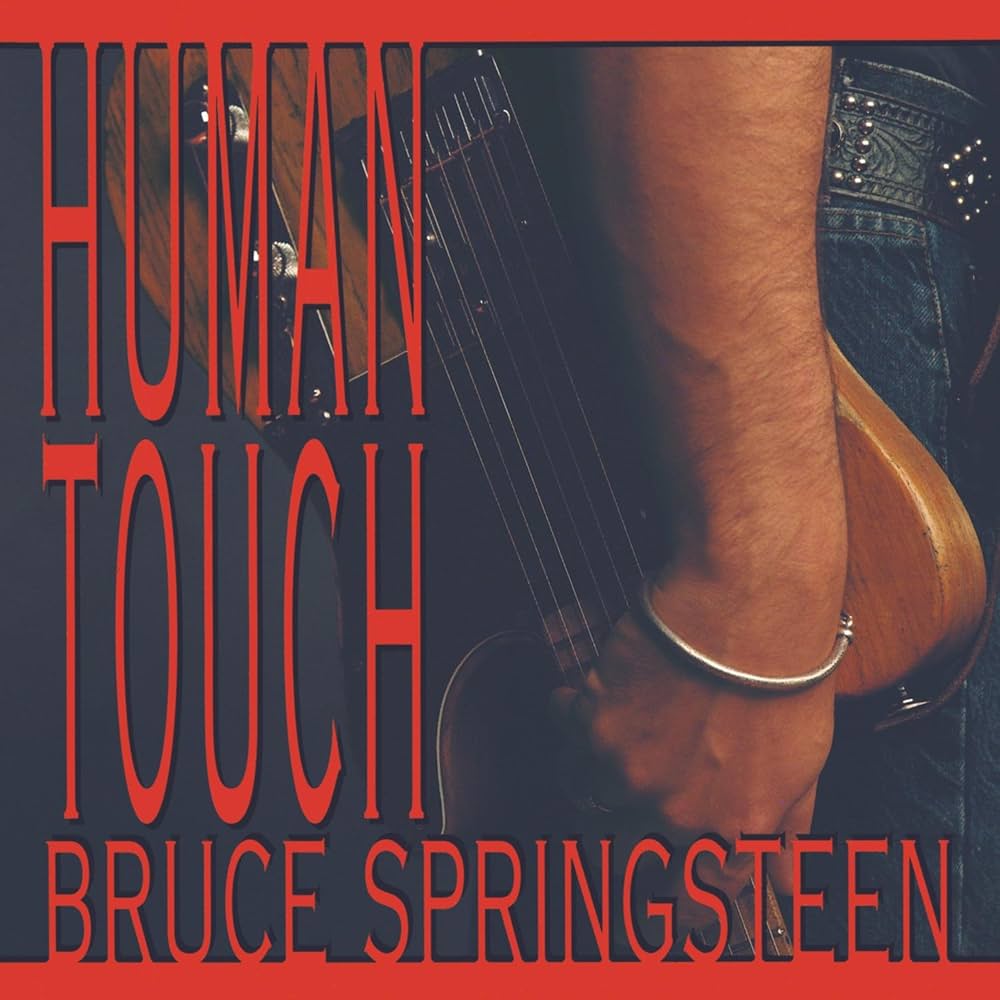
“Human Touch,” Bruce Springsteen, 1992
In the first 15 years of his career, Springsteen always claimed he found salvation and comfort through music, and many of the songs he wrote for his first seven albums reflected that philosophy. But when he disbanded the E Street Band in 1989, divorced his first wife, married Patti Scialfa and had two children with her, he began writing songs that were all about interpersonal connection, reflecting his new life as a family man. At the top of that list was the satisfying title track from his 1992 LP “Human Touch,” which reached #16 on US pop charts. Frankly, it’s one of only a few songs of that period that have withstood the test of time; even Springsteen concedes the album and the “Lucky Town” album, released the same day, have only “maybe three or four songs that I play in concert anymore.”
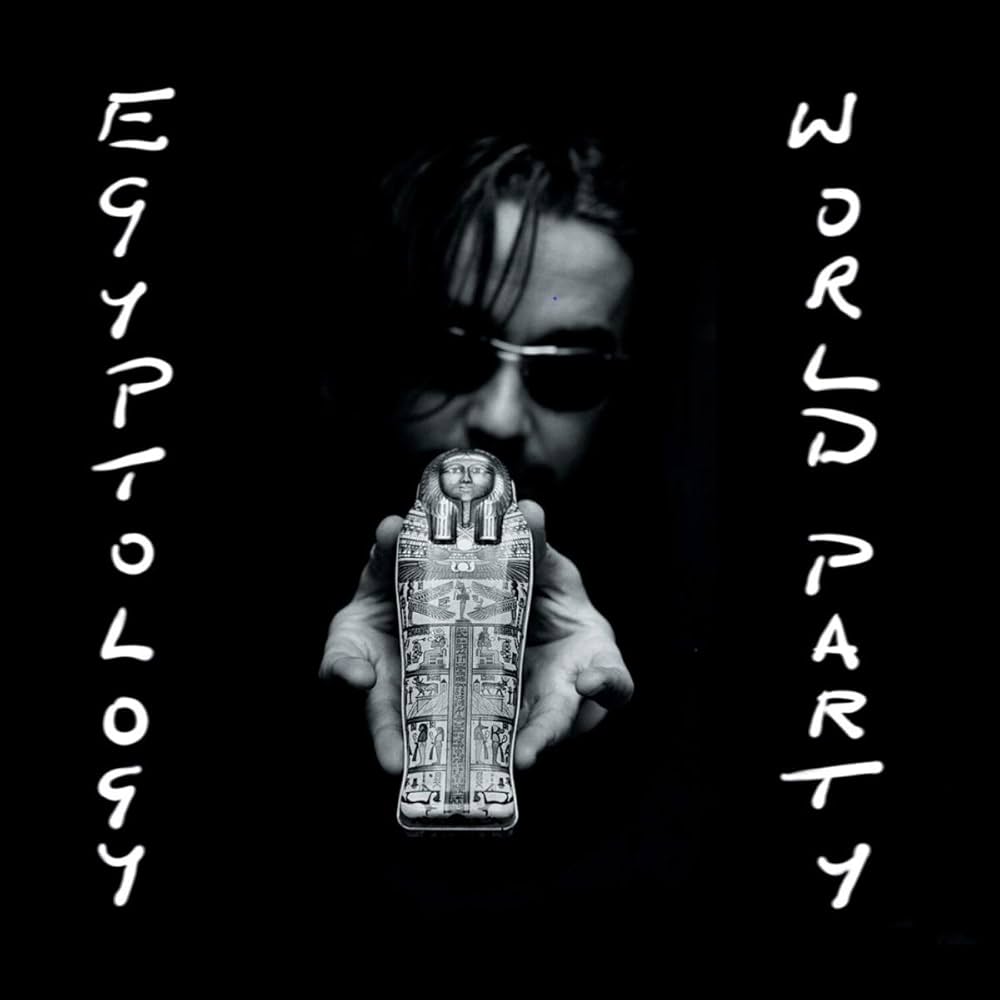
“Strange Groove,” World Party, 1997
Throughout rock history, there have been examples of “bands” that are actually just one person, usually an ubertalented multi-instrumentalist who writes and plays everything on the albums. One of those is World Party, the British band-in-name-only that is really the work of Karl Wallinger on his own. His work was hugely popular with critics, especially 1990’s “Goodbye Jumbo,” but thanks to a record label that insisted on more new studio albums instead of tours to promote existing music, it wasn’t as commercially successful as it should have been. Same goes for 1997’s “Egyptology,” which was jam-packed with contagious indie pop and alt rock. I vacillated on which song to include here (“Beautiful Dream,” “She’s the One,” “Always” or “Strange Groove”), finally selecting the latter for, well, its strangely satisfying groove.
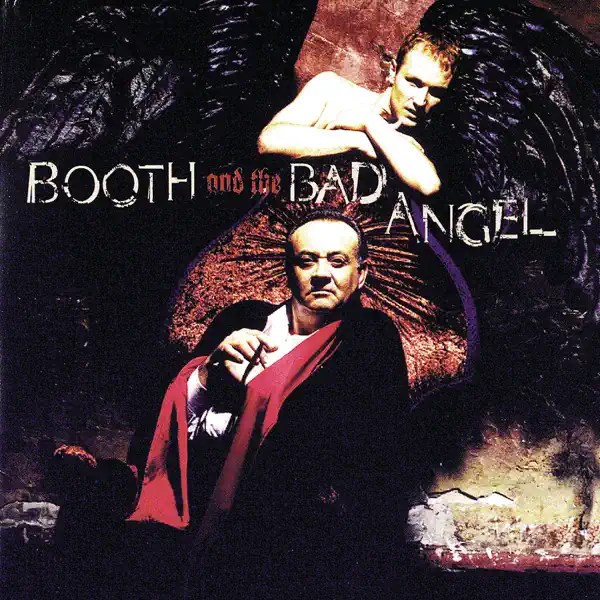
“Dance of the Bad Angels,” Tim Booth, 1996
The British band known as James, formed in the mid-1980s and still active today, have been hugely successful in their native country, placing nearly all of their 18 albums in the Top Ten on UK pop charts, thanks in large part to the compelling lead vocals of Tim Booth. In America, however, their commercial success has been pretty much limited to their 1993 LP “Laid” (produced by Brian Eno) and its title song, which became wildly popular through college radio airplay. Booth chose to do a solo project in 1996, collaborating with film music composer/arranger Angelo Badalamenti (known best for the haunting “Twin Peaks” soundtrack). That album, “Booth and the Bad Angel,” really captured my attention on songs like “Hit Parade,””Stranger” and especially the moody “Dance of the Bad Angels.”
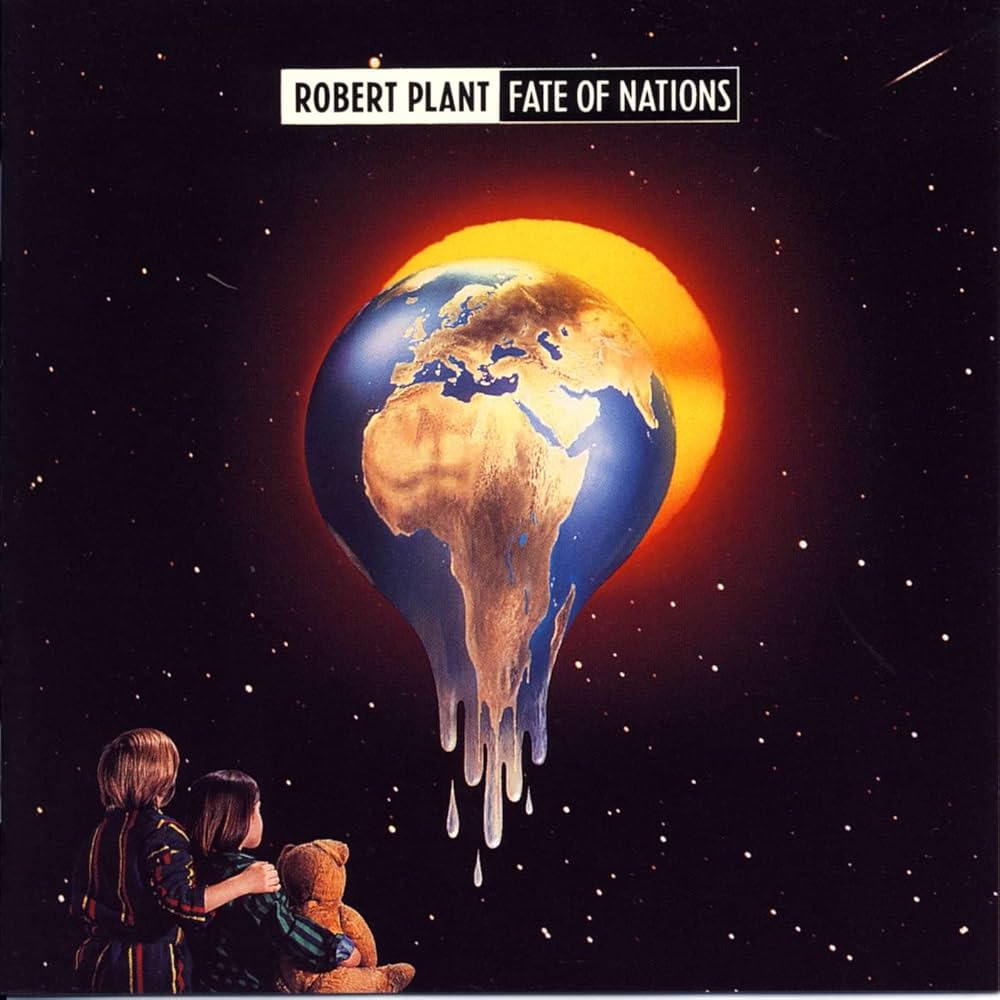
“29 Palms,” Robert Plant, 1993
From the beginning of his solo career in 1982 after the dissolution of Led Zeppelin in 1980, Robert Plant has exceeded my expectations with consistently strong LPs, melodious singles and compelling vocals. He collaborated with guitarist Robbie Blunt on his first three albums and then partnered with guitarist Phil Johnstone on the next three releases, culminating in the exceptional LP “Fate of Nations” in 1993. You’ll find some energetic, innovative rockers like “Calling To You” and “Network News,” but there are also some tracks that lean more acoustic, like the cover of Tim Hardin’s “If I Were a Carpenter” and originals like “I Believe” and the marvelous “29 Palms,” named after the small town near Joshua Tree in the California desert: “It comes kinda hard when I hear your voice on the radio… I feel the heat of your desert heart taking me down the road that leads back to you…”
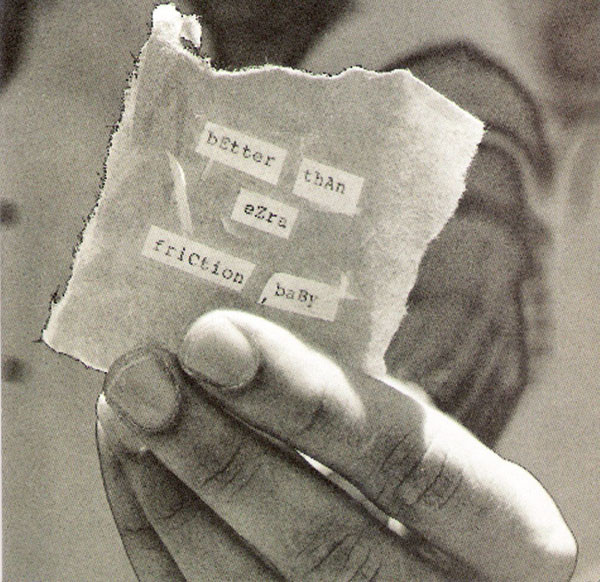
“Happy Endings,” Better Than Ezra, 1996
Aggressive alternative rock is the genre that Better Than Ezra is primarily known for, especially on singles like “Good,” “Desperately Wanting” and “King of New Orleans,”which performed well on Alternate Airplay and Mainstream Rock charts in the mid-1990s. When I first heard their album “Friction, Baby,” my ears perked up at the tracks which featured a lighter touch, such as “Normal Town,” “WWOZ” and “Happy Endings.” Virtually every tune in Better Than Ezra’s catalog is the work of guitarist/singer Kevin Griffin, who said that although he knew it was the rockers that most fans came to hear, he enjoyed writing mellower songs to balance out the uptempo numbers. Here’s the romantic vibe on “Happy Endings”: “I thought that you’d like to know I’m finally letting her go, /You always said, ‘Tell me when you’re ready at last to begin,’ /And love is real, reading your eyes in the glow, /Play on, play on, happy endings…”
***********************
 Hack's Back Pages