Same title, different hit songs
I always found it a curious thing to do when artists would release new singles that have the identical title as a completely different well-known song by another artist.
You’d think this might be confusing to the listening public, but apparently not, because it’s pretty remarkable how often this kind of thing has happened in rock music history, especially in the ’50s, ’60s, 70s and ’80s, and still occurs more frequently than you might expect in recent decades.
Perhaps the duplication of a song title isn’t all that important if they’re in different genres (country rock versus disco, or hard rock versus MOR ballad). In those cases, it’s possible, maybe likely, that the songwriter wasn’t even familiar with the other tune because it’s not in a genre he/she listens to much.
I found nearly 100 great examples of notable song titles that were used in multiple hit songs, and I’ve whittled that list down to the 21 I’ve featured in this blog. Most of the rest I’ll merely list as “honorable mentions” as a way of showing how prevalent the practice has been in pop music. No doubt readers will think of many I’ve neglected to mention.
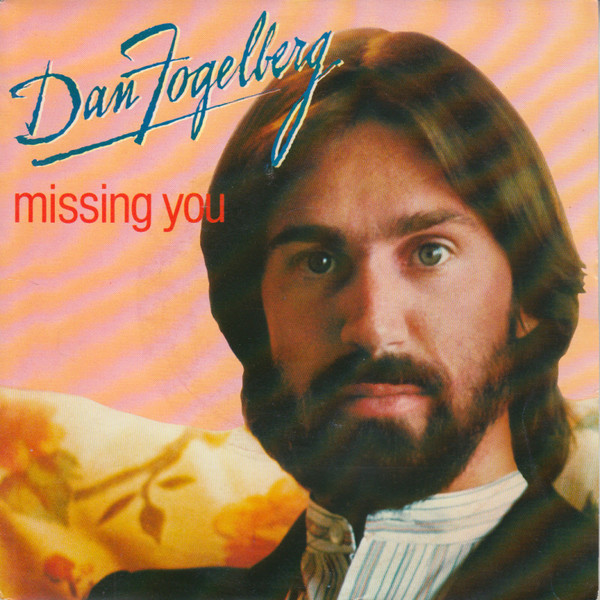
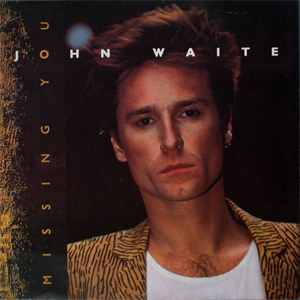
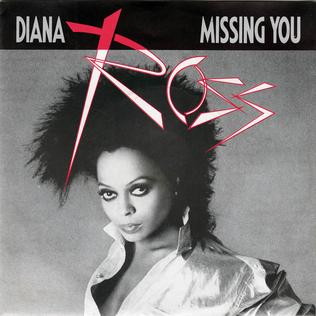
“Missing You” was the title of a minor hit (peaking at #23) for Dan Fogelberg in 1982, and then John Waite soared to #1 with his own song called “Missing You” in 1984. Later that same year, Diana Ross reached #10 with Lionel Richie’s “Missing You,” a tribute to Marvin Gaye.
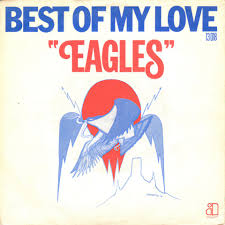
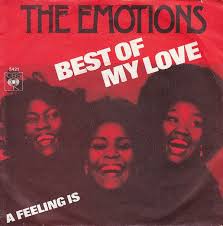
Here’s another: “Best of My Love,” written by Don Henley, Glenn Frey and J.D. Souther, was The Eagles’ first #1 hit in the summer of 1974. A completely different “Best of My Love,” composed by Maurice White and Al McKay, was also a #1 hit for the female disco group The Emotions in 1977.
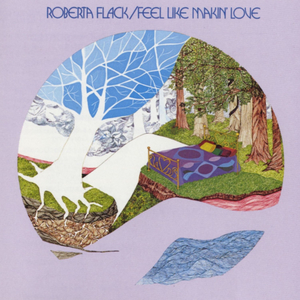
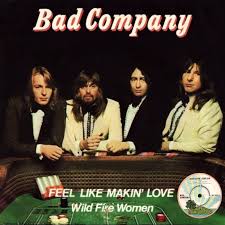
“Feel Like Makin’ Love,” an R&B tune written by Eugene McDaniels, was a big #1 hit for Roberta Flack in 1974. Less than a year later, singer Paul Rodgers and guitarist Mick Ralphs of Bad Company wrote a harder rocking, different “Feel Like Makin’ Love” that went to #10 here.
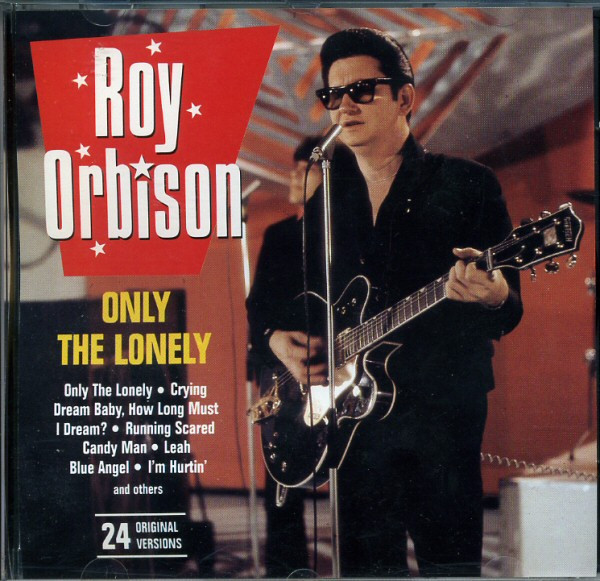
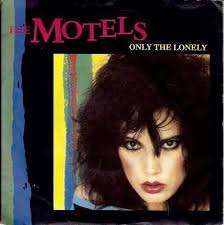
Sometimes so many years have passed since the title’s first appearance that the songwriter, artist or record company felt confident there will be no confusion if a new song comes out with the same title as an earlier hit. The great Roy Orbison reached #2 with his classic ballad “Only the Lonely” way back in 1959, so when Martha Davis, singer of New Wave group The Motels, came up with an unrelated song called “Only the Lonely” in 1982, nobody saw any reason it couldn’t also do well, and it reached #9 that year.
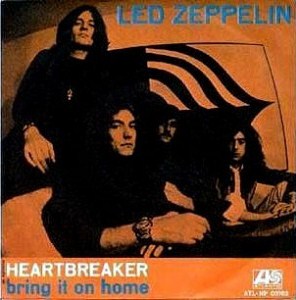
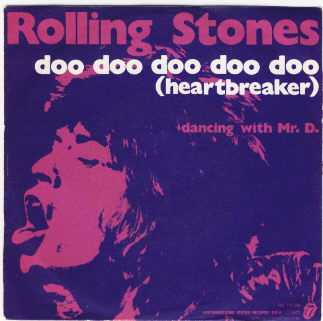
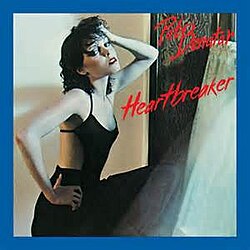

There often might be dozens of little-known songs (or classic rock tracks that never charted as singles) that share a title with better known hits. “Heartbreaker” is an explosive album track by Led Zeppelin on their 1969 second LP, but you won’t find it on the Top 40 charts. Instead you’ll find three different songs called “Heartbreaker” over the years: a 1973 Jagger-Richards song, technically called “Doo Doo Doo Doo Doo (Heartbreaker),” that reached #15 for The Rolling Stones; Pat Benatar’s first hit in 1979 by two obscure British songwriters; and a Dionne Warwick number in 1983 written by the Gibb Brothers that made it to #10.
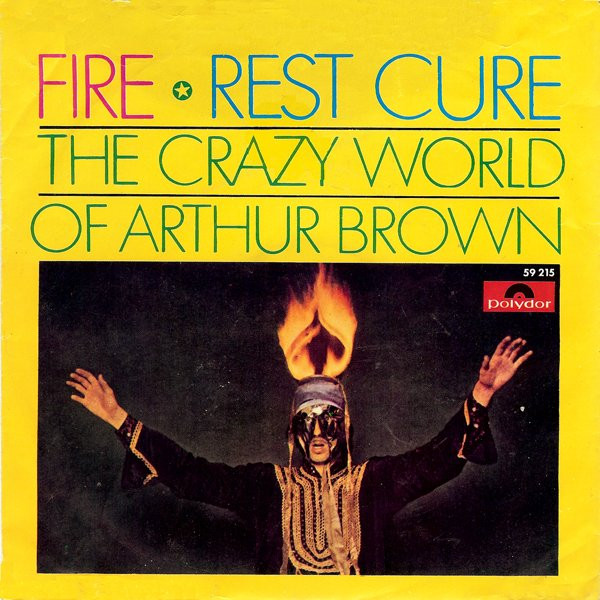
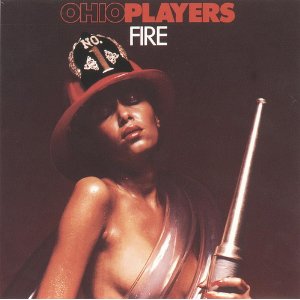
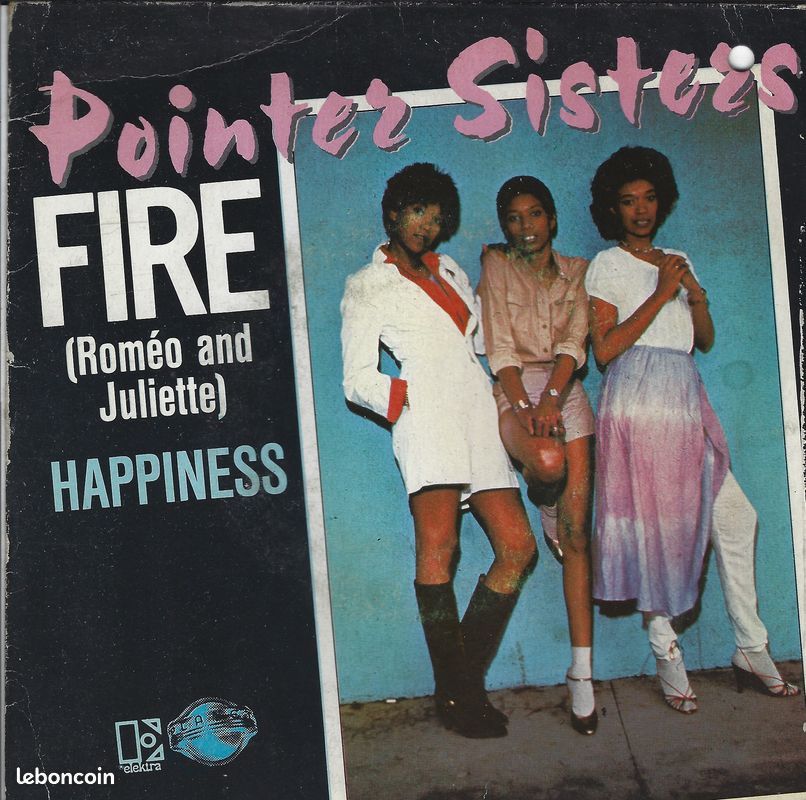
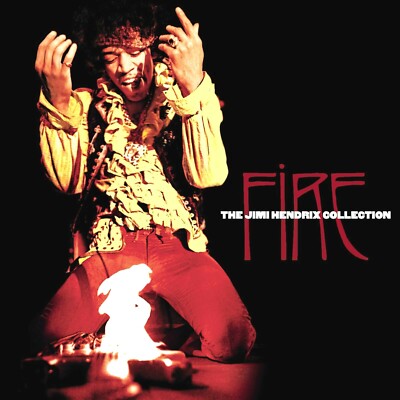
How about the simple title “Fire,” which has at least three hit songs bearing that title. The Crazy World of Arthur Brown went first with their 1968 song, peaking at #2; then the Ohio Players with their dance track in 1975, a #1 hit; and then Bruce Springsteen’s smoldering tune (he wrote it for Elvis, who never got the chance to record it) was made into a #2 hit by the Pointer Sisters in 1979. Actually, the first rock recording called “Fire” was a Jimi Hendrix tune from the “Are You Experienced?” debut LP in 1967.
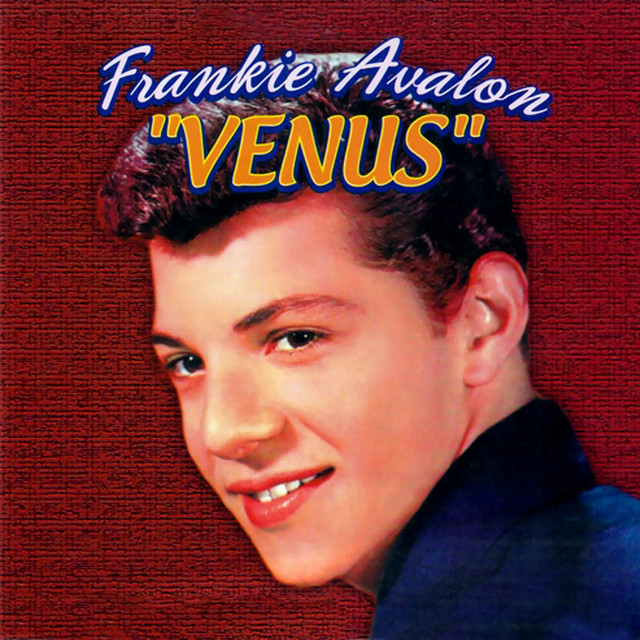
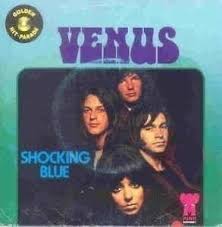
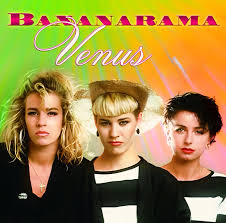
Then there’s Venus,” a song title that reached #1 three times. First, teen idol Frankie Avalon did it in 1959 with a chart-topper written by Ed Marshall and Peter DiAngelis. A decade later, the Dutch band Shocking Blue reached #1 with guitarist Robbie Van Leeuwen’s song of the same title, and 16 years after that, the British female pop band Bananarama did a cover of Shocking Blue’s song that also peaked at #1 in the US.
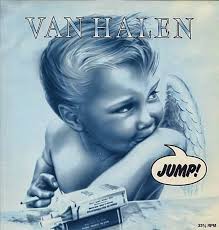

“Jump” was such a humongous #1 hit for Van Halen in 1984 that The Pointer Sisters’ record label chose to alter the title of their own “Jump” the same year to “Jump (For My Love),” which still managed to reach #3.
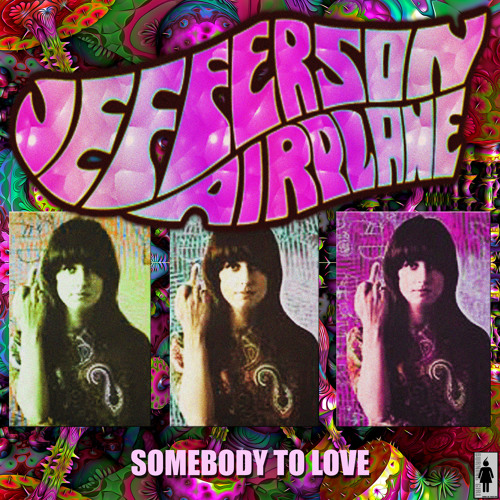
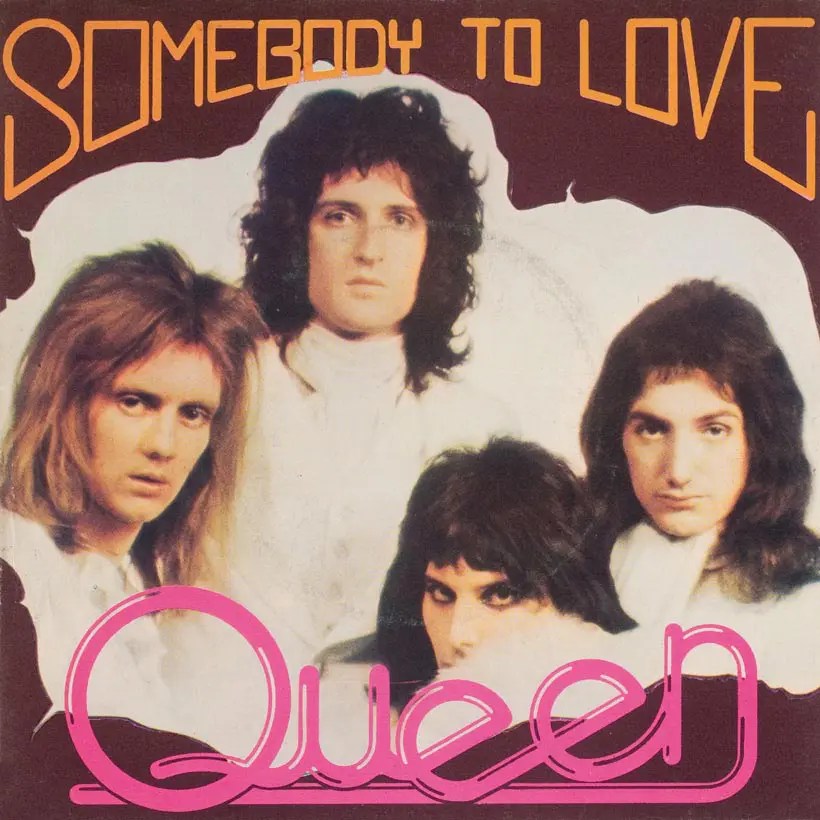
In 1967, the world got a hearty taste of “the San Francisco sound” when Jefferson Airplane reached #5 on US pop charts with “Somebody to Love,” written by Grace Slick’s brother-in-law Darby, who had been guitarist in her previous band, The Great Society. Nearly a decade later, Queen‘s lead singer Freddie Mercury wrote another track called “Somebody to Love,” based on a gospel choir arrangement. It peaked at #13 in the US, and #2 in the UK.
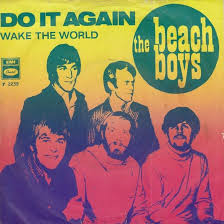
Most everyone knows Steely Dan’s #6 hit “Do It Again,” a Fagen-Becker original that jump-started their career in 1972, but four years before that came a different “Do It Again,” a Brian Wilson-Mike Love ditty that was a #20 charter for The Beach Boys.
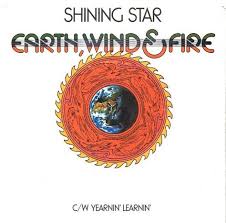

One of the more unusual duplications of a song title was “Shining Star,” because both compositions were bonafide R&B songs. First came the Maurice White-Philip Bailey dance classic, a #1 hit for their group Earth, Wind & Fire in 1975. Then in 1980, The Manhattans, a vocal group dating back to the early ’60s who were reborn with a new lead singer in the late ’70s, had a #5 hit with another “Shining Star,” written by Leo Graham and Paul Richmond.
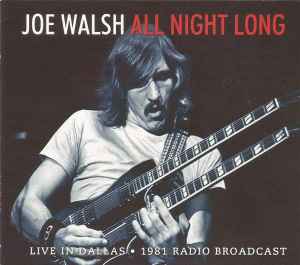
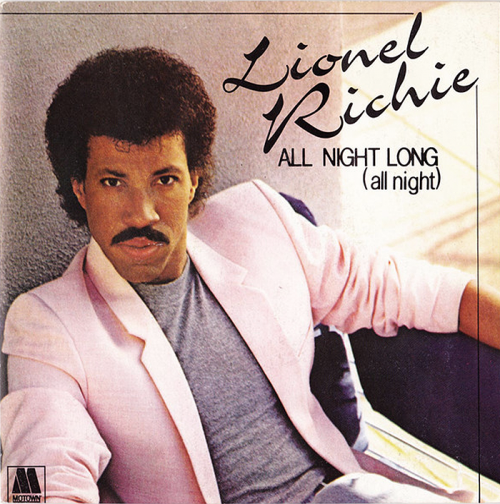
Joe Walsh was both a solo artist and a member of The Eagles in 1980 when he composed “All Night Long,” a #19 hit from the “Urban Cowboy” film soundtrack. Three years later, Lionel Richie went to #1 with a different “All Night Long,” although it was technically known as “All Night Long (All Night).”
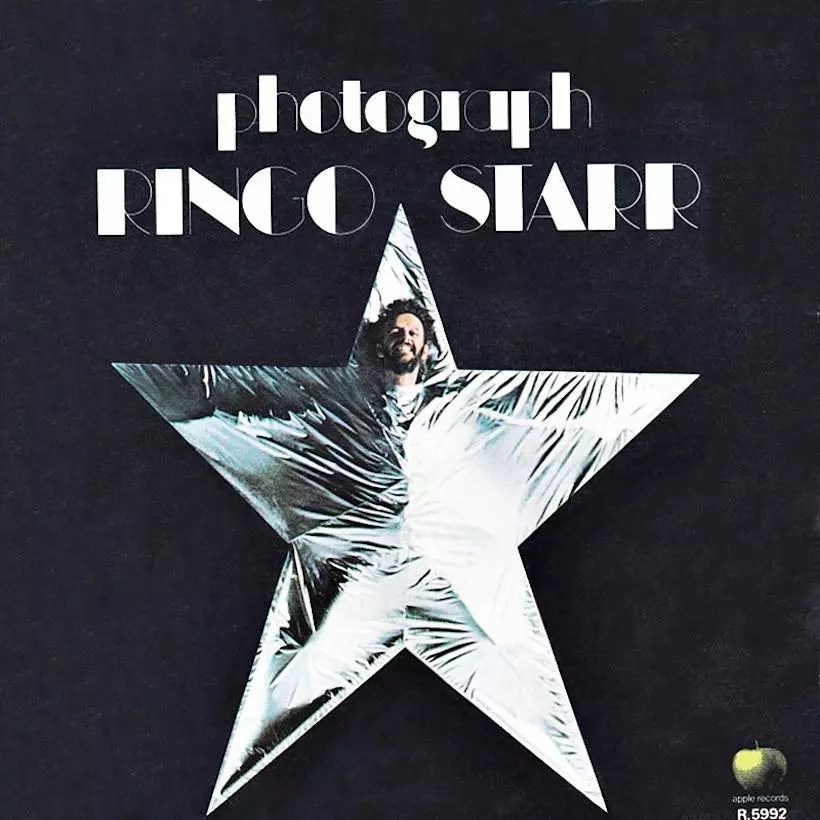
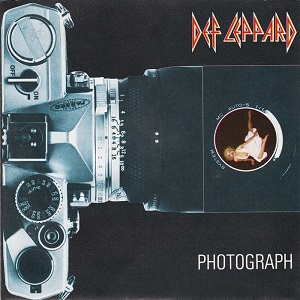
George Harrison wrote, arranged and played guitar on Ringo Starr‘s #1 hit “Photograph” in 1973. Ten years later, Def Leppard reached #12 on the US charts with a heavy-metal slab that sported the same title.
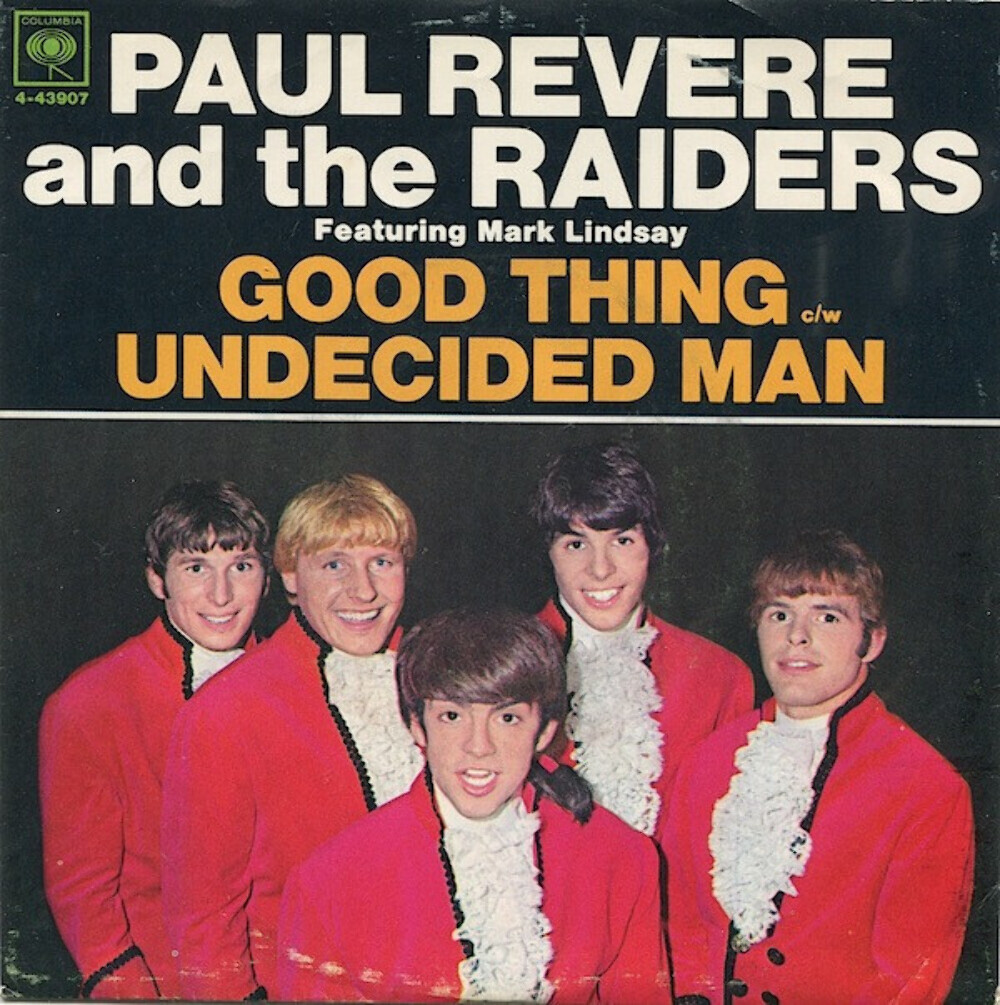
The Pacific Northwest pop band Paul Revere and the Raiders had a #4 charting in 1966 with “Good Thing,” a Mark Lindsay-Terry Melcher tune. More than 20 years later, Roland Gift and his Fine Young Cannibals wrote and recorded their own “Good Thing,” which topped the charts in 1989.
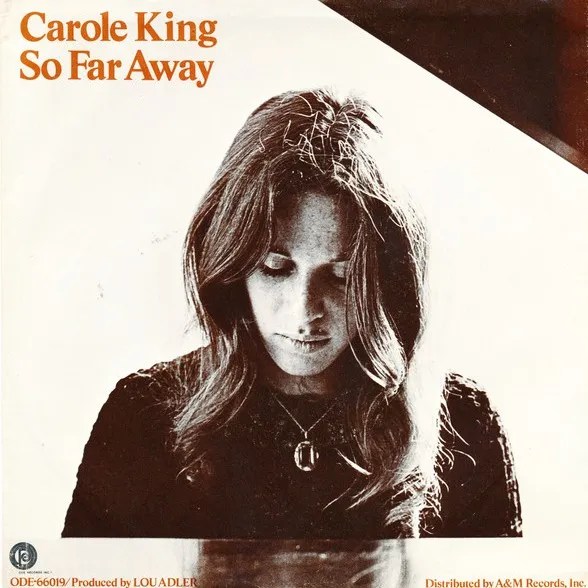
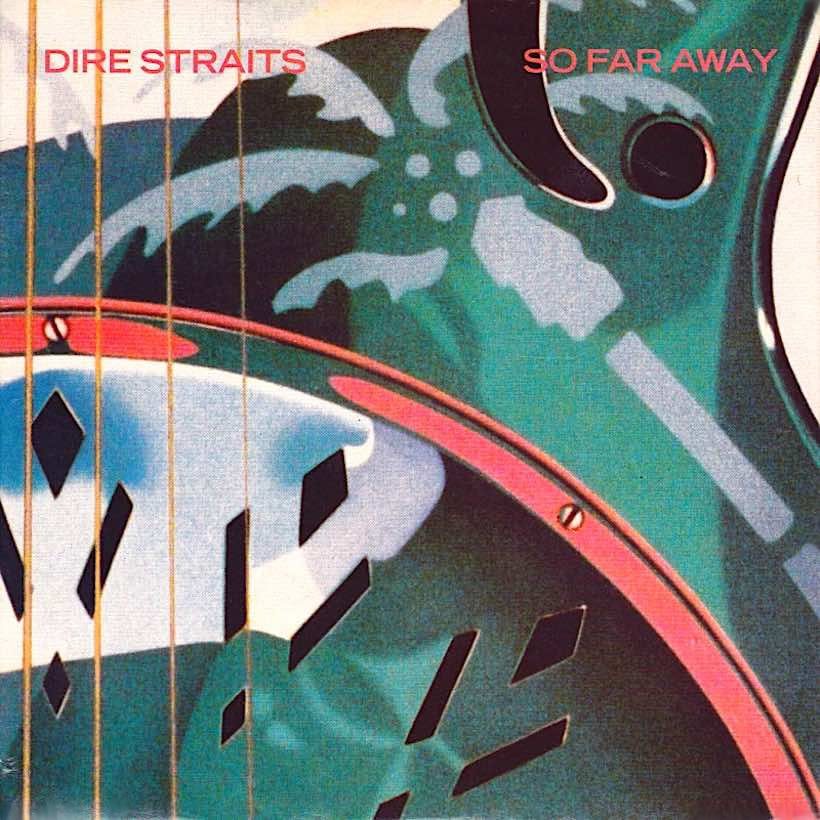
In 1971, the third single from Carole King‘s multiplatinum LP was the ballad “So Far Away,” which peaked at #14. When Dire Straits assembled their mega-successful 1985 album “Brothers in Arms,” one of its singles was also titled “So Far Away” and reached #19 on US charts.
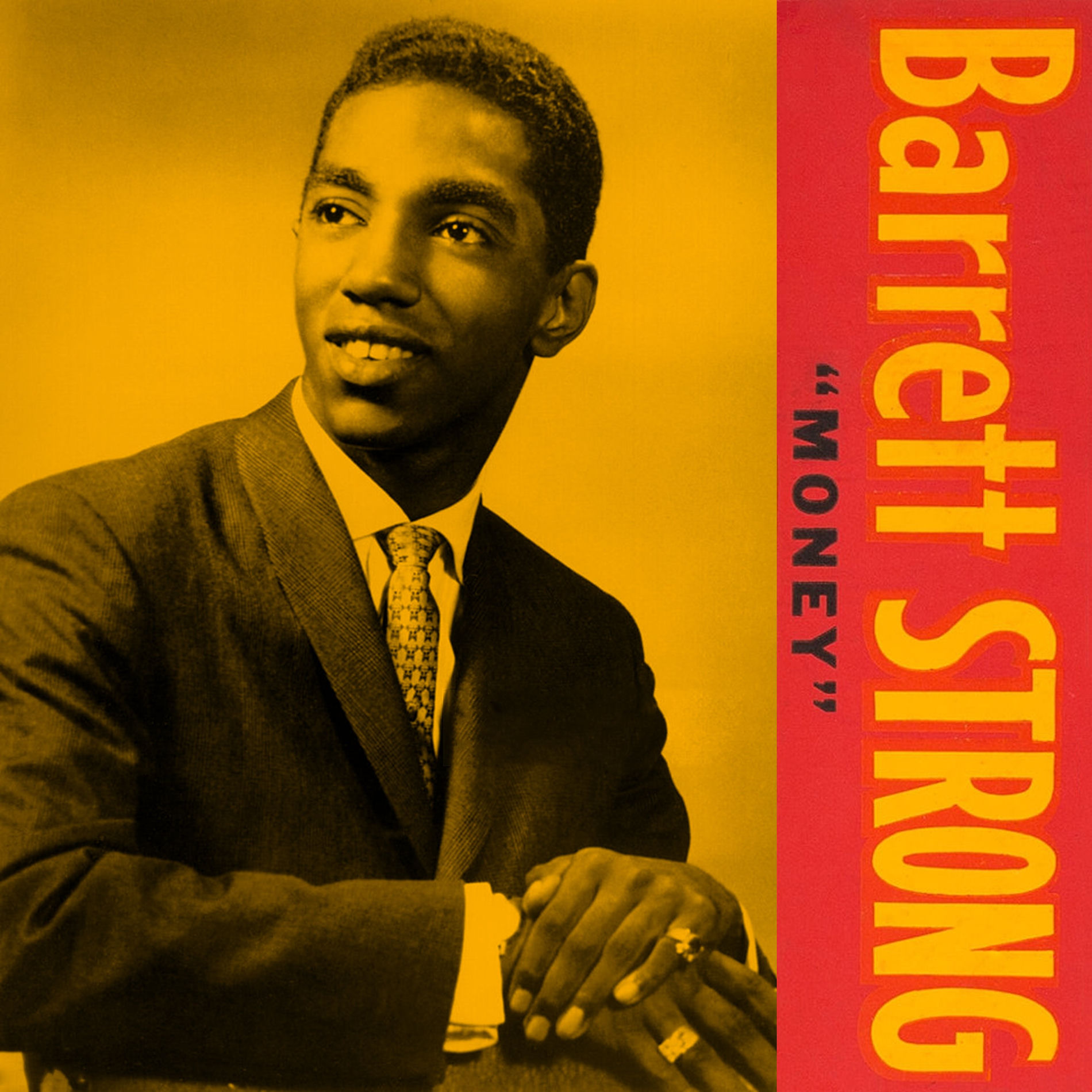
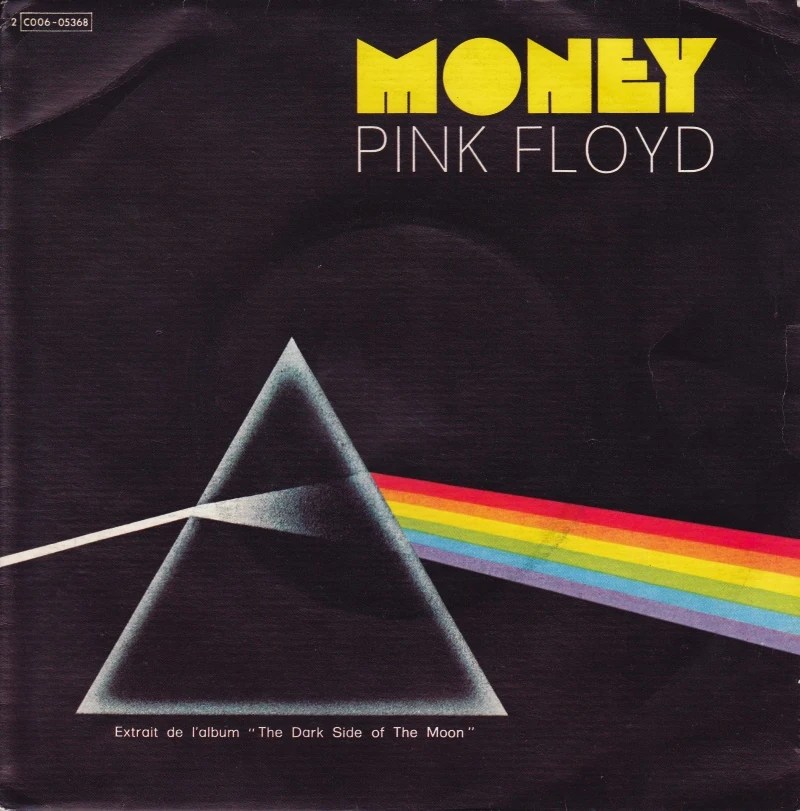
Barrett Strong had Motown’s first charting hit in 1959 with the song he co-wrote with Berry Gordy called “Money (That’s What I Want).” It stalled at #50 in the US but reached #5 in the UK and #7 in Canada, and The Beatles recorded it on their second LP. In 1973, Pink Floyd‘s progressive rock classic “Dark Side of the Moon” album featured the single “Money,” peaked at #13.
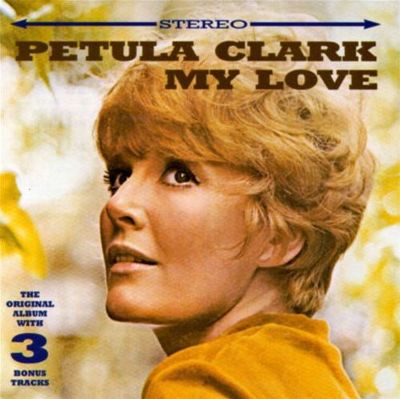
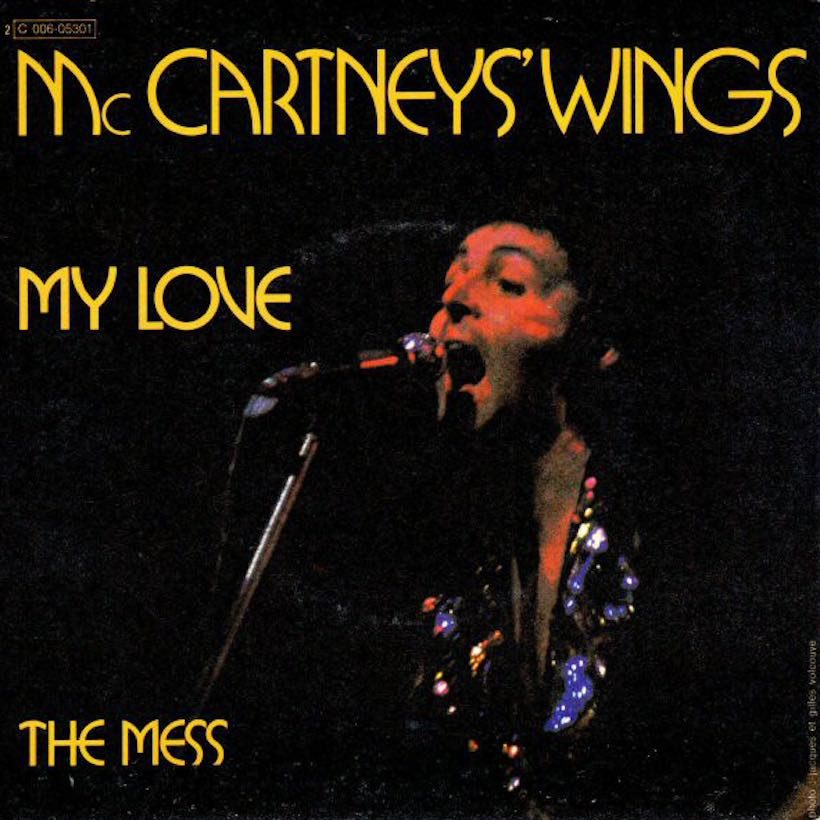
“My Love,” as written by Tony Hatch (who also wrote “Downtown”), was a #1 for Petula Clark in 1966. That didn’t stop Paul McCartney from writing his own tune called “My Love,” which topped the charts in 1973.
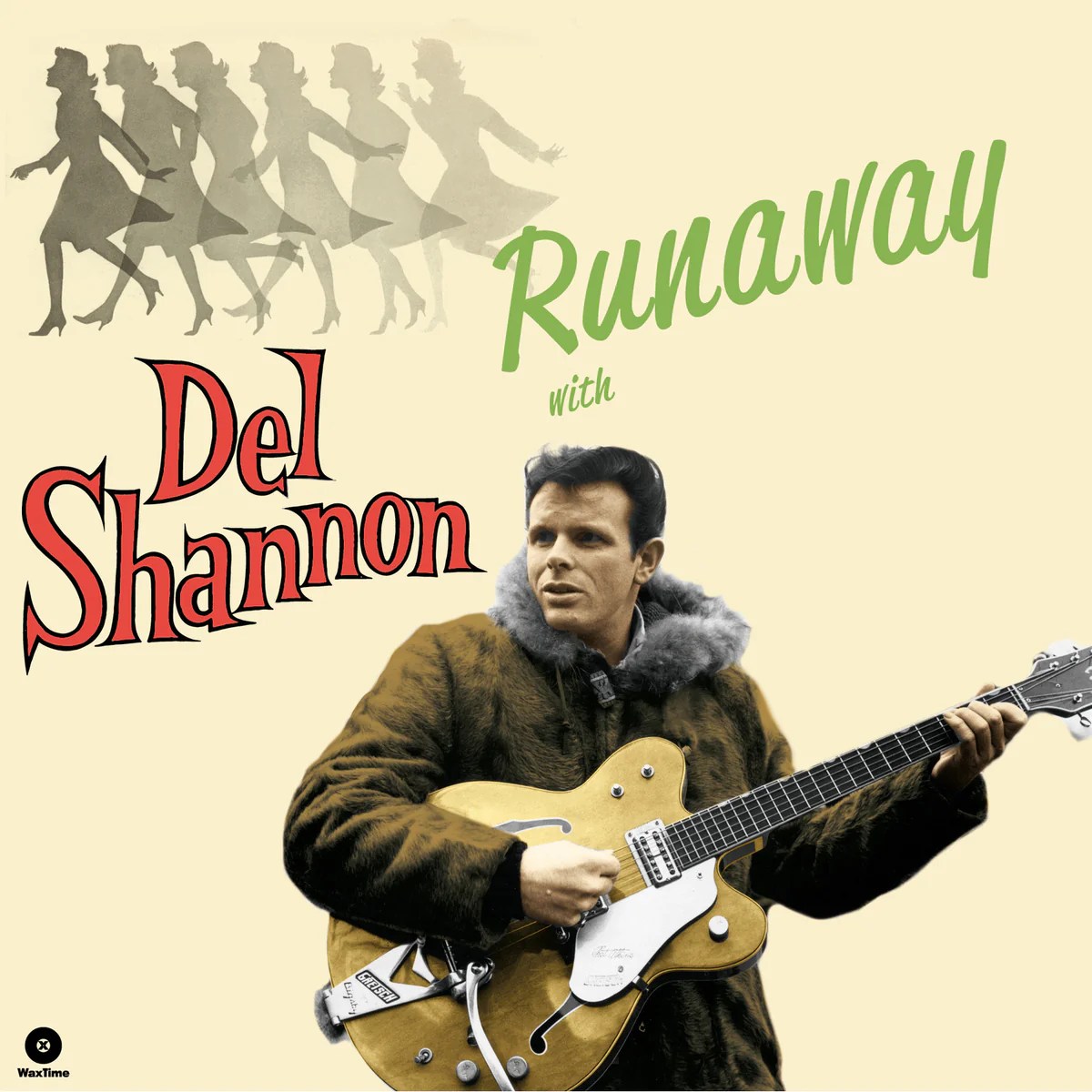
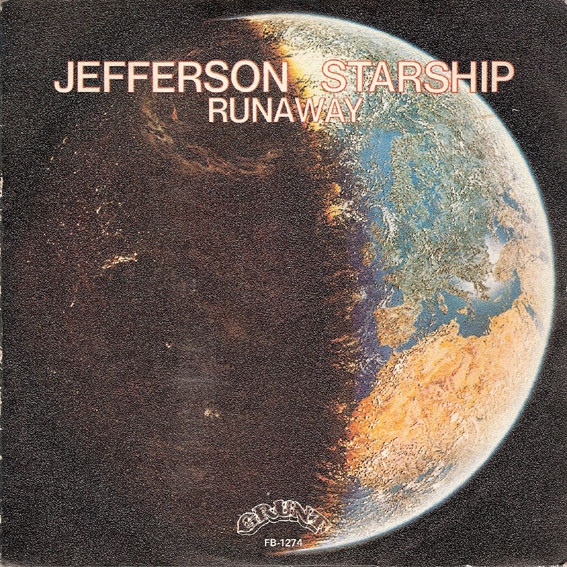
Del Shannon‘s tune “Runaway” held the #1 slot for four weeks in 1961. Seventeen years later, Jefferson Starship had a hit single with their song “Runaway,” which peaked at #12.
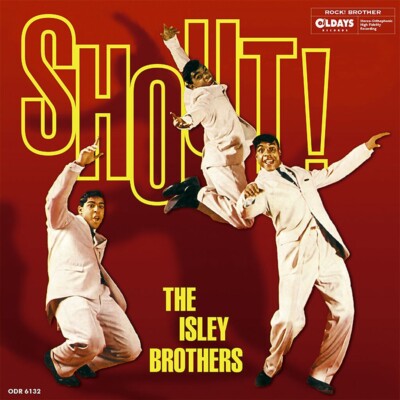
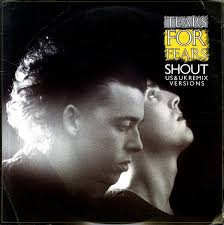
The Isley Brothers — Ron, Rudy and O’Kelly — co-wrote and recorded their call-and-response tune “Shout” in 1959, which reached only a modest #45 on charts that year. Its use during the toga party scene in the 1978 film “Animal House” gave it a whole new life, and it has since become a wedding reception must in the years since. British duo Tears for Fears had their own #1 hit with their unrelated song “Shout” in 1985.
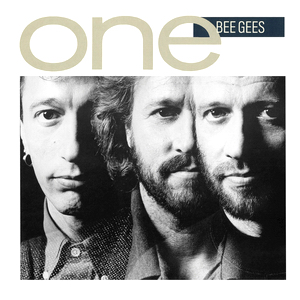
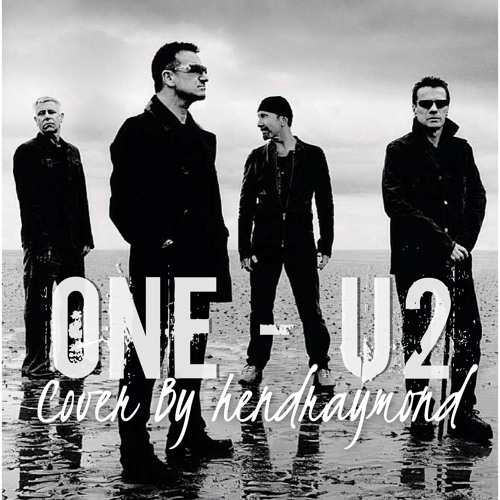
Harry Nilsson wrote a lovely ballad about loneliness called “One,” which Three Dog Night made into a #5 pop hit in 1969. Two decades later, The Bee Gees‘ tune called “One” peaked at #7. Finally, U2 scored a #10 hit with its identically titled “One” in 1992.
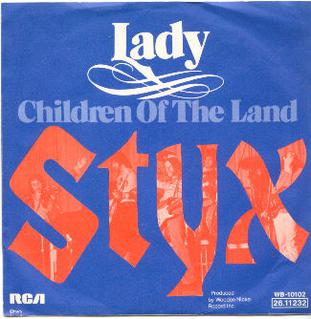
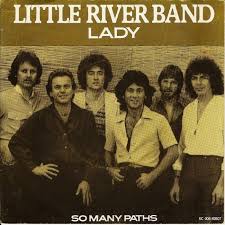

We can’t forget the timeless title “Lady,” which appears on the top of the sheet music page for three different hit songs: First came power pop band Styx’s number by Dennis DeYoung (#6 in 1975); and then, in rapid succession, Little River Band’s tune (#10 in 1979) and the Lionel Richie-penned #1 smash in 1980 by Kenny Rogers.
***************************
Here are a few more honorable mentions to explore of “Same Title, Different Songs,” should the mood strike you:
“Good Times” — Sam Cooke, 1964; Chic, 1979
“Power of Love” — Joe Simon, 1972; Huey Lewis and The News, 1985
“Gloria” — Them, 1965; Laura Branigan, 1982
“Real Love” — Doobie Brothers, 1980; Jody Watley, 1989; The Beatles, 1995
“Games People Play” — Joe South, 1969; Alan Parsons Project, 1981
“Angel” — Aretha Franklin, 1973; Fleetwood Mac, 1979; Madonna, 1985; Aerosmith, 1987
“It’s a Miracle” — Barry Manilow, 1975; Culture Club, 1984
“Love Will Find a Way” — Pablo Cruise, 1978; Yes, 1987
“Baby Blue” — The Echoes, 1961; Badfinger, 1972
“America” — Simon and Garfunkel, 1968; Neil Diamond, 1980
“I’m On Fire” — Dwight Twilley, 1975; Bruce Springsteen, 1984
“Hold On” — Ian Gomm, 1979; Santana, 1982
“Crazy Love” — Paul Anka, 1958; Poco, 1979
“It’s My Life” — The Animals, 1965; Talk Talk, 1984
“On the Road Again” — Canned Heat, 1968; Willie Nelson, 1980
“Nobody’s Fool” — Cinderella, 1987; Kenny Loggins, 1988
“Question” — Lloyd Price, 1960; The Moody Blues, 1970
“Revolution” — The Beatles 1968; The Pretenders, 1994
“Turn to Stone” — Joe Walsh, 1972; Electric Light Orchestra, 1977
“Evil Woman” — Spooky Tooth, 1969; The Doobie Brothers, 1973; ELO, 1975
*****************
I’ve prepared two Spotify playlists. The first one compares the songs discussed in the main body of the blog post; the second one contrasts the tunes listed in the “honorable mentions.”
 Hack's Back Pages