Since 2018, each year I have taken a look back at the albums of fifty years ago.
In 1968, albums were starting to gain more credibility as complete statements of an artist’s work. By 1971, arguably the high-water mark of diversity and excellence in album releases, albums had overtaken singles as the dominant music delivery format. And now this year, we’re taking a closer look at the albums of 1976. Nearly 500 albums of all sorts of genres were released during that bicentennial calendar year.
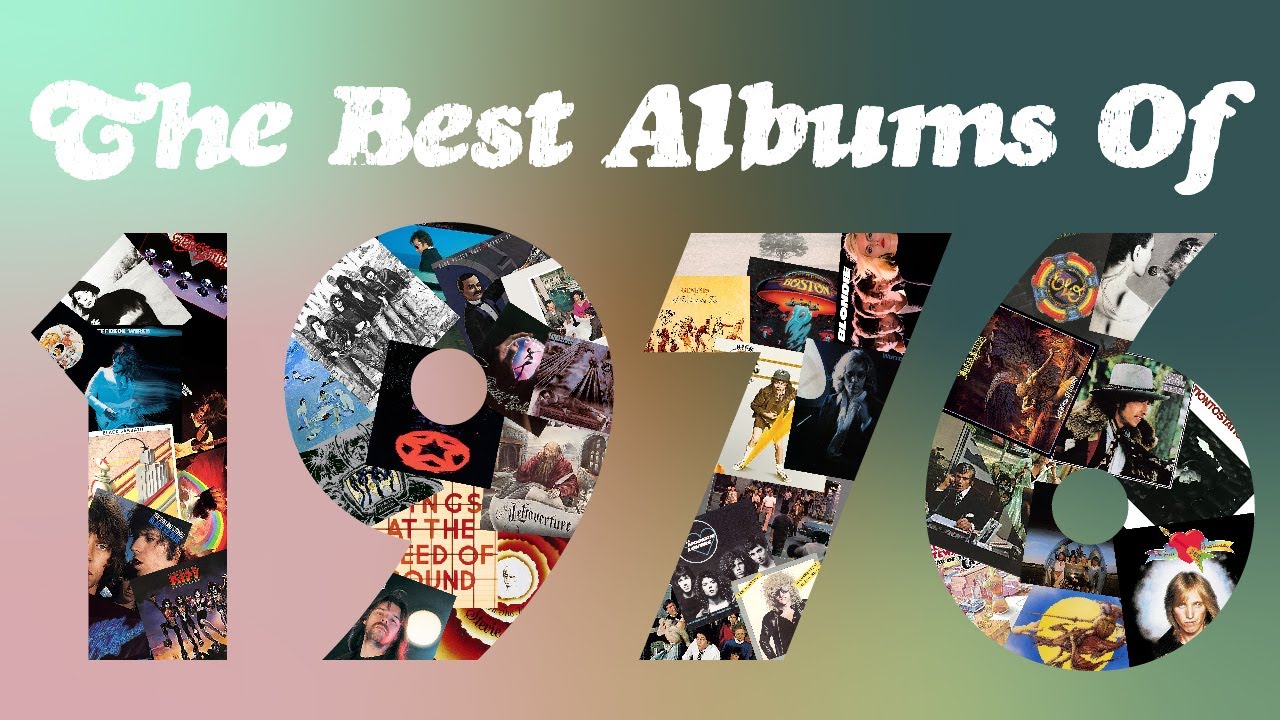
My view of the music from the twelve months of 1976 is colored, as it often is, by what I was doing, where I was, how old I was and who I hung out with. I was in the last half of my junior year and first half of my senior year at Syracuse University, and the friends I made there were fairly music-savvy, introducing me to artists I might not have otherwise discovered.
I also turned 21 that year, which made me eligible to go to bars and clubs, and in 1976, that included discos. This was the year disco began its four-year dominance of the Top 40 hit single chart, but the LPs these songs came from didn’t yet have the same impact on album charts (that would come in 1977-79). A handful of disco-leaning albums did well, but the biggest sellers on mainstream album charts were still largely rock, pop, country and jazz, and singer-songwriter and prog rock.
In choosing what I found to be the Best 15 Albums of 1976, I’ve ignored some releases that sold a gazillion copies but just weren’t my cup of tea (“Wings at the Speed of Sound” by Paul McCartney comes to mind). I also didn’t take to certain albums that were considered groundbreaking (the debut LP by New York punk band The Ramones, for example). But that’s the thing about subjective lists like this — they’re subjective, and purport only to show my opinion on the music of that year. If you’re miffed that I omitted one of your favorites, I invite you to publish your own list.
I’ve listed another dozen “honorable mentions” that were considered but ultimately didn’t make the cut. As is customary, I’ve included two Spotify playlists. The first offers four tracks from each of the 15 albums that made my list. The second list offers four tunes from each of the 12 honorable mentions.
Enjoy this trip back to the music of 50 years ago.
***************************
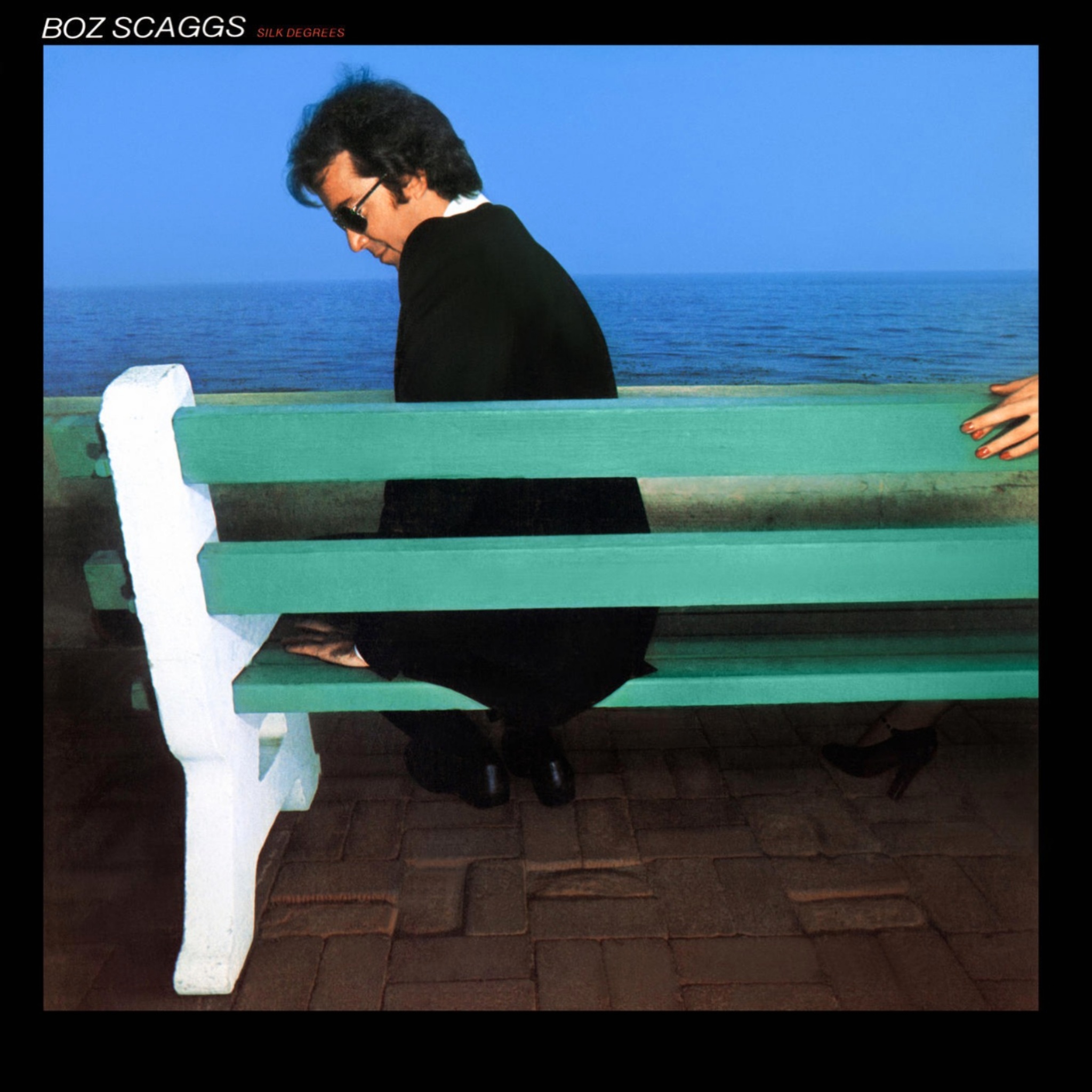
“Silk Degrees,” Boz Scaggs
Although Scaggs first made his name as an original member of the Steve Miller Band in the late ’60s, followed by a modestly successful five-album solo career, I confess I didn’t know much about him until I was I introduced to him (like most of America) when he released his “Silk Degrees” LP in the spring of 1976. Here was the right album at the right time: Vibrant, catchy songs you could dance to, gorgeous production, the instrumental talents of keyboardist David Paich, drummer Jeff Porcaro and bassist David Hungate (who all went on to form Toto) and a butter-smooth, charismatic singer out front. Radio, the public and the press all ate it up. Two iconic hits — the blue-eyed soul of “Lowdown” and the driving rocker “Lido Shuffle” — led the way, but this album doesn’t have a dud in the lot. “It’s Over,” “What Can I Say,” “Georgia” were all club favorites, and the ballads “Harbor Lights” and “We’re All Alone” (later made more famous by Rita Coolidge) brought sensuality to the proceedings. Scaggs went on release more great Top 20 hits and LPs intermittently over the next couple of decades, but “Silk Degrees” was his signature LP.
“Takin’ It to the Streets,” The Doobie Brothers
When group founder Tom Johnston took ill with ulcers and exhaustion in 1975, The Doobies were in a quandary. Should they call it quits, or find a replacement? Johnston had been their chief songwriter and lead vocalist, and although guitarist/songwriter Pat Simmons was still on board to contribute great material (“8th Avenue Shuffle,” “Rio,” “Wheels of Fortune”), they needed more. Guitarist Jeff “Skunk” Baxter, who’d left Steely Dan to join The Doobies in 1975, suggested they give a tryout to singer/songwriter/keyboardist Michael McDonald, another member of the Steely Dan camp. Things worked out so well on a few concert dates that the band invited him to sessions for their next LP. The result was “Takin’ It to the Streets,” not only a return to form after the lackluster “Stampede” album the year before, but a reinvention of sorts, with McDonald providing several quality songs (“It Keeps You Runnin’,” “Losin’ End,” “Carry Me Away” and the title song) and that husky, smooth voice that would take the band to new heights in the ensuing years.
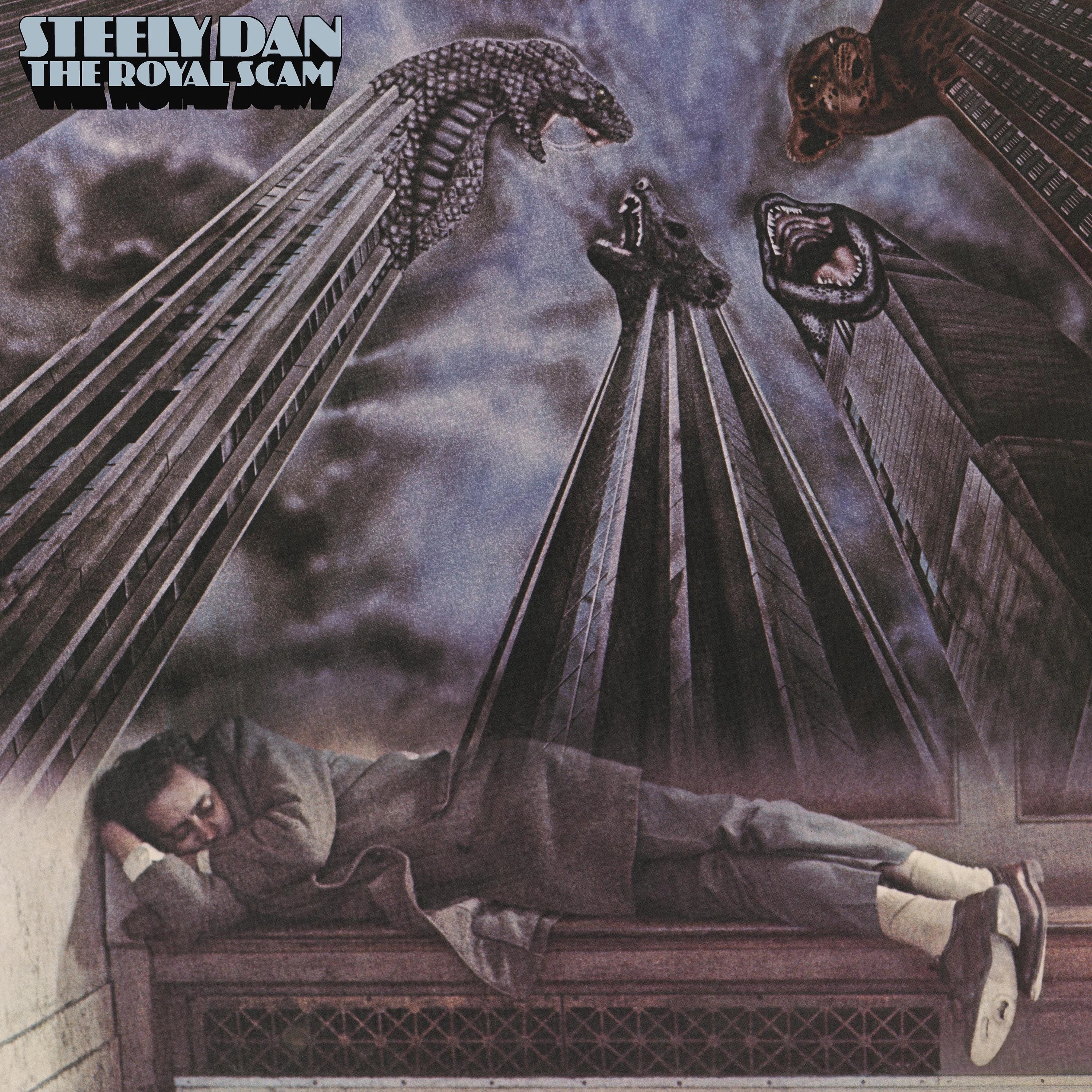
“The Royal Scam,” Steely Dan
It was on this album, Steely Dan’s fifth, that the group ceased to exist and became a duo (Donald Fagen and Walter Becker) accompanied by a host of hired session musicians, which became their way of working thereafter. It’s also the LP on which jazz leanings — chord changes, arrangements, instrumental solos — became more prominent, most notably on tracks like “Green Earring” and “Everything You Did.” Still, most of the tunes were based in the LA rock/pop idiom of their previous records, with more of the wonderfully cryptic lyrics about societal outcasts, weirdos and ne’er-do-wells. “Kid Charlemagne,” about a psychedelic drug chemist character in the Bay Area, features the phenomenal Larry Carlton on guitar and is the album’s best moment, but don’t miss “Don’t Take Me Alive,” “The Fez,” “Haitian Divorce” and the dark title tune. I kept waiting for Steely Dan to have an average album, but it never came, certainly not in this case.
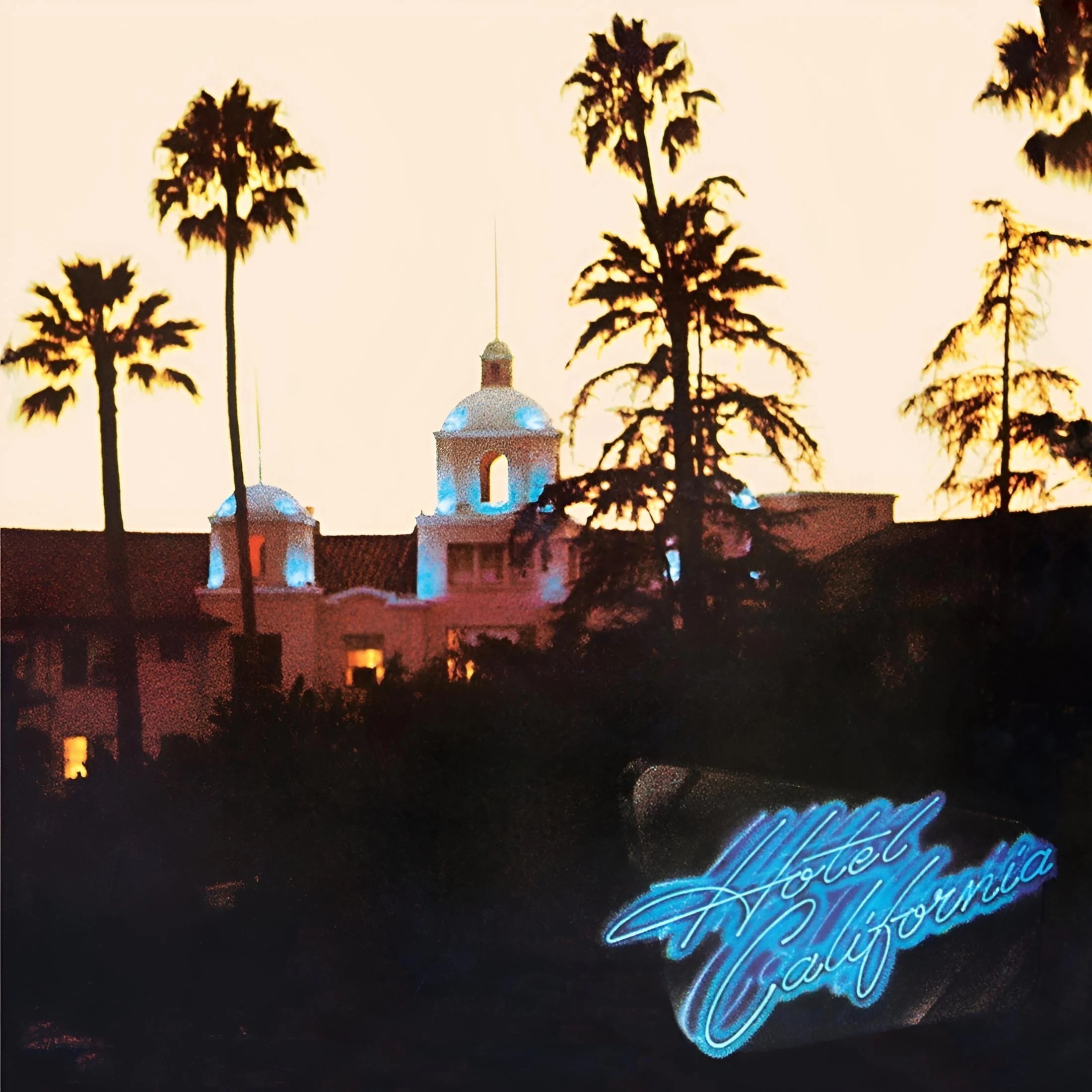
“Hotel California,” The Eagles
There’s really not much to say about this monumental record that hasn’t already been said. Truth be told, I’ve always been fairly ambivalent about The Eagles; I enjoy about a dozen individual tracks but I tire of much of their overplayed catalog. “Hotel California” was the group’s commercial zenith, selling more than 40 million copies worldwide, and there are certainly some creative peaks to be found here. Most people would mention the iconic title song, with its lyrics about the pitfalls of fame and its wondrous lead guitar interplay between Don Felder and Joe Walsh. I happen to prefer the deeper tracks — Walsh’s dreamy song “Pretty Maids All in a Row,” Randy Meisner’s country rocker “Try and Love Again” and the masterful album closer, “The Last Resort.” By this point, Don Henley and Glenn Frey had become egotistical control freaks who caused internal friction and ultimately brought about the band’s breakup in 1980, but from its release in December 1976 and for the next couple of years, “Hotel California” was the album that spawned a thousand imitators.
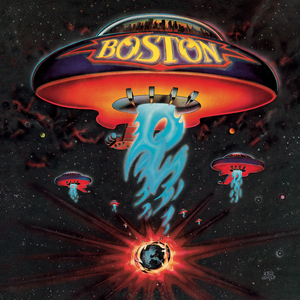
“Boston,” Boston
The recording of this seismic album has been described as “one of the most complex corporate capers in the history of the music business.” It’s the brainchild of Tom Scholz, the multi-instrumentalist/engineer/songwriter who wrote and recorded demos of all the material in 1973 under the band name Mother’s Milk. He shopped it around to several labels for two years before Columbia subsidiary Epic Records signed him to a contract. They wanted him to record at their Los Angeles studio, but Scholz was convinced he could do a better job in his Boston-based basement studio setup. He sent his newly hired musicians (known as Boston by that point) to LA to record one track “in a decoy move of how we were really working.” Scholz basically duplicated the demos at home, recruited his friend Brad Delp to sing the layered vocals, and then sent the sonically perfect master tapes to Epic. The result, with “crystal-clear vocals and bone-crunching guitars,” became the most successful debut album ever. Virtually the entire album has been in heavy rotation ever since, especially “More Than a Feeling,” “Peace of Mind” and “Foreplay/Long Time.”
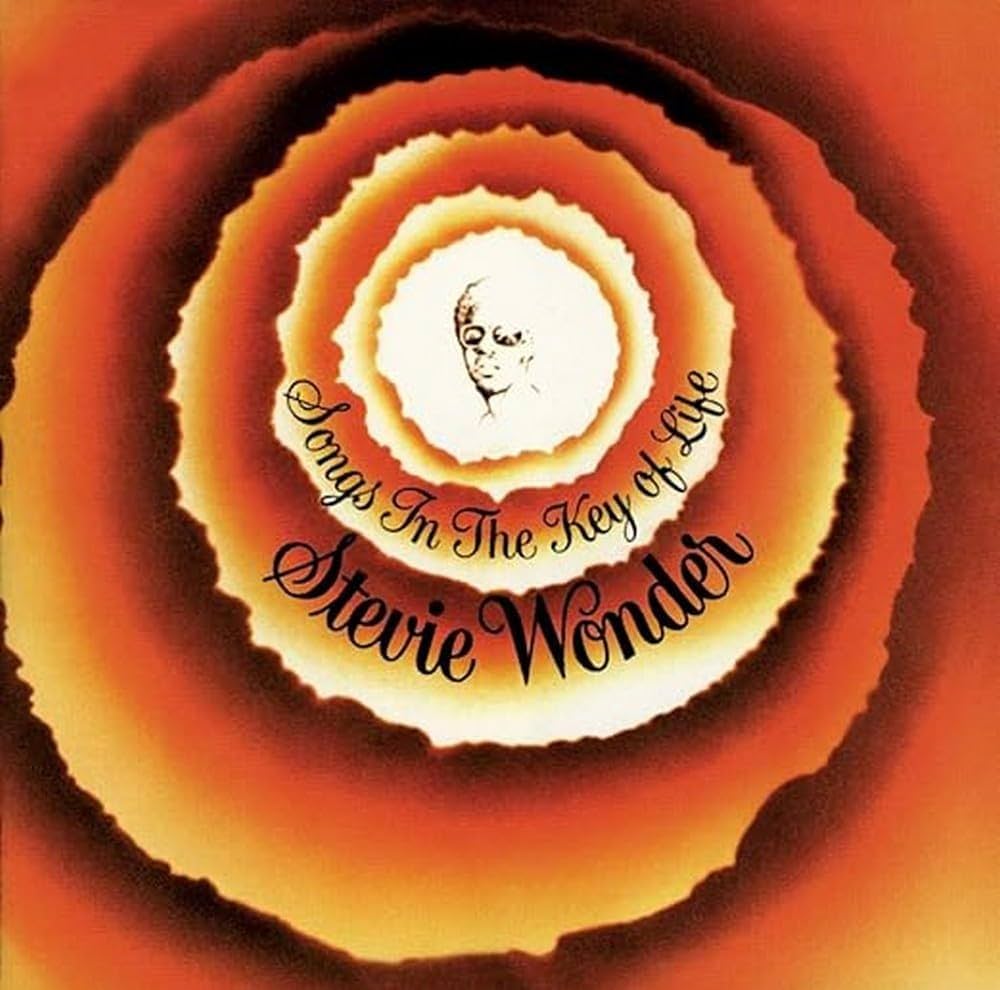
“Songs in the Key of Life,” Stevie Wonder
After a successful run in the ’60s as a teenage star in Motown’s celebrated stable of soul artists, Stevie Wonder won his independence when he turned 21 in 1971, and the music he wrote, played, sang and recorded over the next five years was simply unparalleled, winning multiple “Album of the Year” Grammys and populating the Top 40 charts as well (“Superstition,” “You Are the Sunshine off My Life,” “Living For the City,” “Higher Ground,” “You Haven’t Done Nothin'”). By 1976, he called his own shots, assembling a double album (with four extra tracks on a 45 contained within) that showed remarkable diversity — soul, funk, jazz, ballads, the works. “Songs in the Key of Life” became his finest achievement in a career full of accomplished works. “I Wish” and the marching band favorite “Sir Duke” both went right to the top of the charts, but there’s so much more here that’s worthy of everyone’s attention: “Isn’t She Lovely,” his tribute to his infant daughter; “As,” the galloping anthem to romantic love; “Summer Soft,” “Love’s in Need of Love Today,” “Ordinary Pain,” “If It’s Magic” — just an overflowing cornucopia of great music.
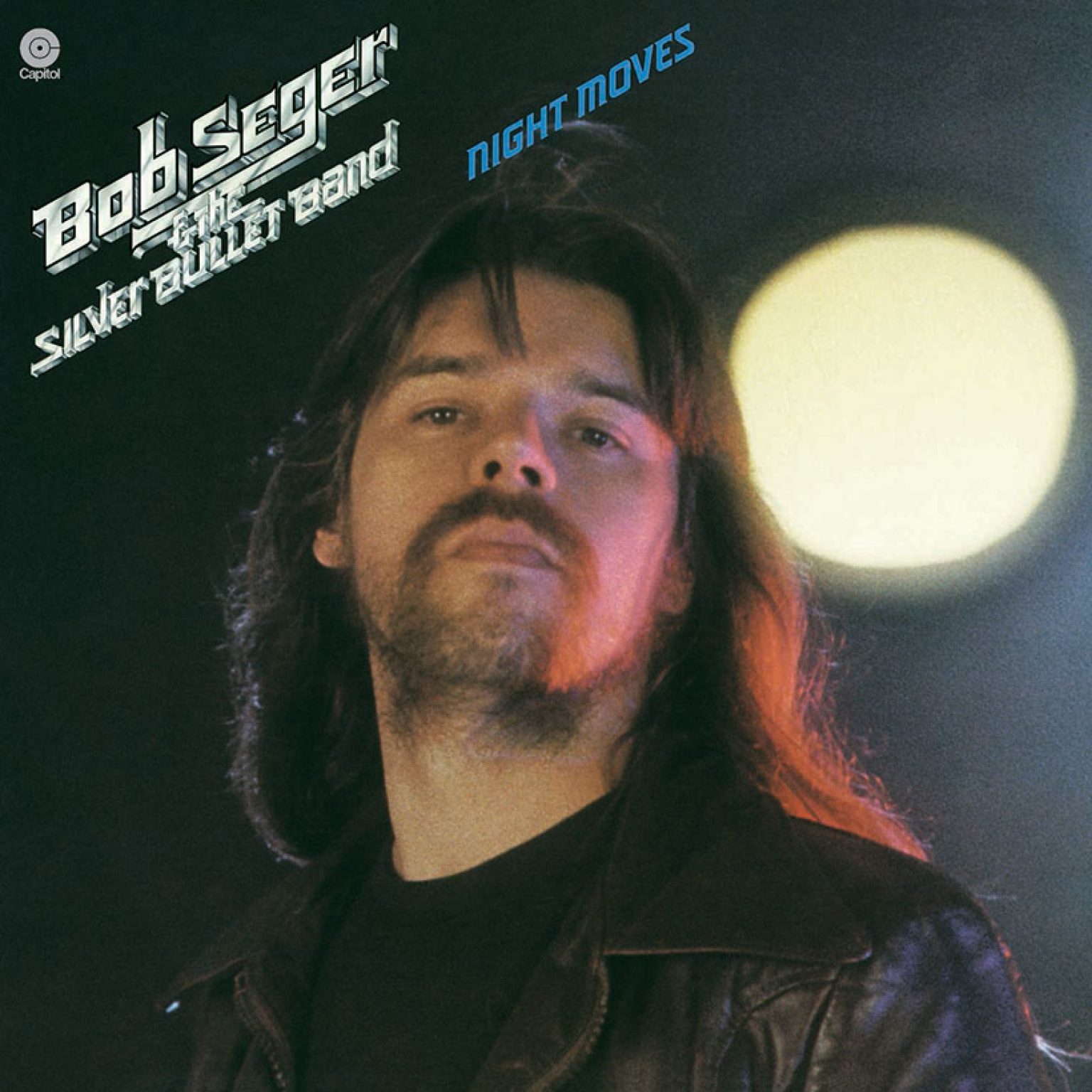
“Night Moves,” Bob Seger and the Silver Bullet Band
Even though it wasn’t until the release of this album in October 1976 that Bob Seger became a national rock star, he’d been making great rock and roll out of Detroit since the late ’60s. As The Bob Seger System, he had a minor hit in 1968 with “Ramblin’ Gamblin’ Man,” then settled into a journeyman role, touring relentlessly with regional Midwest success. A few of his original tunes found their way onto FM playlists (“Turn the Page,” “Beautiful Loser,” “Katmandu”) but his albums were largely ignored…until “Night Moves.” Seger and his backing group, The Silver Bullet Band, suddenly became a sensation, and rightly so. Critics gushed over the classic rock and roll riffs reminiscent of Chuck Berry, saying “the album was about rock and roll for those who were no longer in their teens.” Seger’s gruff vocals sounded like a more authentic Rod Stewart, and his working-class lyrics rivaled those of Bruce Springsteen. The title tune and “Mainstreet” are top-drawer stuff, but almost as impressive are such album tracks as “Rock and Roll Never Forgets,” “The Fire Down Below,” “Ship of Fools” and “Come to Poppa.”
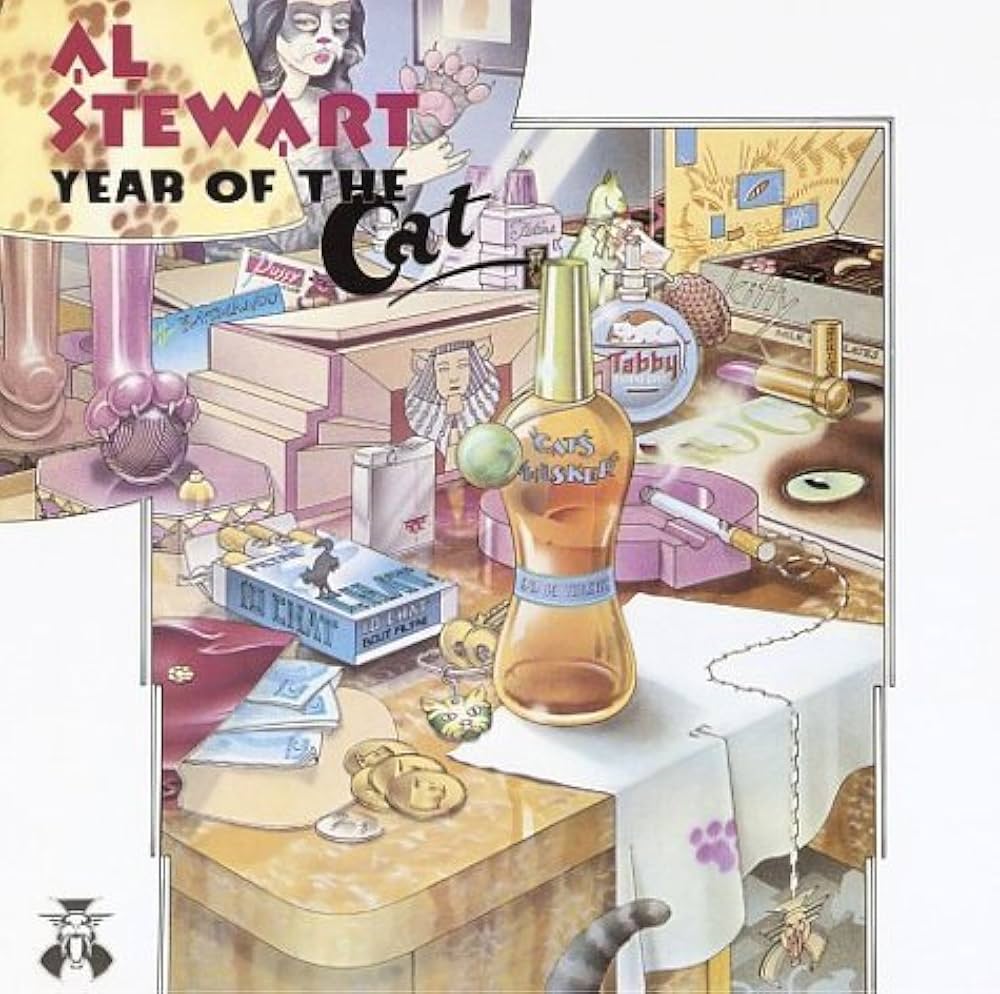
“Year of the Cat,” Al Stewart
Since his debut in 1967, Al Stewart has shown a rare talent for writing autobiographical and fictional story-songs, using detailed imagery, historical references and colorful anecdotes to accompany his accessible melodies. He has sometimes written three or four different lyrics for the same song before settling on one. Indeed, his signature song “Year of the Cat” was first known as “Foot of the Stage” in an earlier draft. Stewart had managed only a modest cult following until 1975 when his “Modern Times” LP reached #30 on US album charts, paving the way for his delightful “Year of the Cat” album in October 1976. It’s remarkably consistent and thoroughly engaging, from the majestic “Lord Grenville” and “Broadway Hotel” to the forboding “One Stage Before” and “Flying Sorcery.” The minor hit “On the Border” features incredible Spanish guitar by Peter White, while “Year of the Cat” includes the multi-talented Phil Kenzie on alto sax. Stewart’s nasal vocal tone is a turnoff to some, but I love the way producer Alan Parsons soft-pedals the voice to accentuate the fascinating words he’s singing.
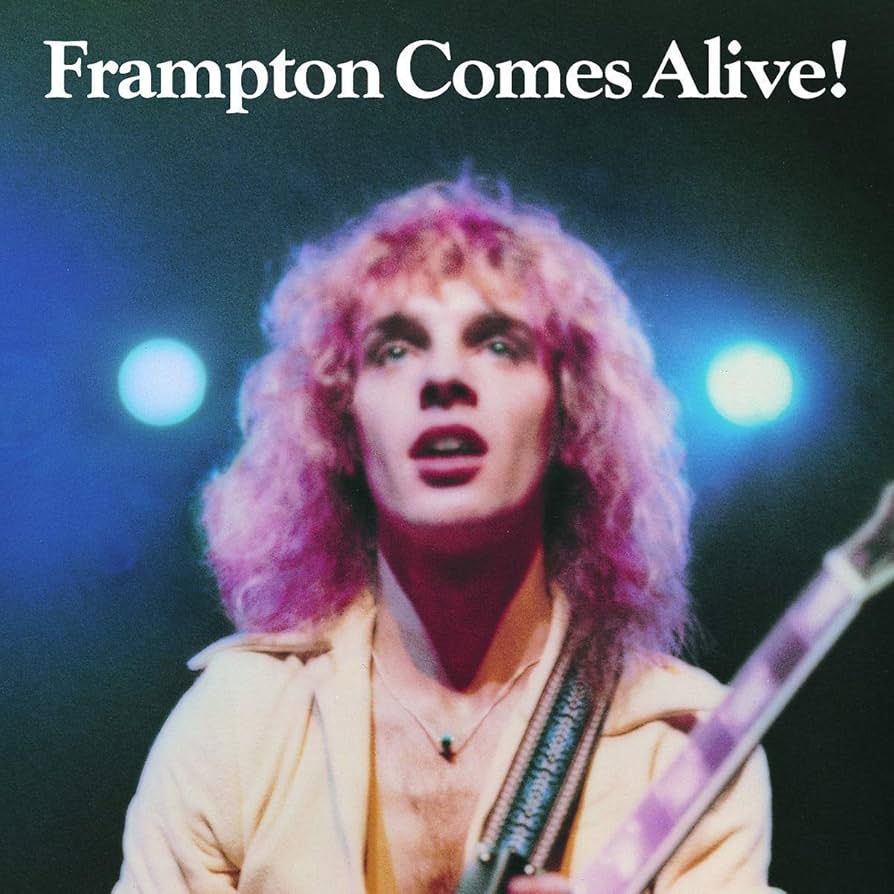
“Frampton Comes Alive,” Peter Frampton
In 1976, it seemed as if you could hear this album booming out of every college dorm room and every teenager’s bedroom in the nation. Frampton had been something of a boy wonder, helping to form Humble Pie at 18 as a virtuoso guitarist before deciding to go the solo route in 1972. He found only limited success with four studio LPs of mostly original material over the next few years, and decided he’d like to try a live album to capture the excitement he got from performing. His label actually urged him to make it a double album, and when it was released in January 1976, it began a meteoric rise to the #1 position by April. I don’t much care for live albums because of excessive crowd noise, and “Frampton Comes Alive!” was a notorious example of that. But the songs were great, Frampton and band performed them well and the whole thing felt like a party on vinyl. It spawned three hit singles, including “Show Me the Way” and “Baby I Love Your Way,” and incredibly, a 14-minute version of “Do You Feel Like We Do” (edited down to about six minutes by many stations). “Something’s Happening” and “Lines on My Face” are the standout tracks.
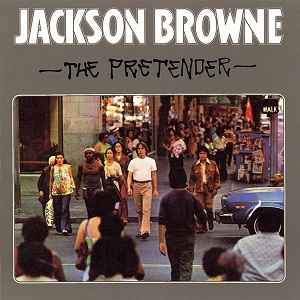
“The Pretender,” Jackson Browne
It is said that from pain and suffering often comes great art, and this emotional album is a prime example of that. In the early 1970s, Browne emerged from Southern California as an uncommonly insightful songwriting talent on his first three albums (“Saturate Before Using,” “For Everyman” and “Late For the Sky”), offering warm, honest music and intelligent, worldweary lyrics. Then, in 1976, his wife Phyllis took her own life, leaving him a single dad for his 3-year-old son Ethan. From that trauma came Browne’s best work yet, with brilliant tracks like “The Fuse,” “The Only Child” the hit single “Here Come Those Tears Again” and the anthemic title song, in which he wryly laid out his purpose in life (“I’m gonna be a happy idiot and struggle for the legal tender”). Released in November 1976, it reached #5 in early 1977 and began a four-album span of Top Ten albums (“Running on Empty,” “Hold Out,” “Lawyers in Love”).
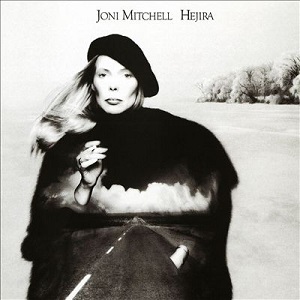
“Hejira,” Joni Mitchell
From simple folk beginnings in 1968 to startling confessional songwriting in 1971-72 to her most accessible songs on “Court and Spark” in 1974, Joni Mitchell surprised us and pleased us with each step in her musical evolution. Always intrigued by jazz and its more complicated free-form structures, she recruited some of LA’s best jazz session players in 1975 for “The Hissing Summer Lawns,” a diverse, transitional LP. She followed that in 1976 with “Hejira,” one of her most fully realized works that gets better with each listening. The word “hejira” means exodus or departure, and Mitchell wrote the songs for the album while driving across the country on a sort of spiritual journey. Songs like “Amelia” (a tribute to the legendary solo pilot), “Black Crow” and “Refuge of the Road” deftly used the travel motif, and the popular opening track “Coyote” celebrated the artist’s passion for wanderlust. With extraordinary fretless bassist Jaco Pastorius and guitarist Larry Carlton on board, the music simultaneously challenged and soothed listeners. This is a truly astonishing record I wholeheartedly recommend.
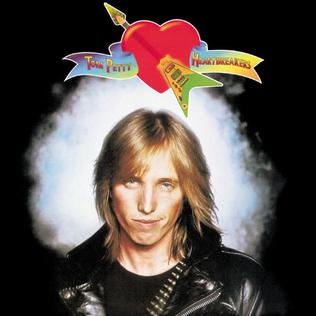
“Tom Petty and the Heartbreakers,” Tom Petty and the Heartbreakers
When I learned that it took Petty and his band more than two years to find their audience in America, I didn’t feel as bad for not being hip to the group from the beginning. Emerging from Florida by way of Los Angeles, Petty wrote all the songs for their debut album, which was released in November of 1976. The Brits embraced him right away following a tour there, pushing the debut album to #24 on UK charts, with “Anything That’s Rock ‘n’ Roll” charting as a single. Word spread slowly, and by early 1978, “Breakdown” and “American Girl” were getting substantial FM airplay, and the LP peaked at #55. Petty and The Heartbreakers finally broke through with their “Damn the Torpedoes” album in 1979 and became one of the most popular rock bands of its time over the next 35 years. It’s pretty amazing to go back now and listen to how mature their first songs were, and how fresh and exciting they sounded. I wish I’d been more attuned to them at the time. This is a solid album well deserving of Top 15 status.
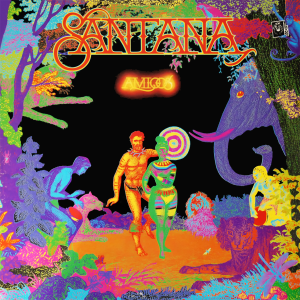
“Amigos,” Santana
In 1969 at Woodstock, Santana introduced American audiences to latin rock, with percussion-heavy albums and a handful of Top Ten singles (“Evil Ways,” “Black Magic Woman,” “Oye Como Va”). Leader Carlos Santana, one of the most expressive lead guitarists in rock history, took the group into jazz fusion territory for a couple of side projects, but by 1976, the group was back on the latin rock track with a liberal dose of funk vibes as well. The resulting album, “Amigos,” returned the group to the Top Ten on US album charts, boasting seven long tracks that show off Santana’s instrumental dexterity as well as new singer Greg Walker’s vocals. The 8-minute “Dance Sister Dance” is a real tour de force, and “Take Me With You” offers a relentless percussion extravaganza, but the pinnacle here, by far, is the slow, bluesy “Europa (Earth’s Cry Heaven’s Smile),” which reached Top Ten in the UK and has been a mainstay of the group’s setlist every tour since.
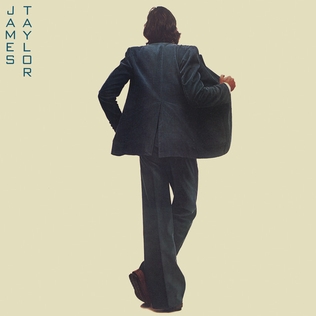
“In the Pocket,” James Taylor
The shy, introspective guy who wrote such downbeat songs as “Fire and Rain,” “Carolina In My Mind,” “Long Ago and Far Away” and “Don’t Let Me Be Lonely Tonight” seemed to turn a corner in 1975 with the decidedly upbeat LP “Gorilla” and the optimism of “Mexico,” “Lighthouse” and his cover of Marvin Gaye’s “How Sweet It Is (To Be Loved By You).” A year later, his “In the Pocket” album proved a worthy successor, full of warm, wonderful melodies like the hit “Shower the People,” “Money Machine” and a cover of Bobby Womack’s soul workout “Woman’s Gotta Have It.” But Taylor still knew how to wear his heart on his sleeve when the chips were down — the supportive “Don’t Be Sad ‘Cause Your Sun is Down” features Stevie Wonder’s expressive harmonica, and the album closer, “Golden Moments,” positively shimmers. The LP reached #16 in the summer of 1976 and set the stage for the joyous “JT” album that followed.
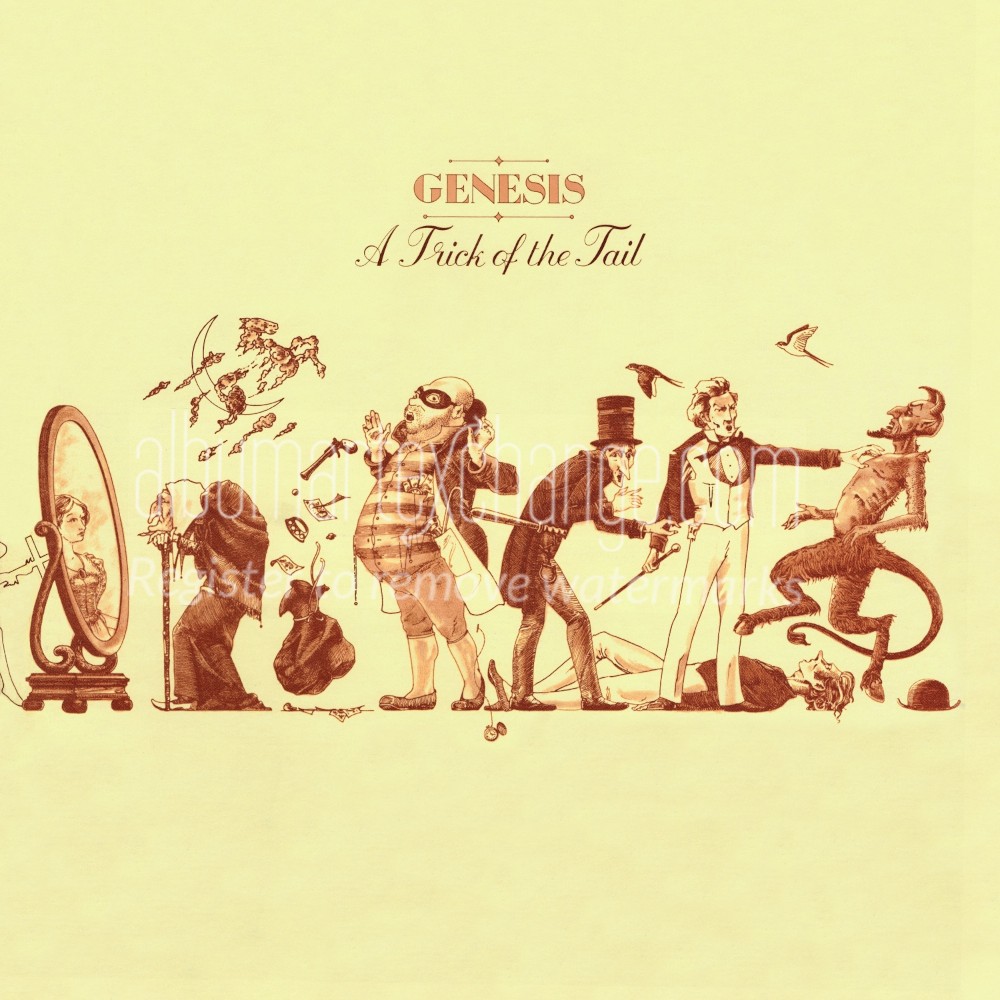
“A Trick of the Tail,” Genesis
In the late ’60s, Great Britain was a hotbed of talent for young musicians with classical music training and rock music aspirations, and led by bands like Genesis, Procol Harum and Moody Blues, the progressive rock genre was born. With the theatrical Peter Gabriel as the mesmerizing front man, Genesis led the way, building a fanatical cult base over a six-album run through 1974. Then Gabriel left the lineup, and many observers felt the band couldn’t continue without him. But lo and behold, drummer Phil Collins emerged as a fine singer whose voice actually resembled Gabriel’s, and with a solid batch of FM-radio-friendly songs, they released “A Trick of the Tail,” which cracked the Top 30 on US album charts for the first time. The foursome of Collins, guitarist Steve Hackett, keyboardist Tony Banks and bassist Mike Rutherford wrote and recorded such sophisticated classics as “Dance on a Volcano,” “Squonk,” “Mad Man Moon,” “Los Endos” and the title tune, plus two mellow tracks (“Ripples” and “Entangled”). The band would become a much more commercial entity by the 1980s, but in 1976, they remained firmly in the prog rock camp.
**************************
Honorable mentions:
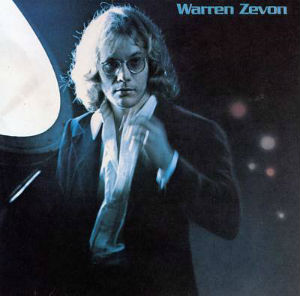
“Warren Zevon,” Warren Zevon
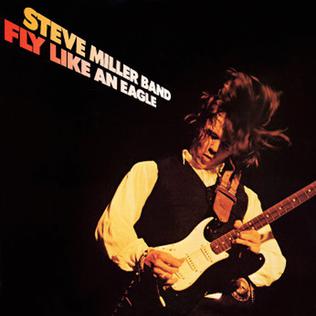
“Fly Like an Eagle,” Steve Miller Band
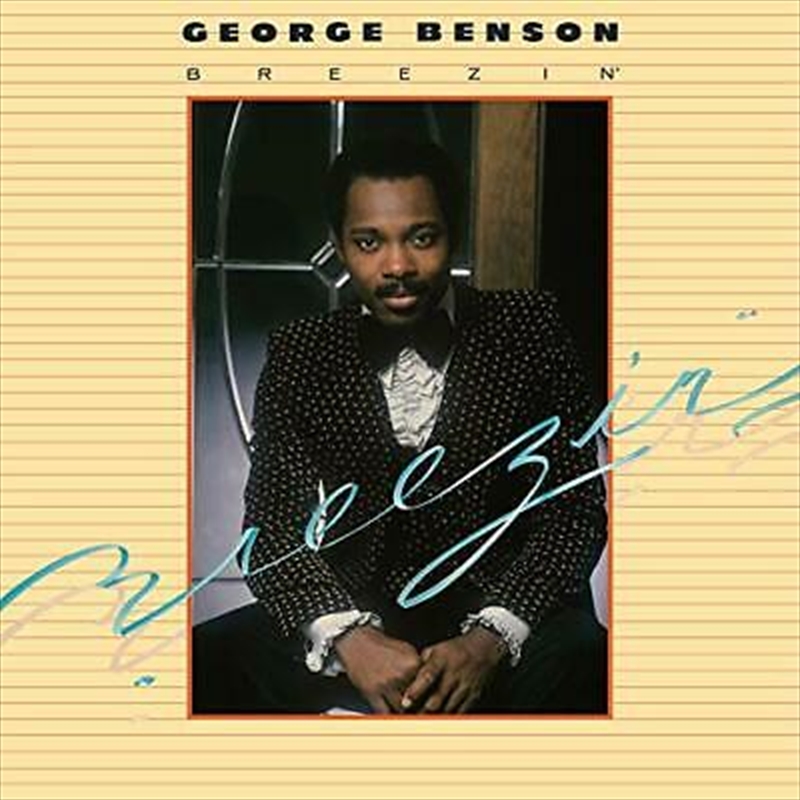
“Breezin’,” George Benson
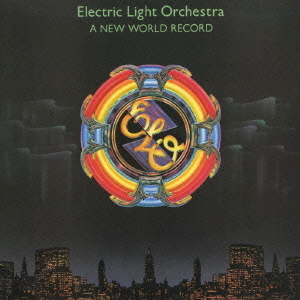
“A New World Record,” Electric Light Orchestra
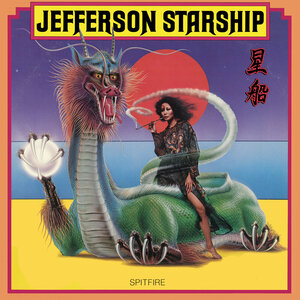
“Spitfire,” Jefferson Starship
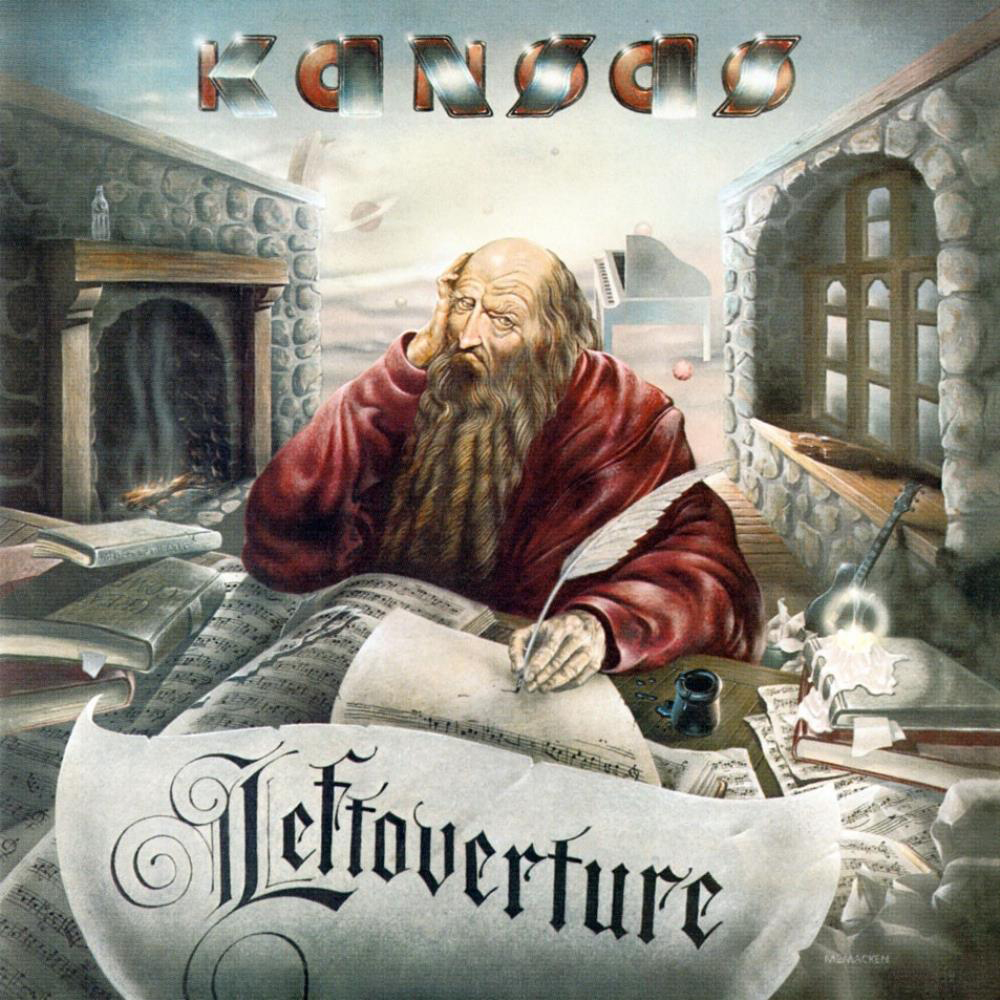
“Leftoverture,” Kansas
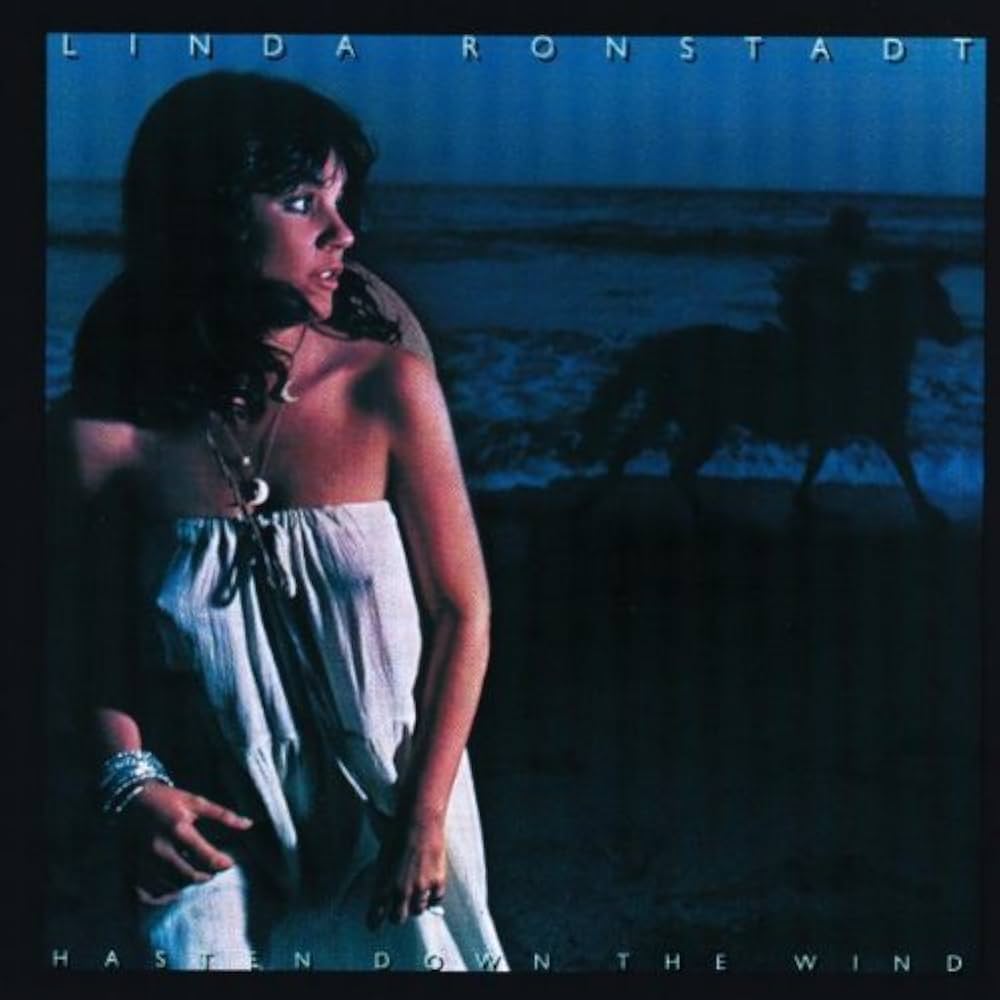
“Hasten Down the Wind,” Linda Ronstadt
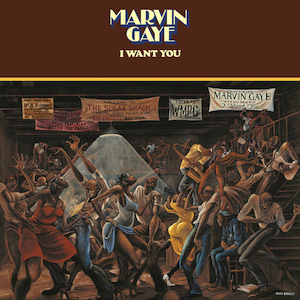
“I Want You,” Marvin Gaye
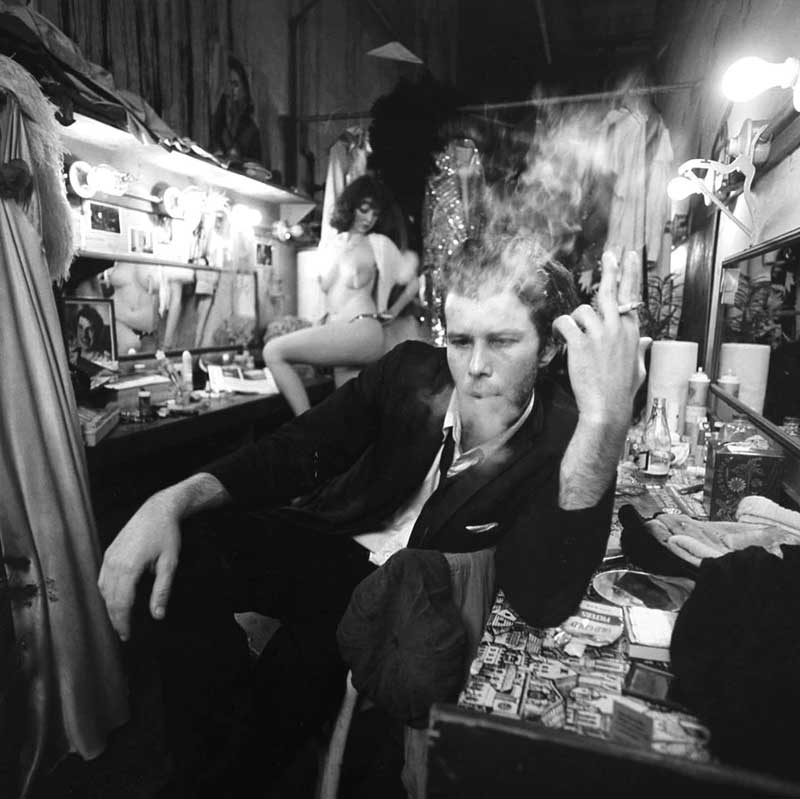
“Small Change,” Tom Waits
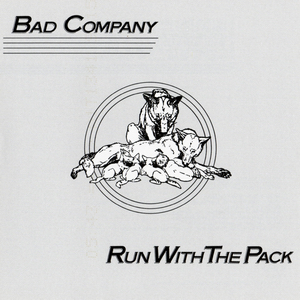
“Run With the Pack,” Bad Company
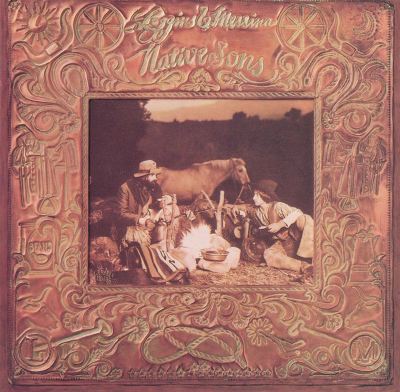
“Native Sons,” Loggins and Messina
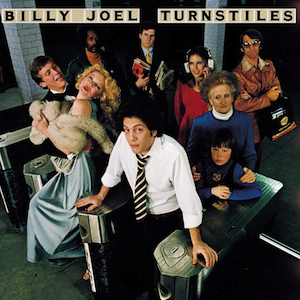
“Turnstiles,” Billy Joel
*************************
 Hack's Back Pages