Like a bloodhound searching for a long lost friend
A few dozen times now, I have featured on this blog batches of songs that I have labeled “lost classics.” In this new age of AI, I thought I’d take a look at how AI defines that term:
“‘Lost classics’ are forgotten, overlooked, or out of print books (often 50+ years old) that possessed high artistic quality but failed to gain mainstream attention upon initial release. They are deemed ‘masterpieces’ worthy of revival, frequently brought back to attention by small presses, specialized series, or literary critics. These are books that were ignored or disregarded when first published, often due to poor timing, niche subject matter, or lack of marketing. They are works with enduring quality that are rediscovered, rehabilitated, and championed by editors, authors, or small, independent publishers.”
That’s pretty much precisely what I’ve been saying all along — with one important difference. AI chooses to use the term in reference exclusively to books, while I have been referring to music — songs and/or albums from decades ago that, in my opinion, have been hidden and neglected but are crying out for their moment in the spotlight.
I offer the dozen songs below as nuggets from the dustbin of rock music history that absolutely deserve your attention. Most of these are tunes by established artists on popular albums; they’re “deep tracks” that never got the radio exposure that would have made them better known to a wider audience. I trust that you’ll agree they merit a closer listen once you hear them on the Spotify playlist you’ll find at the end of the piece.
******************************
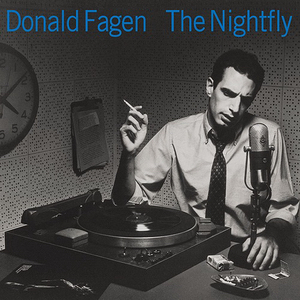
“The Goodbye Look,” Donald Fagen, 1982
Steely Dan’s seven albums between 1972 and 1980 still hold up today as some of the smartest, most technically proficient and crisply produced albums in rock history. Nearly a dozen hit singles dominated the airwaves throughout the decade, and the albums drew rave reviews and sold millions. When wunderkinds Walter Becker and Donald Fagen complained of fatigue and burnout and parted ways in 1981, Becker went into hiding in Hawaii, but Fagen soon soldiered on alone, producing the excellent LP “The Nightfly,” which sounded pretty much like the next Steely Dan album. While the single “I.G.Y.” got most of the attention, several other songs should’ve been hits in their own right, especially the snappy calypso track “The Goodbye Look.”
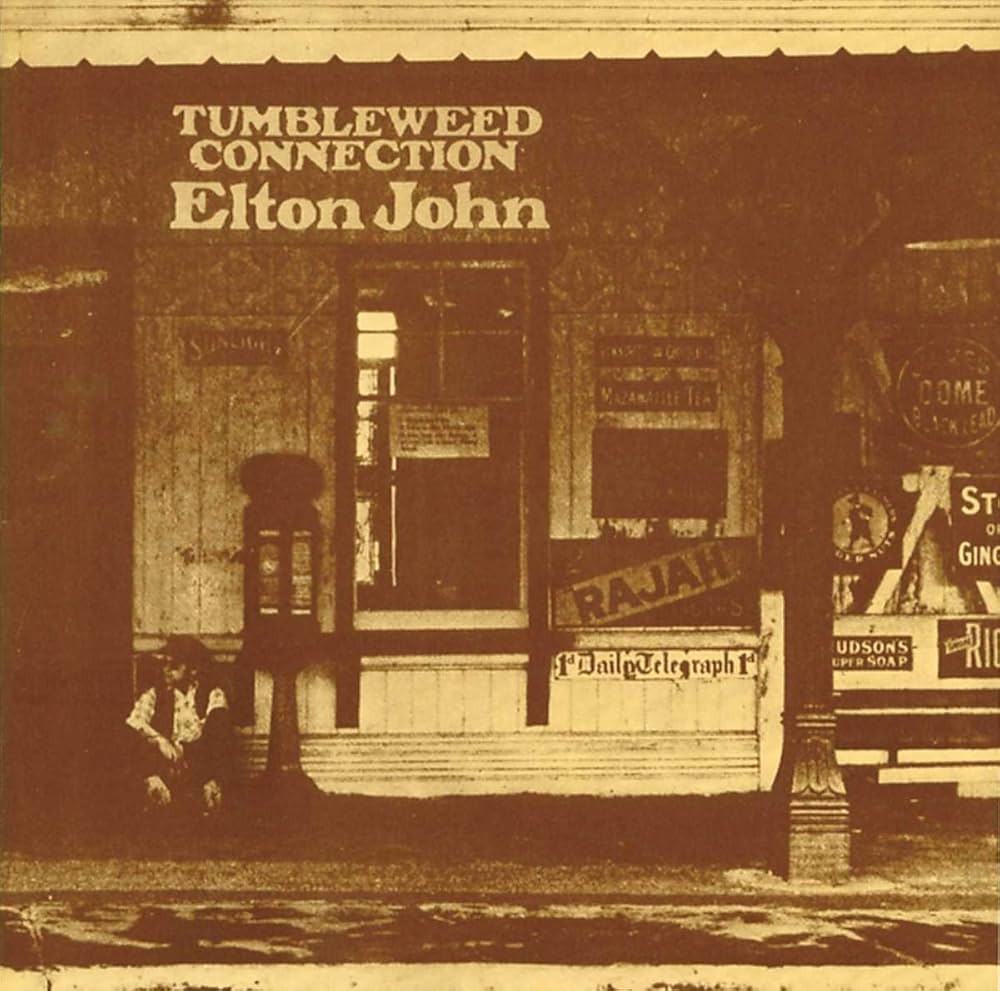
“Where to Now, St. Peter?” Elton John, 1971
At the beginning, one of the most successful songwriters of the century struggled to be noticed. His 1969 debut album, “Empty Sky,” stiffed in the UK and wasn’t even released in the US until years later. His second, “Elton John,” also saw sluggish sales upon its release in March 1970, but it went on to establish him in early 1971 on the strength of his signature tune, “Your Song.” Meanwhile, his third album, “Tumbleweed Connection,” released in October 1970, was a marvelous collection of songs that evoked the American West. It ultimately reached #5 on the US album charts but, incredibly, never produced a hit single. Among the many excellent tracks FM radio chose to play was “Where to Now, St. Peter?,” a lovely piano-based piece in which lyricist Bernie Taupin posed the age-old question every soul asks as he approaches the pearly gates on Reckoning Day.
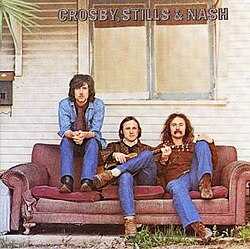
“Lady of the Island,” Crosby, Stills and Nash, 1969
These three exemplary musicians, pooling their talents after their departures from The Byrds, Buffalo Springfield and The Hollies, each contributed three superb tunes, and Stephen Stills (nicknamed “Captain Manyhands”) played most of the instruments and oversaw production on the astonishing “Crosby Stills & Nash” debut LP. With iconic classics like “Suite: Judy Blue Eyes,” “Marrakesh Express,” “Guinnevere,” “Wooden Ships” and “Long Time Gone,” it was easy to overlook the quiet, unassuming Graham Nash ballad “Lady of the Island.” Accompanied only by Stills’ simple acoustic guitar plucking, Nash sang his tender melody as vocal maestro David Crosby weaved in and around him with an intricate scat counterpart. This is SUCH a beautifully delicate song.
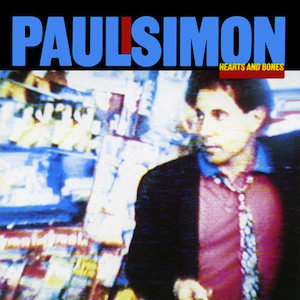
“The Late Great Johnny Ace,” Paul Simon, 1984
In the wake of the hugely popular Simon and Garfunkel “Live in Central Park” reunion LP of 1982, the estranged duo embarked on a US tour, then began working on what was supposed to be a new S&G studio album. But the old tensions returned, and Simon sent Garfunkel packing, turning the ten songs instead into “Hearts and Bones,” another Simon solo work. It received lukewarm reviews and fan response, perhaps a victim of changing times and preferences in mid-’80s pop music (although that would change dramatically with 1986’s “Graceland”). Buried at the end of the LP was its best track, “The Late Great Johnny Ace,” which merged Simon’s musings about the underrated ’50s rock & roller with a wistful verse overtly referencing the 1980 murder of John Lennon. The song proceeds through several moods before concluding with a cello-driven, hymn-like elegy mourning the loss of both men. It was debuted among the songs performed at the Central Park show, but was held off the live album, making its first appearance here.
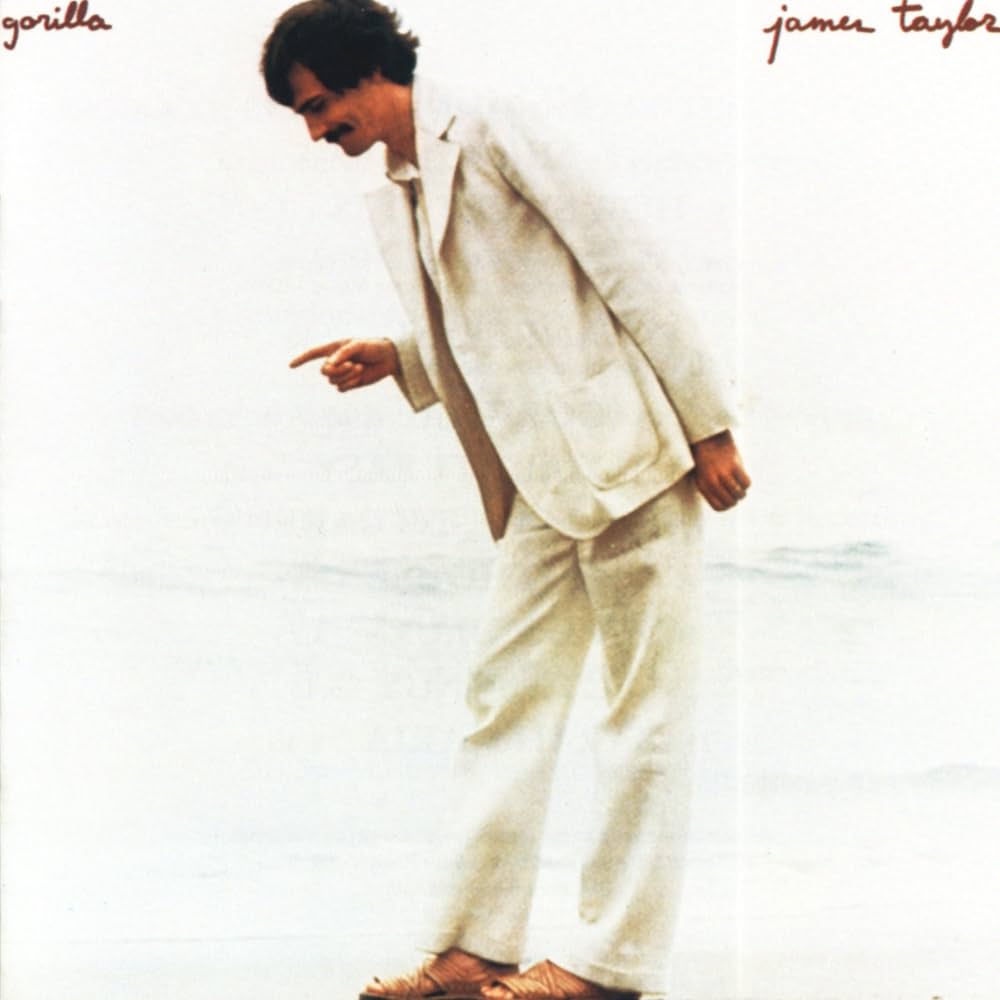
“You Make It Easy,” James Taylor, 1975
Picture this scenario: A married couple fight and the husband storms out, heading down to a quiet bar somewhere to drown his sorrows and ponder his next move. At this vulnerable moment, he is approached by an alluring woman and is sorely tempted to stray, even if only for that one night…“You make it easy, yes you do, for a man to fall…” This hidden track from James Taylor’s popular “Gorilla” album in 1975 serves up a smoldering melody and confident lead vocal, coaxed along by David Sanborn’s sexy sax solo. The man in the lyrics of “You Make It Easy” ultimately sends the woman on her way, concluding that he has too much to lose by jeopardizing his marriage. I rank this one among the Top 15 songs in Taylor’s voluminous catalog.
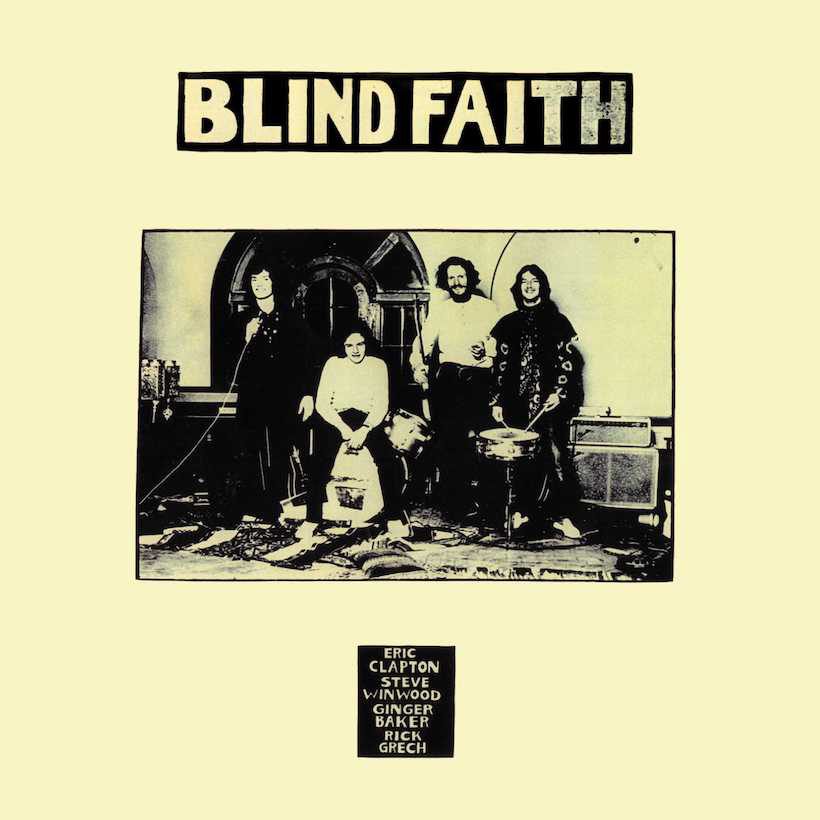
“Can’t Find My Way Home,” Blind Faith, 1969
Critics and fans alike anticipated great things when Steve Winwood and Eric Clapton, each recovering from the breakup of their popular bands Traffic and Cream, joined up to form Blind Faith in the spring of 1969. The crushing hype and expectations doomed the group from the get-go, and they split after one brief tour, but the resulting album, which was greeted curiously at first, nevertheless reached #1 on US album charts and today ranks among the finest of its era. Winwood wrote most of the songs, with “Sea of Joy” and “Had to Cry Today” getting the bulk of the FM radio airplay. Clapton weighed in with the impressive spiritual piece, “Presence of the Lord,” and drummer Ginger Baker came up with the hypnotizing “Do What You Like,” which was extended into a 16-minute jam with guitar solo, bass solo and drum solo before a bizarre coda fadeout. The real jewel of the bunch was Winwood’s gorgeous acoustic guitar song, “Can’t Find My Way Home,” which both artists have included in different arrangements in their live solo repertoires in the decades since.
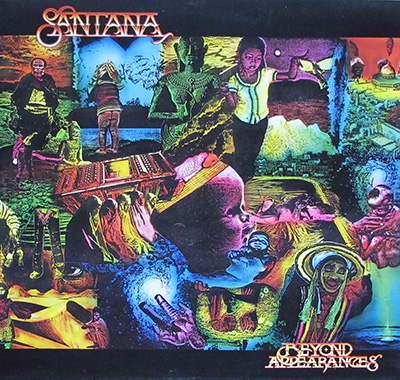
“Written in Sand,” Santana, 1985
After three explosively inventive albums in the 1969-1971 period, the original lineup of Santana broke up, and leader Carlos Santana chose to work with multiple collaborators (John McLaughlin, for one) and experimented with a variety of musical styles over the next decade — jazz fusion, samba, blues — with varying degrees of success. In 1985, following a pair of commercially successful LPs with hit singles (“Winning” and “Hold On”), the album “Beyond Appearances” seemed to fall on deaf ears, comparatively speaking. As often happens on albums like this, there were a couple of top-shelf songs buried deep in the track listing. The one that really grabs me is the dreamy “Written in Sand,” one of the all-time best night driving songs ever. Santana’s guitar work is astonishing here.
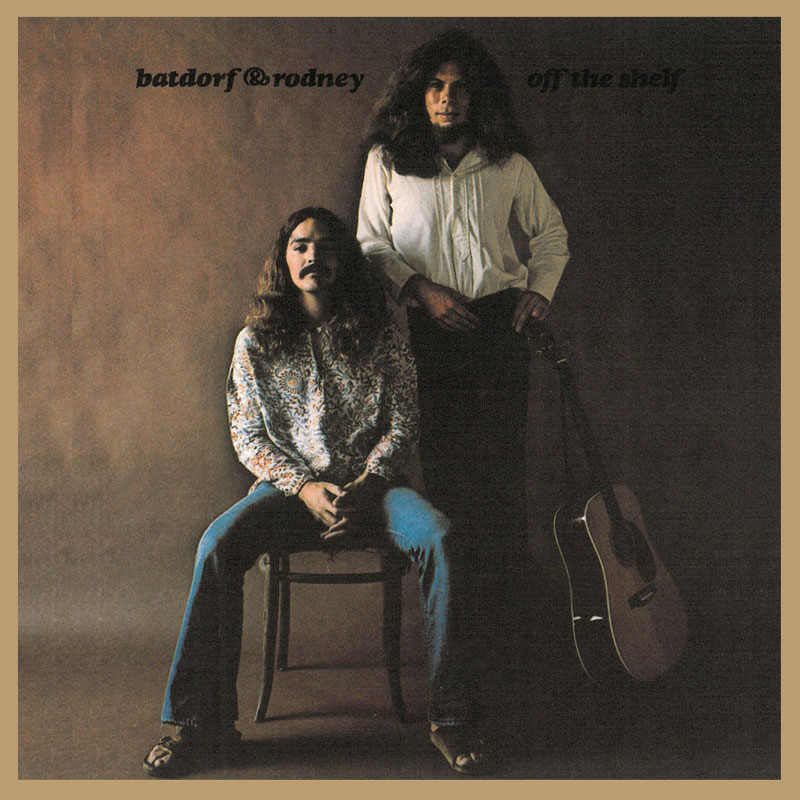
“Can You See Him,” Batdorf and Rodney,” 1971
The singer-songwriter genre was huge in the early ’70s, with Crosby, Stills and Nash, James Taylor, Carole King, Cat Stevens, Joni Mitchell and others leading the way. With so many acts vying for a piece of the pie, inevitably some didn’t get the attention they so richly deserved. Perhaps the greatest of these artists was the duo of John Batdorf and Mark Rodney, who offered up some of the best harmonies, acoustic guitar work and songwriting to ever miss the charts. Just one listen to their debut album, “Off the Shelf,” is all it should take to convince you that the record-buying audience really missed the boat by overlooking these guys. Joyous melodies, sharp production values, delightful harmonies abound on tracks like “Oh My Surprise,” “You Are the One,” “Let Me Go,” “One Day” and “Where Were You and I.” But nothing can touch the sheer exuberance and majesty of the six-minute masterpiece “Can You See Him,” which some FM disc jockeys were savvy enough to play. Do yourself a favor and check out this amazing song, album, and artist. Batdorf, by the way, continues to write and record new music 55 years later.
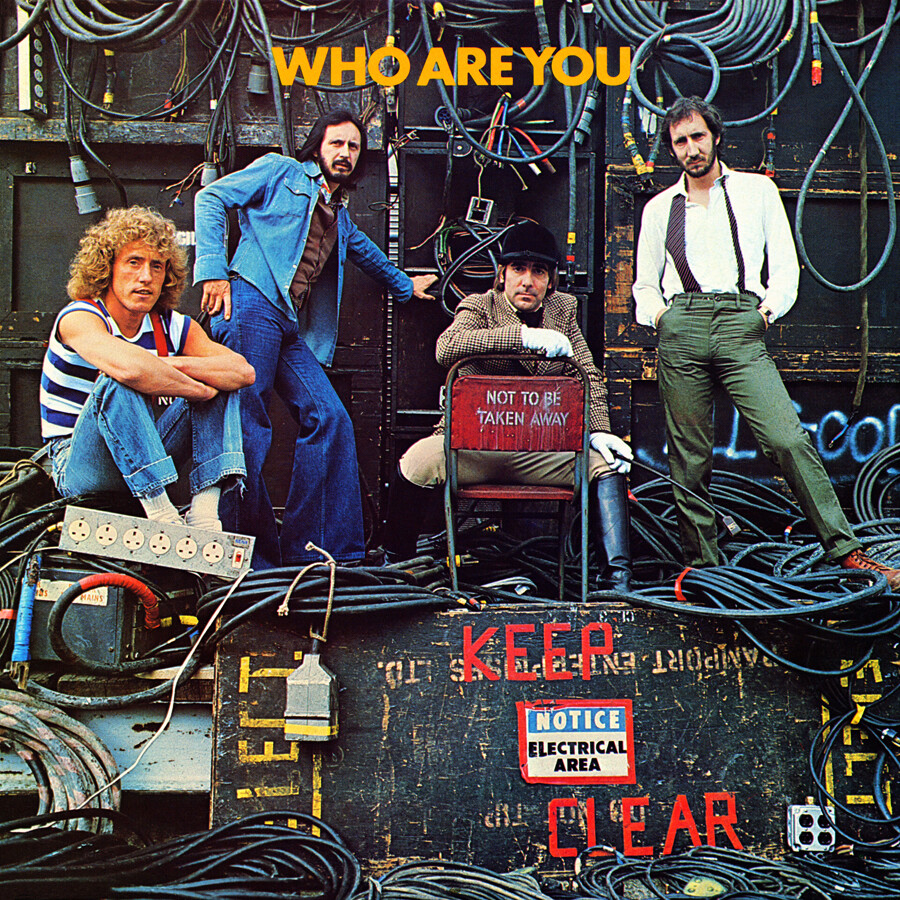
“Guitar and Pen,” The Who, 1978
By 1978, the best work of Pete Townshend and The Who seemed to be behind them. The music scene had splintered into either the raw insolence of punk or the effervescent sheen of disco, neither of which had room for the power chords and arena anthems of The Who. Townshend struggled with depression and burnout, but he continued plugging away in his home studio, relying more and more on synthesizers in his songwriting. Critics and fans were therefore delighted by the release of the album and song “Who Are You,” which put the band right back among the premier acts in the business. Among the underrated autobiographical tracks that dominated the album was “Guitar and Pen,” Townshend’s incisive look at the songwriter’s predicament — the frustration of writer’s block and the inability to take fragments of musical and lyrical ideas and turn them into a finished track. The arrangement and Daltrey’s vocal performance carry the day.
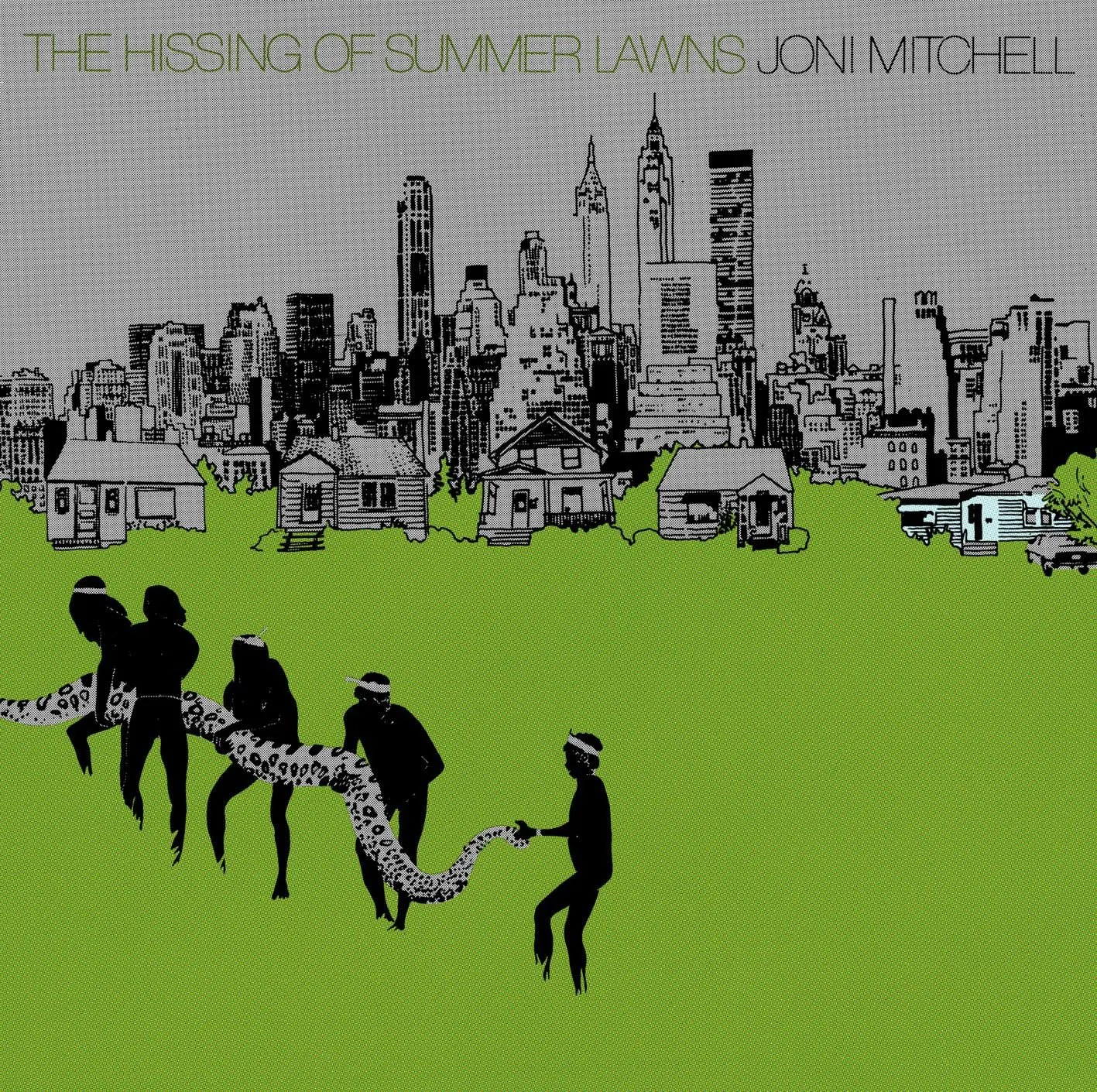
“Don’t Interrupt the Sorrow,” Joni Mitchell, 1975
The ethereal songstress from the Canadian prairies had been turning heads since her arrival in 1968 with incredible poem-songs like “Both Sides Now,” “The Circle Game” and “Chelsea Morning.” She reached a commercial peak in 1974 with the shimmering “Court And Spark” LP and its hits “Help Me” and “Free Man in Paris,” followed closely by the superb live album “Miles of Aisles.” So fans were a bit perplexed by Mitchell’s next move — a significant turn toward jazz influences with her 1975 collection, “The Hissing of Summer Lawns.” She retained the services of saxophonist Tom Scott and his L.A. Express musicians, and wrote boldly experimental songs and arrangements that fused folk, rock and jazz in memorable ways. Reviews were mixed, but those in the know raved about the trailblazing work she was doing on tracks like “”Shadows and Light,” “Edith and the Kingpin,” “Harry’s House” and the wonderful groove of “Don’t Interrupt the Sorrow.”
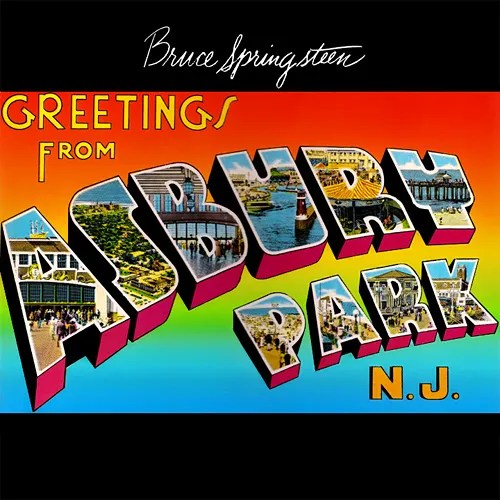
“It’s Hard to Be a Saint in the City,” Bruce Springsteen, 1973
Among the handful of artists who were saddled with the impossible-to-live-up-to label as “the new Dylan” was the scruffy, streetwise songwriter from Asbury Park, New Jersey. His first two albums — chock full of fantastic story-songs overflowing with words and images of the hardscrabble life along the Jersey shore in the early ’70s — were met with profound indifference by the record-buying public and a cynical press skeptical of record company hype. His incendiary live shows established his reputation as a game-changer, a restless maverick who would revitalize rock just when it needed it most. Eventually his fans would revisit his early work, and they found the original (and better) version of “Blinded By the Light” and such diamonds as “Growin’ Up,” “For You,” “Spirit in the Night” and the amazing “It’s Hard to Be a Saint in the City,” a regular part of his concert setlist during his rise to fame.
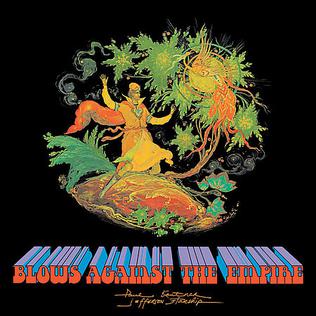
“Let’s Go Together,” Paul Kantner/Jefferson Starship, 1970
The Jefferson Airplane started running out of gas after its Woodstock appearance and heroic 1969 album “Volunteers.” Although a few more half-baked Airplane albums were still to come, most of its members were trying various solo and spinoff projects, including Jorma Kaukonen and Jack Casady’s band, Hot Tuna. Paul Kantner, meanwhile, collaborated with Grace Slick and some of the better musicians of the Bay Area, including Casady, Jerry Garcia and David Crosby, among others, and the stunning result was a sci-fi/prog rock classic called “Blows Against the Empire,” the first album that ever included the moniker Jefferson Starship. The LP is brimming over with utopian lyrics, engaging melodies and vocals, and strong instrumental passages, particularly on songs like “Starship,” “Have You Seen the Stars Tonite,” “A Child is Coming” and especially “Let’s Go Together,” a counterculture call to arms carried by Slick’s and Kantner’s soaring lead vocals and harmonies.
*****************************
 Hack's Back Pages