Don’t let this cold world get you down

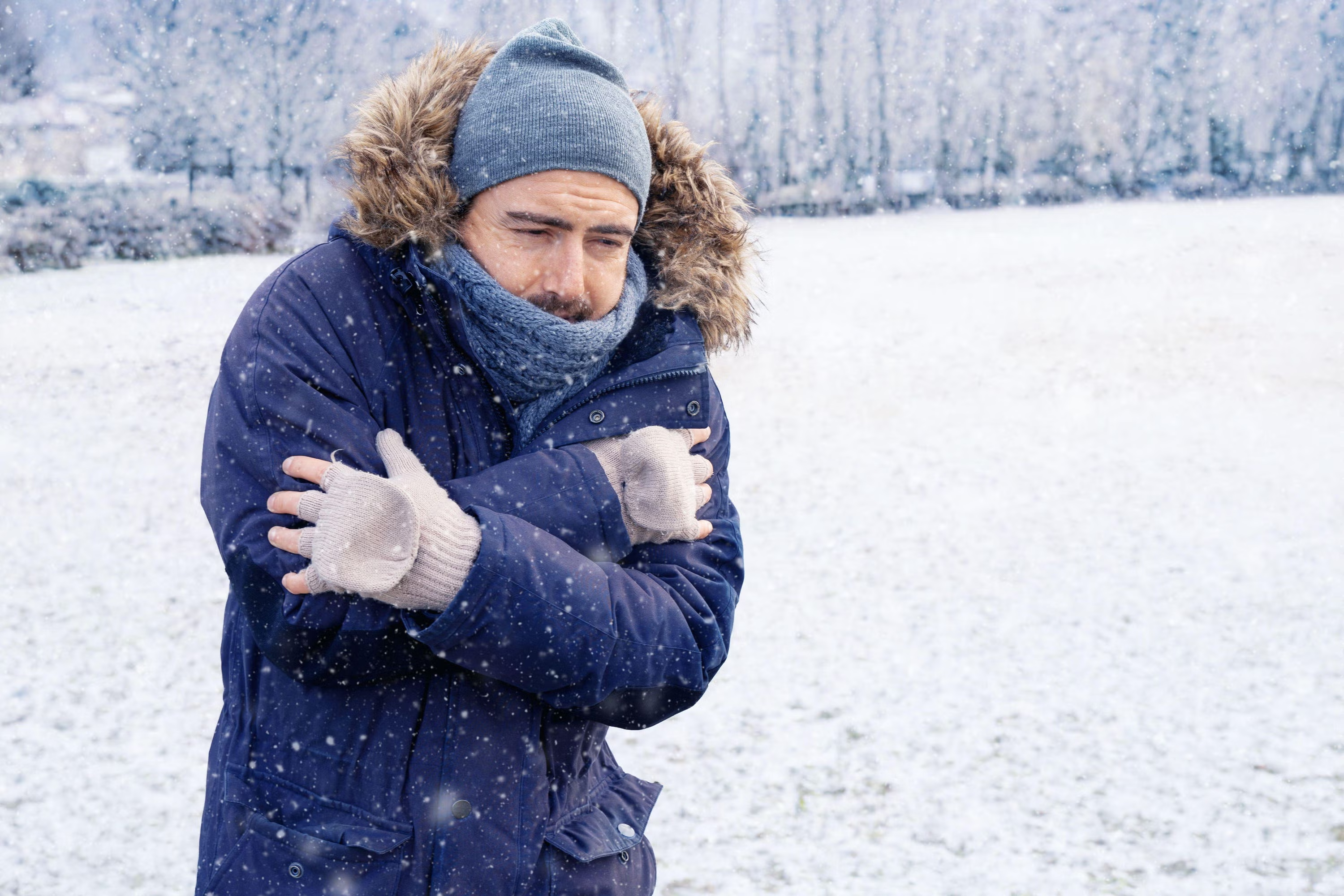
When I was young growing up in Cleveland, I looked forward to winter. It meant I could get bundled up and go sledding, build a snowman, have snowball fights and — just maybe, if it snowed enough — get a day off from school. I don’t remember the cold temperatures bothering me much, but perhaps I had selective memory about that.

Once I became an adult, winter turned into something to be not enjoyed but endured. I cursed the cold weather — scraping ice off my windshield, jump-starting the car on frigid mornings, shoveling the driveway, having to wear heavy coats, scarves, gloves and hats to fend off bone-chilling temperatures.

During my years living in Atlanta, then Los Angeles and now Nashville, I have celebrated the far milder winters that offered nothing worse than a handful of sub-20 degree nights and the rare ice storm. Instead of four months of misery, winter in those cities lasts mere weeks and is far more bearable for this guy who has grown physically intolerant of the cold.

Popular songwriters through the years have written often about cold winter weather — perhaps not as much as the warmth and “fun in the sun” of summer climes. Indeed, this blog has featured playlists about each of the four seasons, and the one I compiled for winter includes great tunes like “Snowbound” by Genesis, “The Blizzard” by Judy Collins” and “The Hounds of Winter” by Sting.

For this week’s post, I’ve collected songs about the cold, and this time, that means emotional cold as well as physical cold. Lyricists love combining the two with thoughtful metaphors, because people (spurned ex-lovers, nasty co-workers, arrogant strangers) can be every bit as cold as the outdoors in December, January and February.

Build a fire and grab some hot cocoa as you check out these tunes!

*************************

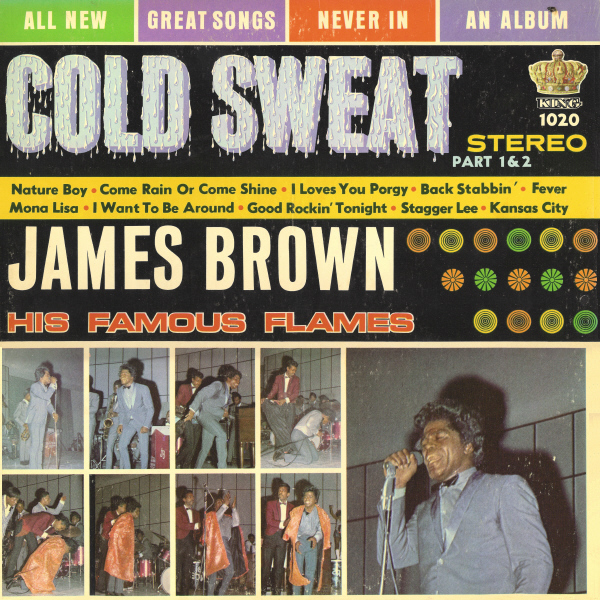
“Cold Sweat,” James Brown, 1967

The release of “Cold Sweat” in 1967 has been widely regarded as the first true funk song, “a radical departure from pop music conventions at the time,” said legendary producer Jerry Wexler. “It deeply affected the musicians I knew, just freaked them out. No one could get a handle on what to do next.” Brown wrote it with bandleader Pee Wee Ellis based on his earlier blues tune “I Don’t Care.” One critic called it a “rhythmically intense, harmonically static template” for much of the material Brown would release in the ensuing years, where the rhythm became more important than the melody. The lyrics celebrate how his woman’s affections “make me break out in a cold sweat.” The seven-minute album version of “Cold Sweat” was broken into a two-part single, with Part 1 reaching #7 on the pop charts.

“Cold as Ice,” Foreigner, 1977

During the recording of Foreigner’s debut LP in 1976, the producer didn’t like one of the tracks and suggested they write something else to replace it. Guitarist Mick Jones came up with “Cold as Ice,” which referred to the emotional coldness the narrator felt from his ex-girlfriend. The band worked all night at a New York studio to record the track, unaware that outside, a blizzard was raging. “It turned out it was the coldest night on record in New York, something like 20 below,” said Jones. “That seemed to be a pretty good omen for the song.” Indeed, the richly textured tune became the second single from the album, reaching #6 on US pop charts in 1977, the second of nine Top Ten songs the band achieved over the next decade.

Cold Cold Cold,” Little Feat, 1972

The New Orleans blues funk of Little Feat, led by the late great Lowell George, deserves far more attention and awards than they’ve received over the years. Their initial run in the 1970s includes some magical moments, chronicled on seven solid studio LPs and a live package. One of George’s better originals is “Cold, Cold, Cold,” a robust tune which first appeared on 1972’s “Sailin’ Shoes” and then again in a medley with “Tripe Face Boogie” on 1974’s “Feats Don’t Fail Me Now.” I chose to feature the fine in-concert version that appears on “Waiting For Columbus,” one of rock’s best live albums: “Cold, cold, cold, that woman was freezing, freezing cold, /Well, I tried everything to warm her up, /Now I’m living in the cold hotel ’cause she passed me up or she passed me by…” 

“It’s Cold Outside,” The Choir, 1966

In Cleveland, where I grew up, a local group known as The Choir earned a following playing covers of early British Invasion tunes by The Beatles, The Who and The Rolling Stones. They began writing their own songs and, in 1966, released the catchy “It’s Cold Outside,” with lyrics referred to cold rainy weather that reinforced the sadness of a romantic breakup. It stalled on the national charts at #68, but it emerged as a huge hit in Ohio in the spring of 1967, reaching #1 on several Top 40 radio stations there. It has since appeared on multiple collections that featured ’60s garage rock and power pop tunes. Three of the four members of The Choir later met up with singer-songwriter Eric Carmen in 1971 and formed The Raspberries, who had several Top Ten hits in the early ’70s.

“Cold Cold World,” Stephen Stills, 1975

From his Buffalo Springfield days through his “Super Session” work with Al Kooper and on into his classic stuff with David Crosby and Graham Nash and then Manassas, Stills has shown himself to be a multi-talented guitarist/songwriter/singer. His solo albums have been more spotty overall, but I always liked his 1975 LP, entitled simply “Stills.” He partnered significantly with newcomer guitarist/singer/songwriter Donnie Dacus on most tracks, and you’ll find great tunes here such as “Turn Back the Pages,” “My Favorite Changes,””First Tings First” and “As I Come of Age.” I really like “Cold Cold World,” a Stills/Dacus collaboration that takes aim at unnamed friends and colleagues who he felt had treated him badly: “I’ve been burned by a cold empty fire, I’ve been turned and led astray, /But you learn when you deal with a liar, it’s a cold cold world, /A cold world when it’s your friends…”

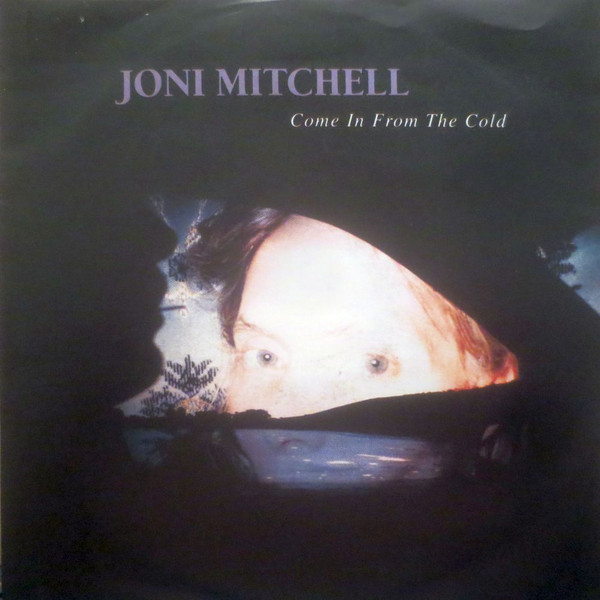
“Come In From the Cold,” Joni Mitchell, 1990

“Night Ride Home,” Mitchell’s 14th studio album, was a welcome return to form after a couple of angry, synth-laden LPs in the 1980s. The autobiographical “Come In From the Cold” is probably my favorite track here, a seven-minute treatise looking back on her childhood and middle age. Through seven verses, she offers examples of how geographical, romantic and professional isolation took their toll on her life, when she yearned for warmer climates and relationships. As a sheltered teen seeking companionship in rural Canada, Mitchell noted, “With just a touch of our fingers, we could make our circuitry explode, /All we ever wanted was just to come in from the cold.” You can hear the folk roots of her early music combined with elements of world-music syncopation and a now deeper vocal register. It was a modest hit as a single in Canada but failed to chart in the US.

“Baby It’s Cold Outside,” Idina Menzel and Michael Bublé, 2014

Songwriter Frank Loesser wrote this call-and-response number in the 1940s, and it won the Best Song Oscar in 1950 for its use in the film “Neptune’s Daughter.” The lyrics feature an insistent man trying to persuade a somewhat reluctant woman to stay longer because the weather is so cold, and in recent years, those in the Me Too movement criticized the words as condoning sexual harassment or even date rape. Interestingly, in the 1950 film, the song is sung twice, the second time turning the tables by having a reluctant man fighting off his aggressive girlfriend. As a classic duet, it has been covered dozens of times by various duos — Ella Fitzgerald and Louis Jordan, Dean Martin and Marilyn Maxwell, Ray Charles and Betty Carter, James Taylor and Natalie Cole, Rod Stewart and Dolly Parton, and Amy Grant and Vince Gill, and John Legend and Kelly Clarkson, to name just a few.

“Out in the Cold,” Tom Petty and The Heartbreakers, 1991

Petty enjoyed a fruitful relationship with ELO leader Jeff Lynne when they teamed up with George Harrison, Bob Dylan and Roy Orbison on their Traveling Wilburys project. That carried over to Petty’s hugely successful “Full Moon Fever” solo LP, co-written and co-produced by Lynne. The two men worked together a third time when Petty reunited with The Heartbreakers for their 1991 album “Into the Great Wide Open,” also co-written and co-produced by Lynne and Petty. “Learning to Fly” was a decent hit, but “Out in the Cold” didn’t fare as well. Said Petty, “That one I was never particularly knocked out with. It was fun, but I thought it was a lesser song on the album.” Its lyrics speak of the pain of loneliness during colder months: “I’m standing in a doorway, I’m out walking ’round, hands in my pockets, /I’m out in the cold, body and soul, there’s nowhere to go, I’m out in the cold…”

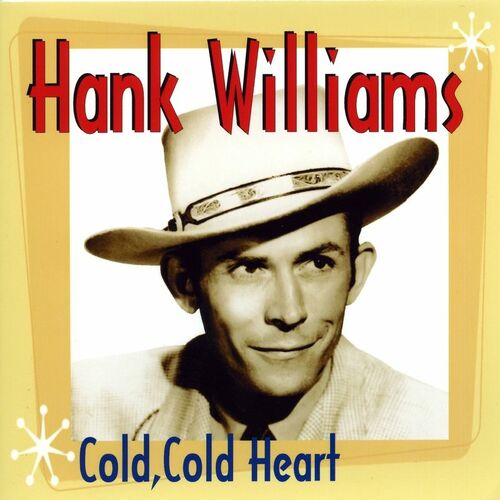
“Cold, Cold Heart,” Hank Williams, 1950

Country music legend Williams said he wrote this iconic song after visiting his wife in the hospital, where she angrily denounced him for causing her problems. She claimed she had been provoked by his relentless womanizing to have an affair of her own, but she got pregnant, attempted a home abortion and ended up in the hospital with a serious infection. “That woman has a cold, cold heart,” Williams told a friend, which became the title of the song, written in 1950: “A memory from your lonesome past keeps us so far apart, /Why can’t I free your doubtful mind and melt your cold cold heart…” Many fine versions have been recorded, and although it was Norah Jones’s 2002 rendition that introduced me to the song, I decided to feature Williams’s original. But I couldn’t resist including covers by Jones, Nat King Cole, Norah Jones, Van Morrison, and John Prine and Miranda Lambert at the end of the Spotify playlist.

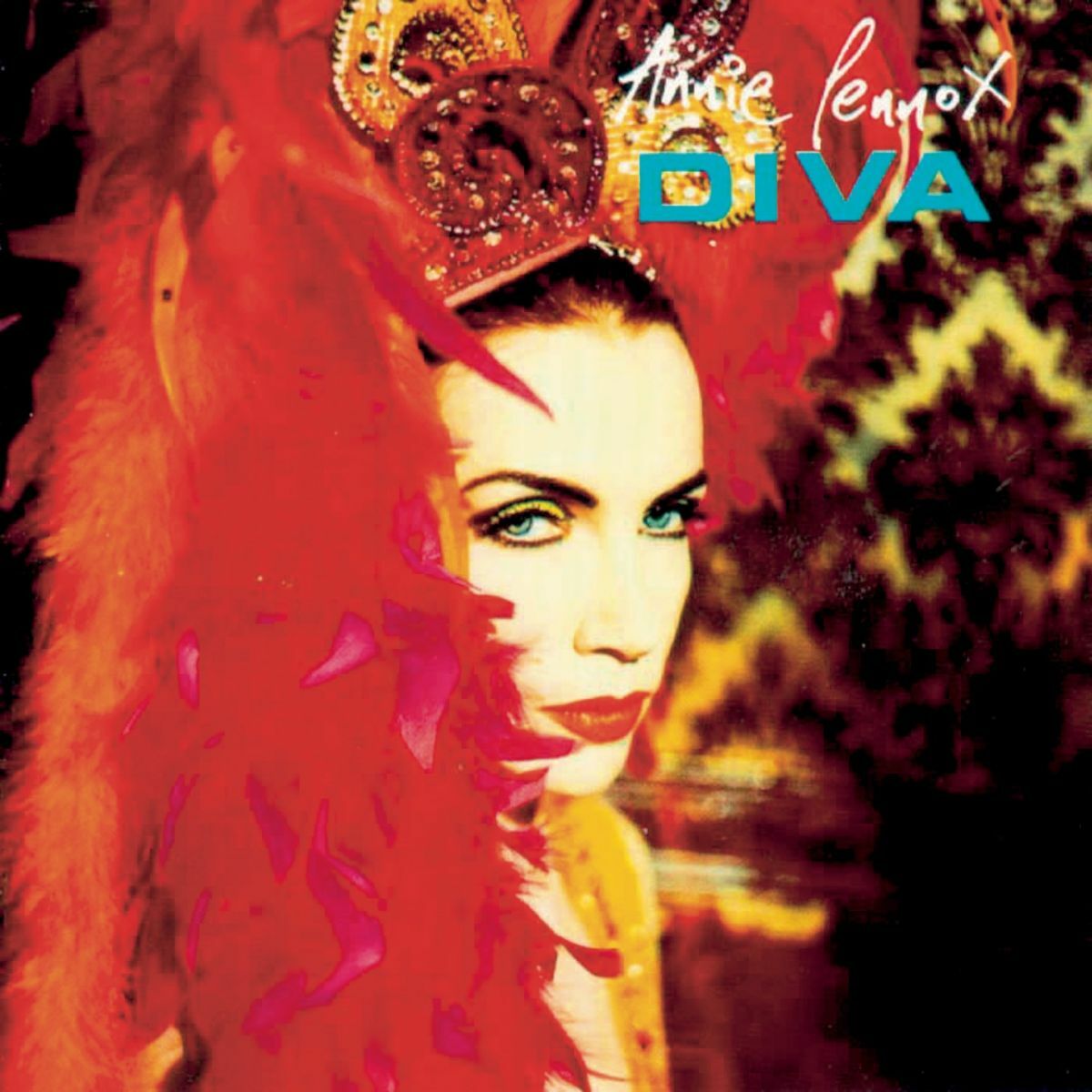
“Cold,” Annie Lennox, 1992

The incredible force that is Lennox’s voice made itself known during her time as one half of Eurythmics in the 1980s. Since going solo with her 1992 album “Diva,” her pipes have only gotten better. She has recorded numerous originals and classic covers with equal flair on her five solo LPs, all of which rank high in my record collection. From “Diva,” the single “Walking On Broken Glass” reached #14 here, while in the UK, three other singles made waves. “Cold” peaked at #26 there, with one reviewer stating, “This moody showpiece has a sparse keyboard arrangement that comes in like sheets of ice, with Lennox’s unsettling voice as harsh as an arctic frost. It also has some of Lennox’s best images and phrasing expressing heartache and regrets.” Here’s a sample: “Winter has frozen us, let love take hold of us, cold cold cold, /Now we are shivering, blue ice is glittering, cold cold cold…”

“Cold Shot,” Stevie Ray Vaughan, 1984

Vaughan, a leading proponent of the blues revival of the 1980s, is universally praised as one of the finest blues guitarists of all time, despite having his career tragically cut short in a 1990 helicopter crash when he was only 35. He and his band Double Trouble managed to release five studio LPs and an incendiary live album, all featuring both original material and traditional blues tunes. From their second LP, 1984’s “Couldn’t Stand the Weather,” you’ll likely recognize Vaughan’s astonishing cover of Jimi Hendrix’s “Voodoo Child” and the funky title track, but the song that stands out for me is “Cold Shot,” a marvelous blues shuffle by Michael Kindred on which Vaughan gives his axe a hell of a workout. “Once was a sweet thing, baby, held that love in our hands, but now I reach to kiss your lips, it just don’t mean a thing, /And that’s a cold shot, baby, yeah that’s a drag, a cold shot, babe, we’ve let our love go bad…”

“She’s So Cold,” The Rolling Stones, 1980

Following the huge success of 1978’s “Some Girls” LP and its two singles, “Miss You” and “Beast of Burden,” The Stones took their time on the next batch of songs, eventually coming up with 18 tracks, which they pared down to ten to comprise “Emotional Rescue,” another #1 LP in the US and elsewhere in 1980. The disco-ish title track reached #3 on US charts, but the punky-sounding “She’s So Cold” managed only #26 as the second single. Like other tunes selected for this blog, it uses physical metaphors for hot and cold to connote the relationship challenges when one party is fired up and the other is aloof: “I’m the burning bush, I’m the burning fire, I’m the bleeding volcano, /I think she was born in an arctic zone, I tried re-wiring her, tried re-firing her, I think her engine is permanently stalled, /I’m so hot for her but she’s so cold…”

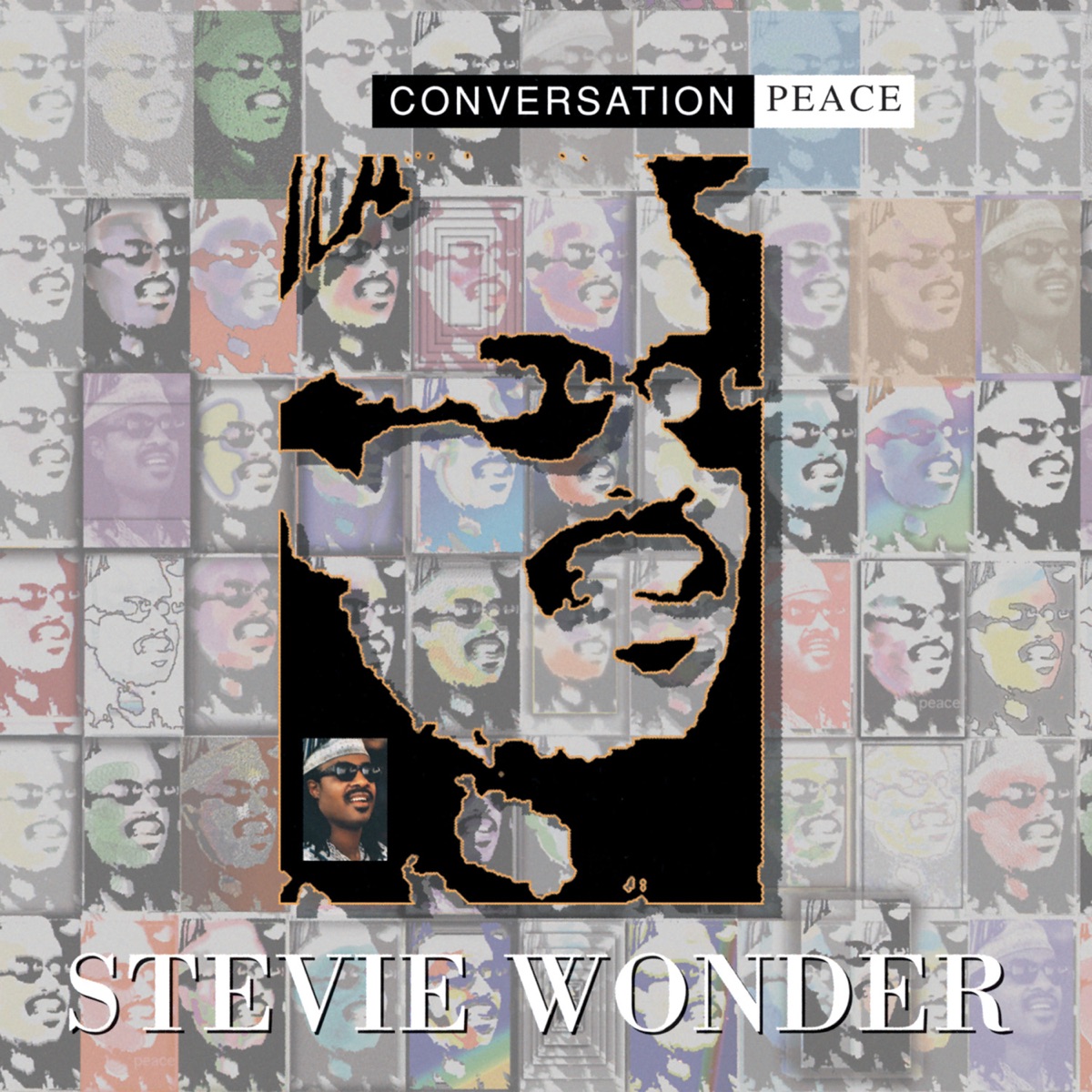
“Cold Chill,” Stevie Wonder, 1995

After dominating the charts in the 1960s and 1970s, Wonder’s musical output slowed in the ’80s, and since the ’90s, he has released only two albums. “Conversation Peace” in 1995 is a solid effort, although mostly neglected by the press and the public. The single “For Your Love” stalled at #53 on pop charts but still earned a Best R&B Vocal Performance Grammy. I’m partial to the alluring funk groove of “Cold Chill,” which sounds to me reminiscent of his “Songs in the Key of Life” heyday. In the lyrics, Wonder’s narrator bemoans how his former lover treats him so rudely, bringing the relationship to an abrupt end: “It was a cold chill on a summer night, never thought the girlie wouldn’t treat me right, /It was a cold chill on a summer day, never thought the girl would dog me out that way, /It was a cold chill on a summer morn, never cried like a baby since the day I was born, /It was a cold chill on a summer eve, never had no chopper bring me to my knees…”

“Cold,” Elton John, 1995

One of the biggest superstars of the ’70s pop/rock scene fell on harder times in the ’80s as personal problems and declining sales took their toll (as spelled out in the recent “Rocket Man” musical biopic). John and lyricist Bernie Taupin rebounded in the ’90s with several strong studio LPs (“The One,” “The Big Picture”), a handful of Top Ten singles and the soundtrack to “The Lion King.” Another album, “Made in England,” reached #13 on US charts, as did its first single, “Believe.” Just for fun, the John/Taupin team chose to use one-word titles on almost every track (“House,” “Please,” “Lies,” “Pain,” among others). One song called simply “Cold” offered another example of equating physical and emotional cold: “‘I don’t love you’ is like a stake being driven through your heart, /But I don’t care, II came back for you, /Love is cruel, but I don’t care, /I wanted you, and I’m cold…”

“Cold Rain,” Crosby, Stills and Nash, 1977

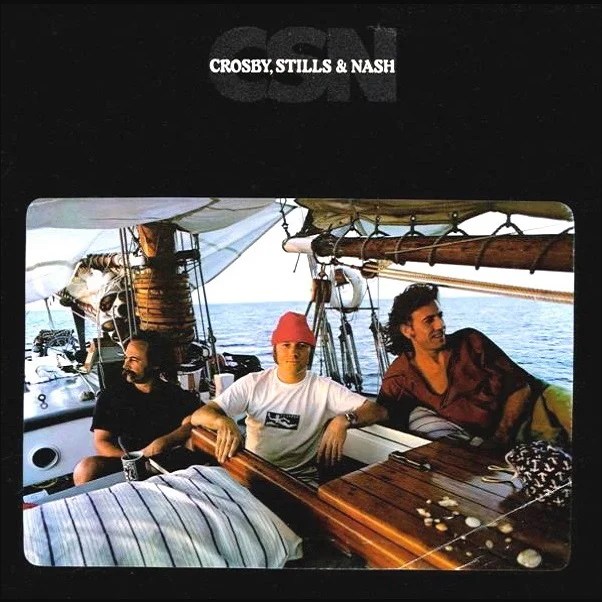
After runaway success with their “Crosby, Stills and Nash” debut and #1 LP “Deja Vu” with Neil Young, the trio of David Crosby, Stephen Stills and Graham Nash spent six years as solo artists and duos, producing some fine songs that somehow didn’t quite measure up to their initial work as a trio. In 1977, the three singer-songwriters reunited and released the triumphant “CSN” album, which reached #2 on US charts on the strength of two popular singles, Nash’s “Just a Song Before I Go” and Stills’s “Fair Game.” The LP is chock full of great tracks like “Shadow Captain,” “See the Changes,” “Cathedral,” “I Give You Give Blind” and “Dark Star.” The wistful Nash tune “Cold Rain” is a masterful example of lyrics and music merging to paint an aching, melancholy mood: “Cold rain out on the streets, I am all alone, /Cold rain down on my face, I am heading home…”

“Out in the Cold,” Carole King, 1971

King’s 1971 iconic “Tapestry” is one of the most popular LPs of all time, chock full of hits and deep tracks that cemented King’s name in the pantheon of brilliant pop songwriters as well as performing artists. Song after song after song, the album’s lineup is as consistently excellent as any from that era’s confessional singer-songwriters. I didn’t know this until one day last week, but King wrote one more song for “Tapestry” that didn’t make the cut, and was never released until 1999 when it appeared on a re-issue. “Out in the Cold” is a joy to hear all these years later. In it, the female narrator confesses to being unfaithful to her man, which costs her dearly: “If you open up a new door, you may find the old one’s closed, /So be true to your good man, take a lesson from this story I have told, /Or you just might get left out in the cold…”

“Fuck, I Hate the Cold,” Cowboy Junkies, 2012

A friend turned me on to this emphatically stated song lyric at the last minute, and I simply had to include it, because it precisely sums up my feelings about the cold. The Cowboy Junkies, an alternative country/folk group from Toronto, have been around since the mid-’80s, recording 16 studio albums over forty years and are still out there touring today. Their major label debut in 1986 included the remarkable remake of Lou Reed’s classic “Sweet Jane,” while their 1990 LP “The Caution Horses” fared the best on US charts with original tunes like “Sun Comes Up, It’s Tuesday Morning.” Being Canadians, they certainly earned the right to bitch about the frigid winters there: “Too much time on this winding trail of a tale yet to be told, /Baby, I’m getting old and, fuck, I hate the cold…”

***************************

Honorable mention:

Cold Turkey,” John Lennon, 1969; “Cold Rain and Snow,” Grateful Dead, 1967; “Stone Cold Sober,” Crawler, 1977; “Cold Sweat,” Thin Lizzy, 1983; “Out in the Cold,” The Strawbs, 1974; “Hot Love, Cold World,” Bob Welch, 1977; “Cold Black Night,” Fleetwood Mac, 1968; “Stone Cold Crazy,” Queen, 1974.

Cold, Cold Heart,” Nat King Cole, 1964; “Cold, Cold Heart,” Norah Jones, 2002; “Cold, Cold Heart,” John Prine & Miranda Lambert, 2016; “Cold, Cold Heart,” Van Morrison, 2023.

****************************

Let me live in your blue heaven when I die

Apologies to bass players everywhere, but the average music fan doesn’t give much thought to you and what you might provide to a band’s sound. Singers, guitarists, keyboard players, sax players, even drummers all seem to get more attention than the guy or gal off to the side who dutifully plays that four-stringed instrument.

There are exceptions — extraordinary bassists like Paul McCartney, James Jameson of Motown’s “Funk Brothers” house band, John Entwistle of The Who, Jack Bruce of Cream, Carol Kane of LA’s “The Wrecking Crew”, Chris Squire of Yes — but even these virtuosos’ names aren’t necessarily familiar to casual rock music followers.

I’m NOT a casual follower. I’m more of an obsessed fanatic who has been accused of having encyclopedic knowledge of classic rock music and its players. And yet, I concede I’m guilty of not having mentioned the name of Phil Lesh when I’ve listed the top-flight bass players of his age.

Lesh, who died last week at age 84, anchored The Grateful Dead from inception to dissolution, a 30-year span in which he participated in 14 studio albums, eight live albums and somewhere in the neighborhood of 2,300 concerts. That in itself is a monumental achievement but, because I was never what you’d call a huge Dead fan, I wasn’t really aware until after his death how influential, how imaginative, how remarkable his bass playing was.

As Jim Farber put it The New York Times: “Lesh’s bass work could be thundering or tender, focused or abstract. On the Grateful Dead’s studio albums, his lines held so much melody that one could listen to a song just for his playing alone. At the same time, he shared his bandmates’ love for unusual chord structures and uncommon time signatures. In constructing his bass parts, he drew from many sources, including free jazz, classical music and the avant-garde.”

Unique among rock bass players was Lesh’s background as a classical violinist and trumpeter, an orchestral composer and student of avant-garde musical genres in the years preceding his joining the original lineup of The Warlocks, the band Jerry Garcia founded from which The Grateful Dead was born. Lesh had never played a bass before but told Garcia he wanted to learn it. Said Lesh years later, “It never really mattered to me very much what instrument I was playing, so long as I could make some music.”

It was his lack of experience with the instrument that allowed him to reimagine its role in rock music, drawing inspiration from the harmonics present in works he admired by Bach and the jazz bassist Charles Mingus. It was this unique montage of influences, Lesh wrote in his autobiography, that resulted in the sound that he and the Dead devised as “not rock, jazz or blues, but some kind of genre-busting rainbow polka-dot hybrid mutation.”

Lesh used the bass to provide continually evolving counterpoints to Garcia’s ethereal lead guitar lines, as well as the forceful chords of rhythm guitarist Bob Weir, the dynamic synchonicity of drummers Mickey Hart and Bill Kreutzmann, and the appealing keyboards of Ron “Pigpen” McKernan (until his death in 1973). In particular, the exciting interplay between Garcia and Lesh was probably the band’s most important feature. The two men complemented and contrasted each other’s styles to such a degree that they could go off on lengthy improvisations with little risk of alienating listeners.

Last week, Weir offered this summary of Lesh’s influence on his and the band’s development: “Phil turned me on to the John Coltrane Quartet, and the wonders of modern classical music with its textures and developments, which we soon tried our hands at incorporating into what we had to offer. This was all new to most peoples’ ears.”

Indeed, Lesh’s work with the Dead was held in such high regard by the fan base that his most ardent followers would often position themselves at concerts in an area that became known as “the Phil Zone,” in order to better see and hear what he was bringing to the overall sound.

Lesh also chipped in some of the backing vocals to the multi-voice harmonies the Dead showcased. More important, he made major songwriting contributions to the group’s catalog, writing or co-writing such iconic tracks as “Truckin’,” “St. Stephen,” “Cumberland Blues,” “Box of Rain” and “Unbroken Chain,” the last of which also featured Lesh on lead vocals.

While I admired their musical chops and what they were able to achieve in their three decades in the business, I would say I’ve been no more than a modest fan of The Dead over the years.  I own the two marvelous LPs from 1970, “Workingman’s Dead” and “American Beauty”; the awesome triple album, “Europe ’72”; and their surprising commercial comeback in 1987, “In the Dark.”  But if I were to list my favorite rock artists, The Dead wouldn’t make my Top 30.

Part of the reason, I think, is that I felt like I wasn’t really part of the one-of-a-kind bond the band shared with its core audience.  I felt like an outsider, even though I was sympathetic to the sweet devotion, sharing and general kindness that were the hallmarks of the relationship between the band and its fans, who are lovingly referred to as Deadheads.  I feel as if I missed that era.

Lesh noted, “An article in a music magazine once stated, ‘The real medium of rock and roll is records.  Concerts are only repeats of records.’  The Dead represent the opposite of that idea.  Our records are definitely not it.  The concerts are it, but we’re not in such total control of our scene that we can say, ‘Tonight’s the night, it’s going to be magic tonight.’  We can only say we’re going to try it again tonight.  Each night was like jumping off a cliff together.”

Still, Lesh said he was incredulous when the band made the seismic shift from jam band in 1969 to a purveyor of conventional length songs with pleasant melodies and engaging harmonies. “The almost miraculous appearance of these new songs on ‘Workingman’s Dead’ and ‘American Beauty’ would also generate a massive paradigm shift in our group mind: from the mind-munching frenzy of a seven-headed fire-breathing dragon to the warmth and serenity of a choir of chanting cherubim. Personally, I was thrilled that the band could make such a complete musical about-face while still maintaining the flat-out weirdness that I’d come to know and love.”

As the story goes, the name Grateful Dead happened serendipitously when Garcia opened a big book and saw the two words positioned opposite each other on facing pages. It turned out the phrase had a deeper meaning: It refers to folk tales in which “a dead person, or his angel, shows gratitude to someone who, as an act of charity, arranged for their proper burial.”  They found this act of kindness in keeping with their overarching spirit of community. Stumbling on that phrase in a book was just the sort of cosmic randomness that fascinated the group, and it came to dominate how the band would exist throughout its lifetime.  “Every night that we went out on stage, you never knew what might happen,” said Lesh.  “We rarely had a prepared set list.  We just played what felt right at that moment.  I just loved that about us.”

Lesh compared the Grateful Dead’s music to life itself. Both, he said, were “a series of recurring themes, transpositions, repetitions, unexpected developments, all converging to define form that is not necessarily apparent until its ending has come and gone.”

In 1994, a year before Garcia’s death brought the band to its end, The Dead were inducted into the Rock & Roll Hall of Fame. Lesh played in the offshoot bands the Other Ones, the Dead and Furthur, as well as with his own assemblage, Phil Lesh and Friends, releasing the surprisingly strong “There and Back Again” in 2002 (a few tracks are included on the Spotify playlist below). He retired from regular road work in 2014 following a series of health challenges, including a liver transplant, prostate cancer and bladder cancer, and back surgery.

“I would have to say that music and performing are as essential as food and drink to me, but even more so as I get older,” he said in 2005. “While it can sometimes be more of a challenge physically than it was when I was a young whippersnapper, I’ve found that age brings wisdom, and with that comes musical experience and knowledge that I didn’t have when I was younger.”

Added Weir, “Phil wasn’t particularly averse to ruffling a few feathers. We had our differences, of course, but it only made our work together more meaningful. Given that death is the last and best reward for ‘a life well and fully lived,’ I rejoice in his liberation.”

R.I.P., Mr. Lesh. You can be proud of the music and life experiences you shared with the world.

*************************