Long-lost songs I’m so grateful to discover

I admit it. I’m obsessed with the music of the ’60s, ’70s and ’80s.

In addition to the successful songs on the albums from those three decades, there were also many hundreds, even thousands, of deep tracks buried there, just waiting to be unearthed and discovered (or re-discovered) today in 2024. I call them “lost classics,” although some are probably too obscure to qualify as classic. They’re just GREAT SONGS I firmly believe are worthy of your attention.

I’ve posted nearly 500 of these gems, a dozen at a time, in more than 40 different blog entries since I first started “Hack’s Back Pages” in 2015. This current batch (#42 if you’re counting) is comprised of infectious uptempo tunes that just might have you boppin’ around your living room before the day is through. That’s the goal, anyway…

Oh yes: I have a heads-up to all my readers. I keep a list of songs I come across that are potential candidates to make one of my “lost classics” playlists…but I’m always looking for suggestions. If you’ve got a favorite deep track that’s been forgotten or never discovered by most people, by all means, let me know. I’m eager to hear it and put it on the list of possibilities!

*****************************

“Let It Roll,” Little Feat, 1988

One of the most underrated bands of the 1970s despite a fiercely loyal following, Little Feat was led by guitarist/songwriter Lowell George until his death in 1979, after which the group disbanded, but band members Bill Payne, Paul Barrère, Kenny Gradney and Richie Heyward continued to occasionally perform together and separately under different names. In 1988, they joined forces with singer-songwriter Craig Fuller, former founder of Pure Prairie League, and resurrected the Little Feat brand with a superb comeback LP, “Let It Roll.” I saw them tour behind Don Henley that year, turning in a fine performance, and the rollicking title track was a definite standout.

“City to City,” Gerry Rafferty, 1978

Regular readers here will know I am a big Rafferty fan, from his early work with Stealers Wheel (“Stuck in the Middle With You”) to his largely ignored later work. Most impressive in his catalog is his 1978 #1 LP “City to City,” which included his two biggest hits, “Baker Street” and “Right Down the Line,” and a lesser single, “Home and Dry.” The Scot’s husky-smooth voice and memorable melodies have appealed to me ever since, although he had an aversion to performing live, which hurt his commercial momentum. The title song “City to City” sounds like it might be about touring, but the lyrics are instead about riding the rails, as the “goodnight train is gonna carry me home.” The music, too, chugs along like a locomotive.

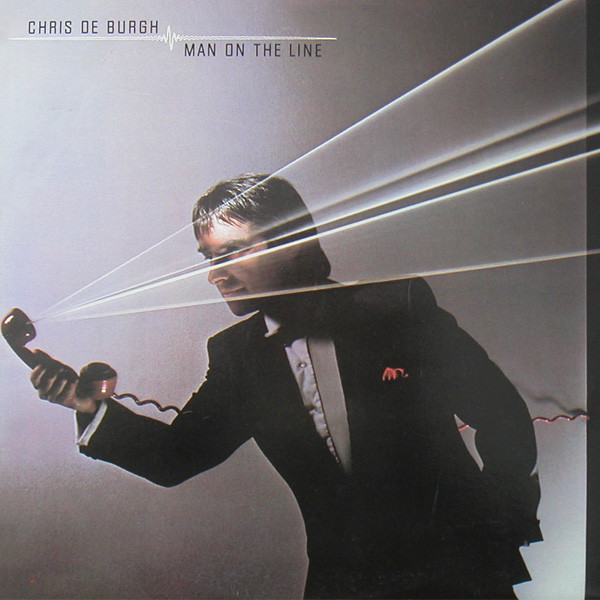
“High on Emotion,” Chris DeBurgh, 1984

British-Irish singer/songwriter DeBurgh started out in the ’70s in the art-rock genre but moved to a more commercial pop style in the ’80s, finally making inroads on both the UK and US charts in the process. The ambitious “Don’t Pay the Ferryman” crashed the Top 40 here in 1982, and by 1986, he scored a #3 hit in the US with “The Lady in Red,” which went on to be an international #1 and used in multiple film soundtracks. In between those two commercial successes, he released the appealing “Man on the Line” LP in 1984, which included great tracks like “Moonlight and Vodka” and “Much More Than This.” He just missed the Top 40 with the album’s catchy single, “High on Emotion.”

“Outskirts,” Bob Welch, 1977

Welch had been lead guitarist and singer/songwriter for Fleetwood Mac in the 1971-1974 period, keeping the band afloat between the Peter Green years and the Buckingham/Nicks multiplatinum years. Welch left to form the hard rock power trio Paris, who produced two middling albums before disbanding in 1976. The songs Welch was writing for a third Paris LP instead became his solo debut, “French Kiss,” which reached an impressive #12 on US album charts in 1977, thanks to three hit singles (“Ebony Eyes,” “Hot Love, Cold World” and a remake of his Fleetwood Mac song “Sentimental Lady”). There are other tracks here that you should know more about, including “Outskirts.”

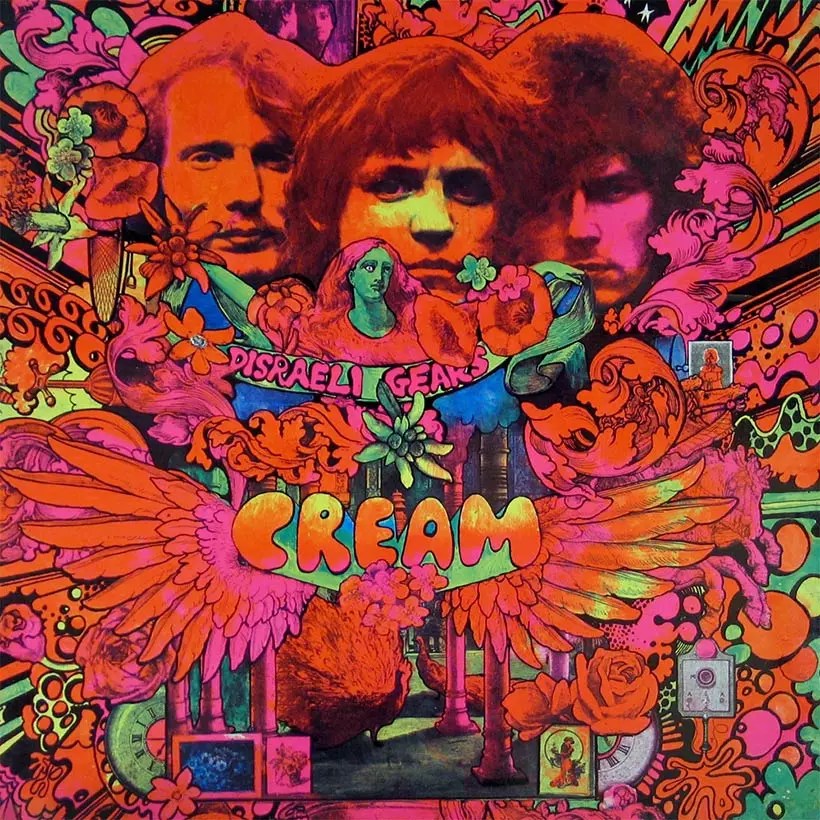
“SWLABR,” Cream, 1967

Most of the original songs on Cream’s albums were written by bassist/vocalist Jack Bruce, with lyrics by performance poet Pete Brown, who was known for his cryptic, drug-fueled images and wordplay. “Sunshine Of Your Love,” “White Room” and “Politician” offer intriguing examples of their work, but one of the more unusual Bruce/Brown collaborations was entitled “SWLABR,” a track from their “Disraeli Gears” LP in 1967. The title is an acronym for “She Was Like A Bearded Rainbow,” and Brown said the song is about a scorned ex-girlfriend who was so jealous of his new lover that she defaced photos of her by adding a beard and moustache to them.

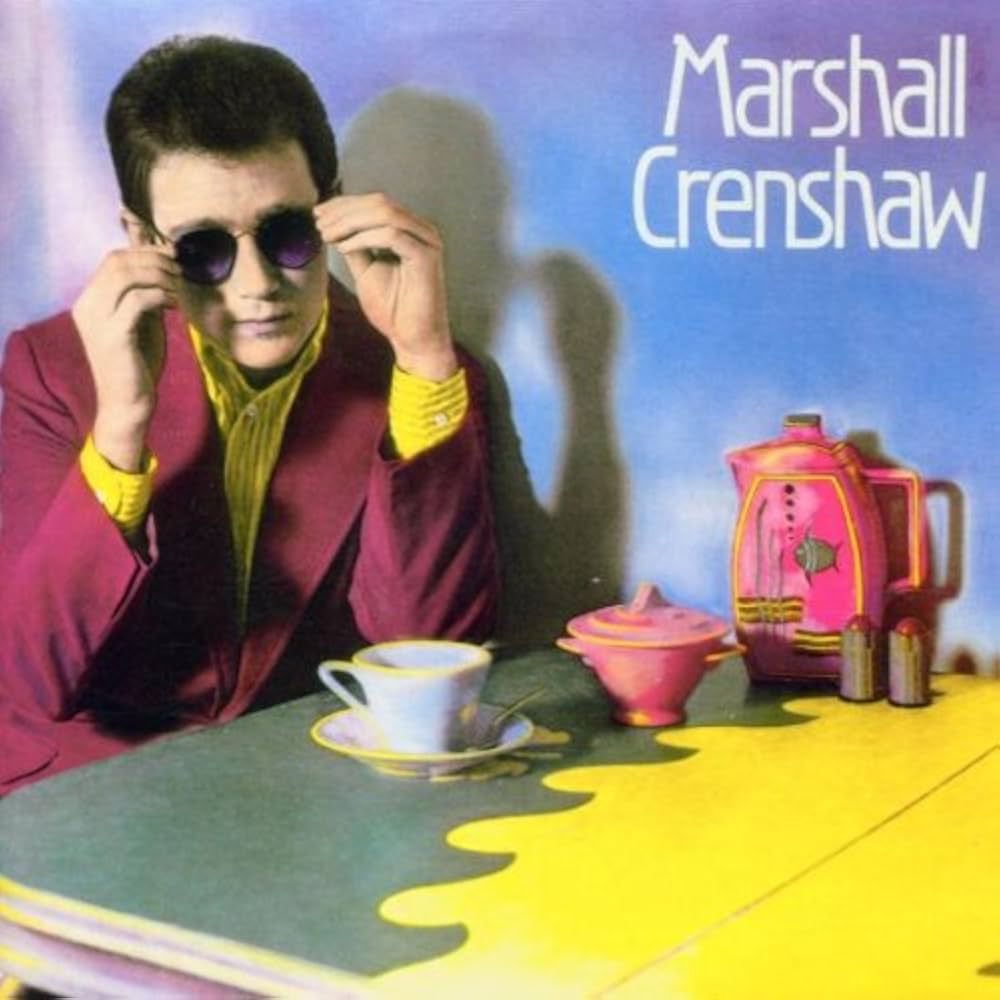
“Cynical Girl,” Marshall Crenshaw, 1982

With roots in classic soul and Buddy Holly rockabilly, Crenshaw emerged from Detroit in the late ’70s when he was selected to portray John Lennon in the musical “Beatlemania” on Broadway and then in a national touring company. When he made his solo debut with the “Marshall Crenshaw” album in 1982, he earned radio exposure with the irresistibly catchy “Someday, Someway.” His songs combined new wave with jangly pop that, to my ears, should’ve brought him far more commercial success than he ended up getting. “Cynical Girl,” another earworm from the first LP, inexplicably failed to make the charts as its second single. He had five albums in the ’80s that are all worth exploring.

“Everything’s Coming Our Way,” Santana, 1971

The hot new sensation of the lineup at Woodstock in 1969, Santana went on to chart at #4 for their debut LP, followed by “Abraxas” (1970), which topped the charts. For their “Santana III” album, which also peaked at #1, they continued their string of Top 40 hits as well, following “Black Magic Woman” and “One Como Va” with “Everybody’s Everything” and “No One To Depend On.” Buried near the end of Side Two was “Everything’s Coming Our Way,” one of very few Santana tracks credited to guitarist/leader Carlos Santana, and it’s a favorite of mine. The group would then shift gears in 1972 with personnel changes and a new jazz-fusion direction for a few years.

“Right Now,” Stephen Stills & Manassas, 1972

Nicknamed “Captain Manyhands” for his multiple talents as a songwriter, producer, instrumentalist and singer, Stills earned his reputation as a studio control freak during the recording of the 1972 double album by his band Manassas. The 20 songs, all written or co-written by Stills, showcased the superb musicianship of the players (Chris Hillman, Al Perkins, Joe Lala, Paul Harris, Dallas Taylor and Fuzzy Samuels) as they finessed their way through rock, country, bluegrass, Latino and blues styles. A highlight is the rock groove found on “Right Now,” with lyrics that examine his difficult relationship with Rita Coolidge, who’d been swept away by ex-bandmate Graham Nash.

“Pretty On the Inside,” Swimming Pool Qs, 1986

From the same Athens, Georgia scene that brought us The B-52s and R.E.M. came this lesser-known band, categorized as “new wave/jangle pop.” Led by the songwriting team of multi-instrumentalist Jeff Calder and guitarist Bob Elsey and the singing of Anne Richmond Boston, The Swimming Pool Qs scored a modest hit with “Rat Bait” in 1979, which earned them slots warming up tours for Devo and The Police. They struggled on for the next decade with personnel changes and new record labels, never really making much of a dent in the charts, but in 1986, I was exposed to their “Blue Tomorrow” album, which included the compelling tune “Pretty On the Inside.”

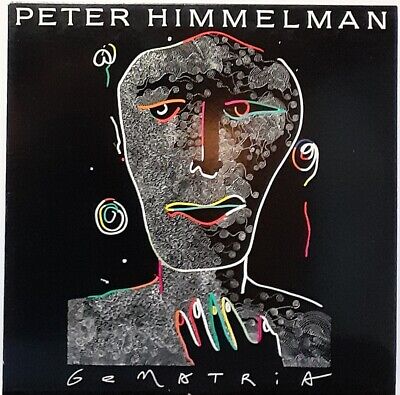
“Waning Moon,” Peter Himmelman, 1987

Minnesota-born Himmelman is a guitarist-singer-songwriter best known for his work creating scores for such TV shows as “Bones,” “Judging Amy” and “Men in Trees” and movies like “Pyrates,” “Ash Tuesday” and “A Slipped-Down Life” in the 1990s and 2000s. He also created a well-regarded series of children’s albums designed to help kids suffering medical stress. Prior to that, he was in the indie band Sussman Lawrence in the 1980s and had a modestly successful solo career, gaining radio exposure for rock songs like “The Woman With the Strength of 10,000 Men” and especially “Waning Moon” from his 1987 LP “Gematria.” I learned about Himmelman when he warmed up for Dave Mason at a show that year.

“Sneakin’ Sally Thru the Alley,” Robert Palmer, 1974

Widely known for 1980s hits like “Addicted to Love,” “I Didn’t Mean to Turn You On” and “Simply Irresistible,” stylish British singer Palmer got his start in 1974 with his underrated debut LP “Sneakin’ Sally Through the Alley,” which established his penchant for combining genres like soul, funk, rock, reggae and blues. Much of the album was recorded in New Orleans with R&B funk band The Meters, who were leery at first of Palmer’s British roots until he started singing. Legendary New Orleans musician/producer Allen Toussaint wrote the infectious title track, which features an indelible bass line by George Porter Jr. and keyboards by Art Neville.

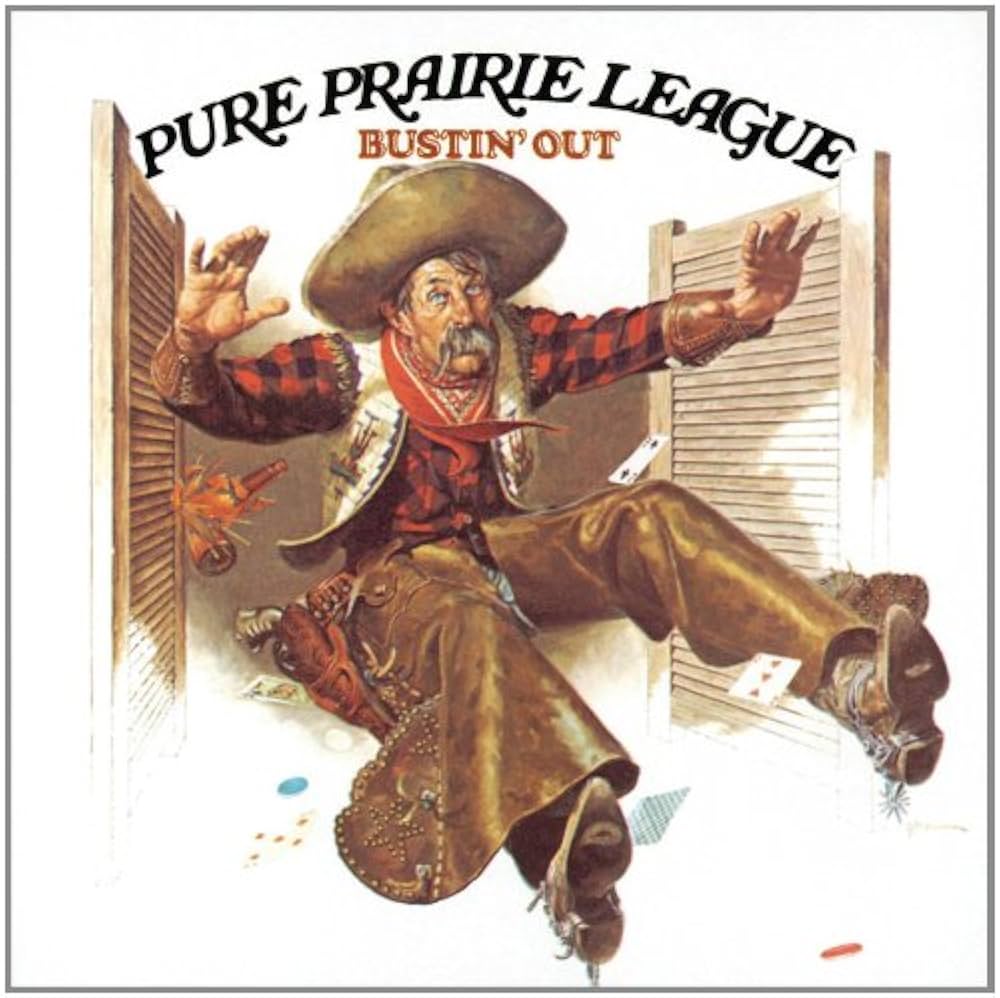
“Call Me, Tell Me,” Pure Prairie League, 1972

This popular country rock band was founded in 1970 in Ohio, with singer-songwriter-guitarists Craig Fuller and George Ed Powell leading the charge. Personnel changes between their first and second albums in 1972 hurt what little momentum they had, but Fuller’s iconic tune “Amie” picked up steam on college radio and finally became a hit in the spring of 1975. Meanwhile, the album it came from, “Bustin’ Out,” was one of the great unsung country rock albums of the ’70s, with songs like “Early Morning Riser,” “Falling In and Out of Love” and “Boulder Skies.” I’m partial to the album closer, “Call Me, Tell Me,” which features a spirited strings arrangement by (of all people) David Bowie’s then-guitarist, Mick Ronson.

******************************

There’s gonna be a heartache tonight, I know

Music trivia question: Who was in the original lineup of The Eagles?

Answer: Glenn Frey, Don Henley, Randy Meisner, Bernie Leadon…and John David Souther?

Truth be told, singer-songwriter-guitarist JD Souther was a member of the group for only about 48 hours. Manager David Geffen lobbied for Souther to be an official member, but the rest of the band, and actually Souther himself, weren’t too keen on the idea.

“Geffen wanted me in the band,” said Souther decades later. “We actually rehearsed a set and played it for him one afternoon at The Troubadour. I remember looking down the stage thinking, ‘Man, this is an awful lot of singers and acoustic guitar players all in the same band.’ I felt, ‘I’m not necessary here.’ And I don’t really like being told what to do in any sense anyway.”

The other four had been a working unit for a spell, playing behind Linda Ronstadt at a few shows, and they were hesitant to turn their four-piece into a five-piece by adding Souther. Frey and Souther had been friends and collaborators in a duo in 1969-1970, but that hadn’t ended well. Souther would remain a co-songwriting partner with Frey and Henley over the years, including three #1 hits, but they all agreed he wouldn’t be a full-fledged Eagle.

“Truthfully, the band was exceptional just as it was,” said Souther. “I was clearly the fifth wheel. I wasn’t a band creature. My report cards from school always said, ‘Does not work well with others.’ I was much happier to stay home and write songs and be with Linda, who I was dating at the time.

“There was definitely a period of time later on when people would ask me, ‘Doesn’t it piss you off that the Eagles had these big hits with your songs?’ I would always respond, ‘Would you like to see the royalty checks?'”

***************************

John David “JD” Souther died last week at age 78. There has been no official cause of death issued yet.

He had been preparing to go on tour this week with his friend, singer-songwriter Karla Bonoff, when he fell ill. Said Bonoff, “We had learned each other’s songs and were going to be on stage together for an amazing evening. I guess it was not meant to be…but I am incredibly grateful for the time we spent recently reconnecting, laughing and reminiscing. He was one of the best songwriters on the planet and influenced so much of my writing. Fly free, my friend.”

Bonoff and Souther in 1977

Souther has been one of those important yet shadowy figures in the California music industry, who added a great deal but never really cared much about being in the limelight. In addition to his fruitful relationship with The Eagles, Souther wrote or co-wrote hit singles for Ronstadt and James Taylor, and also reached the charts as a solo artist with the #7 hit “You’re Only Lonely” in 1979. He has added vocals and guitar parts to many dozens of tracks by artists as diverse as Warren Zevon, Crosby, Stills & Nash, Dixie Chicks, Burt Bacharach, Roy Orbison, George Strait, Brian Wilson and Trisha Yearwood.

Born in Detroit and raised in Amarillo, Texas, Souther started playing jazz drums, influenced by his parents’ love of Big Band music, but soon switched to guitar and had some regional success playing with a country band called The Cinders in the mid-’60s. When he relocated to Los Angeles in 1968 at age 22, he met Frey, who had more of a rock/R&B background, and they fed off each other’s influences, jamming and trying to write songs.

They shared a small apartment and eventually formed a duo called “Longbranch/Pennywhistle,” cutting one album on a small label. It went nowhere, but within the 10 tracks that comprise the self-titled LP (out of print for decades but remixed and re-released in 2018) you’ll find the country-rock building blocks upon which successive generations of singers and songwriters have drawn inspiration. Most notable were Frey’s ballad “Rebecca” and Souther’s intriguing songs “Mister, Mister” and “Kite Woman.”

Souther and Frey as pictured on the “Longbranch/Pennywhistle” LP in 1969

In a 2013 interview, Souther downplayed the opinion that Longbranch/Pennywhistle was a groundbreaking country-rock sound. “I keep being referred to as an architect of something,” he said, chuckling. “I assure you, at the time, we didn’t think we were designing anything. We were just trying to make a living by writing songs. The album has a certain charm to it, although it still sounds to me like an 8-track record from guys who didn’t write that well working with first-time producers.”

While Frey became the de facto leader of The Eagles and developed a songwriting partnership with Henley, Souther chose instead to pursue a modest solo recording career, more content to write songs that he would record himself or pass along to others. His 1972 self-titled debut showed his country-inflected songwriting prowess (“How Long,” “The Fast One,” “Some People Call It Music”), and in my view, some of these tunes sound more convincing than some of the lesser tracks that filled out The Eagles’ debut LP that same year.

He remained on good terms with Frey and Henley, co-writing “Doolin’ Dalton,” the opening track on The Eagles’ “Desperado” cowboy concept album in 1973. He regularly hung out with the group as part of their posse; indeed, if you look at the photo on the back cover of “Desperado,” you’ll see Souther posing among the other Eagles as one of the captured “Doolin’-Dalton” gang.

A year later, Souther also helped Frey and Henley complete three tracks for their third LP, “On the Border” — “You Never Cry Like a Lover,” “James Dean” and the tune that became their first #1 hit, “The Best Of My Love.”

Ronstadt and Souther on stage in 1976

Meanwhile, Souther’s relationship with Ronstadt changed from boyfriend-girlfriend to producer-artist as he manned the boards for her third album, “Don’t Cry Now,” which included two of his songs, the languid “I Can Almost See It” and the more uptempo “The Fast One.” The former paramours went on to enjoy a close friendship and professional relationship that lasted for decades, as Ronstadt sang many of his tunes on her top-selling albums throughout the ’70s: “Faithless Love,” “Prisoner in Disguise,” “Silver Blue,” “Simple Man, Simple Dream” and “White Rhythm & Blues.” While none of these were hit singles, most were regulars in her concert set list and popular with her audiences.

For his part, Geffen remained a fan of Souther, to the point that he championed him to be one third of a new trio, The Souther-Hillman-Furay Band, teaming him up with ex-Byrd Chris Hillman and ex-Poco leader Richie Furay for two albums in the 1974-75 period. Hopes were high they would become the next Crosby, Stills and Nash, but it wasn’t to be.

Said Hillman last week, “Today I lost my friend, John David. We were close, and I count him as a great blessing in my life. He possessed a great sense of humor, and was one of the most intelligent people that ever crossed my path. His voice, and the songs he wrote, will forever be in my heart.”

Souther returned to his solo career and released the widely praised LP “Black Rose,” which featured a who’s who of LA musicians in support of some of his best work (“Faithless Love,” “Baby Come Home” and the title tune).

Legendary producer Peter Asher, who worked with Ronstadt and several other artists including Souther on the “Black Rose” album, reflected on Souther’s career in the wake of his passing. “JD was a sublimely imaginative composer and lyricist. He was musically sophisticated and poetically inspired. I see his work as a modern extension of the Great American Songbook, and I was delighted when I was invited to induct him into the Songwriters’ Hall of Fame, a well-deserved honor. In my view, ‘Faithless Love’ alone qualifies him for the distinction. It deserves an award all to itself.”

Souther (third from left) with The Eagles at a 1980 concert

Souther’s greatest commercial success came in the 1976-1981 period, when two of his Eagles co-writes — “New Kid in Town” and “Heartache Tonight” — both reached #1 on US charts. Personally, I don’t care much for either of those simplistic tracks, but in between those two monster hits came his own Top 10 single, the gorgeous, poignant “You’re Only Lonely.” Then, in 1981, he co-wrote and co-sang the heartbreaking “Her Town Too,” a #11 hit for James Taylor.

After Souther’s 1984 album “Home by Dawn” stiffed badly on the charts (the LP was “that unfortunate curiosity that’s later called a ‘critical success,’” he said in an interview in 1990, “meaning nobody bought it”), he took a break from recording, discouraged in part by the music industry’s growing reliance on MTV. “I wasn’t a huge fan of music videos because I thought they encouraged an excess of production as opposed to a real focus on the heart of the music,” he said in 2012.

Still, he continued songwriting, helping Henley write “The Heart of the Matter,” one of his big solo singles from his “The End of the Innocence” LP in 1989.

In the ’90s, he stuck his toe in the waters of acting, appearing in the 1990 film “Postcards From the Edge” and as a recurring character in the third season of the award-winning TV drama “thirtysomething.” Other acting roles included a stint as a grizzled country music fixture in the 2012 TV drama “Nashville.”

Souther released three more albums since 2000, and although they were largely ignored, all of them include tracks worthy of your attention. The Spotify playlist below includes several fine tunes from 2008’s “If the World Was You” and 2015’s “Tenderness,” which both lean toward jazzier arrangements, and 2011’s “Natural History,” on which he records his own renditions of his Eagles hits and other earlier successes.

The timeless nature of Souther’s songs is best exemplified by his 1972 song “How Long,” which appeared on his debut LP. When The Eagles reunited and assembled their ambitious double LP “Long Road Out of Eden” in 2007, “How Long” was not only included but featured as one of the two singles they released from it. It arguably came closest to recapturing the group’s classic blend of country and rock, reached #23 on the country chart and won a Grammy for Best Country Performance by a Duo or Group.

Don Henley and J. D. Souther
Souther acknowledging Henley’s appreciation in 2024

This past January, when The Eagles performed in Los Angeles, Souther came on stage for several numbers including “How Long.” Henley introduced him as “an important part of the tight-knit community of songwriters and singers we turned to when we would get stuck on a song or we’d try to start some new material.”

R.I.P. to you, J.D. Your legacy is intact.

*************************
This playlist includes what I consider JD Souther’s best material, presented in chronological order of the release of the albums they came from (his own as well as those by other artists).