There’s gonna be a heartache tonight, I know

Music trivia question: Who was in the original lineup of The Eagles?

Answer: Glenn Frey, Don Henley, Randy Meisner, Bernie Leadon…and John David Souther?

Truth be told, singer-songwriter-guitarist JD Souther was a member of the group for only about 48 hours. Manager David Geffen lobbied for Souther to be an official member, but the rest of the band, and actually Souther himself, weren’t too keen on the idea.

“Geffen wanted me in the band,” said Souther decades later. “We actually rehearsed a set and played it for him one afternoon at The Troubadour. I remember looking down the stage thinking, ‘Man, this is an awful lot of singers and acoustic guitar players all in the same band.’ I felt, ‘I’m not necessary here.’ And I don’t really like being told what to do in any sense anyway.”

The other four had been a working unit for a spell, playing behind Linda Ronstadt at a few shows, and they were hesitant to turn their four-piece into a five-piece by adding Souther. Frey and Souther had been friends and collaborators in a duo in 1969-1970, but that hadn’t ended well. Souther would remain a co-songwriting partner with Frey and Henley over the years, including three #1 hits, but they all agreed he wouldn’t be a full-fledged Eagle.

“Truthfully, the band was exceptional just as it was,” said Souther. “I was clearly the fifth wheel. I wasn’t a band creature. My report cards from school always said, ‘Does not work well with others.’ I was much happier to stay home and write songs and be with Linda, who I was dating at the time.

“There was definitely a period of time later on when people would ask me, ‘Doesn’t it piss you off that the Eagles had these big hits with your songs?’ I would always respond, ‘Would you like to see the royalty checks?'”

***************************

John David “JD” Souther died last week at age 78. There has been no official cause of death issued yet.

He had been preparing to go on tour this week with his friend, singer-songwriter Karla Bonoff, when he fell ill. Said Bonoff, “We had learned each other’s songs and were going to be on stage together for an amazing evening. I guess it was not meant to be…but I am incredibly grateful for the time we spent recently reconnecting, laughing and reminiscing. He was one of the best songwriters on the planet and influenced so much of my writing. Fly free, my friend.”

Bonoff and Souther in 1977

Souther has been one of those important yet shadowy figures in the California music industry, who added a great deal but never really cared much about being in the limelight. In addition to his fruitful relationship with The Eagles, Souther wrote or co-wrote hit singles for Ronstadt and James Taylor, and also reached the charts as a solo artist with the #7 hit “You’re Only Lonely” in 1979. He has added vocals and guitar parts to many dozens of tracks by artists as diverse as Warren Zevon, Crosby, Stills & Nash, Dixie Chicks, Burt Bacharach, Roy Orbison, George Strait, Brian Wilson and Trisha Yearwood.

Born in Detroit and raised in Amarillo, Texas, Souther started playing jazz drums, influenced by his parents’ love of Big Band music, but soon switched to guitar and had some regional success playing with a country band called The Cinders in the mid-’60s. When he relocated to Los Angeles in 1968 at age 22, he met Frey, who had more of a rock/R&B background, and they fed off each other’s influences, jamming and trying to write songs.

They shared a small apartment and eventually formed a duo called “Longbranch/Pennywhistle,” cutting one album on a small label. It went nowhere, but within the 10 tracks that comprise the self-titled LP (out of print for decades but remixed and re-released in 2018) you’ll find the country-rock building blocks upon which successive generations of singers and songwriters have drawn inspiration. Most notable were Frey’s ballad “Rebecca” and Souther’s intriguing songs “Mister, Mister” and “Kite Woman.”
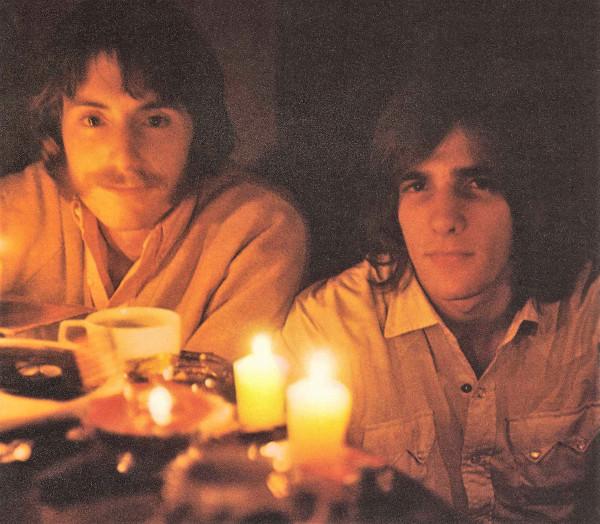
Souther and Frey as pictured on the “Longbranch/Pennywhistle” LP in 1969

In a 2013 interview, Souther downplayed the opinion that Longbranch/Pennywhistle was a groundbreaking country-rock sound. “I keep being referred to as an architect of something,” he said, chuckling. “I assure you, at the time, we didn’t think we were designing anything. We were just trying to make a living by writing songs. The album has a certain charm to it, although it still sounds to me like an 8-track record from guys who didn’t write that well working with first-time producers.”

While Frey became the de facto leader of The Eagles and developed a songwriting partnership with Henley, Souther chose instead to pursue a modest solo recording career, more content to write songs that he would record himself or pass along to others. His 1972 self-titled debut showed his country-inflected songwriting prowess (“How Long,” “The Fast One,” “Some People Call It Music”), and in my view, some of these tunes sound more convincing than some of the lesser tracks that filled out The Eagles’ debut LP that same year.

He remained on good terms with Frey and Henley, co-writing “Doolin’ Dalton,” the opening track on The Eagles’ “Desperado” cowboy concept album in 1973. He regularly hung out with the group as part of their posse; indeed, if you look at the photo on the back cover of “Desperado,” you’ll see Souther posing among the other Eagles as one of the captured “Doolin’-Dalton” gang.

A year later, Souther also helped Frey and Henley complete three tracks for their third LP, “On the Border” — “You Never Cry Like a Lover,” “James Dean” and the tune that became their first #1 hit, “The Best Of My Love.”

Ronstadt and Souther on stage in 1976

Meanwhile, Souther’s relationship with Ronstadt changed from boyfriend-girlfriend to producer-artist as he manned the boards for her third album, “Don’t Cry Now,” which included two of his songs, the languid “I Can Almost See It” and the more uptempo “The Fast One.” The former paramours went on to enjoy a close friendship and professional relationship that lasted for decades, as Ronstadt sang many of his tunes on her top-selling albums throughout the ’70s: “Faithless Love,” “Prisoner in Disguise,” “Silver Blue,” “Simple Man, Simple Dream” and “White Rhythm & Blues.” While none of these were hit singles, most were regulars in her concert set list and popular with her audiences.

For his part, Geffen remained a fan of Souther, to the point that he championed him to be one third of a new trio, The Souther-Hillman-Furay Band, teaming him up with ex-Byrd Chris Hillman and ex-Poco leader Richie Furay for two albums in the 1974-75 period. Hopes were high they would become the next Crosby, Stills and Nash, but it wasn’t to be.

Said Hillman last week, “Today I lost my friend, John David. We were close, and I count him as a great blessing in my life. He possessed a great sense of humor, and was one of the most intelligent people that ever crossed my path. His voice, and the songs he wrote, will forever be in my heart.”

Souther returned to his solo career and released the widely praised LP “Black Rose,” which featured a who’s who of LA musicians in support of some of his best work (“Faithless Love,” “Baby Come Home” and the title tune).

Legendary producer Peter Asher, who worked with Ronstadt and several other artists including Souther on the “Black Rose” album, reflected on Souther’s career in the wake of his passing. “JD was a sublimely imaginative composer and lyricist. He was musically sophisticated and poetically inspired. I see his work as a modern extension of the Great American Songbook, and I was delighted when I was invited to induct him into the Songwriters’ Hall of Fame, a well-deserved honor. In my view, ‘Faithless Love’ alone qualifies him for the distinction. It deserves an award all to itself.”

Souther (third from left) with The Eagles at a 1980 concert

Souther’s greatest commercial success came in the 1976-1981 period, when two of his Eagles co-writes — “New Kid in Town” and “Heartache Tonight” — both reached #1 on US charts. Personally, I don’t care much for either of those simplistic tracks, but in between those two monster hits came his own Top 10 single, the gorgeous, poignant “You’re Only Lonely.” Then, in 1981, he co-wrote and co-sang the heartbreaking “Her Town Too,” a #11 hit for James Taylor.
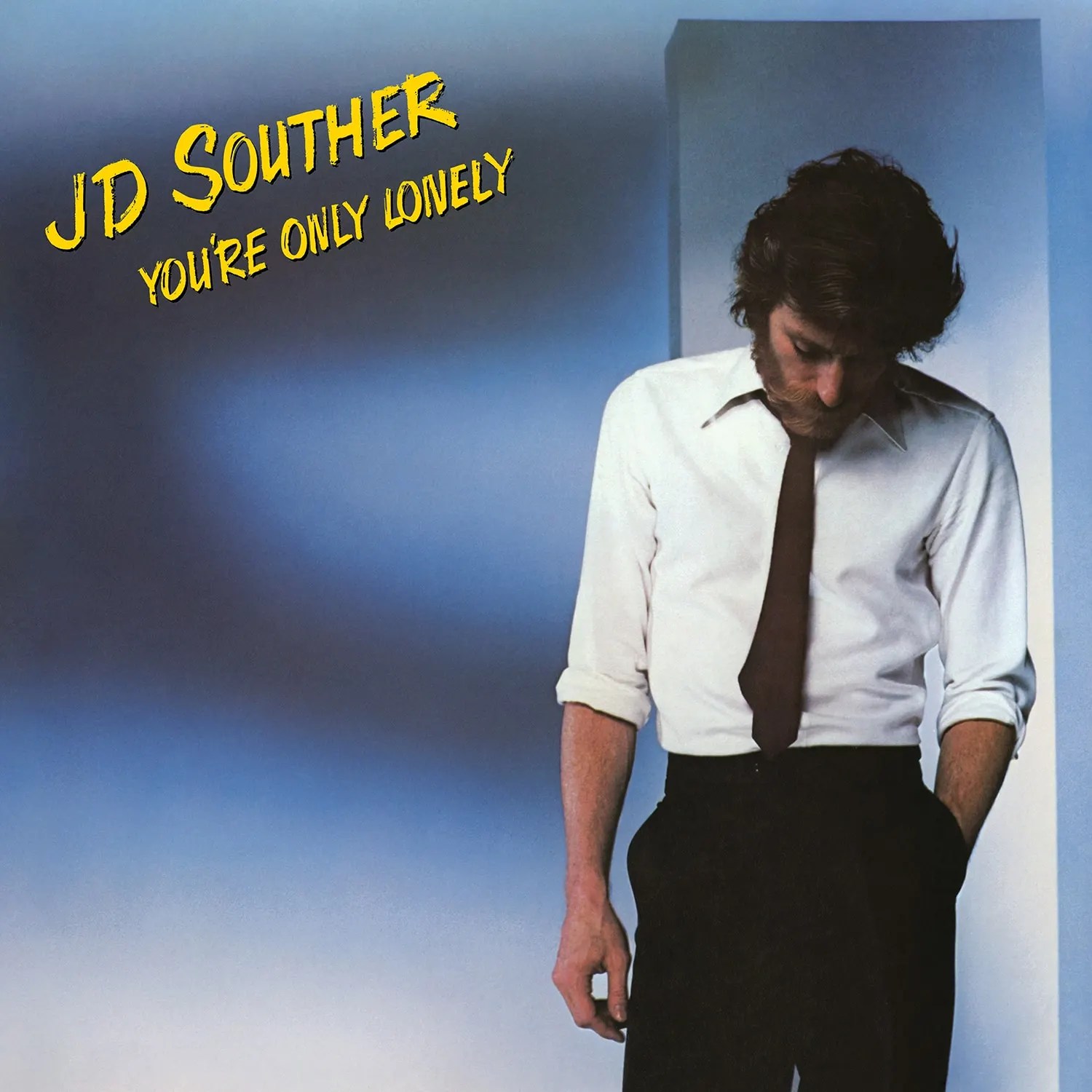
After Souther’s 1984 album “Home by Dawn” stiffed badly on the charts (the LP was “that unfortunate curiosity that’s later called a ‘critical success,’” he said in an interview in 1990, “meaning nobody bought it”), he took a break from recording, discouraged in part by the music industry’s growing reliance on MTV. “I wasn’t a huge fan of music videos because I thought they encouraged an excess of production as opposed to a real focus on the heart of the music,” he said in 2012.

Still, he continued songwriting, helping Henley write “The Heart of the Matter,” one of his big solo singles from his “The End of the Innocence” LP in 1989.
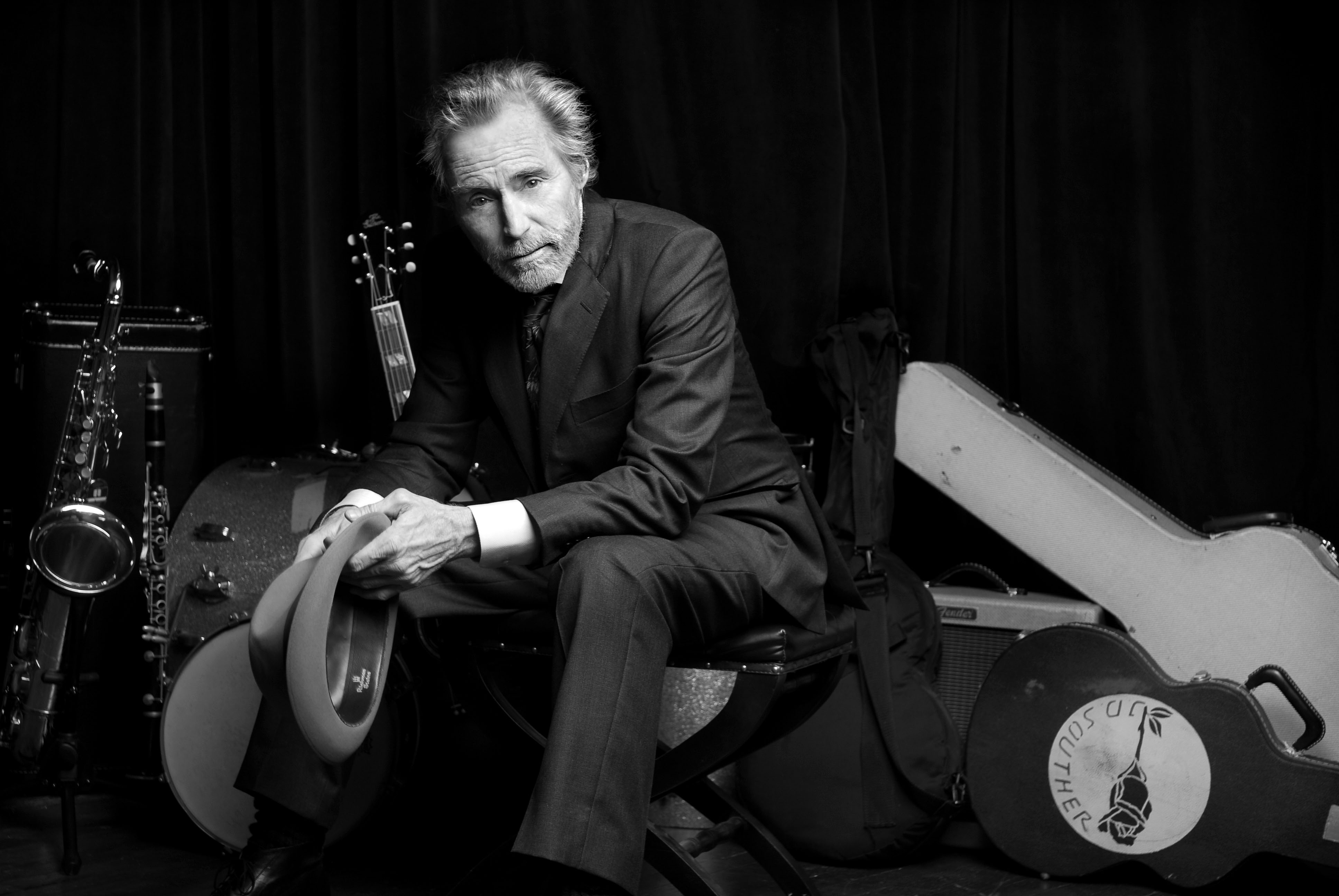
In the ’90s, he stuck his toe in the waters of acting, appearing in the 1990 film “Postcards From the Edge” and as a recurring character in the third season of the award-winning TV drama “thirtysomething.” Other acting roles included a stint as a grizzled country music fixture in the 2012 TV drama “Nashville.”

Souther released three more albums since 2000, and although they were largely ignored, all of them include tracks worthy of your attention. The Spotify playlist below includes several fine tunes from 2008’s “If the World Was You” and 2015’s “Tenderness,” which both lean toward jazzier arrangements, and 2011’s “Natural History,” on which he records his own renditions of his Eagles hits and other earlier successes.

The timeless nature of Souther’s songs is best exemplified by his 1972 song “How Long,” which appeared on his debut LP. When The Eagles reunited and assembled their ambitious double LP “Long Road Out of Eden” in 2007, “How Long” was not only included but featured as one of the two singles they released from it. It arguably came closest to recapturing the group’s classic blend of country and rock, reached #23 on the country chart and won a Grammy for Best Country Performance by a Duo or Group.
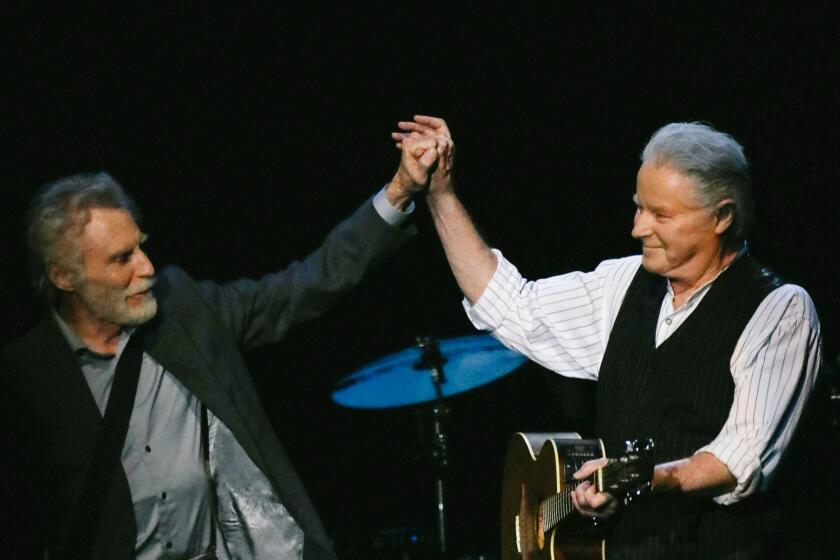
Don Henley and J. D. Souther
Souther acknowledging Henley’s appreciation in 2024

This past January, when The Eagles performed in Los Angeles, Souther came on stage for several numbers including “How Long.” Henley introduced him as “an important part of the tight-knit community of songwriters and singers we turned to when we would get stuck on a song or we’d try to start some new material.”

R.I.P. to you, J.D. Your legacy is intact.

*************************

This playlist includes what I consider JD Souther’s best material, presented in chronological order of the release of the albums they came from (his own as well as those by other artists).

Not just me, not just you, it’s all around the world

Rock and roll is, without question, an inherently American musical genre, born in the mid-1950s as a hybrid of blues, country, jazz and R&B.  But it very quickly developed a global reach.

Britain and Canada eagerly accepted it almost right away, and other European countries and Australia soon followed suit.  People in other regions of the world — Central and South America, the Far East, Africa — had very strong allegiances to their own vibrant, indigenous music, so they took a little longer to join the party.  Communist governments refused to allow their people to be exposed to free-thinking pop music until well into the 1980s.

It’s a different ball game these days.  “Best World Music Album” is a Grammy category.  Certain artists have enthusiastically embraced and pushed rhythms and instruments (reggae, ska, sitars, wooden flutes, etc) that have expanded American pop music like never before.  Paul Simon’s “Graceland,” with its infusion of South African vocal and percussive elements, won Album of the Year in 1987.  Peter Gabriel has shown a deep interest and appreciation for the music of other cultures — African, Asian — evidenced by numerous tracks on his solo LPs, most notably 1980’s “Biko.”  Many dozens of artists in the ’90s and beyond have given credit to musicians like Simon and Gabriel for leading the way, and influencing their music and their interests.

One of these days, I’ll assemble a set list of pop songs from the ’60s, ’70s and ’80s that show the obvious and subtle influence on American pop music of musical genres from around the world, but today, my focus is simpler.  In this blog post, I offer a sweet sixteen playlist of songs that pay tribute to various major and minor world cities.

Rock and roll is all around the world!  

************

“Leningrad,” Billy Joel, 1989

When Billy Joel appeared in concert in Russia in 1987 as the first major Western artist to shoot an in-concert video there, he befriended a performing clown named Viktor, and they shared common experiences growing up in the USA and the USSR.  The lyrics compared the wildly disparate lives of Russian and American kids growing up in opposing cultures, and how they became friends despite these differences:  “And Cold War kids were hard to kill, under their desks in an air raid drill, haven’t they heard we won the war, what do they keep on fighting for?…  Viktor was sent to some Red Army town, served out his time, became a circus clown, the greatest happiness he ever had was making Russian children glad…  We never knew what friends we had until we came to Leningrad…”   

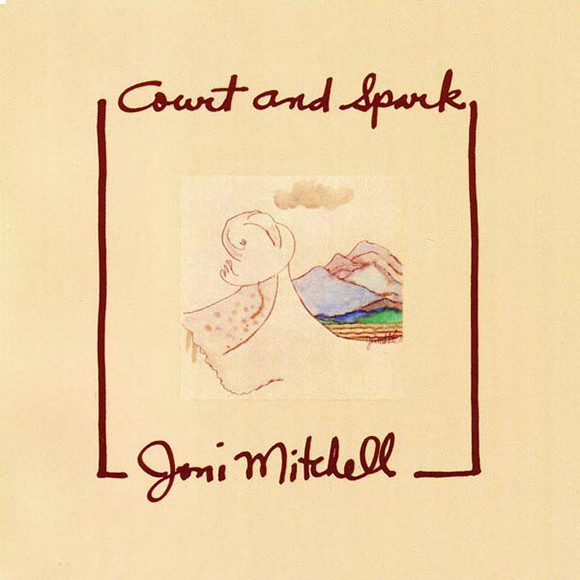
“Free Man in Paris,” Joni Mitchell, 1974

You might think Joni was singing about a boyfriend, or some fictional guy, but in fact, the “free man in Paris” is manager/mogul David Geffen, who guided her mid-’70s career and those of many others.  She thought he worked too hard and enjoyed seeing him relax in the carefree “City of Lights” environs, and wrote about Paris from his point of view: “If I had my way, I’d just walk through those doors and wander down the Champs d’Elysees, going cafe to cabaret… I felt unfettered and alive, there was nobody calling me up for favors, no one’s future to decide, you know, I’d go back there tomorrow but for the work I’ve taken on, stokin’ the star-maker machinery behind the popular song…” 

“Katmandu,” Bob Seger, 1975

“It’s a song of exasperation,” Seger said. “It was written for my ‘Beautiful Loser’ album in 1975 at the end of that seven- or eight-year period when I was going nowhere fast. I was in that defeatist mentality and you can hear it in there. It’s like: ‘I’m never gonna make it, I’m just gonna go to Katmandu, the remote city in Nepal.” “I’m tired of lookin’ at the TV news, I’m tired of drivin’ hard and payin’ dues, /I figure, baby, I’ve got nothing to lose, I’m tired of being blue, /That’s why I’m goin to Katmandu, up to the mountains where I’m going to…” It’s a solid rock ‘n roll song with Chuck Berry-style guitar and Seger’s vocal growl lasting more than six minutes on the LP, but the single was edited down to 3:16 and stalled at #43, which frustrated him no end. Within a year, though, he formed The Silver Bullet Band and went multi-platinum with his “Night Moves ” album, kicking off a strong career arc over the next two decades.

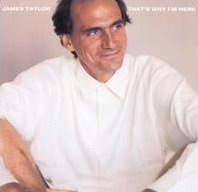
“Only a Dream in Rio,” James Taylor, 1985

Soft-rock balladeer Taylor was a hugely successful artist on records and in concert throughout the 1970s and into the 1980s, but underneath, he struggled with drug addiction.  When he performed at the inaugural 10-day “Rock in Rio” festival in early 1985, he was overwhelmed by the ecstatic adulation of the million-plus crowd, and had an epiphany that motivated him to quit substances for good.  He wrote about the experience in this stunning song from his underrated LP “That’s Why I’m Here”:  “Well they tell me, it’s only a dream in Rio, nothing could be as sweet as it seems on this very first day down, they remind me, ‘Son, have you so soon forgotten?’, often as not, it’s rotten inside, and the mask soon slips away…”

“Marrakesh Express,” Crosby Stills and Nash, 1969

David Crosby of the Byrds, Stephen Stills of Buffalo Springfield, and Graham Nash of The Hollies knocked the rock music audience on its collective ear with their spectacular “Crosby Stills and Nash” LP in the spring of 1969, with the single “Marrakesh Express” modestly leading the way before conceding chart time to Stills’ masterpiece “Suite: Judy Blue Eyes.”  Nash’s song tells the story of his 1966 train ride from Casablanca to Marrakesh, noting that he enjoyed the friendly commoners in the steerage section much more than the stuffy patrons in the first-class compartment to which he’d been assigned: “Take the train from Casablanca going south, blowing smoke rings from the corners of my mouth, /Colored cottons hang in the air, charming cobras in the square, /Striped djellebas we can wear at home, well, let me hear you now, /Wouldn’t you know we’re riding on the Marrakesh Express…”

“Runnin’ Back to Saskatoon,” The Guess Who, 1972

One of Canada’s most successful pop acts, The Guess Who did very well on the charts in the US for several years (1969-1974) with guitarist Randy Bachman’s songs (“Undun,” “These Eyes,” “No Time,” “Laughing”) as well as vocalist/keyboardist Burton Cumming’s tunes (“Share the Land,” “Albert Flasher,” “Rain Dance,” “Star Baby”).  Cummings wrote “Runnin’ Back to Saskatoon,” a Top Ten hit in Canada but a dud on US pop charts in the fall of 1972. It appears on their live LP of that year, “Live at the Paramount,” which peaked at #39 in the US. The lyrics talk of the dead-end life in the small towns of Canada’s Western provinces, name-checking several of them: “I been hangin’ around grain elevators, been learnin’ ’bout food, /I been talkin’ to soil farmers, been workin’ on land, /Moose Jaw saw a few, Moosomin too, runnin’ back to Saskatoon, /Red Deer, Terrace and Medicine Hat, sing another prairie tune…”

“London Calling,” The Clash, 1979

The British punk rock movement exploded in 1975 but petered out by 1977, and by 1979, The Clash was frustrated that perhaps their moment had passed. But they chose to adopt a less chaotic hard rock style for their double album “London Calling” that finally found favor outside the UK, particularly in the US, where it reached #27 on the album charts. The single “Train in Vain” reached #23 on US pop charts with the title track as its B-side. The phrase “London calling” comes from the BBC World Service’s station identification used during WWII to occupied countries, underscoring the concern Joe Strummer and Mick Jones were feeling about world events. “We felt that we were struggling, about to slip down a slope or something, grasping with our fingernails,” said Strummer, “and there was no one there to help us.” “London calling to the faraway towns, now war is declared, and battle come down, /London calling, now don’t look to us, phony Beatlemania has bitten the dust…”

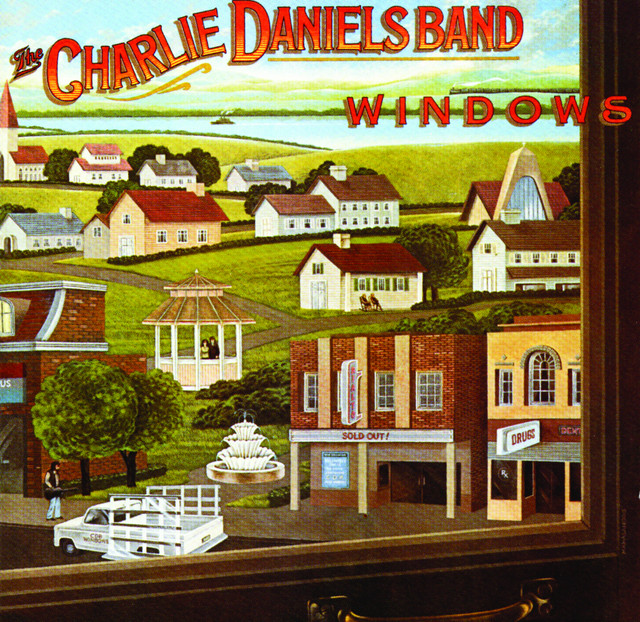
“Still in Saigon,” Charlie Daniels Band, 1982

The veteran Nashville picker/fiddler has always been a very vocal patriot, particularly when it came to supporting military veterans.  In “Still in Saigon,” Daniels took a song written by a Vietnam vet named Dan Daley and recorded a moving country rocker that reached #22 on US pop charts in 1982. The lyrics spoke of the anguishing PTSD and other nightmarish flashbacks the soldiers unwillingly brought home with them from the the jungles and rice paddies of Southeast Asia, where Saigon (long since renamed Ho Chi Minh City) served as the only thing remotely close to the civilization of home the US soldiers longed for: “Every summer when it rains, I smell the jungle, I hear the planes, /I can’t tell no one I feel ashamed, /Afraid some day I’ll go insane, /All the sounds of long ago will be forever in my head, /Mingled with the wounded cries and the silence of the dead, /’Cause I’m still in Saigon…”

“Loco in Acapulco,” The Four Tops, 1988

In 1988, Genesis drummer Phil Collins, by then well into a very successful solo career, tried his hand at acting when he starred in the British comedy-crime drama “Buster,” which met with only mixed reviews, but the soundtrack did very big business.  Collins and Motown songwriting/producing titan Lamont Dozier teamed up to write Collins’s #1 hit “Two Hearts” as well as The Four Tops’ alluring comeback, “Loco in Acapulco,” which was a big success in the UK and elsewhere. Curiously, it didn’t do much in the US, despite its tempting words:  “You can hear voices bleeding through those warm Latin nights, memories are lost and found, leaving broken hearts all over town, ’cause you’ll be going loco down in Acapulco if you stay too long…”  

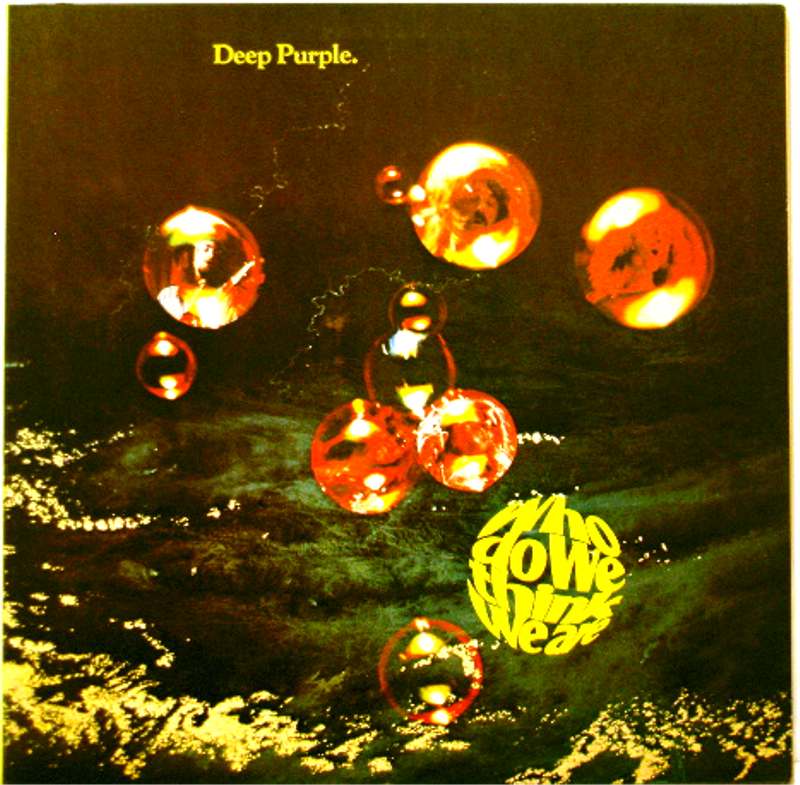
“Woman From Tokyo,” Deep Purple, 1973

This groundbreaking British band, credited with helping create the heavy-metal genre, worked their butts off for five long years, touring relentlessly and recording whenever they could.  By 1972, they added Japan to their itinerary, becoming one of the first Western rock bands to perform there, which inspired the minor hit “Woman From Tokyo” in tribute to their enthusiastic welcome there: “Fly into the rising sun, faces smiling everyone smiling everyone, /Yeah, she is a whole new tradition, I feel it in my heart, /My woman from Tokyo, she makes me see, /My woman from Tokyo, she’s so good to me…” Deep Purple recorded “Made in Japan,” their Top Five live album, during a concert there, which spawned the huge hit single “Smoke On the Water.”

“Roads to Moscow,” Al Stewart, 1973

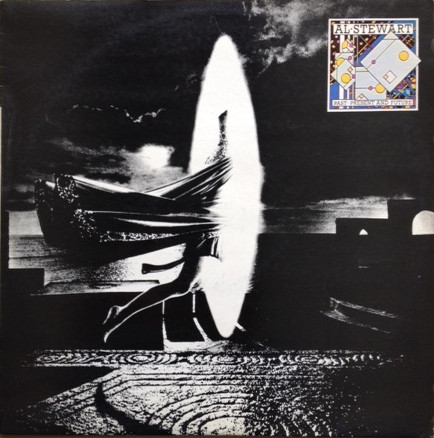
A master storyteller through song lyrics, Stewart has a robust catalog of material that develops fictional characters while relating factual historical events. One of his most ambitious pieces is “Roads to Moscow,” an eight-minute piece from his 1973 LP “Past, Present and Future” that recounts the various phases of the German invasion of Russia in the 1940s, Russia’s defense and eventual successful counterattack that captured Berlin and defeated the Nazis. It ends with the protagonist soldier returning home only to be imprisoned by Stalin’s forces. Despite its length, critics praised its melodic structure and production, and Stewart often included the epic song in concert over the ensuing years: “And all that I ever was able to see, /The fire in the air glowing red, silhouetting the smoke on the breeze, /All summer they drove us back through the Ukraine, /Smolensk and Viasma soon fell, /By Autumn we stood with our backs to the town of Orel, /Closer and closer to Moscow they come…”

“Jerusalem,” Emerson, Lake and Palmer, 1973

This dramatic piece from ELP’s 1973 top-seller “Brain Salad Surgery” is, to the surprise of most progressive rock stoners who made up the band’s audience, a remarkably effective rock-era amalgamation of William Blake’s 1808 poem set to music by Hubert Perry in 1915.  The original piece has been regarded in some circles as an unofficial alternate national anthem to “God Save the King,” although ELP’s inventive synthesized updating was not widely embraced (it stalled at #56 in the UK and made virtually no impact on US listeners). Technically, it’s not about Israel’s Jerusalem at all, but it hints at the idea that Jesus revisited Earth in 19th Century England:  “I will not cease from mental fight nor shall my sword sleep in my hand, ’til we have built Jerusalem in England’s green and pleasant land…”

“Funky Nassau,” Beginning of the End, 1971

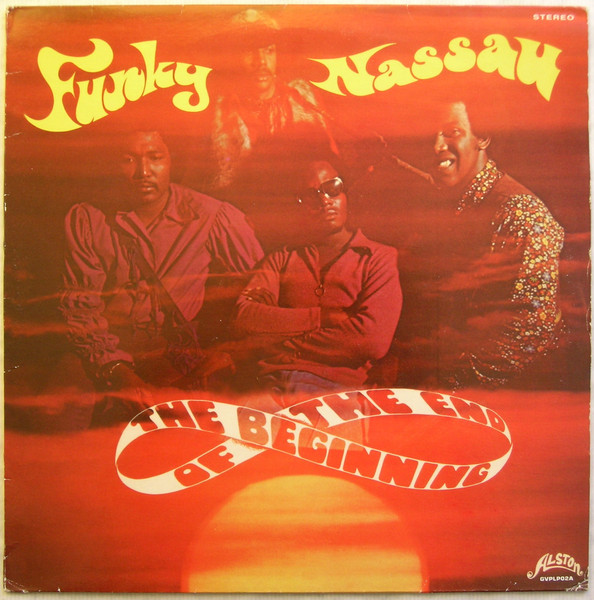
The Bahamas haven’t exactly been known as an exporter of music to the degree of, say, Jamaica and Bob Marley’s reggae, but Caribbean strains can prove irresistible, as “Funky Nassau” proved in the spring of 1971, when indigenous group Beginning of The End took it to #15 on the US pop charts.  The remake/sequel film “Blues Brothers 2000” made use of the song in its popular soundtrack LP.  The lyrics may be a bit cheesy, but great fun when juxtaposed against the contagious funky beat:  “Miniskirts, maxi-skirts and Afro hairdo, people doing their own thing, don’t care about me or you, Nassau’s gone funky now, Nassau’s gone soul…” 

“Berlin,” Lou Reed, 1973

Reed was known for dark, even suicidal songs when he was with The Velvet Underground (1966-1971) and in his solo career as well, and his 1973 LP “Berlin” may have been his bleakest of all.  The title track was written after an early 1971 visit to Germany, when he was hounded by nightmarish thoughts of failed relationships and family deaths.  Reed was a troubled kid, with plenty of justifiable anxiety and difficult challenges that he transformed into startling musical statements like the album’s title song:  “In Berlin, by the wall, you were five foot ten inches tall, /It was very nice candlelight and Dubonnet on ice… /You’re right, oh and I’m wrong, you know I’m gonna miss you now that you’re gone, one sweet day, baby baby, one sweet day…”

“Budapest,” Jethro Tull, 1987

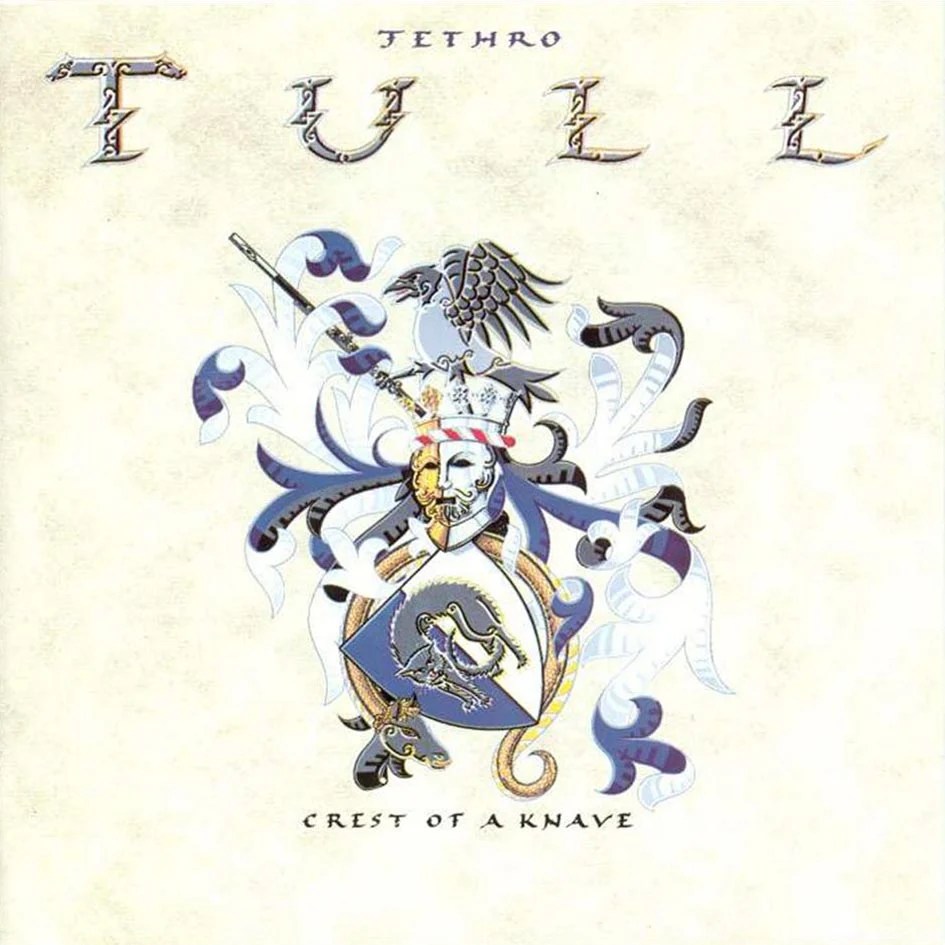
In addition to his skills as rock’s premier flautist, Tull’s Ian Anderson has always been a superlative lyricist, telling stories of British folklore as well as personal reflections of life experiences.  During a European tour in 1986, he and his band were mesmerized by a statuesque beauty working behind the scenes at a concert in Budapest, Hungary. Anderson was moved to write this 10-minute beauty about the unrequited lust and longing he and his bandmates felt for the young woman:  “She was helping out at the backstage, stopping hearts and chilling beers, /Yes, and her legs went on forever, like staring up at infinity, /Through a wisp of cotton panty, along a skin of satin sea, /It was a hot night in Budapest…”

“Kashmir,” Led Zeppelin, 1975

Geographically, Kashmir is not actually a city but a region in the northernmost part of the subcontinent of India. The four members of Led Zeppelin, who recorded the song in phases over a two-year period in 1973-1975, were unanimous in their regard for the eight-minute track as “probably the best thing we ever did,” as Jimmy Page put it. It appears on their sixth LP, “Physical Graffiti,” and was performed at every concert they did following its release. Vocalist/lyricist Robert Plant said no one in the group had been to Kashmir at that point, but he was inspired during a drive across a remote desert area in southern Morocco in 1973, and took a few liberties when he wrote: “My Shangri-La beneath the summer moon, I will return again, /Sure as the dust that floats high in June when moving through Kashmir…”

**************************