We’re all weird people, and we love it
I was scrolling through Facebook recently, where my feed typically includes music-related posts based on my tendency toward music-related topics. Some random website came up with a playlist of “Weird Songs We Love,” which definitely piqued my interest. Most of the selections were from recent years by artists I didn’t know, but it got me thinking about compiling a list of weird songs I like from the ’60s, ’70s and ’80s, which readers know is the era I write about on “Hack’s Back Pages.”

Let’s define our terms. Historically, “weird” meant eerie or supernatural, but on this post, I’m talking about weird as in bizarre, strange, odd, eccentric, or off the wall. I don’t mean silly, which generally means foolish, idiotic or frivolous. I’m referring to music that is intentionally unusual, even uncategorizable. It might offer the use of quirky sound effects, or an unorthodox blend of instruments, or somewhat nonsensical lyrics. And yet, the result is music that some people might find strangely appealing.
You’ll notice that more than half of the songs on the playlist were released in the ’60s, a time when boundaries were being broken and conventional approaches were being questioned. For instance, some tracks are almost atonal in their strangeness. Some are rather shocking (or were, for their time). Most are merely outside the box, seriously different from what we’re used to hearing.

Conventional or narrow-minded listeners might consider these tunes to be “songs that make you say ‘WTF?'” The dozen songs I have included here, probably the most subjective list I’ve ever assembled, are for the more broadly receptive listeners who are willing to experience these artists’ experimental projects. No doubt many of you can come up with your own candidates for “weird songs we love.”
It might be tough to play this setlist in its entirety, but I hope you’re curious enough to put your expectations and preconceptions on the shelf for a spell and try to absorb what’s going on here. Perhaps you’ll be surprised by how compelling some of this stuff can be.
****************************
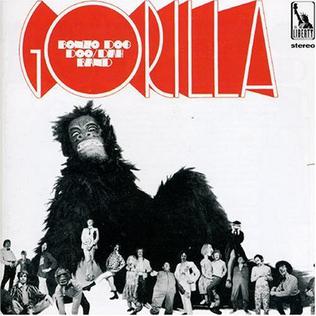
“The Intro and The Outro,” Bonzo Dog Doodah Band, 1967
The Bonzos were British art school multi-instrumentalists and performers in the 1960s who creatively combined elements of music hall, jazz and psychedelia with surreal humor and avant-garde art. Their 1967 debut album “Gorilla” includes “Death Cab For Cutie,” a song heard in The Beatles’ surreal “Magical Mystery Tour” film (and also inspired the 1990s/2000s band of the same name). I’ve always been amused by “The Intro and The Outro,” on which droll member Viv Stanshall rattles off the names of people who ostensibly perform on the track (Quasimodo? Roy Rogers? Liberace? Adolph Hitler?) while a loose jazz jam plays in the background. Funny, and weird.
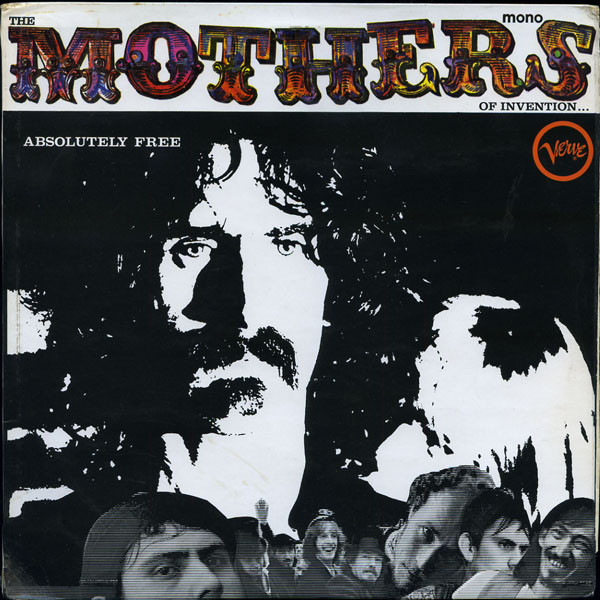
“Plastic People,” Mothers of Invention, 1967
It’s no surprise that California had its own avant-garde music scene, led by the brilliant, prickly maverick Frank Zappa and his erstwhile band, The Mothers of Invention. Zappa was heavily into sonic experimentation and outrageous lyrics with the band’s original lineup (1966-1970), and those first several albums broke barriers and had many listeners scratching their heads. The band brazenly debuted with a double album called “Freak Out” that inspired dozens of edgy bands in the coming decades. On their second album, the opening track, “Plastic People” offers a fine example of The Mothers’ singularly weird stew of rock, classical, jazz and atonal musical genres.
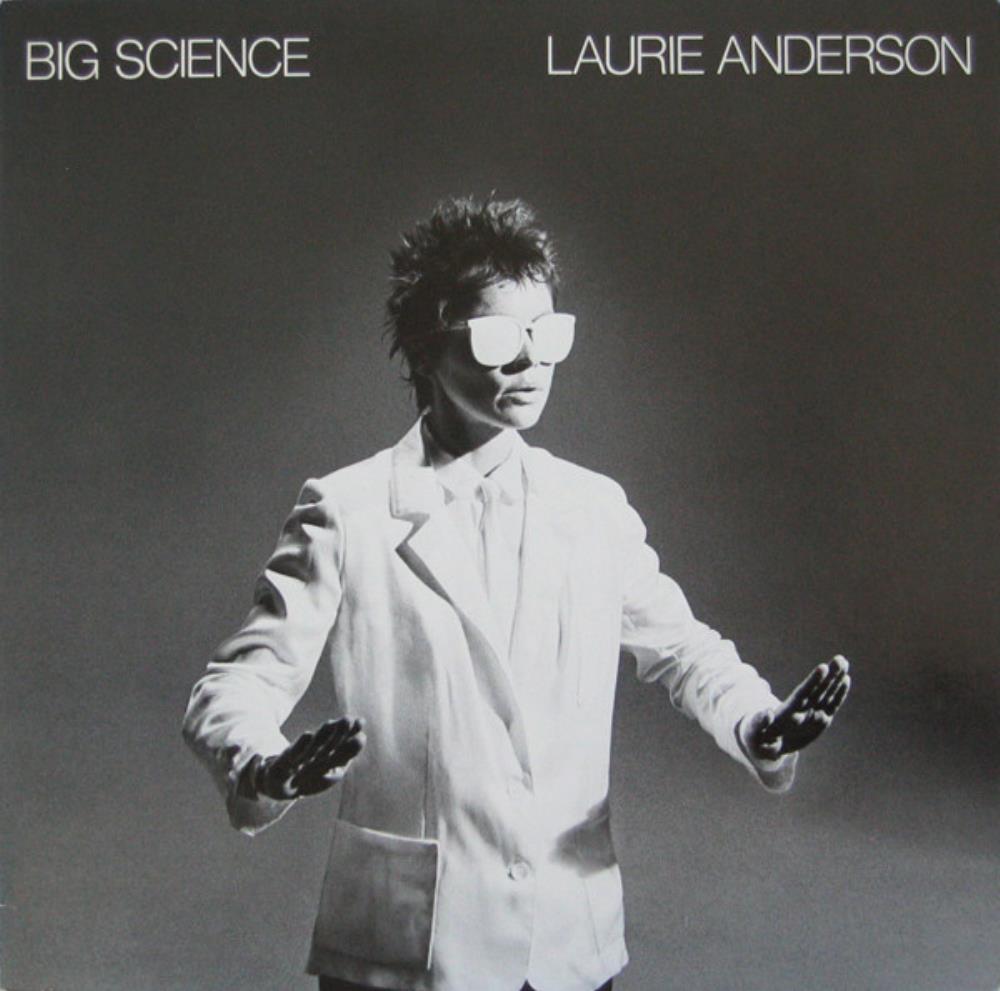
“Let X=X,” Laurie Anderson, 1982
A super-literate performance artist, composer and multi-instrumentalist, Anderson emerged from the New York arts scene in the mid-’70s with an arresting brand of avant-garde music, merging unusual vocalizing and instrumentation with the latest music technology. Her first album, “Big Science,” turned a lot of heads, and its uncommercial 8-minute single, “O Superman,” somehow reached #2 in the UK. Anderson’s virtuosity on violin was typically overshadowed by her fascination with innovations like vocal filters and talking sticks, creating weirdly compelling sounds like on “Let X=X” from the “Big Science” LP. She ended up marrying iconoclast Lou Reed later in life.

“You Know My Name (Look Up the Number),” The Beatles, 1970
This track, one of the weirdest in The Beatles’ catalog, was recorded over four separate sessions between 1967 and 1969. It wasn’t released until 1970 when it became the B-side of the “Let It Be” single. As Paul McCartney recalled, “John turned up at the studio and said, ‘I’ve got a new song’. I said, ‘What’s the words?’ and he replied, ‘You know my name, look up the number.’ I asked, ‘What’s the rest of it?’ ‘No, no other words, those are the words. And I want to do it like a mantra.” That’s exactly what they did, repeating the phrase in various affected voices over a plodding rock beat, a cocktail-lounge shuffle and a jazzy night-club groove with disruptive asides shouted intermittently. Don’t know why I love it. I just do.

“They’re Coming to Take Me Away, Ha Ha,” Napoleon XIV, 1966
I suppose this track would be considered offensive today to those with severe mental illnesses who require institutionalization, but in 1966, it qualified as a novelty hit that actually reached #3 on the US pop charts. A singer/songwriter/producer named Jerry Samuels adopted the stage name Napoleon XIV to record the track, randomly speeding up and slowing down the tempo to make the vocals sound crazier. It’s one of several he recorded that comically explored insanity (“Bats in My Belfry,” “The Nuts On My Family Tree,” “I Live in a Split-Level Head”). On the B-side of the “They’re Coming to Take Me Away, Ha-Haaa!” single was the same song recorded backwards (“”!aaaH-aH ,yawA eM ekaT oT gnimoC er’yehT”). Talk about WEIRD.
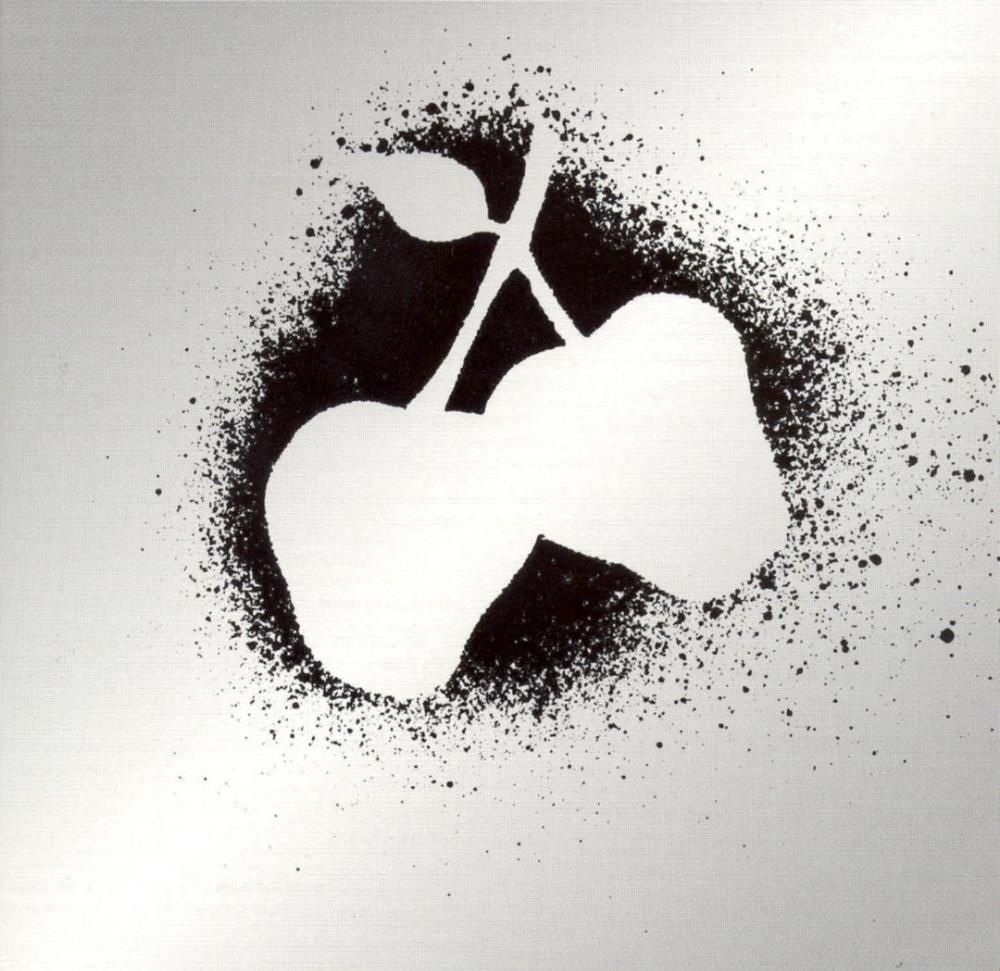
“Oscillations,” Silver Apples, 1968
On of the earliest influences on my rock music listening habits was my friend Paul and his brother Joe, who turned me on to boundary-pushing artists like Frank Zappa and also lesser-known ones like Silver Apples, a New York City synthesizers-and-drums duo. Simeon Coxe and Danny Taylor were among the first to make use of electronic music techniques in the rock/pop genre, employing pulsating rhythms and synthesized melodies from primitive equipment of Coxe’s own devising. These days, electronica is an accepted genre played by many dozens of bands worldwide, but in 1968, Silver Apples — and songs like “Oscillations” — were definitely at the vanguard of a new, weird genre.
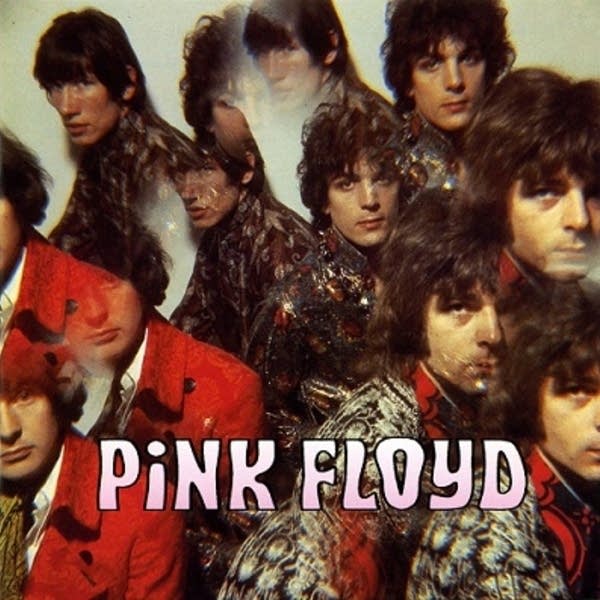
“The Scarecrow,” Pink Floyd, 1967
There are those who think the bulk of Pink Floyd’s repertoire qualifies as weird, but in my view, only their earliest work (1967-1971) falls under that category. In particular, the group’s debut LP, “The Piper at the Gates of Dawn,” largely written by their ill-fated founder Syd Barrett, was really out there, an enigmatic, perplexing batch of tracks the likes of which no one had heard before. I could’ve selected any of the “tunes” from this LP for this post’s playlist, but I settled on “The Scarecrow,” a strange, brief track, using primarily percussion and organ, which equates the scarecrow with society’s outcasts: “The black and green scarecrow, as everyone knows, stood with a bird on his hat and straw everywhere, /He didn’t care…”

“Pasties and a G-String,” Tom Waits, 1976
Waits arrived in 1973 with a remarkable debut album, “Closing Time,” which offered gorgeous melodies and poignant lyrics delivered with vocals so gravelly as to make Bob Dylan sound like a choir boy in comparison. Waits often wrote about outliers and sketchy characters from life’s dark underbelly, championing them as people who were merely dealt a bad hand. His material drifted into looser jazz arrangements as his career progressed, and by 1976, his LP “Loose Change” included quasi-improvisational tracks like “Pasties and a G-String,” with its strip-club lyrics and weird forms of scat singing/talking. Waits has dabbled in blues, rock and experimental genres well into the 2000s.
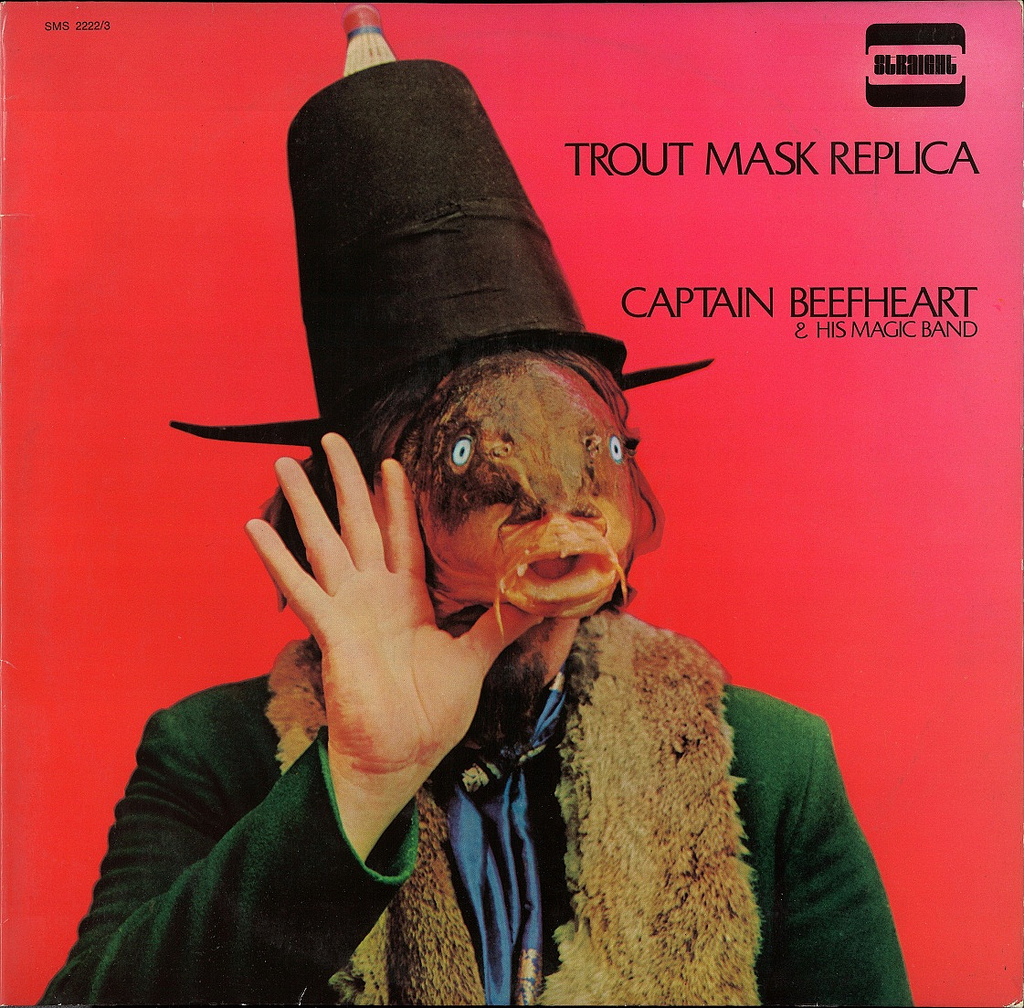
“The Dust Blows Forward and the Dust Blows Back,” Captain Beefheart, 1969
Right up there with the other iconoclasts of the avant-garde frontier of ’60s rock music was Don Van Vliet, who assumed the stage name Captain Beefheart. The California-based artist imposed dictatorial control over his rotating ensemble called His Magic Band, pumping out a dozen albums between 1967-1982 that offered idiosyncratic free jazz, blues rock and absurdist lyrics. His high-water mark, if you can call it that, came when he collaborated with Zappa on “Trout Mask Replica,” a favorite LP of many critics of that era. Beefheart’s recorded output was as influential as it was weird. Take a listen to “The Dust Blows Forward and the Dust Blows Back” for a quintessential sample.

“Zilch,” The Monkees, 1967
“Headquarters,” The Monkees’ third LP, was their first with songwriting and instrumental performances by members of the group. Michael Nesmith wrote three songs himself and five others were written or co-written by the other three Monkees. One of these was the zany tongue twister “Zilch,” in which each band member repeated a nonsensical line they had heard on film, in court or on loudspeakers: “Mr. Dobbaleena, Mr Bob Dobbaleena”; “China Clipper calling Alameda”; “Never mind the ‘furthermore,’ the plea is self-defense”; “It is of my opinion that the people are intending.” It’s a precisely timed vocal exercise until it eventually degenerates into chaos and laughter. To a 12-year-old like me, this was both weird and hilarious.

“Chant of the Ever Circling Skeletal Family,” David Bowie, 1974
The late, great David Bowie has been likened to a chameleon for the way he would continually change his persona and musical approach, sometimes radically, throughout his six decades in the business. He thought nothing of giving his listeners figurative whiplash as he flip-flopped from accessible to dense, from sunny pop to weird industrial. Sometimes this happened on the same album; on 1974’s “Diamond Dogs,” Bowie gave us the commercial rock anthem “Rebel Rebel” as well as the head-scratching finale, “Chant of the Ever Circling Skeletal Family.” The full range of Bowie’s musical spectrum is on display in a new biopic called “Moonage Daydream,” to be released at IMAX theaters in mid-September.
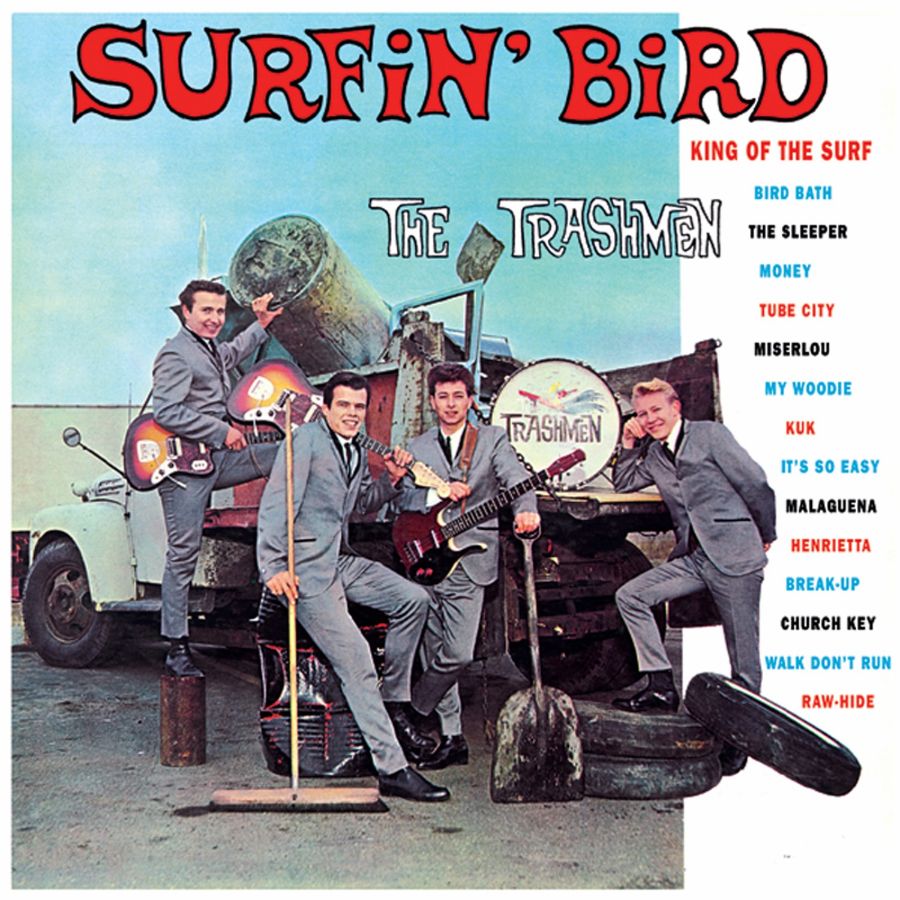
“Surfin’ Bird,” The Trashmen, 1963
In 1962, a talented vocal doo-wop trio from Los Angeles called The Rivingtons came up with a gritty soul classic called “Papa-Oom-Mow-Mow” that, while memorable, stalled at #48 on the charts. They tried again the following year with the similar sounding “The Bird’s the Word,” which also failed to connect with listeners. Then came The Trashmen, a Minneapolis band that billed itself as “the premier landlocked Midwestern surf group of the ’60s,” who took elements of both Rivingtons tracks and came up with “Surfin’ Bird,” which has a more garage-band feel and the outrageously abrasive vocals of drummer Steve Wahrer. Nowhere near as good as The Rivingtons, but it reached #3 on the charts. How weird is that?
***************************
Honorable mention:
“C.I.A. Man,” The Fugs, 1967; “Baby’s On Fire,” Brian Eno, 1974; “Heinz Baked Beans,” The Who, 1968; “Hocus Pocus,” Focus, 1973; “The Lantern,” The Rolling Stones, 1967; Do the Strand,” Roxy Music, 1972; “Alley Oop,” The Hollywood Argyles, 1960; “Coconut,” Harry Nilsson, 1972; “Ahab the Arab,” Ray Stevens, 1962.
*****************************




 Hack's Back Pages