I know what I know
It’s been a while since I’ve tested my readers’ grasp of arcane information about artists, albums and songs from the classic rock era. I fully recognize that I’ve had an Uber-passionate (some might say excessive) interest in such things since I was in middle school, and most of you won’t have a clue about most of these 15 classic rock trivia questions. Nevertheless, let’s give it the old college try, shall we?
Consider these questions I’ve posed, ruminate on them a bit, and jot down your best guesses. Then scroll down to see the answers and, in the process, learn a thing or two about these artists, albums and songs. As always, there’s also a Spotify playlist at the end that includes the pertinent songs referred to in the questions.
Who can get 5 out of 15? Or maybe 10? Or even all 15? Anybody?
*****************************
1 Which artist has NOT recorded a song with Paul McCartney?

a) Steve Miller
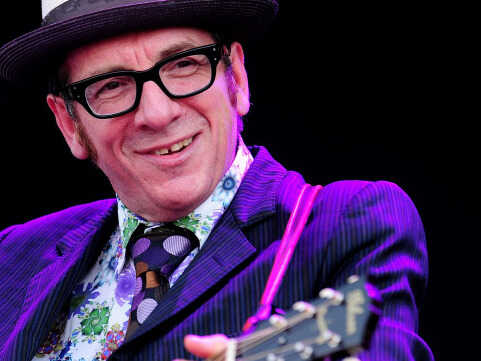
b) Elvis Costello

c) Don Henley

d) Carl Perkins
2 Which of these hit singles was written by Randy Newman?

a) Brewer & Shipley’s “One Toke Over the Line”

b) Three Dog Night’s “Mama Told Me Not to Come”

c) Mungo Jerry’s “In the Summertime”
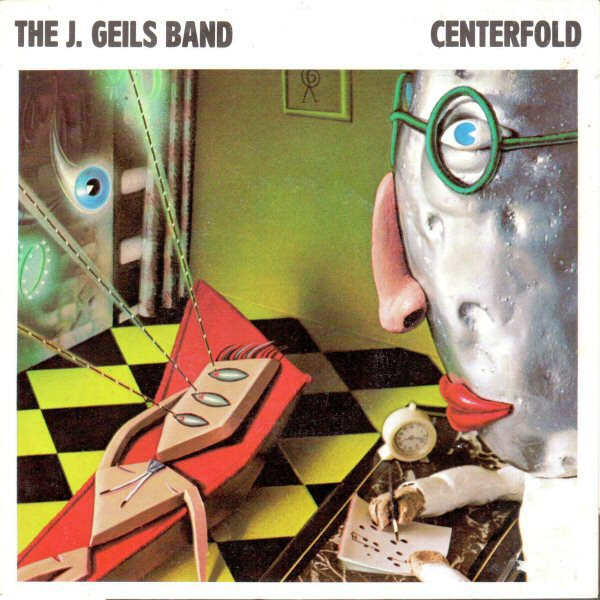
d) J Geils Band’s “Centerfold”
3 Which John Lennon solo song was originally intended to be a Beatles track under another title with different lyrics?
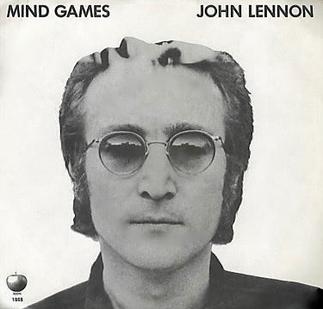
a) “Mind Games”
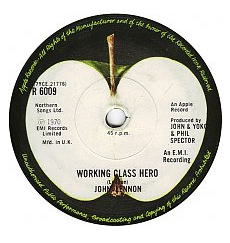
b) “Working Class Hero”
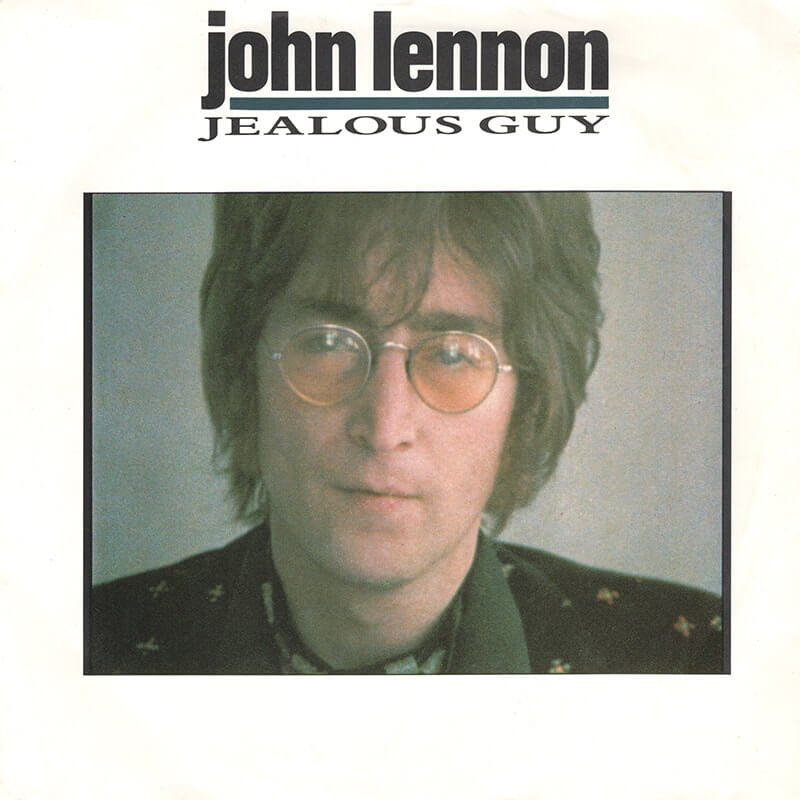
c) “Jealous Guy”
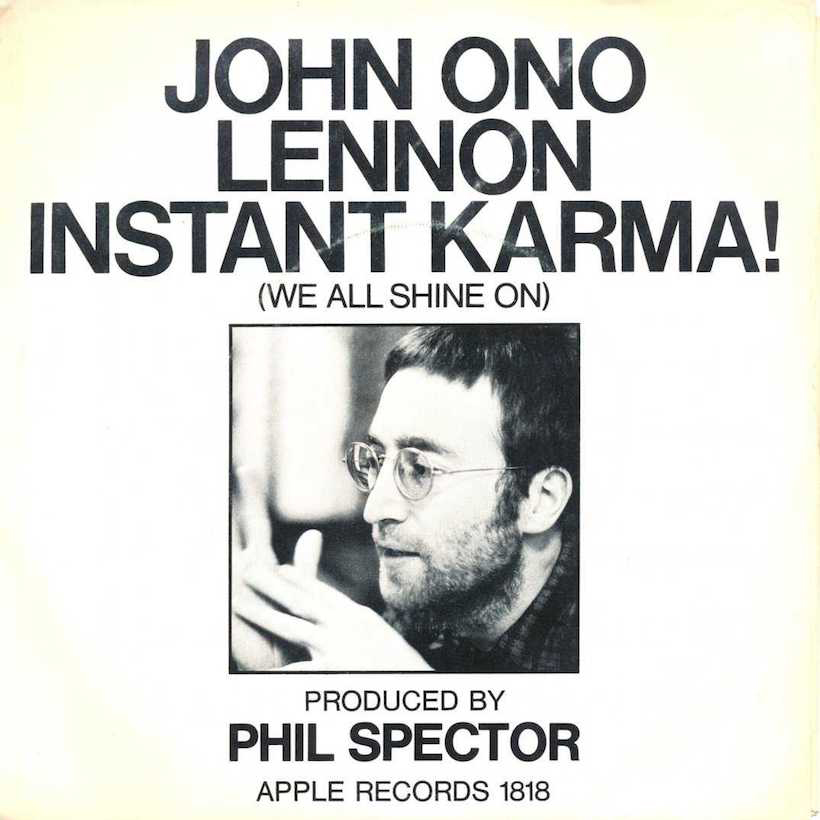
d) “Instant Karma”
4 Only one of these four James Taylor hit singles was written by Taylor. Which one?

a) “You’ve Got a Friend”

b) “Handy Man”

c) “How Sweet It Is (To Be Loved By You)”
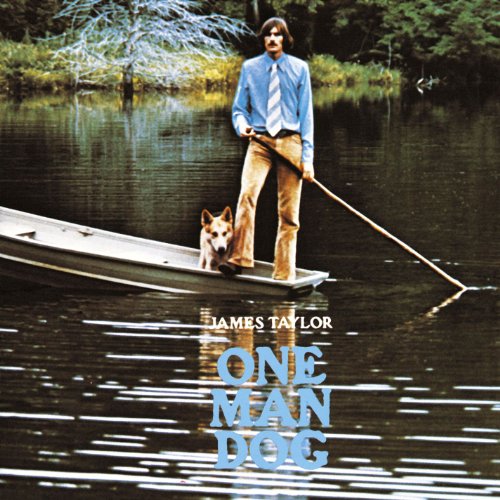
d) “Don’t Let Me Be Lonely Tonight”
5 Which song does NOT include the word “fuck” in the lyrics?

a) “Woman of Heart and Mind,” Joni Mitchell

b) “We Can Be Together,” Jefferson Airplane
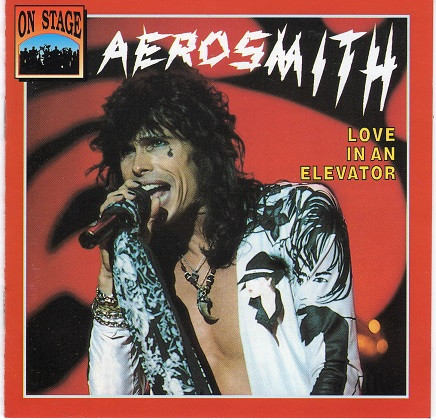
c) “Love in an Elevator,” Aerosmith

d) “Show Biz Kids,” Steely Dan
6 Which song was a bigger hit on the charts in its live version than in its studio version?
a) “Start Me Up,” The Rolling Stones

b) “Rock and Roll All Nite,” Kiss
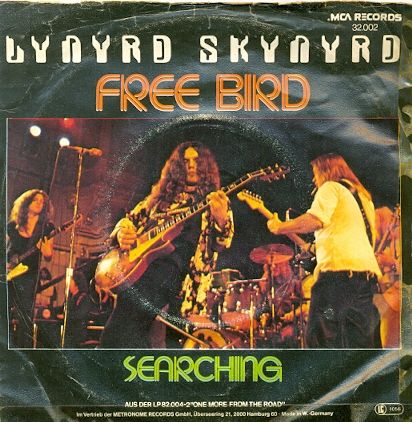
c) “Freebird,” Lynyrd Skynyrd
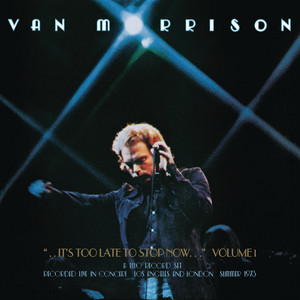
d) “Domino,” Van Morrison
7 Which guitarist never appeared on a Steely Dan record?

a) Rick Derringer

b) Mark Knopfler

c) Jeff Beck

d) Steve Khan
8 What was Tina Turner’s real name?
a) Florence Matthews
b) Anna Mae Bullock
c) Shirley Washington
d) Delilah King
9 Which Beatles single failed to reach the Top Ten on the US charts?

a) “Nowhere Man”
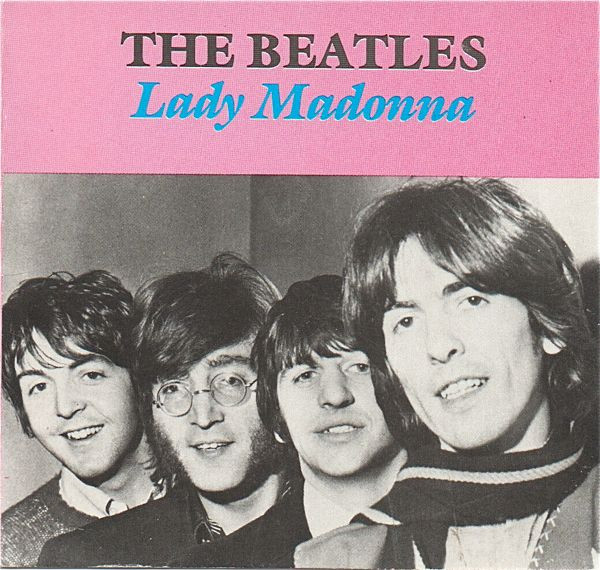
b) “Lady Madonna”
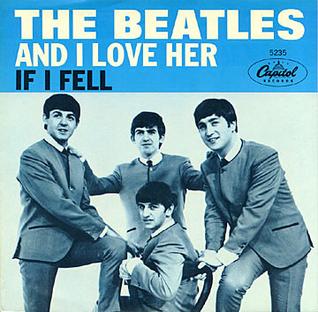
c) “And I Love Her”
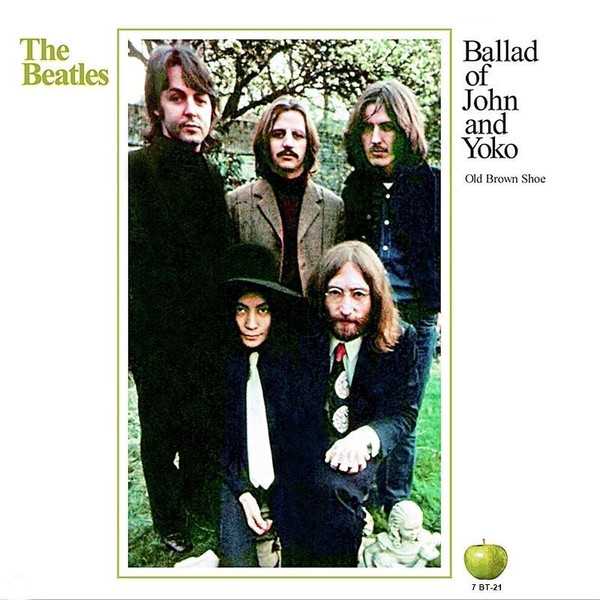
d) “The Ballad of John and Yoko”
10 Who played the pedal steel guitar part on Crosby, Stills, Nash & Young’s hit “Teach Your Children”?
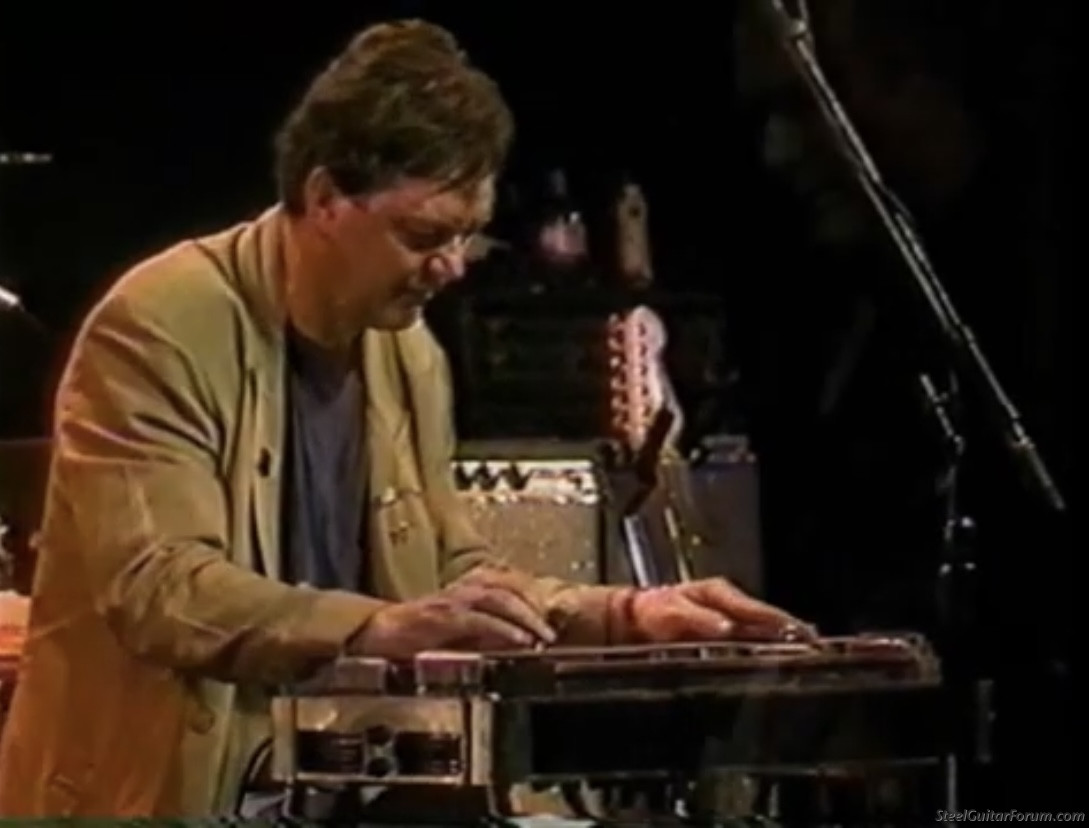
a) Rusty Young of Poco
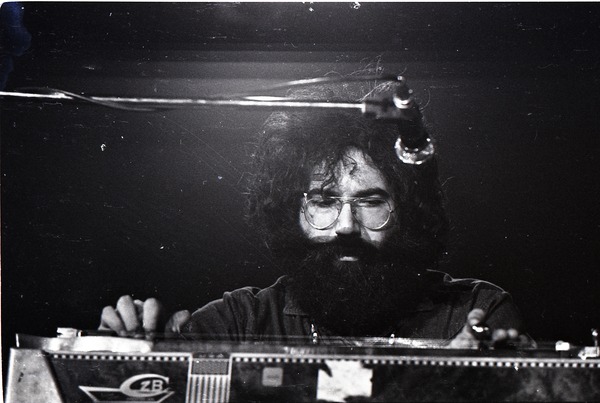
b) Jerry Garcia of The Grateful Dead
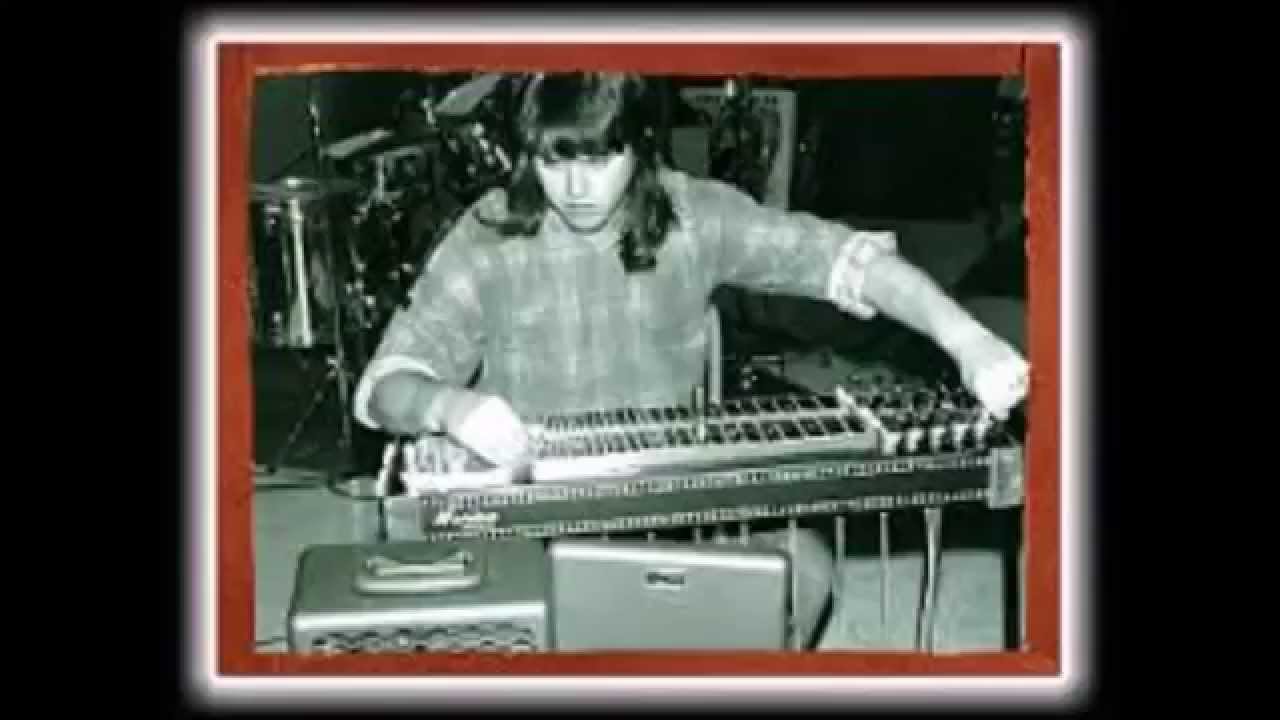
c) Toy Caldwell of The Marshall Tucker Band
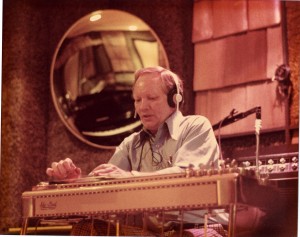
d) Pete Drake, Nashville session musician
11 On which Bob Dylan album did Johnny Cash make an appearance?

a) “New Morning”

b) “John Wesley Harding”
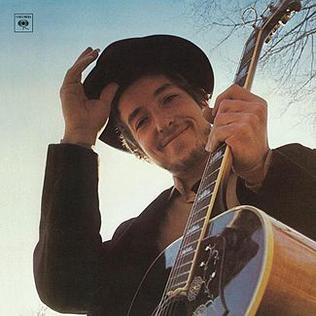
c) “Nashville Skyline”

d) “Blood on the Tracks”
12 Who has never been a member of Bruce Springsteen’s E Street Band?
a) Vini Lopez
b) David Sancious
c) Nils Lofgren
d) Southside Johnny Lyon
13 Which song has reached #1 on US charts by two different artists?
a) “The Letter”
b) “Venus”
c) “Ain’t No Mountain High Enough”
d) “Summertime Blues”
14 What is Bono’s real name?
a) Henry Deutschendorf
b) Paul Hewson
c) Thomas Shelby
d) Ivan Byrne
15 Which of these highly regarded live albums charted the highest in the US?
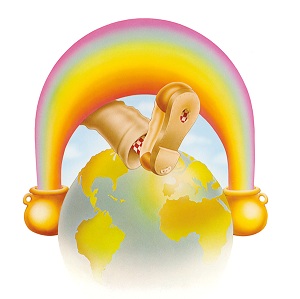
a) “Europe ’72,” Grateful Dead

b) “At Fillmore East,” The Allman Brothers Band

c) “Rock of Ages,” The Band
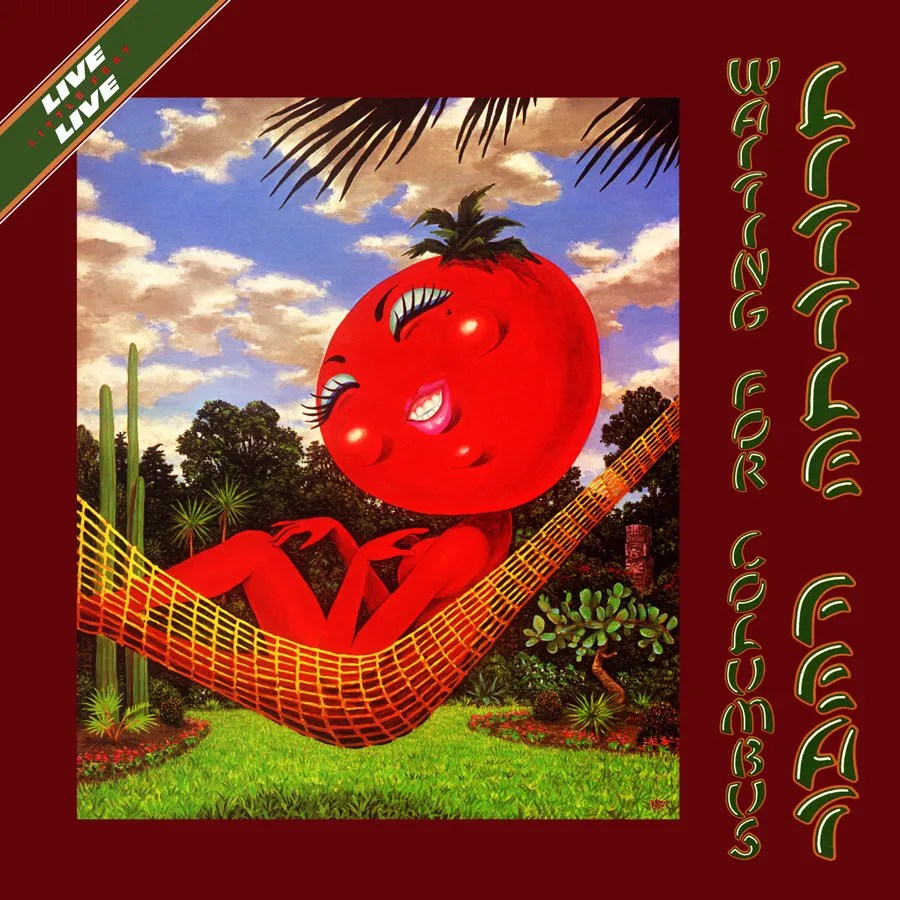
d) “Waiting For Columbus,” Little Feat
**************************
*
*
*
*
*
*
*
*
*
*
ANSWERS:

1 McCartney has never collaborated with Don Henley. Paul recorded and co-wrote several songs with Elvis Costello, notably “You Want Her Too” on Paul’s “Flowers in the Dirt” album and “Veronica” on Costello’s “Spike” LP. He recorded and co-wrote the blues track “Used to Be Bad” with Steve Miller on Paul’s 1997 album “Flaming Pie.” He also recorded with Carl Perkins, a country-picking tune called “Get It” from the celebrated 1982 LP “Tug of War.”

2 Newman wrote “Mama Told Me Not to Come” in 1967 for former Animals lead singer Eric Burdon, who recorded it for his “Eric is Here” solo debut. Newman recorded it himself for his “12 Songs” album in 1970, the same year that Three Dog Night’s rendition reached #1 on US pop charts. (“One Toke Over the Line” was written by Mike Brewer and Tom Shipley; “In the Summertime” was penned by Ray Dorset, lead singer for Mungo Jerry; and “Centerfold” was composed by J Geils band keyboard player Seth Justman.)

3 Upon returning from their meditation retreat in India in spring 1968, The Beatles made demos of a couple dozen songs, many of which ended up on The White Album. Lennon wrote a tune he originally titled “Child of Nature,” inspired by Maharishi’s lectures, but since Paul had written “Mother Nature’s Son” around the same time, Lennon shelved his song for a few years, resurrecting it during sessions for his “Imagine” album in 1971. He wrote a new set of lyrics confessing his propensity to be jealous, and entitled it “Jealous Guy.”

4 “Don’t Let Me Be Lonely Tonight” is a Taylor original, recorded in 1972 for his “One Man Dog” album. “You’ve Got a Friend” is Carole King’s song, which she also recorded on her 1971 LP “Tapestry.” “Handy Man” was co-written by Otis Blackwell and Jimmy Jones, and recorded by Jones in 1959. “How Sweet It Is” was written by the Motown songwriting team of Eddie Holland, Lamont Dozier and Brian Holland and recorded first by Marvin Gaye in 1965.
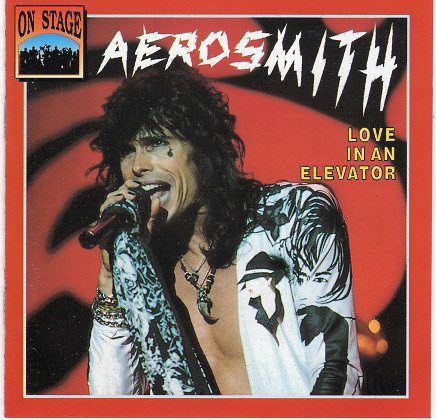
5 Aerosmith’s “Love in an Elevator” was a #5 hit in 1989 about wanting to have sex while riding an elevator, but the f-bomb doesn’t appear in the lyrics. Joni Mitchell dared use it in a dramatic way in her 1972 song to criticize the hollowness of a man who would “drive your bargains, push your papers, win your medals, fuck your strangers, don’t it leave you on the empty side…”. In 1969, Paul Kantner of Jefferson Airplane used the ’60s protest slogan “Up against the wall, motherfucker” in the lyrics of his utopian screed “We Can Be Together” on their “Volunteers” LP. Steely Dan’s songwriting team of Donald Fagen and Walter Becker wrote “Show Biz Kids” in 1973 as a scathing indictment of the narcissism inherent in the Hollywood elite: “Show business kids making movies of themselves, you know they don’t give a fuck about anybody else…”

6 Kiss first released “Rock and Roll All Nite” as a single from its “Dressed to Kill” album in early 1975, but it stalled at #68. Six months later, their “Alive!” LP was released and a live version of the song reached #12 on US charts in 1976. The Rolling Stones included live versions of “Start Me Up” on four different live LPs but none were released as a single, while the studio recording was a huge #1 hit in 1981. “Domino” was a #9 hit for Van Morrison in 1970, and although he recorded a live version for his “It’s Too Late to Stop Now” in 1974, it was not released as a single. Lynyrd Skynyrd’s “Freebird” was issued as a single in its 1976 live version, but it peaked at #38 while the original topped out at #19 in 1974.

7 Although it would’ve been an intriguing idea to bring Jeff Beck in for a solo on a Steely Dan track, he never made an appearance. Rick Derringer was a guest two times for the band on the 1973 tune “Show Biz Kids” and the 1975 “Katy Lied” track “Chain Lightning.” Mark Knopfler of Dire Straits took time off in 1980 to provide some tasty guitar licks on “Time Out of Mind” from the “Gaucho” LP. Jazz guitarist Steve Khan played on a half-dozen tracks on “Aja” and “Gaucho.”

8 Florence Matthews, Shirley Washington and Delilah King are names I made up. Tina Turner’s given name was Anna Mae Bullock.
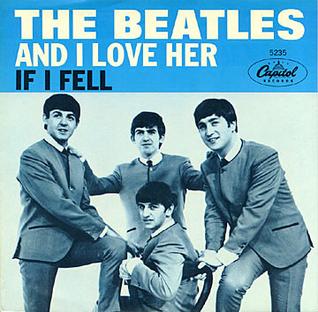
9 “And I Love Her,” a McCartney ballad from the “A Hard Day’s Night” soundtrack in 1964, missed the US Top Ten, peaking at #12. “Nowhere Man” (#3 in 1965), “Lady Madonna” (#4 in 1968) and “The Ballad of John and Yoko” (#8 in 1969) all managed to reach the Top Ten here.

10 The Grateful Dead and CSN&Y (especially David Crosby and Neil Young) had a simpatico relationship in 1969-70, and it made perfect sense for Graham Nash to recruit Jerry Garcia for the “Teach Your Children” session. Actually, Rusty Young would have been a logical possibility, seeing as how Poco was born from ashes of Stephen Stills’ old band Buffalo Springfield… Pete Drake was in demand as the cream of pedal steel players, but he wasn’t conveniently located in LA, where sessions were held. Same with South Carolina-based Toy Caldwell, whose group, The Marshall Tucker Band, didn’t emerge until two years later in 1972.

11 It stands to reason that Nashville-based Johnny Cash would show up on “Nashville Skyline,” recorded in the Music City in 1969 using Nashville musicians. Cash and Dylan recorded an unvarnished take on the 1963 Dylan song “Girl From the North Country.” It’s not inconceivable Cash could’ve showed up on 1968’s “John Wesley Harding,” also recorded in Nashville, or even on the country-flavored “New Morning” in 1971, even though it was recorded in New York. It’s far less likely that Cash would’ve been collaborating on Dylan’s highly personal LP “Blood on the Tracks” in 1974…
12 Southside Johnny Lyon was a close friend of Springsteen from their days playing clubs along the Jersey shore, and Springsteen contributed a half-dozen original songs to Southside’s repertoire, but Lyon never spent time as a member of The E Street Band. Vini Lopez and David Sancious were the original drummer and piano player in Springsteen’s band, heard on the 1973 LP “The Wild, the Innocent and The E Street Shuffle.” Lopez was let go in favor of Max Weinberg, while Sancious sought a solo career and was replaced by Roy Bittan. Nils Lofgren joined The E Street Band in 1984 as Steve Van Zandt’s replacement and has been in the lineup ever since (even after Van Zandt returned).
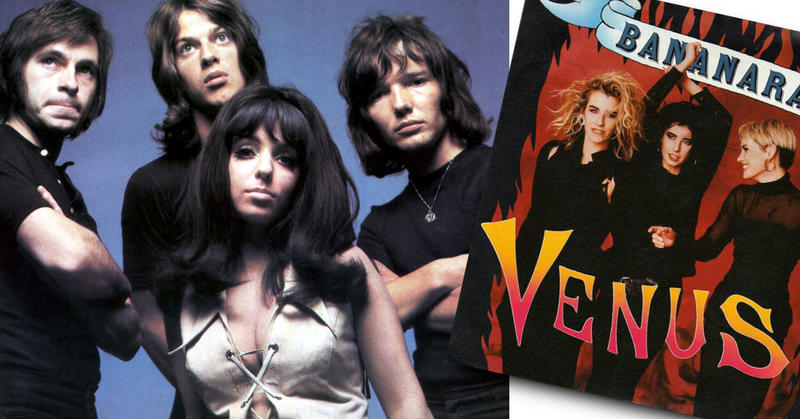
13 “The Letter” was a huge #1 hit in its first incarnation by The Box Tops in 1967, but Joe Cocker’s exuberant remake in 1970 topped out at #7. Diana Ross’s melodramatic rendition of “Ain’t No Mountain High Enough” was a big #1 debut hit for her in 1970, but the original arrangement in 1967 featuring Marvin Gaye and Tammi Terrell managed only #19. “Summertime Blues” reached #8 in 1958 for Eddie Cochran, #14 for Blue Cheer in 1968, #27 for The Who in 1970, but never #1 (although it became a #1 country chart hit for Alan Jackson in 1994). “Venus” is the winner, reaching #1 for Shocking Blue in 1970 and #1 again in 1986 for Bananarama. What’s more, there’s an entirely different song with the same “Venus” title that reached #1 for Frankie Avalon in 1959.

14 Paul Hewson had a number of nicknames during his Dublin upbringing, including Bon Murray and Bono Vox of O’Connell Street, before settling on just Bono in 1975. The name Henry Deutschendorf is the given name of John Denver. The name Thomas Shelby will be familiar to viewers of the Netflix series “Peaky Blinders” as the lead character. Ivan Byrne? Made that one up.

15 After a few iconic studio albums that reached the Top Ten, the timing was perfect for the release of The Band’s “Rock of Ages,” their extraordinary 1972 live album that capitalized on their then-current popularity and peaked at #6 on US album charts. The Grateful Dead’s excellent live triple-LP “Europe ’72” leveled off at #24 in 1972; Little Feat’s awesome “Waiting for Columbus” in 1978 plateaued at #18. Even my favorite live album of all time — “The Allman Brothers At Fillmore East” — peaked at #13.
*********************************
 conducted in 2017 for a Billboard Magazine article.
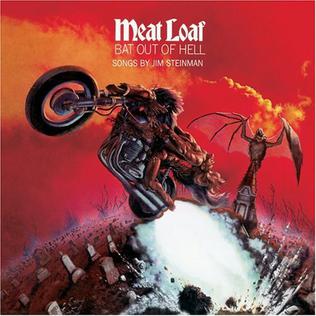 and he was asked how he happened to get involved with the project.
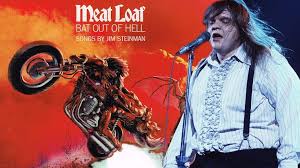
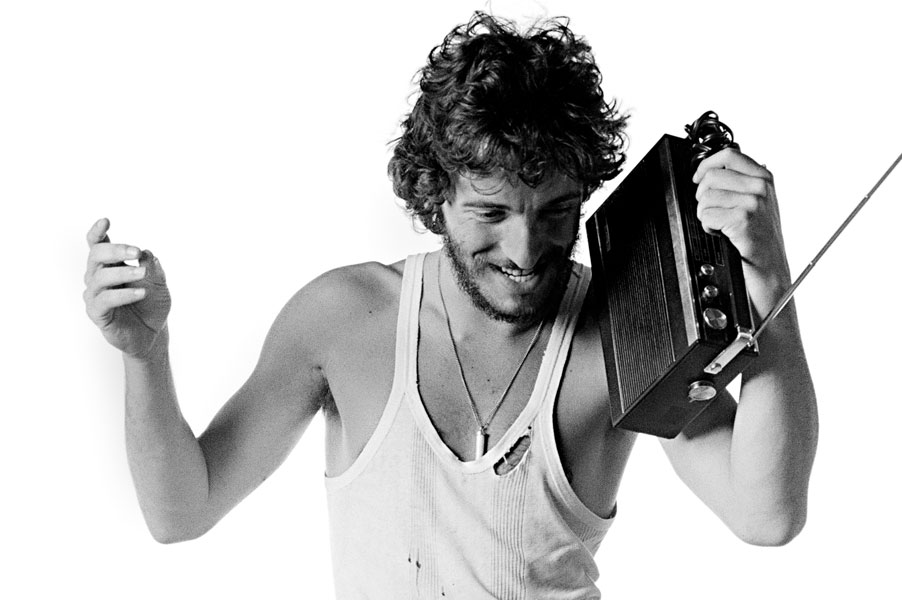 “In 1975, the mid-’70s, the themes were kind of nostalgic,” said Rundgren. “Even though Bruce Springsteen would represent them as still being real, the iconography was still out of the ’50s, you know? It was switchblades and leather jackets and motorcycles and that sort of junk. It was so annoying to me personally that Springsteen was being declared the savior of rock and roll. You know, he was on the cover of Time and Newsweek, and I thought, ‘You know, this music is going nowhere.’ He may have represented the image that people wanted, but from a musical standpoint, I thought it was going backwards. So I thought he needed to be spoofed. I saw the whole ‘Bat Out of Hell’ concept as being a parody of Bruce. That’s why I decided to get involved.
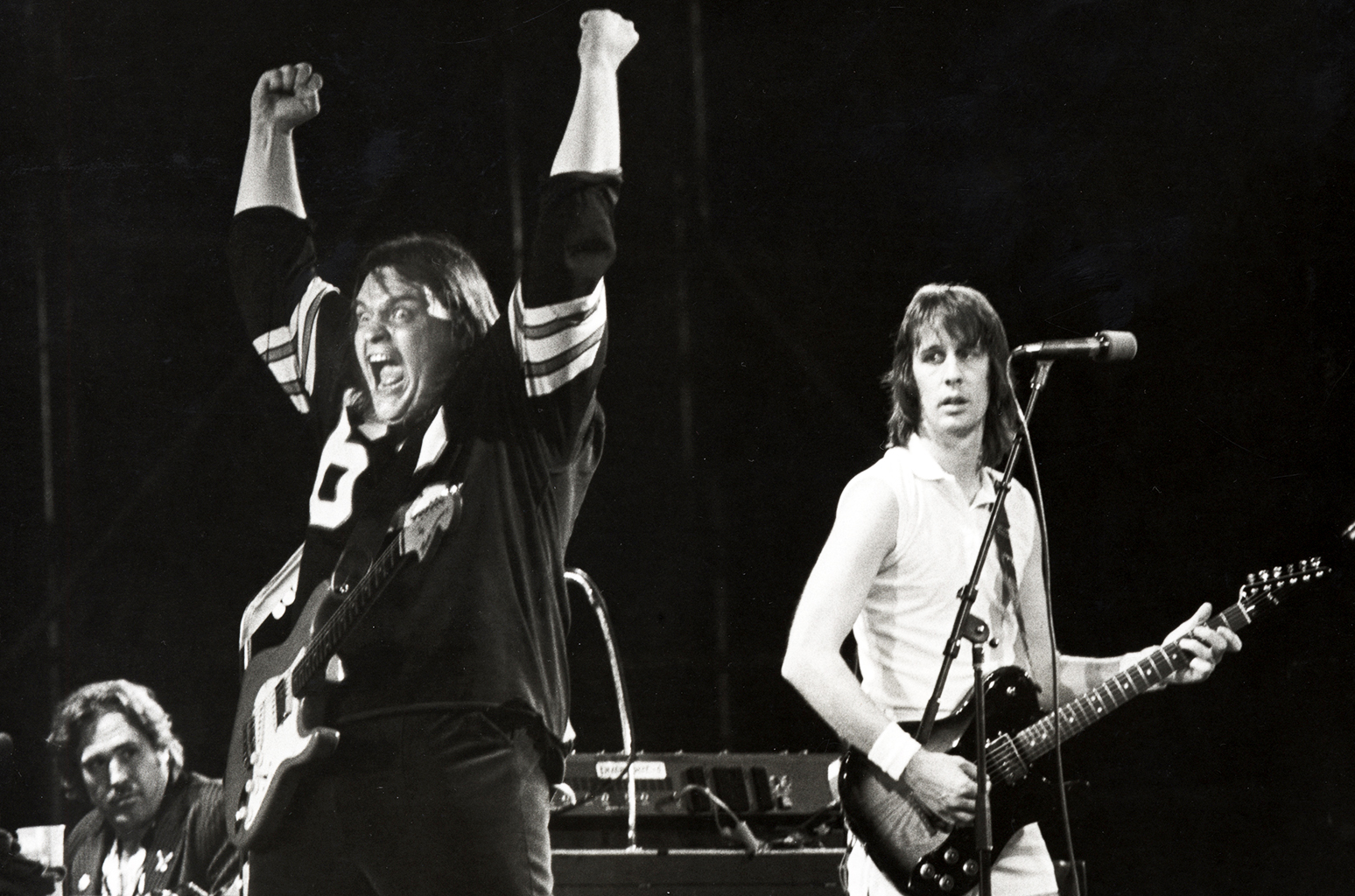 playing on the record, so that kind of made it even spoofier. I recruited them to work on it, but I don’t think I instructed them to think of it differently than they would have otherwise. But quite obviously they were cast because they could bring that ‘Springsteeniness’ to the whole project.”
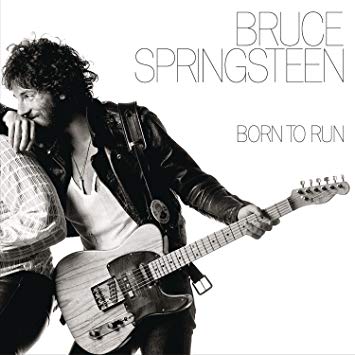 bought it might have just gotten sick of waiting for ‘Darkness on the Edge of Town’ (whose release had been delayed and wouldn’t finally occur until the following summer).”
 understood Steinman’s unique perspective or not.
 Hack's Back Pages