If the wind is right, you can sail away and find serenity
In the late ’70s/early ’80s, there existed a commercially successful sub-genre of rock music that had been called “the West Coast sound,” or “adult-oriented rock” (AOR). Basically, it mixed pop, R&B, soul, funk, and jazz into impeccably produced radio-ready songs that emphasized melody and mellow vibes and downplayed rock’s harsher elements. “Soft rock,” some called it, although some of the songs were not ballads or even all that “soft.”
In 2005, J.D. Ryznar, a Southern California writer/director/producer who considers himself a fan of that music, became fascinated with how much of it seemed to be recorded by the same community of Los Angeles-based studio musicians. He developed a comedy video web series he dubbed “Yacht Rock,” which poked fun at what he guessed would be the music you’d hear if you frequented the marinas where the wealthy hung out sipping drinks on their yachts.
Although the songs of artists like Michael McDonald, Steely Dan, Christopher Cross, Toto and others were never referred to as “yacht rock” at the time the music was created, the moniker is now widely used, both lovingly and pejoratively, to characterize the precise, polished, sublime sounds that commanded a great deal of airplay in the 1975-1985 period.
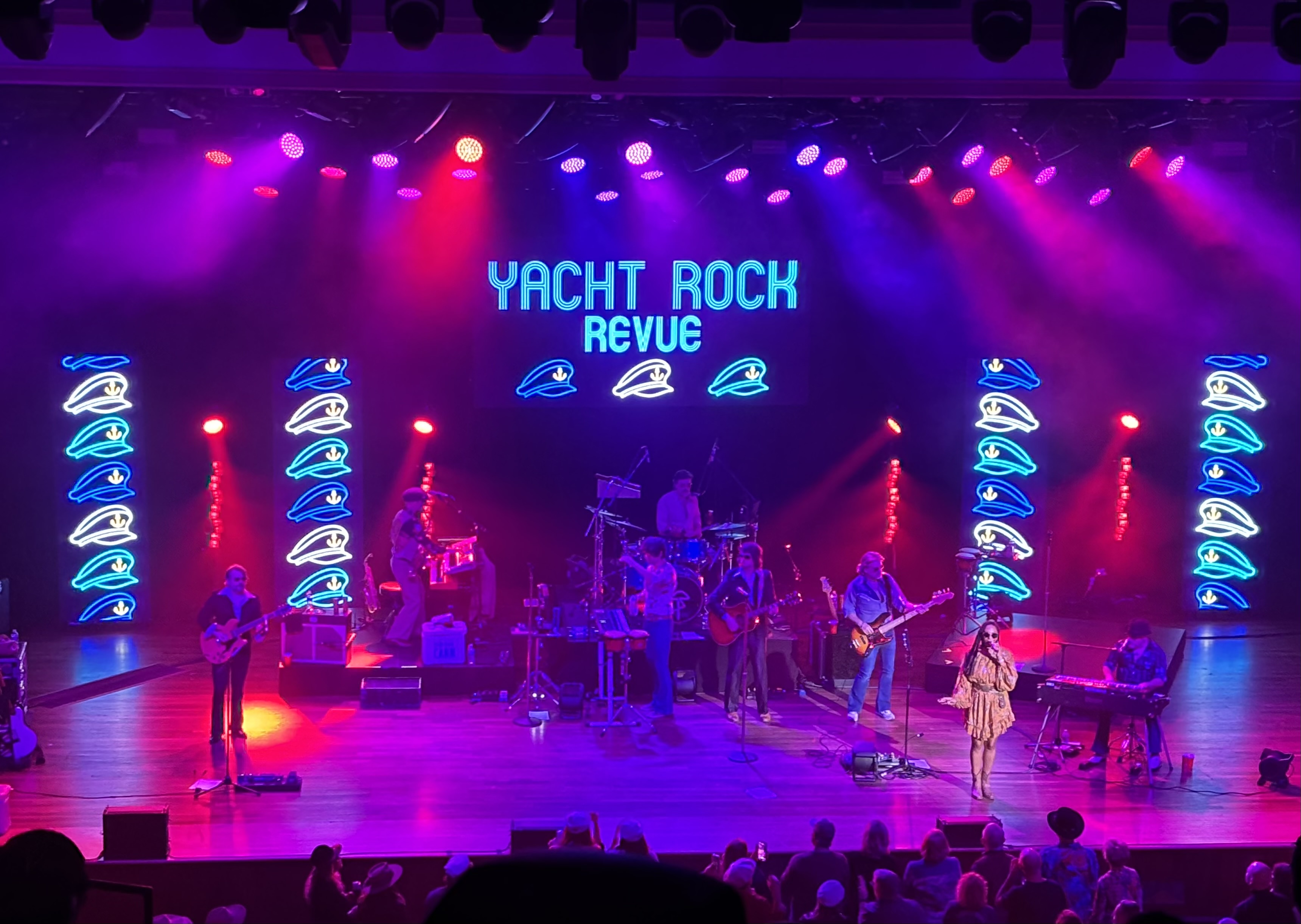
Indeed, for almost two decades now, an Atlanta-based ensemble known as Yacht Rock Revue has been touring for up to 100 shows per year, pumping out convincing cover versions of songs that fall into the loosely defined category. I attended one of these shows in Nashville last week and found it be fun and entertaining, even if it was pretty much just a bunch of unidentified musicians operating as a competent cover band. They’re not unlike the “tribute bands” that cover songs of one specific group (like Dark Star, the famous Grateful Dead tribute band), except Yacht Rock Revue offer renditions of songs by a couple dozen different artists.
To my ears, many of the tunes played are great songs, even favorites of mine — tracks like The Doobie Brothers’ “What a Fool Believes,” Christopher Cross’s “Ride Like the Wind,” Toto’s “Hold the Line,” Kenny Loggins’s “This Is It,” Nicolette Larson’s “Lotta Love,” Boz Scaggs’s “Lowdown” and Fleetwood Mac’s “You Make Loving Fun.” Sure, they were (and still are) overplayed, but that’s really the fault of unimaginative radio programmers rather than the artists who recorded them.
Ryznar admits that the “yacht rock” phrase was meant to gently mock the non-threatening, smooth pop that served as the soundtrack for his short-lived comedy video series, but the name stuck, thanks in large part to jaded music critics who seized on it in their effort to disparage anything that didn’t rock out aggressively with shrieking vocals and shredded guitar solos.
I asked a few music-loving friends what the term “yacht rock” meant to them, and one said, “It’s music for preppy, upper-class, entitled kids (or wanna-be’s thereof) who took the easy-listening way out of having to understand what rock ‘n’ roll was all about.” Another friend added, “Think Tad and Muffy on the back deck in the harbor, dressed in casual (but expensive) Abercrombie attire, with a pitcher of margaritas.”
I beg to differ. Even Ryznar said he used the term affectionately, and those who like this style have embraced the “yacht rock” term. They sold out the Ryman Auditorium last week, as they have in most cities where Yacht Rock Revue have performed, many showing they were in on the joke by wearing captain’s hats and other nautical gear.
It’s music with strong R&B and smooth jazz influences, high production values, clean vocals and light, catchy melodies. In 2014, music writer Matt Colier identified what he feels are the key defining rules of the genre: 1) Keep it smooth, even when it grooves; 2) Keep the emotions light even when the sentiment turns sad; 3) Keep it catchy; 4) Offer the exhilaration of escape.
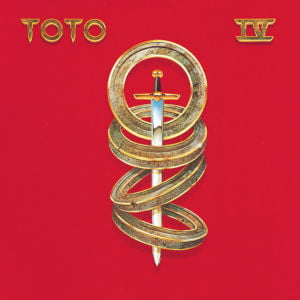
Bands like Toto and Steely Dan featured a very clean, precise sound that was painstakingly produced, and critics who prefer a rawer brand of rock find that pristine sound to be a negative, synonymous with “too commercial” and “lacking soul or spontaneity.” Rock and roll is meant to be rough around the edges, uncultured, with in-your-face energy and immediacy, they claim. Well, hey, I like loud, growling hard rock too, but there’s room in my music library for both.
On Sirius XM, there’s a station called Yacht Rock Radio that plays this stuff exclusively. “We celebrate the smooth-sailing soft rock from the late 70s and early 80s,” says its website. “It’s the kind of rock that doesn’t rock the boat!”
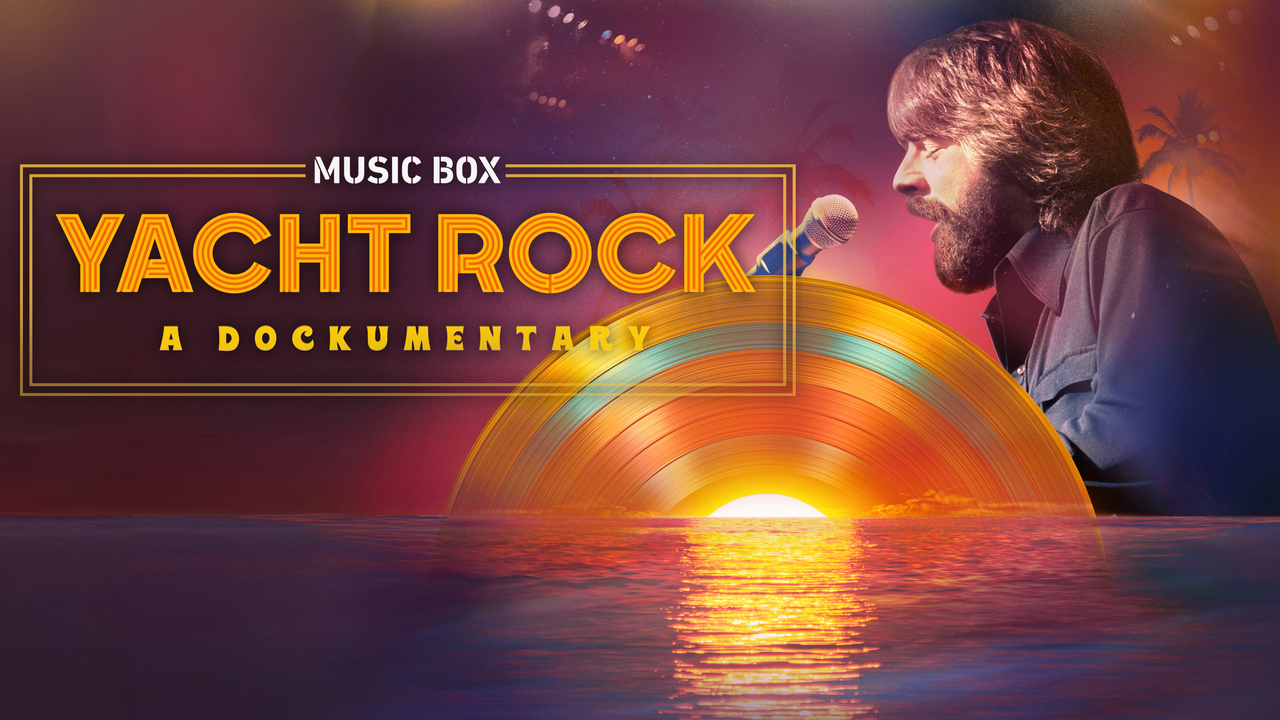
“Yacht Rock: A DOCKumentary,” released in 2024, examines the phenomenon, interviewing a variety of musicians and music industry types who, either enthusiastically or grudgingly, concede that the music in question is sonically top-shelf and melodically satisfying. Thundercat, a Grammy-winning bassist from L.A., said, “I’ve never identified it as yacht rock. I’ve always looked at it from the inside, like, ‘Dang, that’s just amazing songwriting.'”
Comedian/actor/musician Fred Armisen had this to say in the documentary: “Yacht rock, to me, is a very relaxing feeling. The singers all seem to be saying, ‘Hey it’s gonna be OK.'”
In its review of the film, Rotten Tomatoes concluded, “Retroactively dubbed “Yacht Rock” in 2005 by a parody website series, the easy listening, relaxing sounds of the late 1970s and early 1980s, which were beloved by many, came to be gently mocked and even dismissed by rock lovers and critics, but have since reclaimed their legitimate place in music history and are celebrated in this groove-infused film.”
So which artists and songs qualify as yacht rock? The boundaries are actually rather fuzzy, but you might start with Steely Dan. On albums like “The Royal Scam,” “Aja” and “Gaucho,” Donald Fagen and Walter Becker used a broad range of LA-based studio musicians to create the stylish palette they were looking for, and they were perfectionists about it, sometimes trying a half-dozen different guitarists (or drummers or keyboardists) to get just the right take.
Sometimes they used the truly professional musicians who went on to become the members of Toto, who, along with singer Michael McDonald, also guested on the recorded work of Christopher Cross, or Boz Scaggs, or James Ingram, or Nicolette Larson. It was fairly incestuous the way the same names kept popping up on these albums, but that’s because they were the “first call” session musicians most in demand at the time.
Said highly regarded guitarist Jay Graydon, “Many of these songs offered jazz chord changes, but rock/pop grooves. We’re closet jazz guys making pop records — confident, even cocky, and perfect performances every time.”
There are artists who might have a few songs that fall into the yacht rock template but the bulk of their catalog does not. People like Ambrosia, Little River Band, Pablo Cruise, Lionel Richie, Alan Parsons Project, Stephen Bishop, Art Garfunkel, Seals & Crofts, Air Supply, Phil Collins, Grover Washington, Eric Carmen, Steve Winwood and Hall & Oates have heard some of their music played on Yacht Rock Radio. Some are cool with it, but Daryl Hall, for one, took umbrage.
“It’s just R&B, with maybe some jazz in there,” he said. “Mellow R&B, smooth R&B. I don’t see what the yacht part is. It was just a fucking joke by two jerkoffs in California, and suddenly it became a genre. I never understood it. People misjudged us because they couldn’t label us. The music press always came up with all these kinds of crap labels. Soft rock, yacht rock. It’s nonsense, really.”
Toto ran into this same problem. Founders David Paich and Jeff Porcaro were seasoned studio players who formed Toto in 1977, blending rock, pop, jazz, funk, even some progressive. Their music didn’t fit easily into a single category, so critics didn’t know how to evaluate them. Ironically, their huge commercial success with tracks like “Africa” and “Rosanna” worked against them, as certain critics looked down their noses and dismissed them as “mainstream” and “anti-rock.” They were called technicians rather than legitimate artists, which were prejudices that had little to do with their actual musical performances.
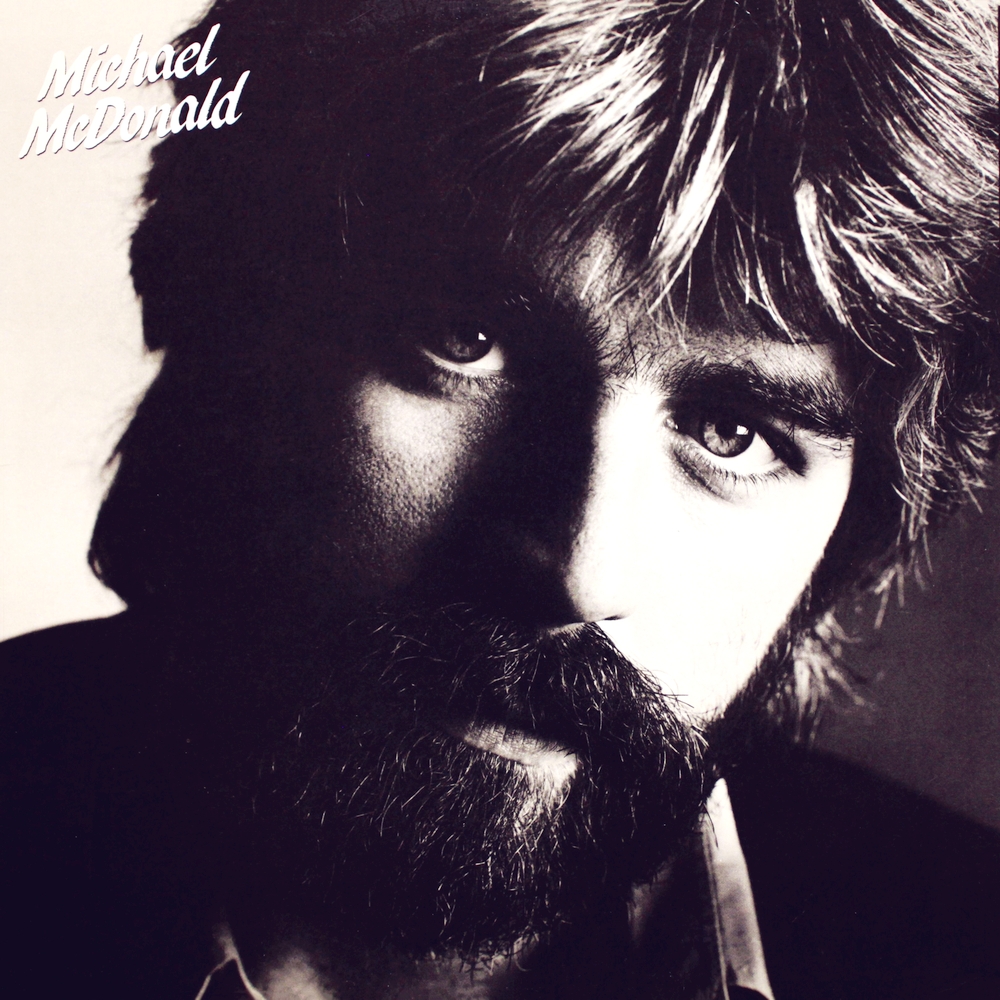
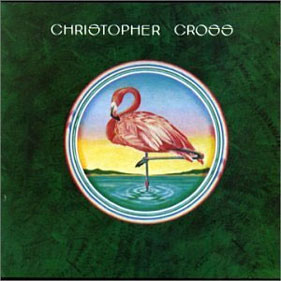
There are those who label Cross’s 1979 megahit “Sailing” as the ultimate yacht rock anthem largely because of its chill nautical theme. Others say, “Anything with Michael McDonald on it qualifies.” McDonald himself finds the yacht rock designation “hilarious. It’s a bit exaggerated, but these things always have a bit of truth to them. They hit on something, and it has struck a chord for a lot of people out there who find the music nostalgic.”
My friend Paul, who has a lot of experience sailing, noted, “Yacht rock has had a bad rap because it sounds snooty and upper class, while the music is not. I think ‘Summer Breeze’ by Seals and Crofts sums it up very well.”
I’ve collected 30 songs from a variety of “yacht rock” playlists (including 15 from Yacht Rock Revue’s setlist last week) and included my own preferences in the playlist below. If you’re a yacht-rock naysayer, I’d bet good money there are at least five or six songs on this list that you admire, even if only secretly as a “guilty pleasure.”
One of my friends summed up one of the appealing things about yacht rock: “This should be your playlist of choice if you’re trying to get laid.”
**************************








 Hack's Back Pages