If the wind is right, you can sail away and find serenity

In the late ’70s/early ’80s, there existed a commercially successful sub-genre of rock music that had been called “the West Coast sound,” or “adult-oriented rock” (AOR). Basically, it mixed pop, R&B, soul, funk, and jazz into impeccably produced radio-ready songs that emphasized melody and mellow vibes and downplayed rock’s harsher elements. “Soft rock,” some called it, although some of the songs were not ballads or even all that “soft.”

In 2005, J.D. Ryznar, a Southern California writer/director/producer who considers himself a fan of that music, became fascinated with how much of it seemed to be recorded by the same community of Los Angeles-based studio musicians. He developed a comedy video web series he dubbed “Yacht Rock,” which poked fun at what he guessed would be the music you’d hear if you frequented the marinas where the wealthy hung out sipping drinks on their yachts.

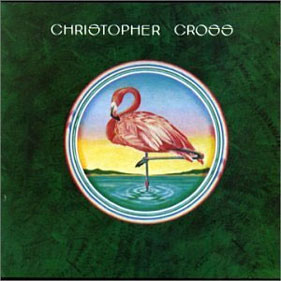
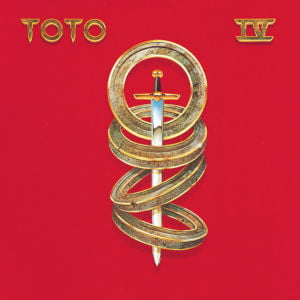
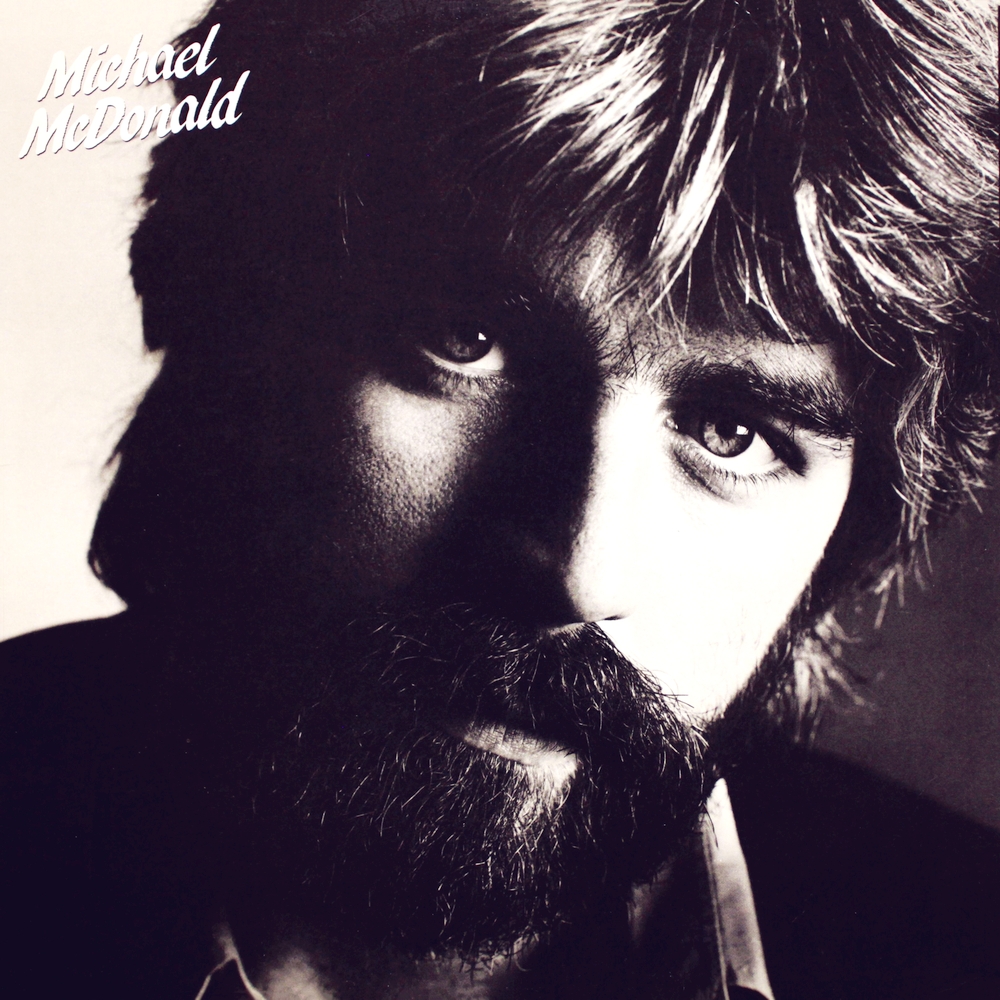
Although the songs of artists like Michael McDonald, Steely Dan, Christopher Cross, Toto and others were never referred to as “yacht rock” at the time the music was created, the moniker is now widely used, both lovingly and pejoratively, to characterize the precise, polished, sublime sounds that commanded a great deal of airplay in the 1975-1985 period.

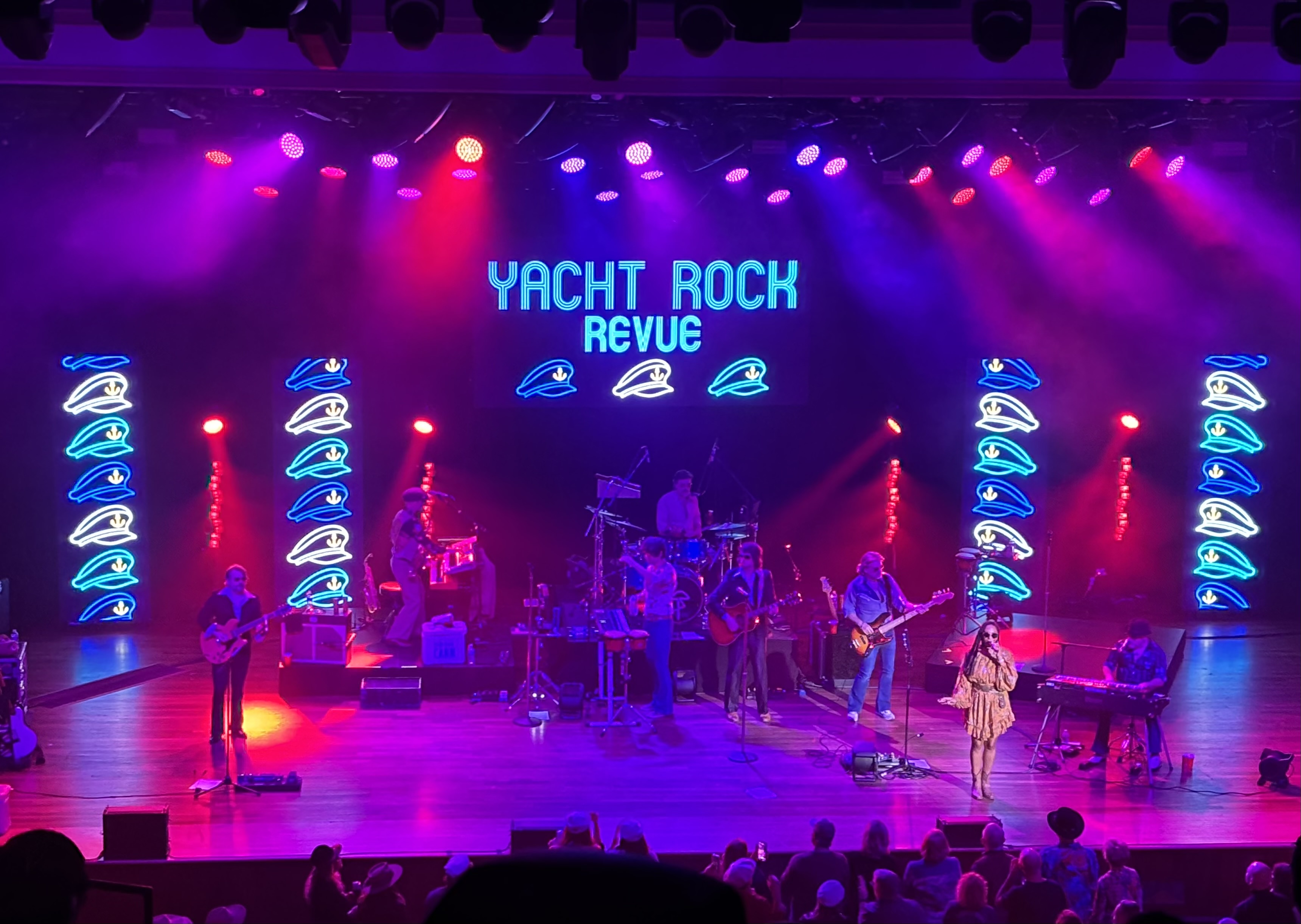
Indeed, for almost two decades now, an Atlanta-based ensemble known as Yacht Rock Revue has been touring for up to 100 shows per year, pumping out convincing cover versions of songs that fall into the loosely defined category. I attended one of these shows in Nashville last week and found it be fun and entertaining, even if it was pretty much just a bunch of unidentified musicians operating as a competent cover band. They’re not unlike the “tribute bands” that cover songs of one specific group (like Dark Star, the famous Grateful Dead tribute band), except Yacht Rock Revue offer renditions of songs by a couple dozen different artists.

To my ears, many of the tunes played are great songs, even favorites of mine — tracks like The Doobie Brothers’ “What a Fool Believes,” Christopher Cross’s “Ride Like the Wind,” Toto’s “Hold the Line,” Kenny Loggins’s “This Is It,” Nicolette Larson’s “Lotta Love,” Boz Scaggs’s “Lowdown” and Fleetwood Mac’s “You Make Loving Fun.” Sure, they were (and still are) overplayed, but that’s really the fault of unimaginative radio programmers rather than the artists who recorded them.

Ryznar admits that the “yacht rock” phrase was meant to gently mock the non-threatening, smooth pop that served as the soundtrack for his short-lived comedy video series, but the name stuck, thanks in large part to jaded music critics who seized on it in their effort to disparage anything that didn’t rock out aggressively with shrieking vocals and shredded guitar solos.

I asked a few music-loving friends what the term “yacht rock” meant to them, and one said, “It’s music for preppy, upper-class, entitled kids (or wanna-be’s thereof) who took the easy-listening way out of having to understand what rock ‘n’ roll was all about.” Another friend added, “Think Tad and Muffy on the back deck in the harbor, dressed in casual (but expensive) Abercrombie attire, with a pitcher of margaritas.”

I beg to differ. Even Ryznar said he used the term affectionately, and those who like this style have embraced the “yacht rock” term. They sold out the Ryman Auditorium last week, as they have in most cities where Yacht Rock Revue have performed, many showing they were in on the joke by wearing captain’s hats and other nautical gear.

It’s music with strong R&B and smooth jazz influences, high production values, clean vocals and light, catchy melodies. In 2014, music writer Matt Colier identified what he feels are the key defining rules of the genre: 1) Keep it smooth, even when it grooves; 2) Keep the emotions light even when the sentiment turns sad; 3) Keep it catchy; 4) Offer the exhilaration of escape.

Bands like Toto and Steely Dan featured a very clean, precise sound that was painstakingly produced, and critics who prefer a rawer brand of rock find that pristine sound to be a negative, synonymous with “too commercial” and “lacking soul or spontaneity.” Rock and roll is meant to be rough around the edges, uncultured, with in-your-face energy and immediacy, they claim. Well, hey, I like loud, growling hard rock too, but there’s room in my music library for both.

On Sirius XM, there’s a station called Yacht Rock Radio that plays this stuff exclusively. “We celebrate the smooth-sailing soft rock from the late 70s and early 80s,” says its website. “It’s the kind of rock that doesn’t rock the boat!”

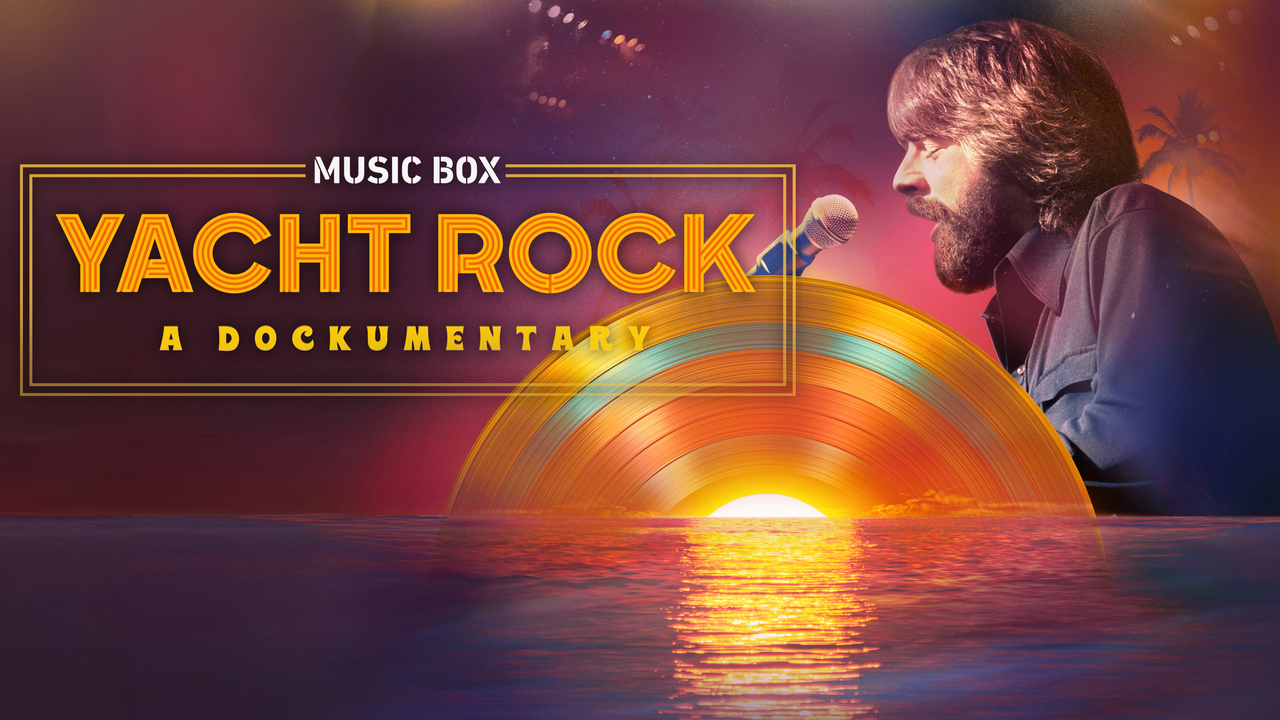
“Yacht Rock: A DOCKumentary,” released in 2024, examines the phenomenon, interviewing a variety of musicians and music industry types who, either enthusiastically or grudgingly, concede that the music in question is sonically top-shelf and melodically satisfying. Thundercat, a Grammy-winning bassist from L.A., said, “I’ve never identified it as yacht rock. I’ve always looked at it from the inside, like, ‘Dang, that’s just amazing songwriting.'”

Comedian/actor/musician Fred Armisen had this to say in the documentary: “Yacht rock, to me, is a very relaxing feeling. The singers all seem to be saying, ‘Hey it’s gonna be OK.'”

In its review of the film, Rotten Tomatoes concluded, “Retroactively dubbed “Yacht Rock” in 2005 by a parody website series, the easy listening, relaxing sounds of the late 1970s and early 1980s, which were beloved by many, came to be gently mocked and even dismissed by rock lovers and critics, but have since reclaimed their legitimate place in music history and are celebrated in this groove-infused film.”

So which artists and songs qualify as yacht rock? The boundaries are actually rather fuzzy, but you might start with Steely Dan. On albums like “The Royal Scam,” “Aja” and “Gaucho,” Donald Fagen and Walter Becker used a broad range of LA-based studio musicians to create the stylish palette they were looking for, and they were perfectionists about it, sometimes trying a half-dozen different guitarists (or drummers or keyboardists) to get just the right take.

Sometimes they used the truly professional musicians who went on to become the members of Toto, who, along with singer Michael McDonald, also guested on the recorded work of Christopher Cross, or Boz Scaggs, or James Ingram, or Nicolette Larson. It was fairly incestuous the way the same names kept popping up on these albums, but that’s because they were the “first call” session musicians most in demand at the time.

Said highly regarded guitarist Jay Graydon, “Many of these songs offered jazz chord changes, but rock/pop grooves. We’re closet jazz guys making pop records — confident, even cocky, and perfect performances every time.”

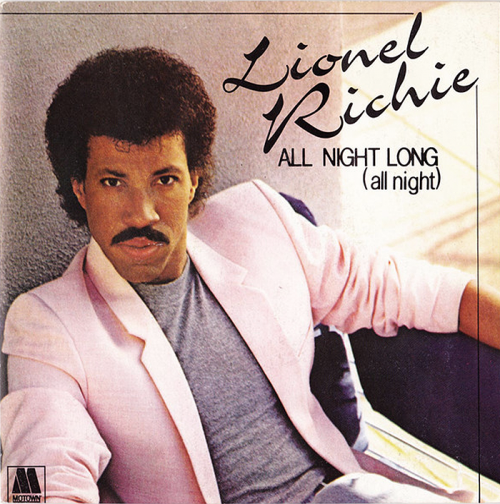
There are artists who might have a few songs that fall into the yacht rock template but the bulk of their catalog does not. People like Ambrosia, Little River Band, Pablo Cruise, Lionel Richie, Alan Parsons Project, Stephen Bishop, Art Garfunkel, Seals & Crofts, Air Supply, Phil Collins, Grover Washington, Eric Carmen, Steve Winwood and Hall & Oates have heard some of their music played on Yacht Rock Radio. Some are cool with it, but Daryl Hall, for one, took umbrage.

“It’s just R&B, with maybe some jazz in there,” he said. “Mellow R&B, smooth R&B. I don’t see what the yacht part is. It was just a fucking joke by two jerkoffs in California, and suddenly it became a genre. I never understood it. People misjudged us because they couldn’t label us. The music press always came up with all these kinds of crap labels. Soft rock, yacht rock. It’s nonsense, really.”

Toto ran into this same problem. Founders David Paich and Jeff Porcaro were seasoned studio players who formed Toto in 1977, blending rock, pop, jazz, funk, even some progressive. Their music didn’t fit easily into a single category, so critics didn’t know how to evaluate them. Ironically, their huge commercial success with tracks like “Africa” and “Rosanna” worked against them, as certain critics looked down their noses and dismissed them as “mainstream” and “anti-rock.” They were called technicians rather than legitimate artists, which were prejudices that had little to do with their actual musical performances.

There are those who label Cross’s 1979 megahit “Sailing” as the ultimate yacht rock anthem largely because of its chill nautical theme. Others say, “Anything with Michael McDonald on it qualifies.” McDonald himself finds the yacht rock designation “hilarious. It’s a bit exaggerated, but these things always have a bit of truth to them. They hit on something, and it has struck a chord for a lot of people out there who find the music nostalgic.”

My friend Paul, who has a lot of experience sailing, noted, “Yacht rock has had a bad rap because it sounds snooty and upper class, while the music is not. I think ‘Summer Breeze’ by Seals and Crofts sums it up very well.”

I’ve collected 30 songs from a variety of “yacht rock” playlists (including 15 from Yacht Rock Revue’s setlist last week) and included my own preferences in the playlist below. If you’re a yacht-rock naysayer, I’d bet good money there are at least five or six songs on this list that you admire, even if only secretly as a “guilty pleasure.”

One of my friends summed up one of the appealing things about yacht rock: “This should be your playlist of choice if you’re trying to get laid.”

**************************

Careful with that axe, Eugene

A month ago, I went searching for classic rock tunes that had a female name in the title. I found enough songs which used just a woman’s name by itself (“Sara,” “Jolene,” “Gloria,” “Cecilia,” “Melissa”) to put together a decent playlist and write about them.

Interestingly, when I went looking for songs with men’s names as the title, there seemed to be only a handful (“Daniel,” “Vincent,” “Ben”). In order to come up with enough tunes to put together a sufficient playlist, I had to broaden my search to include songs that use men’s names with additional adjectives or phrases. This week, I’ve assembled 20 songs featuring men’s names.

If nothing else, it finally gave me the chance to shine a light on one of my all-time favorite strange song titles, which I used as the headline: Pink Floyd’s experimental instrumental track, “Careful With That Axe, Eugene.” The song doesn’t even mention the name in the lyrics because the song has no lyrics at all…

The Spotify playlist at the end includes the 20 selected songs and another dozen honorable mentions, all here for your eclectic listening pleasure.

**********************

“Daniel,” Elton John, 1972

Lyricist Bernie Taupin said “Daniel” was inspired by an article he read in 1972 about a man who returned wounded from Vietnam and wanted to hide from all the attention. “Do you still feel the pain of the scares that won’t heal” alludes to that man’s trauma, and Taupin has him escaping to Spain, despite leaving his younger brother behind. John wrote a beautiful melody for it, but it remains melancholy for me. It reached #2 in the US as the second single from his “Don’t Shoot Me, I’m Only the Piano Player” LP.

“Timothy,” The Buoys, 1971

This notorious single about three boys trapped in a mine cave-in garnered airplay and attention with lyrics that implied two of the boys resorted to cannibalism to survive. Written by future recording star Rupert Holmes, “Timothy” kept the grisly subject matter just vague enough and then set it to an upbeat rock melody accompanied by horns and strings. “I wanted to write something controversial,” Holmes said, “but I knew using obscenities or sex references would get banned, so I came up with this instead.”

“Jeremy,” Pearl Jam, 1991

When Eddie Vedder read about a troubled 15-year-old named Jeremy who shot himself in front of his class one morning in 1991, he knew he had to write about it, not as a tribute but more “as a reaction, to give it more importance.” He added, “When you kill yourself to get some sort of revenge on the world, it does nothing. You’re gone, and the world goes on. The best revenge is to live on and prove yourself.” The edgy subject matter caused the song to stall at #79 on pop charts, but it went Top Five on alternative charts.

“Vincent,” Don McLean, 1971

In 1970, McLean was reading a book about the life of artist Vincent Van Gogh, who had allegedly committed suicide over a woman who had rejected him. “Suddenly I knew,” McLean said, “that I had to write a song arguing that he wasn’t crazy.” The song he came up with offers a soothing melody and emotional lyrics “that sympathize with Van Gogh’s suicide as a sane response to an insane world,” as one critic put it. It reached #12 on US charts in 1972 as the follow-up to his opus “American Pie.”

“Jesse,” Carly Simon, 1980

Simon wrote “Jesse” as a narrative about a fictional ex-lover who has returned to town, and she wants her friends to help her steer clear of him (“Don’t let him near me, don’t let him please me”). “This song,” she said, “lays plain the fact that good intentions can sometimes go to hell when you are crazy about someone.” It was the lead single from Simon’s ninth LP, 1980’s “Come Upstairs,” and reached #11 on US pop charts that summer. Her voice never sounded better than it did on this track.

“Ben,” Michael Jackson, 1972

If you don’t know the back story, “Ben” is a pleasant, middle-of-the-road ballad about friendship, which 14-year-old Michael Jackson turned into a hit single in 1972. The narrator sings, “Ben, most people would turn you away… They don’t see you as I do… You, my friend, will see, you’ve got a friend in me…” It’s only when you learn that Ben is, in fact, a pet rat and the title “character” of a horror movie that you might roll your eyes at the silliness of it. Still, it reached #1 and was nominated for a Best Song Oscar.

“Georgy Porgy,” Toto, 1978

Considering the basis of this smartly produced tune is a children’s nursery rhyme, “Georgy Porgy” made a significant impact as part of Toto’s catalog. It stalled at #48 on the pop charts but fared much better on R&B and dance charts, thanks to the marvelous groove brought by bassist David Hungate and drummer Jeff Porcaro. The sublime vocals of Steve Lukather and backing by disco singer Cheryl Lynn give the track the polished sheen that earned Toto many accolades over the years.

“Brother Louie,” The Stories, 1973

British soul band Hot Chocolate, who would go on to have several hits singles on US charts in the ’70s including “You Sexy Thing” and “Every 1’s a Winner,” wrote and first recorded “Brother Louie” in 1973. The American rock band The Stories cut their own version and took it to the top of the US pop charts that same year. The title character is a white man who got his nickname from black men who felt sorry for him for falling for a black girl despite both families’ vehement disapproval.

“What’s the Frequency, Kenneth?” R.E.M., 1994

After a pair of pop-friendly albums in the early ’90s, R.E.M. took a hard left turn in 1994 with “Monster,” an album marked by distorted guitars and darker lyrics. The lead single was “What’s the Frequency, Kenneth?”, Michael Stipe’s critique about a Baby Boomer who desperately wants to figure out what motivates members of Generation X, “but by the end, it’s completely bogus. He got nowhere.” The title comes from the cryptic phrase a hustler repeatedly yelled at news anchor Dan Rather in a 1989 attack.

“Goodbye Earl,” The Dixie Chicks, 1999

This “country murder ballad,” recorded by The Dixie Chicks for their 1999 album “Fly,” uses humor to confront the deadly issue of domestic violence. Earl routinely beat up his wife Wanda, even after a restraining order against him, so her friends conspired to poison him because “Earl had to die,” and he became “a missing person that nobody missed.” It reached #13 on country charts, and urged women listeners caught in this situation not to resort to violence but to use improved community resources.

“Arthur’s Theme,” Christopher Cross, 1981

Cross teamed up with Carole Bayer Sager and Burt Bacharach to write this popular tune as the theme song for the 1981 hit comedy “Arthur” starring Dudley Moore as a lovable wealthy drunk. As the lyrics explain, Arthur “does as he pleases,” and is “living his life one day at a time, and showing himself a pretty good time.” And, as the subtitle says, “The best that you can do is fall in love,” which he does, to Liza Minnelli’s character. It ended up winning a Best Song Oscar.

“Sweet Baby James,” James Taylor, 1970

Taylor tells the story of how he was driving from New England back home to North Carolina in 1969 to meet his newly-born nephew James, “and I wanted to write a sort of cowboy lullaby for him.” He wrote it as a waltz, with the “rock-a-bye” lullaby reference, and ultimately recorded it as the title track of his breakthrough album in 1970. Curiously, it failed to chart as a single, but it’s a hugely popular fan favorite and has been performed at virtually every Taylor concert in the 55 years since its release.

“Michael From Mountains,” Joni Mitchell, 1968

Even on her very first album in 1968, Mitchell demonstrated an unparalleled gift for songwriting. I’ve always been fond of the delicate “Michael From Mountains” (and its cover version by Judy Collins the same year). It’s a sweetly intimate song about taking a morning walk in the rain with a Colorado man she met, and I think it’s the finely observed details — “oil on the puddles in taffeta patterns that run down the drain” and Michael drying her off “in a towel or two” — that really make the song special.

“You Can Call Me Al,” Paul Simon, 1986

In the early 1970s, Simon and his first wife Peggy were being introduced to a famous Hollywood producer who had suffered some hearing loss. “This is Peggy and Paul,” he was told, but he replied, “Hi Betty, hello Al, nice to meet you.” The couple found it amusing and chose not to correct him. More than a dozen years later, Simon couldn’t resist using the anecdote in “You Can Call Me Al,” the effervescent, whimsical single from his brilliant multi-platinum “Graceland” album.

“Johnny B. Goode,” Chuck Berry, 1958

One of the essential tracks of early rock and roll, this tale of a “poor country boy” (Berry originally wrote it as a “poor colored boy” but changed it to gain more airplay) who becomes a guitar-playing rock star is seen as semi-autobiographical. Writer Joe Queenan said, “No song in rock history more jubilantly celebrates the downmarket socioeconomic roots of the genre than ‘Johnny B. Goode,'” and I’d have to agree. It peaked at #2 on R&B charts and #8 on US pop charts.

“Jumpin’ Jack Flash,” The Rolling Stones, 1968

After the baroque pop and psychedelia that marked their 1966-67 period, The Stones returned to their blues roots with this 1968 single, the first song recorded during their “Beggars Banquet” sessions. It was inspired by Keith Richards’ gardener Jack Dyer, whose heavy footsteps woke Mick Jagger one morning. “What’s that?” he asked. “Oh, that’s just jumpin’ Jack outside,” Richards replied. It became a #1 single in the UK and #3 in the US, and became their most often performed song in concert.

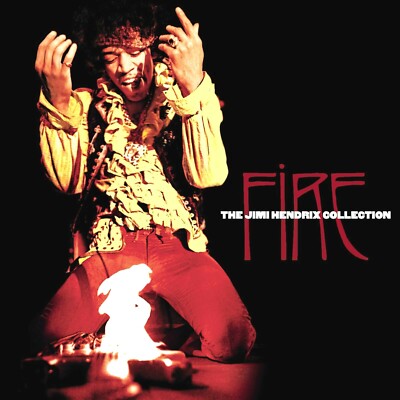
“Hey Joe,” Jimi Hendrix Experience, 1967

Authorship of this song is uncertain, but it’s been recorded in many musical styles by hundreds of different artists. It tells the tale of a man named Joe who’s on the run after shooting his woman for infidelity. Although it was originally conceived and performed as a folk tune, probably the definitive version is by the Jimi Hendrix Experience, who created an incendiary rendition in 1966 for their debut single, which also appeared on their landmark “Are You Experienced?” LP in 1967.

“Adam Raised a Cain,” Bruce Springsteen, 1978

Next to the more melodic rock tunes on his “Darkness on the Edge of Town” LP, Springsteen said “Adam Raised a Cain” is intentionally meant to be jarring and almost dissonant. “This one was emotionally autobiographical. I was writing about the sometimes difficult relationship between fathers and sons, like the one I had with my own father,” he said. “I used the biblical story of Adam and his son Cain as an example of how chaotic these things can be, so I used harsh guitars and raspy vocals.”

“Eli’s Coming,” Three Dog Night, 1969

Widely praised songwriter Laura Nyro, whose insecurity prevented her from getting anywhere as a performing artist, watched her songs become big hits by other artists like The Fifth Dimension (“Wedding Bell Blues”) and Blood, Sweat & Tears (And When I Die”). Her song “Eli’s Comin’,” a tune that warns women to beware of a womanizing heartbreaker named Eli who is returning to town, became Three Dog Night’s third Top Ten hit of 1969.

“Chuck E.’s in Love,” Rickie Lee Jones, 1979

Jones, fellow songwriter Tom Waits and a guy named Chuck Weiss used to hang out in Hollywood in the late ’70s. Weiss, affectionately known as “Chuck E.,” disappeared but called a few weeks later to say he was in Denver and had begun a whirlwind romance. Waits told Jones, “Apparently, Chuck E.’s in love.” She loved that phrase and turned it into the title of a mostly true story about her friend, and it became her most well-known song, reaching #4 on US pop charts in 1979.

**********************

Honorable Mention:

Cocaine Charlie,” Atlanta Rhythm Section, 1980; “Fred,” The James Gang, 1969; “Careful With That Axe, Eugene,” Pink Floyd, 1968; “Jimi Thing,” Dave Matthews Band, 1994; “Handsome Johnny,” Richie Havens, 1966; “Hit the Road Jack,” Ray Charles, 1961; “Louie Louie,” The Kingsmen, 1963; “You Don’t Mess Around With Jim,” Jim Croce, 1972; “Danny’s Song,” Loggins and Messina, 1971; “Matthew and Son,” Cat Stevens, 1967; “Uncle John’s Band,” Grateful Dead, 1970; “Jessie’s Girl,” Rick Springfield, 1981.

***********************