A lot depends on the luck that comes your way
Many people disagree about how important a part luck plays in determining the path our lives take.
Some believers think it’s all preordained. Others are convinced that our ambitions and actions are instrumental in causing our lives’ events to go a certain way. We may never know the answer until after we’ve passed on (and maybe not then either).
Regardless, songwriters have found the subject of luck — good and bad — to be a meaty subject for lyrics. Indeed, whether a song becomes popular is contingent on many factors — quality, connections, promotion, good timing, personnel — and luck is certainly on that list.
I’ve found many dozens of songs from the past 60-70 years that focus on luck, or the lack of it, and have selected 15 from the ’60s, ’70s, ’80s and ’90s to discuss here. As always, there’s a Spotify playlist at the end that also includes another 15 “honorable mentions” that weren’t, um, lucky enough to make the cut.
Take a chance on these tunes!
********************************
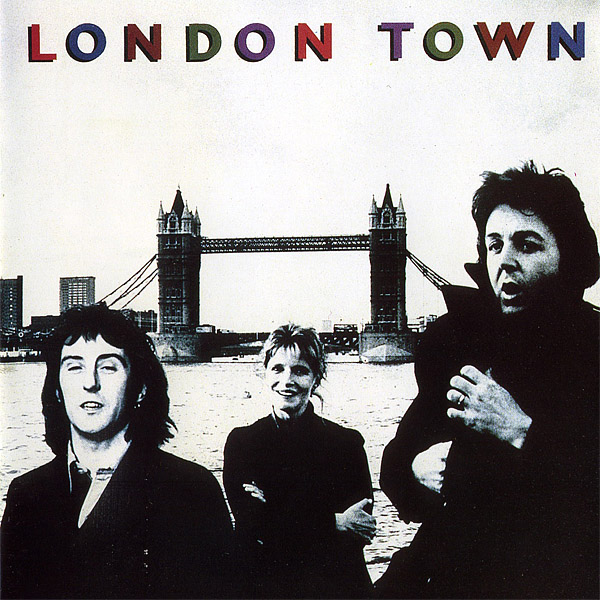
“With a Little Luck,” Paul McCartney and Wings, 1978
McCartney’s catalog, and the man himself, have never been short on sunny optimism, but that has sometimes led to lightweight material that drags down the truly wonderful songs he has written. Case in point: his 1978 LP with Wings, “London Town,” is one of his weaker efforts, littered with disposable, half-finished ditties that don’t measure up. True, he was in the midst of another shakeup in the Wings lineup, but the last time that happened, the result was the exemplary “Band On the Run” LP. This time, only the album’s single, “With a Little Luck,” is even remotely worthy, a smooth, lightly synthesized melody with lyrics that examine life’s mystery and how luck can certainly help matters: “With a little luck, we can help it out,/We can make this whole damn thing work out…”
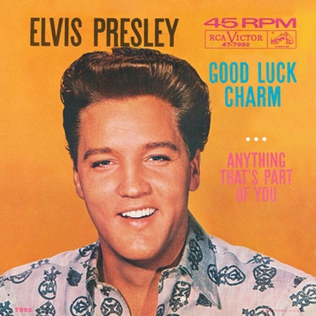
“Good Luck Charm,” Elvis Presley, 1962
Between 1956 and 1962, Presley topped the US pop charts an incredible 16 times with hit singles (and barely missed the #1 spot another nine times). The last of these came in April 1962 with his recording of “Good Luck Charm,” one of 17 written for Presley by veteran songwriter Aaron Schroeder (including “Stuck on You” and “It’s Now or Never”). Schroeder said about Presley, “Elvis wanted everything to be right, almost to the point of having tears in his eyes, because he felt himself to be struggling to get the results he wanted. He told me he was fond of the lyrics of ‘Good Luck Charm.'” “Don’t want a four leaf clover, don’t want an old horse shoe, /Want your kiss ’cause I just can’t miss with a good luck charm like you, I want a good luck charm a-hanging on my arm to have, to hold tonight…”
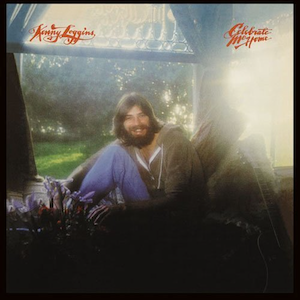
“Lady Luck,” Kenny Loggins, 1977
For the leadoff track to Loggins’s solo debut LP, “Celebrate Me Home,” Loggins teamed up with songwriter Johnny Townsend to write “Lady Luck,” an effervescent tune that equates casino games of chance with gambling on a romantic relationship. Townsend (who teamed with Ed Sanford on the hit single “Smoke From a Distant Fire” the same year) wrote the lyrics as a cautionary tale in which the character whose life was “a golden gamble” was in danger of throwing it all away on a long shot: “Oh, what the devil, it’s fun, his lady luck was his one companion, /And by the silver and gold, his heart had been bought and bound, /But he chanced to fall in new love, he kissed her and he cut the tie, /And kissed his lucky lady goodbye…”

“You Got Lucky,” Tom Petty and The Heartbreakers, 1982
“Long After Dark,” the fifth LP by Petty and The Heartbreakers, was the first since the debut of MTV the previous year, and the music video they made for the single “You Got Lucky” was shown in heavy rotation. Petty collaborated with guitarist Mike Campbell to write the track, using a “surf guitar” sound and synthesizers for the first time, and adding new bassist/vocalist Howie Epstein to the group lineup. The lyrics take a somewhat boastful view of romantic luck, with the guy claiming it was the girl who got lucky when he found her: “You better watch what you say, you better watch what you do to me, /Don’t get carried away, girl, /If you can do better than me, go, but remember, /Good love is hard to find, you got lucky, babe, when I found you…”
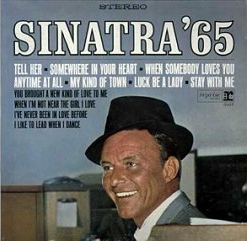
“Luck Be a Lady,” Frank Sinatra, 1962
An accomplished lyricist from the 1940s named Frank Loesser took a stab at writing both music and lyrics for a featured moment in the 1950 Broadway musical “Guys and Dolls” when gambler Sky Masterson is desperate to win a big bet and needs luck to come through. Actor Robert Alda, who won a Tony award for playing Masterson, was the first to record the classic swing tune “Luck Be a Lady,” later covered by Marlon Brando in the film version, and then it became one of Sinatra’s signature songs in the 1960s, issued on the compilation LP “Sinatra ’65.” He re-recorded it with rocker Chrissie Hyde for his “Duets” album just before his death in the mid-1990s. “Let’s keep this party polite, never get out of my sight, /Stick me with me baby, I’m the fella you came in with, /Luck, be a lady tonight…”

“Lucky Man,” The Verve, 1997
Singer-songwriter Richard Ashcroft was the main guy behind England’s popular 1990s group The Verve, who had three successful LPs, most notably the 1997 #1 album “Urban Hymns” with three Top Ten singles in the UK. One of them, the majestic “Bitter Sweet Symphony,” was their only chart appearance in the US, reaching #12, but outselling it in their home country was the #1 hit “Lucky Man” (no relation to ELP’s song). Ashcroft said the song was “inspired by my relationship with my wife, and that sense of when you’re beyond the sort of peacock dance that you have early on in a relationship, and you’re getting down to the raw nature of yourselves.” “Happiness coming and going, I watch you look at me, /Watch my fever growing, I know just where I am, /Got a love that’ll never die, I’m a lucky man…”
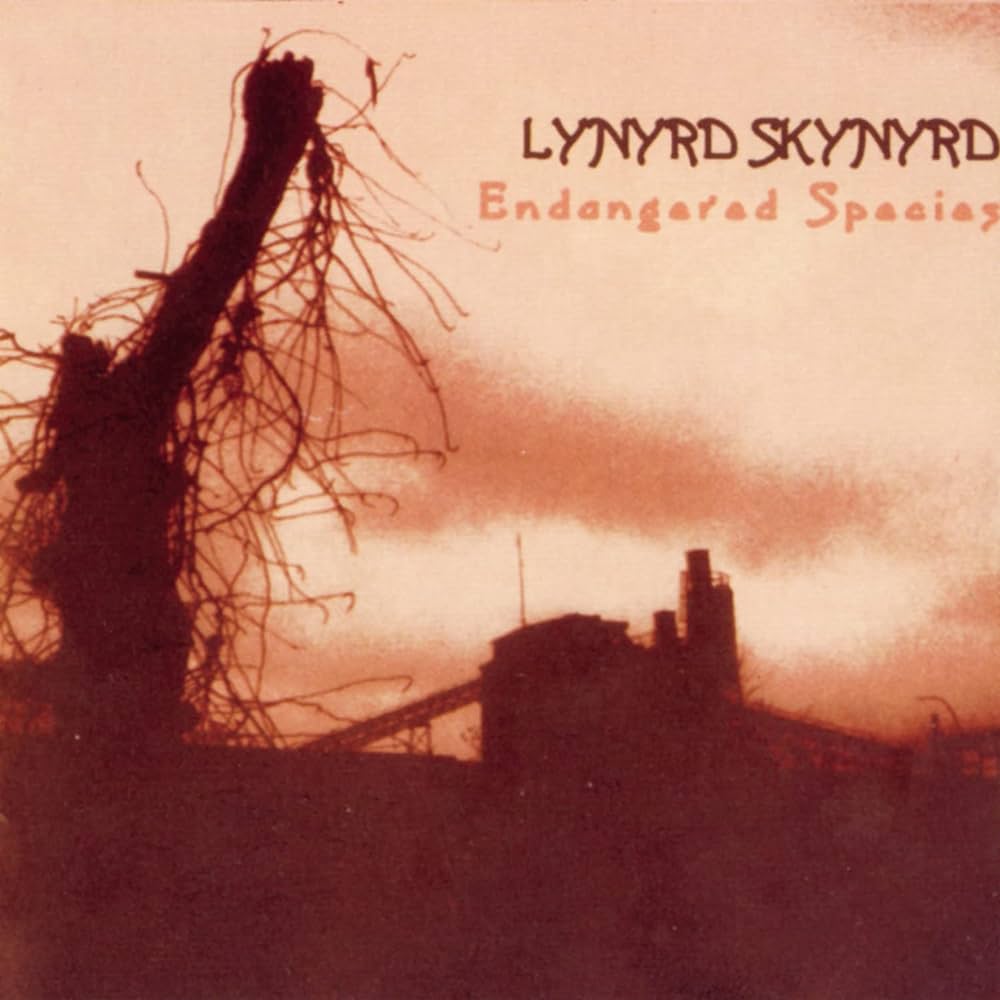
“Good Luck Bad Luck,” Lynyrd Skynyrd, 1994
Following the 1977 plane crash that killed three band members and injured several others, the band dissolved, but a decade later, the survivors regrouped with new musicians to tour and eventually record new albums. “Endangered Species,” released in 1994, featured the late Ronnie Van Zant’s brother Johnny on lead vocals, and original member Ed King returned on guitar. It was King who wrote “Good Luck, Bad Luck” and performed the acoustic arrangement, which was something different for Lynyrd Skynyrd, a band that had more than its share of bad luck but also some good fortune as well: “It’s either good luck (I’m the last to get it) or bad luck (I’m the first), /When it’s good, ain’t nothin’ better, /When it’s bad, ain’t nothin’ worse…”
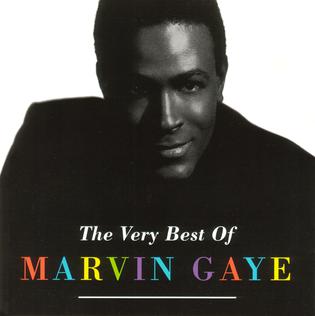
“Lucky Lucky Me,” Marvin Gaye, 1964
Motown Records was indeed a “hit factory,” where songwriters, producers and backing musicians teamed up with featured artists to record dozens of tracks, which were then reviewed by a “quality control” group and either released or shelved. They made some fine choices that topped the charts, but they also rejected some strong records that never saw the light of day until decades later. One of those was “Lucky Lucky Me,” an infectious Marvin Gaye track from 1964 that inexplicably wasn’t released until a “Best Of” package came out in England in 1994, and has still never been released in the US: “Lady Luck sure smiled on me when she blessed me with your loving charms, /I found my place in the sun, sweet heaven in your lovin’ arms, /I want to stand right up and shout it, /Lucky me, lucky lucky me…”

“Lucky Town,” Bruce Springsteen, 1992
Springsteen took a chance in 1988 when he dissolved The E Street Band and used different backing musicians when he finally released new music four years later when he released not one but two albums simultaneously. The “Human Touch” LP was something of a letdown, but “Lucky Town” was a more vibrant, honest collection of songs that reflected Springsteen’s reality of divorce, new love and fatherhood during that time frame. The title track does a nice job of reflecting the ups and downs of his career and personal life in 1992: “When it comes to luck, you make your own, tonight I got dirt on my hands, but I’m building me a new home, /Baby, down in Lucky Town, /I’m gonna lose these blues I’ve found, down in Lucky Town…”
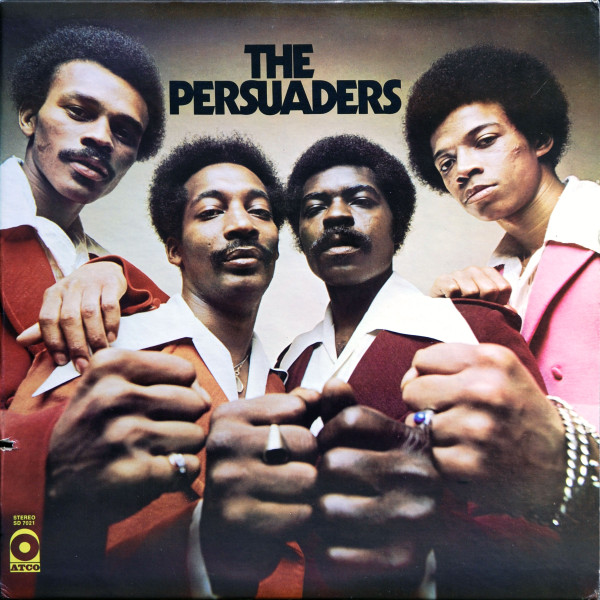
“Some Guys Have All the Luck,” The Persuaders, 1973
A guy named Jeff Fortgang wrote this tune back in 1972 when it was first recorded by The Persuaders, the New York vocal group that had the big 1970 hit “Thin Line Between Love and Hate.” Their soul version of “Some Guys Have All the Luck” stalled at #39 in 1973, but it’s better than the cover versions that followed. Robert Palmer recorded a very different arrangement of the song in 1982, which reached #16 in the UK but petered out at #59 here. Then in 1984, Rod Stewart recorded a pop version of The Persuaders’ original, and it reached #10 on US charts. In the lyrics, the narrator bemoans how other men seem to have better luck than he does: “How does it feel when the girl next to you says she loves you? It seems so unfair when there’s love everywhere, but there’s none for me, /Some guys have all the luck, some guys have all the pain, /Some guys get all the breaks, some guys do nothing but complain…”

“Waiting For My Lucky Day,” Chris Isaak, 1996
Hailing from the San Joaquin Valley of California, Isaak crafted a pleasing blend of country blues, folk ballads and rockabilly music that won him success on the US pop charts in the late 1980s and 1990s. His sultry single “Wicked Game” reached #6 in 1989, and attracted the attention of filmmakers who not only used his music but cast him in small roles as well. His sixth LP, “The Baja Sessions,” included the tropical-sounding “Waiting For My Lucky Day,” a melancholy tune that nevertheless retained a ray of hope: “Lost everything I had in Texas, a millon dreams went by in Texas, /Sometimes the same life turns against us, but I’m waiting for my lucky day, /I watch the sun go down, I keep hanging on waiting for the wind to change, /I watch the sun go down, And I keep hanging on, waiting for my lucky day…”
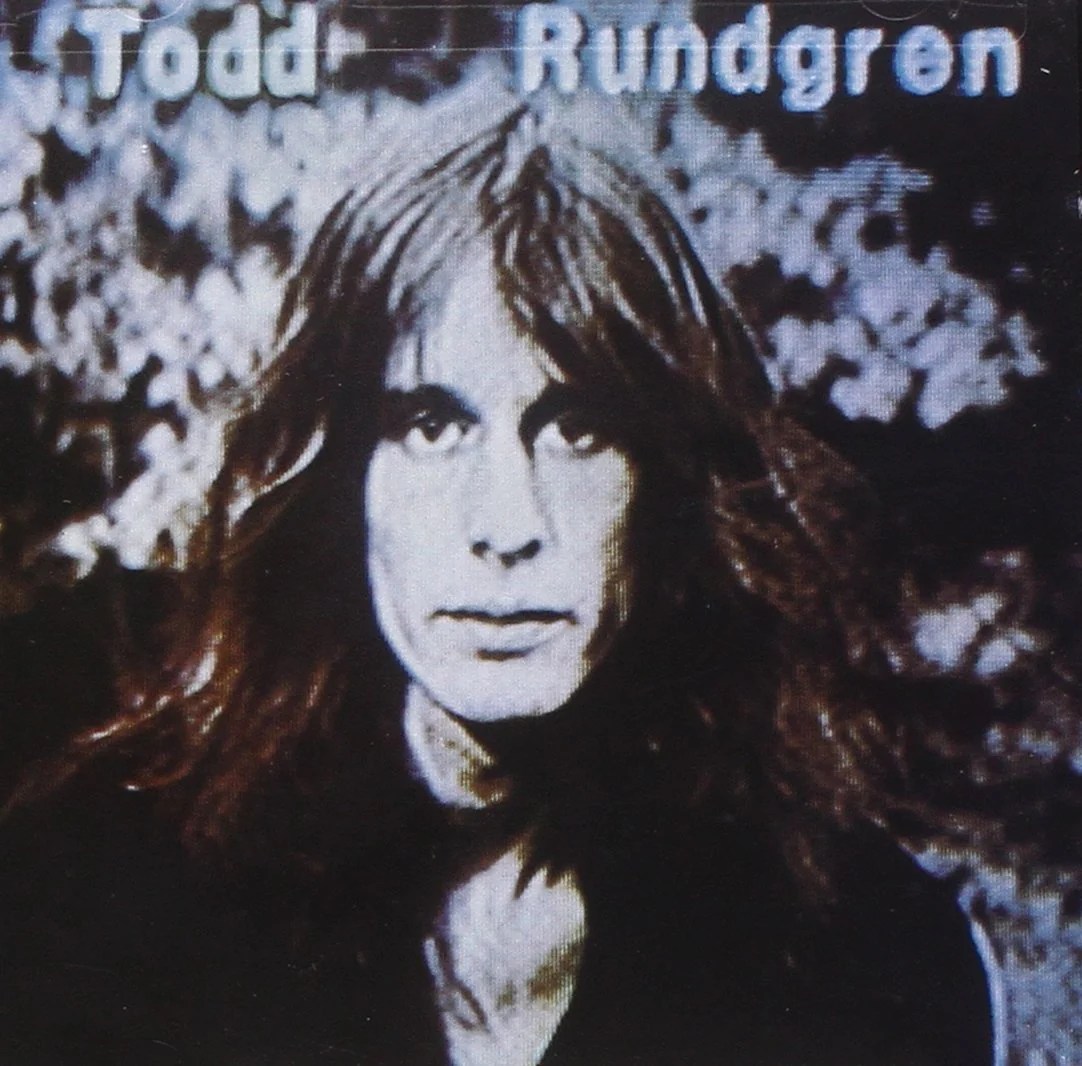
“Lucky Guy,” Todd Rundgren, 1978
The multi-talented Rundgren developed a reputation for being something of a one-man show, writing all his songs, playing all the the instruments and producing every track. By the late ’70s, despite touring regularly, he became known as a studio recluse, which inspired the 1978 album title “Hermit of Mink Hollow” (the street where he lived in upstate New York). “Can We Still Be Friends?” was the hit single from the LP, but there’s a also a nice little deep track called “Lucky Guy” that poignantly captures the self-pity of a man who wishes he had better luck in life: “And when there’s pain, he never minds it, /When it’s lost, he always finds it, /Nobody really knows just why, he just must be a lucky guy, I wish I was that lucky guy…”

“Running Out of Luck,” Mick Jagger, 1985
Jagger’s decision to head off on a solo career in the mid-’80s didn’t sit well with his colleagues in The Rolling Stones, especially Keith Richards, who felt some of the songs Jagger recorded would’ve been better on a Stones album, and he might be right. The first LP he attempted, 1985’s “She’s the Boss,” reached #13 in the US, thanks to the single “Just Another Night,” but follow-up singles fared poorly. Jagger wrote most of the tunes himself, including “Running Out of Luck,” one of the deeper album tracks, which features the great Jeff Beck on lead guitar and jazz fusion star Herbie Hancock on keyboards: “Running out of heat, running out of gas, running out of money way too fast, /Running out of liquor, there’s nothing left to eat, running out of luck, hungry for the meat…”

“Luck of the Draw,” Bonnie Raitt, 1991
Raitt had just won multiple Grammy awards for her 1989 LP “Nick of Time,” including Album of the Year, and she was eager to build on that momentum, writing several new songs and collaborating with other songwriters for her next LP, 1991’s “Luck of the Draw,” which actually outperformed “Nick of Time,” peaking at #2 on US album charts, thanks to its Top Five single “Something to Talk About.” The title song was one of two written by Northern Ireland musician Paul Brady, who claimed to be a big believer in the role that luck and coincidence can play in a person’s life: “These things we do to keep the flame burning and write our fire in the sky, /Another day to see the wheel turning, another avenue to try, /It’s in the luck of the draw, baby, the natural law, /Forget those movies you saw, it’s in the luck of the draw…”
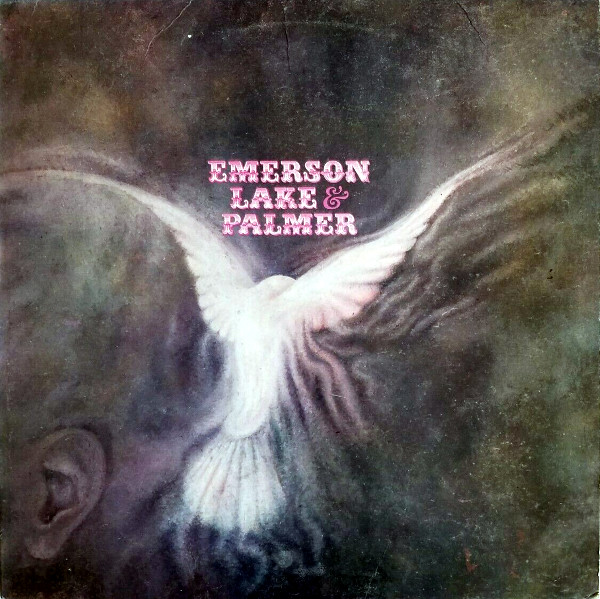
“Lucky Man,” Emerson, Lake & Palmer, 1970
Incredibly, singer/bassist Greg Lake was only 12 when he came up with this song, inspired by the books he read about medieval times. Ten years later, after a brief stint with King Crimson, Lake teamed up with Keith Emerson and Carl Palmer to form one of the more commercially successful progressive rock groups of that era. They resurrected Lake’s early tune and turned it into their first single, augmented by Emerson’s early noodlings on the synthesizer. As the lyrics reveal, the “lucky man” in question wasn’t so lucky after all, as he was shot and killed in battle in the final stanza, but he sure appeared fortunate at first: “He had white horses, and ladies by the score, /All dressed in satin and waiting by the door, /Ooooh, what a lucky man he was…”
***********************************
Honorable mentions:
“Lucky One,” Michael Penn, 2000; “Lucky,” Donna Summer, 1979; “Hard Luck Woman,” Kiss, 1976; “One of the Lucky Ones,” John Batdorf and Michael McLean, 2014; “Lucky Lips,” Ruth Brown, 1957; “Bad Luck,” Harold Melvin & The Blue Notes, 1974; “Lucky Star,” Madonna, 1983; “Lucky Day,” Thompson Twins, 1983; “If I Ever Get Lucky,” Merle Haggard, 2007; “Lucky in Love,” Mick Jagger, 1985; “Third Time Lucky,” Foghat, 1979; “Lucky Man,” Ronnie Wood, 2010; “I Feel Lucky,” Mary Chapin-Carpenter, 1992; “Lucky Kid,” Sheryl Crow, 2002; “Twice If You’re Lucky,” Crowded House, 2010; “Lucky Day,” Tom Waits, 1993.
*************************************




 Hack's Back Pages