We’re crazy on a ship of fools

Circus impresario P.T. Barnum famously claimed, “There’s a sucker born every minute.” If that’s true, then wrap your head around these headlines from the rock music world:

“KEITH RICHARDS MARRIES ADELE”

“OZZY OSBOURNE PERFORMS WITH MORMON TABERNACLE CHOIR”

“SONY TO ISSUE NEW ALBUMS AS EMBEDDED MICROCHIPS”

april-fools-day

These aren’t true, of course, but these days, you could be forgiven for believing they are. Almost nothing surprises me anymore.

But today, in particular, I suggest we all watch out for friends, colleagues and loved ones who enjoy duping us with practical jokes and pranks. It’s April Fool’s Day, the 24-hour period when we try to see how gullible people can be. All in good fun, of course.

It’s a tradition that dates back many centuries when nobles would send servants on “fool’s errands” to mark the beginning of Spring following the vernal equinox.  The first printed reference occurred in Chaucer’s “The Canterbury Tales” (1392) when the vain rooster is tricked by the fox on March 32nd (oops, April 1st).

Radio and TV stations have sometimes fooled their listeners and viewers into believing fake announcements and news stories broadcast during the early morning hours of April 1 in hopes of generating buzz and publicity.  In 1961, the BBC announced a concert featuring the “distinguished and experimental” pianist Lirpa Loof that very evening.  Of course, no concert occurred, as Lirpa Loof is “April Fool” backwards.

I recall one instance in the mid-1980s when the DJs on the “Morning Zoo” program at WMMS-FM in Cleveland generated outrage among their devoted rock and roll listeners by announcing a change in format from album-oriented rock to easy listening.  The phone lines lit up like they were on fire until the prank was revealed a couple of hours later.

In honor of today’s commemoration of fools everywhere, I offer a playlist of 20 classic rock songs that focus on fooling someone, playing the fool, and embracing foolish things. There’s a Spotify playlist at the end (with 10 honorable mentions too) that should serve nicely as a soundtrack to your day. No foolin’!

*****************

“April Fool,” Ronnie Lane & Pete Townshend, 1977

Lane, formerly with Small Faces, invited The Who’s Townshend to produce his solo album “Rough Mix,” which turned into a full-blown collaboration between the two, with Townshend writing and singing most of the tracks. “April Fool,” however, was Lane’s tune, a gentle British folk song that bemoans a lost relationship: “She said, I’ll see you in the morning, darling, I’ll see you when the kids have gone to school, /Oh well, I know tomorrow is your birthday, I know you know that you’re an April Fool…”
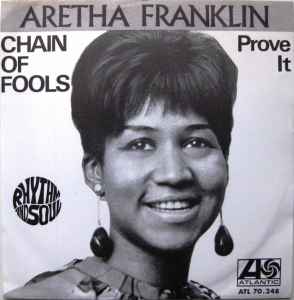
“Chain of Fools,” Aretha Franklin, 1968

This excellent soul tune by Don Covay was one of The Queen of Soul’s signature songs, which rose to #2 and won a Grammy that year for Best R&B Song, and ranked #234 on Rolling Stone’s Top 500 Songs of All Time.  The legendary Aretha, who recorded the track in one amazing take, wails about the betrayal and humiliation she feels when she learns her man has many lady friends: “For five long years, I thought you were my man, but I found out I’m just a link in your chain, chain-chain-chain, chain of fools…”
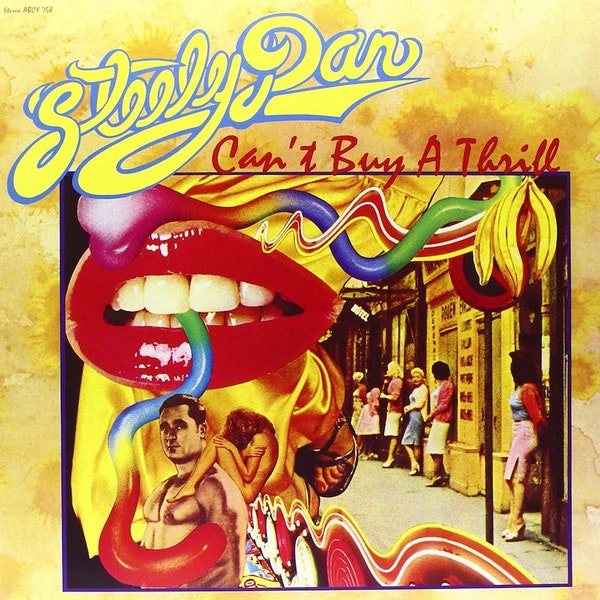
“Only a Fool Would Say That,” Steely Dan, 1972

Steely Dan’s outstanding debut LP, “Can’t Buy a Thrill,” is brimming with the kinds of irresistible melodies, undeniable hooks, flashy guitar solos and intriguing lyrics we soon learned to expect from maestros Donald Fagen and Walter Becker. One of the sleepers on the album is this compelling samba rock tune that spells out some of the foolish things people say: “I heard it was you talkin’ ’bout a world where all is free, it just couldn’t be, /And only a fool would say that…”
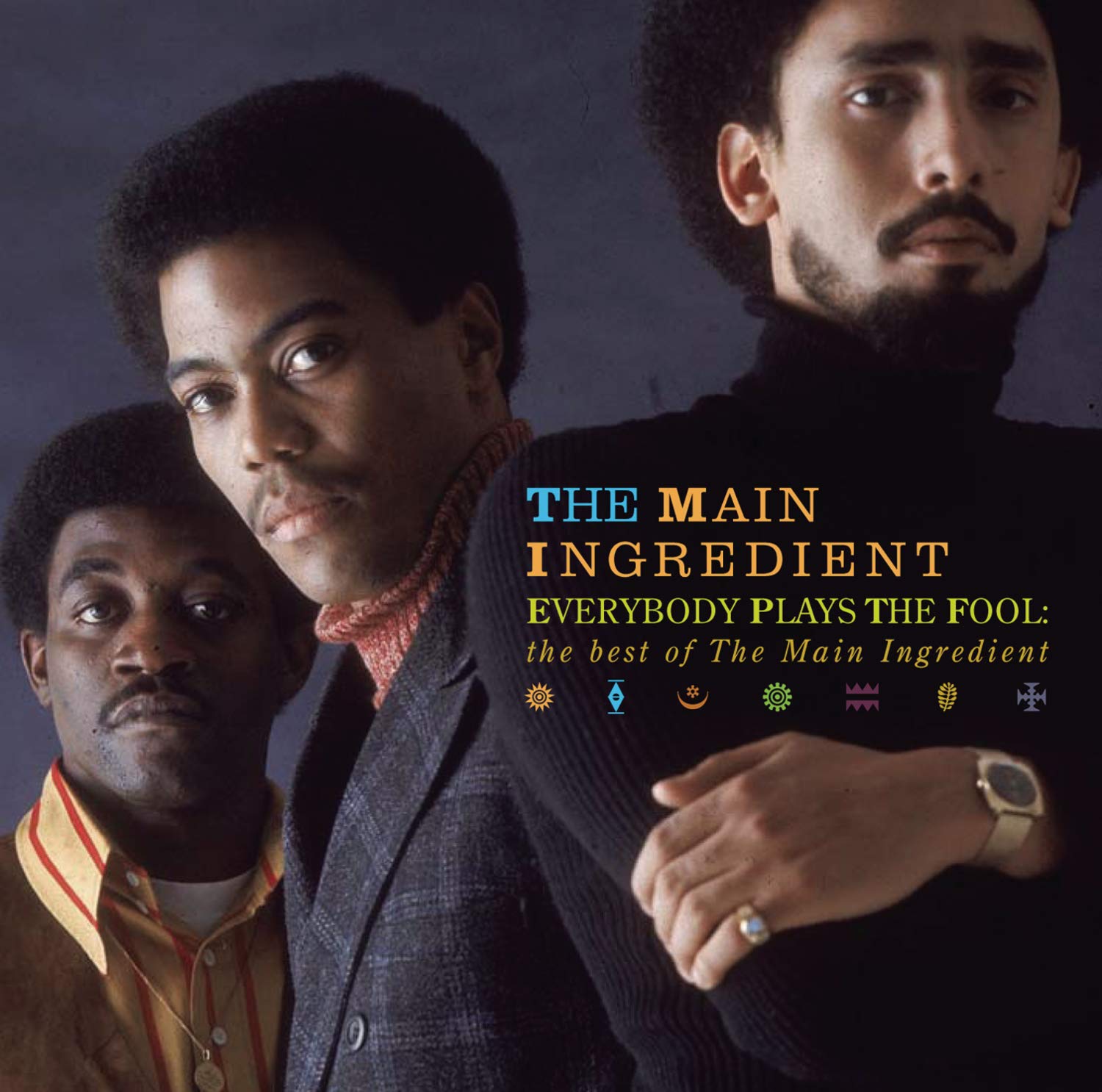
“Everybody Plays the Fool,” The Main Ingredient, 1972

This classic #3 hit single was nominated for a Grammy for Best R&B Song in 1973 and then enjoyed a second life when Aaron Neville’s version went to #8 in the early ’90s.  The lyrics by veteran songwriters Rudy Clark and J.R. Bailey speak of the universal truth of how you feel when you love someone but that feeling is not reciprocated:  “Everybody plays the fool sometimes, there’s no exception to the rule, it may be factual, it may be cruel, I ain’t lyin’, everybody plays the fool…”

“These Foolish Things,” Billie Holiday, 1936

This jazz/blues standard by a pair of British songwriters dates to the 1930s, and was first recorded by Billie Holiday in 1936.  Dozens more renditions have been released through the decades by the likes of Nat King Cole, Etta James, Sam Cooke, Aaron Neville, James Brown, Bryan Ferry and Rod Stewart. The lyrics rattle off a number of “foolish things” that bring back memories of lost love:  “The winds of March that make my heart a dancer, a telephone that rings but who’s to answer, oh how the ghost of you clings, these foolish things remind me of you…”

“What a Fool Believes,” The Doobie Brothers, 1979

Singer/songwriters Michael McDonald and Kenny Loggins combined forces in 1978 to write this hugely popular song.  Loggins recorded it first on his 1978 album “Nightwatch,” but it was The Doobie Brothers’ version featuring McDonald that became a worldwide #1 hit in 1979 and won multiple Grammys.  The lyrics explore the feelings of a man who attempts to rekindle a romantic relationship with a woman from his past before learning no relationship ever really existed:  “No wise man has the power to reason away, what seems to be is always better than nothing, there’s nothing at all but what a fool believes he sees…”

“Get Yourself Another Fool,” Sam Cooke, 1963

One of the greatest gospel and soul vocalists of all time, Cooke could also wrap his voice around a smooth blues number like this one from his 1963 LP “Night Beat.”  You can also find it on the superlative compilation album “The Rhythm and the Blues.”  The lyrics speak of the difficulty in learning how his lady has mistreated him:  “Oh, at last I’ve awakened to see what you’ve done, what can I do but pack up and run, now I know the rules, get yourself another fool…”
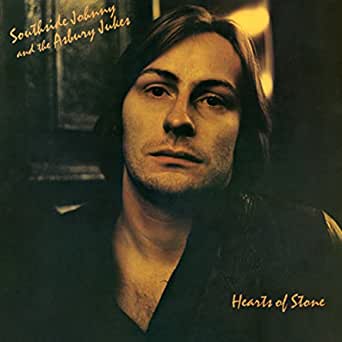
“I Played the Fool,” Southside Johnny & the Asbury Jukes, 1978

Steve Van Zandt, guitarist in Bruce Springsteen’s E Street Band, produced and wrote many songs for this fabulous Jersey Shore band that never seemed able to make the charts, despite a killer catalog of great soul/R&B tunes like this one from the band’s “Hearts of Stone” LP.  The lyrics bemoan how badly it hurts when you’ve been duped:  “I’m just the kind of guy who never learns, I guess you had to go, why was I the last to know, I played the fool, girl, I did just what you expected…”
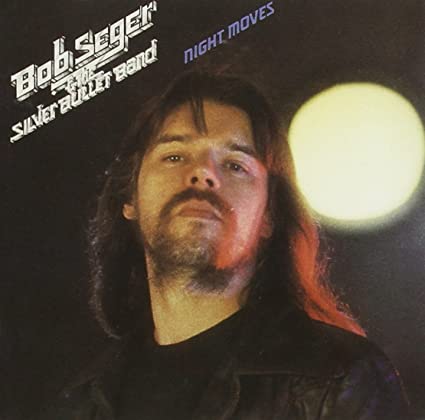
“Ship of Fools,” Bob Seger, 1976

While Seger’s “Night Moves” album — his first studio effort with The Silver Bullet Band — rocks out convincingly, there are a few acoustic tracks with mellower arrangements that show influence from artists like Dylan and Van Morrison. On “Ship of Fools,” Seger tells a sad tale of a sea captain who kept fiercely to himself, foolishly refusing to answer questions about his past. A storm claimed his life, but the narrator lived to tell the tale: “He stood there, like some idol, and he listened, like some temple, and then he turned away… I alone survived the sinking, I alone possessed the tools, on that ship of fools…”
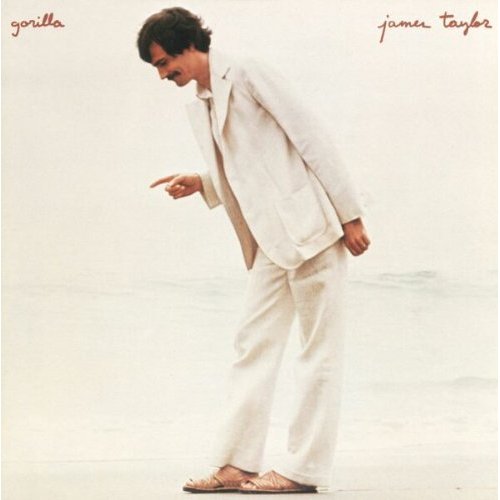
“I Was a Fool to Care,” James Taylor, 1975

There are several tracks on Taylor’s mostly uplifting 1975 LP “Gorilla” that really tug at the heartstrings. Look no further than “I Was a Fool to Care,” which focuses on the pain of being hoodwinked by a former lover. His denial of her dishonesty only made the pain worse: “Had I listened to the grapevine, I might have had my doubts, but I did my level best just to block them out, /’Cause love is so unwise and love has no eyes, and it took a while for a fool to see what his friends were on about…”
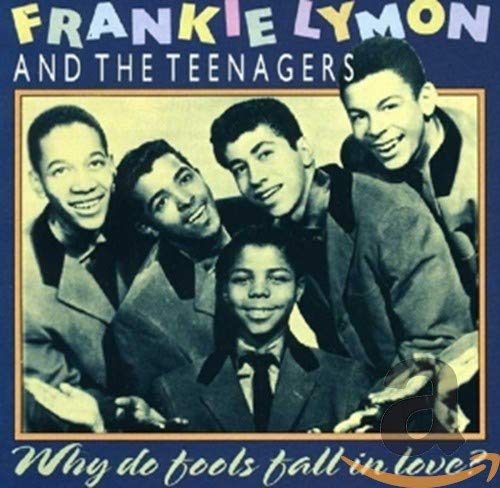
“Why Do Fools Fall in Love?” Frankie Lymon and The Teenagers, 1956

One of rock ‘n roll’s earliest tunes, this classic reached #6 in early 1956 for the New York-based group when Lymon was only 15.  Twenty-five years later in 1981, Diana Ross had a #7 hit with her vivacious rendition.  The pessimistic lyrics, co-written by Lymon and two other members of The Teenagers, regard love as a dangerous place for gullible types: “Love is a losing game, love can be a shame, I know a fool you see, for that fool is me! /Tell me why, who do fools fall in love?…”

“Fool to Cry,” The Rolling Stones, 1976

Lead guitarist Mick Taylor had just left The Rolling Stones when this Jagger-Richards ballad was recorded in late 1974.  It ended up as the first single from the group’s 1976 LP, “Black and Blue,” and reached #10 on the US singles chart.  The lyrics describe a man who has the love of family and ought to feel grateful and happy but nevertheless feels sad and can’t seem to pinpoint why: “I put my head on her shoulder, she whispers in my ear so sweet, you know what she says? ‘Ooh, daddy, you’re a fool to cry, you’re a fool to cry, and it makes me wonder why’…”

“Who But a Fool,” Bonnie Raitt, 1986

Always a critic’s favorite, Raitt cultivated a modest but loyal fan base that consistently put her work in the Top 30 on the album charts throughout the ’70s. In the ’80s, she hit a rough patch before the overdue Grammy/platinum success of the early ’90s. The 1986 album “Nine Lines” did poorly, but it included a wonderfully funky track that wonders who falls for the man who steals hearts and is unfaithful: “Anybody on the street knows that you cheat, /The damage that you’re doin doesn’t cross your mind, /Steal the heart just like a thief, /Who but a fool lets a thief into paradise? Tell me, tell me, tell me, /Who??…”
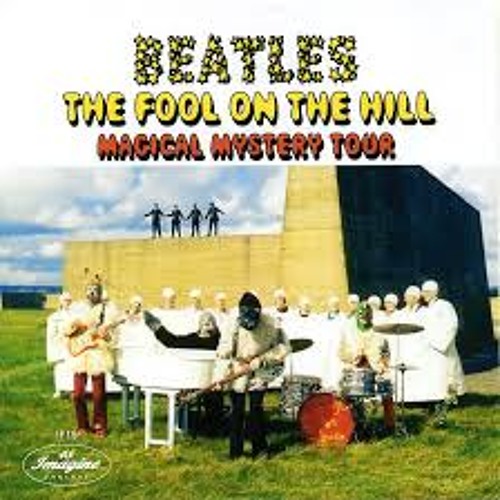
“Fool on the Hill,” The Beatles, 1967

This wistful Paul McCartney ballad showed up in a scene from The Beatles’ haphazard experimental film project, “Magical Mystery Tour,” which followed the spectacular success of the “Sgt. Pepper” LP in late 1967.  The Beatles never released “Fool on the Hill” as a single, but the Latin/jazz/bossa nova combo led by Sergio Mendes had a #8 US hit with their version the following spring.  McCartney said the lyric refers to a solitary man — “kind of like the Maharishi with his giggle” — who is not well understood by others but is actually wise.   “The man with the foolish grin is keeping perfectly still, but nobody wants to know him, they can see that he’s just a fool…”
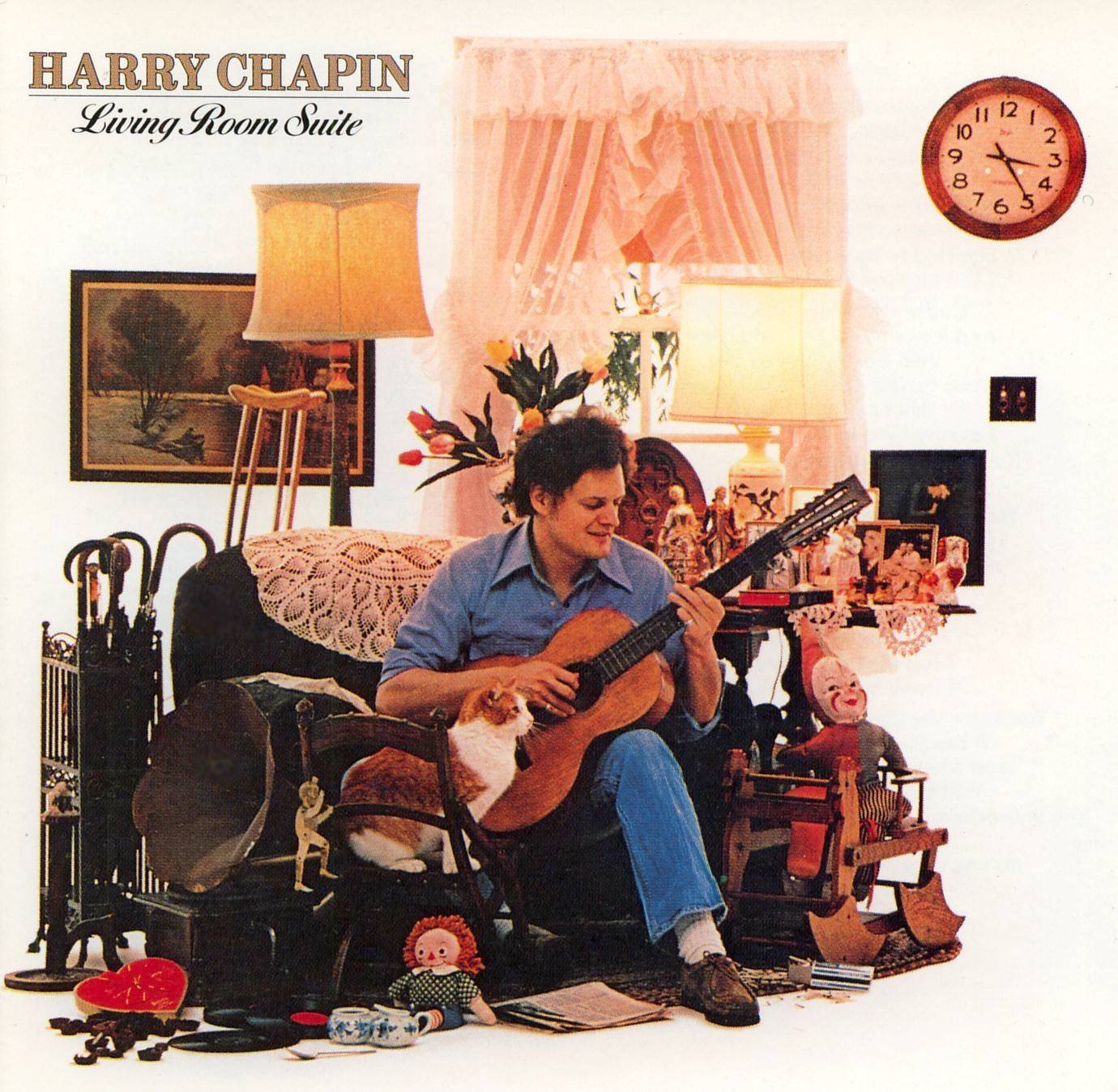
“Poor Damned Fool,” Harry Chapin, 1978

Chapin was a talented song craftsman, especially when it came to lyrics. He could tell a story that grabbed us by the lapels and pulled us in. On the otherwise lackluster LP “Living Room Suite,” this song shines through, taking an unusual approach in which the guy who gets the girl feels sorry for the guy before him who let her get away: “I’ve heard ’bout finders keepers, and how losers are the weepers, /It’s OK, I know it’s my lucky day, still I just got to say, /That he’s a poor damned fool ’cause he went and let you go now, /Just a poor damned fool, he never will know now…”

“A Fool’s Paradise,” Lazarus, 1973

The late Billie Hughes was the singer-songwriter-guitarist behind Lazarus, a three-man group from Texas who recorded only two albums in the early ’70s, but oh, what fine albums they were. Songs like “Blessed,” “Warmth of Your Eyes” and “Ladyfriends I and II” boast shimmering harmonies and Hughes’ strong tenor out front. On their second LP, the title track warns us not to get fooled by fleeting visions of a false Eden: “A fool’s paradise ain’t like another man’s you ever seen before, /And it looks oh so nice when you first walk in through them open doors, let me go, let me go back home, ’cause I just can’t go on this way…”
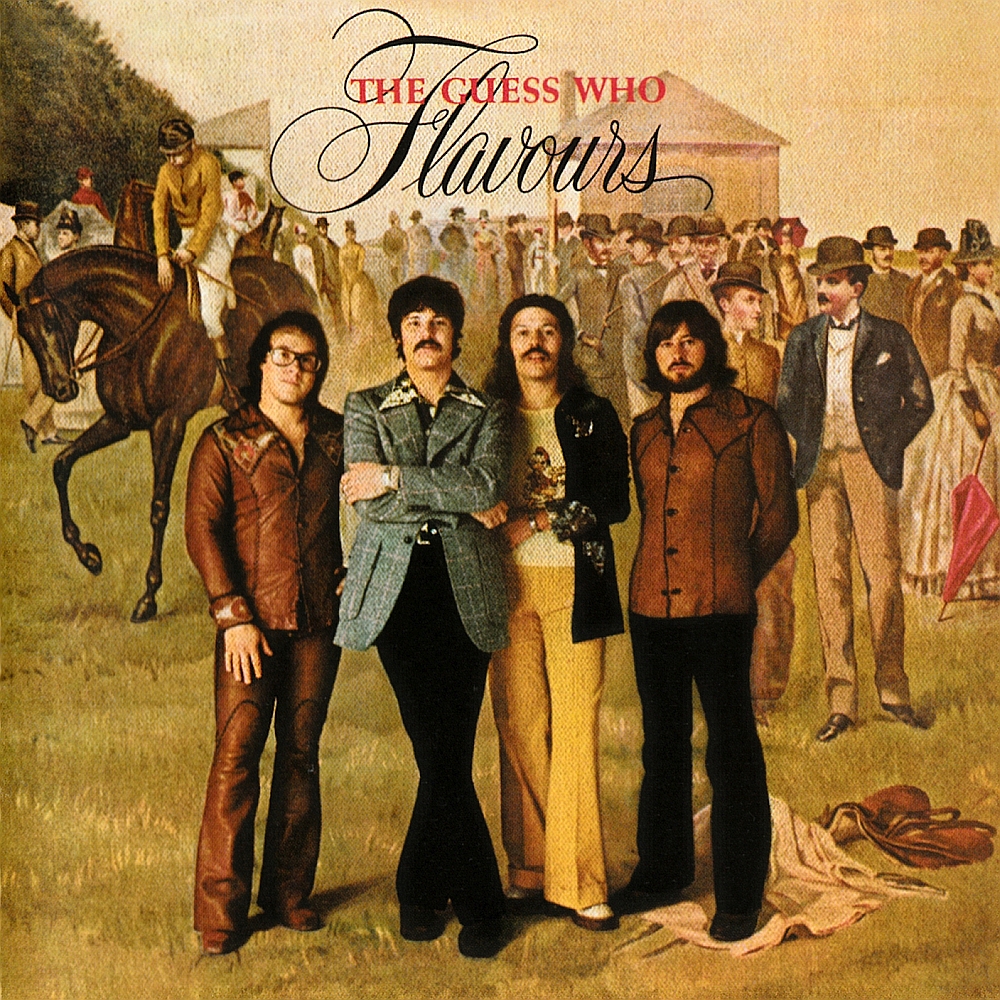
“Dancin’ Fool,” The Guess Who, 1974

When The Guess Who’s Burton Cummings wrote this song in 1974, he probably had no idea its title would become so widely used to describe anyone who’s crazy about dancing, whether they’re any good at it or not. It turned out to be the Canadian band’s last of 15 Top 40 hits, reaching #28. Here was a shy guy who hadn’t had the nerve to ask a girl to dance, but once he got out there, he found he had good moves: “Never thought that I could shake and groove it, now I’m a dancin’ fool, /No more time for feelin’ shy and lonely, now I’m a dancin’ fool…”
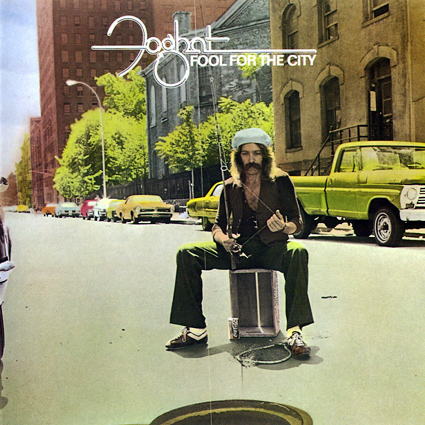
“Fool For the City,” Foghat, 1974

“Lonesome Dave” Peverett, lead singer and rhythm guitarist for Foghat, came up with this classic mid-’70s rocker, carried by the forceful guitar work of Rod Price. Born and raised in London, Peverett (formerly of Savoy Brown) wrote this after spending two months in the English countryside. “I like the beauty and quiet out there, but I found myself craving the excitement and chaos of the big city,” he said. “That’s where I belong.” Indeed: “Breathin’ all the clean air, sittin’ in the sun, when I get my train fare, I’ll get up and run, /I’m ready for the city, air pollution here I come, /’Cause I’m a fool for the city…”
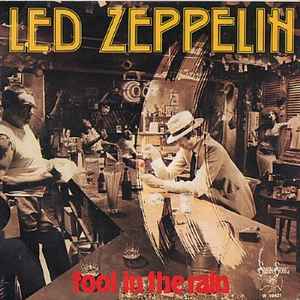
“Fool in the Rain,” Led Zeppelin, 1979

Robert Plant and John Paul Jones collaborated on this invigorating track for Led Zep’s “In Through the Out Door” album after hearing the lively samba beats played during the World Cup in Argentina. Drummer John Bonham gets quite a workout as the tempo shifts from stutter-step rock to a Latin double-time. Plant devised the words about a poor sap who waits in the rain, looking for the girl who never shows up: “And I’ll run in the rain ’til I’m breathless, when I’m breathless I’ll run ’til I drop, /The thoughts of a fool’s kind of careless, I’m just a fool waiting on the wrong block…”
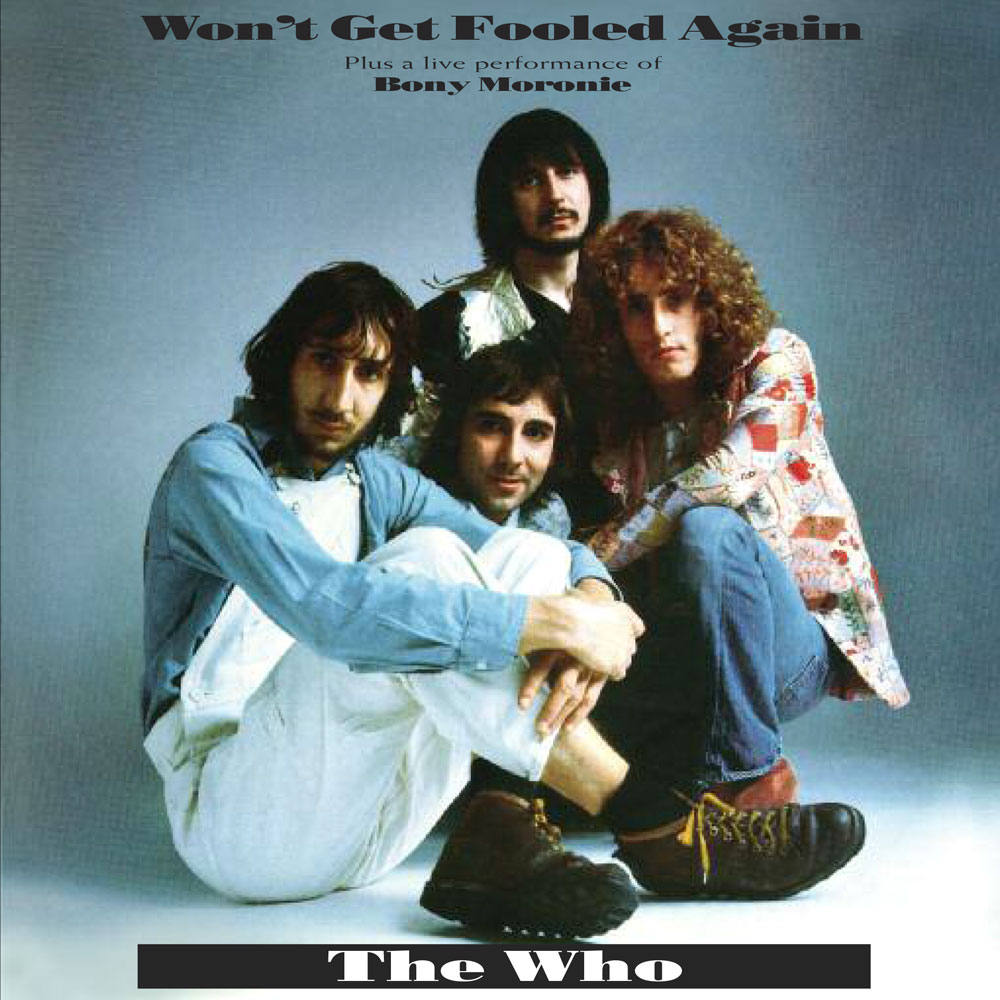
“Won’t Get Fooled Again,” The Who, 1971

One of the iconic anthems of rock ‘n roll is this seismic finale from The Who’s best LP, “Who’s Next.”  The eight-minute track, one of the first to successfully integrate the synthesizer into a rock song, clocked in at more than eight minutes but was edited down to 3:35 for the single, which reached #15 in the US.  Many have interpreted composer Pete Townshend’s lyrics as pro-revolutionary, but he insists it’s more about keeping realistic expectations where the government is concerned. “Me, I just pick up my guitar and play,” he said, “and I get on my knees and pray we don’t get fooled again…and again…and again…”

******************************

Honorable mentions:

Fooled Around and Fell in Love,” Elvin Bishop, 1976; “Poor Little Fool,” Ricky Nelson, 1958; “I Pity the Fool,” B.B. King & Buddy Guy, 1993; “Foolish Heart,” Grateful Dead, 1989; “The Bigger the Fool (The Harder the Fall),” Kris Kristofferson, 1978; “Fool For You,” James Taylor, 1972; “Ship of Fools,” Robert Plant, 1988; “Fool For Your Loving,” Whitesnake, 1980; “Dancin’ Fool,” Frank Zappa, 1979; “A Fool For Your Stockings,” ZZ Top, 1979; “You Fool No One,” Deep Purple, 1974, “Ship of Fools,” World Party, 1987.

It’s only words, and words are all I have

Some of my readers tell me they don’t much like my lyrics quizzes because they don’t do well. “I can’t recognize them, and if I do, I can’t tell you the song or even which band it is,” moaned one friend who I had presumed would be pretty good at it.

Well, hey, you know what? That’s okay. Everyone has things they’re good at doing, and things they’re not so good at doing. Me, I have a t-shirt that says, “80% of my brain is song lyrics.” I doubt that’s literally true, but it sure seems like it some days!

For this post, I think most people will score better than usual. I have selected lyrics from well-known songs of the Sixties. For those of us who are now in our 60s, these songs were at the top of the charts when we were pre-teens and teenagers. For you younger readers, these songs are still played all the time, so the odds are good you’ll recognize many of them.

Grab a pencil and paper, jot down the answers if and when they come to you, and then scroll down to see how you did, and learn a little bit of back story about each one.

I’ve put a Spotify list at the end so you can hear these songs yet again!

*****************************

1 “Who’s tripping down the streets of the city, smiling at everybody she sees? /Who’s reaching out to capture a moment?…”

2 “We stood on a beach at sunset, do you remember when? /I know a beach where, baby, it never ends, /When you’ve made your mind up forever to be mine…”

3 “Well, since she put me down, I’ve been out doin’ in my head, /I come in late at night, and in the morning I just lay in bed…”

4 “It’s a thousand pages, give or take a few, /I’ll be writing more in a week or two, /I can make it longer if you like the style…”

5 “Your mother who neglected you owes a million dollars tax, /And your father’s still perfecting ways of making sealing wax…”

6 “What a field day for the heat, a thousand people in the street, /Singing songs and carrying signs, mostly say, “Hooray for our side”…

7 “Oh, I could hide ‘neath the wings of the bluebird as she sings, /The six o’clock alarm would never ring…”

8 “If that’s the way it must be, OK, /I guess I’ll go on home, it’s late, /There’ll be tomorrow night, but wait, /What do I see? /Is she walking back to me?…”

9 “Can’t you see that I am not afraid? /What was that promise that you made? /Why won’t you tell me what she said?…”

10 “Fee, fee, fi, fi, fo-fo, fum, /look at Molly now, here she comes, /Wearin’ her wig hat and shades to match, she’s got high-heel shoes and an alligator hat…”

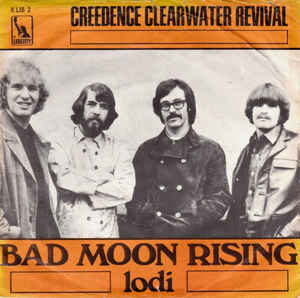
11 “I hear hurricanes a-blowing, I know the end is coming soon, /I fear rivers overflowing, I hear the voice of rage and ruin…”

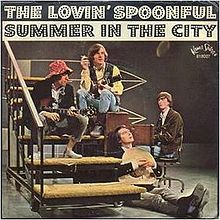
12 “But at night it’s a different world, go out and find a girl, /Come on, come on and dance all night, despite the heat, it’ll be all right…”

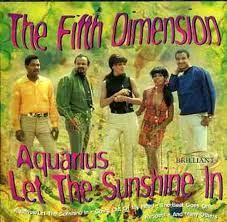
13 “Harmony and understanding, sympathy and trust abounding, /No more falsehoods or derisions, golden living dreams of visions…”

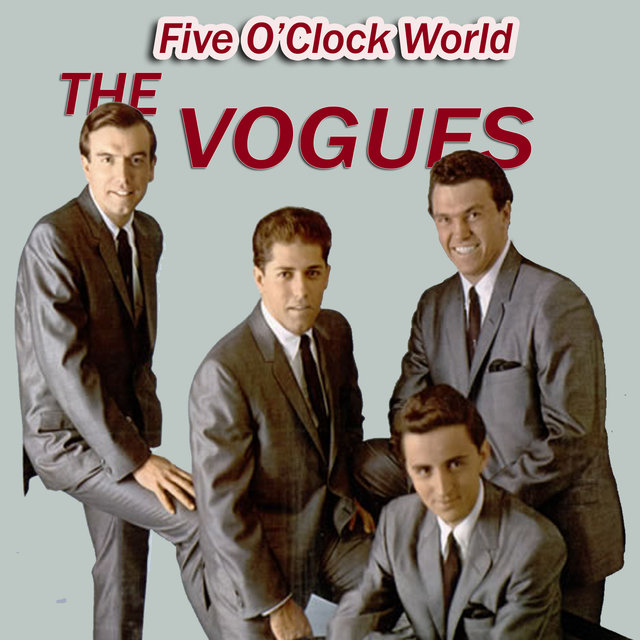
14 “Up every morning just to keep a job, I gotta fight my way through the hustling mob, /Sounds of the city poundin’ in my brain while another day goes down the drain…”

15 “Did you find a directing sign on the straight and narrow highway? /Would you mind a reflecting sign? /Just let it shine within your mind…”

16 “Listen to me, baby, you gotta understand, you’re old enough to know the makings of a man, /Listen to me, baby, it’s hard to settle down, am I asking too much for you to stick around?…”

17 “I know I need a small vacation, but it don’t look like rain, /And if it snows, that stretch down south won’t ever stand the strain…”

18 “The guilty undertaker sighs, the lonesome organ grinder cries, the silver saxophones say I should refuse you…”

19 “How can you tell me how much you miss me when the last time I saw you, you wouldn’t even kiss me? That rich guy you’ve been seein’ must have put you down…”

20 “But all my words come back to me in shades of mediocrity, /Like emptiness in harmony, I need someone to comfort me…”

****************************

*

*

*

*

*

*

*

*

*

*

*

*

ANSWERS:

1 “Windy,” The Association, 1967

Ruthann Friedman was a struggling singer-songwriter from New York who relocated to the West Coast and met songwriter Van Dyke Parks. He introduced her to The Association, an L.A.-based vocal group that had already enjoyed three Top Ten hits in “Along Comes Mary,” and “Cherish” and “Never My Love.” They chose to record her song “Windy” in early 1967, which made it to #1 in June 1967, helping to give the group the opening slot at the Monterey Pop Festival that month.

2 “Sunshine Superman,” Donovan, 1965

Scottish singer-songwriter Donovan Leitch wrote and recorded “Sunshine Superman” in late 1965 as an early example of psychedelic folk pop, and when it was released in the US in June 1966, it made its way to #1 within six weeks. It wasn’t released in his native UK until early 1967. Donovan would find continued success through the remainder of the ’60s with hits like “Season of the Witch,” “Wear Your Love Like Heaven,” “Hurdy Gurdy Man” and “Atlantis.”

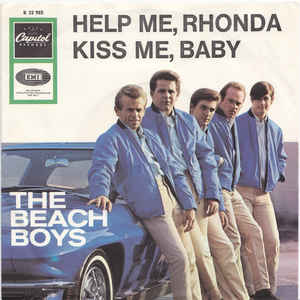
3 “Help Me, Rhonda,” The Beach Boys, 1965

Brian Wilson, the gifted composer/arranger of nearly all the songs in The Beach Boys’ early ’60s catalog, wrote dozens of tunes about teenage angst and situations every high school kid could understand, like loneliness (“In My Room”), driving around (“Fun, Fun Fun”) and young love (“Don’t Worry Baby”). In the #1 hit “Help Me, Rhonda,” he tries something unusual: He has his narrator turn to a female friend to console him as he copes with a romantic break-up with another girl.

4 “Paperback Writer,” The Beatles, 1966

After years of writing traditional romantic song lyrics, Paul McCartney took to creating fictional characters (“Eleanor Rigby,” “Lovely Rita”) to star in the pop songs he was writing for The Beatles to record. For the 1966 #1 single “Paperback Writer,” he conjured up a struggling novelist who writes to a publisher because “I need a break” in order to become a successful writer. This was the first Beatles tune to feature the bass guitar in a much more prominent way in the arrangements.

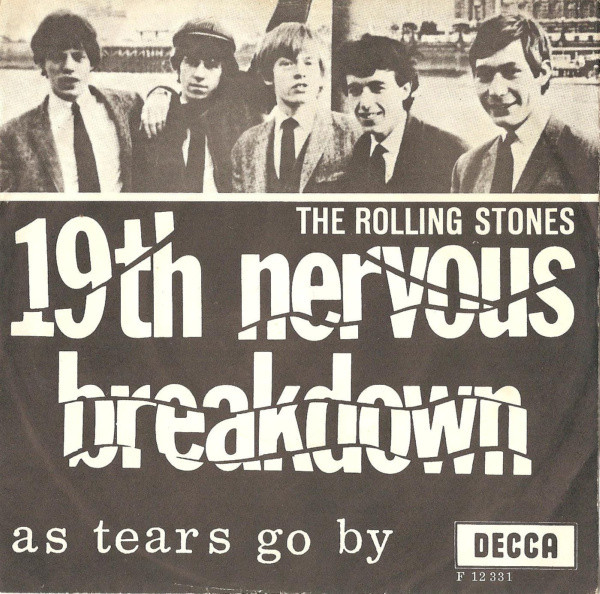
5 “19th Nervous Breakdown,” The Rolling Stones, 1965

The success of the band’s iconic “(I Can’t Get No) Satisfaction” had led to grueling tours and record-company demands for follow-up singles for the rest of 1965, which frazzled and annoyed Mick Jagger and Keith Richards, who had only just begun their songwriting partnership. First came the defiant “Get Off Of My Cloud,” and then Jagger wrote the title and words for the next hit after concluding, “I swear I’m gonna have my 19th nervous breakdown of the week!” Released in February 1966, “19th Nervous Breakdown” reached #2 in April of that year.

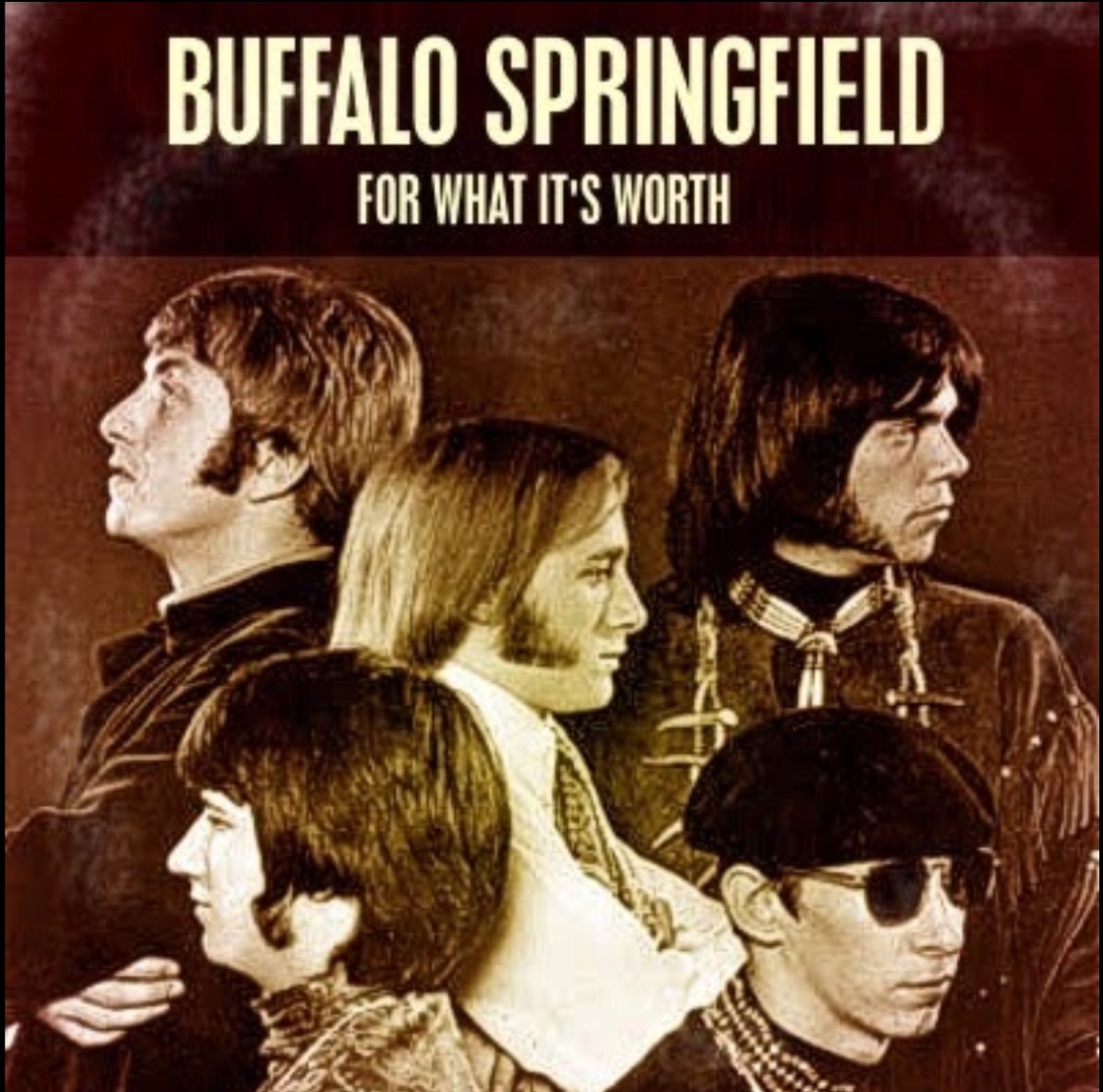
6 “For What It’s Worth,” Buffalo Springfield, 1966

Stephen Stills was on the Sunset Strip in West Hollywood the night a protest over curfew enforcement escalated into a riot with multiple arrests and injuries. He was shaken by the experience and wrote this song about it. When his group, Buffalo Springfield, recorded it in late 1966, he offered it to the record label as an extra track for their debut LP, which leaned more toward country rock. “Here’s one more song, for what it’s worth,” he said, and they mistakenly thought that was his intended title for it. The song became a counterculture anthem, reaching #9 on the charts in the spring of 1967.

7 “Daydream Believer,” The Monkees, 1967

Singer-songwriter John Stewart had been a member of the Kingston Trio and would later have a brief period of solo-artist fame with “Gold” in 1979. One night in 1967, he was angry at himself for spending the whole day doing nothing but daydreaming, so he took that thought and wrote “Daydream Believer,” which was first rejected by pop groups We Five and Spanky & Our Gang, but perked up the ears of The Monkees. They eagerly recorded it that summer, and by December, it had become the group’s third #1, and fifth of six Top Five songs in their 1966-1968 heyday.

8 “Oh, Pretty Woman,” Roy Orbison, 1964

In July 1964, Orbison and his songwriting partner Bill Dees were working on songs when Orbison’s wife, Claudette, interrupted to say she was going out. When Orbison asked her if she had enough cash, Dees said, “A pretty woman doesn’t need cash.” Afterwards, the duo took that idea and ran with it, coming up with “Oh, Pretty Woman,” which would become Orbison’s biggest hit, arriving at #1 in August, right in the middle of the summer of Beatlemania in the US.

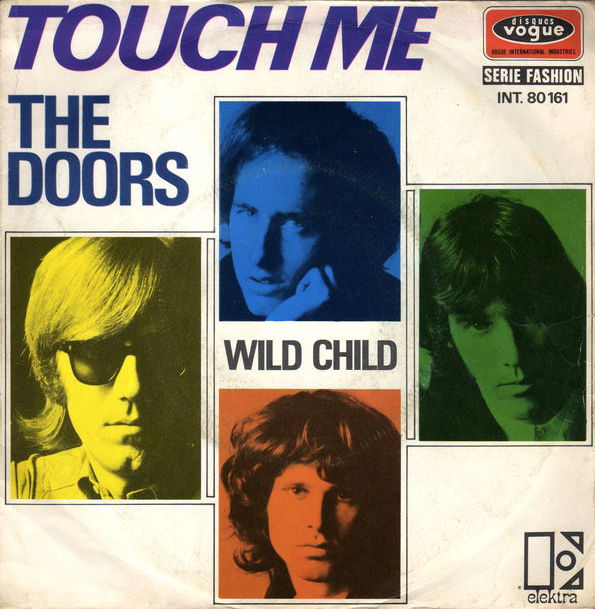
9 “Touch Me,” The Doors, 1968

Horns? Strings? In a song by The Doors?! Many of the group’s fans balked at the notion, but thanks to a killer performance in December 1968 on “The Smothers Brothers Comedy Hour,” complete with horns and strings, Jim Morrison and the band took this catchy tune to #3 on the charts in early 1969. The song was originally titled “Hit Me,” as in what a blackjack player says to the dealer, but Morrison was concerned this might lead to physical assaults from fans. I was always entranced by the amazing sax solo by Curtis Amy in the song’s closing 40 seconds.

10 “Devil With a Blue Dress On/Good Golly, Miss Molly,” Mitch Ryder and The Detroit Wheels, 1966

A soul artist named Fred “Shorty” Long wrote and recorded “Devil in a Blue Dress” in 1964 but it failed to chart. Singer Mitch Ryder got his hands on it in 1966 and threw it together with his own arrangement of Little Richard’s 1956 classic “Good Golly, Miss Molly,” and the resulting medley was a #4 hit single in October 1966. Bruce Springsteen and the E Street Band made this medley an integral part of their performances throughout the late ’70s.

11 “Bad Moon Rising,” Creedence Clearwater Revival, 1969

Early on in songwriter John Fogerty’s amazing hot streak of hit singles for his band, Creedence Clearwater Revival, he happened to be watching the film “The Devil and Daniel Webster,” where a hurricane of apocalyptic force was due to arrive. He turned that viewing experience into a song about literal or metaphorical dread and doom and how going outside “is bound to take your life.” The tune peaked at #2 in June 1969.

12 “Summer in the City,” The Lovin’ Spoonful, 1966

John Sebastian grew up in a New York City apartment, where he was all too familiar with the irritating noises of honking horns and jackhammers, and the oppressive summer heat. He and his brother Mark collaborated on putting all of that to music, and Sebastian’s band, The Lovin’ Spoonful, had a chart-topping hit with it in the summer of ’66, their fifth of seven Top Ten singles and sole #1 hit. Its use of sound effects to create sounds of the city was considered groundbreaking at the time.

13 “Aquarius/Let the Sunshine In,” The 5th Dimension, 1969

When the members of The 5th Dimension went to see a performance of the Broadway musical “Hair” one night in 1968, they immediately contacted their producer, gushing about wanting to record the song “Aquarius.” The producer felt it was more of a song fragment, not long enough to be a single, so he decided to add the repeated phrase “Let the Sunshine In” from another “Hair” number called “The Flesh Failures.” The resulting medley reached #1 in May 1969, a big success for songwriters James Rado (music) and Gerome Ragni (lyrics).

14 “Five O’Clock World,” The Vogues, 1965

Country songwriter Allen Reynolds came up with this relatable tune about the drudgery of the work week, and a few country artists took a crack at it, but without much success. Then in October 1965, The Vogues, a Pennsylvania-based vocal group, recorded it in a rock arrangement that included sharp cries of “Hey!” throughout, and by January 1966, it reached #4 on the US charts. In 1996, this track was used as the theme song for TV’s “The Drew Carey Show.”

15 “Spinning Wheel,” Blood, Sweat and Tears, 1969

Ambitious musician Al Kooper assembled rock and jazz musicians to form Blood, Sweat and Tears, the first “rock band with horns.” The band chafed at Kooper’s dictatorial ways and ousted him, bringing in Canadian singer David Clayton-Thomas for their Grammy-winning second album, which yielded three huge hits: “You’ve Made Me So Very Happy,” “And When I Die” and Clayton-Thomas’s song “Spinning Wheel,” which all reached #2 in 1969.

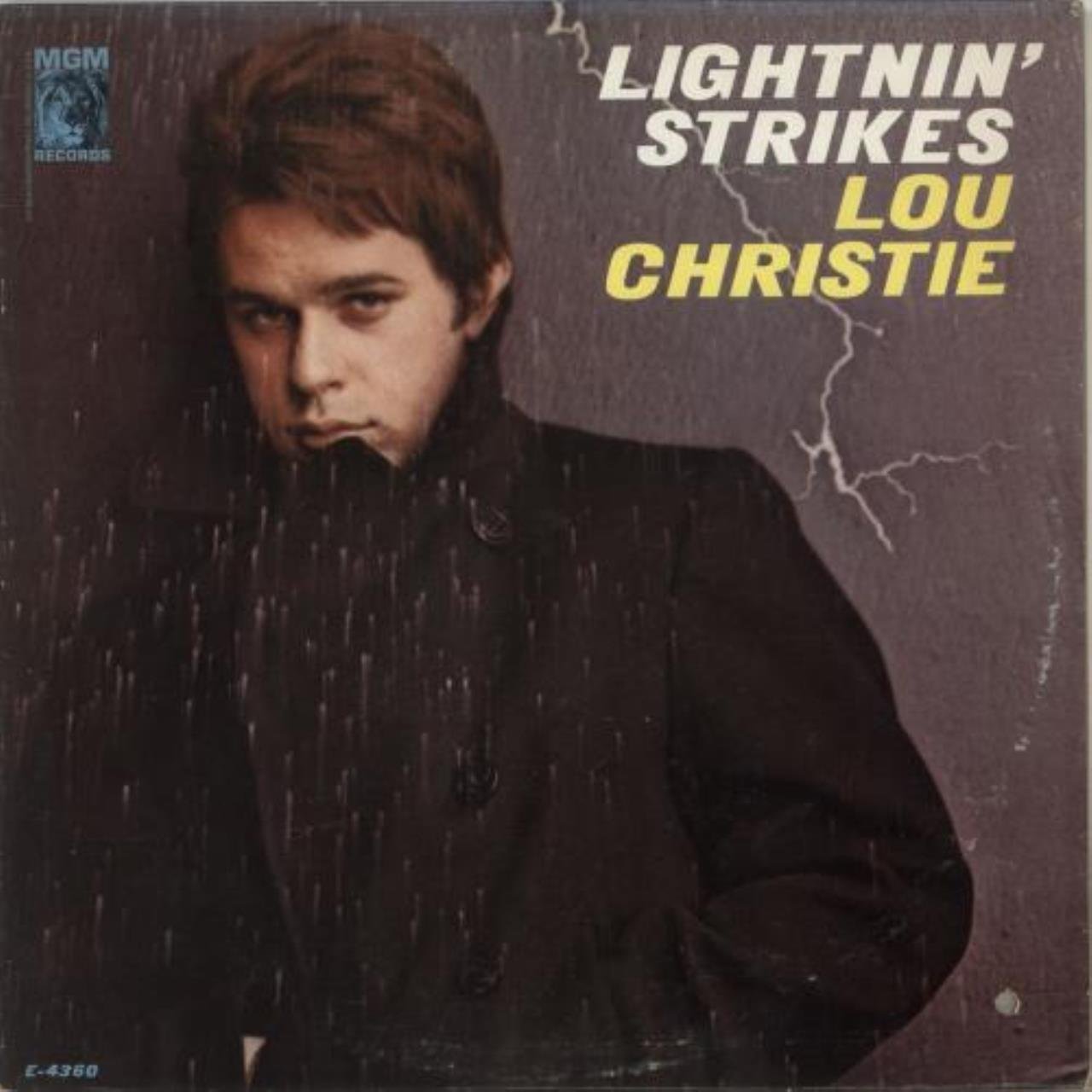
16 “Lightning Strikes,” Lou Christie, 1966

When he was just 15, Pittsburgh native Lou Christie (born Lugee Sacco) befriended Twyla Herbert, a classically trained songwriter 20 years his senior, and she ended up becoming his songwriting partner for 30 years. Their biggest moment came in late 1965 when they collaborated on “Lightnin’ Strikes,” with lyrics about a guy who tells a girl he wants to settle down (someday) but is still unable to resist other girls when the lightning strikes. Christie’s recording reached #1 in February 1966.

17 “Wichita Lineman,” Glen Campbell, 1968

While driving across the prairies one afternoon, award-winning songwriter Jimmy Webb spied a telephone lineman working alone atop a pole in the distance. “I thought, I wonder if I can write something about that? An ordinary guy, working on a railroad or on the telephone wires or digging holes in the street,” said Webb. “I thought, there’s this great soul, this great aching, this great loneliness.” The song, as recorded by Glen Campbell in late 1968, struck a nerve, reaching #3 on the US pop charts and #1 on country charts in February 1969.

18 “I Want You,” Bob Dylan, 1966

Dylan has been a prolific songwriter for most of his six decades in the recording business, but never as bursting with creativity as he was in 1965-1967. He had enough quality material in March 1966 to decide to issue a double album, entitled “Blonde on Blonde.” The final song recorded for that LP was this marvelous track, which alternated between the busy, wordy verses and the simple “I want you, I want you so bad” of the chorus. The tune reached #20 on US pop charts in July 1966.

.

19 “Poor Side of Town,” Johnny Rivers, 1966

Rivers, a resident of Beverly Hills at the time, readily admitted he wasn’t writing from personal experience when he came up with this tune about a guy from the other side of the tracks who is thrilled to get his girlfriend back after she’d been dumped by a much wealthier man. “Poor Side of Town,” along with Billy Joe Royal’s “Down in the Boondocks” and Janis Ian’s “Society’s Child,” broke new ground in pop songs about white collar/blue collar relationships. This Rivers tune reached #1 in November 1966.

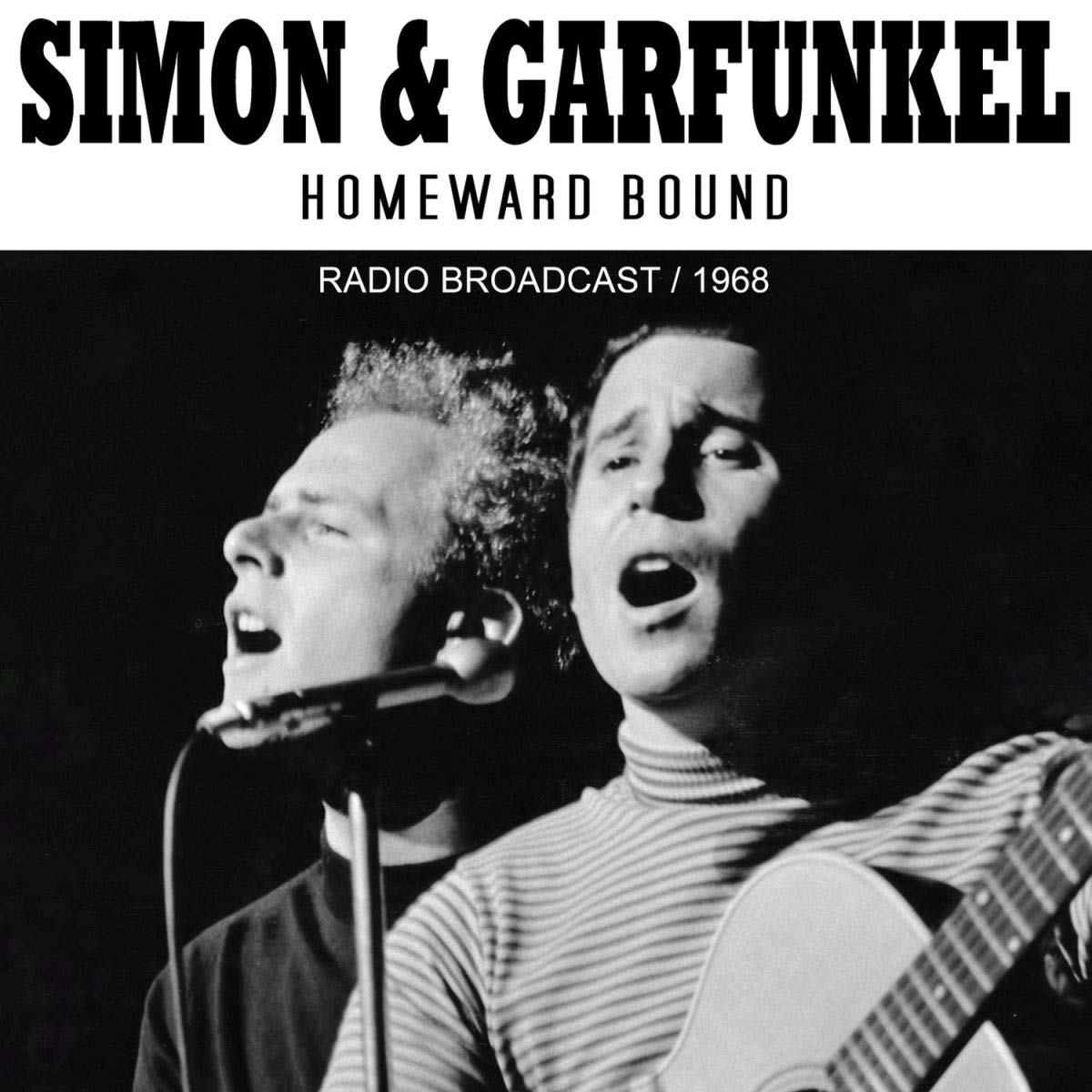
20 “Homeward Bound,” Simon and Garfunkel, 1966

Following the 1964 flop of “Wednesday Morning 3 A.M.,” his first album with school chum Art Garfunkel, Paul Simon headed for London to try his hand at “busking” for spare change in the city’s subways. He had fallen in love with a girl before leaving New York and was missing her terribly, and one night while waiting for the next train, he wrote about his loneliness in the poignant song “Homeward Bound.” Once “The Sound of Silence” became a surprise hit in late 1965, Columbia Records rush-released a new recording of “Homeward Bound” as the follow-up single, which reached #5 in March 1966.

*********************************