Would you repeat that?
In the five-plus years of publishing this blog, I’ve come up with many dozens of themed playlists of songs that cover a broad range of topics or similarities. Some of these have been rather frivolous and inconsequential, but nonetheless mildly interesting.

This week I’m offering one of those. I’ve pored over my research materials and have come up with 16 songs in which the title consists of a word repeated once…or twice. Does it mean anything? Nope — just a fun list of great songs from the ’60s, ’70s and ’80s which share a linguistic quirk.
******************
“Louie Louie,” The Kingsmen, 1963

“It is the best of songs, it is the worst of songs,” summed up rock historian Dave Marsh in writing about this iconic R&B tune. Written and first recorded in 1957 by Richard Berry and The Pharaohs, “Louie Louie” is best known in its garage-band treatment by The Kingsmen in 1963. Incredibly, the FBI investigated whether the lyrics, sung unintelligibly, were obscene, but they were merely about a Jamaican sailor returning home to his girl.
“Sookie, Sookie,” Steppenwolf, 1968

The Urban Dictionary refers to “Sookie” as a derivation of the name Sue or Susan, and also a term of admiration for a sexually attractive woman. Not surprising then, I suppose, for the term to show up in a Sixties rock song lyric. It was written by Don Covay and Stax Records house guitarist Steve Cropper and recorded by Steppenwolf, who used it as the leadoff track on the group’s 1968 debut LP.
“Corrina, Corrina,” Bob Dylan, 1963

The history of this tune is a bit muddy, but it appears to have been written and first recorded by country blues artists Bo Carter in 1928. Since then, it has been covered and reconfigured by dozens of artists in numerous styles, including folk, jazz, blues, rock and even Cajun swing. Bob Dylan recorded his version for his second LP, “The Freewheelin’ Bob Dylan” in 1963. Joni Mitchell also covered it in 1988 as “A Bird That Whistles (Corrina Corrina).”
“Darkness, Darkness,” Jesse Colin Young, 1969

First written and recorded by Young when he was still with his Sixties band The Youngbloods, “Darkness, Darkness” emerged as an example of what was known as psychedelic folk. Young re-recorded it in both studio and live versions, but none of these ever made much of an impact commercially. It wasn’t until Robert Plant recorded his rendition on his 2002 album “Dreamland” that the song reached #27 on the US singles chart.
“Marie Marie,” The Blasters, 1981

The Stray Cats may have found the most success from the rockabilly revival of the early ’80s, but it was L.A.’s The Blasters with guitarist brothers Dave and Phil Alvin who offered the best albums and original material. Dave Alvin wrote most of the band’s songs, including “Marie Marie,” which kicks off the group’s second LP (“The Blasters”) in fine fashion. He went solo in 1986, but The Blasters with Phil Alvin continue playing roots rock today.
“Rebel Rebel,” David Bowie, 1974

One of Bowie’s most celebrated anthems from his mid-’70s period is this hard-rocking single from his 1974 LP “Diamond Dogs.” Described as his last glitter/glam rock track, it features Bowie on guitar playing a repetitive Stones-like riff, singing lyrics about a rebellious, nihilistic teen (a “hot tramp,” gender undetermined). It was a Top Five hit in the UK and Europe but stalled at #64 in the US.
“Baby, Baby,” Lazarus, 1973

Dominated by singer-songwriter Bill Hughes and his gorgeous songs, Lazarus was a little-known, mostly acoustic trio from Texas in the early ’70s discovered by Peter Yarrow of Peter, Paul & Mary. They released just two albums, but they’re both solid efforts well worth hearing. Their second LP, “A Fool’s Paradise,” includes tracks with more instrumentation that rock out a little more, such as “Baby, Baby.”
“Jelly Jelly,” Allman Brothers Band, 1973
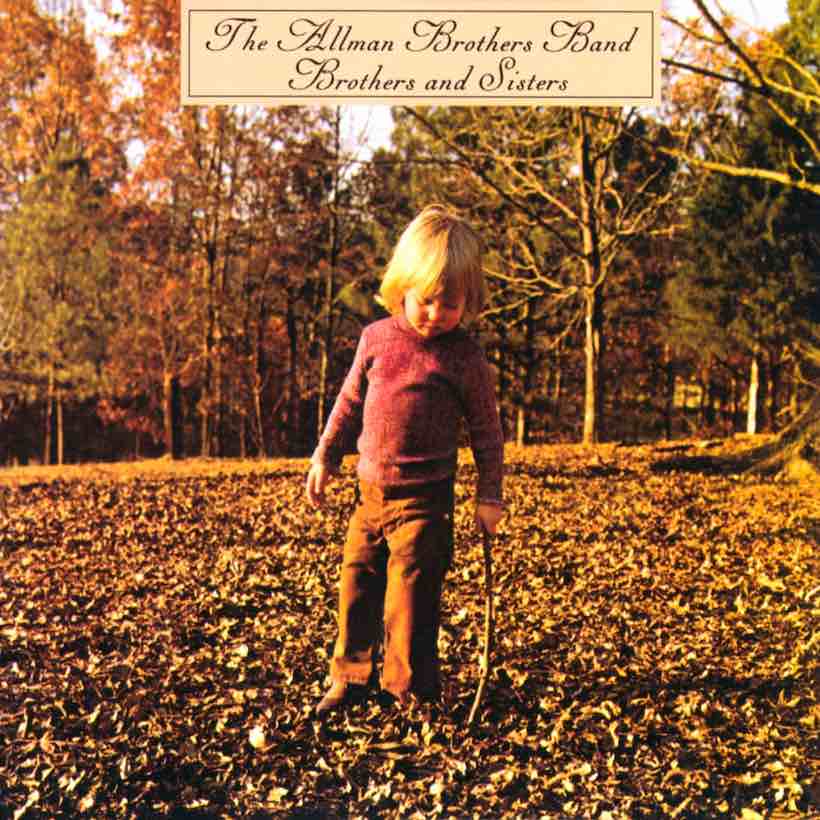
Every Allman Brothers album cooks along on a diet of ferocious uptempo blues with at least one sexy slow blues track to mix things up. There’s “Dreams,” and “Stormy Monday” and “Need Your Love So Bad,” and on their hugely successful 1973 LP “Brothers and Sisters,” that song is “Jelly Jelly,” eight minutes of guitar and piano solos with Gregg Allman’s marvelous voice singing forlornly about sex and mistreatment.
“Neighbor, Neighbor,” ZZ Top, 1971
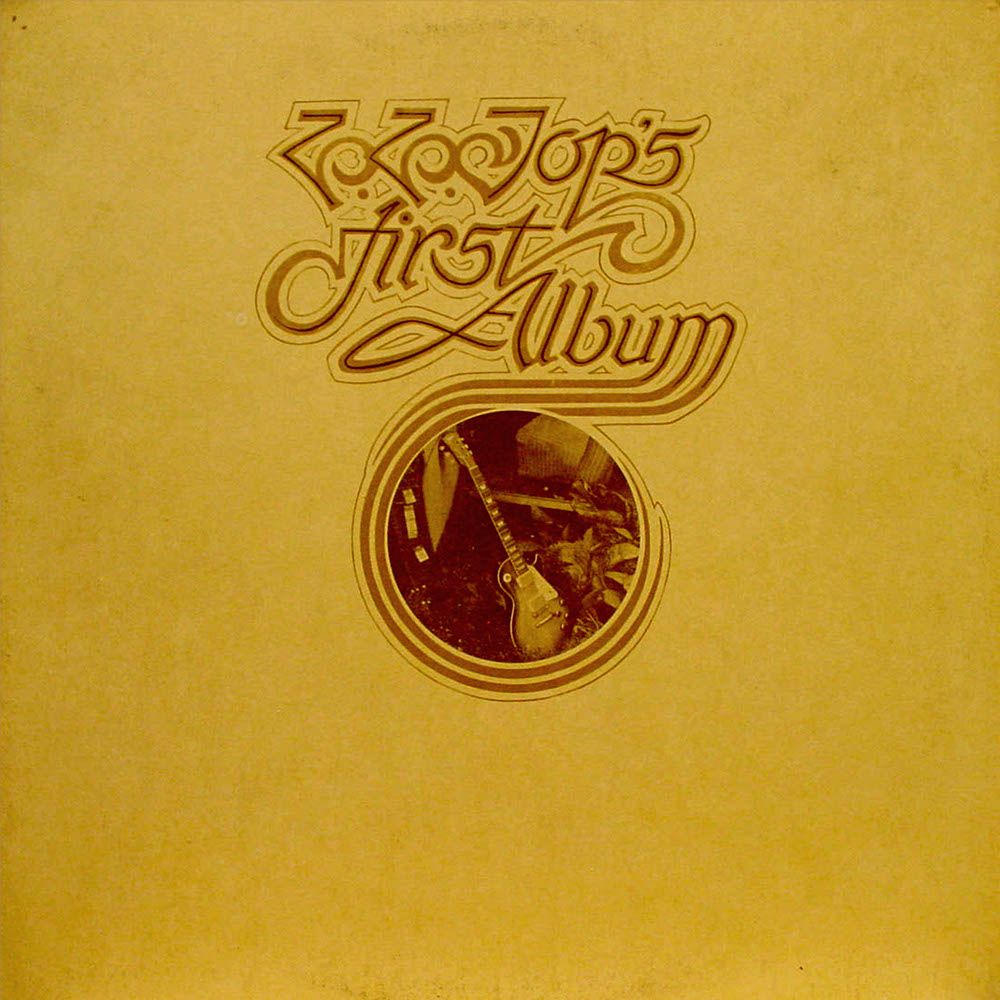
Spearheaded by Billy Gibbons’ guitar and lead vocals, this Texas-based trio offered an excellent stew of blues, boogie and Southern rock right from their beginning in 1970. On “ZZ Top’s First Album” (1971), Gibbons’ blues tune “Neighbor, Neighbor” bemoans the nosy intrusions and badmouthing of the people next door. The group went on to have many high-charting albums and singles throughout the ’70s, ’80s and ’90s.
“Tighter, Tighter,” Alive N Kickin’, 1970

In 1969, the Brooklyn sextet known as Alive N Kickin’ befriended Tommy James, who had ridden to glory in 1966 with his huge hit “Hanky Panky.” James had offered to give Alive N Kickin’ a new song called “Crystal Blue Persuasion,” but he liked it so much he kept it for himself and instead wrote and produced “Tighter, Tighter” for them. The track peaked at #7 in the summer of 1970 and was the only success for this “one-hit wonder.”
“Teacher Teacher,” Nick Lowe/Rockpile, 1980 #51
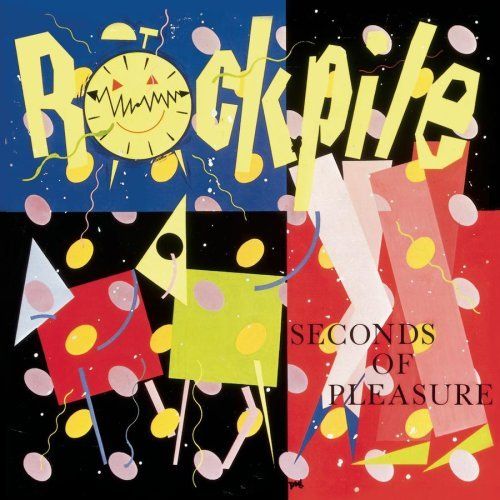
The British pop/rock band Rockpile featured Dave Edmunds and Nick Lowe, both talented singer/songwriter/guitarists with their own solo record deals, and some of what would have been Rockpile tracks were released as solo hits instead (“Girls Talk” by Edmunds and “Cruel to Be Kind” by Lowe). “Teacher Teacher,” an Edmunds tune, was a minor hit (#51) from Rockpile’s 1980 LP, “Seconds of Pleasure.”
“Monday, Monday,” The Mamas and The Papas, 1966
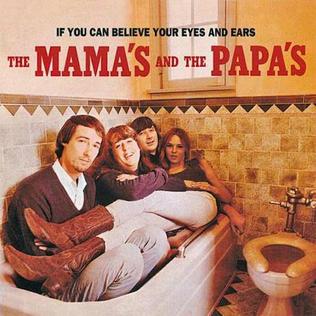
Papa John Phillips, who helped lead the way in adapting folk music to the rock scene, wrote and arranged most of the Mamas & Papas catalog. He claimed he came up with “Monday, Monday” in about 20 minutes one gray and rainy Monday morning, with lyrics that reinforce the near-universal feeling of dread we feel as another work week begins. It was the quartet’s only #1 single, although “California Dreamin'” was their true signature song.
“My, My, Hey, Hey,” Neil Young, 1979

Here’s a title with two words repeated. In 1979, Young was wondering about his own relevance in a music scene then dominated by punk and New Wave sounds. His album “Rust Never Sleeps” emphatically shows his transition from acoustic music to something more ragged and harsh, and the contrast in styles is most evident in the opening and closing tracks, “My My, Hey Hey (Out of the Blue)” and “Hey Hey, My My (Into the Black).”
******************
To round out this playlist, I’ve include three songs that have titles with one word used three times:
“Run Run Run,” Jo Jo Gunne, 1972
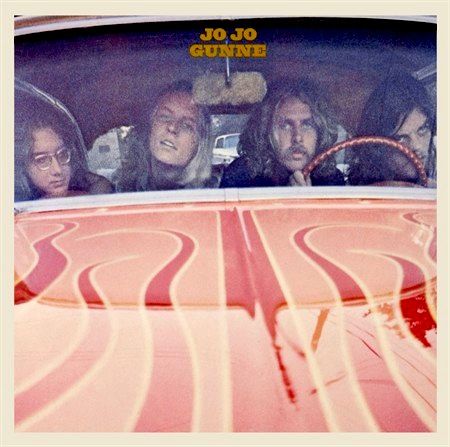
Singer Jay Ferguson and bassist Mark Andes had been key members of Spirit (“I Got a Line on You,” “Mr. Skin,” “Nature’s Way”) before they left to form Jo Jo Gunne in 1972. Their first album had a modest hit (#27) that year with Ferguson’s “Run Run Run,” but their two subsequent albums went nowhere. Ferguson had an even bigger hit once he went solo, reaching #9 on the charts in 1977 with “Thunder Island.”
“Hi, Hi, Hi,” Paul McCartney and Wings, 1972

In the first few years following the breakup of The Beatles, it was hard to predict what McCartney would do next. He flip-flopped from disposable little ditties to serious rock, from nursery rhymes to controversial topics. The latter showed up in the form of the politically charged “Give Ireland Back to the Irish” and the sex-and-drugs romp “Hi Hi Hi” (which should have been titled “High High High”).
“Gone, Gone, Gone,” Bad Company, 1979

From their explosive debut in 1974 until their breakup in 1983, Bad Company was one of England’s most successful bands on US charts. The distinctive vocals of Paul Rodgers and sturdy guitar work from Mick Ralphs served them well on 12-15 singles and album tracks that became FM radio staples. From 1979’s “Desolation Angels” comes bassist Boz Burrell’s great rocker “Gone, Gone Gone,” about a girlfriend’s departure.
*********************
Honorable mention:
“Jenny, Jenny,” Little Richard, 1957; “Release, Release,” Yes, 1978; “Mony Mony,” Tommy James and The Shondells, 1968; “Talk Talk,” Talk Talk, 1982; “Mary, Mary,” The Monkees, 1966; “Sugar Sugar,” The Archies, 1969; “Cherry Cherry,” Neil Diamond, 1966; “Star Star,” The Rolling Stones, 1973.
“Turn! Turn! Turn!,” The Byrds, 1965; “Say Say Say,” Paul McCartney & Michael Jackson, 1983; “Stop Stop Stop,” The Hollies, 1965; “Cold Cold Cold,” Little Feat, 1974; “Yummy Yummy Yummy,” The Ohio Express, 1968; “Baby, Baby, Baby,” Aretha Franklin, 1967; “Fun, Fun, Fun,” The Beach Boys, 1964.
*****************
 Since we’re all cooped up at home (or should be) and in need of a little entertainment, I thought I’d try a bigger version of the puzzler game by introducing the first installment of Hack’s Back Pages Monthly Lyrics Quiz to test your memory banks!
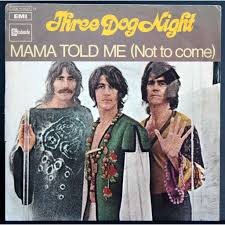 Early in his career, Randy Newman wrote this song about a teen attending his first drinking party and deciding he didn’t like it much. His version of the song appears on his “12 Songs” LP, and it’s quite different from the rendition that most people know. Three Dog Night were known for discovering cool songs by other songwriters and releasing their own arrangement that they turned into big hits.
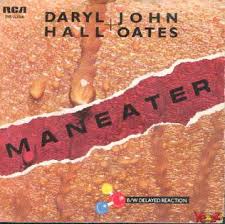 The duo combined to write this catchy danceable song that most people assume is about a woman. “It was originally written about New York City in the ’80s and its greed, avarice and spoiled riches, and then we changed it a bit to make it sound more like a woman because it would be more relatable,” said John Oates. It went on to become Hall & Oates’ biggest hit, staying at the top spot for four weeks in late ’82/early ’83.
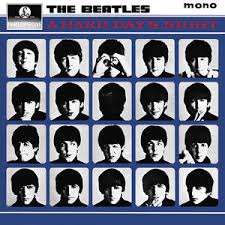 After a very long day of recording that stretched well past midnight, Ringo Starr blurted out how tired he was: “Whew, it’s been a hard day…’s night!” Filmmaker Richard Lester decided it was a perfect title for his film about a day in the life of The Beatles in the midst of Beatlemania. John Lennon wrote it and Paul McCartney put on some finishing touches to the bridge. George Harrison added the jarringly wonderful opening chord.
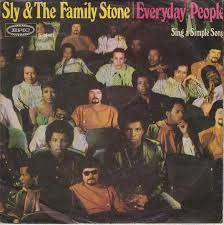 The first major act to offer a racially diverse lineup was the perfect group to record Sly Stone’s cheerful song that urges equality and racial harmony. The lyrics mock the futility of people hating each other, urging instead “I am no better, and neither are you, we are the same whatever we do.” The song also includes the original line “different strokes for different folks,” which became a popular catchphrase that’s still in use 50 years later.
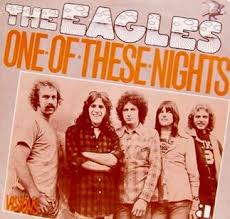 Glenn Frey, who started writing the music to this track while listening to Spinners and Al Green albums, was looking for a groove that merged rock and disco, with some biting guitar work. Meanwhile, Don Henley put the lyrics together while he was procrastinating about accomplishing a couple of personal goals. “It’s really about putting things off,” said Henley. Frey called it his favorite of the entire Eagles catalog.
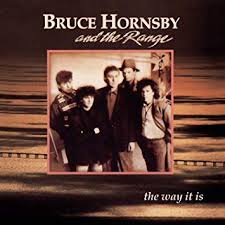 Hornsby’s first LP was one of the more successful debut albums of the ’80s, spawning three Top 20 singles, including “Every Little Kiss,” “Mandolin Rain” and the #1 hit “The Way It Is.” The title track makes several references to the civil rights movement and the segregation and inhumanity that reigned in the U.S. before and during that period. It was a stark reminder in the mid-’80s that we still hadn’t solved these issues.
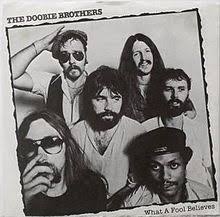 Michael McDonald joined the Doobies in 1976 and helped the band evolve from straight rock to a more soulful, R&B groove. This tune, co-written by McDonald and Kenny Loggins, was recorded by both artists at the same time, and both performed it in concerts, sometimes together, but it was The Doobies’ version from their “Minute By Minute” LP that went to the top of the charts and won a Record of the Year Grammy.
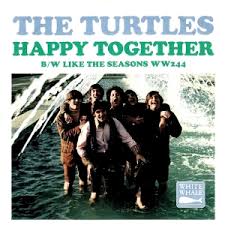 Critic Denise Sullivan succinctly summed up this irresistible song as “a most sublime slice of pop music heaven.” She noted its rock ‘n roll martial beat but said it “veered dangerously close to bubblegum.” The Turtles two primary vocalists, Howard Kaylan and Mark Volman, later joined Frank Zappa’s Mothers of Invention, and then morphed into their own ’70s group, Flo and Eddie.
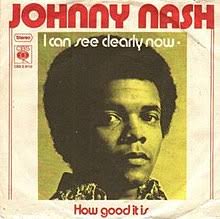 It wouldn’t be until the mid-’70s and Bob Marley’s arrival that reggae found a real following among American music fans. But in 1972, Houston-born Johnny Nash became the first non-Jamaican to record in Kingston, Jamaica and the first to have a reggae song reach the top of the US charts. The song, like most reggae tunes, have lyrics which speak proudly of happiness, peace and brotherhood.
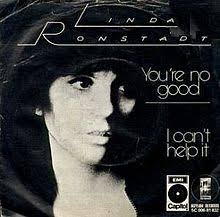 Country star Clint Ballard Jr. wrote this tune back in 1963, and several artists charted with their versions in other countries but stalled on the charts here. Ronstadt, who had struggled along through her first four albums, signed with Peter Asher in 1974, and the resulting LP, “Heart Like a Wheel,” turned out to be her breakthrough. Both the album and this song, perhaps one of the best break-up songs ever, both reached #1.
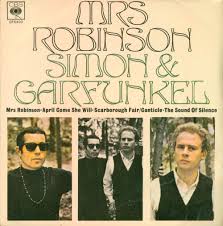 Film director Mike Nichols asked Paul Simon to write songs for his upcoming film “The Graduate,” but Nichols didn’t like what Simon submitted, except for “Mrs. Robinson,” which Simon hadn’t finished by the time of the movie’s release, so you hear only the chorus (twice) in the film. Four months later, Simon and Garfunkel released the completed song on their #1 LP “Bookends,” and the duo became household names.
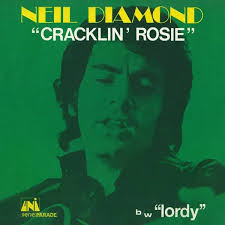 Here’s another song that seems to be about a woman, and some fans thought it was about a bottle of wine, but in fact, it’s about a Rosewood guitar Diamond bought from the proceeds of his early hits. It wasn’t the first song someone wrote about a favorite musical instrument, and it certainly hasn’t been the last either. The song appeared on Diamond’s first album of substance, titled “Tap Root Manuscript.”
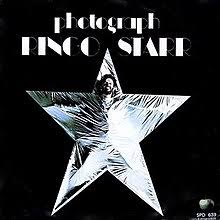 Ringo got significant help from George Harrison on writing and arranging this tune. They recorded it during sessions for Harrison’s “Living in the Material World” LP in late 1972. The track features Harrison on guitar, the great Nicky Hopkins on piano and Beatle pal Klaus Voorman on bass. The poignant lyrics refer to a photograph that remind us that either someone has died, or a relationship has come to an end.
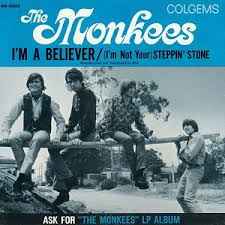 The young, still-struggling Neil Diamond wrote (and recorded) this tune in early 1966. The Monkees’ musical director Don Kirshner heard it and decided his new made-for-TV faux rock group should record it for their second album, “More of the Monkees.” It ended up being the biggest selling single of 1967, and 34 years later, the ’90s band Smash Mouth had a minor hit with their own version of “I’m a Believer” from the “Shrek” film.
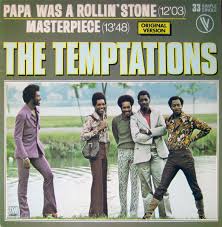 David Ruffin had left the famous Motown group in 1968, and now singer Eddie Kendrick was about to do the same, but not before the group scored one last blockbuster hit. The track is a seven-minute slice of what they called “cinematic soul,” about a deadbeat dad who left his wife and children, told from the viewpoint of one of the kids years later. The album version, with multiple instrumental solos, went on for nearly 12 minutes.
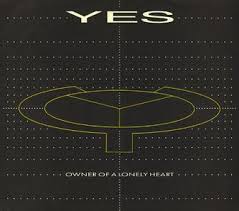 One of the best of the ’70s British progressive rock bands, Yes had run out of gas around 1980, but bassist Chris Squire and Alan White ended up teaming up with talented South African musician Trevor Rabin, using his songs and demos as the basis for a new group called Cinema. But once they convinced singer Jon Anderson to return, they decided to call it another Yes album despite its more commercial sound. The lead song reached #1.
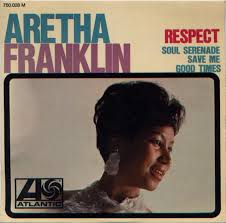 The late great Queen of Soul had been recording for Columbia for five years, wasting her volcanic talents on boring middle-of-the-road material. Once she jumped to R&B-leaning Atlantic in 1967, they immediately put her to work on energetic soul songs. Her first single on Atlantic, arguably her peak career moment, was a fierce call for basic human respect and became the unofficial anthem of the women’s movement.
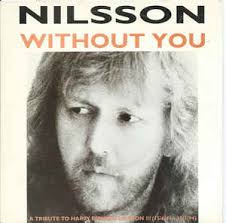 Pete Ham of Badfinger wrote this power ballad, which Badfinger also recorded, but when Harry Nilsson recorded his heartfelt version, it rocketed to #1 in early 1972 as the first single from the popular “Nilsson Schmilsson” album. It was very unusual for the great songwriter to cover another writer’s material, but in this instance, it proved to be a great choice for him.
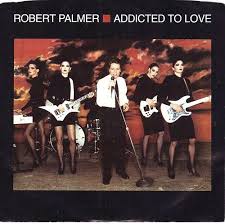 The distinctive music video of this song certainly helped push it to the top of the pop charts in 1986. It features Palmer at the microphone with four heavily stylized female models, appearing almost like mannequins but lined up as background singers with guitars. Palmer had planned on recording this track with Chaka Khan in a duet, but her label wouldn’t release her to do it, although she still got credit for the vocal arrangement.
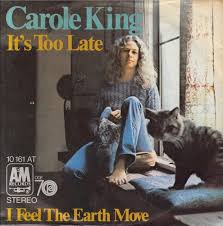 Instead of bitterness, King’s song (with lyrics by collaborator Toni Stern) assumes a more practical, less emotional attitude of blamelessness about the end of a romantic relationship. It’s interesting to note that Stern wrote the lyrics just after her affair with James Taylor came to an end, for he plays guitar and sings on King’s “Tapestry” album. The song held the #1 spot for four weeks and won a Record of the Year Grammy.
 Hack's Back Pages