If it’s more than 30 years old, it could be a classic

How do we determine what qualifies as “classic rock”?

For quite a while now — at least as long as the ten years I’ve been writing Hack’s Back Pages — the loose definition I’ve used has been rock/pop songs of the ’50s, ’60s, ’70s and ’80s. Songs that are, 30, 40, 50 years old or longer, basically.

With that in mind, it’s time for a reality check: 1990 was 35 years ago.

That means that songs and albums of the 1990s (at least the first half of the ’90s) should now qualify as “classic rock” because they’re three decades old.

That means they are now valid candidates to be among the songs I like to call “lost classics” — tunes you might recall but have forgotten about, or tunes from albums you knew but were “deep tracks” that flew under your radar at the time.

In the early ’90s, I was a new dad of young daughters, and I had neither the time nor the disposable income to pay as close attention to the music being released. As a longtime record collector, I tried to keep up, but where I once bought an album a week in the ’70s or ’80s, I was instead buying maybe an album a month.

But it’s high time that this blog should acknowledge some of the great songs released in the early ’90s and present them for my readers’ consideration. This week’s post includes a dozen lost classics from albums released in the 1991-1993 period. As always, there’s a Spotify playlist at the end.

I expect some of these will be vaguely or instantly familiar to you, but perhaps most of these will be brand new to you because, like me, you weren’t listening as closely to what the radio was playing at that point. In either case, I reckon you’ll find these songs appealing and worthy of your attention.

*****************************

“Weather With You,” Crowded House, 1991

Singer/guitarist/songwriter Neil Finn formed his band Crowded House in Australia in 1986 and had early Top Ten success in the US with two hit singles, “Don’t Dream It’s Over” and “Something So Strong.” Their popularity continued in the UK and elsewhere but didn’t last in the US. When I bought their greatest hits CD in 1996, I discovered about a dozen of their earlier gems, especially the catchy “Weather With You” from their 1991 LP “Woodface.” Said Finn, “My brother Tim had the line ‘Everywhere you go, you always take the weather with you,’ and we got the guitar riff going and wrote the song together. It’s about a guy totally wrapped up in melancholy, but ultimately, the theme of the song is, you are always creating your own weather, making your own environment, always.”

“Stars,” Simply Red, 1991

Mick Hucknall has one of the most appealing voices I’ve ever heard, alternating between sensual and powerful throughout Simply Red’s 13-album catalog. Only the first three LPs performed well on US charts, thanks to their #1 singles “Holding Back the Years” and the remake of “If You Don’t Know Me By Now,” but in their native UK, every one of their 13 albums has made the Top Ten. One of their most consistent is 1991’s “Stars,” the title track of which was a big hit elsewhere but managed only #44 here. Critics loved it, calling it “wistfully dreamy” and “charmingly upbeat.” Hucknall wrote it as a love song between two people who are crazy about each other but “unlikely to walk off into the sunset together,” as he put it in a 1995 interview. I find it curious that Simply Red’s engaging music wasn’t embraced more enthusiastically in the US.
“Crazy,” Seal, 1991

I’ve loved this guy from the moment my friend Barney returned from England raving about this startling new vocal talent, and I’ve bought everything he’s ever released since. Critics have compared his vocal control to Marvin Gaye, though Seal’s voice offers more grit in his delivery. His first hit was “Crazy” (no relation to the Patsy Cline classic), which he wrote in 1990 in response to world events at the time. The lyrics preach a simple philosophy: “We’re never gonna survive unless we get a little crazy.” Musically, the track has a keyboard-driven bass/synthesizer groove that flows naturally enough that you find yourself humming along on first listening. It peaked at #7 on US charts and served as an entree to the more conventional “Kiss From a Rose,” a #1 hit for Seal three years later.
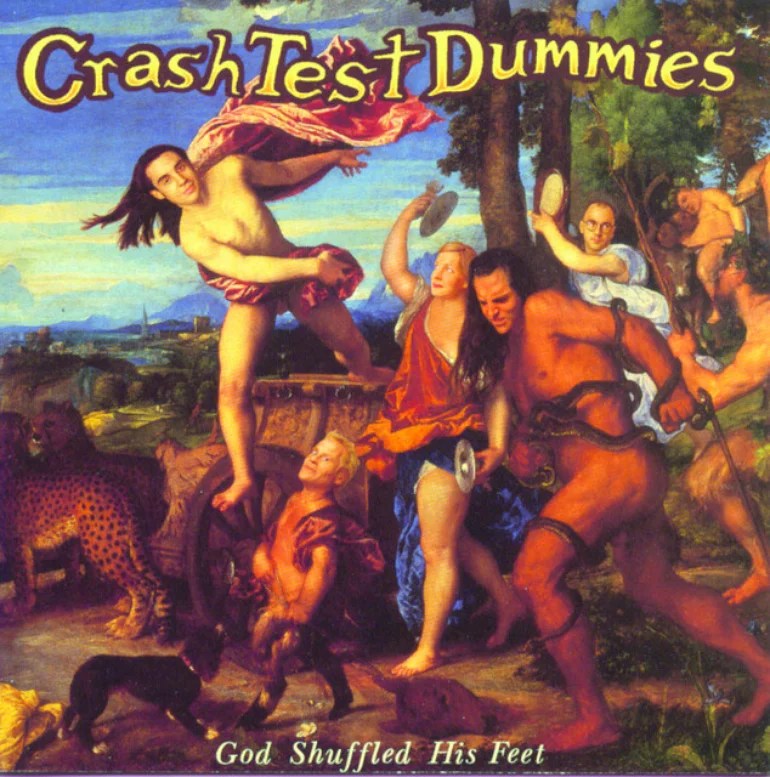
“Afternoons and Coffeespoons,” Crash Test Dummies, 1993

One of Canada’s more intriguing rock bands, the Crash Test Dummies found major success in 1993 with their third LP, “God Shuffled His Feet.” The unusual bass/baritone vocals of lead singer Brad Roberts take a little getting used to, but the group’s songs are instantly likable. US audiences were enamored by the unusually titled #4 hit “Mmm Mmm Mmm Mmm,” but just as strong to me was the fan favorite “Afternoons & Coffeespoons,” a pop/folk rock track inspired by the famous T.S. Eliot poem “The Love Song of J. Alfred Prufrock.” Roberts said, “It’s a song about being afraid of getting old, which is a reflection of my very neurotic character.” Although it charted well in Canada and a few European countries, it inexplicably stalled at #66 here.

“Dream in Blue,” Los Lobos, 1992

In 1973, David Hidalgo and Louie Pérez were classmates at an East Los Angeles high school and discovered they both played guitar and had similar musical tastes. Pérez recalls, “I went over to his house one day and stayed for about a year, listening to records, playing guitars, and starting to write songs.” By 1980, they formed Los Lobos (translated as The Wolves), and gained momentum warming up for bands like The Clash and The Blasters. Their cover of Ritchie Valens’s hit “La Bamba” went to #1 in 1988, and they’ve maintained a loyal fan base ever since, even though their chart performance doesn’t show it. My friend Lou exposed me to their 1992 LP “Kiko,” which is full of great tunes, particularly “Kiko and the Lavender Moon” and the leadoff track, “Dream in Blue.”
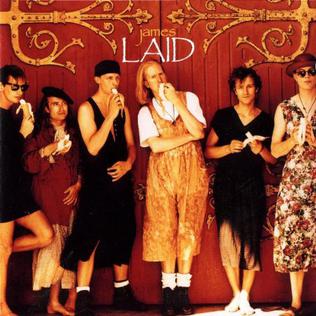
“Say Something,” James, 1993

Hailing from Manchester, England, in the late ’80s, James has been consistently popular there for more than 30 years, but their success in the US has been relatively limited. In 1993, college radio stations latched on to their single “Laid,” the title track to their sixth album, which stalled at #61 on pop charts but reached #3 on Alt Rock listings. The LP leans acoustic, partly because they had just completed a stint as the support act for Neil Young during his “Harvest Moon” tour, and their next songs reflected that. Again, I credit a friend (this time Bob) for turning me on to that album, which has a whole bunch of great songs produced by the great Brian Eno and carried by the strong vocals of Tim Booth. “Say Something” is one of the songs that first caught my attention.

“Hero,” David Crosby, 1993

Probably the least prolific of the songwriters in the CSNY stable, Crosby seemed more focused on quality than quantity, writing some of the more complex, fascinating songs in their repertoire (“Déjà Vu,” “Guinnevere,” “The Lee Shore”). His third solo studio album, 1993’s “Thousand Roads,” got almost no attention, but it’s jam-packed with great tracks, mostly written by other noteworthy composers (Joni Mitchell, Marc Cohn, John Hiatt, Stephen Bishop, Jimmy Webb). Phil Collins collaborated with Crosby to write and produce the soothing tune “Hero,” an underperforming single on which Collins also sang backing vocals and played drums and keyboards. Crosby didn’t record another solo LP until “Croz” in 2014, then churned out four more in seven years before his death in 2023.

“Professional Jealousy,” Van Morrison, 1991

Talk about prolific: This 79-year-old musical dynamo has released 50 LPs between 1968 and 2025, specializing in vibrant Irish soul, folk and ballads. In the US, his albums from the 1970s were his most popular (“Moondance,” “Tupelo Honey,” “Saint Dominic’s Preview”), but he could reliably sell several hundred thousand copies here every time he released something new. In 1991, his first double studio album, “Hymns to the Silence,” managed only a #99 charting, and critics felt it rehashed his most recent predecessors, “Avalon Sunset” and “Enlightenment,” but I think it stands as a solid effort in its own right. “Professional Jealousy,” the leadoff track, “brims with the consistent passion that continues to make Morrison fascinating,” according to Rolling Stone.
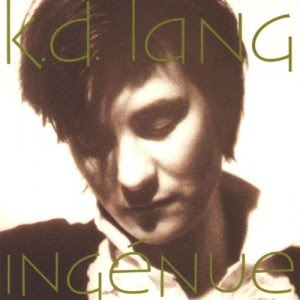
“Miss Chatelaine,” k.d. lang, 1992

An admirer of poet e.e. cummings and his fondness for the lower case, Canadian singer k.d. lang came on strong in 1992 with “Ingénue,” a commendable LP of originals that fall more into the cabaret genre than the country music groove she first presented. She has been nominated for Grammys several times, and “Ingenue” won a Juno Award for Best Album, helped along by three well-received singles: “Constant Craving,” “Save Me” and the come-hither bauble “Miss Chatelaine.” The latter song’s popular video depicted lang in an exaggeratedly feminine manner that seemed like a “Lawrence Welk Show” parody because it was such an about-face from her decidedly androgynous appearance most of the time. This is one of those “guilty pleasure” songs for me.

“Jesse,” Joshua Kadison, 1993

This humble guy seemed to come out of nowhere in 1993 with his debut, “Painted Desert Serenade,” a smart collection of introspective story-songs that went platinum on the strength of two hits: “Beautiful In My Eyes,” which became a popular choice at weddings, and “Jessie,” with its lovely piano-based melody that recalls Marc Cohn’s gem “Walking in Memphis.” Critics compared Kadison’s voice to superstars like Billy Joel and Elton John, which is actually pretty accurate. “I was so used to being outside of whatever was going on that I didn’t even think I’d ever get a record deal, much less have my songs played on the radio,” Kadison said in 1996. Although he released four more LPs before withdrawing in 2001, none managed the simple appeal of his first.

“On Every Street,” Dire Straits, 1991

Mark Knopfler is easily one of my Top Five favorite guitarists, with a supple, quicksilver sound that augments his songs and informs his solos, first on six Dire Straits albums and then ten solo records since 1996. “Brothers in Arms,” the group’s multiplatinum international LP, was in everybody’s collection in 1985-86, but truth be told, I’ve always preferred their swan song, 1991’s “On Every Street,” with a dozen exquisitely realized tunes that show uncommon diversity and depth. It went #1 all over the world, and peaked at #12 in US, despite no singles on the pop charts. The track that never fails to grab me is the marvelous title song, about a private eye who’s trying to find an elusive criminal: “There’s gotta be a record of you some place, you gotta be on somebody’s books… /Somewhere your fingerprints remain concrete, and it’s your face I’m looking for on every street…”
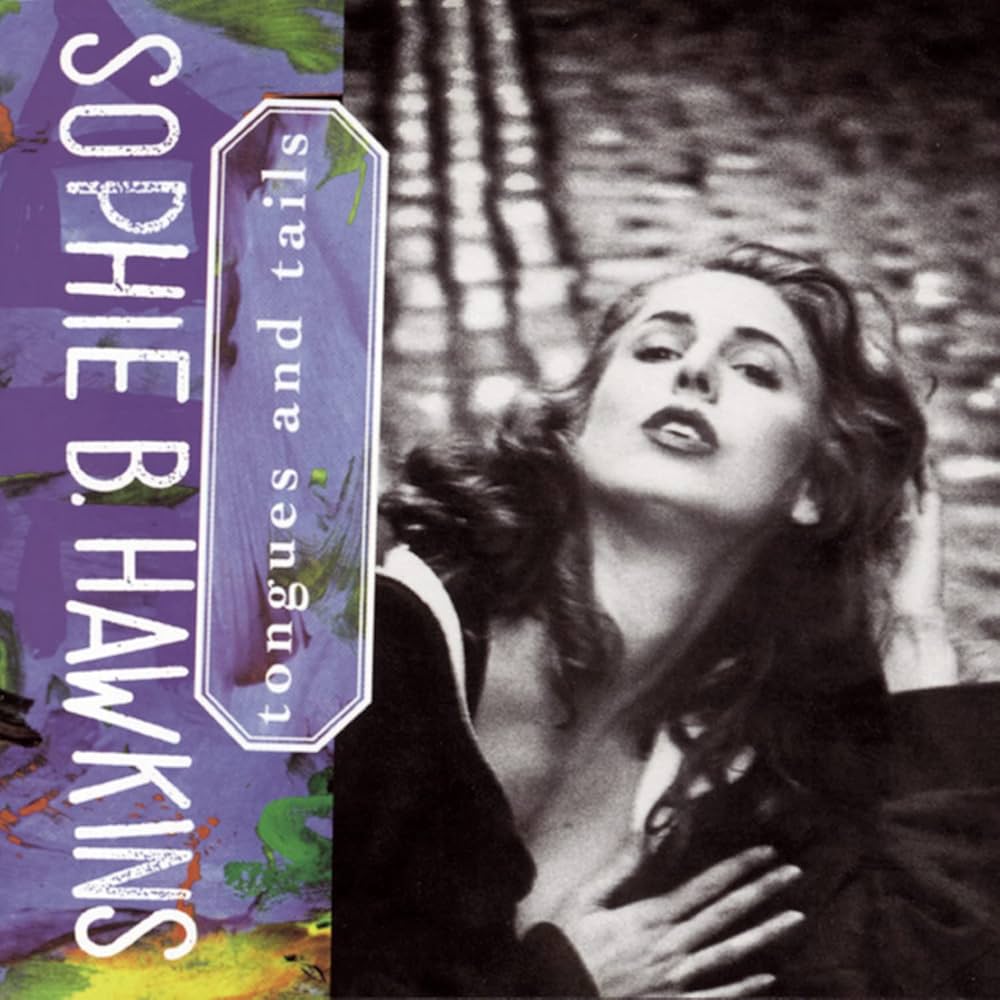
“California Here I Come,” Sophie B. Hawkins, 1992

This quirky, talented singer-songwriter from New York City made an impressive debut in 1992 with “Tongues and Tails,” an album full of mostly originals that included the surprise #5 hit, “Damn I Wish I Was Your Lover.” A second LP in ’94 did almost as well, but Hawkins had a falling out with her record label over the third album, which soured her on the music business and curtailed her career. Critics praised her “Madonna-meets-Chrissie Hynde voice” on deeper tracks like “California Here I Come,” a compelling tune about the lure of the West Coast: “How come some people got it all, some people got none, /I been banging my head against the writing on the wall, /But now I just wanna have fun, /California, here I come, open up your golden arms, /I had enough of the New York City slums…”

***************************
Say I’m old fashioned, say I’m over the hill

It’s time once again for another dive deep into the long-ignored waters of the albums of the 1960s and 1970s to remind you all of the great hidden music to be found there.

record_stores-0213

Classic rock stations are happy to overexpose you to the same two or three or four songs from a band’s repertoire that you know all too well.  You know the tired old format:  If they play Led Zeppelin, you can be sure it’ll be “Stairway to Heaven,” “Whole Lotta Love,” “Black Dog,” “Immigrant Song,” “Fool in the Rain” or “D’yer Ma’ker” (or, if you’re lucky, “Kashmir”).  But good God, there are another five dozen great Zep tracks just sitting there, waiting to be exhumed!

My job here, as I see it, is to select a dozen or so great “lost gems” from classic albums and entice you to dig them out, look them up, and savor their deliciousness.

I urge you to send me your suggestions of other excellent forgotten tracks I can include in future blog posts about these wonderful old songs.

Rock on, everybody!

****************************

“It’s Up to You,” The Moody Blues, 1970

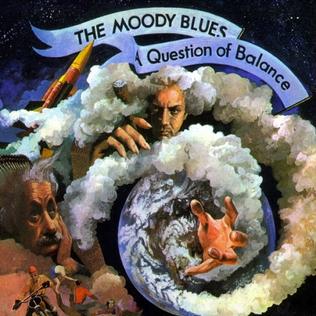
It’s no secret that guitarist/singer Justin Hayward has always been the songwriting wizard of The Moody Blues, one of the true pioneers of what became known as progressive rock.  Their collaboration with the London Symphony Orchestra on 1967’s “Days of Future Passed” (including the eventual worldwide hit “Nights in White Satin”) was an unprecedented merger of disparate musical genres. By 1970, the band had already shown a keen knack for crafting album-length song cycles, and their #3-ranked LP “A Question of Balance” was the best yet, an intelligent, challenging musical lesson in coping with a world ravaged by war and environmental indifference.  Songs like the hit single “Question” and “Dawning is the Day” were Hayward compositions that asked sobering queries about our future, and the clincher, “It’s Up to You,” is the appealing, hopeful apex, urging us all to get involved and help save the planet from extinction.

“Georgia,” Boz Scaggs, 1976

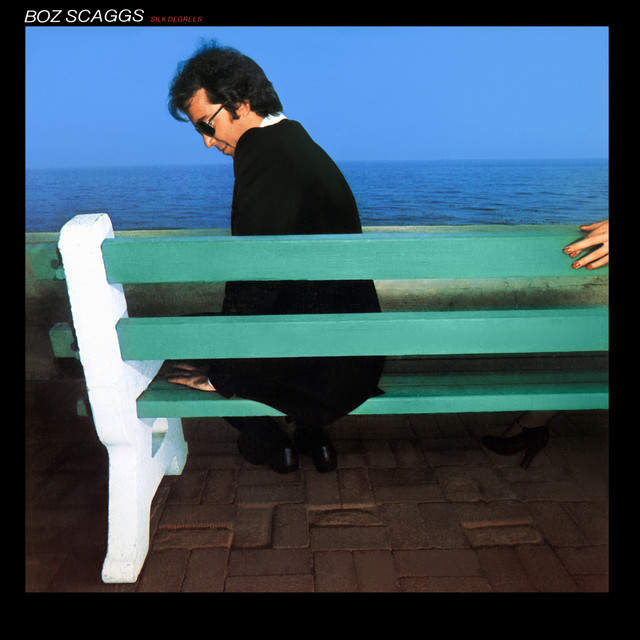
Born in Ohio, raised in Texas, Scaggs met up with Steve Miller as a teenager, and they eventually collaborated in San Francisco on The Steve Miller Band’s first two albums, “Children of the World” and “Sailor.”  Boz went out on his own in ’69 with a self-titled debut that included the legendary 10-minute “Loan Me a Dime,” anchored by a smokin’ lead guitar performance by the late great Duane Allman.  Always rooted in R&B, Scaggs’ solo albums leaned toward blue-eyed soul, culminating in 1976 in the trendsetting #2 LP “Silk Degrees,” with four hit singles, most notably “Lowdown” and “Lido Shuffle.”  The LP also included Scaggs’ fine ballad “We’re All Alone,” made famous by Rita Coolidge.  The hidden gem on this album could be the sensual “Harbor Lights,” which is music to undress to, but I prefer the joyous, upbeat “Georgia,” which, by the way, is a tribute to a woman, not the state.

“Chain Lightning,” Steely Dan, 1975

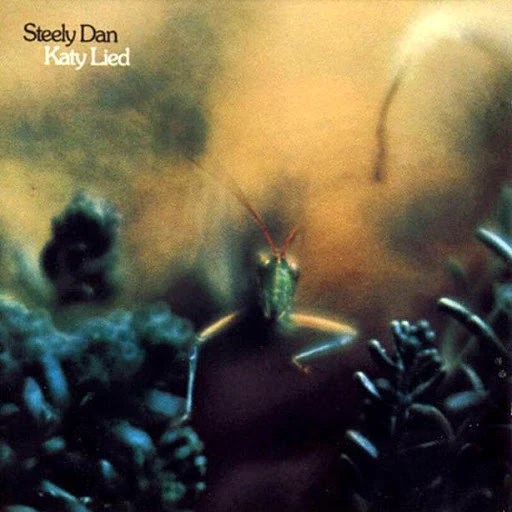
You can make a convincing case that Steely Dan’s seven albums during its 1972-1980 period represented the most consistently excellent music of the Seventies.  By far the most underrated of the those LPs, in my opinion, is 1975’s “Katy Lied.”  The band’s songwriting masterminds, Donald Fagen and Walter Becker, have forlornly disparaged the album because of a studio mishap that allegedly damaged the master tapes and rendered it “unlistenable” (to their audiophile ears), but frankly, I can’t figure out what they’re talking about.  To me, it sounds incredible, full of killer pop/jazz hooks, stunning vocals, standout instrumental passages (dig the Phil Woods sax solo on “Doctor Wu”) and some of the best dark-humor lyrics in the entire Dan catalog.  Almost any track would be a worthy candidate for this “lost gems” list, but I’m going with the sublime, blues-based “Chain Lightning.”

“On the Border,” Al Stewart, 1976

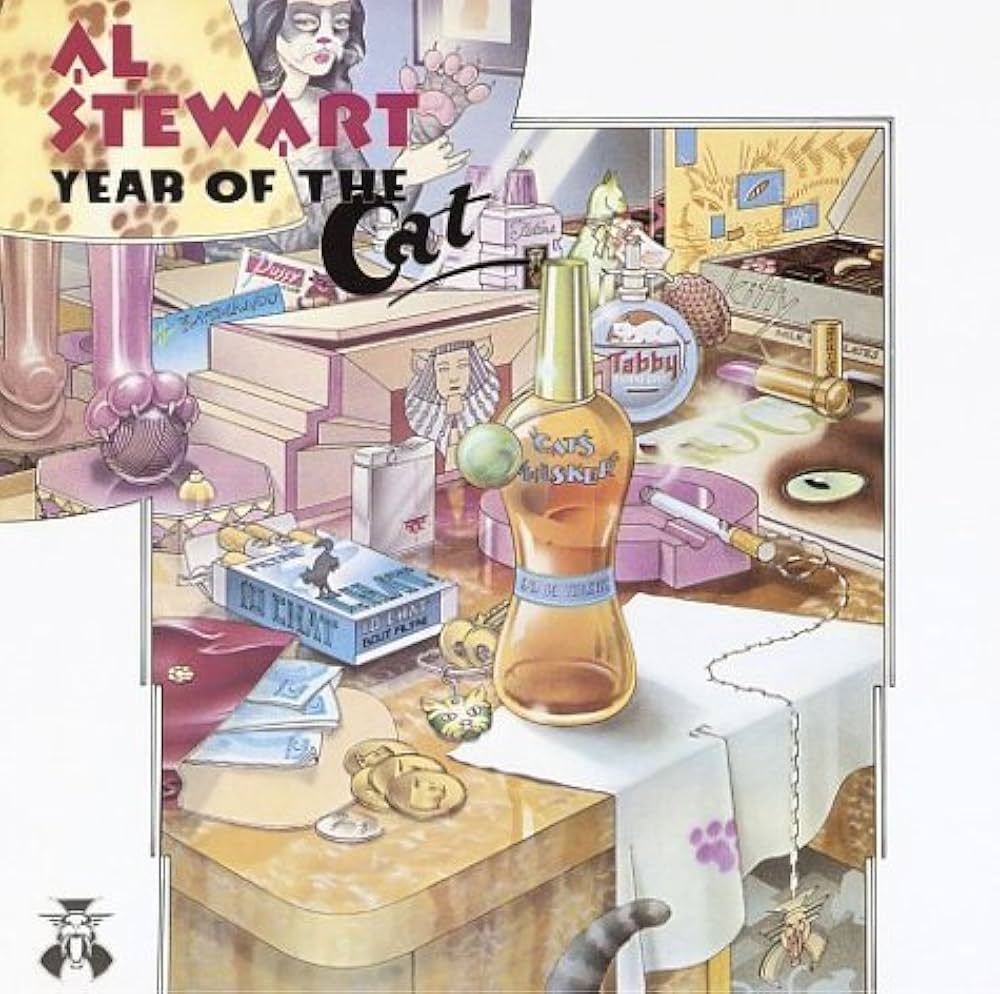
The singer-songwriter era — popularized by James Taylor, Joni Mitchell, Cat Stevens, Carole King and others — had peaked by 1976.  Still, there were promising acoustic-based artists in the US and England who continued to press forward, and Glasgow-born Al Stewart was one of them.  He had released four albums in Britain between 1967 and 1972, without much success, and two more LPs (1973’s “Past, Present and Future” and 1975’s “Modern Times”) saw modest exposure on US radio playlists.  And then came his seventh and best LP, “Year of the Cat,” in 1976.  Some found his distinctly nasal voice off-putting, but there was no denying his finely structured story-songs, beautifully performed and produced on this album, with nary a weak moment.  The title track fought through the relentless onslaught of disco music at the time to reach #8 on the Billboard charts, but the track that has always blown me away is “On the Border,” featuring the fine Spanish guitar work of Peter White.

“The Only Living Boy in New York,” Simon and Garfunkel, 1970

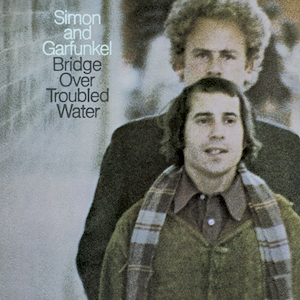
At the time of the January 1970 release of the award-winning “Bridge Over Troubled Water” LP, the primary buzz was all about the shimmering title anthem, and the interesting choices for follow-up singles, “El Condor Pasa” and “Cecilia.”  We’d already heard and embraced another album track, “The Boxer,” as a landmark single nearly a year earlier.  But there were three or four other outstanding songs on the album that got no airplay whatsoever, and the best of those, “The Only Living Boy in New York,” ranks among my top four or five Paul Simon compositions of all time.  It tells the story of Tom (a veiled reference to Art Garfunkel’s late ’50s persona, when the duo was known as Tom and Jerry) heading to Mexico to act in a movie (“Catch-22”), leaving his partner behind in New York to work alone on their next album.  It aggravated their tenuous relationship to the point where Simon chose to end it and go solo a year later.  But what a gorgeous final statement, only recently resurrected during the duo’s 2004 “Old Friends” reunion tour.

“Woman of Heart and Mind,” Joni Mitchell, 1972

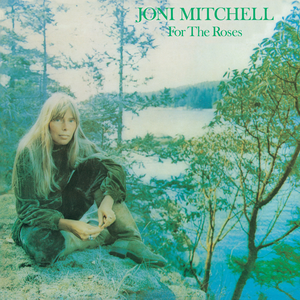
Nobody can write an autobiographical confession song like Miss Mitchell, whose first six or seven albums (1968-1974) are a virtual diary of her love life and childhood reveries.  Usually with only spare guitar or piano accompaniment, Joni offered up searing portraits of herself and her various relationships on memorable songs like “Blonde in the Bleachers,” “I Had a King,” “My Old Man,” “See You Sometime,” “Little Green,” “A Case of You” and “Car on a Hill.”  It’s difficult to pick which one of her many poignant deep album tracks to bring out into the light here, but I’ve settled on the incredible “Woman of Heart and Mind” from her 1972 “For the Roses” LP.  Joni cuts to the bone by sizing herself up this way:  “You think I’m like your mother, or another lover, or a sister, or the queen of your dreams, or just another silly girl…”  It’s a devastatingly personal piece of work, and beautiful in its simplicity.

“Samba Pa Ti,” Santana, 1970

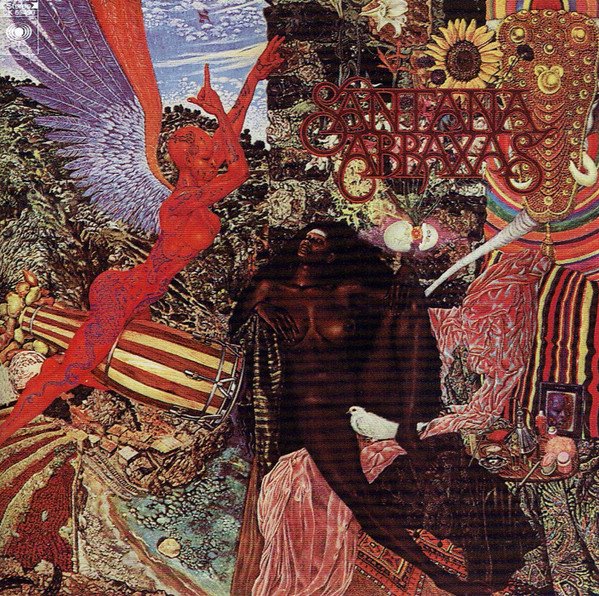
Mention the Santana LP “Abraxas” and everyone automatically thinks of the #1 hit “Black Magic Woman” (actually written and first recorded by Peter Green’s original version of Fleetwood Mac in 1968), or maybe the Latino-flavored “Oye Como Va.”  Carlos Santana had assembled a delicious brew of African-American, Caucasian and Latino musicians in San Francisco that enjoyed an explosive national debut at Woodstock in 1969, and “Abraxas” was a marvelous smorgasbord of their best work.  Often overlooked, though, was the band’s mellower side on smoldering instrumental tracks like “Samba Pa Ti,” where Carlos’s expressive guitar led the way through a sensual first part into a more upbeat second half that leaves listeners emotionally drained.

“Winter,” The Rolling Stones, 1973

Following the brilliant four-LP dominance of “Beggars Banquet,” “Let It Bleed,” “Sticky Fingers” and “Exile on Main Street,” the Stones found themselves pretty much out of songs, out of vibes and out of gas.  For their mostly disappointing 1973 LP “Goat’s Head Soup,” Jagger and Richards conjured up the acoustic gem “Angie” (which became yet another #1 single for them), and the horn-driven stomper “Doo Doo Doo Doo Doo (Heartbreaker),” but the rest of the album seemed flat and uninspired.  The obvious exception was “Winter,” a compellingly melancholy collaboration between Jagger and second guitarist Mick Taylor, who ended up leaving the band a year later (replaced by Ronnie Wood).  Taylor’s layered-chord approach offered a striking contrast to the choppy riffs of Richards, who didn’t appear on the track at all.

“Within You Without You,” The Beatles, 1967

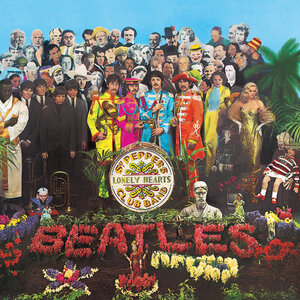
I remember, at age 13, pointedly skipping this strange, otherworldly song whenever I lowered the needle onto Side Two of the “Sgt. Pepper” LP, but years later, I developed a deep respect for George Harrison’s thoughtful, sitar-driven piece and its spiritually cosmic lyrics.  The colorful phantasm of “Lucy in the Sky With Diamonds,” wistful storytelling of “She’s Leaving Home,” communal warmth of “With a Little Help From My Friends” and unparalleled brilliance of “A Day in the Life” all combine to give the “Sgt. Pepper” album its legendary status as one of the best in rock history.  But take the time to consider Harrison’s boundary-stretching musical arrangement, and his all-knowing words derived from Eastern philosophy:  “Try to realize it’s all within yourself, no one else can make you change, and to see you’re really only very small, and life flows on within you and without you…” Many critics labeled the song as “the conscience of the album” and “its ethical soul,” and I’m inclined to agree.

“Kitty’s Back,” Bruce Springsteen, 1973

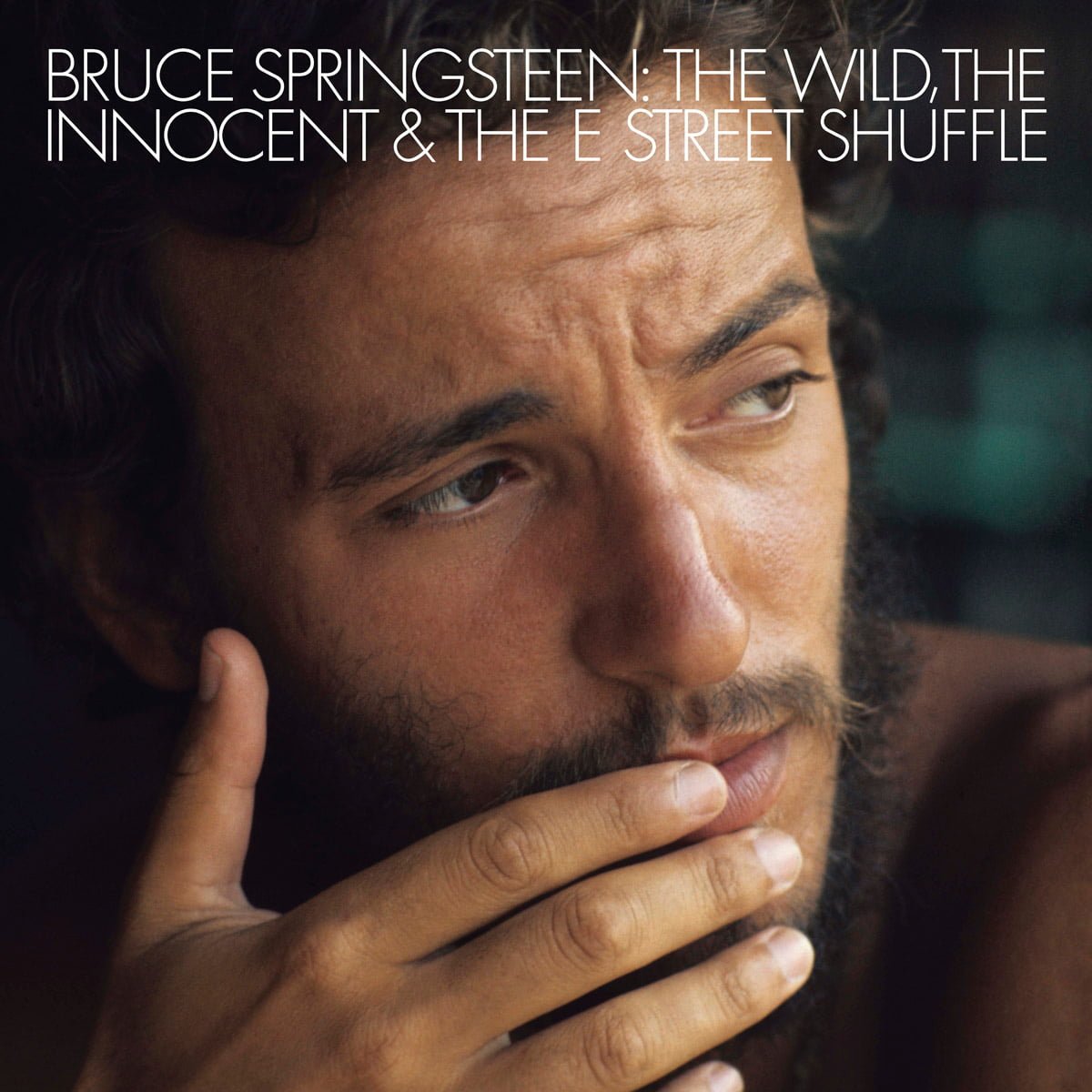
It’s hard to imagine the rock landscape without the dominance of Bruce Springsteen’s presence, but in 1973-1974, he and The E Street Band were still struggling mightily for exposure, recognition and stardom.  The Boss’s first LP had stalled at #60 on Billboard’s album charts.  His second LP, the magnificent “The Wild, The Innocent and the E Street Shuffle,” was also largely ignored at the time, despite amazing, epic songs like “Rosalita,” “Asbury Park, Fourth of July (Sandy)” and “Incident on 57th Street.”  In the years since, “Rosalita” has been properly acknowledged as a titanic track full of Bruce’s early exuberance, but we mustn’t overlook the wonder that is “Kitty’s Back,” a seven-minute cauldron of simmering emotion and over-the-top joy, carried by a relentless beat and tight ensemble playing, led by Clarence Clemon’s monstrous sax riffs.

“Fire,” Jimi Hendrix Experience, 1967

What a firestorm Jimi Hendrix was!  The Seattle-born guitarist moved to London in 1966, formed his legendary trio, and recorded one of the most incendiary debuts of all time, “Are You Experienced?”  By mid-summer, the rock music world knew all about this virtuoso, thanks to a show-stopping appearance at the Monterey Pop Festival and the amazing music from that first LP.  The singles “Hey Joe,” “Purple Haze” and “The Wind Cries Mary” had all reached Top Five in the UK, but the fickle US singles market failed to embrace any of them. However, the rock music scene was changing that year, and fans began preferring albums over singles, and they sent “Are You Experienced?” to #5 on US album charts, the first of four consecutive Top Five LPs here before he died prematurely in 1970.  One of the most astonishing tracks, rarely heard on the radio, is the compact 2:34-length song “Fire,” which features The Experience’s guitar/bass/drums mix at its best, particularly the work of drummer Mitch Mitchell.

“When the Levee Breaks,” Led Zeppelin, 1971

By 1971, Led Zep had become the undisputed kings of hard rock, both on record and in concert, and they were eager for their fourth LP to blow everyone’s minds.  With “Stairway to Heaven” leading the way, the album — released without an official title, but known as “Zoso,” “Led Zeppelin IV” or even “Untitled” — is still regarded as their masterpiece.  The complicated syncopation of “Black Dog,” the rollicking onslaught of “Rock and Roll,” the band’s quieter acoustic side beautifully represented by the mandolin-heavy “The Battle of Evermore” and the Page/Plant tribute to Joni Mitchell, “Going to California” — it all came together majestically.  But for many true fans, the earthshaking moment on the LP is the seismic closer, “When the Levee Breaks,” a song which actually dates back to the 1930s and legendary blues woman Lizzie “Memphis Minnie” Douglas.  John Bonham’s drums alone — recorded in a cavernous stone atrium/stairwell in an English countryside castle — are unlike anything you’ve ever heard before or since.

More “lost gems” to come!  There are SO MANY waiting to be rediscovered!