Hidden treasure: A Lost Classics re-run

I’m going to be traveling internationally over the next few weeks, so I’ll be re-running a few posts of “lost classics” from the first few years of “Hack’s Back Pages” (2015-2018). I’m fairly certain many of my current readers weren’t seeing my blog at that point, so these entries may very well be new to you. In any case, I’m offering some great “diamonds in the rough” from albums in the ’60s, ’70s and ’80s, and I think you’ll find them well worth your attention.

*****************************

“Thunder Island,” Jay Ferguson, 1977

Jay Ferguson was a founder and key player of the wonderful ’60s San Francisco group Spirit, who had FM radio exposure with “I Got a Line on You,” “Fresh Garbage,” “Mr. Skin” and “Nature’s Way.”   Ferguson then fronted a pop band called Jo Jo Gunne, who had a sort of “one hit wonder” success with “Run Run Run” in 1971.  In 1977, Ferguson went solo and hit the Top Twenty with the great “Thunder Island,” carried by the guitar work of Joe Walsh.

“Holdin’ on to Yesterday,” Ambrosia, 1975

The L.A.-based group Ambrosia is known mostly for its three hit singles in the 1978-1980 period: “How Much I Feel,” “You’re the Only Woman” and “Biggest Part of Me.”  But the 1975 debut LP had a much more progressive rock feel to it, and two tracks from it got a lot of FM radio play:  “Nice, Nice, Very Nice” (with lyrics by novelist Kurt Vonnegut) and the excellent track “Holdin’ On to Yesterday.”  This is an excellent album…

“Your Nashville Sneakers,” The Guess Who, 1972

Once Randy Bachman left in 1970 and went off to form Bachman-Turner Overdrive, The Guess Who was left in the capable hands of Burton Cummings, the amazing singer/songwriter/keyboardist responsible for songs like “Rain Dance,” “Albert Flasher,” “Heartbroken Bopper,” “Dancing Fool,” “Running Back to Saskatoon” and “Star Baby.”  On the overlooked 1972 “Rockin'” LP, there’s a fabulous jazz piano track called “Your Nashville Sneakers” that ranks right up there among the best of The Guess Who’s impressive repertoire.

“Fast Buck Freddie,” Jefferson Starship, 1975

When the Jefferson Airplane crashed and burned in 1972, guitarist Paul Kantner took the Jefferson Starship science-fiction concept he’d used in his 1970 solo project “Blows Against the Empire” and officially launched a new lineup on the 1974 LP “Dragonfly.”  In 1975, the second Starship LP “Red Octopus” ended up at #1, thanks to Marty Balin’s sublime “Miracles” single.  Much better was the rocking leadoff track, “Fast Buck Freddie,” which features the great Grace Slick on vocals.

“What Is and What Shall Never Be,” Led Zeppelin, 1969

Heavy blues rock made up the bulk of Led Zeppelin’s catalog, but each album included songs that showed a mellower acoustic side.  On “Led Zeppelin II,” perhaps the group’s heaviest album, there was “What Is and What Should Never Be,” which has both quiet and bombastic sections. So much great Plant vocals and Page guitar here!  Such an amazing album…

“Duncan,” Paul Simon, 1972

“Mother and Child Reunion” and “Me and Julio Down By the Schoolyard” got all the airplay from Paul Simon’s 1972 solo debut, but I think “Duncan” is the overlooked gem of the album.  It’s one of Simon’s most whimsical songs, with lyrics that tell the story of a guy enjoying sexual exploits (“And just like a dog, I was befriended…”). and (“I was playing my guitar, lyin’ underneath the stars, just thankin’ the Lord for my fingers…”)

“Real Man,” Todd Rundren, 1975

Rundgren was a mastermind — producer, songwriter, singer, multi-instrumentalist — who had a strong solo career (“Hello It’s Me,” “I Saw the Light”) and also spearheaded a band called Utopia.  In 1975, Rundgren’s solo LP “Initiation” included the wonderful “Real Man,” which became a favorite live choice.  He is such an amazing talent, although not necessarily commercially regarded…

“The Witch’s Promise,” Jethro Tull, 1970

Before “Aqualung” made Jethro Tull a hugely successful recording/live act in 1971, the group released three excellent LPs:  “This Was,” “Stand Up” and “Benefit,” all of which showcased Ian Anderson’s flute and vocals and Martin Barre’s sizzling electric guitar.  “The Witch’s Promise” was a single in the UK but didn’t show up in the US until the 1972 #3 LP “Living in the Past,” a collection of great songs which came out in the wake of the extraordinary #1 LP “Thick as a Brick.”

“Tonight I’ll Be Staying Here With You,” Bob Dylan, 1969

Dylan’s early albums were all recorded in New York, but beginning with “Blonde on Blonde” in 1966, Dylan recorded in Nashville, using some of the city’s finest session musicians like Charlie McCoy, Pete Drake, Charlie Daniels and Kenny Buttrey.  1969’s LP “Nashville Skyline” was Dylan’s most “country” album, including the #3 hit “Lay Lady Lay” and the wonderful “Tonight I’ll Be Staying Here With You.”

“Damned If I Do,” Alan Parsons Project, 1979

Parsons was an engineer/producer at the Abbey Road studios, playing a key role in the recording of The Beatles’ “Abbey Road” and Pink Floyd’s “Dark Side of the Moon” before teaming up with songwriter Eric Woolfson to form The Alan Parsons Project in 1976.  Using multiple vocalists and session musicians, the “group” ended up scoring a couple Top Ten albums (“I Robot” in 1977 and “Eye in the Sky” in 1982), and several Top 20 singles (“I Wouldn’t Want to Be Like You, 1977; “Damned If I Do,” 1979; “Games People Play,” 1980; “Time,” 1980; “Eye in the Sky,” 1982;  “Don’t Answer Me,” 1984).  Lenny Zakatek, one of five featured singers, was the voice of “Damned If I Do.”

“Ladyfriends I,” Lazarus, 1973

Bill Hughes was the songwriter, voice and guitar behind a little known but tragically overlooked trio called Lazarus, who released two gorgeous albums in 1971 and 1973 under the tutelage of Peter Yarrow of Peter, Paul & Mary.  The second Lazarus LP “A Fool’s Paradise” included two songs, “Ladyfriends II” and “Ladyfriends I,” that both should have been big hits, in my opinion.  Hughes’ song “Walking on a Chinese Wall” was the title track to the 1984 Top Ten album by Philip Bailey (which included the #1 hit “Easy Lover”).   Later, Hughes’ tune “Welcome to the Edge” was the Emmy-nominated theme song for the “Santa Barbara” 1990s ABC soap opera.

“Relay,” The Who, 1972

After “Tommy,” Pete Townshend wrote and recorded demos of many songs in 1971-72 for another rock opera called “Life House” that was never completed, but the bulk of it became the songs for the iconic “Who’s Next” LP in 1971.  Other tracks, like “Join Together” and “Relay,” ended up as modestly successful singles in 1972.  “Relay,” in particular, was a favorite of the band and often played in concert during that period leading up to the amazing “Quadrophenia” LP in late 1973.

*******************************

Diamonds in the rough of the ’80s

Eight years ago on this blog, I compiled my first collection of what I call “lost classics” — those great songs from the ’60s, ’70s and ’80s that we once knew but soon forgot about…or perhaps never heard in the first place but should have.

Now it’s April 2024, and I proudly offer my 40th edition of lost classics, this time focusing on deep tracks from albums released in the 1980s. I have typically focused more frequently on songs from the ’60s and ’70s, simply because those are the years I know best, but I have been trying to shed more light on selected music from that sometimes maligned, misunderstood decade from 1980-1989.

Man, there was a lot of great stuff that came out in those years, and I’m pleased to present a dozen gems by great bands and artists of the era. Most people were buying their new music in CD format by then, although I personally kept buying albums until the ’80s were almost over before finally (reluctantly) making the switch. Either way, I kept acquiring new tunes by new and older artists alike, and continued to do so (albeit in smaller quantities) in the 1990s and since.

There’s a Spotify playlist to be found at the end so you can give a listen to these forgotten ’80s nuggets as you read. Hope you dig it!

*************************

“Begin the Begin,” R.E.M., 1986

When they emerged in 1982 from the vibrant music scene in the college town of Athens, Georgia, R.E.M. became the darlings of alternative rock with guitar-dominated songs like “Radio Free Europe,” “Don’t Go Back to Rockville” and “So. Central Rain (I’m Sorry).” Near the end of this phase, before they won a major record deal and found more mainstream success, the band released “Life’s Rich Pageant,” anchored by “Fall on Me” and “Superman.” Kicking off that LP is the insistent “Begin the Begin,” which Michael Stipe called “a song of personal political activism” that was a pun on the 1935 Cole Porter’s 1935 classic “Begin the Beguine” (a dance similar to a slow rhumba). “Answer me a question, I can’t itemize, /I can’t think clearly, look to me for reason, /It’s not there, I can’t even rhyme, begin the begin…”

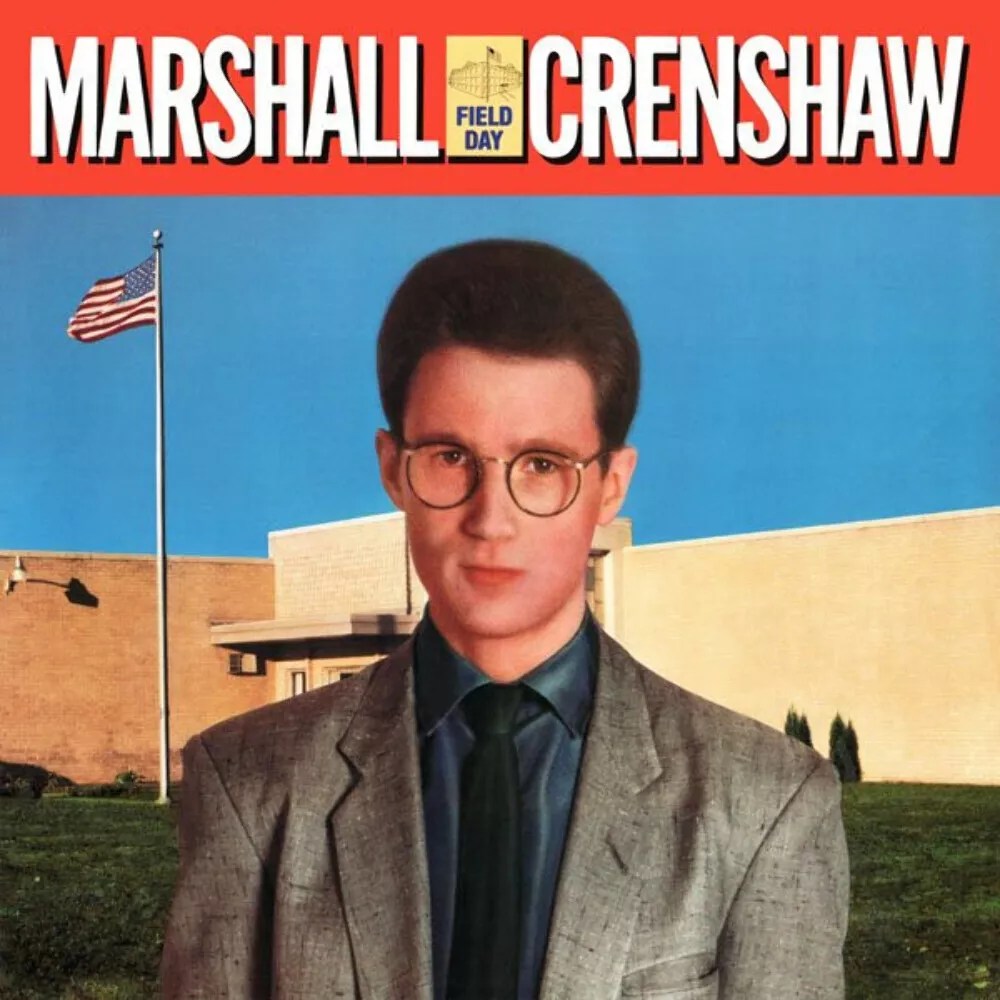
“Whenever You’re on My Mind,” Marshall Crenshaw, 1983

Crenshaw’s debut in the music business came in 1978 when he played John Lennon in the national touring ensemble of the “Beatlemania” musical stage show. With roots in the music of Buddy Holly and classic soul, Crenshaw showed great promise with his self-titled debut LP in 1982 and the pop single, “Someday, Someway.” His follow-up album “Field Day,” produced by famed producer Steve Lilywhite, was even better, although it didn’t chart as high, and its single, the catchy “Whenever You’re On My Mind,” somehow failed to reach the Hot 100. Nevertheless, his bright, optimistic music inspired several other bands throughout the ’80s and ’90s, including the Gin Blossoms, who had a sizable hit with his song “‘Til I Hear It From You.”

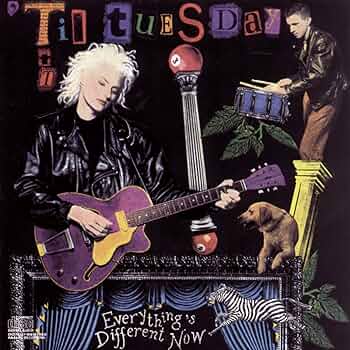
“The Other End (of the Telescope),” ‘Til Tuesday, 1988

This Boston-based group featured the incredible talent of singer-songwriter Aimee Mann, who soon enough forged a critically praised solo career. ‘Til Tuesday’s debut album and single “Voices Carry” made a lasting impression in 1985, as did the more folky “Welcome Home” LP in 1986, but their third and final album, “Everything’s Different Now,” was unjustly ignored in 1988. There are a number of engaging tunes written by Mann that are worthy of attention here, from the irresistible melody of “Why Must I” to the chiming guitars of “Rip in Heaven” and the longing vibe of “Long Gone (Buddy).” One of the real gems on this neglected LP is “The Other End (of the Telescope),” a delightful track co-written and partly sung by the great Elvis Costello.

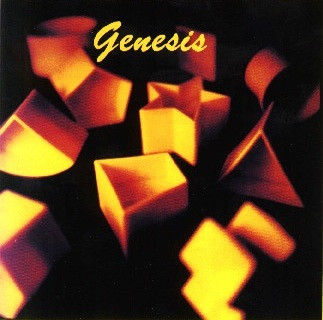
“Silver Rainbow,” Genesis, 1983

This self-titled Genesis LP solidified the group’s early ’80s transition from art rock practitioners to arena pop stars, thanks largely to the Phil Collins Top 40 confection “That’s All” and annoying follow-up single “Illegal Alien.” Found on this album, however, are a handful of solid rock songs that offer something for old and new Genesis fans, sometimes within the same song. The Tony Banks tune “Silver Rainbow,” for example, opens with arty keyboards and vocals before breaking into a more deliberate stomper with lyrics that coyly take the teenager’s point of view on the subject of losing virginity. “People can act quite senselessly when they’re in lust or in love,” said Banks, “when it’s overpowering to the point where you don’t really notice anything else”: “If you’re sitting there beside her, and a bear comes in the room, /And you keep on going ’cause you’re unaware, ooh, then you know that you are there…”

“When We Was Fab,” George Harrison, 1987

After a period of relative inactivity, Harrison recruited like-minded Jeff Lynne of ELO (who would soon join him in the Traveling Wilburys) to produce his 1987 comeback, “Cloud Nine.” The album showcased some of Harrison’s best tunes in at least a decade — “If That’s What It Takes,” “Fish On the Sand,” “This is Love,” “Wreck of the Hesperus” — and a ho-hum cover of the 1962 obscurity “Got My Mind Set on You.” But the real head turner is “When We Was Fab,” Harrison’s nostalgic reflection on the early years when The Beatles were dubbed the Fab Four: “Back then, long time ago when grass was green, woke up in a daze, /Arrived like strangers in the night, Fab!, /Long time ago when we was fab…” The appearance of sitar, cello and backwards effects make it sound almost like an outtake from “Magical Mystery Tour,” and the drums are played by none other than Ringo Starr. It reached #23 as Harrison’s final charting hit.

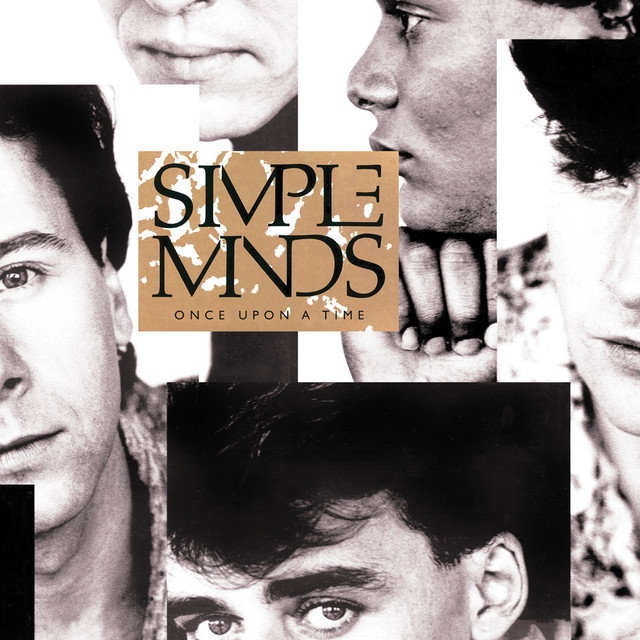
“Come a Long Way,” Simple Minds, 1985

Producer Jimmy Iovine, who had brought an aggressive guitar-based sound to the work of artists like Bruce Springsteen and Steve Nicks, did the same for Simple Minds on the superb “Once Upon a Time” LP in 1985. He also featured frontman Jim Kerr’s vocals more prominently than on their previous albums, and the result was a US market success for the band following the enormous popularity of their “Don’t You (Forget About Me)” single from the soundtrack of “The Breakfast Club.” The album yielded three big singles here — “Alive and Kicking” (#3), “Sanctify Yourself” (#14) and “All the Things She Said” (#28). I’ve always been fond of “Come a Long Way,” the powerful track that closes the LP and aptly describes where Simple Minds found themselves in 1985-86.

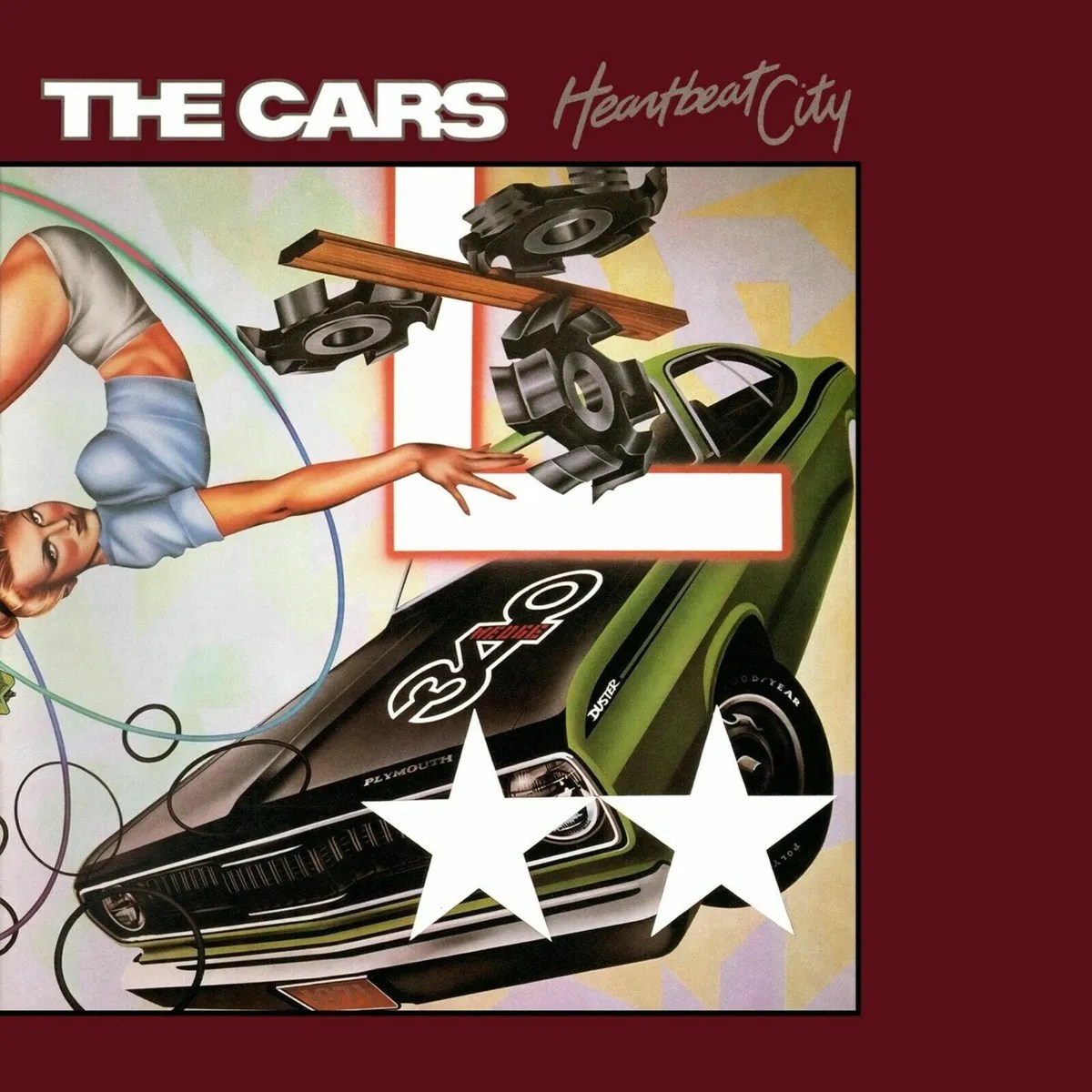
“Heartbeat City,” The Cars, 1984

Much of The Cars’ repertoire is accessible New Wave pop — “Just What I Needed,” “Let’s Go,” “Shake It Up,” “You Might Think,” “Tonight She Comes” — and yet there are other tracks that evoke more thoughtful moods. On “Heartbeat City,” their fifth of six LPs in their initial 1978-1987 run, the #3 single “Drive” sounds unlike anything they’d done before, thanks partly to Benjamin Orr taking over on lead vocals from Ric Ocasek. Almost as memorable is the arty title track that closes the album, which one critic described as “a hypnotic bit of New Wave that mixes impressionistic lyrics with an entrancing electronic soundscape.” Said Ocasek, “It’s a place inside the singer when he is in love. When he is heartbroken and loses the ability to feel emotions, he’s living outside Heartbeat City.”

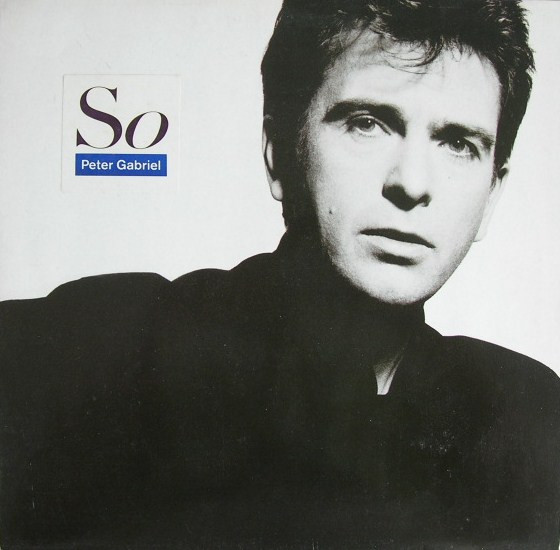
“Red Rain,” Peter Gabriel, 1986

After leaving Genesis in 1975, Gabriel began his solo career by releasing four identically self-titled LPs over the next six years that were predictable in their challenging unpredictability. The rare radio singles (“Solsbury Hill,” “Games Without Frontiers,” “Shock the Monkey”) were outnumbered by sophisticated art rock tracks that often recalled early Genesis work. Then came “So,” the 1986 multiplatinum LP produced by Daniel Lanois that gave us “Sledgehammer,” “In Your Eyes,” “Big Time,” and the Kate Bush duet “Don’t Give Up.” Sometimes forgotten is “Red Rain,” a dark, brooding piece inspired by a disturbing recurring dream Gabriel had, in which bottles in the shape of people fall from a cliff and smash on the ground as streams of red liquid (maybe wine, maybe blood) pour out.

“Farm on the Freeway,” Jethro Tull, 1987

In 1984, Tull’s Ian Anderson developed serious throat problems that permanently altered the higher end of his vocal range, requiring him to begin writing songs in lower keys. After two years off from live performances, the band returned with the excellent Grammy-winning LP “Crest of a Knave,” which showcased Anderson’s lower vocals, resembling those of Dire Straits’ frontman Mark Knopfler. One of the LP’s highlights was “Farm on the Freeway,” a dramatic flute-driven piece which laments the disappearance of farmland at the expense of highway development: “And the big road’s pushing through along the valley floor, hot machine pouring six lanes at the very least, /Now, they say they gave me compensation, that’s not what I’m chasing, I was a rich man before yesterday, /Now all I have left is a broken-down pickup truck, looks like my farm is a freeway…”

“Darkness,” The Police, 1981

With each successive album between 1978 and 1983, The Police evolved from a raw punk/reggae British trio to a richly produced band that topped the charts worldwide. Their fourth LP, 1981’s “Ghosts in the Machine,” was the first produced by Hugh Padgham, who pioneered an innovative drum sound later used by Phil Collins, Peter Gabriel and others, achieved by having the band record simultaneously from three separate rooms. While Sting’s “Every Little Thing She Does is Magic” and “Spirits in the Material World” got most of the attention, the ethereal closing track “Darkness” (written by drummer Stewart Copeland) turned quite a few heads as a modestly successful single (#46 in the US). “It’s a song about vertigo,” he said. “I’m quite proud of it.”

“Sixes and Sevens,” Robert Plant, 1985

When Led Zeppelin disbanded in 1980, most observers figured Jimmy Page would have the most active solo career, but it turned out to be Plant, who released four LPs and an EP in the 1980s and has put out 15 solo or collaborative albums overall. He teamed with the relatively unknown guitarist Robbie Blunt to write most of the songs on his first three LPs, including the singles “Big Log,” “In the Mood,” “Burning Down One Side” and “Pledge Pin.” From the 1985 LP “Shaken ‘N Stirred,” the synthesizer-heavy “Little By Little” was popular, but the languid, atmospheric “Sixes and Sevens” also got airplay on US mainstream rock stations. The title refers to the British idiom “at sixes and sevens,” which means to be confused or in disarray: “So here I am making changes, alterations in my house of cards, /I don’t hold new arrangements, am I at home? Am I at home? Am I, am I all right?…”

“Living a Boy’s Adventure Tale,” a-ha, 1985

Bursting out of Norway in 1985 with the US Top 20 LP “Hunting High and Low” and its international #1 single “Take On Me,” synthpop/rock band a-ha went on to score seven #1 LPs in Norway and commanded huge followings in Europe and Australia. Curiously, that long-term popularity didn’t extend to the US after the success of “Take on Me,” whose groundbreaking music video was in saturation rotation on MTV and is still regarded as one of the greatest hits of the 1980s, thanks to lead singer Morten Harket’s astonishing vocals. The album reached #19, and a few other tracks got mild airplay, including the mesmerizing “Living a Boy’s Adventure Tale,” which made a huge impact on Chris Martin when he created the band Coldplay about a decade later.

*************************