Game over, I bet the under

Another football season is upon us! (Hey, isn’t this a blog about rock music?)

Why yes, it is, but I often tie in other subjects — cars, weather, sports, you name it — to come up with themed playlists, so this should come as no surprise. A loyal reader suggested this week’s theme of “over/under” and I decided the time was ideal to explore it.

For those who don’t gamble, you may not be familiar with the concept of “betting the over” or “betting the under.” For any given game, the Las Vegas oddsmakers estimate the total number of points that will be scored by both teams added together, and bettors are invited to wager whether the combined score will be over or under that estimate. In fact, bettors sometimes bet the over/under on other things: how many passes the quarterback will throw, how many sacks the defense will tally, how many penalty flags will be thrown, etc.

Still with me? Good. Back to music: This week’s post takes a look at 20 songs that have the words “over” or “under” in the title. There is, of course, a Spotify playlist at the end so you can listen to these tracks as you read along.

Play ball!

*************************

“It’s Over,” Boz Scaggs, 1976

First as a member of The Steve Miller Band in the late ’60s and then as an R&B-leaning solo artist, Scaggs built a solid following that peaked in the late ’70s around the time of his superb “Silk Degrees” LP, which spawned four hit singles: “Lowdown,” “Lido Shuffle,” “What Can I Say” and the buoyant “It’s Over,” which described a romantic breakup.
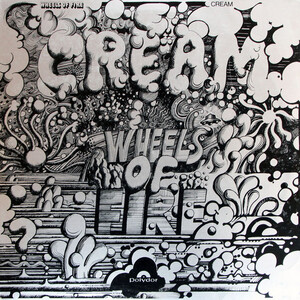
“Born Under a Bad Sign,” Cream, 1968

Eric Clapton, Jack Bruce and Ginger Baker wrote most of Cream’s hit singles, but the trio’s catalog was sprinkled with classic blues tunes like Willie Dixon’s “Spoonful” and Robert Johnson’s “Crossroads.” On their #1 double album “Wheels of Fire” in 1968, you’ll find this strong cover version of “Born Under a Bad Sign,” written in 1967 by Stax Records bandleader Booker T. Jones and singer William Bell, and first recorded by blues legend Albert King.

“Over and Over,” The Dave Clark Five, 1965

Robert Byrd, using the stage name Bobby Day, wrote and recorded “Over and Over” back in 1958 and released it as the B-side of his hit “Rockin’ Robin” (later a hit for a young Michael Jackson). Seven years later, the British Invasion band The Dave Clark Five charted their only #1 single in the US with a cover version of “Over and Over,” which was one of eight Top Ten singles for the group here in 1964-66.

“Under My Wheels,” Alice Cooper, 1971

I was stunned to learn that Alice Cooper’s “Under My Wheels” never made it past #59 on US pop charts when it was released in 1971. It’s a relentless rocker from their “Killer” album that I always cranked up, but it didn’t come close to the commercial success of “I’m Eighteen” before it nor “School’s Out” or “Elected” after it. The band clearly loved it, because they performed it in every concert from 1971 on.

“Roll Over Beethoven,” The Beatles, 1963

One of Chuck Berry’s best rock and roll songs with his cleverest lyrics, “Roll Over Beethoven” reached #29 on US pop charts in 1956 and was later covered by more than a dozen other artists including Carl Perkins, Jerry Lee Lewis, Mountain, Electric Light Orchestra, Cliff Richard and Johnny Winter. Most notably, The Beatles featured their version on the “With the Beatles” British album in 1963, as the opening track on their 1964 US release, “The Beatles’ Second Album,” and performed it regularly during their 1964 tours, with George Harrison on lead vocals.
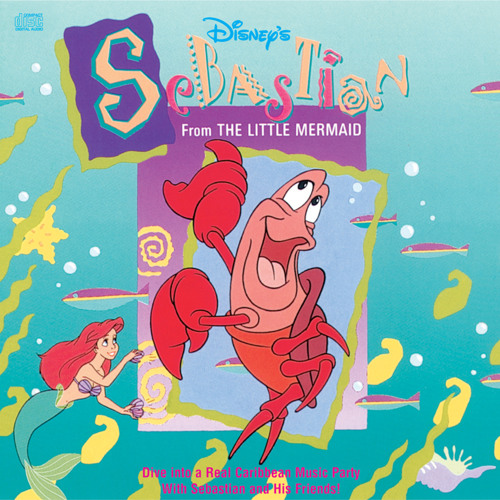
“Under the Sea,” Samuel E. Wright, 1989

The re-emergence of Disney as a box-office juggernaut in the 1990s essentially began with 1989’s “The Little Mermaid,” which boasted an award-winning soundtrack anchored by the effervescent “Under the Sea.” It was sung by the actor Samuel E. Wright, who provided the voice for the character of Sebastian the Jamaican crab as he extolled the superiority of life in the ocean, and it won the Academy Award for Best Original Song that year.

“Over Under Sideways Down,” The Yardbirds, 1966

Following Eric Clapton’s departure from the lineup, The Yardbirds brought in guitarist Jeff Beck, who made an immediate impact with fuzz guitar solos on “Heart Full of Soul” and “Shapes of Things,” both popular singles in the US. His guitar intro on the psychedelic “Over Under Sideways Down” helped keep The Yardbirds on the charts here when that song reached #12 in 1966.

“Got Me Under Pressure,” ZZ Top, 1983

Guitarist/vocalist Billy Gibbons wrote and recorded a demo of this rocker in one afternoon, and ZZ Top later recorded it for their multi-platinum “Eliminator” LP in 1983, where it remained a deep album track. The kinky lyrics to “Got Me Under Pressure” are all about a guy who feels pressured by his uninhibited woman to do things he’s not comfortable doing.

“Don’t Dream It’s Over,” Crowded House, 1986

There’s a pained longing that’s at the heart of the lyrics of “Don’t Dream It’s Over,” a hugely popular track by Crowded House, one of Australia’s most successful rock bands. Frontman Neil Finn wrote the song about the dissolution of a romance, and it struck a chord internationally, reaching #2 in the US in early 1987. It’s from Crowded House’s debut LP, the first of eight albums in their catalog.

“Under My Thumb,” The Rolling Stones, 1966

Mick Jagger’s lyrics in “Under My Thumb” speak of taming a previously domineering woman, which was regarded by some as anti-feminist, but one interpretation is that the “girl” being controlled is a guitar. In any event, it’s one of The Stones’ most popular early tracks despite never being released as a single. Brian Jones plays the marimba on the track, which is found on their 1966 LP “Aftermath.”

“(Just Like) Starting Over,” John Lennon, 1980

After a self-imposed, five-year hiatus from the music business to raise his new son Sean, Lennon indeed felt as if he was “starting over” when he re-entered the studio in 1980 to record the songs that became “Double Fantasy,” a new LP with his wife Yoko Ono. As the album’s first single, “(Just Like) Starting Over” was at #6 in the US when he was murdered in December 1980, after which it went to #1 and stayed there for six weeks.

“Down Under,” Men at Work, 1981

Guitarist/vocalist Colin Hay wrote this catchy, semi-autobiographical Men at Work tune about an Australian who travels the globe, meeting people who are eager to know more about his home country (like “what is a Vegemite sandwich?”). It’s almost an anthem there, and also reached #1 in several countries, including the US in early 1983.

“Over My Head,” Fleetwood Mac, 1975

When Stevie Nicks and Lindsey Buckingham joined Fleetwood Mac, adding two new singer-songwriters to the mix, the first single from the new album was nevertheless a tune by longtime member Christine McVie. “Over My Head” offered a sunny, romantic groove that put the band on the US Top 40 charts for the first time, peaking at #20.

“Under the Boardwalk,” The Drifters, 1964

Written by the songwriting team of Kenny Young and Artie Resnick, this classic describes a couple’s romantic encounter in a seaside town out of sight of everyone as they snuggle under the boardwalk. The Drifters recorded it in 1964, reaching #4 on US pop charts. It went on to be recorded by a dozen other artists such as The Rolling Stones, Sam & Dave, John Mellencamp, Bette Midler, Billy Joe Royal, Tom Tom Club and Rickie Lee Jones.

“Head Over Heels,” Tears For Fears, 1985

As co-founders of Tears For Fears, Roland Orzabal and Curt Smith found enormous success in the US with two #1 singles, “Shout” and “Everybody Wants to Rule the World,” both from their 1985 LP “Songs From the Big Chair.” They followed those with a third single, “Head Over Heels,” which peaked at #3, making the album one of the biggest sellers of the 1980s.
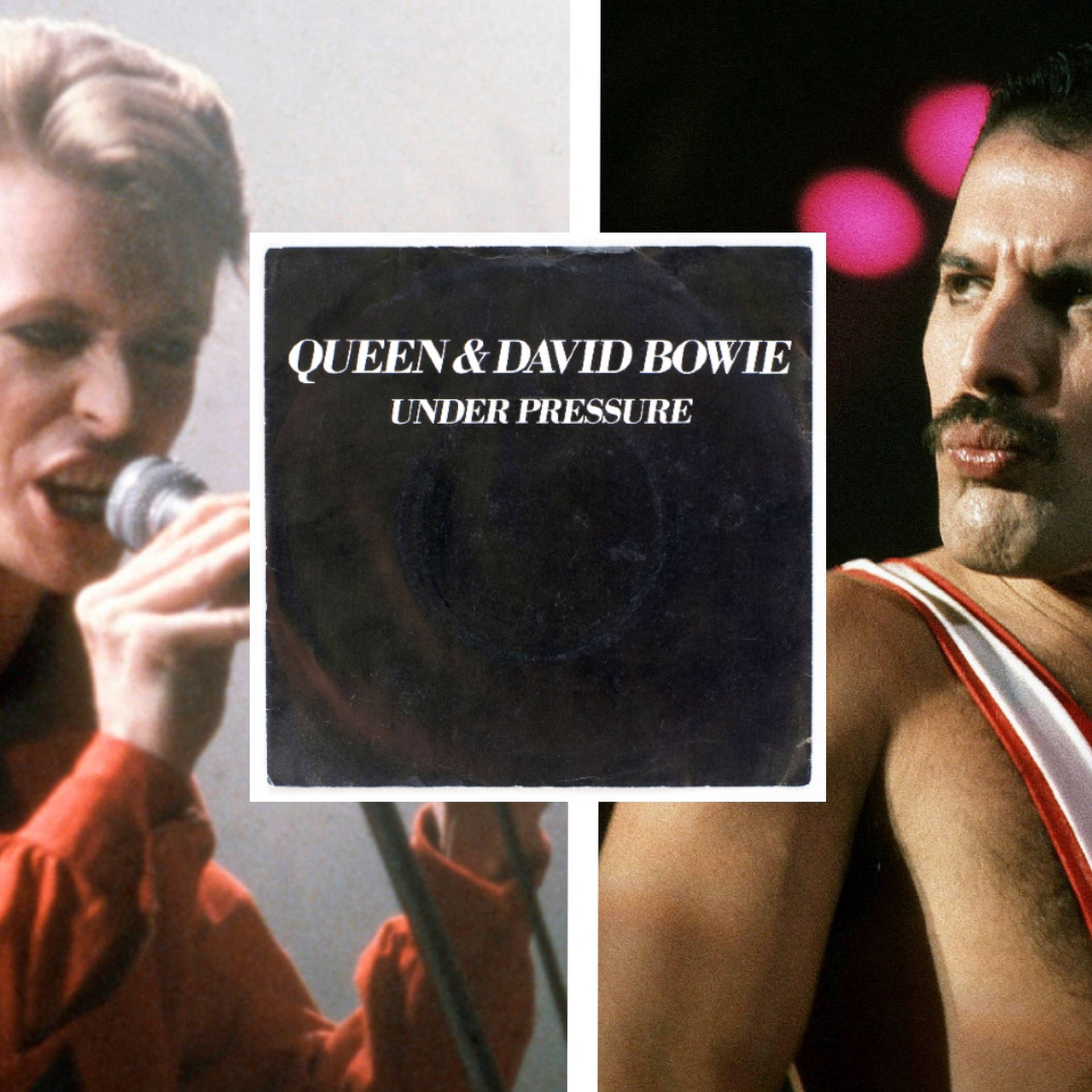
“Under Pressure,” Queen with David Bowie, 1982

By coincidence, both Queen and David Bowie were recording new music in the same studio in Montreux, Switzerland, in the summer of 1981. Freddie Mercury coaxed Bowie to write lyrics and add vocals to two tracks they were working on, one being “Under Pressure,” which had been a scat-singing instrumental before Bowie’s involvement. It went on to reach #1 in the UK and Canada but curiously stalled at only #29 in the US.
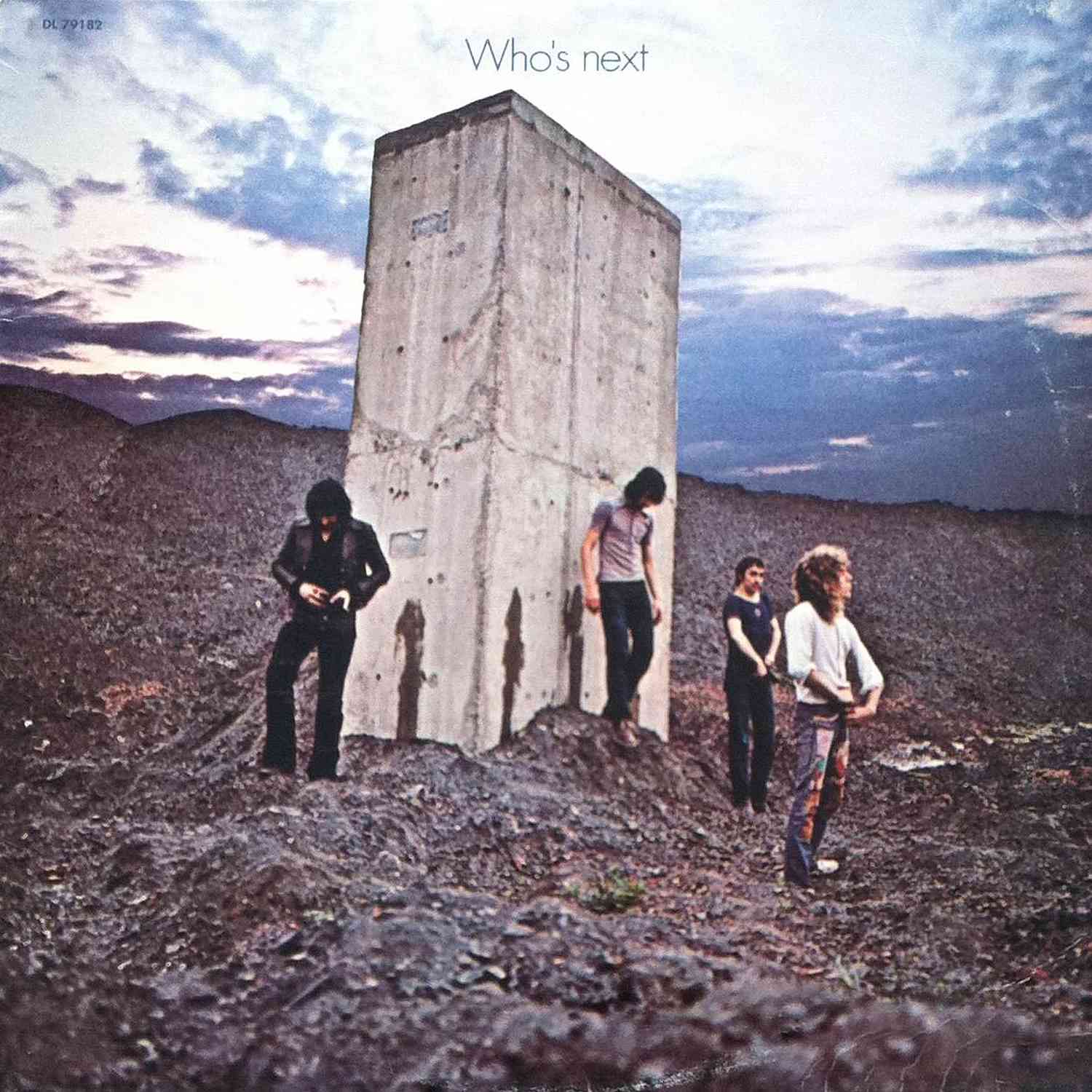
“The Song is Over,” The Who, 1971

Pete Townshend’s post-“Tommy” project, to be called “Lifehouse,” proved to be exceptionally challenging for him to bring to fruition. He ended up abandoning the film he had in mind and scaled back the music from a double to a single album…but wow, what an album! “Who’s Next” shows The Who at their peak, with stunning numbers like “Won’t Get Fooled Again,” “Baba O’Riley,” “Behind Blue Eyes” and my favorite, “The Song is Over.”

“Under the Milky Way,” The Church, 1988

Formed in Sydney, Australia in 1980, The Church made surreal soundscapes of alternative rock and “dream pop” that found a sizable audience in their native land, where their first four LPs all made the Top 20. Their fifth LP, “Starfish,” triggered their breakthrough in the US market, where the single “Under the Milky Way” reached #24 on pop charts in 1988. Bassist Steve Kilbey and girlfriend Karin Jansson of the alt-rock band Curious collaborated to write the track.
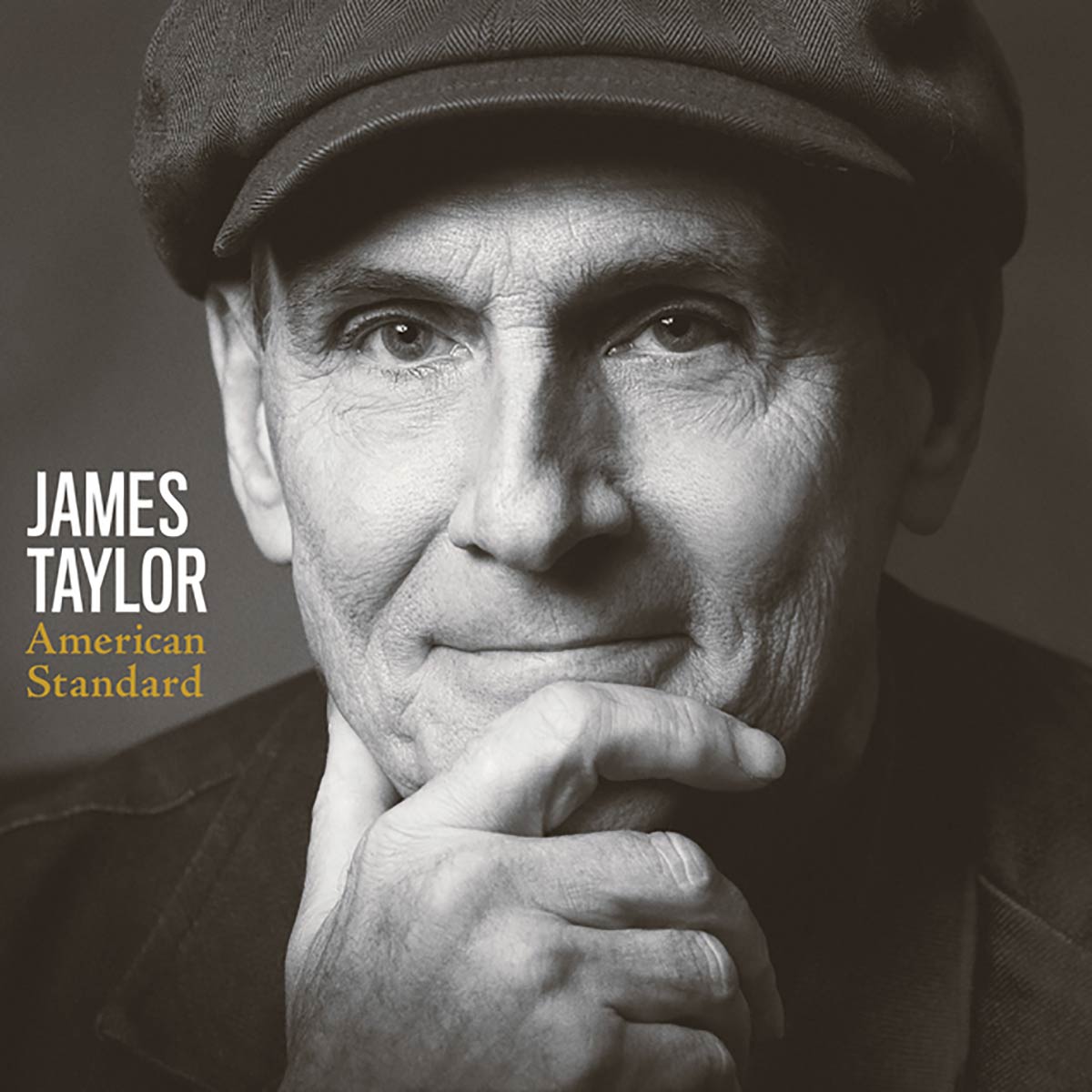
“Over the Rainbow,” James Taylor, 2020

Everybody knows this endearing tune by Harold Arlen and Yip Harburg from the 1939 film classic “The Wizard of Oz,” made famous by Judy Garland. Less known, perhaps, is that there is an introductory verse omitted from the film version but included in many cover versions of the song, such as those by Frank Sinatra, Eva Cassidy, Tony Bennett, Melissa Manchester, Ella Fitzgerald, Mandy Patinkin and Jewel. In 2020, James Taylor recorded the full song for his “American Standard” LP.

“I’ve Got You Under My Skin,” Carly Simon, 2005

Beginning in the 1980s, rock-era singers began recording covers of classic songs of the ’30s, ’40s and ’50s. Linda Ronstadt put three such albums in the Top Ten, and inspired more collections by the likes of Bryan Ferry, Annie Lennox, Boz Scaggs and James Taylor (see above). Coincidentally, Taylor’s ex-wife Carly Simon also released a couple of these packages, including 2005’s “Moonlight Serenade,” which has a beautiful rendition of the Sinatra standard, “I’ve Got You Under My Skin.”

***************************

Honorable mentions:

Over the Hills and Far Away,” Led Zeppelin, 1973; “Under Suspicion,” Robert Palmer, 1979; “Move It On Over,” George Thorogood and The Destroyers, 1978; “Under the Bridge,” Red Hot Chili Peppers, 1991; “All Over the World,” Electric Light Orchestra, 1980; “Under Cover of Darkness,” The Strokes, 2011; “Over and Over,” Joe Walsh, 1978; “Under the Weather,” K.T. Tunstall, 2005; “Get Over It,” The Eagles, 1994; “Underneath the Streetlight,” Joni Mitchell, 1982.

Move it in, move it ’round, disco lady

In 1977, the famous film critic Pauline Kael, writing about the iconic disco-themed movie “Saturday Night Fever,” said the film and disco music itself touched on “something deeply romantic, the need to move, to dance, and the need to be who you’d like to be. Nirvana is the dance; when the music stops, you return to being ordinary.”

Maybe so, but another critic made fun of the vapidity of disco music’s lyrics by describing the genre as “like a beautiful woman with a great body and no brains.”

You could make the same case about almost any sub-genre of rock music where lyrics are decidedly an afterthought to the rhythm and melody. But disco tends to feature repetitive, straightforward words that intentionally avoid deeper meaning that might distract listeners from the focus, which is TO DANCE. “Most of these songs were meant to be pure escapism,” said legendary music historian Casey Kasey, “usually centered on sex, dancing, or even instructions about dance moves.”

So do people remember the lyrics to their favorite disco songs? Sure, some of them, I suppose. But I submit that disco lyrics, by and large, just aren’t very memorable. Not to me, anyway. Still, I’m eager to give my readers the opportunity to prove me wrong.

So in my latest edition of Hack’s Back Pages Lyrics Quiz, I am focusing on 15 lyrics from popular disco songs of the ’70s.

I’m betting that most people, even those who consider themselves big fans of disco, will struggle to recognize the majority of these 15 lyrical selections. I pay considerable attention to lyrics, and I’m fairly certain I would score poorly if I were to be presented these lyrics in a quiz format devised by someone else. But who knows? Give it a try!

******************************

1 “Our love is like a ship on the ocean, /We’ve been sailing with a cargo full of love and devotion…”

2 “Baby, baby, let’s get together, /Honey, honey, me and you, /And do the things, ah, do the things that we like to do…”

3 “She knows she’s built and knows how to please, /Sure enough can knock a strong man to his knees…”

4 “Go on, go, walk out the door, /Turn around now, you’re not welcome anymore…”

5 “Yeah, they were dancin’ and singin’, and movin’ to the groovin’, /And just when it hit me, somebody turned around and shouted…”

6 “Well, you can tell by the way I use my walk, I’m a woman’s man, no time to talk…”

7 “Young man, are you listening to me? /I said, young man, what do you wanna be?…”

8 “Anybody could be that guy, /Night is young and the music’s high…”

9 “Ah, if there’s a cure for this, I don’t want it, don’t want it, /If there’s a remedy, I’ll run from it, from it…”

10 “You started this fire down in my soul, /Now can’t you see it’s burning out of control?…”

11 “Everyone can see we’re together as we walk on by, /And we fly just like birds of a feather, /I won’t tell no lie…”

12 “The heat was on, rising to the top, /Everybody going strong, and that is when my spark got hot…”

13 “Wanna share my love with a warm blooded lover, /Wanna bring a wild man back home…”

14 “Gotta make a move to a town that’s right for me, /Town to keep me movin’, keep me groovin’ with some energy…”

15 “Lovely is the feelin’ now, /Fever, temperature’s risin’ now, /Power is the force, the vow…”

**************************

(Scroll down for the answers)

*

*

*

*

*

*

*

Answers:

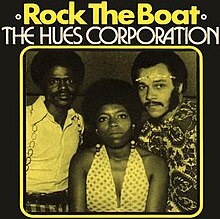
1 “Rock the Boat,” The Hues Corporation, 1974

A dance to “Rock the Boat” is commonly performed at weddings and birthday parties, involving many people sitting down in a row and “rowing” a boat to the tune of the song. Songwriter/trumpeter Wally Holmes wrote this track for The Hues Corporation and, despite the producer finding the lyrics “trite,” they recorded it for their 1973 debut LP and released it as the third single from the album. It stalled on the charts until New York City discos began playing it, after which it took off and became a #1 hit in the summer of 1974, and is considered the first non-instrumental disco song to top the pop charts. At wedding receptions, I’ve seen people sitting in rows of chairs pretending to be rowing a boat across the dance floor.

2 “Get Down Tonight,” KC & The Sunshine Band, 1975

Generally speaking, disco songs were about dancing or sex, or both. This one is overtly about both with lyrics that endlessly repeat, “Do a little dance, make a little love, get down tonight.” Harry “KC” Casey and bassist/producer Richard Finch co-wrote it for Casey’s group, urging people to hit the dance floor and entertain ideas of hooking up later in the evening. It became the first of five #1 hits for them between 1975 and 1979.

3 “Brick House,” The Commodores, 1977

While most of The Commodores’ hit singles were ballads, a few were funk-based dance songs, and none has had more longevity than this uber-popular track that reached #5 on pop charts in 1977. Lionel Richie and his five bandmates co-wrote this song based on the old saying “built like a brick shithouse,” meaning sturdy and strong. In this case, the reference was to a voluptuous, big-boned woman: “I like ladies stacked, and that’s a fact… How can she lose with the stuff she use? 36-24-36, what a winning hand…”

4 “I Will Survive,” Gloria Gaynor, 1978

In 1976, songwriter Dino Fekaris had just been let go from his job as a staff writer at Motown Records. Dejected, he turned on the radio and heard “Generation,” a song he’d written for Rare Earth, which he took as a good omen. “I’m going to be all right,” he said. “I’ll make it as a songwriter. I will survive!” The song’s lyrics describe the narrator’s discovery of personal strength following an initially devastating setback. As recorded by Gaynor, the song became regarded as an anthem of female empowerment, reaching #1 in early 1979.

5 “Play That Funky Music,” Wild Cherry, 1976

Wild Cherry was a hard rock cover band out of Pittsburgh in the early/mid 1970s, but with the advent of the disco era, the group found it increasingly difficult to book gigs when dance bands were far more lucrative for club owners. Lead vocalist/guitarist Rob Parissi attempted to persuade his bandmates to incorporate dance tunes into their sets, but they resisted. While playing to a predominantly black audience one night, a patron approached and said, “Are you going to play some funky music, white boys?” Parissi grabbed a pen and wrote the song in about five minutes with lyrics that literally describe the predicament of a hard rock band adjusting to the disco era. It reached #1 two months later.

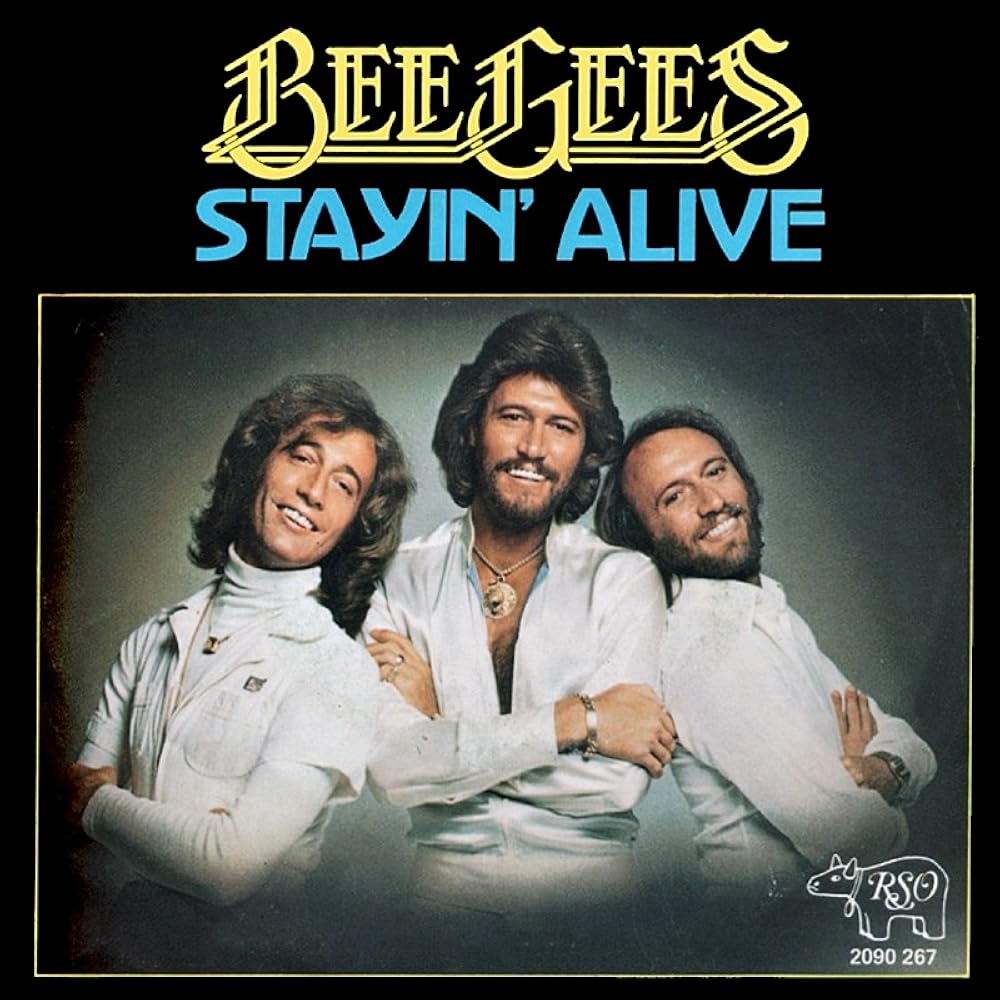
6 “Stayin’ Alive,” The Bee Gees, 1977

As one of several big Bee Gees hits on the soundtrack LP for “Saturday Night Fever,” this track epitomizes the escapism of dancing at the disco. And yet, as Barry Gibb pointed out, “The subject matter of ‘Stayin’ Alive’ is actually quite a serious one. It’s about survival on the streets of New York City, and the lyrics actually talk about that — people crying out for help. Everybody struggles against the world, fighting all the bullshit and things that can drag you down, and it really is a victory just to survive.” It’s one of the few disco tunes to have lyrics with a deeper meaning. 

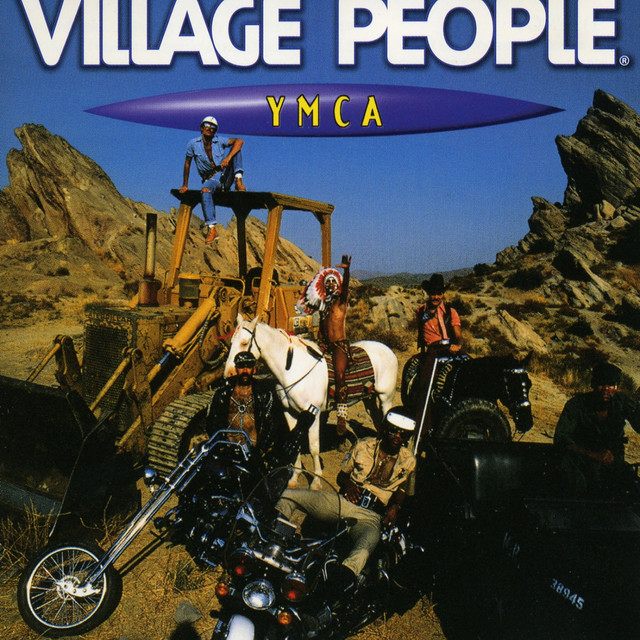
7 “Y.M.C.A.,” The Village People, 1978

French producer Jacques Morali was in New York and saw a sign for the YMCA and asked Village People singer Victor Willis what it meant. The two men decided it might make a good subject for a song, although the YMCA’s lawyers threatened to sue for trademark infringement. Willis claimed he wrote it as a reflection of where young urban blacks could find wholesome fun activities like swimming and basketball, but the gay community had viewed the YMCA as a popular cruising spot, and it became a proud gay anthem on the dance floors. With its cheerleader-like choreography spelling out the letters, it’s still enormously popular at virtually every wedding reception ever since.

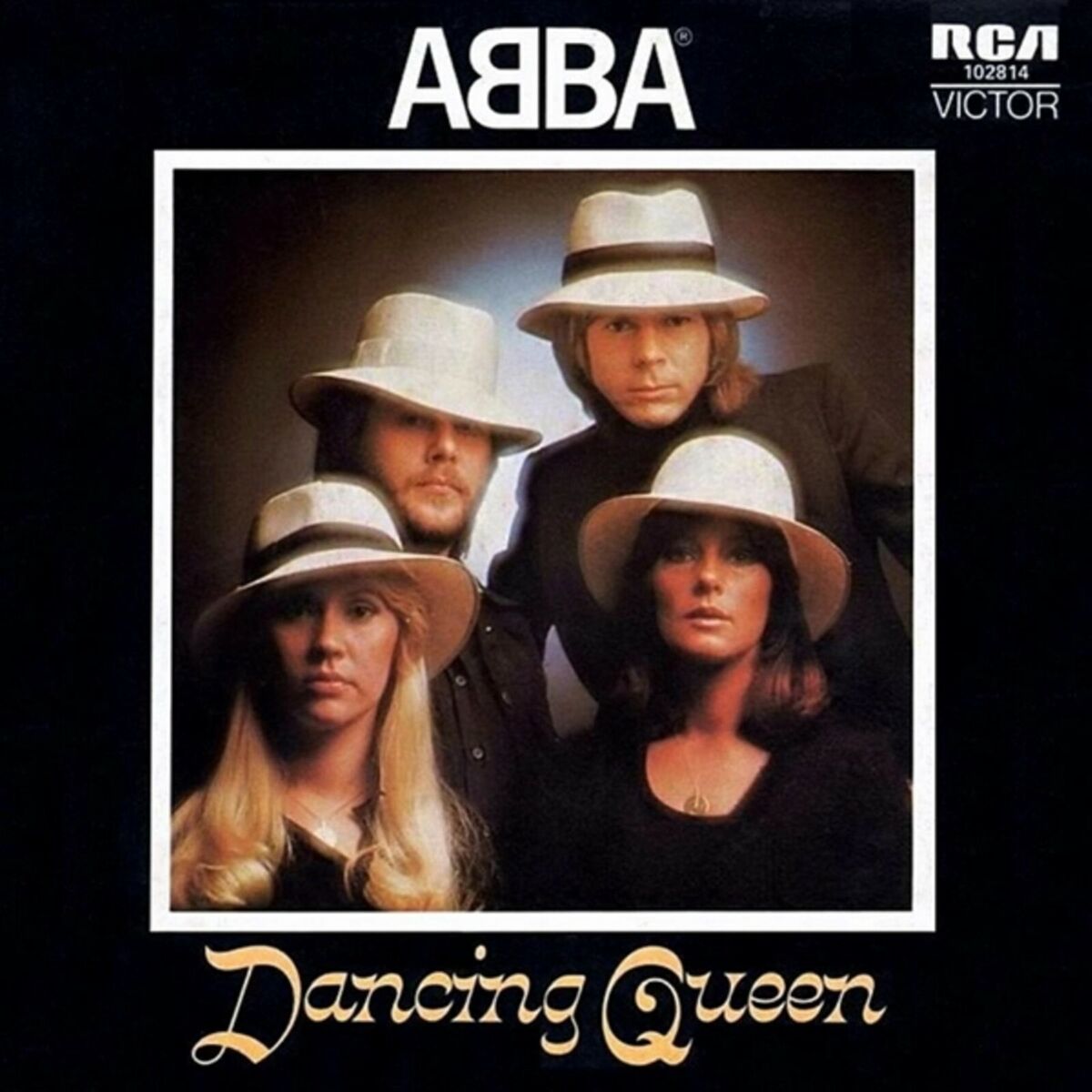
8 “Dancing Queen,” ABBA, 1976

ABBA had been wildly successful in their native Sweden and elsewhere in Europe since their 1972 debut, and a few singles reached the Top 20 in the US as well, but it was the joyous disco hit “Dancing Queen” in late 1976 that made them superstars. Critics oohed and aahed over the “languid, seductive verses and dramatic chorus that ascends to heart-tugging high notes.” Lyrically, the song focuses on the anticipation of an evening at the disco, culminating in the sheer exhilaration of dancing on a crowded dance floor amidst flashing lights.

9 “Love Hangover,” Diana Ross, 1976

This successful tune from the singer’s 1976 LP “Diana Ross” was released as a single to compete with another version released concurrently by The 5th Dimension. Ross’s version won handily, becoming an international #1 hit. During the recording session, producer Hal Davis had a strobe light put in the studio to put Ross in “a disco mindset,” and the project was such a success that Ross reinvented herself as a disco diva that year, which served her well throughout the genre’s era..

10 “Don’t Leave Me This Way,” Thelma Houston, 1976

The legendary songwriting team of Kenny Gamble and Leon Huff wrote this irresistible tune for Harold Melvin and the Blue Notes, with Teddy Pendergrass on lead vocals, but it wasn’t released as a single. When Thelma Houston, a recording artist with Motown whose work had gone largely unnoticed, included her own version of “Don’t Leave Me This Way” on her 1976 LP “Any Way You Like It,” it rocketed up the pop charts to reach #1 in April 1977, and also won a Grammy for Best R&B Vocal Performance.

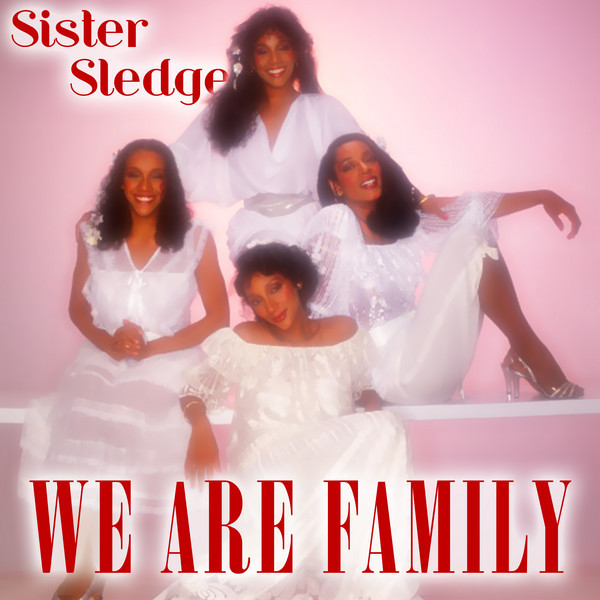
11 “We Are Family,” Sister Sledge, 1979

Nile Rodgers and Bernard Edwards, the songwriting/producing team behind the ’70s disco band Chic, also were involved in writing and producing material for other up-and-coming acts on their label. An executive described one of those, Sister Sledge, as a quartet of sisters who grew up singing in church in Philadelphia. Rodgers and Edwards took their biographical story and turned it into lyrics, with the obvious title “We Are Family.” The song, which reached #1 in 1979, has since gone on to be used more generally as an expression of solidarity in various contexts, notably as the anthem of the community outreach group Rodgers founded, We Are Family Foundation.

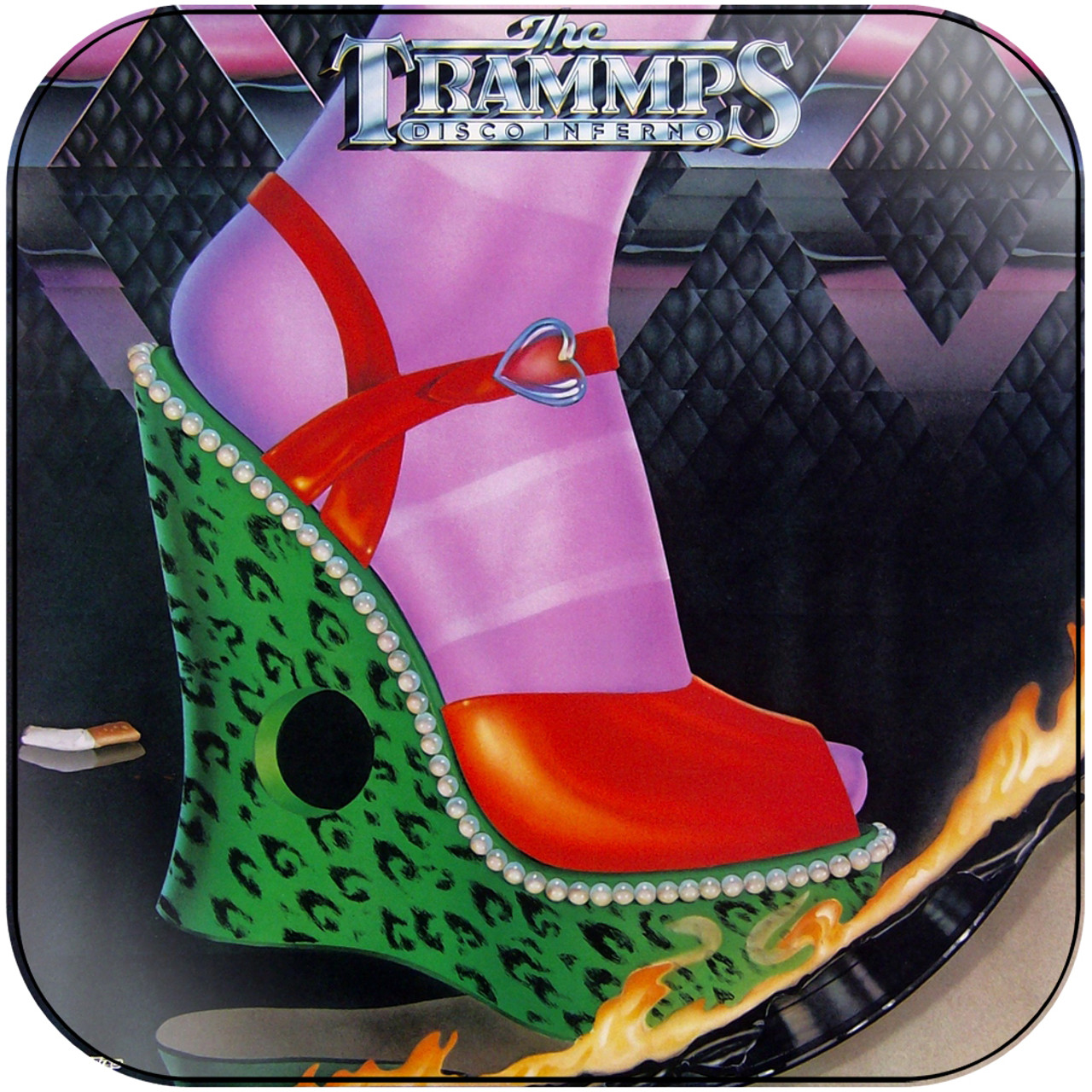
12 “Disco Inferno,” The Trammps, 1977

Working closely with the Philly Sound group MFSB, The Trammps were one of the early disco bands to have success on dance club and R&B charts, if not the pop charts, in the mid-’70s. In 1976, their 11-minute opus “Disco Inferno” reached #1 on the dance charts but didn’t gain much traction in the mainstream market until Robert Stigwood chose to include it on the multiplatinum soundtrack to “Saturday Night Fever.” When it was edited down to 3:45 for single release, it reached #11 in the spring of 1978.

13 “Hot Stuff,” Donna Summer, 1979

Summer was a bellwether of disco from the get-go when her first single, 1975’s “Love to Love You Baby,” peaked at #2 on pop charts. She went on to mega-success throughout the disco era with huge hits like “Last Dance,” “I Feel Love” and a cover of “MacArthur Park.” Her biggest year came in 1979 with her “Bad Girls” LP and three #1 hits, one of which, “Hot Stuff,” was praised as “a smart merger of disco and rock with a fiery vocal delivery.” The lyrics are blatantly sexual in nature — “looking for some hot stuff, gotta have some love tonight” — which made it a lightning rod in the disco clubs.

14 “Funkytown,” Lipps, Inc., 1980

Released in 1980, “Funkytown” was a relatively late entry to the disco scene, but it served to give it one last jolt of electricity. Lead vocalist Cynthia Johnson’s forceful singing featured lyrics in which the narrator yearns for a locale that will “keep me movin’, keep me groovin’ with some energy.” This dovetailed nicely with plans the plans of Lipps Inc. to relocate from Minneapolis to New York City. “Funkytown” became an international #1, while its follow-up, a disco cover version of Ace’s 1975 hit “How Long,” was huge in the clubs but failed to chart on the US Top 40.

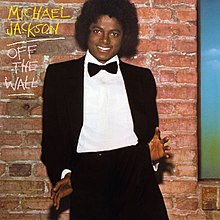
15 “Don’t Stop ‘Til You Get Enough,” Michael Jackson, 1979

Upon meeting iconic producer Quincy Jones during their involvement in the film “The Wiz” in 1978, Jackson asked Jones to produce his next solo LP. Four years before “Thriller” would rewrite the record books for album sales, Jackson came up with the amazing dance songs that would comprise “Off the Wall,” most notably the leadoff single, “Don’t Stop ‘Til You Get Enough,” which introduced his falsetto voice and “vocal hiccup” style. Jackson’s religious mother objected to what she felt were sinful lyrics, but Jackson reassured her the words “could mean whatever people wanted it to.” It held the #1 slot on pop charts for six weeks in 1979.

*****************************