Time, time, time, see what’s become of me

As the clock is about to strike 2:00 a.m. Sunday morning, instead it will magically move backwards to 1:00 am. As the band Chicago would ask: Does anybody really know what time it is?  Does anybody really care?

Daylight savings time (DST), this curious semi-annual ritual of moving our clocks forward one hour each spring, then backward one hour each fall, has outlived its usefulness, if indeed it ever had any.

First officially adopted by Germany and Austria in 1916 and the United States in 1918, DST arguably made sense then because more daylight meant less use of artificial light, thereby purportedly saving energy during wartime.

But modern American society, with its ubiquitous computers, TV screens and air conditioning, pays no mind to whether the sun is up or not.  The amount of energy saved in this country from converting to DST is negligible at best.

Moreover, changing the time, even if it is only by one hour, disrupts our body clocks, our circadian rhythm, and it can take up to two weeks to re-establish our sleep patterns.  For most people, the resulting fatigue is simply an inconvenience, but for others, the time change can result in more serious consequences, including an increase in auto accidents and workplaces injuries, as well as depression and suicide.

The federal government, and various state legislatures, have made noise this past year about ending this nonsense by adopting a permanent Daylight Savings Time (or a permanent Standard Time), but once again, nothing happened. So we roll the clock backs Sunday morning and go through this again.

Meanwhile, popular music of the ’60s, ’70s and ’80s have long reminded us that we take time, give time, make time, waste time.  It’s the right time, the wrong time, the first time, the last time.  Buddha said, “The trouble is, we always think we have enough time.”

A quick review reveals hundreds of song titles referring to time.  I’ve whittled the list down to 15 for closer inspection, followed by a lengthy list of honorable mentions.  As is customary at Hack’s Back Pages, there’s an accompanying playlist for your listening pleasure.

The time has come!  Crank it up!

*****************************
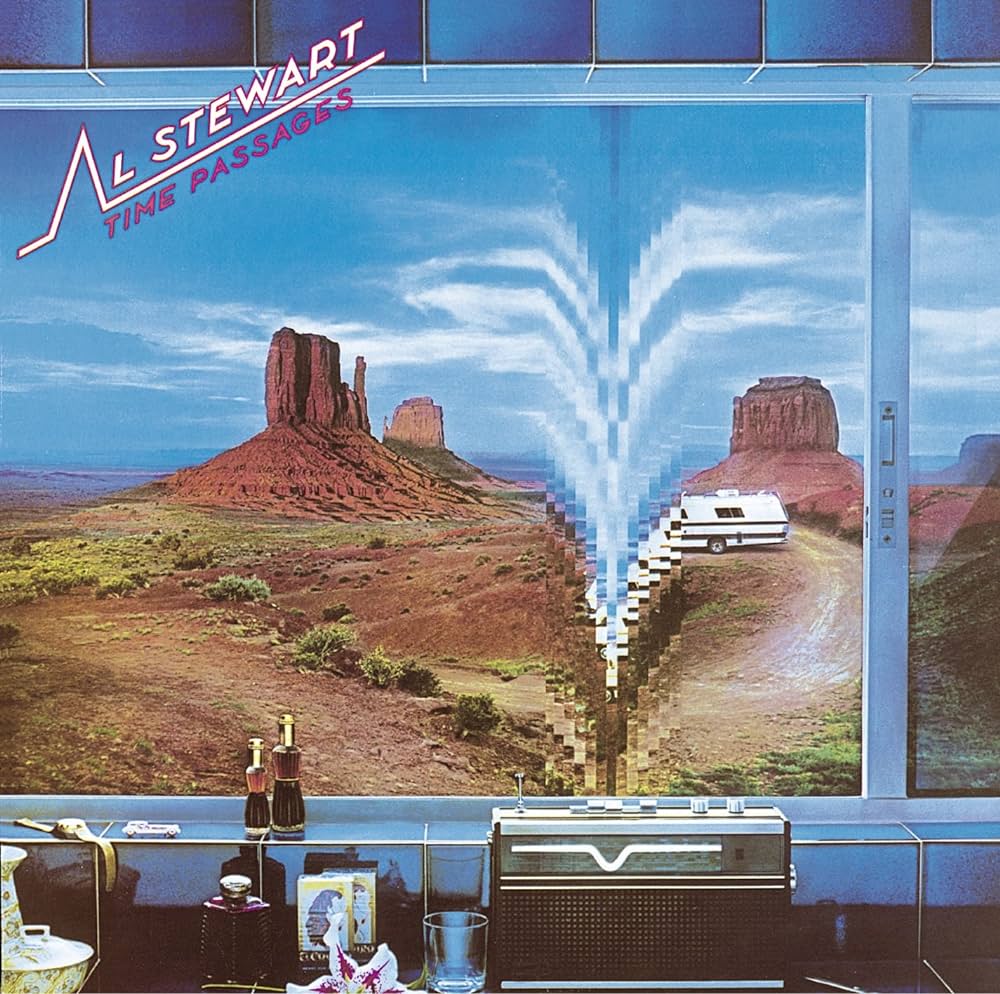
“Time Passages,” Al Stewart, 1978

Many of singer-songwriter Al Stewart’s songs told stories with fictional characters from olden days, while other tunes focused on present-day concerns.  Taking trips down memory lane can be enjoyable, he says, but he prefers to stay in the present and not get caught up reminiscing about things from the past you can’t change:  “Well I’m not the kind to live in the pastthe years run too short and the days too fastthe things you lean on are the things that don’t lastwell it’s just now and then my line gets cast into these time passages…”
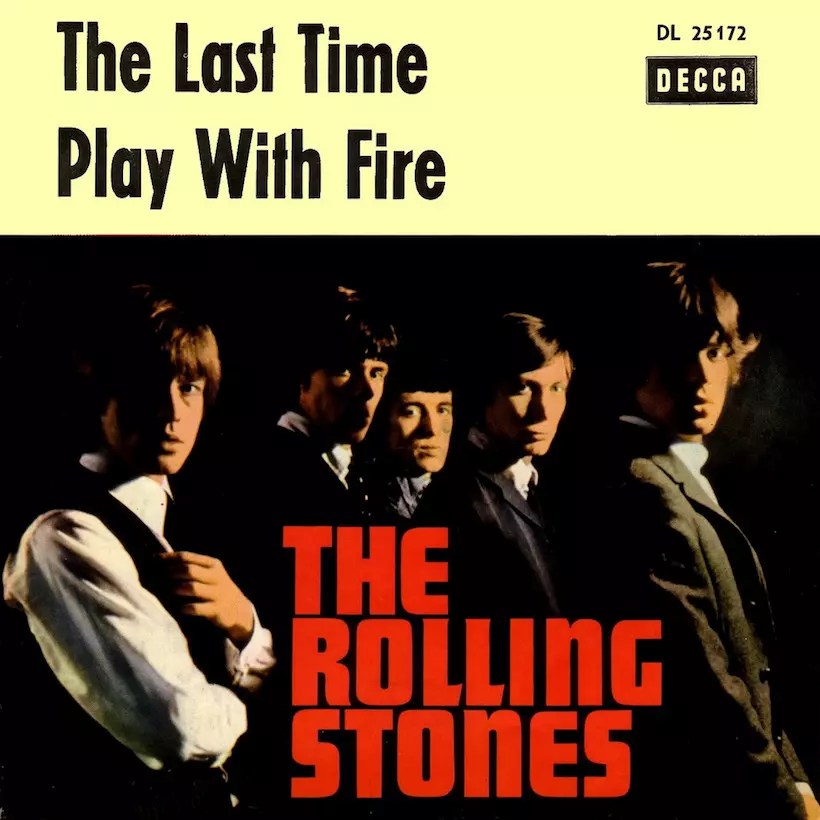
“The Last Time,” The Rolling Stones, 1965

Even in their earliest days of songwriting, Mick Jagger and Keith Richards showed the ability to address weighty subjects that had universal relevance. On “The Last Time,” which cracked the Top Ten in the U.S., the lyrics reminded us how we can let opportunities slip away from us if we take too long too act on them:  “Well, I told you once and I told you twice, that someone will have to pay the price, but here’s a chance to change your mind ’cause I’ll be gone a long, long time, well, this could be the last time, this could be the last time, maybe the last time, I don’t know, oh no…”
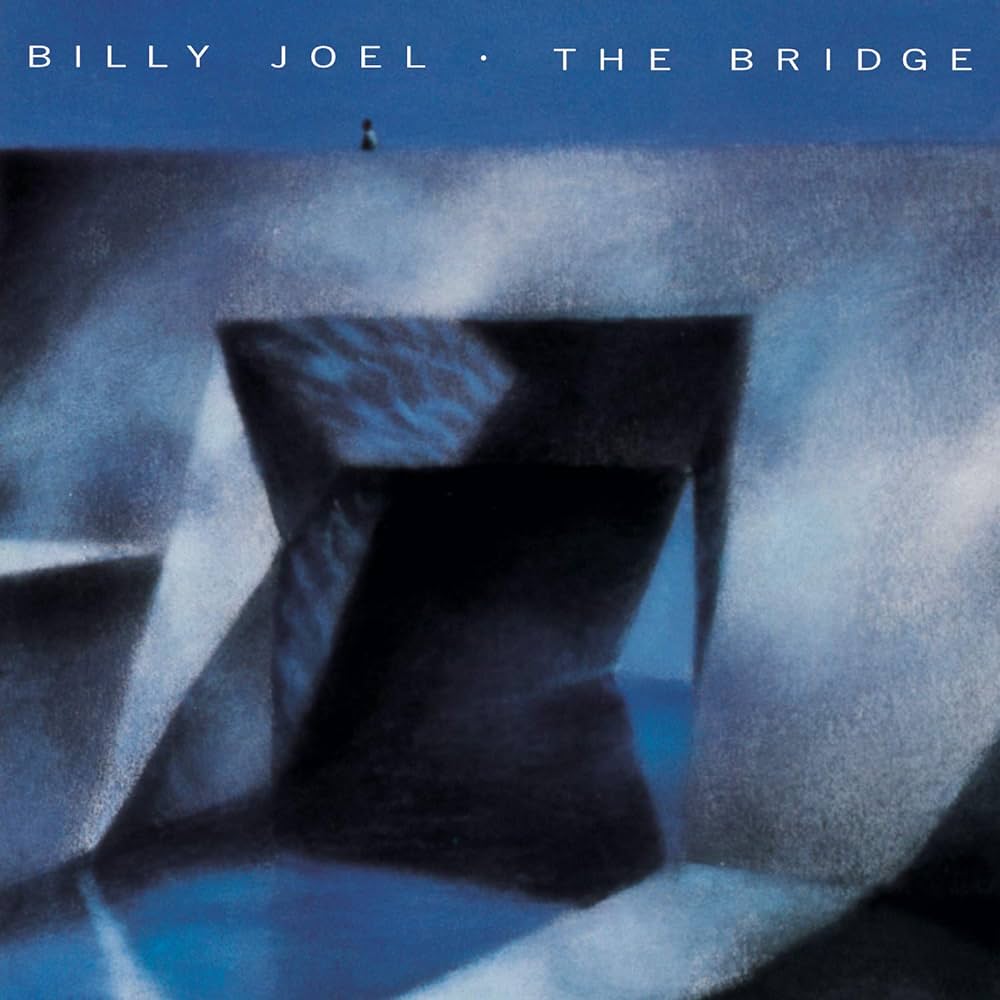
“This is the Time,” Billy Joel, 1986

On his Top 10 album “The Bridge,” Joel scored three Top 20 singles, including “This is the Time,” a poignant reflection on how we love to cling to great times in our past despite the fact that time and circumstances inevitably change:  “This is the time to remember’cause it will not last forever, these are the days to hold on to, ’cause we won’t, although we’ll want to, this is the time, but time is gonna change, you’ve given me the best of you, and now I need the rest of you…”
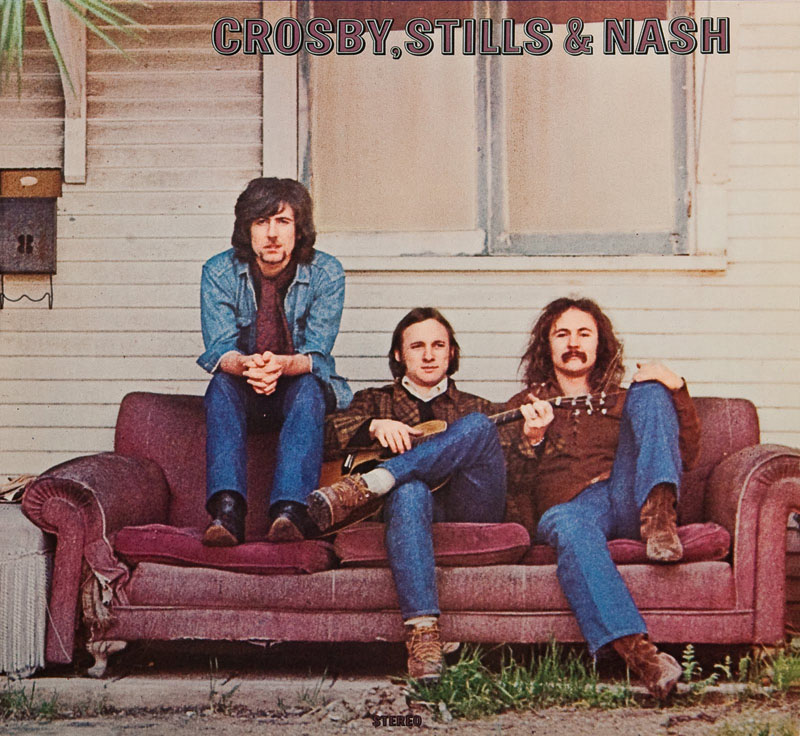
“Long Time Gone,” Crosby, Stills and Nash, 1969

As David Crosby and Stephen Stills were first teaming up in 1968 and then recruiting Graham Nash to join them, the world outside seemed to be coming apart at the seams.  The assassinations of Martin Luther King and Robert Kennedy inspired Crosby to write this disturbing treatise on how dark times can seem endless, even though better times arrive eventually:  “Don’t you know the darkest hour is always just before the dawn, and it appears to be a long, appears to be a long, appears to be a long time, such a long, long, long, long time before the dawn…”
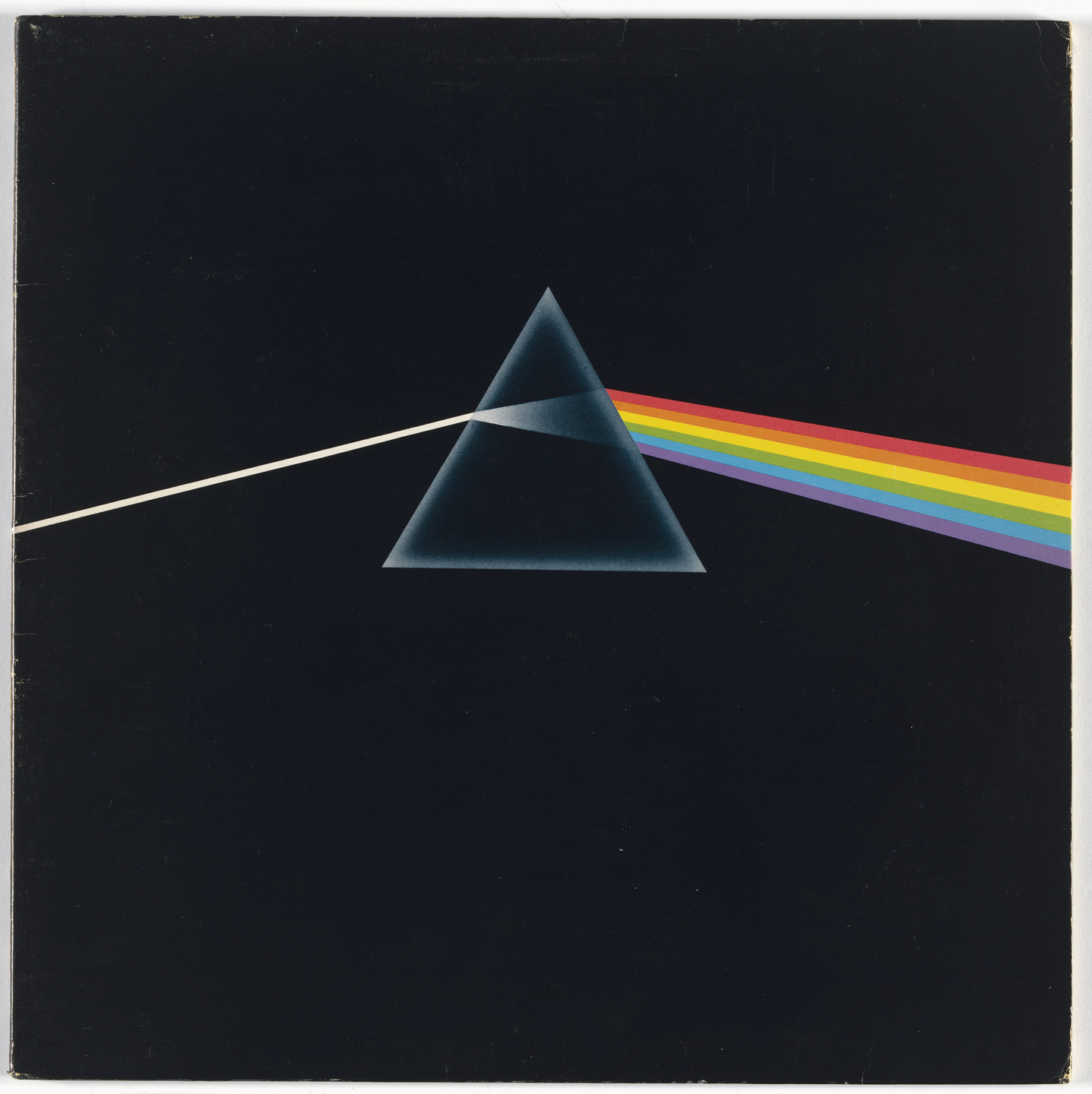
“Time,” Pink Floyd, 1973

“The Dark Side of the Moon,” one of the most successful rock albums in history, focuses lyrically on insanity, greed, death and the passage of time.  In the song “Time,” songwriter Roger Waters examines how its passage can control one’s life, and offers a stark warning to those who remain focused on mundane aspects:  “Ticking away the moments that make up a dull day, fritter and waste the hours in an off-hand way, kicking around on a piece of ground in your home town, waiting for someone or something to show you the way…”
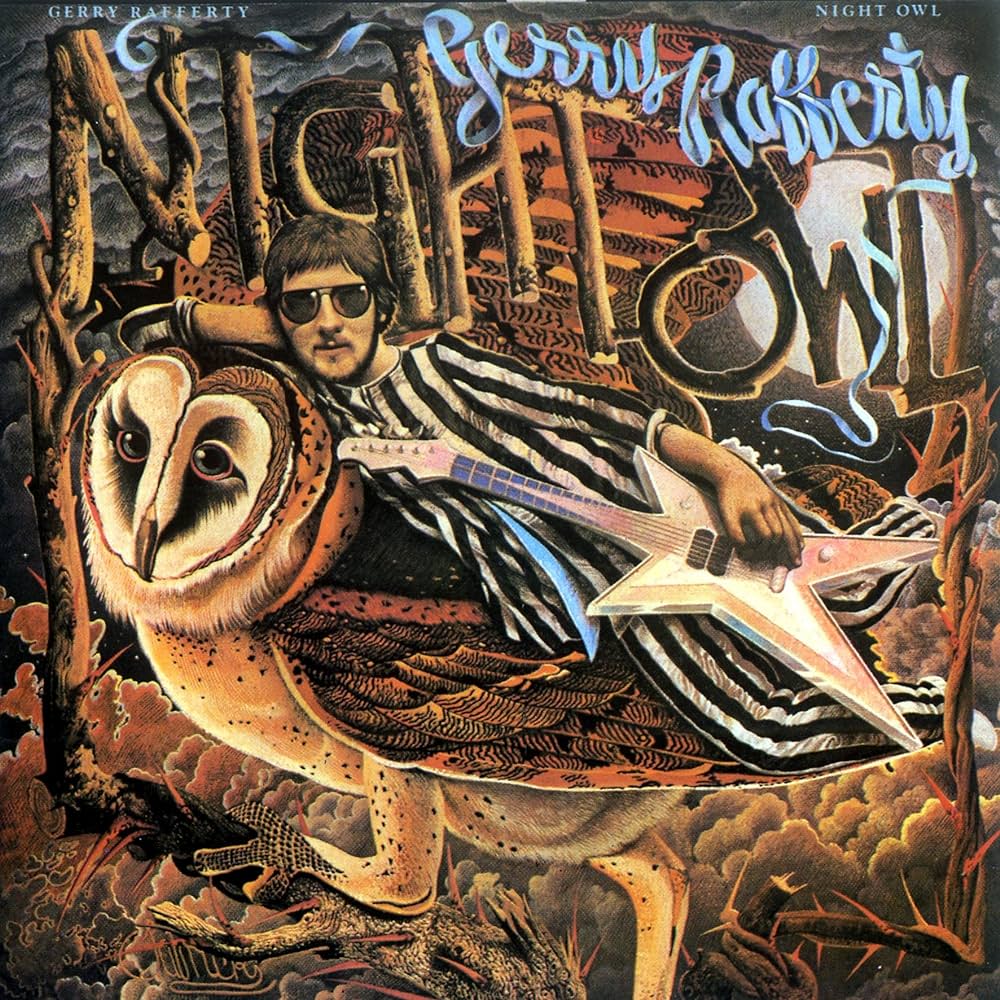
“Get It Right Next Time,” Gerry Rafferty, 1979

Perseverance is the theme of Rafferty’s irresistible 1979 hit single “Get It Right Next Time,” in which the narrator encourages us to maintain a positive outlook and keep trying after previous attempts have failed:  “Life is a liar, yeah, life is a cheat, it’ll lead you on and pull the ground from underneath your feet, no use complainin’, don’t you worry, don’t you whine, ’cause if you get it wrong, you’ll get it right next time, next time…”

“Time After Time,” Cyndi Lauper, 1983

It’s always very comforting to know that you can count on another person to always be there for you when you need them.  In “Time After Time,” Lauper’s pretty melody goes nicely with lyrics that underscore the importance of undying reliability:  “You said, ‘Go slow,’ I fall behindthe second hand unwindsif you’re lost, you can look and you will find me time after timeif you fall, I will catch you, I’ll be waiting time after time…”

“Right Place, Wrong Time,” Dr. John, 1973

Mac Rebennack, better known as Dr. John the Night Tripper, had a #9 hit on the US pop charts in 1973 with this funky slice of New Orleans soul. His lyrics cleverly used the right/wrong dichotomy to contrast various events (right trip, wrong car; right vein, wrong arm), particularly in regard to time: “I’ve been in the wrong place, but it must have been the right time, I been in the right place, but it must have been the wrong song…”

“Time Has Come Today,” The Chambers Brothers, 1968

One of my favorite songs from the heady days of psychedelia was this defiant track by The Chambers Brothers.  The arrangement uses dramatic tempo changes as the vocalists repeatedly shout “Time!”  (The album version goes on for 11 minutes!). Its lyrics speak about the need to avoid procrastination and act now before it’s too late:  “Now the time has come, there’s no place to run, now the time has come, there are things to realize, time has come today…”
“Take the Time,” Michael Stanley Band, 1982

Cleveland’s Michael Stanley not only wrote great rock songs that should have received far more airplay nationally than they did, he penned some solid lyrics that are certainly worthy of your attention.  “Take the Time” is immediately relevant today, instructing us to remember the important things as we cope with life’s struggles:  “Now is the hour, tomorrow might be too late, you gotta grab the moment, you just can’t hesitate… Take the time to love someone, take the time to make amends, take the time to make a stand, tase the time for your friends…” 
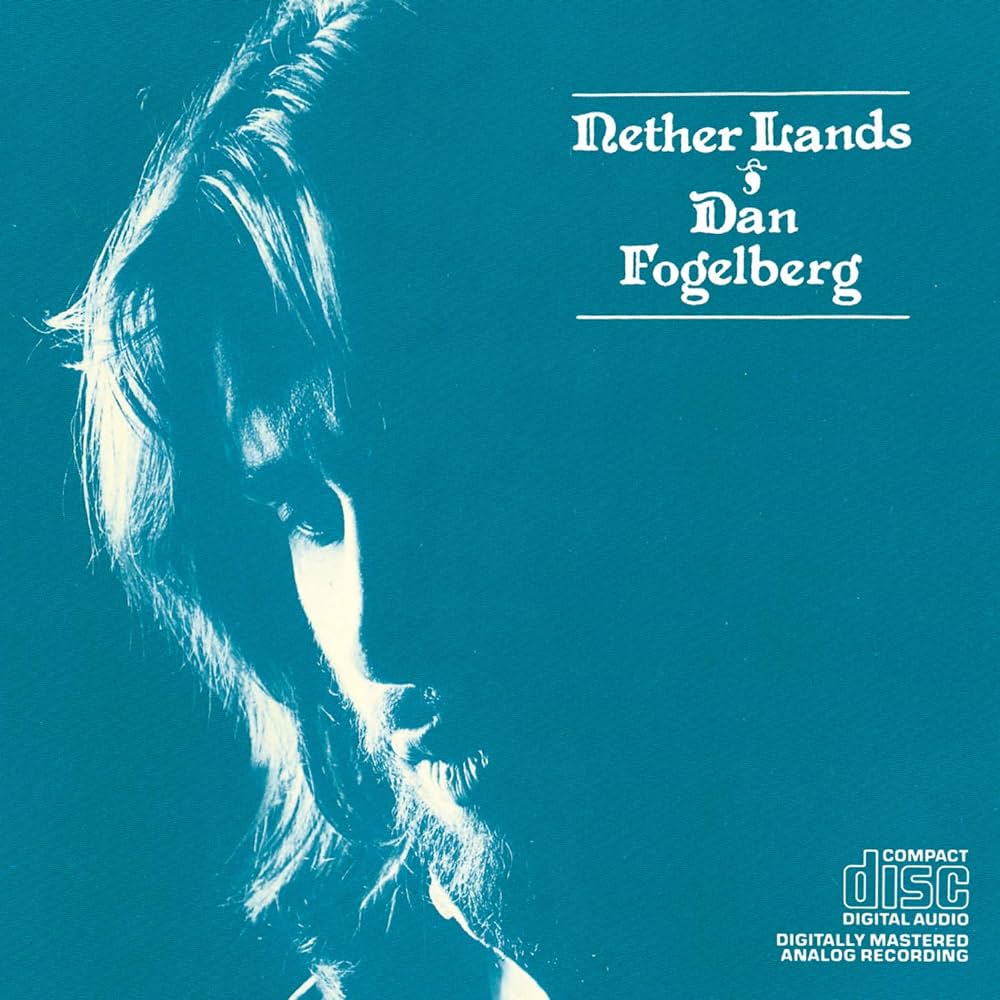
“Give Me Some Time,” Dan Fogelberg, 1977

When heartbreak takes longer to heal than expected, any chance of a new relationship needs to be put on hold until we’re ready for it.  Dan Fogelberg did a marvelous job of covering this topic in “Give Me Some Time,” a beautiful tune from his 1977 LP “Nether Lands”:  “Give me some time nowI’ve just got to find how I’m going to forget her, and talk myself into believing that she and I are throughthen maybe I’ll fall for you…” 

“I Don’t Have the Time,” The James Gang, 1969

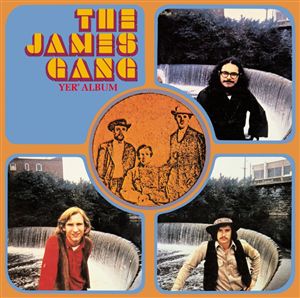
Joe Walsh’s earliest songwriting attempts came when he was honing his chops with his old group, The James Gang.  Among the issues he tackled on the group’s debut LP “Yer Album” was the need to make productive use of one’s time:  “I don’t have the time to play your silly gameswalk to work each morning, live within a framenow you’re trying to tell me I should be like you, watch your time, work nine to five, what good does it do?…”
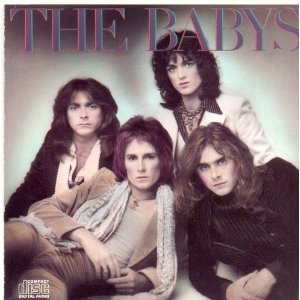
“Isn’t It Time,” The Baby, 1977

Philosophers have been trying for centuries to figure out the meaning of life and how the passage of time plays a role in that quest.  The rest of us sometimes just want to figure out whether this is the right time to begin a romantic relationship.  John Waites’ band The Babys took a look at this in their hit single “Isn’t It Time” in the fall of 1977:  “I just can’t find the answers to the questions that keep going through my mindhey, babe!  Isn’t it time?…”

“Time In a Bottle,” Jim Croce, 1972

Before his premature death in a 1973 plane crash, songwriter Croce came up with a tune that’s, well, timeless in its profound simplicity.  We think we have plenty of time in our lives to do what we want, but not if we struggle too long in determining what it is we want to accomplish:  “If I could save time in a bottle, the first thing that I’d like to do is to save every day ’til eternity passes away, just to spend them with you, but there never seems to be enough time to do the things you want to do, once you find them…”
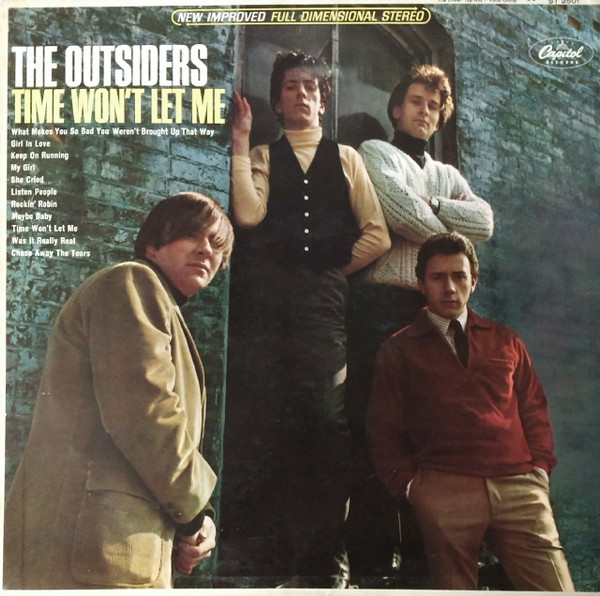
“Time Won’t Let Me,” The Outsiders, 1966

This Cleveland-based band with Sonny Geraci on lead vocals had just one Top 40 hit, but it was a memorable one. Carried by electric organ and vibrant horns, “Time Won’t Let Me” focused on the narrator’s inability to wait for a romantic interest to embrace their relationship: “I can’t wait forever, even though you want me to, /I can’t wait forever to know if you’ll be true, /Time won’t let me, time won’t let me, time won’t let me wait that long…”

******************************

Wasted Time,” The Eagles, 1976;  “Sign o’ the Times,” Prince, 1986;  “Time,” The Alan Parsons Project, 1981;  “Who Knows Where the Time Goes,” Judy Collins, 1968;  “Your Time is Gonna Come,” Led Zeppelin, 1969;  “Time Will Crawl,” David Bowie, 1987; “Only Time Will Tell,” Asia, 1982;  “Time Out of Mind,” Steely Dan, 1980;  “Feels Like the First Time,” Foreigner, 1977;  “No Time,” The Guess Who, 1969;  “Time is Running Out,” Steve Winwood, 1977;  “Another Time, Another Place,” U2;  “Time of the Season,” The Zombies, 1969;  “Does Anybody Really Know What Time It Is,” Chicago, 1969;  “My Time,” Boz Scaggs, 1972;  “Time Out,” Joe Walsh, 1974;  “The Nighttime is the Right Time,” Creedence, 1969;  “Sands of Time,” Fleetwood Mac, 1971;  “River of Time,” Van Morrison, 1983;  “Most of the Time,” Bob Dylan, 1989;  “High Time We Went,” Joe Cocker, 1971; “Takin’ the Time to Find,” Dave Mason, 1977.
She’s got the moon in her eye

There’s a full moon this weekend (it’s called the “hunters moon” this time of year), and Halloween is on Tuesday. It’s the perfect time to explore the many ways we are entranced, romanced, spooked, comforted and otherwise affected by the lunar orb. Consider what young George Bailey says to his sweetheart Mary in an early scene from the 1946 film “It’s a Wonderful Life”:

“What is it you want, Mary? What do you want? You want the moon? Just say the word and I’ll throw a lasso around it and pull it down. Hey, that’s a pretty good idea. I’ll give you the moon, Mary….”

Songwriters have been fascinated by the moon for more than a century, ranging from the 1909 chestnut “By the Light of the Silvery Moon” to Pink Floyd’s 1973 concept album “The Dark Side of the Moon.” Popular music has produced many hundreds of songs, albums, musicals and even operas that pay homage to the magnetic pull of the celestial body that orbits Planet Earth.

Because this blog focuses on music of the ’50s, ’60s, ’70s, ’80s and ’90s, I was able to narrow down the list of available songs about the moon to those decades. Even so, research showed upwards of 80 titles that include the word, and I whittled that list down to 15 selections to feature here, plus another 25 honorable mentions, and yet another 10 that use “moonlight” or some other variation. It’s a tough job, I tell ya, but someone’s gotta do it!

There’s a Spotify playlist at the end so you can listen to these tunes if you like.

**************************

Song About the Moon,” Paul Simon, 1983

If you’re searching for songs about the moon, it doesn’t get more basic than this one from Simon’s overlooked 1983 LP “Hearts and Bones.” Simon was suffering from a writer’s block in the early ’80s, and through therapy, he stumbled on a solution. Instead of intellectualizing, he returned to simple themes and imagery, which can sometimes be more potent: “If you want to write a song about the moon, /Walk along the craters of the afternoon, /When the shadows are deep and the light is alien, /And gravity leaps like a knife off the pavement, /And you want to write a song about the moon, /You want to write a spiritual tune, /Then… presto! /A song about the moon…”

“Man on the Moon,” R.E.M., 1992

The music for this track from 1992’s successful “Automatic For the People” album was written and first performed without lyrics and vocals, and singer Michael Stipe thought it should be recorded as an instrumental. But he was persuaded to come up with lyrics, and decided to focus on conspiracy theories and whether comic performance artist Andy Kaufman had faked his own death. As bassist Mike Mills put it, “Did the moon landing really happen? Is Elvis really dead? Kaufman was something of a put-on, the perfect guy to tie this stuff together.” The song reached #30 on US charts: “If you believed they put a man on the moon, man on the moon, /If you believe there’s nothing up his sleeve, then nothing is cool…”

“Blue Moon,” Billie Holiday, 1952

Mel Tormé, Ella Fitzgerald, Frank Sinatra, The Marcels, Elvis Presley, Sam Cooke, The Platters, Bob Dylan, Cyndi Lauper, Rod Stewart… Just about everyone has taken a stab at this standard ballad from 1934, written by Richard Rodgers and Lorenz Hart. It actually went through three earlier sets of lyrics before they settled on these about how the moon exposed the narrator’s loneliness and then his joy when he found someone to love. The doo-wop arrangement by The Marcels in 1961 was the most commercially successful, but I’ve always been partial to the great Billie Holiday’s poignant rendition: “Then there suddenly appeared before me the only one my arms will ever hold, /I heard somebody whisper ‘please adore me,’ and when I looked, the moon had turned to gold, /Blue moon, now I’m no longer alone…”

Drunk on the Moon,” Tom Waits, 1974

Both of Waits’s first two LPs — 1973’s “Closing Time” and 1974’s “The Heart of Saturday Night” — reflected his interest in nightlife, unrequited romance and the underbelly of society. The songs on “Closing Time” were perhaps more folk-oriented and melodic, but thanks to the arrival of jazz-oriented producer Bones Howe for the second album (and the third, “Nighthawks at the Diner”), his music took on a looser, jazzier feel that drew praise from critics, even though it didn’t sell all that well. This track in particular has always been a favorite: “And I’m blinded by the neon, /Don’t try and change my tune, ‘Cause I thought I heard a saxophone, /I’m drunk on the moon…”

Walking on the Moon,” The Police, 1979

Sting, who wrote nearly every song in The Police’s five-album catalog, recalls two memories of this song’s origin. “I was drunk one night in Munich in a hotel room, and thought of the melody line as I sang ‘Walking ’round the room,'” he said. “But in the morning, it seemed like a stupid line, so I put it aside. Weeks later, I was remembering my first girlfriend and how I felt that being in love was like being relieved of gravity, like walking on the moon.” As a single from the band’s second LP “Regatta de Blanc,” it reached #1 in their native UK but didn’t even chart in the US. “Walking back from your house, walking on the moon, feet they hardly touch the ground, walking on the moon…”

“Fly Me to the Moon,” Frank Sinatra, 1965

I grew up in a household where the music of Sinatra was in heavy rotation on my dad’s “hi-fi.” This song in particular always appealed to me — not only the delightful music but the lyrics that equated true love with going to the moon. Written in 1954 with the title “In Other Words,” it was recorded by many dozens of singers from Peggy Lee and Eydie Gormé to Nancy Wilson and Connie Francis. Sinatra recorded it with the Count Basie Orchestra in 1964 using a swing arrangement by Quincy Jones, and that became the definitive version: “Fly me to the moon, let me play among the stars, /Let me see what spring is like on Jupiter and Mars, /In other words, hold my hand, /In other words, baby, kiss me…”

“Once in a Blue Moon,” Van Morrison, 2003

The brilliantly prolific Van the Man is responsible for “Moondance,” one of the most beloved romantic songs about the moon. But not only does it miss the cut because I’m choosing to be rigid about using songs with only the word moon, but I was eager to instead include this much more recent Morrison track that makes use of the phrase “once in a blue moon.” It’s a lively Irish number that hails from one of his best albums of the past 25 years, his 2003 LP “What’s Wrong With this Picture?” “When the wind is blowing all around the fence, /I get that happy feeling, things start making sense, /All just feels so lucky that you just can’t go wrong, /Once in a blue moon, someone like you comes along…”

“Bad Moon Rising,” Creedence Clearwater Revival, 1969

John Fogerty had been reading news accounts of how tornados had destroyed farm crops across several states and was inspired to write what became one of Creedence’s most popular tunes. “The words were all full of warning about terrible weather and death and destruction, so I decided it needed the dichotomy of an upbeat, happy melody to balance it out,” he said. The track reached #2 on US pop charts (#1 in the UK) in the summer of 1969, and appeared in a pivotal scene in the 1981 horror comedy “An American Werewolf in London” just before the protagonist transforms into a werewolf: “I hear hurricanes a-blowing, I know the end is coming soon, /I fear rivers overflowing, I hear the voice of rage and ruin, /Don’t go around tonight, well, it’s bound to take your life, /There’s a bad moon on the rise…”

Half Moon,” Janis Joplin, 1971

In 1970, Johanna Hall was a writer for The Village Voice, assigned to interview Janis Joplin for an article. Johanna’s husband, John Hall, was a struggling musician (who would later become frontman for the soft rock band Orleans). Joplin hit it off with Johanna and invited the couple to write a song for her next album. The married couple collaborated on “Half Moon,” inspired by a Hendrix guitar riff and an interest in astrology, and Joplin loved it, recording a full-throated demo of it with her Full-Tilt Boogie Band. She died before recording an official take, but the demo was good enough for release, so it appeared on her posthumous “Pearl” album, and as the B-side of her single “Me and Bobby McGee.” Hall later recorded it for the debut Orleans album as well.

Moon Over Bourbon Street,” Sting, 1985

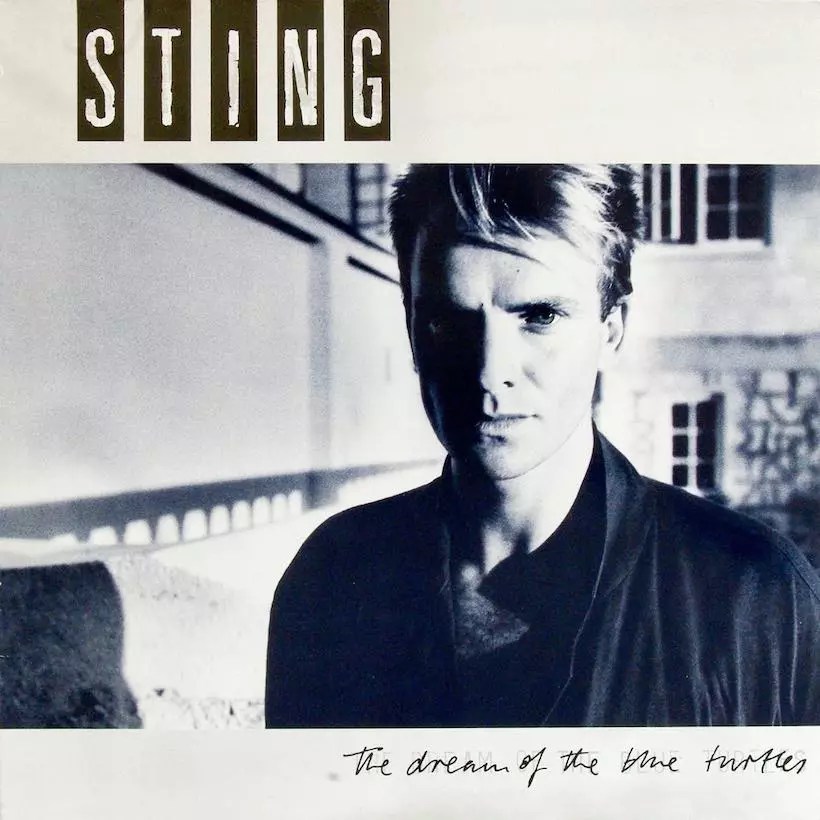
On his first solo album, “The Dream of the Blue Turtles,” Sting took his music in a jazz-oriented direction, bringing in Branford Marsalis to provide prominent sax passages on several tracks. One in particular, “Moon Over Bourbon Street,” was a successful single in the UK but didn’t get much attention here. Sting was inspired by Anne Rice’s gothic novel “Interview With the Vampire” and the lead character’s duality as “an immortal, poignant soul who has to kill to live but wants to stop.” The reference to Bourbon Street came from Sting’s visit to New Orleans’ French Quarter one moonlit night when he felt as if he was being followed: “The brim of my hat hides the eye of a beast, I’ve the face of a sinner but the hands of a priest, /Oh you’ll never see my shade or hear the sound of my feet while there’s a moon over Bourbon Street…”

“Blue Moon of Kentucky,” Elvis Presley, 1954

Bill Monroe, known as “the father of bluegrass,” wrote this classic as a waltz when he first performed it on the Grand Ole Opry broadcast in 1945. Numerous country artists and early rockabilly acts often performed the song, but it wasn’t until Elvis Presley recorded it in 4/4 time as a bluesy rocker that it became more widely known in the mainstream. It became the B-side of his very first single, “That’s All Right,” on Sun Records in 1954. Monroe didn’t care for the rock version but eventually performed it in 4/4 time himself. Paul McCartney recorded it for his “Unplugged” show and album in 1991. “It was on a moonlight night, the star is shining bright, and they whispered from on high, ‘Your love has said goodbye,’ /Blue moon of Kentucky, keep on shining, shine on the one that’s gone and said goodbye…”

The Moon’s a Harsh Mistress,” Judy Collins, 1975

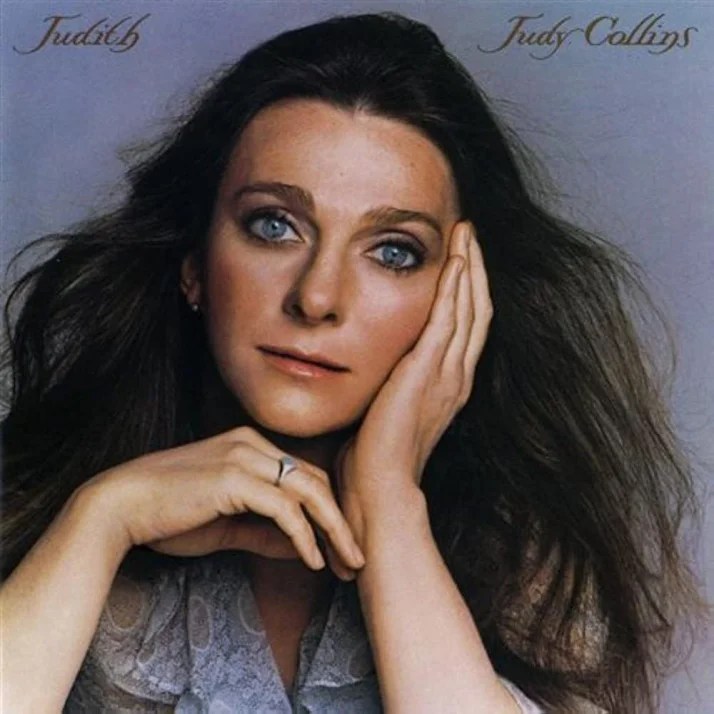
As a teenager, songwriter Jimmy Webb had been a fan of science fiction books, particularly Robert Heinlein’s 1966 book “The Moon is a Harsh Mistress.” He was so captivated by that title that he sought and received permission to use it as the title of a song he wrote in 1974 about how something that appears so beautiful can be fraught with danger or heartbreak. Although it was never a hit single for any artist, many recorded it, from Joe Cocker and Glen Campbell to Linda Ronstadt and Pat Metheny. I first heard it in a gorgeous arrangement on “Judith,” the 1975 Judy Collins album: “I fell out of her eyes, fell out of her heart, fell down on my face, /I tripped and missed my star, fell and fell alone, /The moon’s a harsh mistress, /the sky is made of stone, /The moon’s a harsh mistress, she’s hard to call your own…”

“Pink Moon,” Nick Drake, 1972

Among the different moons described in literature and science, the pink moon arrives in April, the first full moon after the spring equinox. “Pink” refers not to the appearance of the moon itself but the pink moss and wildflowers that bloom underneath it at that time of year, according to Native American folklore. In late 1971, British singer-songwriter Nick Drake wrote and recorded a dozen songs with just his guitar and voice, and “Pink Moon” ended up as his final album before depression and drugs ended his life prematurely. The lovely title track, and Drake’s recordings in general, gained new attention in 1999 when it was used in a Volkswagen commercial in the UK and the US.

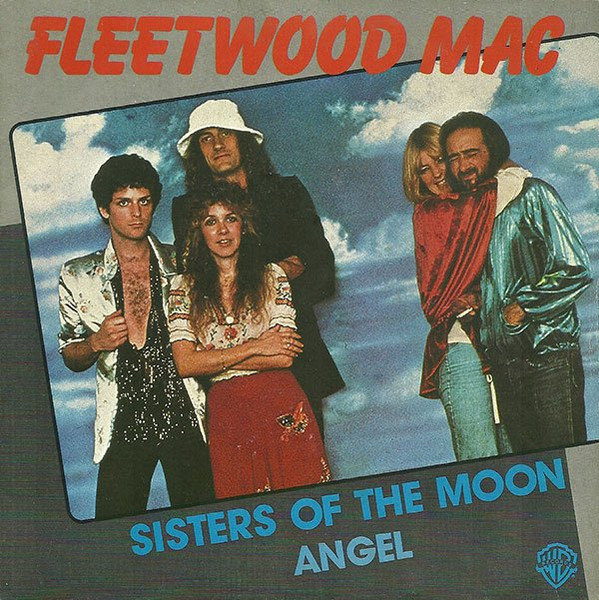
“Sisters of the Moon,” Fleetwood Mac, 1979

This harrowing track from Fleetwood Mac’s sprawling double LP “Tusk” was born from a late-night jam session on which Lindsay Buckingham made his guitar whine and howl while Stevie Nicks chanted the rather spooky lyrics. Although it failed at #86 on US charts as a single, it proved to be quite popular in concert, where it often went on for nearly twice its 4:30 length: “She was dark at the top of the stairs, and she called to me, /And so I followed, as friends often do, /I cared not for love, nor money, /I think she knew the people, they love her, /And still they are the most cruel, /She asked me, /Be my sister, sister of the moon…”

Moon River,” Eric Clapton and Jeff Beck, 2023

This classic tune, with music by Henry Mancini and lyrics by Johnny Mercer, will forever be linked to the 1961 Audrey Hepburn film “Breakfast at Tiffany’s” and the 1962 instrumental recording that won multiple Grammy awards. Crooner Andy Williams turned it into his signature song, and dozens of other singers recorded it over the years. As one critic put it, “It’s a love song in which the romantic partner is the idea of romance.” How extraordinary it is that rock guitarists Eric Clapton and Jeff Beck would collaborate on this tasty arrangement featuring Beck’s sublime guitar work and Clapton’s subtle vocals. It was recorded mere months prior to Beck’s passing in January, and released in May. What a fine record!

********************************

An important note: Two songs with “moon” in the title I’ve always admired — Joni Mitchell’s “Moon at the Window” (1982) and Neil Young’s “Harvest Moon” (1992) — could not be included because both artists refuse to allow Spotify to stream their music.

*********************************

HONORABLE MENTION:

Child of the Moon,” The Rolling Stones, 1968; “Bark at the Moon,” Ozzy Osbourne, 1983; “Moon Rocks,” Talking Heads, 1983; “What’s Next to the Moon,” AC/DC, 1978; “Havana Moon,” Chuck Berry, 1957; “The Boy With the Moon and Stars on His Head,” Cat Stevens, 1972; “Mad Man Moon,” Genesis, 1976; “Full Moon Night,” Lynyrd Skynyrd, 1999; “Shoot Down the Moon,” Elton John, 1985; “Everyone’s Gone to the Moon,” Jonathan King, 1965; “Monkberry Moon Delight,” Paul McCartney, 1971; “Rope Ladder to the Moon,” Jack Bruce, 1969; “Kiko and the Lavender Moon,” Los Lobos, 1992; “Here Comes the Moon,” George Harrison, 1979; “The Same Moon,” Phil Collins, 1996; “Moon Song,” America, 1972; “Moon Over Miami,” Ray Charles, 1960; “Black Moon,” Emerson, Lake & Palmer, 1992; “Surface of the Moon,” Del Amitri, 1992; “Shame on the Moon,” Bob Seger, 1983; “Mountains of the Moon,” Grateful Dead, 1969; “Ticket to the Moon,” Electric Light Orchestra, 1981.

************************************

More than just “moon”:

Moondance,” Van Morrison, 1970; “Moonshadow,” Cat Stevens, 1971; “Dancing With the Moonlight Knight,” Genesis 1973; “Moonlight Drive,” The Doors, 1967; “Dancing in the Moonlight,” King Harvest, 1972; “Moonlight Mile,” The Rolling Stones, 1971; “Moonlight in Samosa,” Robert Plant, 1982; “Sonny Got Caught in the Moonlight,” Robbie Robertson, 1987; “Moonage Daydream,” David Bowie, 1972; “Under Moonshine,” The Moody Blues, 1977.