Reach for the stars, Venus and Mars are all right tonight

Part of the fun in writing this blog each week has been in coming up with topics for playlists. I have upwards of 250 themed playlists I’ve created on Spotify, many of them focusing on a key word or idea (dreams, cars, money, rain, food, sex, whatever).

This week, I went looking for songs about planets, and I was kind of surprised to find only a few — so few, in fact, that I had to stray outside my normal ’60s/’70s/’80s comfort zone to grab a few titles from more recent years to round out the list. Most of these songs, in fact, aren’t really about the actual celestial orbs but instead other meanings of the words. But what the hell. It’s still a fun playlist of eclectic musical selections, and I hope you can dig on that.

**********************
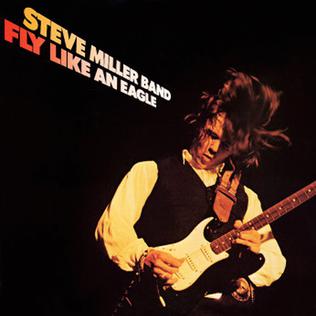
“Mercury Blues,” Steve Miller Band, 1976

K.C. Douglas, a Mississippi blues singer/guitarist, wrote and recorded “Mercury Boogie” (later re-named “Mercury Blues”) with his trio in 1948. Its lyrics praise not the planet closest to the sun but the Mercury automobile brand, which led Ford Motor Co. to buy the rights to the song and use it in commercials. It’s been covered by several different artists, including Alan Jackson (whose 1992 version reached #2 on country charts), David Lindley on his 1981 LP, and Steve Miller, who featured his rendition on the multiplatinum 1976 album “Fly Like an Eagle.”
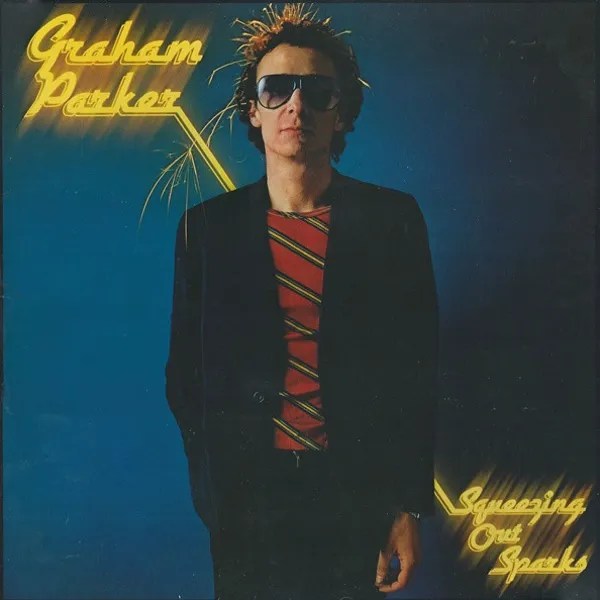
“Mercury Poisoning,” Graham Parker, 1979

Parker was a British pub rocker with a raw, vital delivery of soul/rock/reggae songs in the late ’70s and early ’80s. His early albums on Mercury Records were critics’ favorites, but a lack of promotion by the label resulted in anemic chart performance in the U.S. After switching to Arista in 1979 and releasing his commercial zenith, “Squeezing Out Sparks,” Parker released the single, “Mercury Poisoning,” which chronicled his poor relationship with his former label: “Well I’ve got all the diseases, I’m breaking out in sweat, you bet, because I got Mercury poisoning, /It’s fatal and it don’t get better, /I got Mercury poisoning, the best kept secret in the West…”
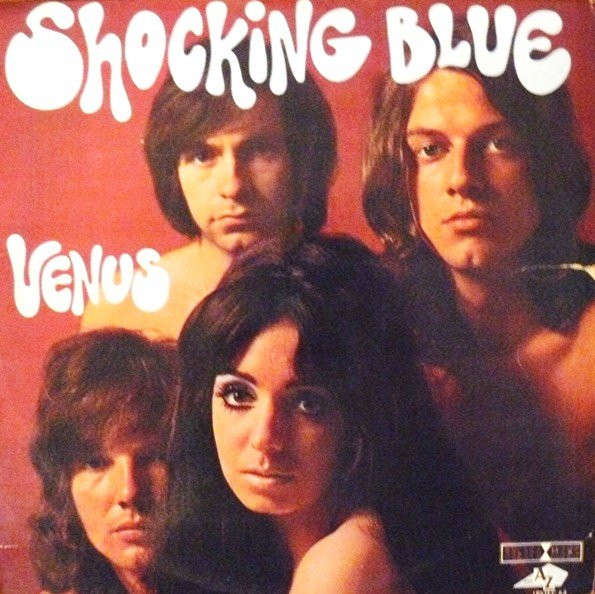
“Venus,” Shocking Blue, 1970

Guitarist Robbie van Leeuwen of the Dutch group Shocking Blue wrote this infectious track in 1969. Once American promoter/label owner Jerry Ross released it in the US six months later, it soared to #1, as it did in eight other countries around the world. Fiery lead vocalist Mariska Veres sang the lyrics of passionate love using Venus, the Goddess of Love, as the symbol. The song is one of only a handful in Billboard history to became a worldwide #1 hit a second time in when British vocal group Bananarama put their dance-music spin on it in 1986.
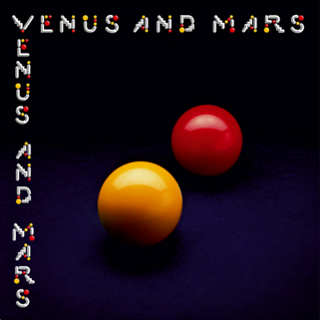
“Venus and Mars,” Paul McCartney & Wings, 1975

McCartney and his band set up camp in New Orleans in early 1975 to write and record the follow-up to their enormously successful “Band On the Run” album. Said Paul at the time: “I had this whole idea about a fellow sitting in a cathedral waiting for this transport from space that was going to take him on a trip. The guy is a bit blotto and starts thinking about ‘A good friend of mine studies the stars, Venus and Mars are all right tonight.‘ Afterwards, somebody told me Venus and Mars had just eclipsed the sun, or something. I’m not exactly sure, but I guess they aligned themselves exactly for the first time in 2,000 years. I had no idea about all this going on.” It became the title track of the album. 

“I Feel the Earth Move,” Carole King, 1971

After a decade writing huge hit singles for other artists to record, King divorced her songwriting partner Gerry Goffin and moved to Los Angeles, where she began collaborating with lyricist Toni Stern on a collection of songs that would become “Tapestry,” one of the biggest selling albums of all time. “I Feel the Earth Move,” the album’s opener, was also one half of her double A-side single with “It’s Too Late,” which reached #1 in the summer of 1971. The lyrics equate romantic passion with an earthquake “whenever you’re around.”
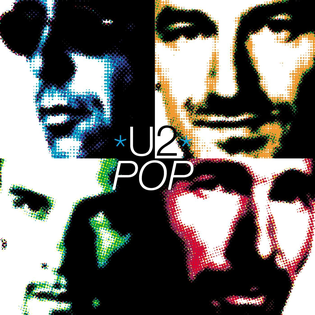
“Last Night on Earth,” U2, 1997

U2’s 1997 LP “Pop” was another in a long line of #1 albums for the Irish band, but it hasn’t aged well, evidenced by the fact that the group rarely performs any of its material in concert anymore. Still, “Discothèque” and “Staring at the Sun” did admirably on the charts at the time of release. One of the last tracks completed for the album was this one written six years earlier for the “Achtung Baby” LP but instead shelved away. Bono hadn’t been satisfied with the lyrics and struggled to write new ones before the band headed out on a lengthy tour. He struck on the concept of someone living passionately “as if it’s the last night on Earth.”
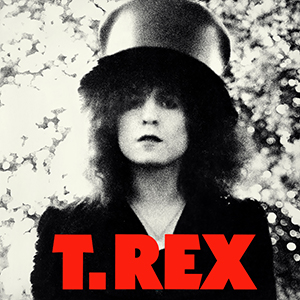
“Ballrooms of Mars,” T. Rex, 1972

Marc Bolan’s career paralleled that of David Bowie, who both evolved from psychedelic folk to electric rock to become pioneers of the glam rock movement by 1972. Bolan and his band, T. Rex, had only limited commercial success in the U.S., with the “Electric Warrior” and “The Slider” LPs and the Top Ten single “Bang a Gong (Get It On),” but he was huge in England. From “The Slider” came a great track called “Ballrooms of Mars,” which capitalized on Bolan’s outré persona: “You gonna look fine, be primed for dancing, /You’re gonna trip and glide, all on the trembling plane, /Your diamond hands will be stacked with roses… and we’ll dance our lives away in the ballrooms of Mars…”

“Moving to Mars,” Coldplay, 2011

This captivating track, recorded for Coldplay’s 2011 LP “Mylo Xyloto” but left off the final track listing, was instead added as a bonus track to the three-song EP “Every Teardrop is a Waterfall.” Chris Martin said it was inspired by a documentary called “Moving to Mars” that told the story of a family from Southeast Asia moved against their will to England. “To them, it seemed as radical a move as being relocated to another planet,” he said, “which intrigued me enough to write a song about it.” He said he was disappointed it didn’t make it on the album: “And I heard it on the radio that one day we’ll be living in the stars, /And I heard it on a TV show that, somewhere up above and in my heart, /They’ll be tearing us apart, maybe moving us to Mars, /We won’t see the earth again…”
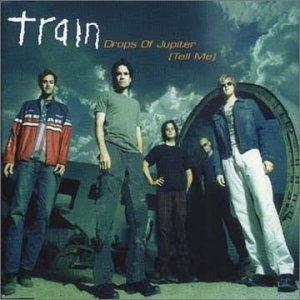
“Drops of Jupiter,” Train, 2000

San Francisco-based Train has had considerable success since forming in the mid-1990s, and one of their biggest hits was this title track from their second LP in 2001. Lead singer Pat Monahan said that the song was inspired by his late mother. “The process of creation wasn’t easy because I just couldn’t figure out what to write. But one day, about a year after she died, I woke up from a dream with the words ‘back in the atmosphere’ in a sort of mantra. I think it was just her way of saying what it was like. She was swimming past the planets, and she came to me here with drops of Jupiter in her hair.” It was a multi-platinum single for Train, peaking at #5.
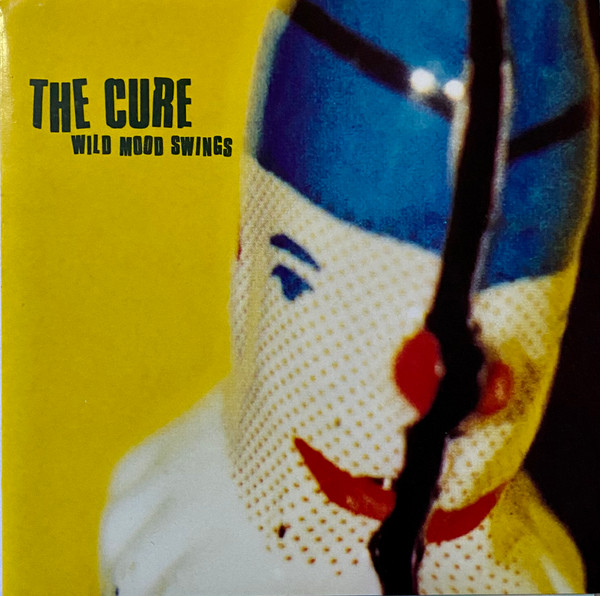
“Jupiter Crash,” The Cure, 1996

This influential British band led by Robert Smith has been a factor since 1980, churning out dark edgy rock that has seen major success on both sides of the Atlantic. From The Cure’s 1996 LP “Wild Mood Swings,” Smith wrote this amazing track that uses the 1994 incident when a comet struck Jupiter as a metaphor for a failed sexual encounter. “Everyone expected that Jupiter would explode or something, but it wasn’t what was anticipated,” he called. “Relationships can be like that, this big buildup followed by a sense of disappointment. There next day, people were saying, ‘That was rubbish.’ It wasn’t. It was incredible, but it just wasn’t what was expected. That was the analogy.” “Meanwhile, millions of miles away in space, the incoming comet brushes Jupiter’s face, then disappears away with barely a trace…”
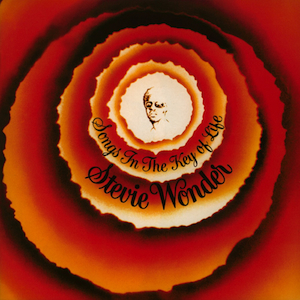
“Saturn,” Stevie Wonder, 1976

Wonder had been an astonishingly prolific and successful musician for many years, including winning two Album of the Year Grammys in the previous three years. Many observers, including Wonder himself, regarded his 1976 double album “Songs in the Key of Life” to be his supreme achievement. He had so many great songs representing a range of genres that he needed a third record, a 4-song EP, to fit them all. One of those was “Saturn,” a reflection on escapism, where Wonder imagined living on a distant planet: “Going back to Saturn where the rings all glow, rainbow, moonbeams and orange snow, /On Saturn, people live to be two hundred and five, /Going back to Saturn where the people smile, /Don’t need cars, ’cause we’ve learned to fly, /On Saturn, just to live, to us, is our natural high…”
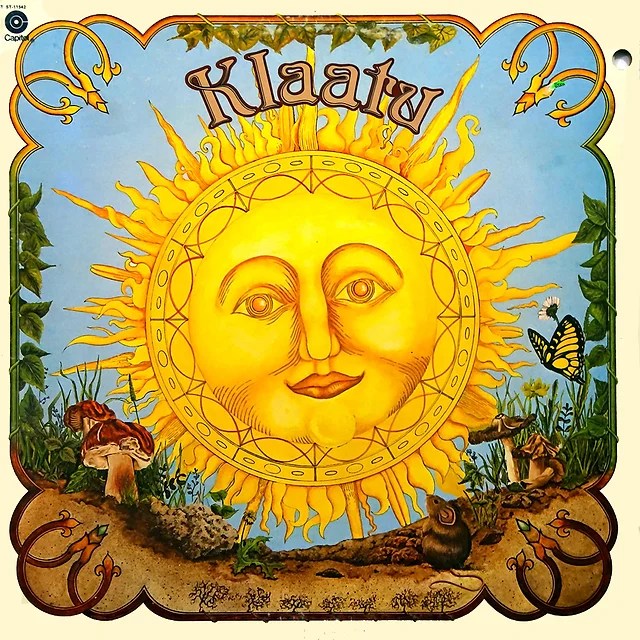
“Anus of Uranus,” Klaatu, 1976

In the summer of 1976, rumors spread that The Beatles had secretly reunited and recorded an album under a fictional name. In fact, Klaatu was a real band from Canada who made progressive rock that sounded, at times, like psychedelic-era Beatles music. (In particular, check out “Sub-Rosa Subway,” which would have fit nicely on “Magical Mystery Tour.”) Capitol Records milked the opportunity by including no band information on the cover and remaining elusive to press inquiries. The group’s quasi-cosmic lyrics and song titles, which focused on interplanetary travel, included the whimsically scatalogical “Anus of Uranus”: “Playing cards on Venus in a cloudy room, pass a glass of ammonia, I got to get off soon, /Sunbathin’ on Mercury or jammin’ on Jupiter, which do you prefer?, /Anus of Uranus, he’s a friend of mine, he’s a first-rate party and a real fine time…”

“Valleys of Neptune,” Jimi Hendrix, 1969/2010

Hendrix began work on this piece under the title “Gypsy Blood” in February 1969, then wrote the lyrics under the title “Valleys of Neptune Arising” three months later. Hendrix made several attempts at recording it with different groups of backup players, from Mitch Mitchell and Billy Cox to Stephen Stills and Buddy Miles and Steve Winwood. Hendrix died in 1970 without having completed the piece to his satisfaction, but finally, in 2010, it became the title track of an album of previously unreleased material. It’s an insightful tune, with lyrics that speak of a new era coming: “I see visions of sleeping peaks erupting, /Releasing all hell that will shake the Earth from end to end, /Singing about the new valleys of the sunrise, rainbow clean, /The world is gonna be singing about getting ready for the new tide, /The valleys of Neptune arising…”

“Pluto,” Jake Wesley Rogers, 2021

Rogers is one of the hottest new artists around, debuting in 2017 at only 21. The talented singer-songwriter composes songs that speak to his experiences growing up gay in Missouri, and yet they offer universal truths. His 2021 single “Pluto” touches on the celestial body’s status as the newest planet that later had that designation removed, and compares it to his own experience of having self-confidence that is jeopardized when others are critical: “When I was a kid, Pluto was still a planet, I’m still kinda sad about it, /Thought I was the shit ’til someone made me doubt it, I’m still kinda mad about it, /Hate on me, you might as well hate the sun for shining just a little too much, /Hate on me, maybe at the end of the day, you and me are both the same, /We just wanna be loved…”

**********************

Movin’ on from town to town

Moving — whether it’s across the street or across the country — can be a pretty big change. It can be stressful, exciting, cathartic, overwhelming, cleansing, heartbreaking.

We all do it at some point, for all kinds of reasons. We move out of our parents’ house to stretch our wings. We move to a new city to start a new job or career. We move out on toxic roommates or a bad marriage. We move in with a new lover. We move to a bigger (or smaller) house. We move to be closer to family.

I know a few people who have moved only once or twice in their entire lives. I know other folks who have had more than 50 different addresses.

I lived in four different places in Cleveland over 40 years. I moved to Atlanta for 17 years. I lived in three different places in Los Angeles over 11 years. Now I’ve recently moved from LA to a new home in Nashville.

I don’t like change. I resist it. I’ve been dragged kicking and screaming into every big change in my life. But I adapt. I eventually embrace my new surroundings. I come to see it as a new chapter in my life’s story. I not only survive but thrive.

All of this talk of relocating got me thinking of songs about moving — new beginnings, fresh starts, something different. There are many dozens of choices, so I’ve whittled the list down to a diverse group of 12 tunes that deserve attention, plus an “honorable mentions” list.

Let’s get moving!

***********************

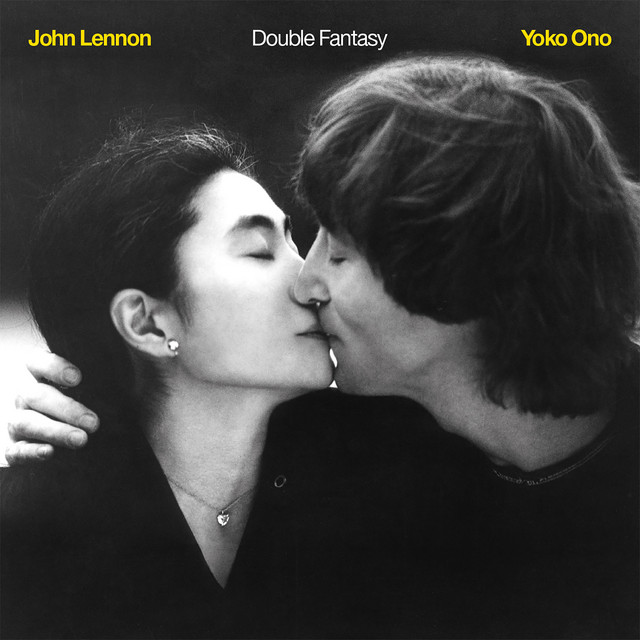
“(Just Like) Starting Over,” John Lennon, 1980

Lennon and his wife had shunned the public arena for nearly five years after the birth of their son Sean in 1975, choosing instead to stay squirreled away in their New York City apartment for the boy’s first five years. In 1980, Lennon felt the urge to write and record music once again, beginning a new chapter in his professional life, and the result was “Double Fantasy,” a collaborative John-Yoko album that alternated songs by each of them. They embraced the project enthusiastically, and the opening track and first single underscored how Lennon felt about this career move: “It’s time to spread our wings and fly, /Don’t let another day go by, my love, /It’ll be just like starting over…” Tragically, it would be his final chapter, his life cut short by a deranged assassin’s bullet only three weeks after the album was released.

“Moving,” Supergrass, 1999

From 1995-2005, Supergrass was one of England’s most successful rock bands, with five albums in the Top Ten, and seven Top Ten singles, including this compelling song from their third LP in 1999. Curiously, they made no impact in the US. Although its lyrics focus on the tedium a rock band experiences with non-stop touring, it can also be interpreted to bemoan the unpleasant aspects of continual relocation. Either way, the exhaustion and constant shifts inherent in moving is the point, shown in the numerous tempo shifts in the song’s arrangement: “Moving, just keep moving, /Well, I don’t know why to stay, /No ties to bind me, no reasons to remain, /So I’ll keep moving, just keep moving, /Well, I don’t know who I am, /No need to follow, there’s no way back again…”

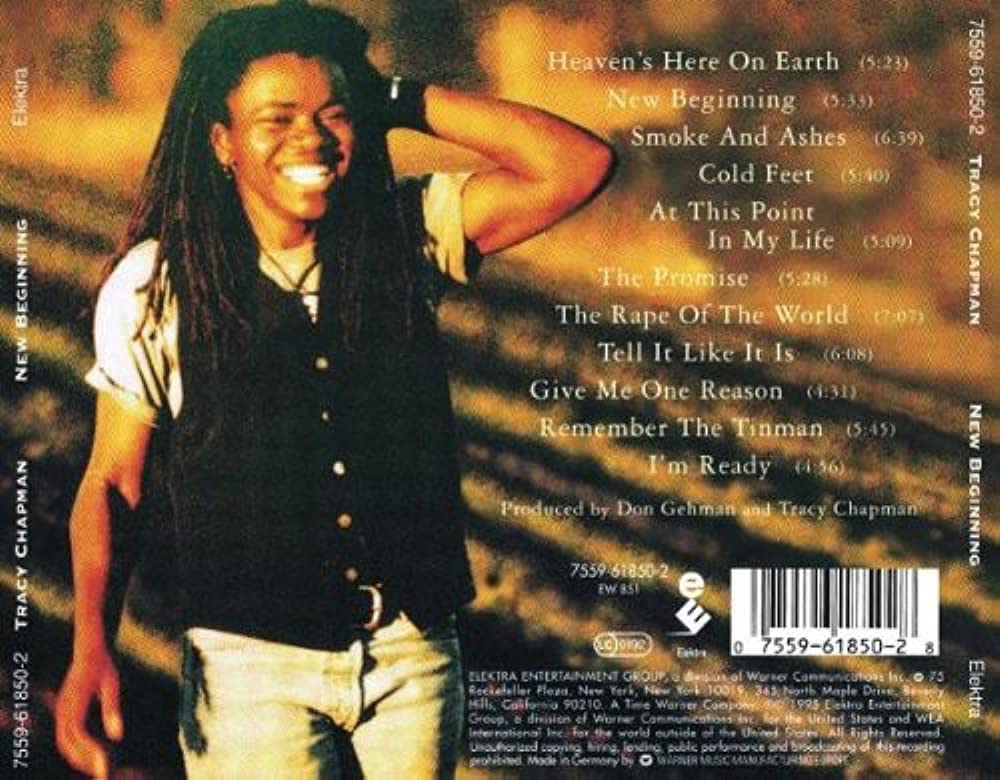
“New Beginning,” Tracy Chapman, 1997

Many moves are sparked by the need to wipe the slate clean and start anew. The lyrics to Chapman’s 1997 album and title song “New Beginning” center on her belief that our society is broken, rife with inequality and injustice, and the only move is to “start all over.” It might be a radical, even revolutionary notion to tear the system down, but she’s hardly the first person to suggest it, and the idea of making a new beginning, whether it’s a new government or just a move to a new house, is full of optimism and promise: “Too many stand alone, there’s too much separation, /We can resolve to come together in the new beginning, /Start all over, start all over…”

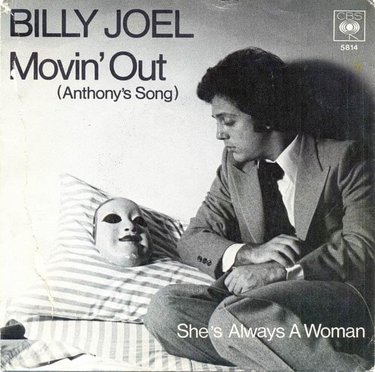
“Movin’ Out,” Billy Joel, 1977

Born in The Bronx and raised in Hicksville on Long Island, Joel is proud of his working-class roots, and found himself growing frustrated by his peers who seemed ashamed of their ethnic authenticity by embracing upwardly mobile bourgeois aspirations. “It seemed as if the families in my old neighborhood were obsessed with materialistic displays of having ‘made it,’ and it made me both angry and sad,” Joel said in 1978. “I thought it was ultimately kind of futile.” The song he wrote about it, which reached #17 on the pop charts, takes aim at those who forget where they came from by moving too far away: “Who needs a house out in Hackensack? Is that all you get for your money? /And it seems such a waste of time if that’s what it’s all about, /Mama, if that’s movin’ up, then I’m movin’ out…”

“Here I Go Again,” Country Joe and The Fish, 1969

Joe McDonald and Barry “The Fish” Melton formed a duo that became a psychedelic folk and rock band in Berkeley in 1965, moving to San Francisco to become regulars on the circuit at the Avalon and Fillmore ballrooms there. While much of their recorded catalog focused on counterculture issues like antiwar protests and the free speech movement, including the infamous “I-Feel-Like-I’m-Fixin’-to-Die Rag” made famous in the 1970 “Woodstock” film, the group had a few relationship-breakup songs in their repertoire as well: “I know once again that there is nothing we can save, /So I’ll pack up my things, I’ll be on my way, /Yes, here I go again, off down the road again, /Thinking thoughts of days gone by…”

“I’m Movin’ On,” Elvis Presley, 1969

First recorded and written by country star Hank Snow in 1950, Presley recorded “I’m Movin’ On” for his celebrated “From Elvis in Memphis” album that came in the wake of his 1968 TV comeback special. He was enamored by American Sound, a Memphis studio that specialized in a “country soul” genre popularized by their house band, The Memphis Boys, and these sessions produced “In the Ghetto” and “Suspicious Minds,” two of Presley’s biggest hits in years. The lyrics of “I’m Movin’ On” center on a man’s need to leave a relationship when his woman is ignoring or disrespecting him: “Well, I told you, baby, from time to time, /But you just wouldn’t listen or pay me no mind, /And now I’m movin’ on, I’m rollin’ on, /I’m through with you, too bad you’re blue, but I’m movin’ on…”

“Changes,” Loggins and Messina, 1974

David Bowie’s iconic song “Changes” was an early milestone for him in 1971, and Yes issued a track called “Changes” in 1984, but for this list, I have chosen to feature Jim Messina’s effervescent song “Changes,” which appeared on the Loggins and Messina LP “Mother Lode” in 1974. His song focuses on the changes needed for an artist to go from a struggling dreamer to a hardworking touring musician “with your name in lights.” Said Messina in 2016, “The one thing I’ve learned about the music business is that it seems to change constantly. We’re always on the move.” Here’s a sample lyric: “Maybe some change is all that we need, /Change is coming to help us succeed, /Change happens every day…”

“Time to Move On,” Tom Petty, 1994

This fine tune has been described as “a lesser known masterpiece” in Petty’s solo repertoire. Originally released on his celebrated “Wildflowers” LP in the mid-’90s, it has since become one of the most popular Petty tracks on streaming services. Although it’s credited to Petty alone rather than with The Heartbreakers, band members nevertheless participated in the album’s recording sessions and performed the song in concert. Petty’s songwriting deftly addressed the theme of facing challenges and uncertainty on life’s road, especially the yearning we feel to not stay in one place for too long: “It’s time to move on, time to get going, /What lies ahead, I have no way of knowing, /But under my feet, baby, grass is growing, /It’s time to move on, it’s time to get going…”

“Leaving on a Jet Plane,” Peter, Paul & Mary, 1967

Originally titled “Babe, I Hate to Go,” this poignant 1966 song by John Denver was interpreted by some to be about a young man who’s heading off to serve in Vietnam. Or is it merely a guy who’s breaking up with his lover and moving to a new town? “To me,” said Denver years later, “it’s simply a sad song about separating, about the regret of leaving someone you care for a great deal.” Because it was Peter, Paul and Mary who recorded the song in 1967 and took it to the top of US pop charts at the end of 1969, many people don’t know Denver wrote it, and also released it himself: “All my bags are packed, I’m ready to go, /I’m standing here outside your door, /I hate to wake you up to say goodbye, /But the dawn is breakin’, it’s early morn, /Taxi’s waiting, he’s blowin’ his horn, /Already I’m so lonesome I could cry… /I’m leavin’ on a jet plane, I don’t know when I’ll be back again, /Oh babe, I hate to go…”

“I’m Gonna Move to the Outskirts of Town,” Ray Charles, 1961

Casey Bill Weldon was a country blues musician from Arkansas who was one of the earliest practitioners of the laptop slide guitar. He wrote and recorded upwards of 60 songs on small labels in the 1930s, most notably the often-covered “I’m Gonna Move to the Outskirts of Town.” Count Basie and His Orchestra recorded the latter in 1942, and Quincy Jones arranged it for Ray Charles on the 1961 LP “Genius + Soul = Jazz.” Muddy Waters, Buddy Guy and B.B. King included their versions on various live albums, as did The Allman Brothers Band in 1970. Weldon’s lyrics talk about moving out of the city to the far reaches of town to keep other men from coming around: “Well let me tell you, baby, I don’t need nobody always hanging around, /We’re gonna have a dozen children, and they all better look like me, /Lord, when we move, yeah, way back down on the outskirts of town…”

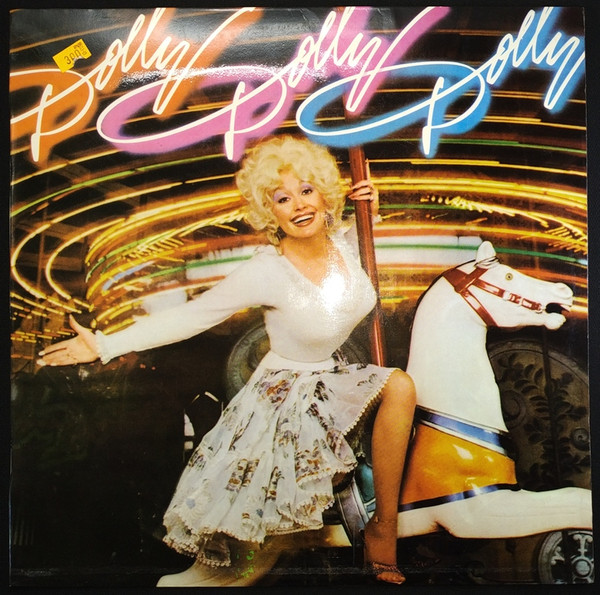
“Starting Over Again,” Dolly Parton, 1980

Bruce Sudano, who had just married Donna Summer in 1980, collaborated with her that year on a song he was writing about his parents’ divorce. “My parents had been married for 30 years when they decided to call it quits,” he recalls, “and the best way for me to work through that was to write about it.” The result was “Starting Over Again,” which Summer recorded, but when she offered it to Dolly Parton, the country star released it as the lead single from her “Dolly, Dolly, Dolly” LP, and it reached #1 on the country charts and even made the pop charts at a modest #36: “Starting over again, where should they begin? /’Cause they’ve never been out on their own, /Starting over again, /Where do you begin when your dreams are all shattered, and the kids are all grown, /And the whole world cries?…”

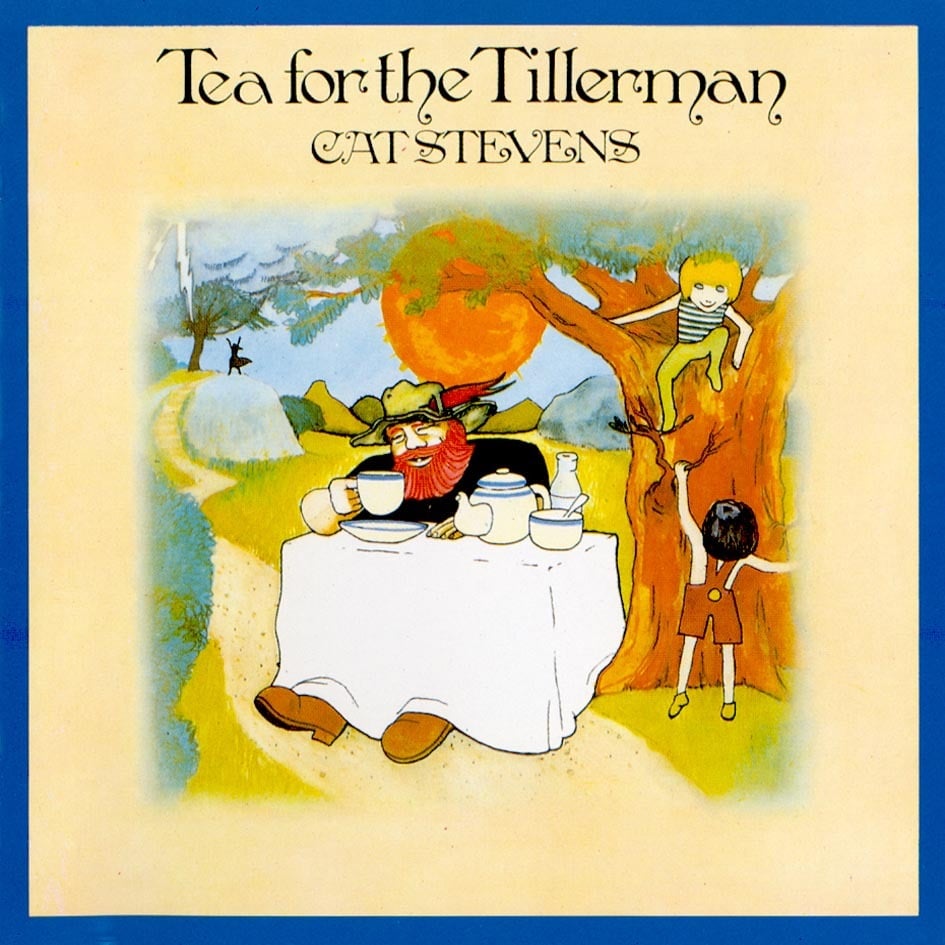
“On the Road to Find Out,” Cat Stevens, 1970

Stevens had begun his career as a songwriter and recording artist when he contracted tuberculosis at age 21 and almost died from it. “That gave me an entirely new perspective,” he recalled, “and I thought about where I was headed.” He took up meditation and yoga, learned about other religions and pursued a more spiritual path, which was reflected in the songs he would write for his breakthrough LP, “Tea For the Tillerman.” Perhaps the most reflective was “On the Road to Find Out,” which described the soul searching he was doing: “Well I left my happy home to see what I could find out, /I left my folk and friends with the aim to clear my mind out, /Well I hit the rowdy road, and many kinds I met there, /Many stories told me of the way to get there, /So on and on I go, the seconds tick the time out, /There’s so much left to know, and I’m on the road to find out…”

*****************************

Honorable mentions:

“I Gotta Move Out of This Neighborhood,” B. B. King, 1993; “Movin’ On,” Bad Company, 1974; “Gotta Move,” Barbra Streisand, 1963; “Starting Over,” Chris Stapleton, 2020; “People Gotta Move,” Gino Vannelli, 1974; “Moving On,” The Zombies, 2015; “Gonna Move,” Susan Tedeschi, 2002; “Moving On and Getting Over,” John Mayer, 2017; “You Gotta Move,” Aerosmith, 2004; “That’s It, I Quit, I’m Movin On,” Sam Cooke, 1962.

**************************