There’s still time to change the road you’re on
Upon moving to Los Angeles 11 years ago, I didn’t have to wait long before I found myself driving down streets and highways whose names I recognized from popular song lyrics:
“I flew past LaBrea out to Crescent Heights…I passed her at Doheny and I started to swerve…” — three major streets in West Hollywood off Sunset Boulevard, made famous in Jan & Dean’s “Dead Man’s Curve.”
“Drive west on Sunset to the sea…” As Sunset reaches the Pacific Coast Highway in Pacific Palisades, from Steely Dan’s “Babylon Sisters.”
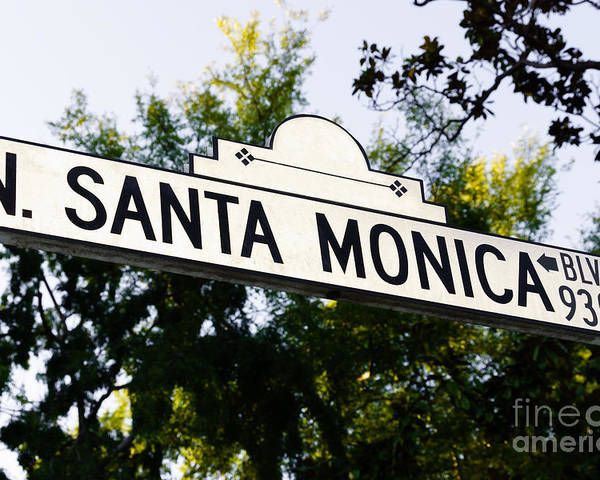
“…And the sun comes up on Santa Monica Boulevard” from Sheryl Crow’s “All I Wanna Do.”
And so on.
The same is true, no doubt, for those who move to New York City, or London, or any number of other areas of the country or the world where famous or obscure streets and highways inspire artists to write about them.
There are hundreds and hundreds of great songs from the classic rock era about hitting the road, written and/or recorded by artists from Eric Clapton to Bruce Springsteen, from Steppenwolf to Jackson Browne, from Joni Mitchell to The Doobie Brothers, among countless others. Most of these songs feature lyrics that could be about traveling on any road anywhere.
Today, let’s shine a light on 14 songs about specific roads. Perhaps you’ve driven down them yourselves, or will someday…
*****************************
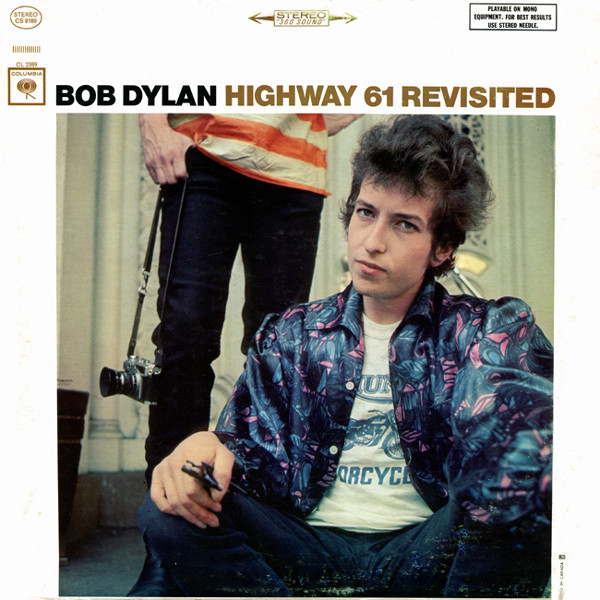
“Highway 61 Revisited,” Bob Dylan (1965)
Regarded by many fans as one of Dylan’s finest albums, “Highway 61 Revisited” features the titantic masterpiece “Like a Rolling Stone” and such serious works as “Ballad of a Thin Man,” “Queen Jane Approximately” and “Desolation Row.” One of the lighter moments is the breezy, bluesy title tune, complete with a siren whistle to punctuate each new verse with comical effect. The song was inspired by U.S. Highway 61, which runs from Louisiana north through the Mississippi River valley to Dylan’s home state of Minnesota. It’s the route followed by many Blacks as they left the South for jobs and opportunities in the North.
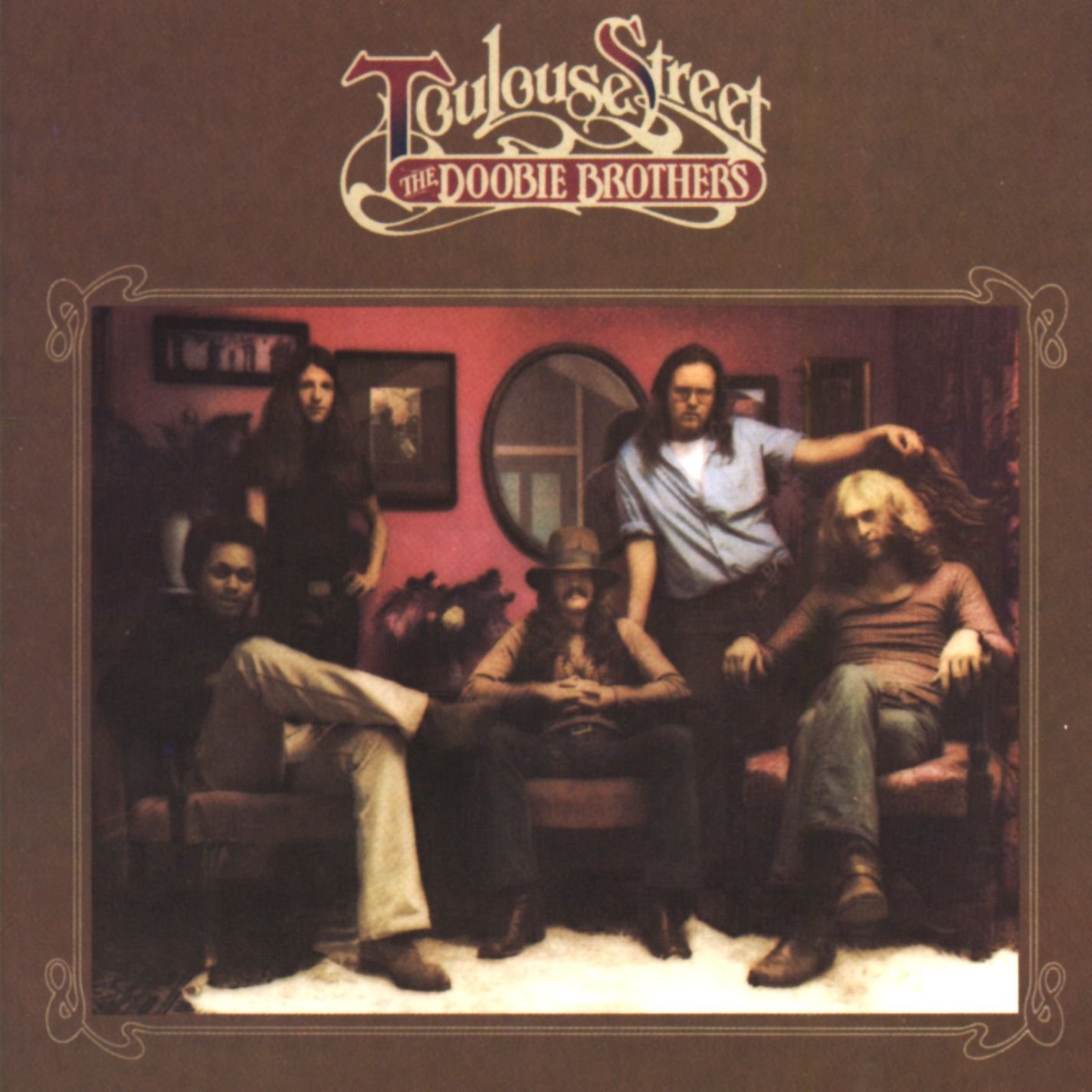
“Toulouse Street,” Doobie Brothers (1972)
One of the better known streets in New Orleans’ famed French Quarter, Toulouse Street is a magical brew of fabulous restaurants, sketchy strip bars, outrageous souvenir shops and mysterious voodoo characters. Doobies guitarist/singer/songwriter Patrick Simmons wrote the hauntingly beautiful ballad about some bad times in The Big Easy, with lyrics about Creole girls and back rooms where “the blood’s a-flowing fast, and spells have been cast.” The track stands in stark contrast to the harder edged rock found on the rest of the “Toulouse Street” LP, but Simmons actually contributed several more gentle pickin’ tunes to The Doobies catalog over the years.

“(Get Your Kicks on) Route 66,” Nat King Cole Trio (1946)
A fellow named Bobby Troup wrote this infectious standard during and after a cross-country trip he made with his wife just after World War II, much of it while traveling on U.S. Route 66, which runs from Chicago to L.A. Troup’s wife Cynthia suggested the title that rhymes “kicks” with “66.” The lyrics mention ten cities one encounters along the iconic highway (can you name them?), and Cynthia remarked later, “I can’t believe he didn’t find a way to include Albuquerque in the lyrics.” The jazz/blues tune has been recorded by more than 75 artists over the years, from Nat Cole and Bing Crosby to Chuck Berry and The Rolling Stones, from Glenn Frey and John Mayer to Natalie Cole and The Manhattan Transfer.
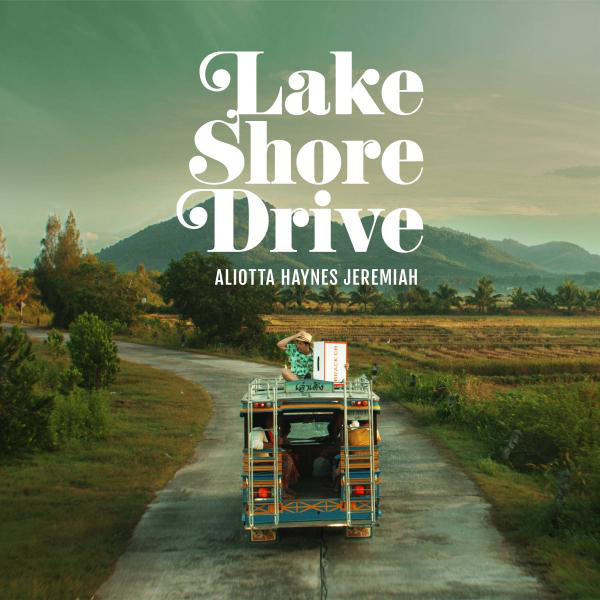
“Lake Shore Drive,” Aliotta Haynes Jeremiah (1972)
Those outside the Greater Chicago area may not be familiar with this one, but Windy City music fans have long hailed the irresistible beauty of this catchy, piano-driven ode to the famed roadway that runs along Lake Michigan from the North Shore past the Gold Coast to downtown. Guitarist Skip Haynes — one third of the trio with bassist Mitch Aliotta and keyboardist John Jeremiah — wrote the tune to celebrate the road he and his friends so often traveled as they headed into Chicago for nights on the town. The lyric “Just slipping on by on LSD, Friday night, trouble bound” was thought by those not familiar with Chicago to be a reference to the hallucinogenic drug, but Haynes insists that drugs have nothing to do with it. The song was revived for the “Guardians of the Galaxy Vol. 2” 2017 film sequel.

“Bleecker Street,” Simon and Garfunkel (1964)
One of Paul Simon’s first songs, which appears on the duo’s largely ignored debut LP “Wednesday Morning 3 A.M.,” pays tribute to the street that slices through the bohemian Greenwich Village neighborhoods of Manhattan in New York City. Simon and Garfunkel, both from Queens, frequented the numerous coffeehouses on Bleecker where many folk artists performed in the late ’50s and early ’60s. The simple melody and lyrics, typical of Simon’s early work, evoke a poetic vibe: “Voices leaking from a sad café, smiling faces try to understand, /I saw a shadow touch a shadow’s hand, on Bleecker Street… The poet reads his crooked rhyme, holy holy is his sacrament, /Thirty dollars pays your rent on Bleecker Street…”
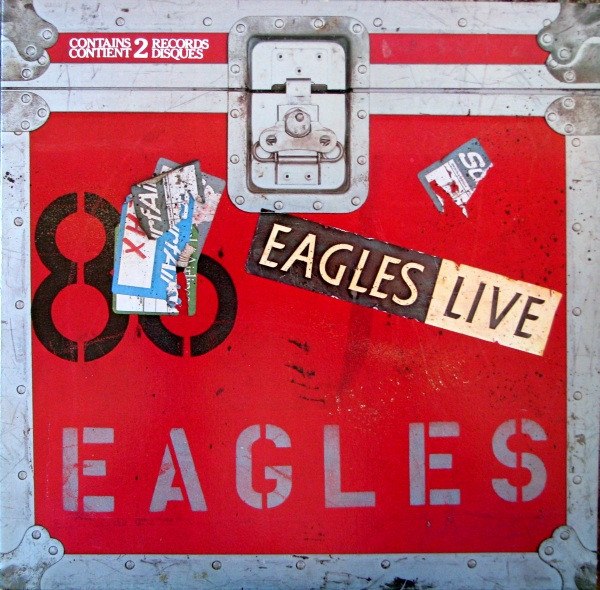
“Seven Bridges Road,” The Eagles (1980)
This pretty piece was written in 1969 by country rock musician Steve Young, named after a road that leads southeast out of Montgomery, Alabama. On maps today, it’s identified as Rte 39, or Woodley Road, but for a century or more, it was known by locals as Seven Bridges Road because of the seven wooden bridges one had to traverse as it headed into rural country and ended as a dirt road there. Said Young, “Consciously, I was writing a song about a girl and a road in south Alabama, but I think, on another level, the song has something kind of cosmic about it that registers in the subconscious. The number seven has all of these religious and mystical connotations.” He recorded it in 1969, and Ian Matthews devised a five-part harmony for it on his 1973 rendition, but it’s the version by The Eagles that is best known. They began all their post-1979 concerts with it, and included it on their live 1980 LP.
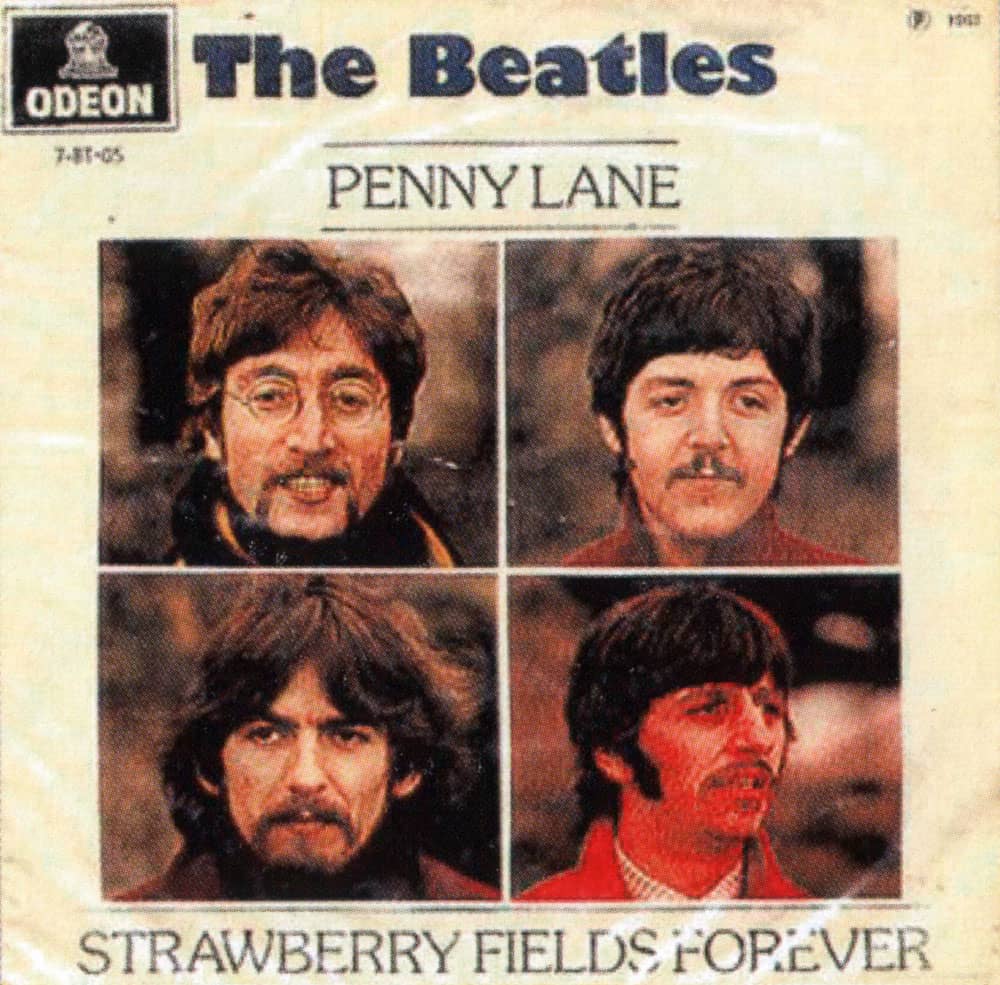
“Penny Lane,” The Beatles (1967)
As a counterpoint to complement John Lennon’s song of childhood remembrance, “Strawberry Fields Forever,” Paul McCartney came up with this whimsical tune about Penny Lane, a retail area and transit turnaround in a suburb of Liverpool, England. The lyrics paint a carefree picture that captured the activities and characters — the banker, the nurse, the barber, the fireman — McCartney recalled seeing there when he was a boy. Just as Lennon’s song uses a somewhat surreal melody and arrangement to match his enigmatic lyrics, McCartney’s happy-go-lucky melody provides a suitable underpinning to carry the buoyant words. The songs, released as a double A-side single in February 1967, topped the charts in the US and is regarded as one of The Beatles’ best.

“Creeque Alley,” The Mamas and The Papas (1967)
This autobiographical song by John Phillips tells the story of The Mamas and The Papas — how they met, how they got together, how they became famous, and what was going on with some of their musical contemporaries at the time. The title, which is never mentioned in the lyrics, refers to Creque Alley, a tiny lane in the Virgin Islands where Phillips, his new wife Michelle and his first band, The New Journeymen, used to perform and hang out in a club there. The group was struggling financially while living there, but soon made their way to Los Angeles and a record deal. By the final verse, when “California dreamin’ is becoming a reality,” they’ve left behind the spartan life on Creque Alley. The song peaked at #7 in 1967 and became their final Top Ten hit.

“The E Street Shuffle,” Bruce Springsteen and The E Street Band (1973)
During his formative years, Springsteen wrote quite a few songs about streets, from the fictional “Thunder Road” to the Manhattan-based “Does This Bus Stop at 82nd Street?” Following a largely ignored debut LP, Springsteen broadened his musical palette to write more operatically for his follow-up album, “The Wild, the Innocent and the E Street Shuffle.” Springsteen’s original piano player, the brilliant David Sancious, lived on E Street in Belmar, a town near Asbury Park, NJ, and the fledgling band often met and rehearsed there. They began referring to themselves as the E Street Band, and Springsteen wrote the funky, horn-heavy album opener, “The E Street Shuffle,” to commemorate that fact.

“52nd Street,” Billy Joel (1978)
Following the enormous success of “The Stranger” album and its multiple hit singles, Joel took a praiseworthy turn toward jazzier themes and arrangements, which showed up in sophisticated tunes like “Zanzibar,” “Stilletto” and “Honesty.” They can all be found on Joel’s aptly named LP “52nd Street,” the Manhattan street that served as the hotbed of jazz clubs in New York City in the ’40s and ’50s, and perhaps not coincidentally, the location of the studio he used to record the album in the ’70s. The brief title song deftly draws a parallel between romance and jazz music: “They say it takes a lot to keep a love alive, /In every heart there pumps a different beat, /But if we shift the rhythm into overdrive, /Well, we could generate a lot of heat on 52nd Street…”
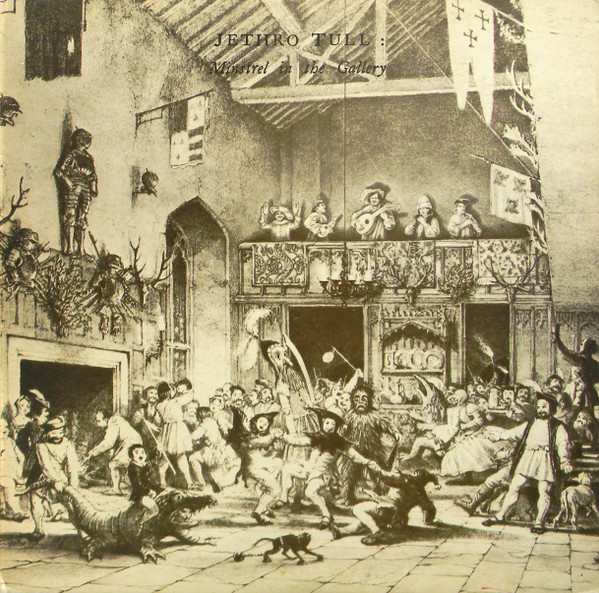
“Baker St. Muse,” Jethro Tull (1975)
Three years before Gerry Rafferty had an international hit with his sax-dominated tune “Baker Street,” Ian Anderson wrote this 16-minute, four-part suite about the same street for Tull’s “Minstrel in the Gallery” album. It offers a wistful, rather melancholy look at the various sketchy characters and sordid scenes encountered during a walk down Baker Street, a major boulevard in London, in the 1970s. Prostitutes, drunks, weary beat cops and opportunists populate Anderson’s impressive piece as its navigates multiple tempos, genres and instrumental arrangements. The final section finds Anderson looking at his own career at that point, making sure not to take himself too seriously (“If sometimes I sing to a cynical degree, it’s just the nonsense that it seems…”)
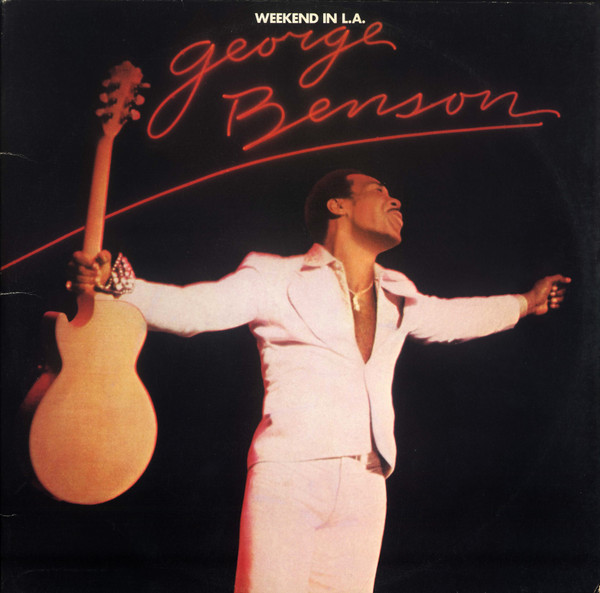
“On Broadway,” George Benson (1978)
The iconic thoroughfare of Broadway, in the heart of Manhattan, one of the world’s top two centers of theater arts, has been the inspiration for numerous movies, plays and songs over the past century. Many of them focus on the hopes and dreams of aspiring actors and musicians who want nothing more than to have their names up in lights on a theater marquis there. The song “On Broadway,” which does a particularly fine job of this, was the result of a rare collaboration between two famous songwriting teams. Barry Mann and Cynthia Weill, who wrote it as a perky shuffle for the girl group The Cookies, reworked it into more of a bluesy tempo with assistance from Jerry Lieber and Mike Stoller. The Drifters nailed it with a version that reached #9 in 1963 followed by numerous other artists’ attempts. Jazz guitarist/vocalist George Benson did a fabulous remake in 1978, peaking at #7 on the pop charts.

“Telegraph Road,” Dire Straits (1982)
Singer/guitarist/songwriter Mark Knopfler was on tour in the Midwest U.S. one day on a tour bus, reading a book about the degradation of urban centers. He noticed that he was on one road, Telegraph Road, for a very long time, and observed how the landscape and development changed dramatically as it headed north from the Ohio border past Detroit into the northern suburbs. He saw a parallel between what he was reading about and what he was seeing as he traveled the lengthy thoroughfare. A few months later, he was moved to write one of his most impressive compositions, a multi-part, 14-minute masterpiece named for the road in question, which would appear on Dire Straits’ next LP, “Love Over Gold.” The tune goes through about as many changes as the road he had been traveling.
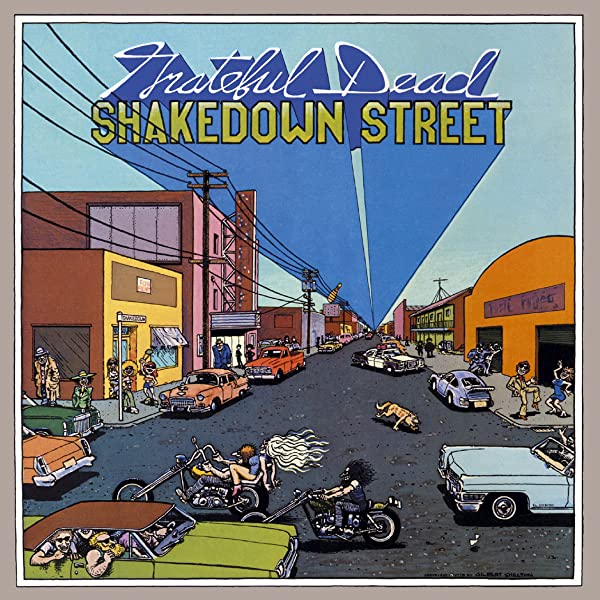
“Shakedown Street,” Grateful Dead (1978)
Not a real street at all, but a term coined by lyricist Robert Hunter in the title song of the Grateful Dead album of the same name. Hunter used the phrase to describe the kind of sketchy urban boulevards found in countless large cities where drugs, prostitution and street hustles reigned supreme, and customers were often fleeced. Since the song’s release in the late ’70s, the term “Shakedown Street” has evolved in more recent years to connote the area in parking lots at Grateful Dead (and other jam band) concerts where fast-talking vendors sell food items, beverages and many other wares of questionable value.
****************************
We’ll conclude with a tip of the hat to some of the great generic songs about the pleasure and freedom of driving, life on the highway, and the allure of the road: “Life is a Highway,” Tom Cochrane (1992); “Born to Be Wild,” Steppenwolf (1968); “Rockin’ Down the Highway,” The Doobie Brothers (1972); “The Road,“ Jackson Browne (1977); “Racing in the Streets,” Bruce Springsteen (1978); “I Can’t Drive 55,“ Sammy Hagar (1984); “Ramblin’ Man,” Allman Brothers Band (1973); “On the Road Again,” Willie Nelson (1980); “Refuge of the Road,“ Joni Mitchell (1976); “Riders on the Storm,” The Doors (1971).
****************************






 Hack's Back Pages