We will offer our tributes of praise
Six months or so ago, I wrote a piece for this blog about how musical artists have periodically inserted other artists’ names in the lyrics to their songs. Steely Dan’s “Hey Nineteen” mentions Aretha Franklin; Neil Young’s “Long May You Run” cites The Beach Boys; Stephen Bishop’s “On and On” tips his hat to Frank Sinatra; Bruce Springsteen’s “Thunder Road” calls out Roy Orbison; and so on. Arthur Conley’s “Sweet Soul Music” makes references to Otis Redding, Wilson Pickett, James Brown, Lou Rawls and San & Dave all in the same song. Hell, Billy Joel’s “We Didn’t Start the Fire” mentions more than 50 different people by name!
This week, though, I thought I’d look at this idea again, but from a deeper perspective. There are several dozen examples of tunes by major artists who have written songs whose main subject, even the title, is about a real person — musician, politician, actor, athlete, painter, even inventor. These songs amount to odes, or tributes, to the person’s life or career.
And by and large, they’re damn good songs, not just lame attempts to ride the coattails of the celebrity’s status as a notable historical figure, bonafide legend or pop idol. I submit that these 21 songs about real people — some very familiar, some probably brand new to you — are worth your time and attention. I suspect you’ll enjoy the Spotify playlist at the end.
************************
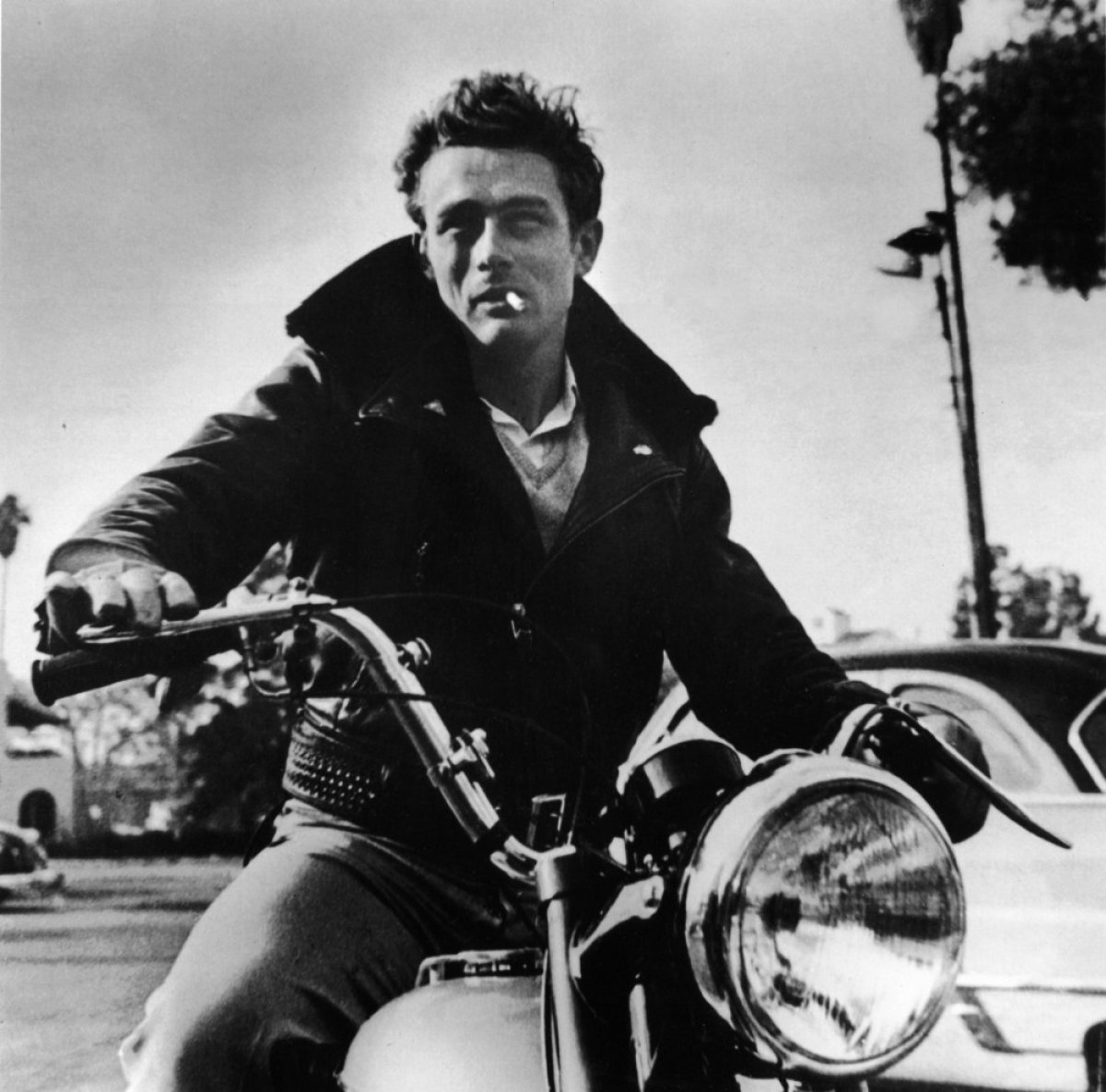
“James Dean,” The Eagles, 1974
For their second album in 1973, The Eagles released “Desperado,” a sort of outlaw/cowboy concept album, right down to the cover featuring the band as gunslingers. An outtake from that LP that didn’t quite make the cut, “James Dean,” was reworked, beefed up with Don Felder’s wicked guitar licks, and included on their third album, “On the Border.” Written by Glenn Frey and Don Henley with help from Jackson Browne and J.D. Souther, the song paid tribute to the iconic actor from the 1950s who, as the phrase went, “lived fast, died young, and left a beautiful corpse,” dying at age 24 after making a handful of notable films (“Rebel Without a Cause,” “East of Eden”). Dean has proven to be a lasting symbol of rebellion, youthful defiance, and the restless spirit, which The Eagles aspired to embrace: “You were the lowdown rebel if there ever was, even if you never had no cause, /James Dean, you said it all so clean, and I know my life would look all right, if I could see it on the silver screen…”
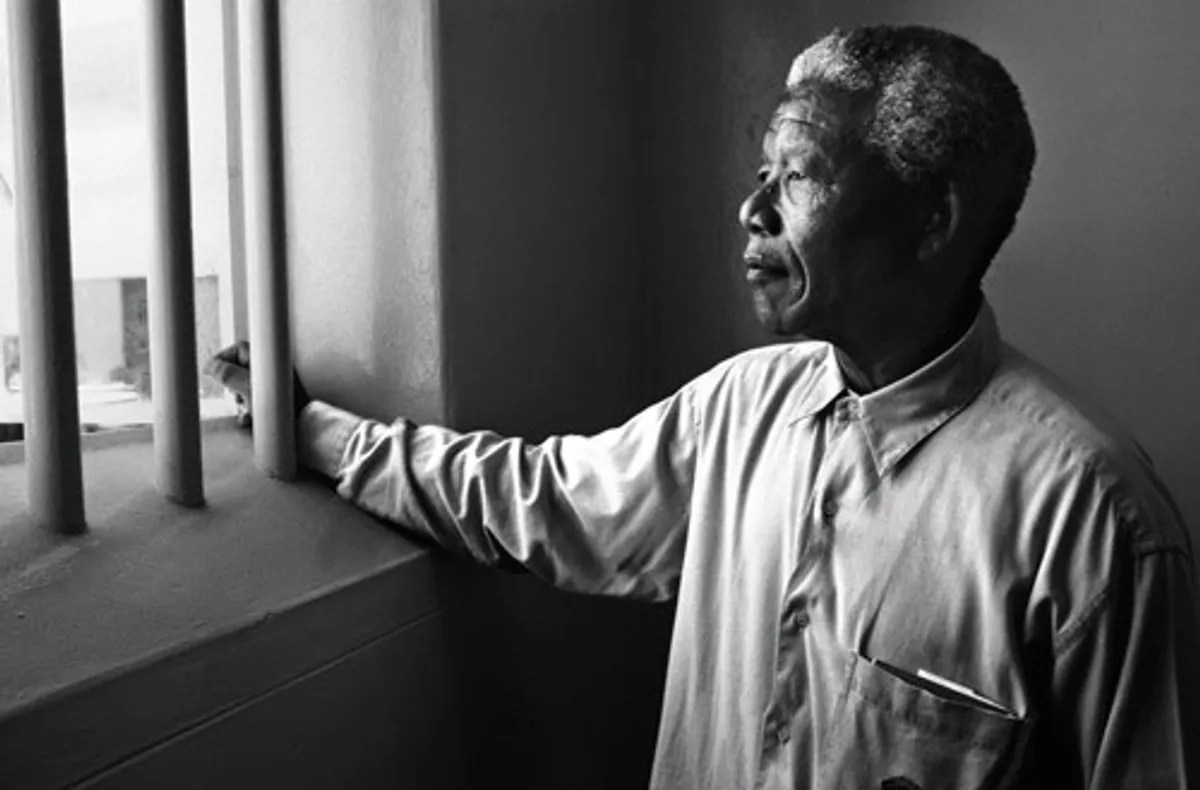
“Mandela Day,” Simple Minds, 1989
The Irish-based Simple Minds were huge in England and Ireland for many years, and in the mid ’80s, they had a serious run in the US, including the smash #1 hit “(Don’t You) Forget About Me” from the popular film “The Breakfast Club,” and the #10 album “Alive and Kicking,” with its three singles “Alive and Kicking” (#3), “Sanctify Yourself” (#14) and “All the Things She Said” (#28). Four years later, the band released the superb “Street Fighting Years,” but the political bent of some tracks seemed to make it less commercially appealing. Still, one song in particular, “Mandela Day,” became an FM favorite here, offering compelling music and what turned out to be prescient lyrics about Nelson Mandela, the non-violent leader of the Anti-Apartheid Movement in South Africa. Written for a special 1988 tribute concert, the song was released in 1989, only eight months before Mandela was finally released after 33 years in prison.
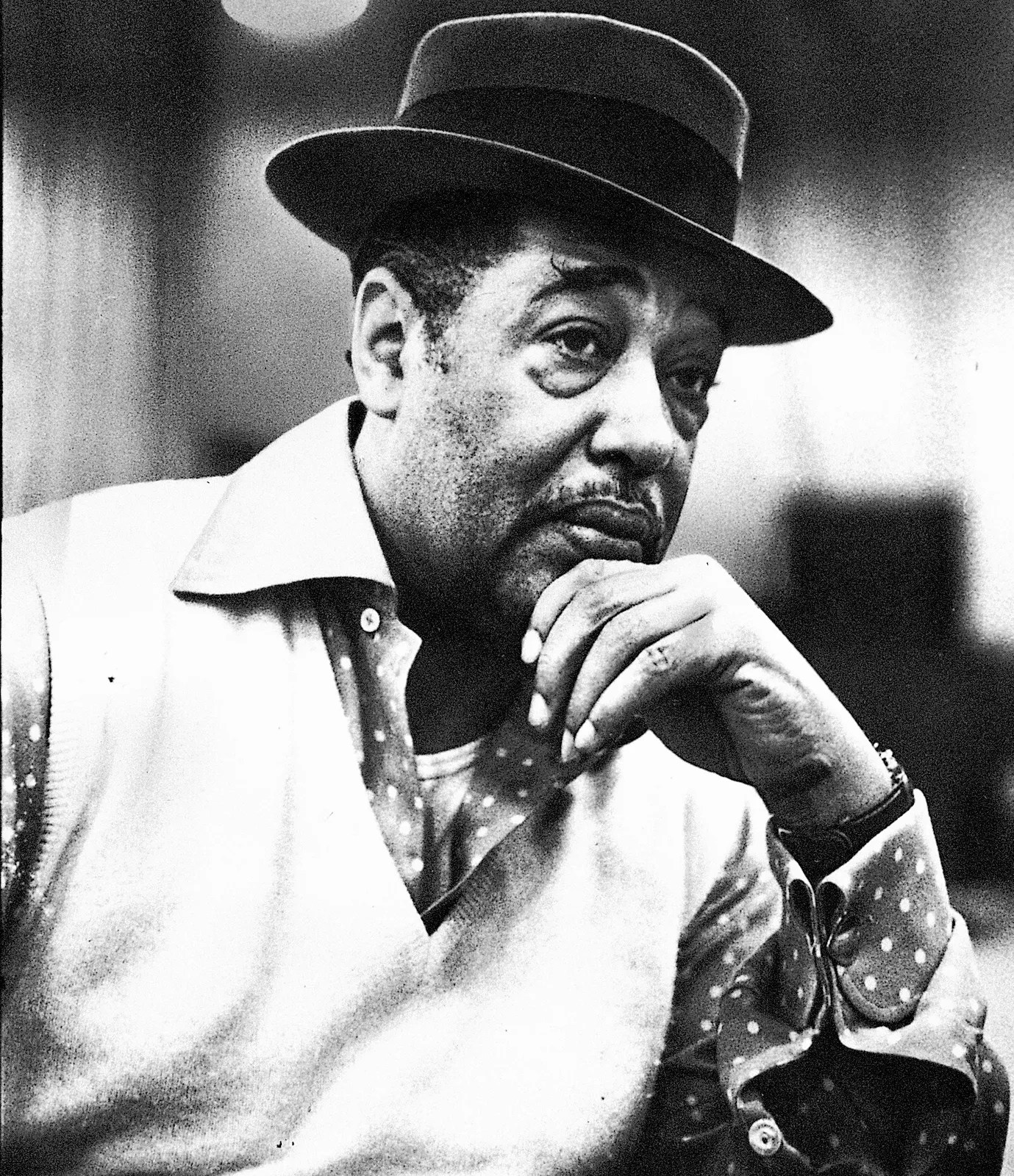
“Sir Duke,” Stevie Wonder, 1976
Jazz legend Duke Ellington was a titan of the Big Band era from the 1920s well into the 1950s, setting the gold standard as a pianist, composer and bandleader. When he died at age 75 in 1974, Stevie Wonder was among many dozens of musicians who were moved to pay tribute to his impact and widespread influence. As he was recording his magnum opus LP “Songs in the Key of Life” in 1975-76, Wonder came up with “Sir Duke,” an exuberant, horn-driven celebration of the Big Band genre that called out Ellington and other luminaries by name: “Here are some of music’s pioneers that time will not allow us to forget, /For there’s Basie, Miller, Satchmo, and the king of all, Sir Duke, /And with a voice like Ella’s ringing out, there’s no way the band can lose, /You can feel it all over, people…” The song not only reached #1 as a single, it became a new standard for high school marching bands ever since.

“Steve McQueen,” Sheryl Crow, 2002
By the time her fourth album “C’mon, C’mon” was released in 2002, Crow had already won multiple Grammys and bonafide status as a leading female rock artist at age 40. Her original songs included elements of blues, folk, country and pop but were largely considered mainstream rock. In the wake of the unnerving events of 9/11, Crow said she was eager to write songs that were full of positivity, including the album’s first single, the upbeat “Soak Up the Sun,” her sixth Top 20 hit on US pop charts. For her follow-up single, she picked “Steve McQueen,” a tune she wrote as an homage to the “King of Cool” actor she had admired for his passion for freedom, speed and escape. The corresponding music video features Crow racing around in fast cars and motorcycles as McQueen did in his movies “The Great Escape” and “Bullitt.” Even though the track was basically a flop at #88, it nevertheless garnered her a Best Female Rock Vocal Performance Grammy.
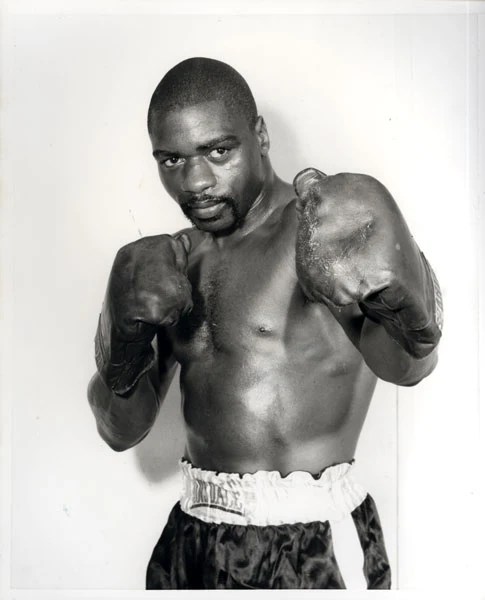
“Hurricane,” Bob Dylan, 1976
Rubin “Hurricane” Carter was a middleweight boxer with a bright future in 1966 when he was accused of a triple murder in New Jersey, convicted in 1967 and given a life sentence. Carter’s autobiography, written in prison in 1974, told the story of alleged trumped-up charges, prosecutorial misconduct, sketchy testimony and a corrupt judge. When Bob Dylan happened to read about the miscarriage of justice, he was sufficiently outraged to write a lengthy ode about it, titled simply “Hurricane.” Clocking in at more than eight minutes, the 11-stanza track became an unlikely single (in abridged form) that reached #33 in early 1976 and was featured on Dylan’s #1 LP “Desire” the same year. Lawyers for Columbia made him alter some of the lyrics to avoid a libel suit, but the words that remained were damning indeed, and Carter’s case was overturned in 1985. “All of Rubin’s cards were marked in advance, the trial was a pig circus, he never had a chance, the judge made Rubin’s witnesses drunkards from the slum, to the white folks who watched, he was a revolutionary bum…”

“John Sinclair,” John Lennon, 1972
As a Beatle and as a solo artist, Lennon wrote passionately about himself, his feelings and his beliefs, and that usually translated into memorable songs. Following the triumph of 1971’s “Imagine” LP, he and Yoko Ono moved to New York and became very visible celebrities on the anti-war political scene, culminating in the release of “Some Time in New York City,” a bloated double album full of forgettable tracks protesting everything from sexism and racism to injustice and colonialism. There are only two or three songs on the album worth discussing, one of which is “John Sinclair,” a bluesy shuffle featuring Lennon on dobro and vocals. Sinclair was a self-described “jazz poet,” manager of the Detroit band MC5, and a political radical who was arrested in Michigan in 1971 for giving two joints to an undercover cop and sentenced to ten years in jail. Railing against the unduly harsh punishment, Lennon performed “John Sinclair” at a rally, and when marijuana laws were reformed in Michigan, Sinclair was freed, which reduced the impact of the song when it was released six months after the fact.

“Tim McGraw,” Taylor Swift, 2006
Swift was only 17 when she released her self-titled debut LP in 2006, an impactful album of country music tinged with pop and rock elements. It spent 24 weeks atop the country album charts and reached #6 on the pop album charts as well, helped by five singles. The first of those was “Tim McGraw,” a song she wrote about a summer romance that had passed, in which the narrator pleads with her ex-boyfriend to remember her every time he hears her favorite song by this popular country artist. It barely made the pop charts at #40, but reached #6 on country charts and went on to sell a million copies as Swift’s stardom took off. So what did McGraw himself think about all this? In a 2021 interview, he said he had reservations about it — “Have I gotten to that age now to where they’re singing songs about me? Does that mean I’ve jumped the shark a bit or something?” — but he ultimately enjoyed the song and the attention it brought him, and he and Swift have become good friends.
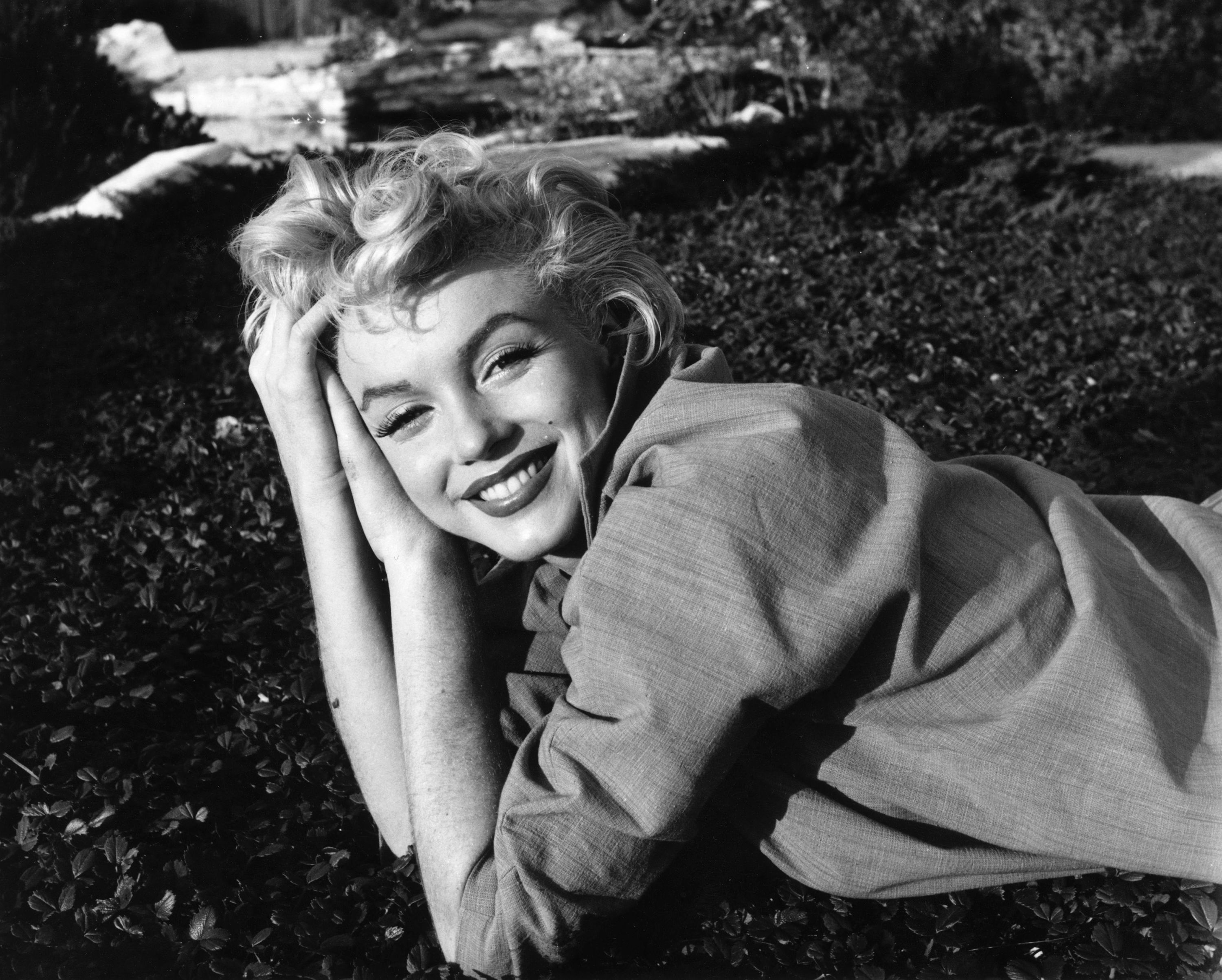
“Candle in the Wind,” Elton John, 1973
Elton John’s longtime lyric-writing partner Bernie Taupin had always been a big Marilyn Monroe fan, and for their landmark “Goodbye Yellow Brick Road” LP, they decided to write a tribute — using her given name, Norma Jean Mortenson — about her tortured life in the spotlight (“They set you on the treadmill, and they made you change your name…”) and sordid demise (“the press still hounded you…all the papers had to say was that Marilyn was found in the nude…”). It reached #11 as a single in the UK in 1974, but it wasn’t a big hit here until 1987 when a live version from his popular “Live in Australia with the Melbourne Symphony Orchestra” album peaked at #6 on US pop charts. Then in 1997, Elton and Bernie made the unprecedented move of writing a new set of lyrics to this song to commemorate Lady Diana after her tragic death, turning “Goodbye, Norma Jean” into “Goodbye, England’s Rose”: “And your footsteps will always fall here along England’s greenest hills, your candle’s burned out long before your legend ever will…”
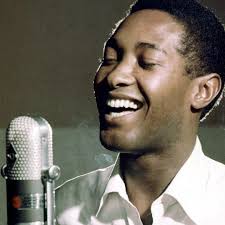
“Song for Sam Cooke (Here in America),” Dion & Paul Simon, 2020
In 2010, Dion DiMucci (famous for early ’60s hits “Runaround Sue” and “The Wanderer”) was approached by a friend who had read his recently published memoir and suggested that he write a song about an episode he shared about going to a soul dive joint with Sam Cooke in the Deep South in 1962. “Some folks were getting on my case for being there, and Sam stood up for me,” Dion recalled. “He was a real gentleman.” Dion began writing what became “Song for Sam Cooke (Here in America)” but stuck it in a drawer for a few years. In 2019, when he collaborated with other artists on his “Blues With Friends” LP, he worked with Paul Simon to finish the tribute to Cooke, and the two men teamed up to record the song. “Paul saw it like I saw it, as a song about brotherhood and understanding, and that America is about trying to fix things that are wrong.” It was released as a single in 2020, but it failed to chart, although the album was highly praised among blues aficionados. I think it’s extraordinary, and well worthy of your attention.

“Bette Davis Eyes,” Kim Carnes, 1981
You might be as surprised as I was to learn that singer Jackie DeShannon co-wrote this tune in 1974 and recorded it for her “New Arrangement” LP in 1975 in an R&B tempo featuring piano, pedal steel and horns. It remained a deep album track, but in 1981, singer Kim Carnes was encouraged by her producer to record a cover version for her next LP. Carnes didn’t much care for it until her keyboard player, Bill Cuomo, came up with the synthesizer riff that ended up defining Carnes’ reimagining of the song. It became one of the biggest hits of the year, spending nine weeks at #1 and ultimately winning Song of the Year and Record of the Year Grammys. Davis, who was 73 that year, wrote letters to Carnes and DeShannon, thanking them for “making me a part of modern times. My grandson is thrilled about it!”
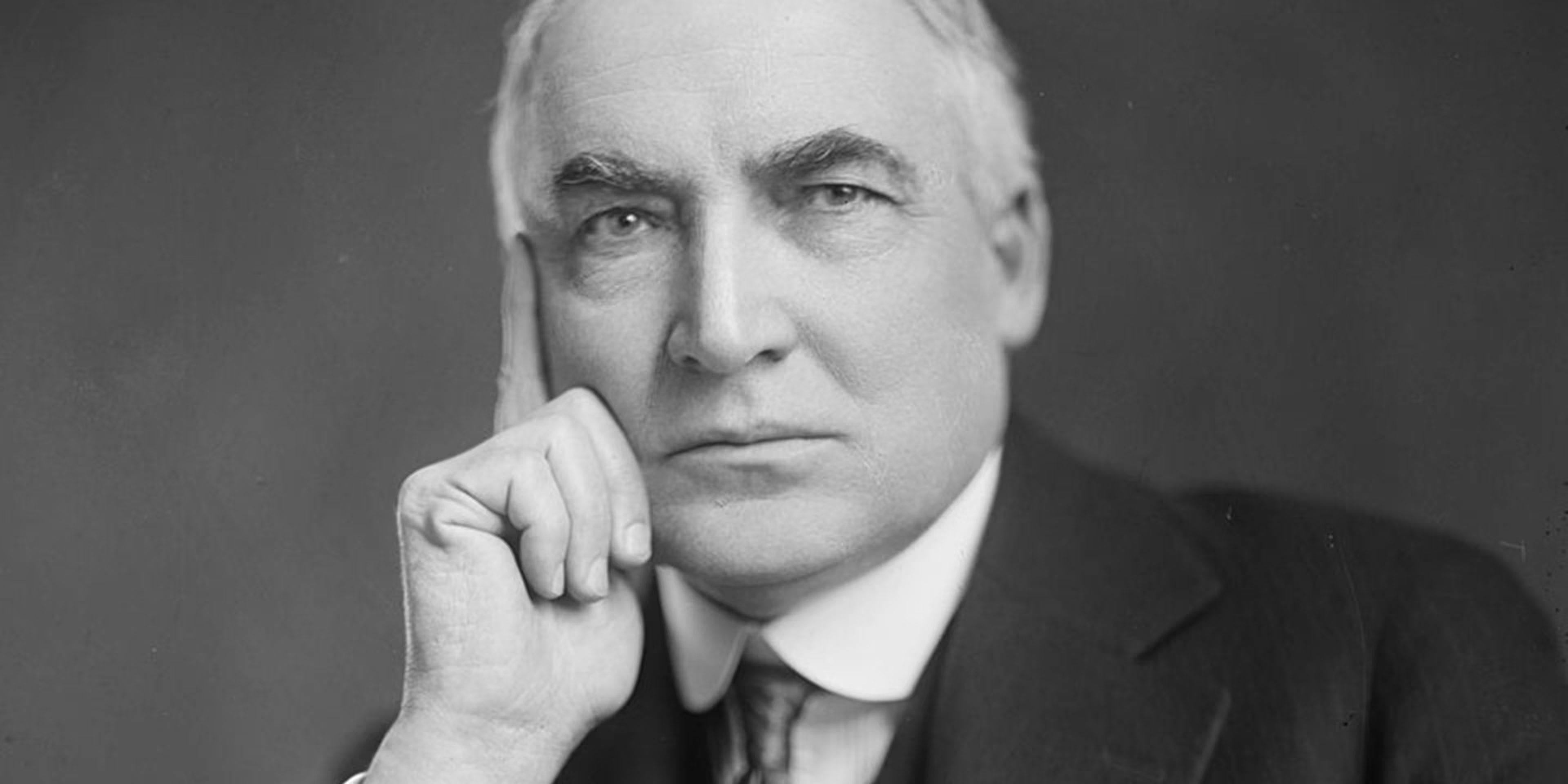
“Warren Harding,” Al Stewart, 1973
From the very beginning, Al Stewart wove compelling stories in his lyrics, creating interesting characters and developing little vignettes that held the listener’s interest. His biggest hit, 1976’s “Year of the Cat,” is probably the best example of that. Back in 1973, his LP “Past, Present and Future” was a fascinating collection of songs about various people and events in history, from the 16th Century seer Nostradamus to “The Last Day of June 1934.” I’ve always been taken by “Warren Harding,” a thumbnail sketch of America’s 29th President, who served during the so-called Roaring ’20s. Stewart said he found Harding intriguing as a man who seemed to be in over his head in the world’s most challenging position, and ultimately died in office of a heart attack after several scandals: “Warren Gamaliel Harding, alone in the White House, /Watching the sun come up on the morning of 1921… Don’t go down to the docks tonight, the cops are nosing around for the site, /We moved the booze just before daylight, they won’t find it now, it’ll be alright…”
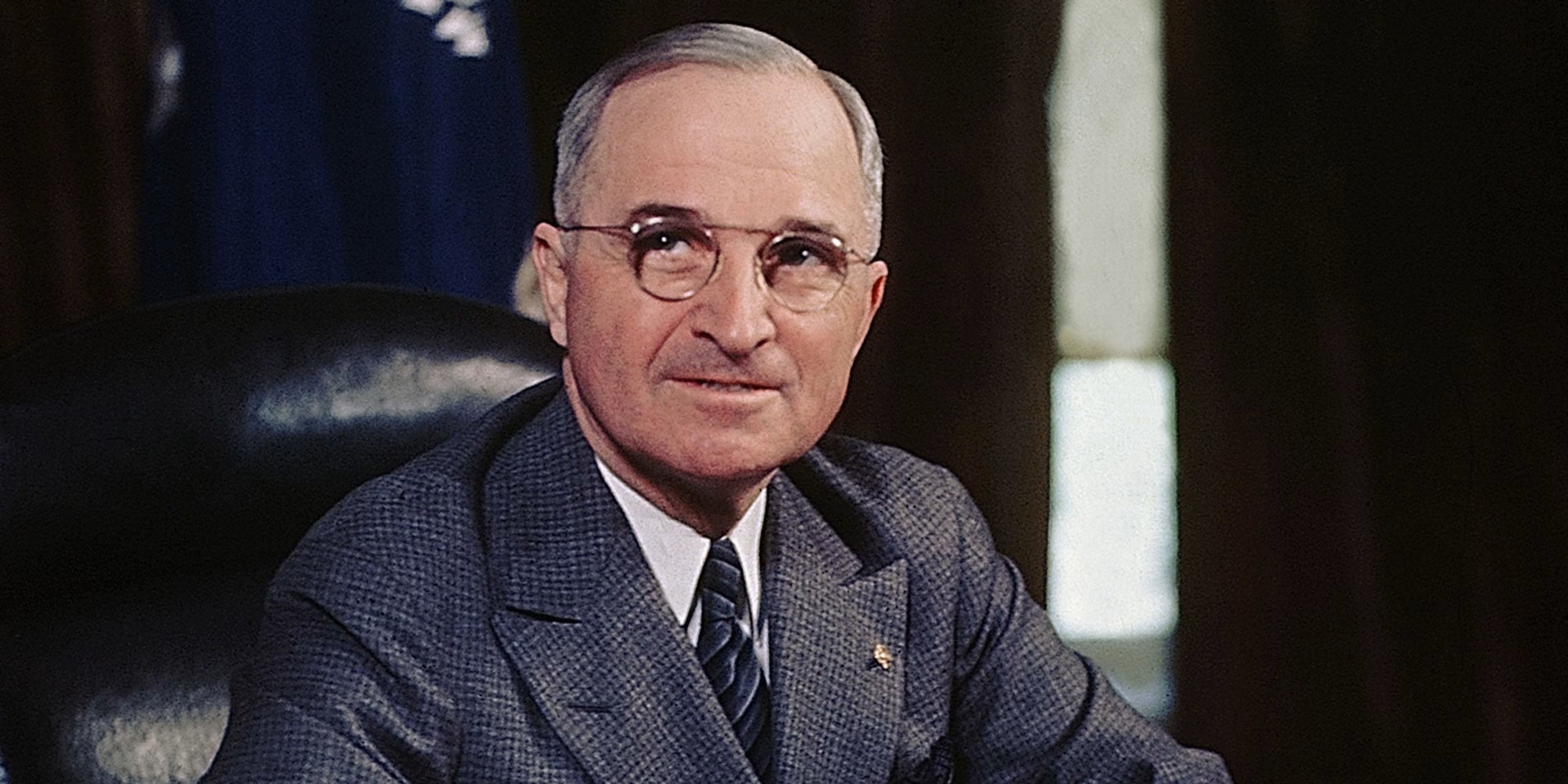
“Harry Truman,” Chicago, 1975
You may have forgotten (or never knew) that Chicago’s first few albums gave evidence of their interest in liberal politics. On the debut LP, there’s “Someday.” On Chicago II, there’s “Poem For the People” and the anti-war “It Better End Soon.” Chicago III included the ecologically minded “Mother” and a tattered US flag as its cover art. The lyrics were sometimes a bit sophomoric, but you got the sense their heart was in the right place. After Richard Nixon resigned in disgrace in 1974, keyboardist/singer Robert Lamm often mentioned in concert how Nixon’s legacy would be increasing Americans’ distrust in government. He drove this point home on their next LP, “Chicago VIII,” with its lead single, “Harry Truman,” which reached #13 on US pop charts in early 1975. Lamb had been reading a biography of Truman and found him to be an inspiring figure by comparison: “America needs you, Harry Truman, /Harry, could you please come home? /Things are looking bad, I know you would be mad to see what kind of men prevail upon the land you love…”
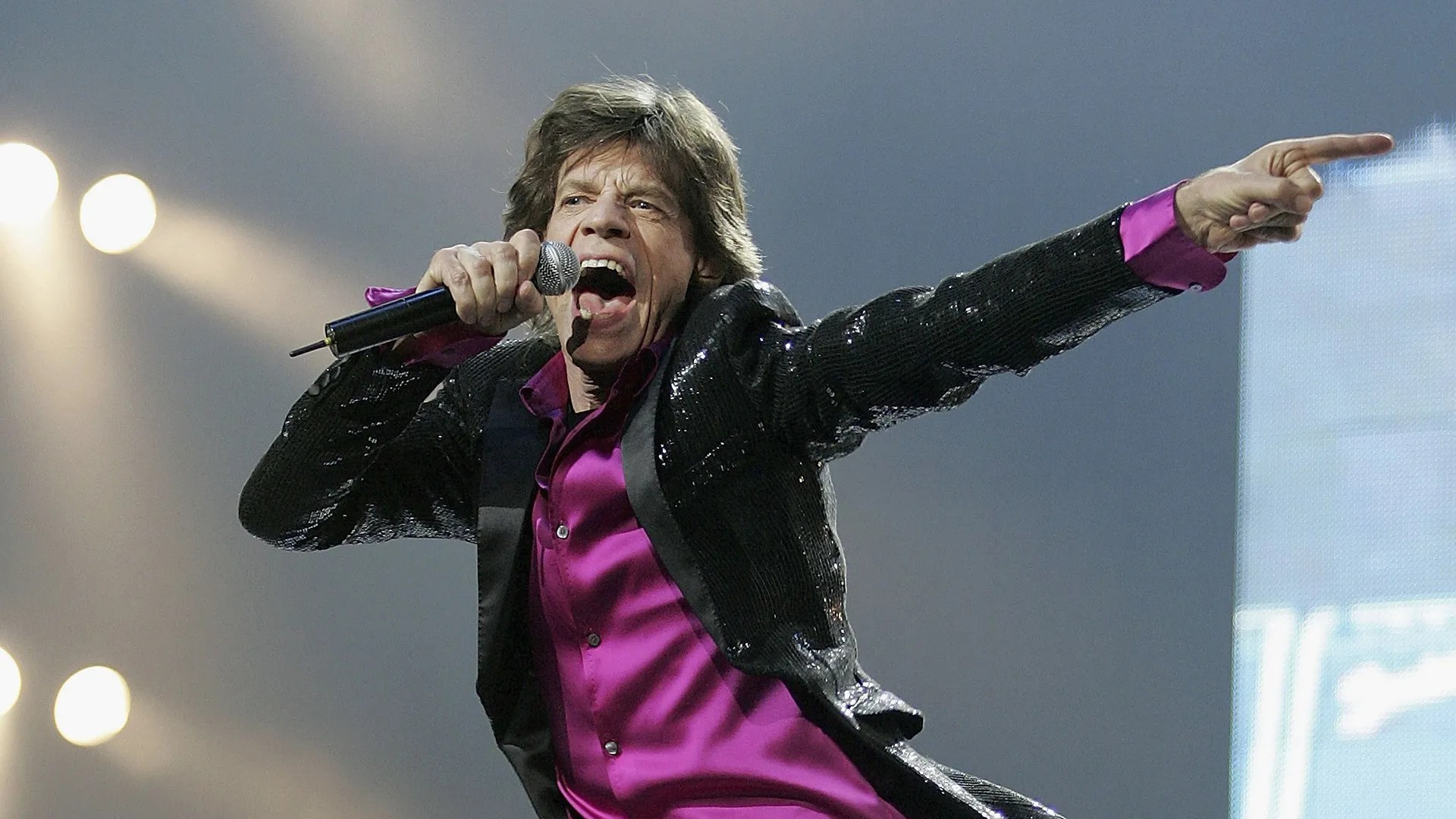
“Moves Like Jagger,” Maroon 5, 2010
The LA-based Maroon 5 came on strong beginning in 2002, scoring three Top Five singles and three Top Ten albums in its first seven years. By 2011, lead singer Adam Levine branched out to become a coach/judge on “The Voice,” and he began a friendly rivalry with singer Christina Aguilera. The two stars combined forces that year to sing “Moves Like Jagger,” an electropop song Levine co-wrote that soared to #1 on US pop charts and in more than a dozen other countries as well. Levine’s lyrics refer to a man’s desire to impress women with his dance moves, citing The Rolling Stones front man as a shining example. Synthesizers and electronic drums dominate the disco-ish arrangement, and critics praised the vocals, particularly Aguilera’s contributions. A music video of the song features archival footage of Mick Jagger dancing, and many would-be singers attempting to mimic his moves. Jagger, certainly one rock’s most dynamic showmen with mesmerizing stage moves, said he was “very flattered” by the song.
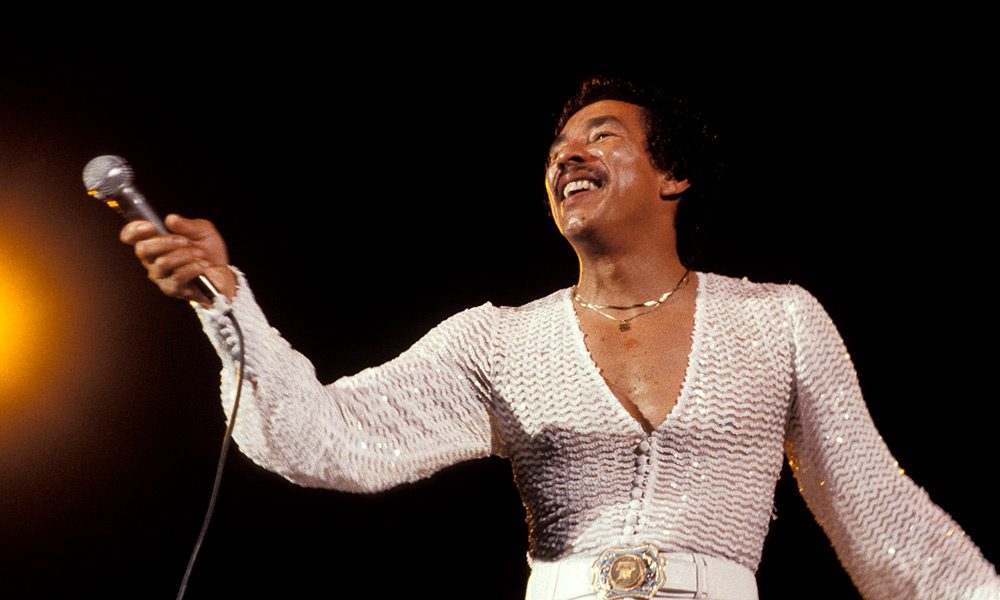
“When Smokey Sings,” ABC, 1983
English pop band ABC rode the wave of popularity of the “new pop” movement of the early ’80s, reaching #1 in the UK with their “The Lexicon of Love” LP in 1982. They had a bigger following in their native land and Europe than in the US, but a notable exception was in 1987, when their homage to the great Motown legend Smokey Robinson reached #5 on US pop charts. Adopting the soul groove of Robinson’s work, including the bass line from “Tears of a Clown,” his 1970 hit with The Miracles, “When Smokey Sings” proved to be an irresistible sensation, coincidentally sharing space in the Top Ten simultaneously with Robinson’s “One Heartbeat.” The album version of the song, which appears on ABC’s “Alphabet City” LP, includes lyrical references to Smokey’s contemporaries Luther, Sly, James and Marvin (Vandross, Stone, Brown and Gaye, respectively). When asked what he thought of the tune, Robinson said, “Well, of course, that’s a form of flattery, and I really appreciate it.”
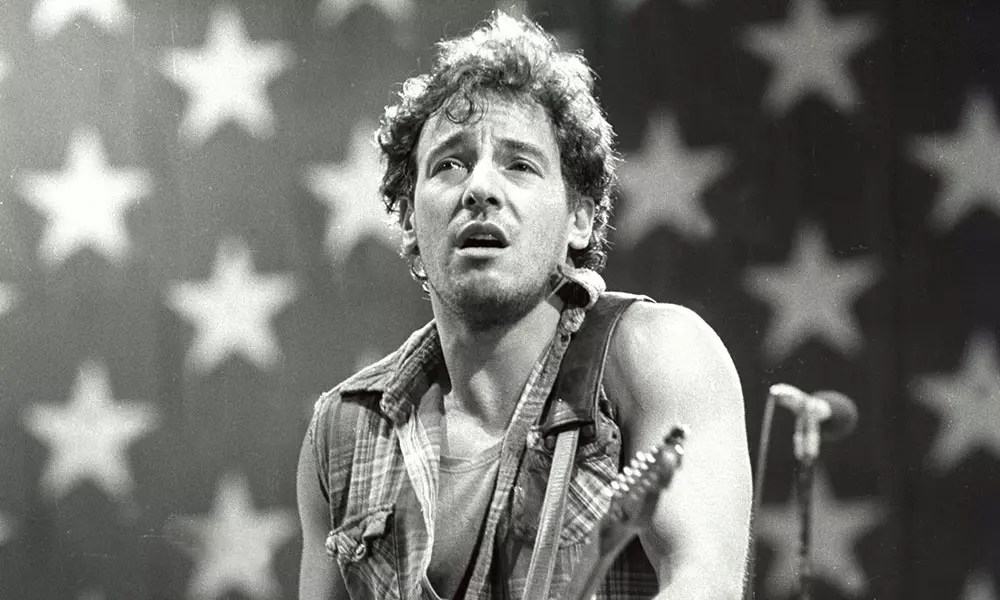
“Springsteen,” Eric Church, 2012
In 2012, country artist Eric Church wanted to tell a story of teenage romance by referencing one of his own favorite musicians (not unlike what Taylor Swift had done six years earlier with her song “Tim McGraw”). Inspired by fond memories of a high school girlfriend and another artist’s song, Church chose to center his new tune instead around Bruce Springsteen, whose work and career he greatly admired. The lyrics to “Springsteen” adroitly allude to The Boss by using a few of his song titles and his habit of painting a picture of listening to oldies on the car radio on a summer evening: “To this day, when I hear that song, I see you standin’ there on that lawn, /Discount shades, store-bought tan, flip flops and cut-off jeans, /Somewhere between that setting sun, ‘I’m on Fire’ and ‘Born to Run,’ you looked at me, and I was done, but we were just getting started… Even though you’re a million miles away, when you hear ‘Born in the USA,’ do you relive those glory days so long ago?…”
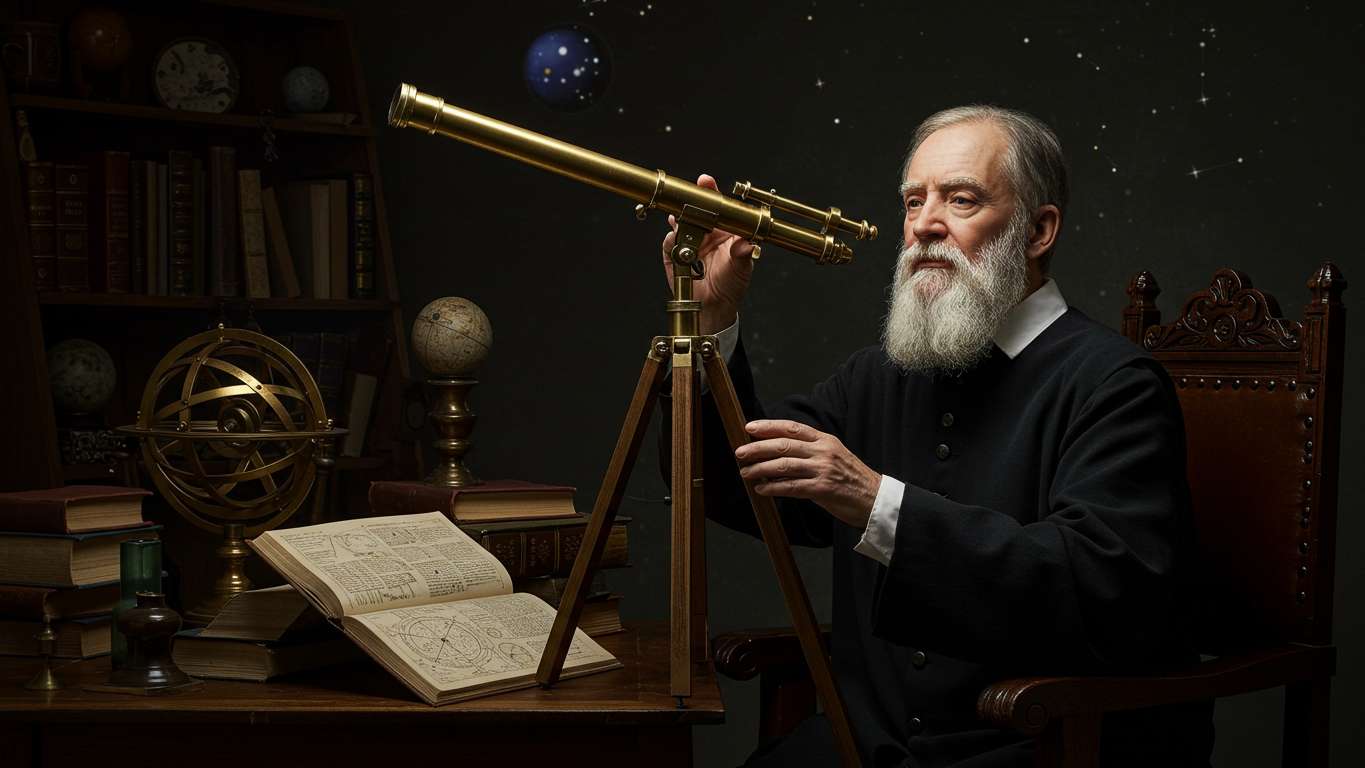
“Galileo,” Indigo Girls, 1992
Amy Ray and Emily Saliers were grade-school friends in suburban Atlanta in the 1970s with a mutual interest in music. They went off to different colleges but reunited when they both transferred to Emory University and, when artists like 10,000 Maniacs, Tracy Chapman and Suzanne Vega started making a splash with new strains of folk rock, the two friends joined forces as the Indigo Girls. They charted quite respectably in the late ’80s and early ’90s with a half-dozen albums and a couple of singles, notably “Closer to Fine” in 1989 and “Galileo” in 1992. Saliers wrote the latter track as a tribute to the 17th Century physicist and visionary Galileo Galilei, who played a substantial role in the Scientific Revolution of that period. It was Galileo who helped develop the modern telescope, which in turn supported the findings of Copernicus that the Sun, not the Earth, was the center of the known universe. The lyrics of “Galileo” salute his genius: “How long till my soul gets it right/Can any human being ever reach the highest light/I call on the resting soul of Galileo/King of night vision, king of insight…”
“Brian Wilson,” Bare Naked Ladies, 1992
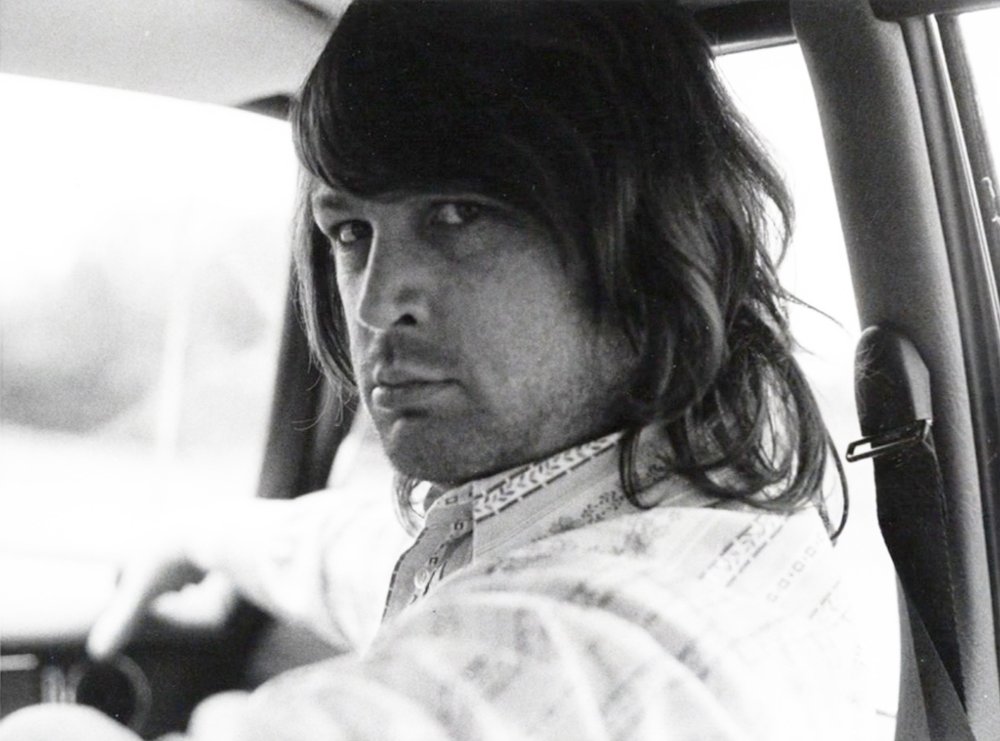
Formed in 1988 in Toronto, Canada, Bare Naked Ladies was fronted by singer-songwriter-guitarist Steven Page, who had such a passion for music that he would make late-night journeys as a teen to the legendary Sam the Record Man music store in the hip Yonge Street area of town. He wrote about that in “Brian Wilson,” a quirky song about a young man whose life paralleled that of The Beach Boys’ troubled genius composer. Page had idolized Wilson and felt empathy for him during his difficult mental illness challenges, and the lyrics name-check Wilson and his controversial psychologist: “Dr. Landy, tell me you’re not just a pedagogue, /’Cause right now I’m lying in bed just like Brian Wilson did… /I’m lying here, just staring at the ceiling tiles, /and I’m thinking about what to think about, /Just listening and relistening to ‘Smiley Smile’…” The song is one of four hits on Canadian pop charts from the group’s 1992 LP “Gordon,” which didn’t chart in the US but laid the groundwork for greater success here with subsequent releases in the later ’90s and 2000s. Wilson once performed an excerpt of the song in concert.
“The Late Great Johnny Ace,” Paul Simon, 1983
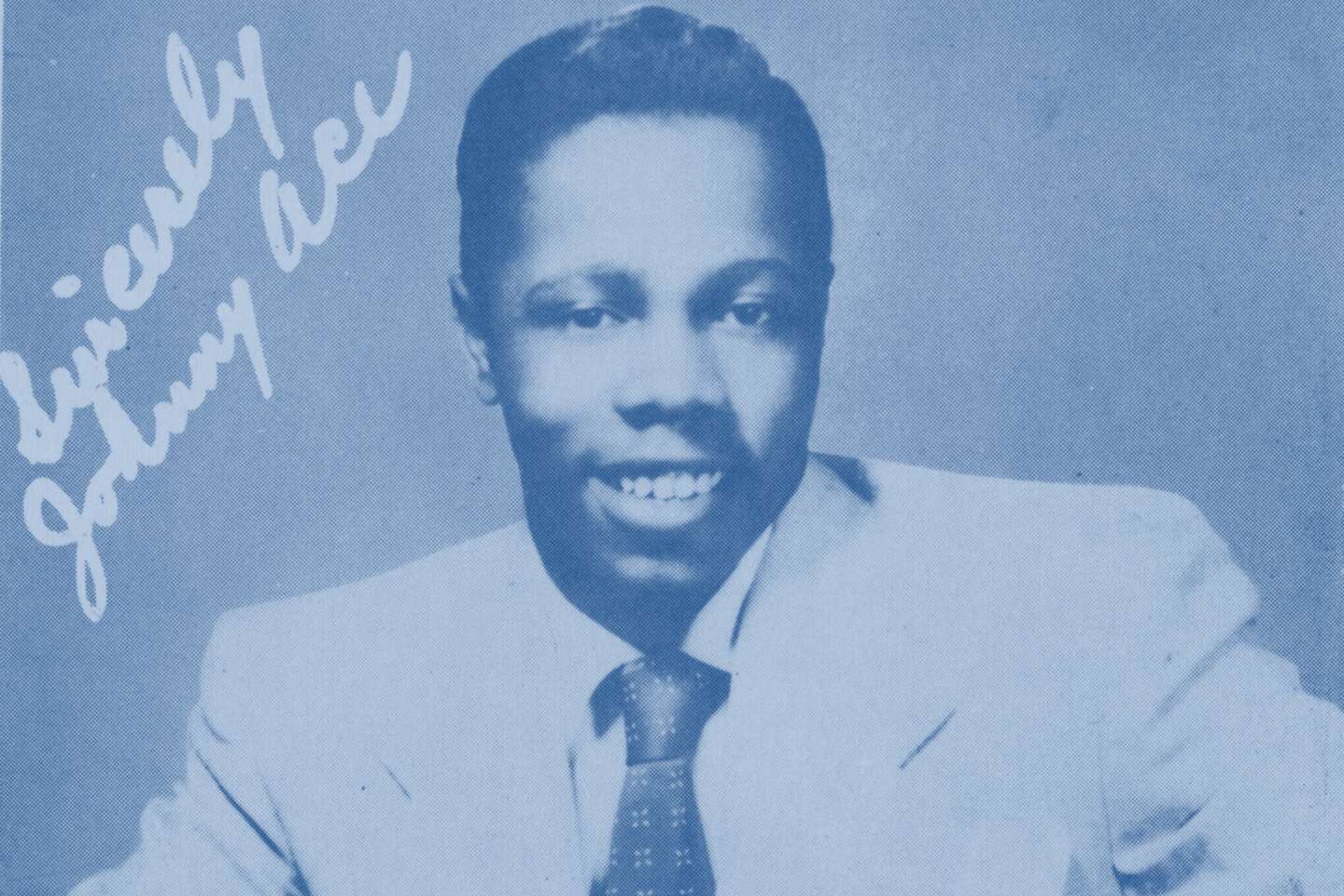
When Paul Simon was just 13, he said he remembered being profoundly affected after reading about the death of early rocker Johnny Ace, who died from an accidental self-inflicted gunshot wound backstage before a show in December 1954. “It was the first violent death that I remember,” Simon said in a 1984 interview. He decided to write about it in 1981 in this darkly creative song that tied Ace’s death to the more recent murders of “two other Johnny Aces” — President John Kennedy and Beatle John Lennon, assassinated in 1963 and 1980, respectively. The song was first performed at the famous “Simon and Garfunkel in Central Park” concert and later became the concluding track on Simon’s 1983 solo LP “Hearts and Bones.” Its concluding passage of moaning violins was written by avant-garde classical composer Phillip Glass.
“Vincent,” Don McLean, 1972
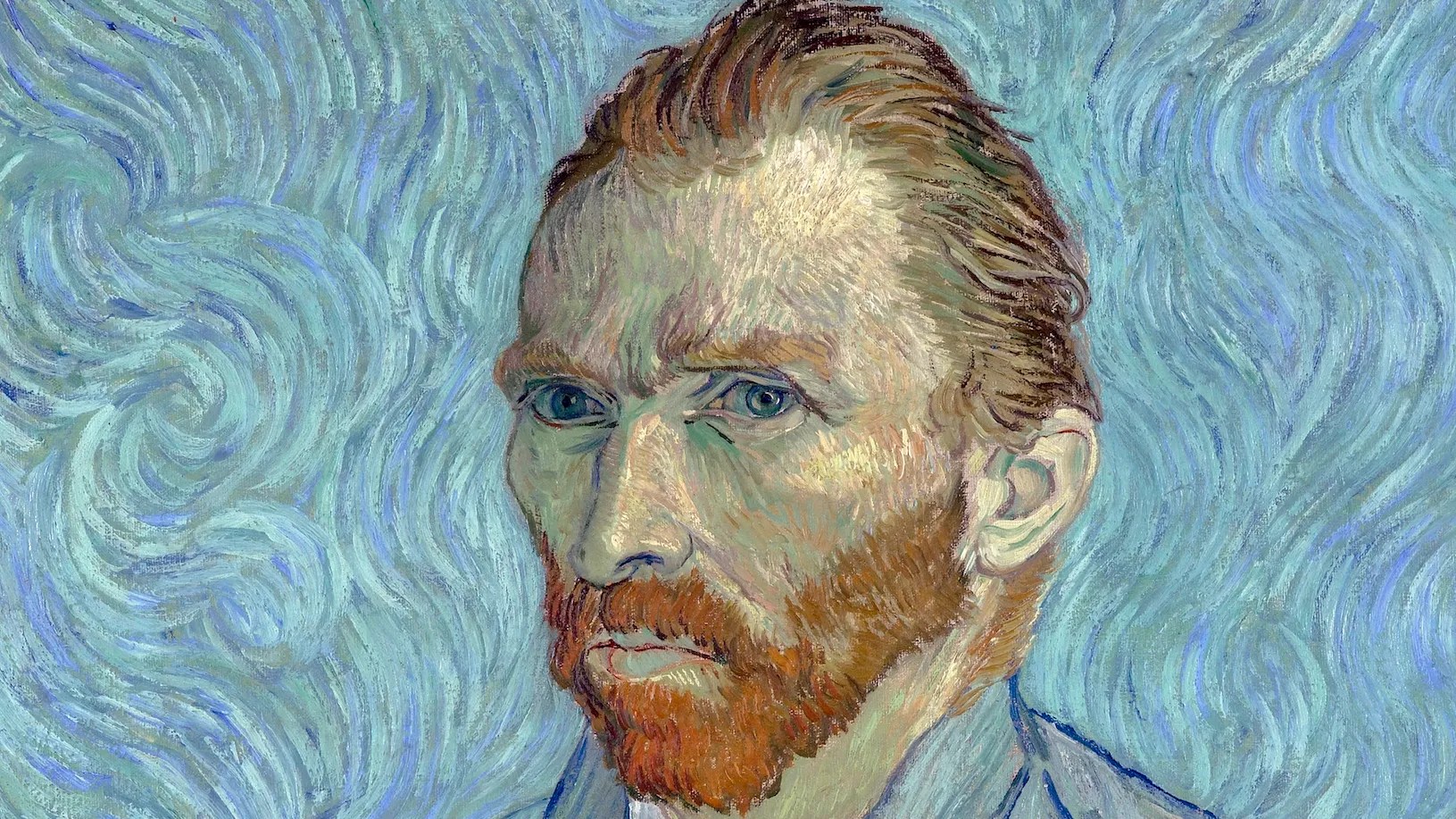
“In the autumn of 1970, I had a job singing in the school system, playing my guitar in classrooms,” recalled Don McLean. “On my breaks, I was reading a biography of Vincent Van Gogh, and a learned a great deal about him and his life. I came to the realization that I had to write a song about him that pointed out he wasn’t crazy, as had been alleged. He had a mental illness, which made it different, in my mind, to the garden variety of ‘going crazy’ because he was rejected by a woman, as was commonly thought. So I sat down with a print of ‘Starry Night’ in front of me and wrote out the lyrics on a paper bag.” The heartbreakingly poignant song struck a chord with listeners, reaching #12 on US pop charts (and #1 in England) as the 1972 follow-up single to “American Pie.” Critics were quite taken by “its bittersweet palette of major and minor chords, soothing melody and artful vocal approach.”
“Elvis on Velvet,” Stray Cats, 1992
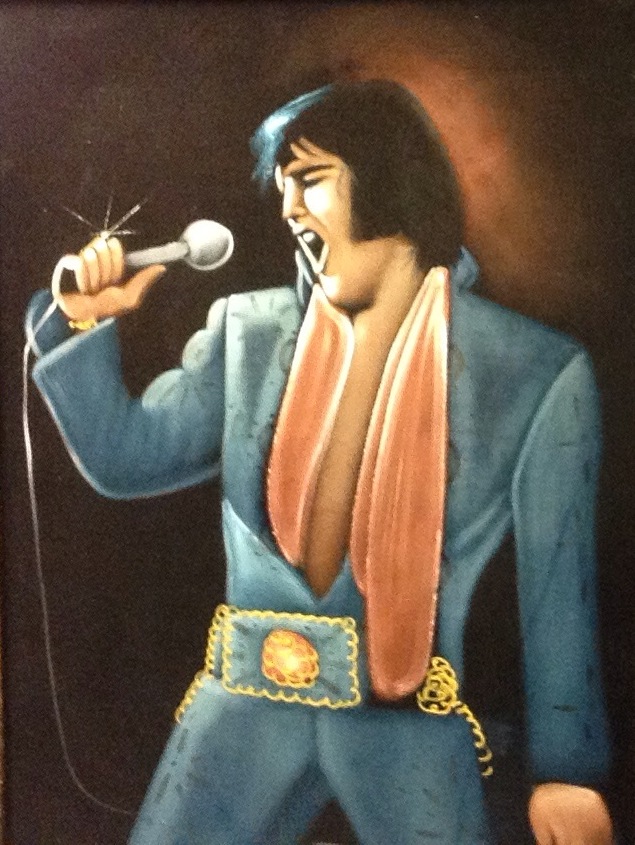
Emerging from Long Island, NY, in 1980, the Stray Cats were at the forefront of a rockabilly revival movement that grabbed attention in the US and the UK in the early/mid ’80s with singles like “Rock This Town” and “Stray Cat Strut.” After a hiatus in the late ’80s, the band reunited in 1990, and on their 1992 LP “Choo Choo Hot Fish,” they released what many critics call the Stray Cats’ finest moment, “Elvis on Velvet,” a nostalgic nod to The King. In the lyrics, delivered rapid-fire with plenty of power and attitude by Brian Setzer, the narrator pays homage to Presley’s impact while bemoaning the commercialization of his legend exemplified by crass souvenirs like the popular black velvet paintings that glowed in the dark. The song talks about fans who make the pilgrimage to Memphis to visit Presley’s estate: “Elvis on velvet, somehow it makes me mad, /Elvis on velvet, and I can see him tonight up on the road ahead, /Well, Graceland wasteland, right this way ma’am, one low price to pay, /His life, his love, his home, his stuff, his final resting place…”

“Roll Over Beethoven,” Chuck Berry, 1956
When Chuck Berry was coming of age as a teenager in St. Louis, he and his sister Lucy both took music lessons, and they often had to compete for time on the family piano. Lucy was training to become a classical music pianist, while Chuck was more self-taught, preferring what he then called “rough-and-ready music that made me want to dance.” The hybrid country/blues/gospel genre that would soon be called “rock and roll” inspired him to write his own songs, including “Maybellene,” “Thirty Days,” “Rock and Roll Music” and “Johnny B Goode.” Perhaps his most creative tune, especially lyrically, was “Roll Over Beethoven,” in which he suggested that the new rock and roll was pushing classical music aside. Citing Ludwig van Beethoven and Pyotr Tchaikovsky in the lyrics, Berry produced an anthem, which critics called “a rock & roll call to arms, declaring a new era.” It peaked at #2 on R&B charts in 1956 (#29 on pop charts), and was also a regular on the Beatles’ concert setlist during 1964.
*************************

 Hack's Back Pages