This guitar, it can’t keep from crying

Coming up with the “Top 20” in any given category is sometimes an exercise in the obvious.

If the subject is guitar players of the classic rock era, we always see the same names — Jimi Hendrix, Eric Clapton, B.B. King, Duane Allman, Jimmy Page, Stevie Ray Vaughan, Jeff Beck, Buddy Guy, Dickey Betts, Carlos Santana, Stephen Stills, Pete Townshend, Eddie Van Halen, Chuck Berry.

But here’s the problem:  While we exalt our icons, underneath the radar there are many dozens of incredibly talented guitarists who deserve to be noticed.  This is their time.

smb_guitars_by_drdot

This will be a list of the Top 20 unjustly unrecognized guitarists.  Many of these names we’ll be discussing will be unfamiliar to many readers, I venture to say.  In some cases, they’re anonymous session musicians who prefer to simply record their delicious solos and licks and go home.  Or they may have long solo careers full of amazing albums that were largely overlooked by radio and the public alike.  And there are others who have served as guitarists in popular bands but their names don’t register with most listeners (except other musicians).

You may not know their names, but you might recognize their work when you hear it.  They operated mostly in the shadows, but their riffs and techniques made a big impact.  Here are four examples:  Offering those perfect guitar fills in Steely Dan’s “Kid Charlemagne”;  laying down some tasty guitar licks to fill out “Billie Jean”; contributing letter-perfect flamenco guitar to Al Stewart’s “On the Border”; taking “Smiling Faces Sometimes” to new heights with its flat-fuzz guitar solo.

My friend Gary once gave me a book called “Unstrung Heroes” by Pete Braidis, in which the author offers his choices for “50 guitar greats you should know.”  Granted, this kind of list is wholly subjective, reflecting the author’s tastes and time frame.  Braidis is an unabashed fan of ’70s -’80s hard rock, so there is a preponderance of fast-and-hard rock guitarists I hadn’t heard of or didn’t know much about, like Pat Travers, The Scorpions’ Uli Jon Roth, Whitesnake’s Bernie Marsden, Thin Lizzy’s Eric Bell, Triumph’s Rik Emmett and Saga’s Ian Crichton.

I tend to favor a wider range of musical styles, and consequently, my list reflects that diversity.  But by opening it up to so many different genres — blues, country rock, jazz fusion, hard rock, folk rock, R&B and more — I made my task of whittling down my list of “unsung guitar heroes” to just 20 names that much more difficult.

Martin Barre

With my selections, I hope to provoke a conversation that increases awareness of the many unheralded guitar players out there.  One friend put it this way:  “This list could go on for days, and the debate could last years.”

Terry Kath

We could start by debating what is meant by “underrated” or “unheralded.”  I submit that there are at least a dozen guitarists who play for internationally popular bands whose individual names are not as well known and are therefore not mentioned often enough in lists of top guitarists:  Steve Howe (from Yes);  Martin Barre (Jethro Tull);  Mike Campbell (Tom Petty & the Heartbreakers);  Mark Knopfler (Dire Straits);  Tom Scholz (Boston);  Mick Taylor (The Rolling Stones, 1969-1974);  Terry Kath (Chicago, 1969-1978);  Brian May (Queen); Steve Hackett (Genesis, 1970-1977);  Don Felder (The Eagles, 1974-1999);  Jorma Kaukonen (Jefferson Airplane, Hot Tuna);  Andy Summers (The Police).

Glen Campbell

And there are also talented musicians like Glen Campbell, Prince, George Harrison or Vince Gill who are mostly famous for their singing or songwriting, but their considerable guitar skills may not be sufficiently recognized (although they should be).

I hope to coax some of you into exploring the guitar performances of any of the names mentioned here that are unfamiliar to you.  I’ll wager you’ll be pleasantly surprised, maybe even bowled over.  There’s a Spotify playlist at the bottom to give you a taste of each name on the list.

************************

So here we go:
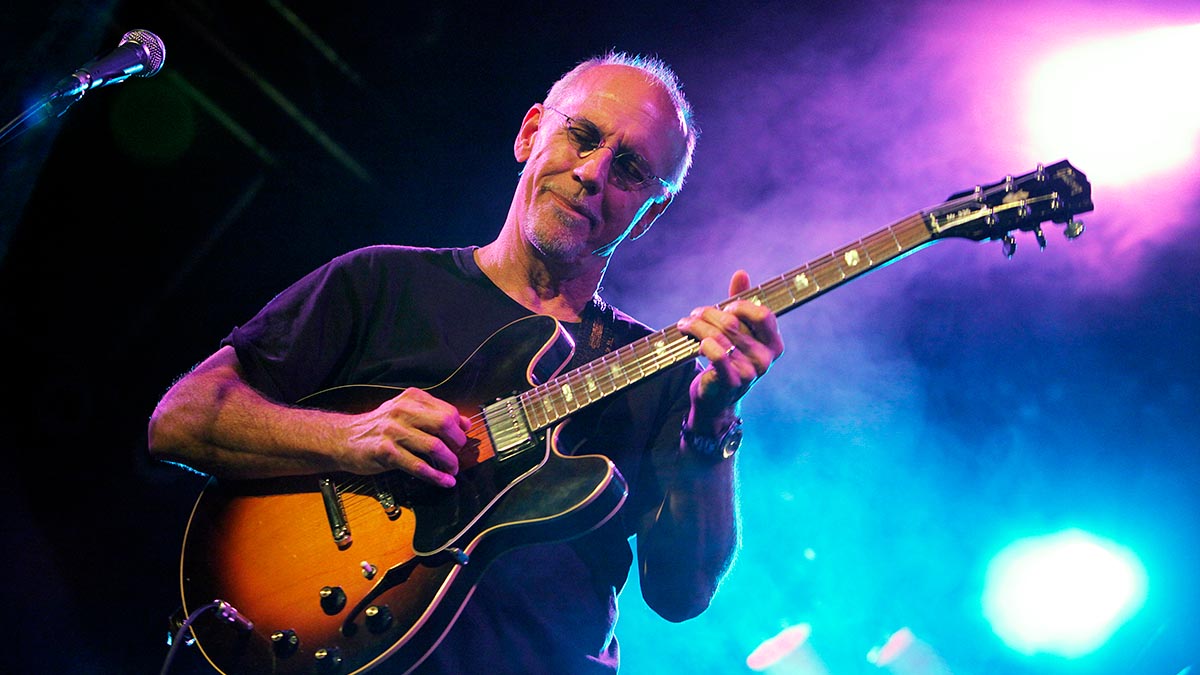
Larry Carlton

A key component with the jazz fusion band The Crusaders in the ’70s and beyond, Carlton contributed succinct guitar solos on more than 100 rock LPs, including major albums by Steely Dan, Joni Mitchell, Christopher Cross and Michael Jackson. He also recorded more than a dozen solo records brimming with astonishing guitar solos.  Check out:  “Room 335” and “Point It Up” from his first solo LP (1977) or Steely Dan’s “Kid Charlemagne.”

Tommy Emmanuel

This Australian guitarist has been wowing audiences for nearly 30 years, giving eye-popping performances showcasing his command of the Chet Atkins musical style (“Travis picking”), in which he plays bass lines, chords, melodies and harmonies simultaneously.  He and Atkins collaborated on Atkins’ last album, “The Day Guitar Pickers Took Over the World.”  In 2008 and 2010, Emmanuel was named Best Acoustic Guitarist in a Guitar Player readers poll.

Peter White

If you listen to the remarkable guitar passages White provided behind Al Stewart’s most popular LPs (and also in concert), you can clearly see how important a supporting role can be to quality performances.  But White continued onward with a solo career in the ’90s and beyond, winning accolades as “best smooth jazz guitarist” in several different polls.  Check out his work on “On the Border” from Stewart’s “Year of the Cat” LP.

Tommy Tedesco

Thanks to a recent film documentary on The Wrecking Crew, the anonymous musicians who made up this unofficial group of L.A. session players in the 1960s and ’70s aren’t as anonymous anymore.  Still, Tedesco deserves to be more widely known, since his guitar work appears on hundreds of recordings, from The Beach Boys and Sam Cooke to The 5th Dimension and novelty pop songs like “No Matter What Shape” by The T-Bones, and on soundtracks for “Jaws,” “The Godfather,” “The Deer Hunter” and more.

Davey Johnstone

So many of Elton John’s rockers would be found lacking if not for the biting guitar licks and power chords provided by Johnstone, who accompanied Elton on more than 80% of his albums.  His finesse on acoustic guitar and mandolin is also in evidence on tracks like “Mona Lisas and Mad Hatters.”  He also recorded with Meat Loaf and Alice Cooper for a spell but never strayed far from John — he recently performed his 2,000th show as part of The Elton John Band.
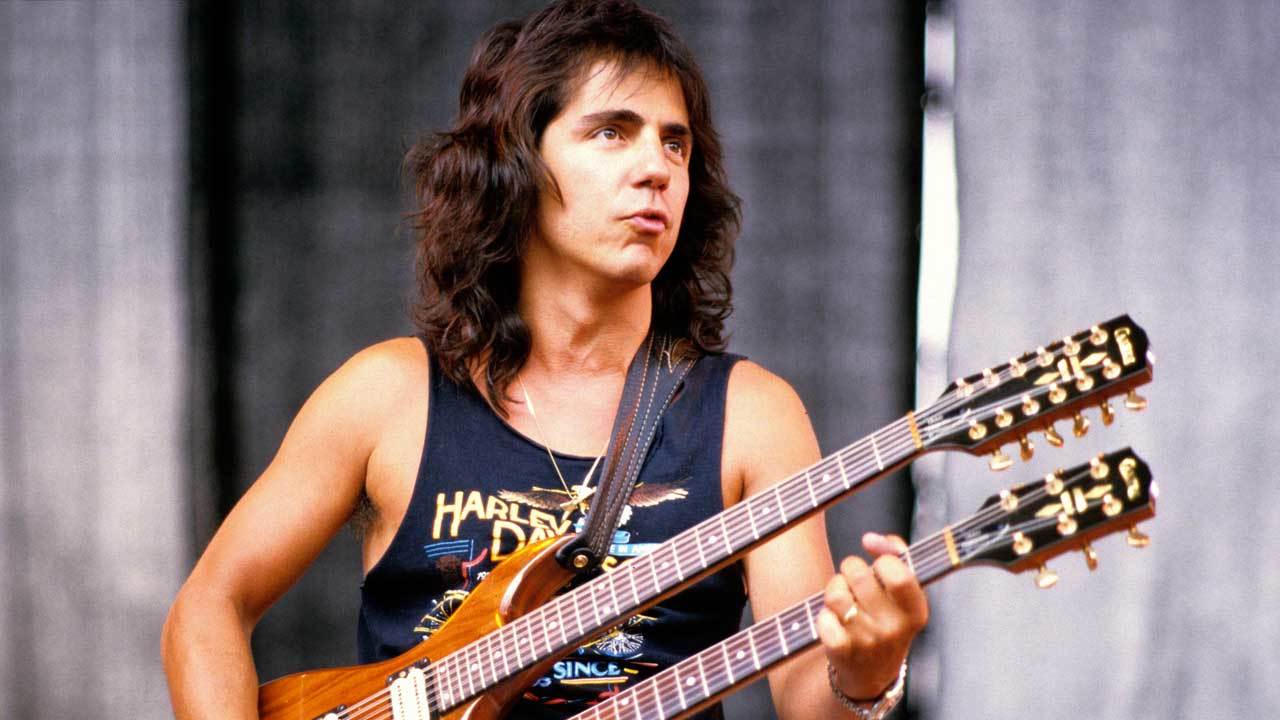
Craig Chaquico

The soaring lead guitar parts on the mid-’70s Jefferson Starship albums (“Red Octopus,” “Spitfire,” “Earth”) and the LPs by later incarnation Starship all come from Chaquico.  He is also a Grammy winner for the work he has performed on numerous solo albums, featuring contemporary jazz, blues and New Age instrumental pieces.  His abilities are on clear display on the 1978 JS hit “Runaway” and his own “Turquoise Moon” from 1999’s “Four Corners.”
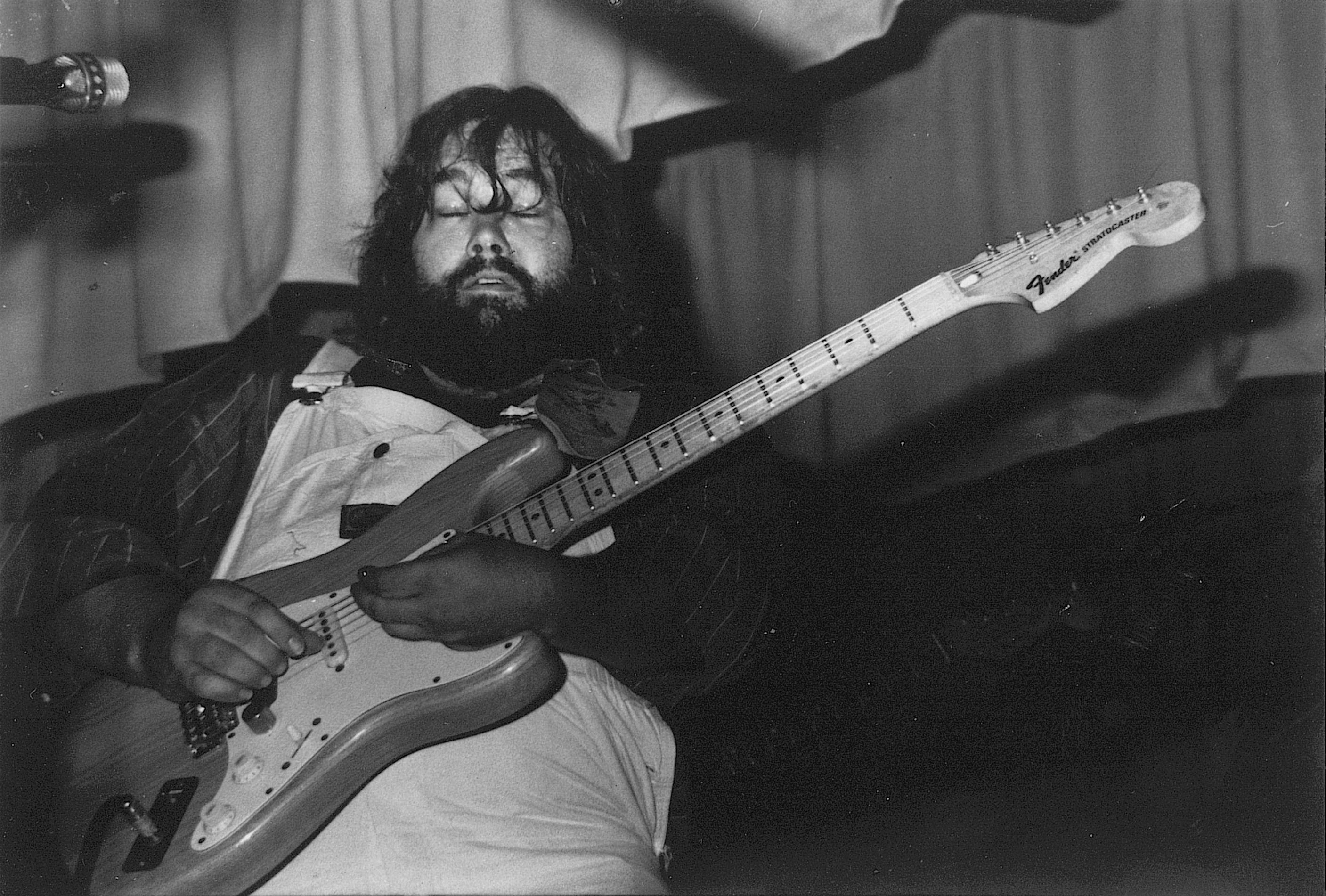
Lowell George

His friend Bonnie Raitt is universally recognized as the queen of slide guitar, but she has always been quick to give credit to how much she learned from the late Lowell George, who was one of the pioneers of the slide technique as he was founding the great ’70s band Little Feat.  Even though a self-indulgent lifestyle led to his premature death in 1980, George’s recordings, especially on the first five Feat albums, live on as ample proof that he deserves to be a legend.

Nils Lofgren

Initially hailed as a prodigy of sorts when he emerged in a supporting role in Neil Young’s Crazy Horse band at age 19, then as a solo artist in the mid-’70s, Lofgren crafted a compelling style all his own.  It attracted the attention of Bruce Springsteen, who brought him into the E Street Band during the “Born in the USA” tour, and he’s been a dependable mainstay there ever since.

Rory Gallagher

Although he could summon only a cult audience in the US (where on critic called him “the greatest guitarist you never heard of”), Gallagher was far more successful and well-known in his native Ireland and in England, where he managed five Top 40 albums in the mid-’70s.  He offered blistering hard rock and blues guitar, and not only inspired legions of more recent axemen, but has also been mentioned by the likes of Jimmy Page and Keith Richards as among their favorites.
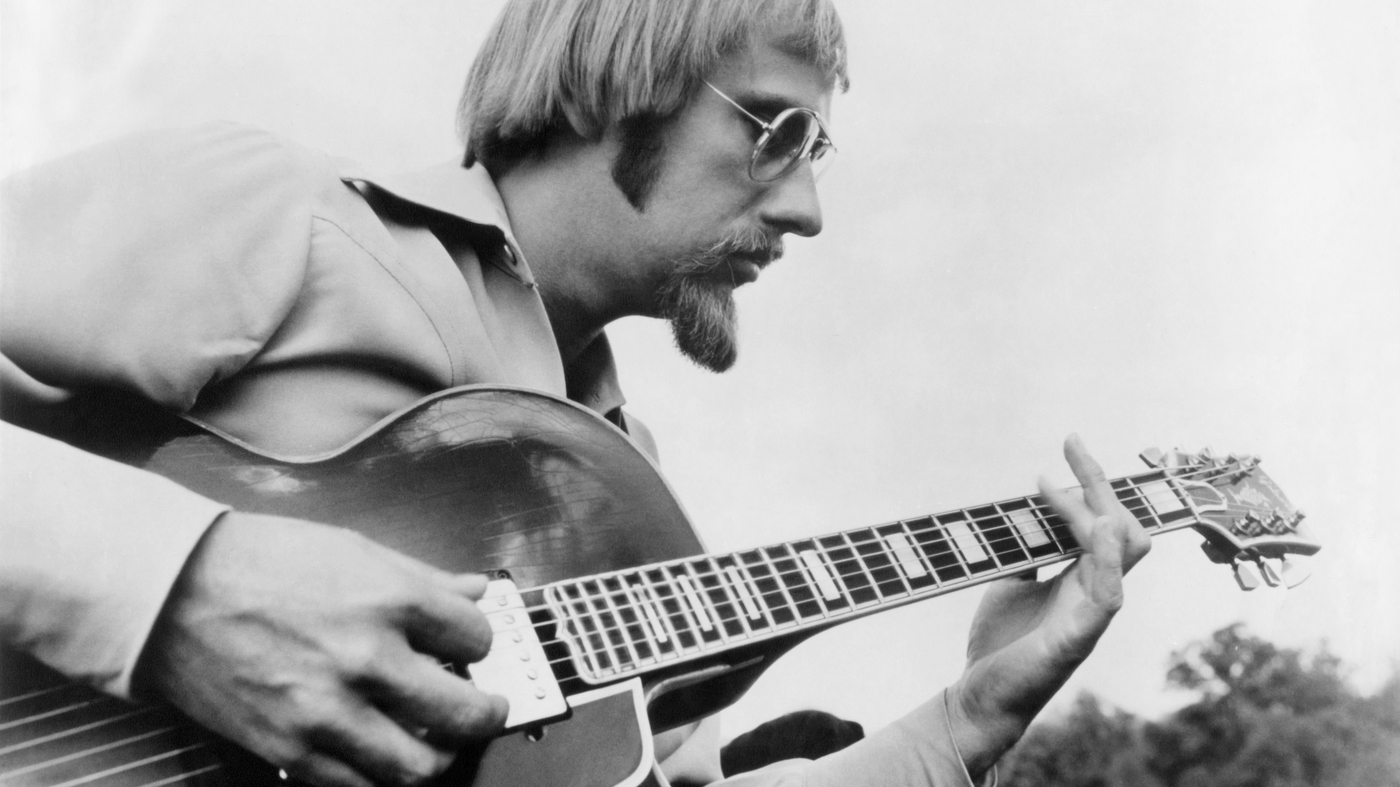
Dennis Coffey

An important member of the loose gang of session musicians known as The Funk Brothers, Coffey played inventive, memorable guitar licks on many of the classic tracks in Motown Records history, including The Temptations’ “Cloud Nine” and “Ball of Confusion,” the Supremes’ “Someday We’ll Be Together,” Edwin Starr’s “War” and The Undisputed Truth’s “Smiling Faces Sometimes,” and also his own instrumental Top Ten hit, “Scorpio.”

David Hidalgo

Los Lobos may be one of most versatile bands ever — “Chicano rock,” R&B, blues, zydecko, country, soul, traditional, they could do it all, and the lion’s share of the credit goes to singer/songwriter/guitarist Hildalgo.  He is skilled at handling any genre, with perhaps blues and Americana being his strong suits.  Check out “Blue Moonlight” and their version of Cream’s “Politician.”

Steve Lukather

Best known as the feisty guitarist for Toto, Lukather has also made an indelible mark as a California session guitarist, playing on more than 1,500 albums over a 35-year career.  His solo albums in more recent years have leaned heavily toward jazz fusion, inspired by early greats John McLaughlin and Al DiMeola.  He and Larry Carlton also grabbed a 2001 Best Instrumental Grammy for their satisfying collaborative LP, “No Substitutions:  Live in Osaka.”

Steve Cropper

The celebrated guitarist from Stax Records’ house band, Booker T. and the MG’s, played on dozens of classic recordings by Otis Redding, Sam & Dave and others, and often produced and arranged records as well.  He also figured prominently as lead guitarist in The Blues Brothers (“play it, Steve!”).  Cropper is often mentioned in Guitar Player magazine as one of the best of all time.
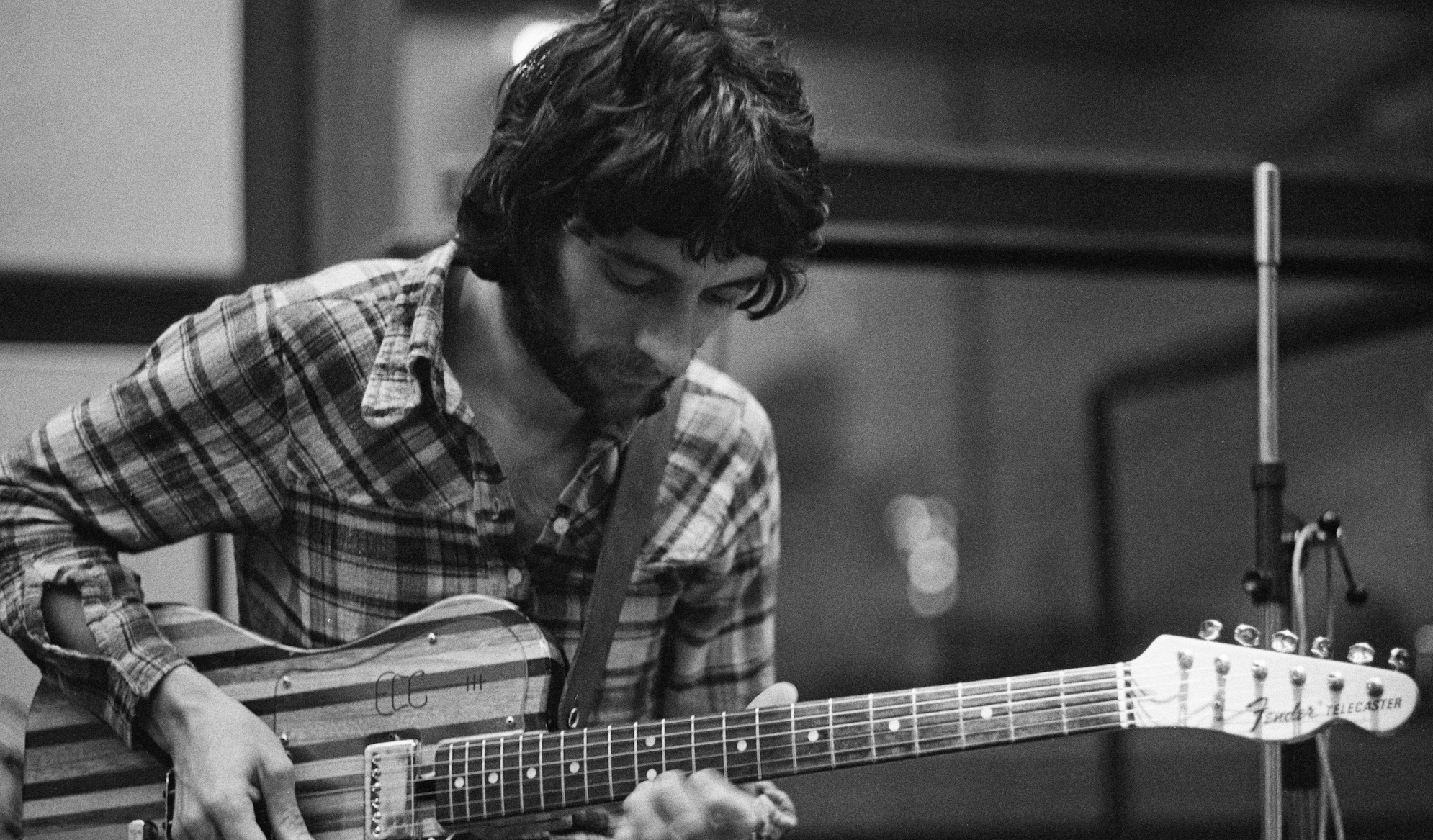
Albert Lee

Known as “the guitar player’s guitar player,” Lee’s background is in the country music arena, backing such luminaries as Emmylou Harris, The Everly Brothers and Willie Nelson.  “Mr. Telecaster” also supported Eric Clapton in the 1980s (check out the interplay on “The Shape You’re In” from his 1983 LP) and has 15 solo albums to his credit between 1979-2014.  Lee has a sweet style that at times can uncannily approximate the sound of a pedal steel guitar.

James Burton

He was the guitarist behind Rick Nelson for the first ten years of his career, and then played in Elvis’s band from 1969-1977.  In between and concurrently, Burton recorded lead guitar parts with Johnny Cash, Glen Campbell, Jerry Lee Lewis, Merle Haggard, Judy Collins, Elvis Costello and dozens more.  Search YouTube for a 6/19/77 clip of him playing “Johnny B. Goode” behind his back as Elvis looks on.

Hugh McCracken

One of the most in-demand session guitarists in New York throughout the ’70s and ’80s, providing just the right rhythm guitar and occasional lead solos on albums by artists like James Taylor, Paul McCartney, Donald Fagen, Paul Simon, Roberta Flack, Eric Carmen, Carly Simon, Aretha Franklin, Billy Joel and Hall and Oates.  Widely admired by record producers and session musicians everywhere.

Phil Keaggy

Glass Harp was a promising rock band out of Northeast Ohio in the early ’70s, thanks to Keaggy’s phenomenal guitar playing.  Just as they were building momentum, Keaggy gave up the rock and roll lifestyle for Christian music, and switched from electric to acoustic without sacrificing quality, garnering many awards for instrumental music.  Glass Harp reunited for a show in 2008; check out the recording of “Children’s Fantasy.”

Dean Parks

One of the two or three “go to” guitarists among L.A. session musicians, Parks has recorded with nearly 50 different artists, including Bob Seger, Neil Diamond, Steely Dan, Michael Jackson, Stevie Wonder, Elton John and Madonna, and has toured with Bread and Crosby & Nash.  You might take a closer listen to Jackson’s megahit “Billie Jean” to hear Parks’ creative guitar work.
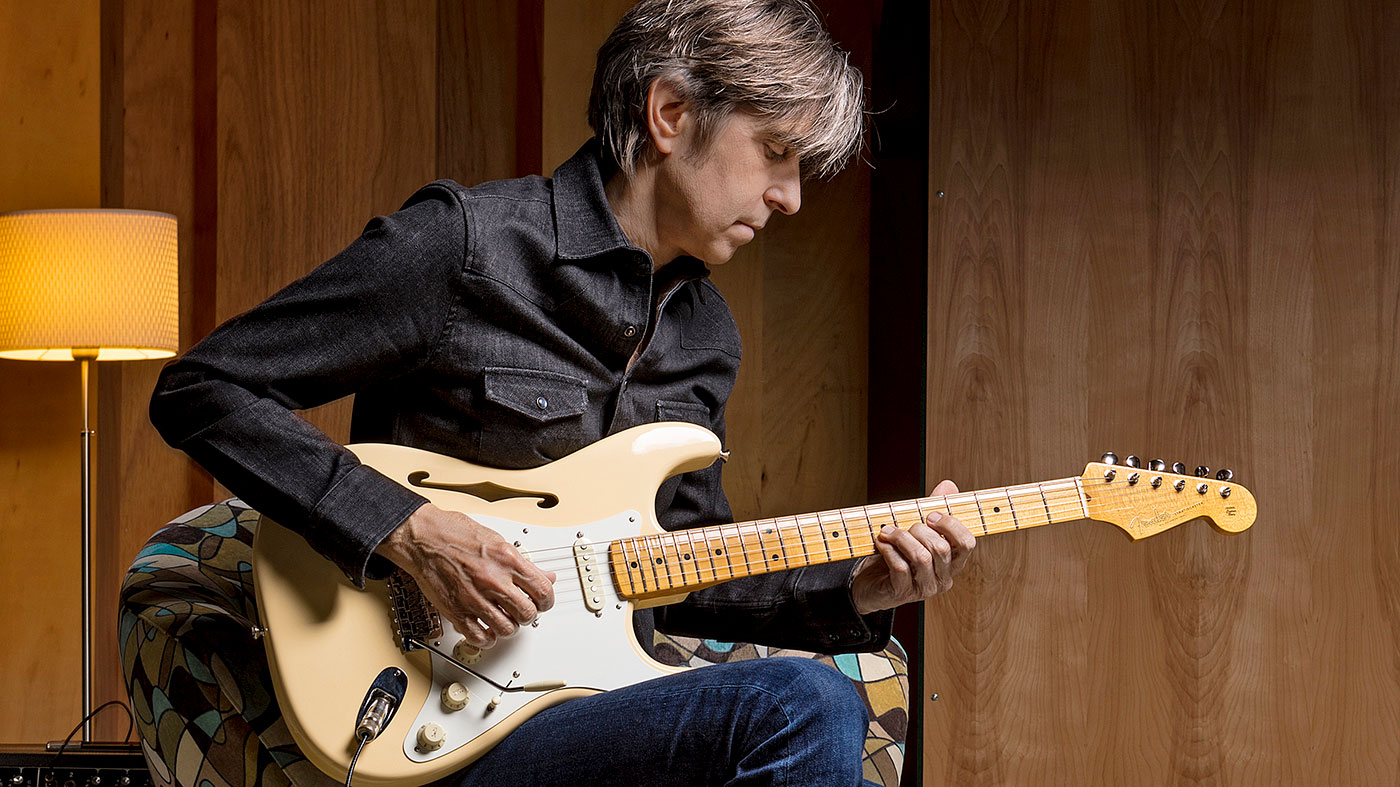
Eric Johnson

A virtuoso out of Austin, Texas, Johnson played with numerous local/regional bands before successful stints as a session guitarist with the likes of Christopher Cross, Cat Stevens and Carole King. Proficient on electric, acoustic and lap steel, Johnson has shown his chops playing everything from blues and jazz fusion to classical and country. His 1990 song “Cliffs of Dover” earned him a Grammy for Best Rock Instrumental Performance.
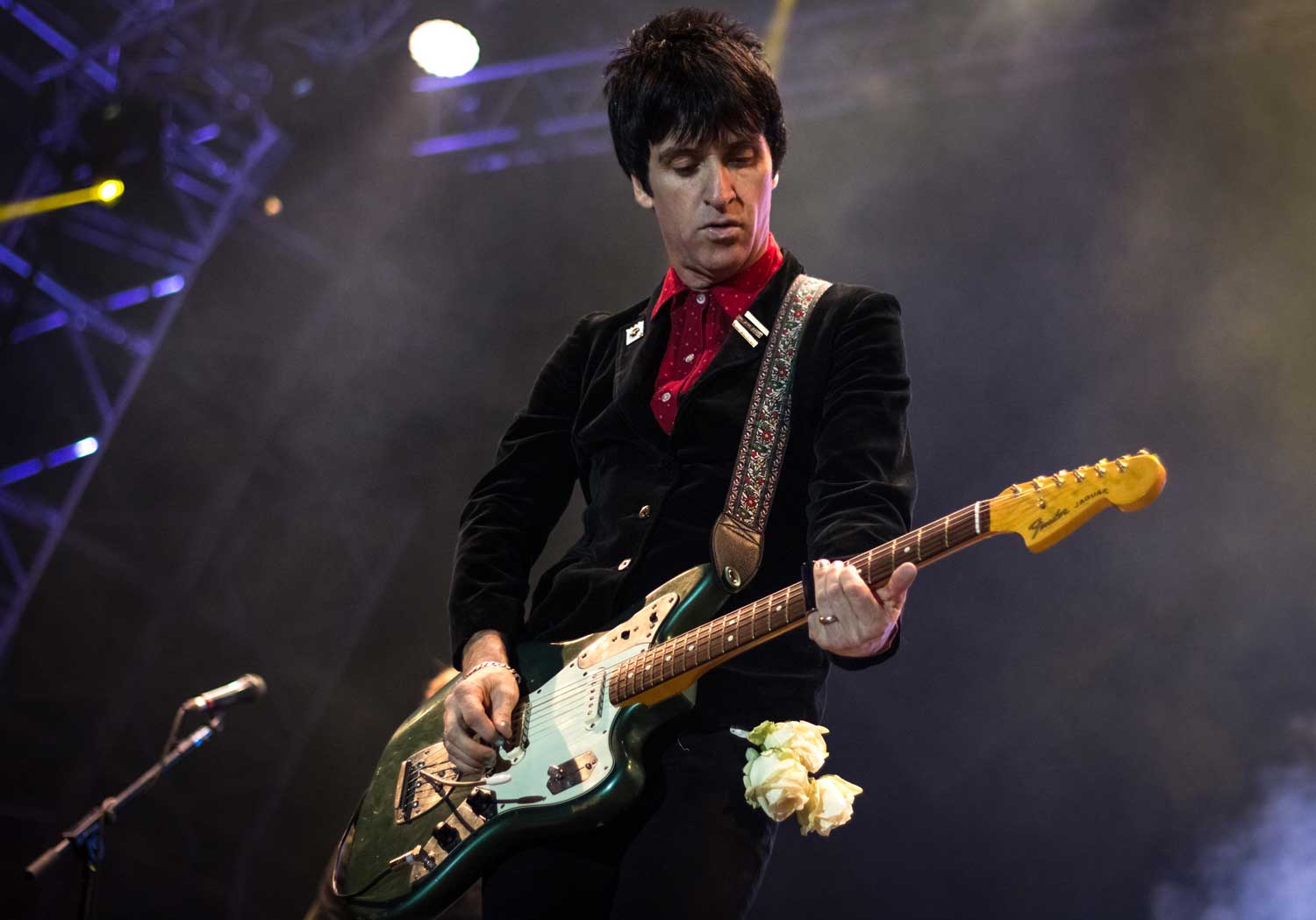
Johnny Marr

While The Smiths were hugely popular in their native Britain, they never really caught in here in the US, so most American listeners have never heard of their lead guitarist Johnny Marr, recently named “Britain’s last great guitar stylist” in a recent BBC poll.  Marr went on from that creative peak to add his righteous riffs to the music of Electronic, The The, and Modest Mouse as well.

*************************

Honorable mention:

Pat Metheny;  Ottmar Liebert;  Leo Kottke;  Michael Landau;  Michael Hedges;  Robin Trower;  Eric Johnson;  Bob Mould;  Peter Buck;  Adrian Belew;  Johnny A.;  Tom Morello;  Roy Buchanan;  Nile Rodgers;  Johnny Winter;  Toy Caldwell;  Warren Haynes;  Richard Thompson;  Bill Nelson; Paul Kosoff;  J.J. Cale;  Randy California;  David Spinozza;  Derek Trucks

***************************

I’ve got nothing to say, but it’s okay

What makes a hit song?  A catchy melody, of course, but also, typically, an indelible chorus with a repeated catchphrase and memorable lyrics you can sing along with.

Well, not always lyrics, as it turns out.  Back in the ’50s and ’60s especially, and well into the ’70s, you can find almost 50 entries on the Billboard singles charts of instrumental songs that made the Top Ten.  Nearly 20 of those reached the #1 position, sometimes for multiple weeks. And another 50-60 at least made the Top 40, bringing the total number of instrumental hits to well over 100.

How did that happen?  Doesn’t a hit single need lyrics to become the kind of “earworm” song that stays in your head all day long after hearing it?  Not necessarily; a compelling instrumental passage can be as addicting as a vocal hook.  Take Edgar Winter Group’s “Frankenstein,” for example.  That monstrous main riff is arguably every bit as mesmerizing as a repeated lyric like “I’d like to hear some funky Dixieland…”

These instrumental hits came in a number of sub-categories.  Theme songs from movies and TV shows make their way into the Top 40 from time to time; surf music and disco sometimes offer irresistible instrumental riffs that don’t need words; and jazz artists who play sax or trumpet have been known to have a Top Ten hit or two without lyrics to carry the songs.

I’ve selected a baker’s dozen of Top Ten instrumental songs that should be familiar to most of you — if not by the title, then by the first 15 seconds of the song itself.  A Spotify list at the end will allow you to sample the songs as you read.  Enjoy!

****************************

“Grazing in the Grass,” Hugh Masekela, 1968

This #1 hit from the summer of ’68 was written as an instrumental by an African composer named Philemon Hou, and made famous by South African jazz trumpeter Hugh Masekela, who was among the surprises at the 1967 Monterey Pop Festival.  His version, which was #1 for two weeks, has a reggae flavor and features a prominent cowbell (!) throughout.  A year later, a group called The Friends of Distinction recorded another version with lyrics (“Grazing in the grass is a gas, baby can you dig it…”) written by member Harry Elston, with a faster, funkier arrangement, and it reached #3 in the summer of ’69.  Both versions are on the Spotify list.  You decide which is better.

“TSOP (The Sound of Philadelphia),” MFSB, 1974

As disco was just getting started, Kenny Gamble and Leon Huff of Philadelphia International Records wrote an instrumental piece to be used as the theme song for “Soul Train,” the Chicago-based TV show featuring R&B/soul/disco music that was about to go national.  Their label’s house band MFSB (Mother, Father Sister, Brother) laid down the groove, the recording was bathed in strings and horns, and then, tacked on the end, the vocal group called The Three Degrees added one line of lyric (“Let’s get it on, it’s time to get down”), repeated 6-7 times.  It was officially the first TV theme song (and, unofficially, the first disco song) to reach #1 on the US singles chart.

“Green Onions,” Booker T. and the M.G.’s, 1962

Here’s another track originally issued as a B-side (this one to a forgotten song called “Behave Yourself”) that went on to become one of the most popular instrumental tracks in rock/soul history.  Written by Booker T. Jones, the track prominently features Jones’s Hammond organ on a minor-chord 12-bar blues structure, interrupted periodically by Steve Cropper’s fine guitar work.  It reached #3 in the US and #7 in the UK.  Evidently named after the cat of one of the M.G.’s, whose way of walking inspired the main riff, the track has been used in several major films over the years, including “American Graffiti,” “The Flamingo Kid,” “Happy Gilmore,” “The Sandlot” and “Get Shorty.”

“Hocus Pocus,” Focus, 1973

Hailing from The Netherlands, this progressive rock band majored in instrumental pieces with plenty of Jethro Tull-like flute by Thijs van Leer and histrionic guitar solos from Jan Akkerman.  Very few tracks on their early ’70s albums had any vocals; could be they didn’t know any English, but I’m not sure about that.  In any event, in the spring of 1973, “Hocus Pocus,” a hard rock track from their 1971 album “Focus 2:  Moving Waves,” reached #9 on the US singles chart.  It was technically an instrumental if you don’t count the incessant yodeling and high-octave vocalizing heard throughout the song.

“The Horse,” Cliff Nobles & Co., 1968

Anybody recognize this title? Didn’t think so…but I’ll bet you recognize the main riff, because it reached #2 in June 1968 and sold a couple million copies.  This track was released as the B-side of a song called “Love is All Right,” which is the same song with vocals and lyrics.  Radio stations preferred the instrumental version (called “The Horse” for no discernible reason), and the hit was attributed to singer Cliff Nobles, even though his vocals were removed.  Listen to both versions on the Spotify list below.

“Joy,” Apollo 100, 1972

It takes guts to lift a 250-year-old classic hymn by Johann Sebastian Bach (“Jesu, Joy of Man’s Desiring”) and turn it into an instrumental piece of pop confection, but a British band called Apollo 100 did exactly that, and sure enough, it went to #6 on the US charts (but made no appearance on UK charts).  Played to a straight 4/4 beat, dominated by organ, harpischord and lead guitar, “Joy” probably exposed huge sections of the US radio audience in 1972 to the music of Bach, even if it certainly was not how he intended…

“Scorpio,” Dennis Coffey, 1971

Coffey was a guitar prodigy out of Michigan who quickly became known for innovative techniques, which caught the ear of Berry Gordy and Norman Whitfield at Motown Records. Coffey became a regular in the Funk Brothers, the Motown house band, and was responsible for most of the guitar work on the latter day Temptations hits (“Cloud Nine,” “Ball of Confusion,” “Psychedelic Shack”), Edwin Starr’s “War” and Freda Payne’s “Band of Gold.” In 1971, he recorded his own guitar-laden instrumental track, “Scorpio,” which became a US hit at #6.

“Classical Gas,” Mason Williams, 1968

Williams was both a musician and a comedy writer, and was head writer for the CBS variety show “The Smothers Brothers Comedy Hour” in the late ’60s.  He was given several opportunities to showcase his instrumental acoustic guitar number “Classical Gas” on the program, which gave it valuable exposure and helped it reach #2 on the charts in the fall of 1968.  The song, originally titled “Classical Gasoline,” won multiple Grammys.  Mason went on to write comedy for “Saturday Night Live” as well.

“Frankenstein,” The Edgar Winter Group, 1973

Once again, we have a happy accident:  This instrumental track was added as an afterthought to the group’s LP “They Only Come Out at Night” (and B-side of the since-forgotten single “Hangin’ Around”).  It was a series of spliced-tape sections pieced together in the studio, which drummer Chuck Ruff described as “it’s like a Frankenstein monster taking shape,” and the track’s name was born.  It went to #1 in the spring of ’73.  Edgar Winter, with guitarists Ronnie Montrose and Rick Derringer aboard, had a short but successful run as a live act, and Winter was the first performer to ever strap a keyboard around his neck, which allowed him to walk around the stage playing synthesizer parts as the song’s lead instrument.

“Soulful Strut,” Young-Holt Unlimited, 1969

Never heard of the song or the band, right?  Well, you’ll surely know the song when you hear it — it reached #3 in December 1968-January 1969 and was on the charts for three months.  With a strong horn riff and jazz piano solo, it did indeed have a soulful strut to it.  In fact, R&B singer Barbara Acklin recorded it as a single, with lyrics, called “Am I the Same Girl,” and “Soulful Strut” is actually the backing track to that recording embellished slightly.  Acklin’s version stalled at #79; in 1992, Swing Out Sister reached #45 with a strong cover rendition.  But the instrumental was by far the most successful version.

“A Taste of Honey,” Herb Alpert & Tijuana Brass, 1964; “Rise,” Herb Alpert, 1979

Alpert is a giant in the LA recording industry.  He played trumpet in the military and the USC marching band; he formed The Tijuana Brass to play songs inspired by Mexican marachi music; had five #1 albums and 28 LPs overall, sold 70 million records and won nine Grammys; wrote numerous pop hits, including Sam Cooke’s “Wonderful World” and Dionne Warwick’s “Do You Know the Way to San Jose”; founded A&M Records; and is the only musician in chart history to have a #1 vocal hit (“This Guy’s in Love With You,” 1969) and a #1 instrumental hit (“Rise,” 1979).  With the Tijuana Brass, he made many memorable instrumental tracks (“Tijuana Taxi,” “Spanish Flea,” “Mae”) and had two top ten hits, 1962’s “The Lonely Bull” and 1964’s “A Taste of Honey.”

“Rock and Roll Part 2,” Gary Glitter, 1972

Born in Oxfordshire as Paul Gadd, the man whose stage name was Gary Glitter was a very popular glam rock star in England in the 1972-1975 period, scoring a dozen Top Ten singles and rivaling Marc Bolan and David Bowie in that genre.  In the US, however, he was merely a one-hit wonder…but what a hit it was.  The lyric-less “Rock and Roll Part 2” reached #7 on the charts here in 1972, but more important, it became (and still is) the noisy, obnoxious chant heard everywhere in arenas and stadiums when the home team is doing well.  By the way, there is a “Part 1,” with lyrics and everything — in fact it was the original A-side, and “Part 2” was the B-side…  Both are on the Spotify list if you’re interested.  Sad to say, Gadd was convicted in 2015 of multiple lurid sex offenses and is currently serving prison time.

“Theme From ‘A Summer Place’,” Percy Faith and His Orchestra, 1960

Academy Award winner Max Steiner, an Austrian-born composer who is regarded as “the father of film music,” wrote the music for this theme song for the mildy risque 1959 romantic drama “A Summer Place,” starring Sandra Dee and Troy Donahue.  The movie was a modest success, but the theme song, in its instrumental version as recorded by the Percy Faith and His Orchestra, was the #1 song in the country for an unprecedented nine weeks in 1960, a record that wouldn’t be broken for 17 years.  The Percy Faith recording was also the first instrumental and first movie theme song to win a Record of the Year Grammy.  Steiner wrote dozens of popular film scores, most notably for “Gone With the Wind” and “Casablanca.”  The song does have some lame lyrics, written by Mack Descant, and there are a few vocal versions by the likes of The Lettermen and Andy Williams.

“Dueling Banjos,” Eric Weissberg and Steve Mandell, 1972

In 1954, bluegrass artist Arthur Smith wrote and recorded this banjo instrumental piece he called “Feudin’ Banjos,” collaborating with fellow banjo player Don Reno. The piece was first featured on an episode of “The Andy Griffith Show” in 1963 when a traveling musical family performed it on Sheriff Taylor’s front porch as a surprise for Aunt Bee. Most people know it from its use in an early scene in the 1972 film “Deliverance,” and Weissberg and Mandell’s recording of “Dueling Banjos” made it all the way to #2 on US pop charts in January 1973.

***************************

Other instrumental songs that were #1 hits:

Tequila,” The Champs, 1958; “Ah Via Musicom,” Eric Johnson, 1990; “Love is Blue,” Paul Mauriat and His Orchestra, 1968; “Pick Up the Pieces,” Average White Band, 1974; “Miami Vice Theme,” Jan Hammer, 1985; “Theme From S.W.A.T.,” Rhythm Heritage, 1976; “Love’s Theme,” Love Unlimited Orchestra, 1974; “Chariots of Fire – Titles,” Vangelis, 1982; “A Fifth of Beethoven,” Walter Murphy, 1976; “The Hustle,” Van McCoy, 1975; “The Stripper,” David Rose and His Orchestra, 1962; “Telstar,” The Tornadoes, 1962; “Gonna Fly Now,” Bill Conti, 1977; “Love Theme From Romeo and Juliet,” Henry Mancini and His Orchestra, 1969; “Star Wars Theme/Cantina Band,” Meco, 1977;

Other Top Ten instrumentals:

Wipeout,” The Surfaris, #3, 1963; “Feels So Good,” Chuck Mangione, #4, 1978; “The Good, the Bad, and the Ugly,” Hugh Montenegro, #2, 1968; “Tubular Bells,” Mike Oldfield, #7, 1974; “Last Night,” The Mar-Keys, #3, 1961; “Popcorn,” Hot Butter, #9, 1972; “Outa-Space,” Billy Preston, #2, 1972; “Hawaii Five-O,” The Ventures, #4, 1969; “Also Sprach Zarathustra,” Deodato, #2, 1973; “Jungle Fever,” The Chakachas, #8, 1972; “Tonight,” Ferrante and Teicher, #8, 1961; “No Matter What Shape,” The T-Bones, 1965; “The Entertainer,” Marvin Hamlisch, #3, 1974; “Pipeline,” The Chantays, #4, 1963; “Nadia’s Theme,” Barry DeVorzon, #8, 1976; “Songbird,” Kenny G, #4, 1987; “Born Free,” Roger Williams, 1966; “Walk Don’t Run,” The Ventures, #2, 1960; “Deulin’ Banjos,” Weissberg & Mandel, #2, 1973; “Axel F,” Harold Faltermeyer, # 3, 1985.

Beyond the Top 40 charts, the rock music landscape has hundreds and hundreds of instrumental tracks, especially in the progressive rock and jazz fusion genres.  For example, just about everything guitar great Jeff Beck ever recorded is an instrumental.  The Allman Brothers were famous for long instrumental pieces, on both studio and live albums (“In Memory of Elizabeth Reed,” “Jessica“).  The Alan Parsons Project had at least one instrumental track per LP throughout their 10-album run.  Santana (the band and guitarist Carlos) loved to stretch out on instrumental numbers like “Soul Sacrifice,” “Europa,” “Tales of Kilimanjaro” and “Samba Pa Ti.”  Yes and Genesis each offered the occasional instrumental track (“Clap” and “Los Endos” respectively).

A few hot tips:  A personal favorite instrumental deep track is “Fire on High,” the opening song on Electric Light Orchestra’s 1975 album “Face the Music.”  There’s some ferocious acoustic guitar work within an intricate ELO quasi-classical arrangement that’ll blow your socks off.  Another favorite is Jethro Tull’s instrumental flute piece “Bouree,” a jazzy take on an old Bach lute composition (“Boureé in E Minor”) that features Ian Anderson doing some of his best work.

And lastly, don’t miss the aptly titled instrumental track “Song With No Words” from David Crosby’s 1971 album, “If I Could Only Remember My Name”…

**************************