It doesn’t seem true, oh, I’m missing you
I’ve been writing this blog for nine years now, and my least favorite part of the experience has been in writing so many obituaries each year.
In my second year (2016), I found myself having to write TEN tributes to major rock artists who died during that calendar year (David Bowie, Prince, and Glenn Frey, to name just three).
Each year since, a handful of important musical figures have passed away, and I felt it was my duty to honor their stature in the music business by writing about their legacy. There have been rock pioneers like Chuck Berry, Little Richard and Jerry Lee Lewis; folk icons like Leonard Cohen and John Prine; rock figureheads like Tom Petty, Eddie Van Halen and Peter Green; R&B legends like Aretha Franklin and Maurice White; pop idols like David Cassidy and Michael Nesmith; and instrumental virtuosos like Ginger Baker and Keith Emerson.
Beginning in 2019, I’ve been writing an “In Memoriam” post each December summarizing all the talented people we lost that year. These year-end wrap-ups have shown all too clearly how the ranks of ’50s, ’60s, ’70s and ’80s music giants are being seriously depleted.
I’m saddened to report that, for my retrospective of 2023’s significant rock music deaths, we must consider the loss of a DOZEN major stars (worthy of individual obits at the time of their deaths) and another 16 of somewhat lesser prominence. It’s enough to bring a music fan to tears.
Let’s hope 2024 brings a slowdown in the pace with which we’re having to say farewell to the musical heroes of our youth.
***********************
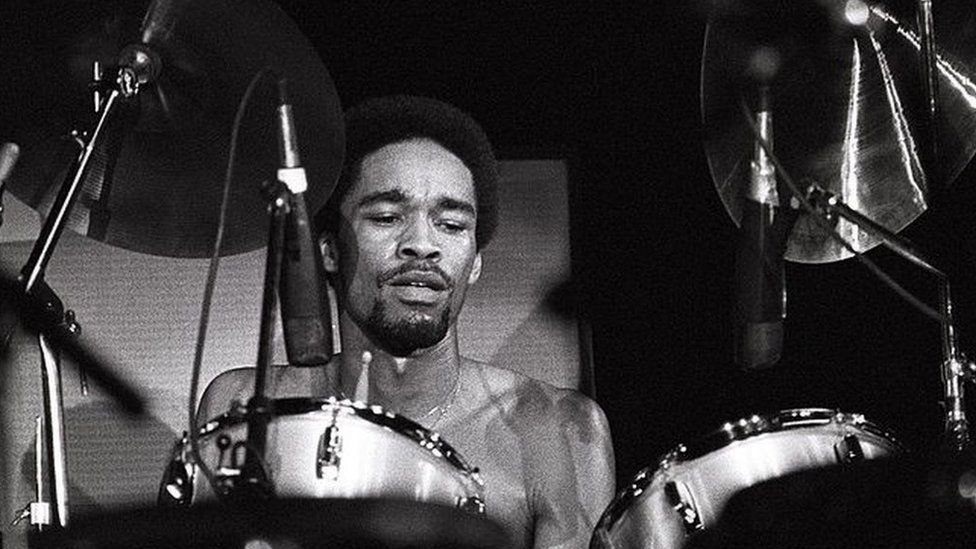
Fred White, drummer for Earth, Wind and Fire at the peak of their popularity, died January 1st at the age of 67. The brother of EWF leader Maurice White wasn’t the group’s original drummer, but he took over from Ralph Johnson in 1974 and remained behind the skins during their commercial peak through 1984. He also played drums behind Donny Hathaway and in selected recording sessions with Little Feat, Linda Ronstadt, Deniece Williams and The Emotions.

Jeff Beck, widely regarded as one of the finest, most innovative electric guitarists in rock music history, died January 10th at age 78. For more about Beck’s career, please see my earlier blog post: https://hackbackpages.com/2023/01/27/over-under-sideways-down-when-will-it-end/

Robbie Bachman, one of three brothers in the lineup of Bachman-Turner Overdrive, died January 12th at age 69. Robbie played drums behind leader/guitarist/singer Randy, who had been a pivotal part of The Guess Who before forming BTO. Robbie served as drummer from 1973-1979 when the band was at its most successful, winning several Juno Awards (Canada’s version of The Grammys), and then returned for a long run in the 1988-2005 period.

David Crosby, the iconic singer-songwriter from The Byrds and Crosby, Stills, Nash and Young, died January 19th at age 81. For more about Crosby’s career, please see my earlier blog post: https://hackbackpages.com/2023/02/10/you-know-the-darkest-hour-is-always-just-before-the-dawn/

Dean Daughtry, co-founder of Atlanta Rhythm Section, died January 26th at age 76. Daughtry had been in Classics IV, who had three late ’60s hits (“Spooky,” “Stormy” and “Traces”), and became keyboardist and co-songwriter of ARS from its founding in 1970 until 2020. He co-wrote most of their hits as well, including “So Into You,” “Imaginary Lover” and “Champagne Jam.”
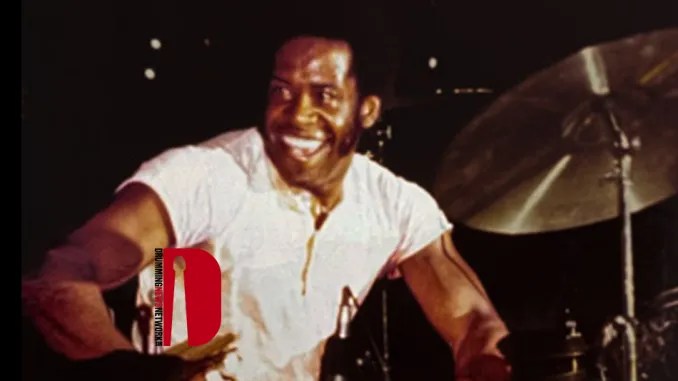
Floyd Sneed, drummer for Three Dog Night, died January 27th at age 80. Sneed laid down the percussive foundation for the vocal group’s vibrant sound from their debut in 1968 through their many chart successes in the ’70s until disbanding in 1977. He joined Ohio Players for an extended tour in 1978, and then appeared only occasionally in reunited Three Dog Night lineups in the ’80s and ’90s.

Barrett Strong, one of Motown’s early successes as both a songwriter and singer, died January 28th at age 81. His vocals on “Money (That’s What I Want)” helped make it the first hit on the Motown label in 1960, reaching #2 on R&B charts and #23 on pop charts. Strong went on to a fruitful songwriting partnership with producer Norman Whitfield, responsible for such classics as “I Heard It Through the Grapevine,” “War,” “Just My Imagination” and “Papa Was a Rollin’ Stone.”
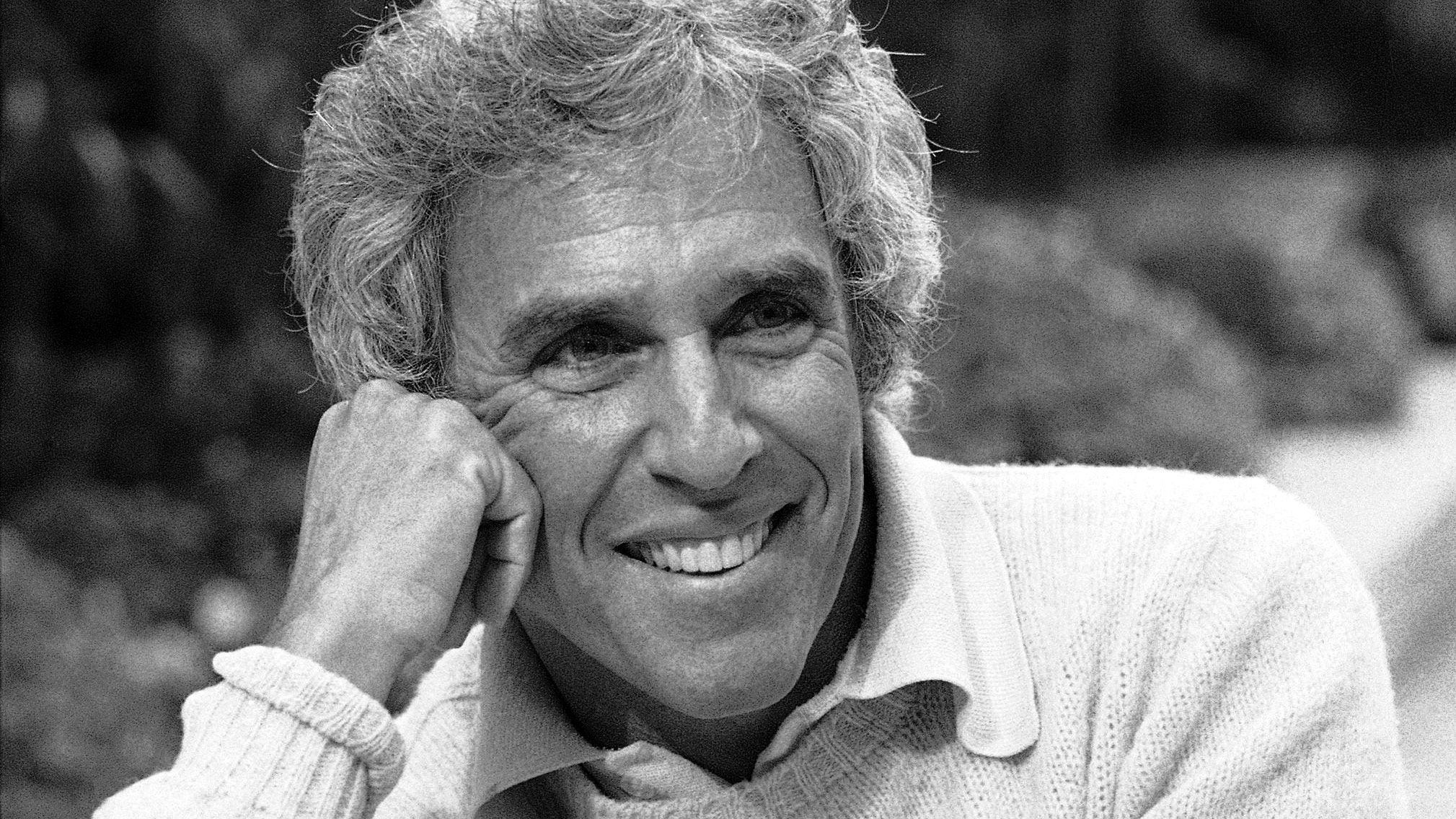
Burt Bacharach, one of the most successful pop composers of all time, died February 8th at age 94. For more about Bacharach’s career, please see my earlier blog post: https://hackbackpages.com/2023/02/17/forever-forever-youll-stay-in-my-heart/

Wayne Shorter, perhaps the most celebrated jazz saxophonist of his time, died March 2nd at age 89. He was the principal composer of Art Blakey’s Jazz Messengers from 1959-1964, then served in Miles Davis’ Second Great Quintet (1964-1969) before co-founding jazz fusion pioneers Weather Report in 1970. He also released more than two dozen solo LPs over the decades and made impressive guest appearances on prominent pop albums like Steely Dan’s “Aja,” Don Henley’s “The End of the Innocence” and every Joni Mitchell LP from 1977 on.
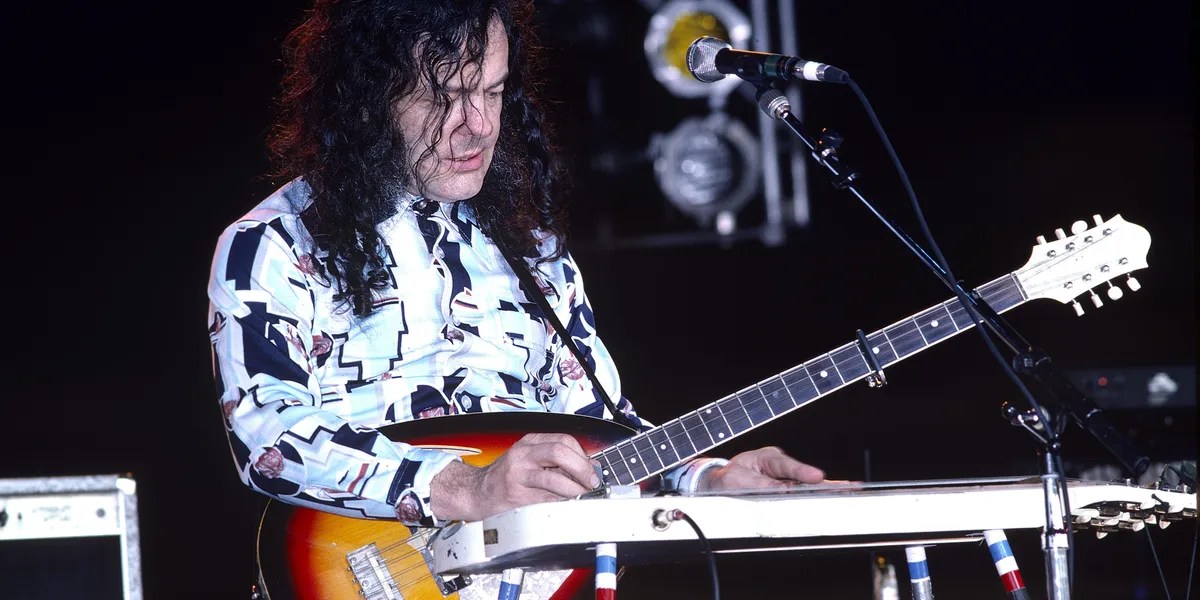
David Lindley, the “go to” session musician for scores of Los Angeles-based musicians in the ’70s and ’80s, died March 3rd at age 78. For more about Lindley’s career, please see my earlier blog post: https://hackbackpages.com/2023/03/17/oh-please-stay-just-a-little-bit-more/

Gary Rossington, the last surviving member of the original lineup of Southern rockers Lynyrd Skynyrd, died March 5th at age 71. For more about Rossington’s career, please see my earlier blog post: https://hackbackpages.com/2023/03/10/the-smell-of-death-surrounds-you/
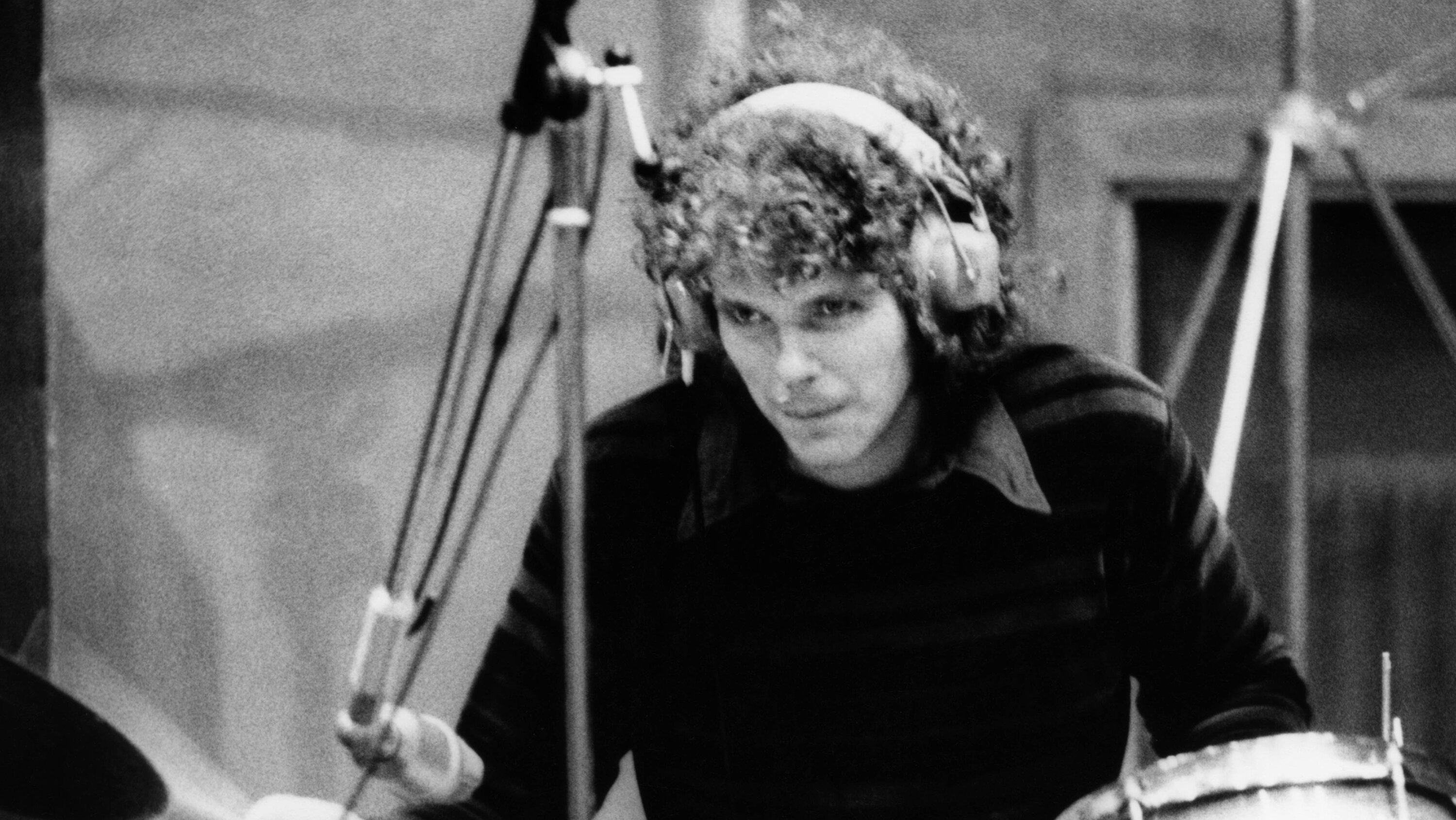
Jim Gordon, troubled but in-demand drummer in the ’60s and ’70s, died March 13th at age 77. Gordon was involved in many dozens of recording sessions in the 1960s as part of the confederation of freelancers known as The Wrecking Crew, including major works like “Pet Sounds,” “The Notorious Byrd Brothers” and the Mason Williams instrumental hit “Classical Gas.” He joined Delaney and Bonnie and Friends in 1969, which became the house band for George Harrison’s “All Things Must Pass” solo debut. Eric Clapton then tapped him to be part of his Derek and the Dominos group that recorded the legendary “Layla” album. Tragically, Gordon developed acute schizophrenia in 1983 and murdered his own mother, which led to spending the rest of his life in a psychiatric prison.
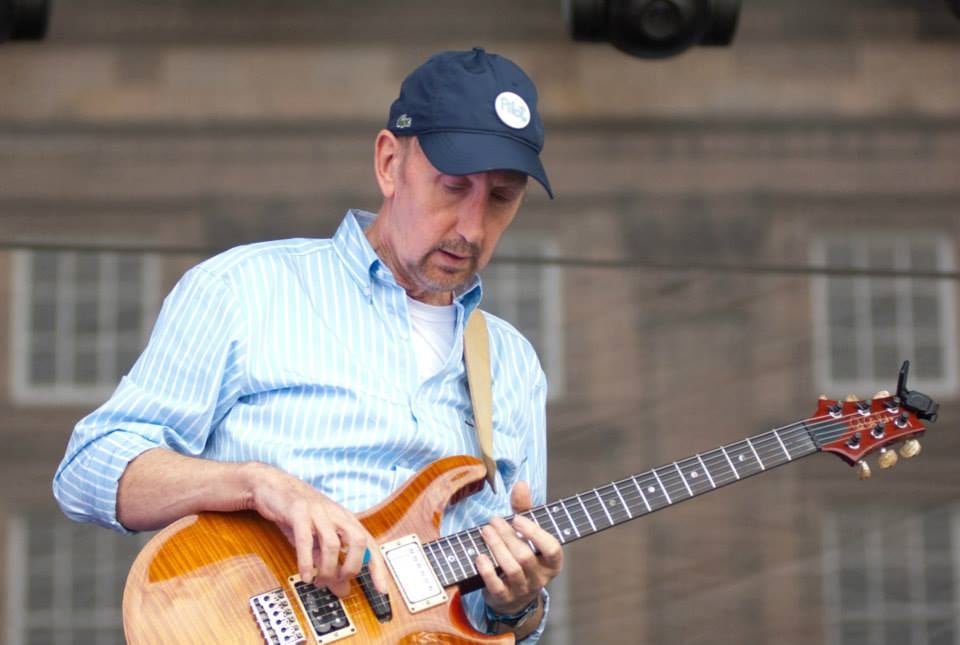
Ian Bairnson, guitarist who recorded and performed with artists such as the Alan Parsons Project and Kate Bush, died April 7th at age 69. He was a member of the Scottish band Pilot in 1974 when they had a US Top Five hit with “Magic.” Most of Pilot’s lineup became the core of musicians who played behind Parsons on his nine-album run from 1976-1990, offering guitar solos on many of APP’s tracks. Bairnson also made important contributions to Bush’s first four LPs, as well as albums by Joe Cocker, Mick Fleetwood, Sting and Eric Clapton.

Harry Belafonte, who popularized calypso music with international audiences in the 1950s and 1960s, died April 25th at age 96. He was also an accomplished actor in 1950s films like “Carmen Jones” and “Island in the Sun,” and most recently appeared in 2018’s “BlacKkKlansman.” Belafonte was a major figure in the civil rights movement of the 1960s as a close associate of Martin Luther King, and he remained an outspoken defender of minority rights well into the 2000s.
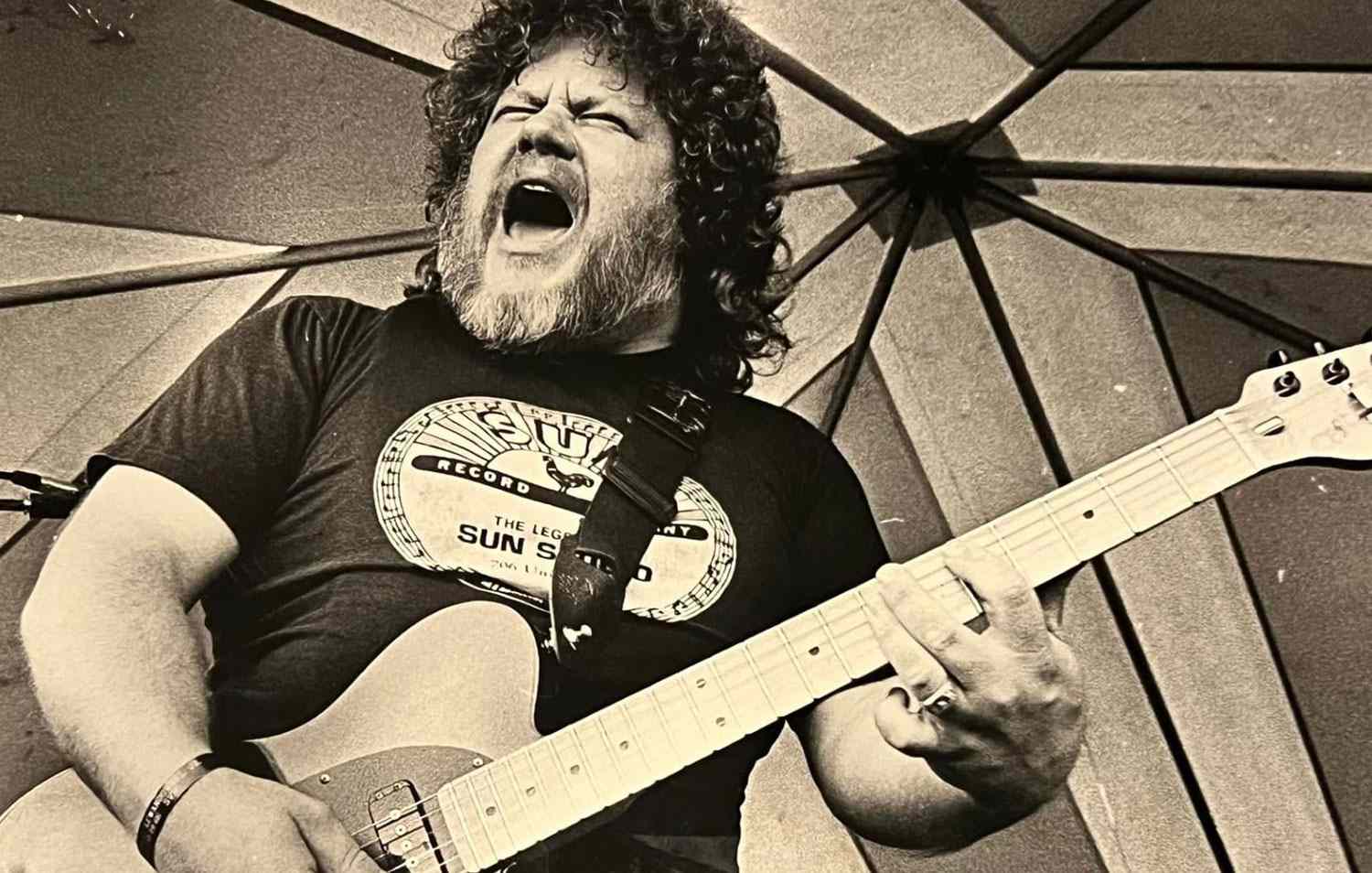
Tim Bachman, one of two guitar-playing brothers in Canada’s Bachman-Turner Overdrive, died April 28th at age 71. Tim had worked with his brother Randy in the early ’70s group Brave Belt before becoming a founding member in BTO. The brothers had a tempestuous relationship, with Tim leaving and rejoining the BTO lineup more than once over the years.

Gordon Lightfoot, legendary Canadian singer-songwriter best known for hits like “If You Could Read My Mind,” “Sundown” and “The Wreck of the Edmund Fitzgerald,” died May 1st at age 84. For more about Lightfoot’s career, please see my earlier blog post: https://hackbackpages.com/2023/05/05/the-feelings-gone-and-i-just-cant-get-it-back/
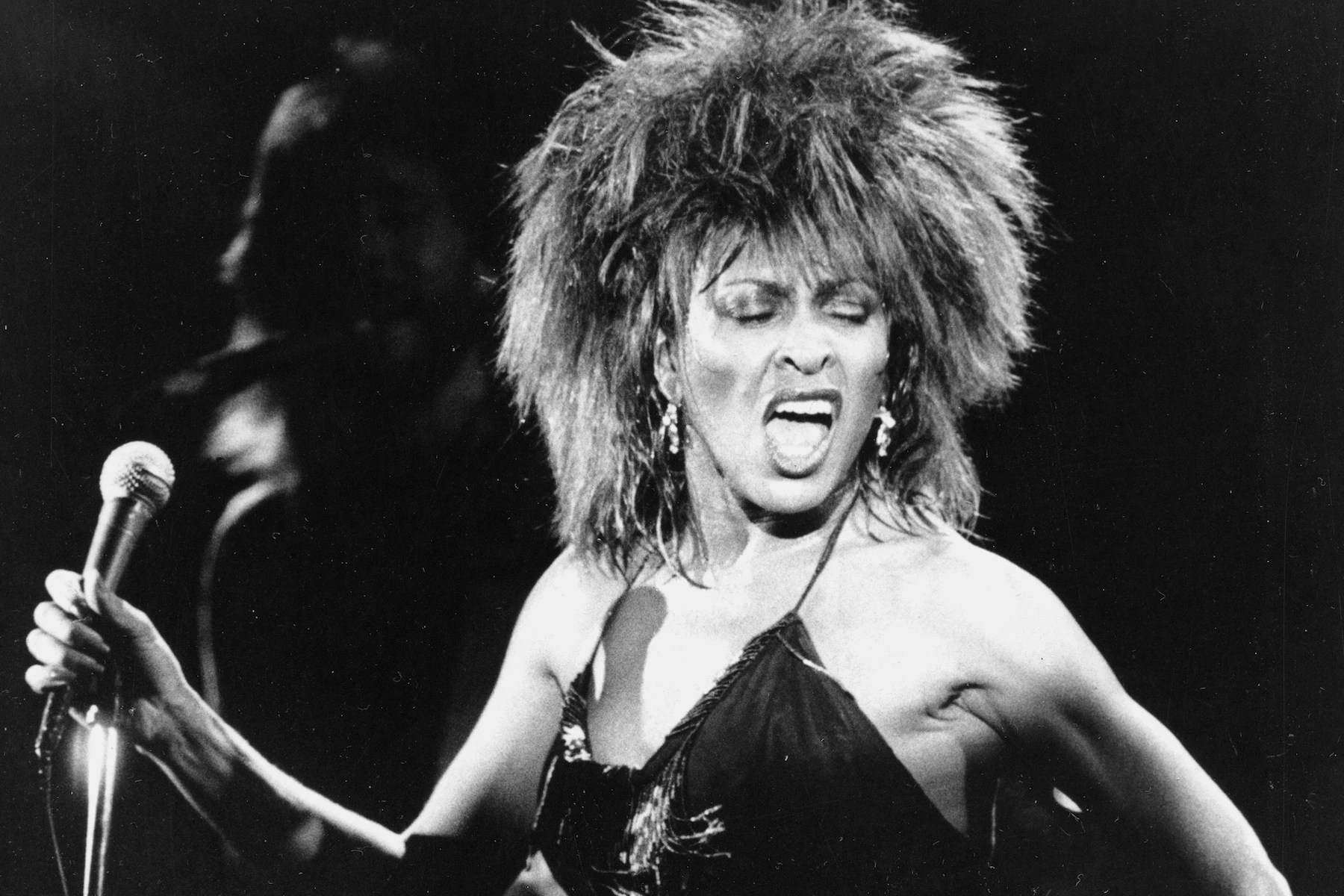
Tina Turner, the legendary ’60s R&B singer as part of The Ike and Tina Turner Revue who reinvented herself as an electrifying solo artist in the ’80s, died May 5th at age 83. For more about Turner’s career, please see my earlier blog post: https://hackbackpages.com/2023/06/02/a-lifetime-of-promises-a-world-of-dreams/

George Winston, pianist extraordinaire, died June 4th at age 74. A highly regarded contemporary instrumental performer with many solo piano recordings, Winston debuted in 1972 and found prominence in 1980 with the album “Autumn,” followed in 1982 by “Winter Into Spring” and his multi-platinum success, “December,” which became a Yuletide seasonal favorite with his impressive New Age interpretations of traditional carols and hymns.

Tony Bennett, one of the most iconic pop singers of the past century, died July 21st at age 96. For more about Bennett’s career, please see my earlier blog post: https://hackbackpages.com/2023/07/28/your-golden-sun-will-shine-for-me/
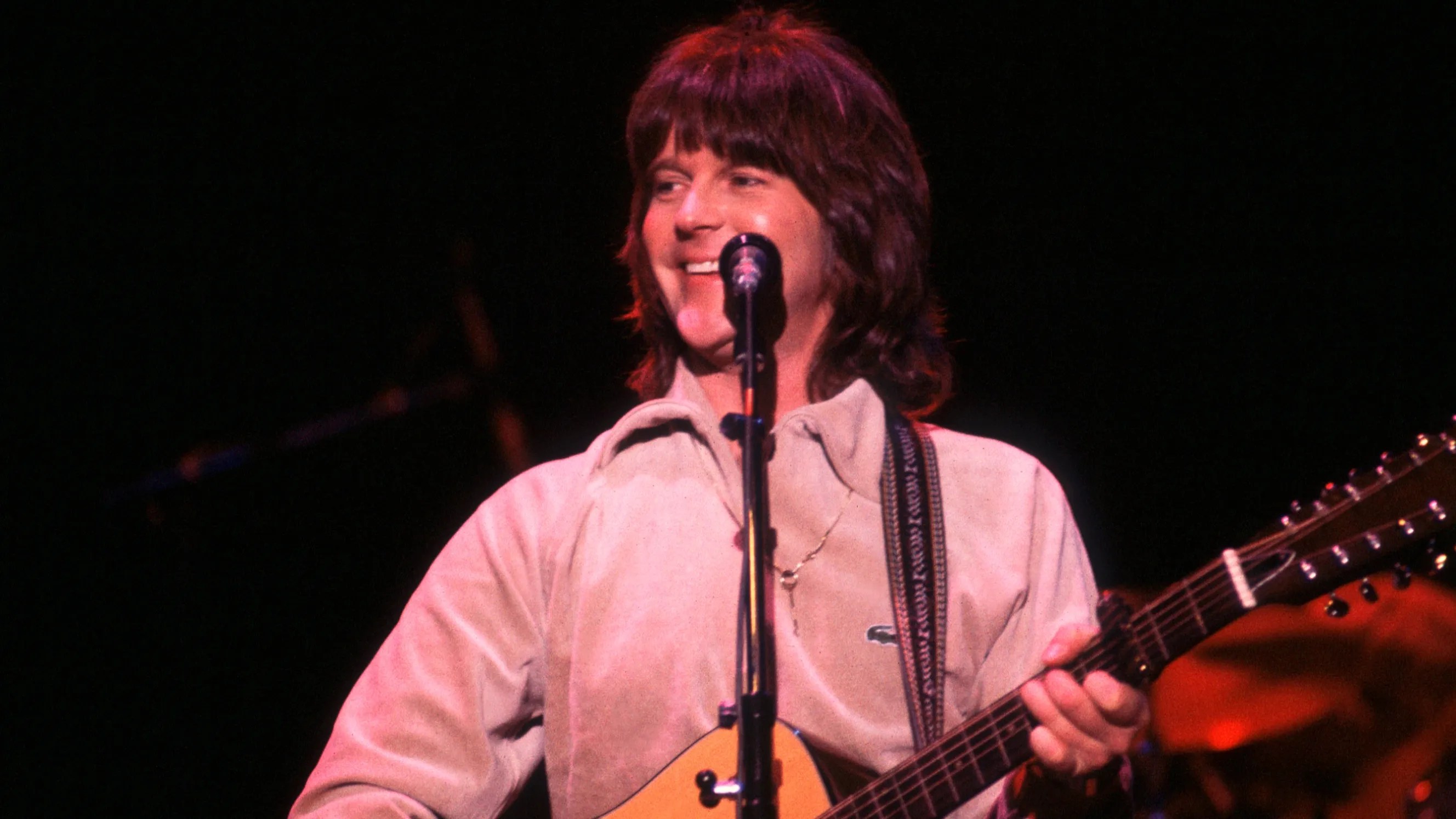
Randy Meisner, founding bassist/singer of The Eagles, died July 26th at age 77. For more about Meisner’s career, please see my earlier blog post: https://hackbackpages.com/2023/08/04/all-alone-at-the-end-of-the-evening/

Sinead O’Connor, the talented and controversial Irish singer, died July 26th at age 56. Her ethereal ballads and rebellious anthems reflected her tumultuous personal life, with lyrics about sexism, religion, child abuse, famine and police brutality set against reggae beats, traditional Irish melodies and throbbing pop hooks. Declaring that she was “proud to be a troublemaker,” O’Connor shaved her head for the photo shoot of her debut LP, “I Do Not Want What I Haven’t Got.” She considered herself more a punk rocker than a pop star and felt uncomfortable when her rendition of the Prince song “Nothing Compares 2 U” reached #1 in 1990. She made headlines when she protested against sexual abuse in the Catholic Church (long before the media exposed it) by ripping up a photo of the Pope during a live performance on “Saturday Night Live” in 1992, which outraged many and negatively affected her career for decades to come. She defended her actions years later, saying, “It was the right thing to do. I’m proud of it.”
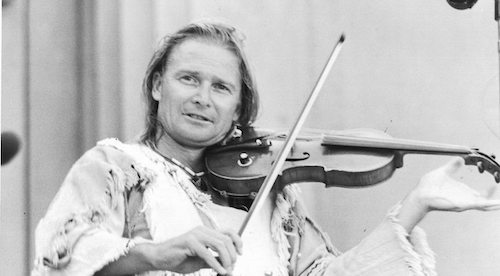
David LaFlamme, lead singer and chief songwriter of the San Francisco-based band It’s A Beautiful Day, died August 6th at age 82. He wrote and sang lead vocals on the group’s FM radio classic “White Bird,” released in 1969 on their debut LP. LaFlamme had played violin as a teenager in the Utah Symphony before co-founding It’s a Beautiful Day, who played an intriguing mix of rock, folk, jazz and classical music. They placed two LPs in the US Top 50 album chart.

Robbie Robertson, chief songwriter and guitarist of The Band, died August 9th at age 80. For more about Robertson’s career, please see my earlier blog post: https://hackbackpages.com/2023/08/18/i-just-need-some-place-where-i-can-lay-my-head/
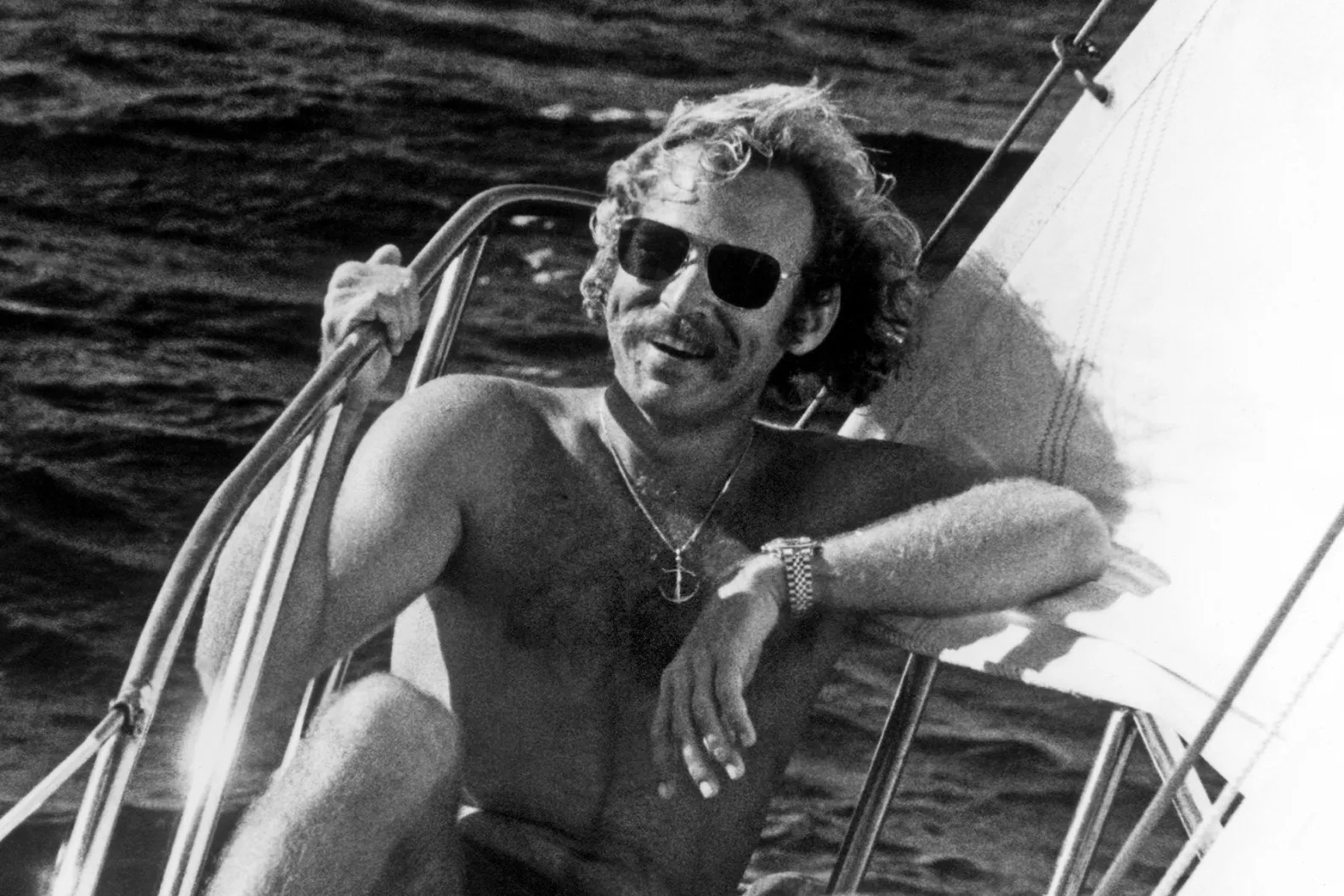
Jimmy Buffett, wildly popular singer/songwriter and good life ambassador, died September 1st at age 76. For more about Buffett’s career, please see my earlier blog post: https://hackbackpages.com/2023/09/08/if-we-couldnt-laugh-we-would-all-go-insane/
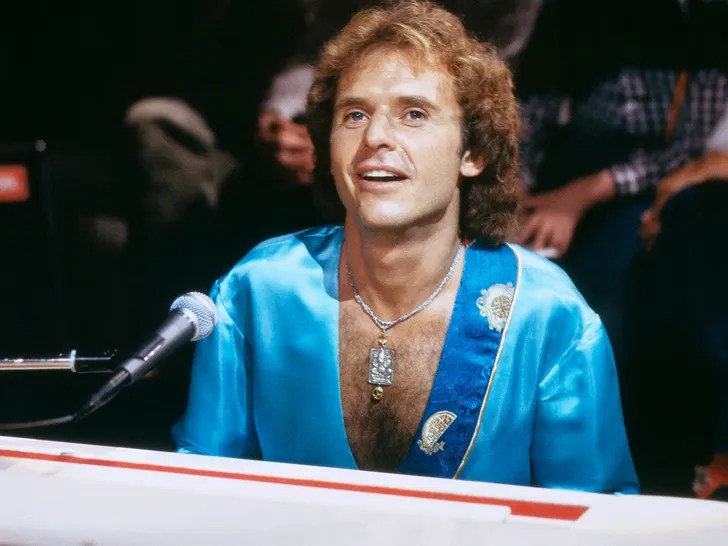
Gary Wright, American singer/keyboardist best known for his 1975 LP “The Dream Weaver,” died September 4th at age 80. Prior to his success as a solo artist, Wright was a member of the British band Spooky Tooth, who released two critically praised LPs in the late ’60s but dissolved and reunited several times over the years, never gaining the momentum to be a commercial success. Wright went on to work on George Harrison’s “All Things Must Pass” solo debut and with other British artists before reaching the top of the charts on his own with “Dream Weaver” and “Love is Alive” in 1976.
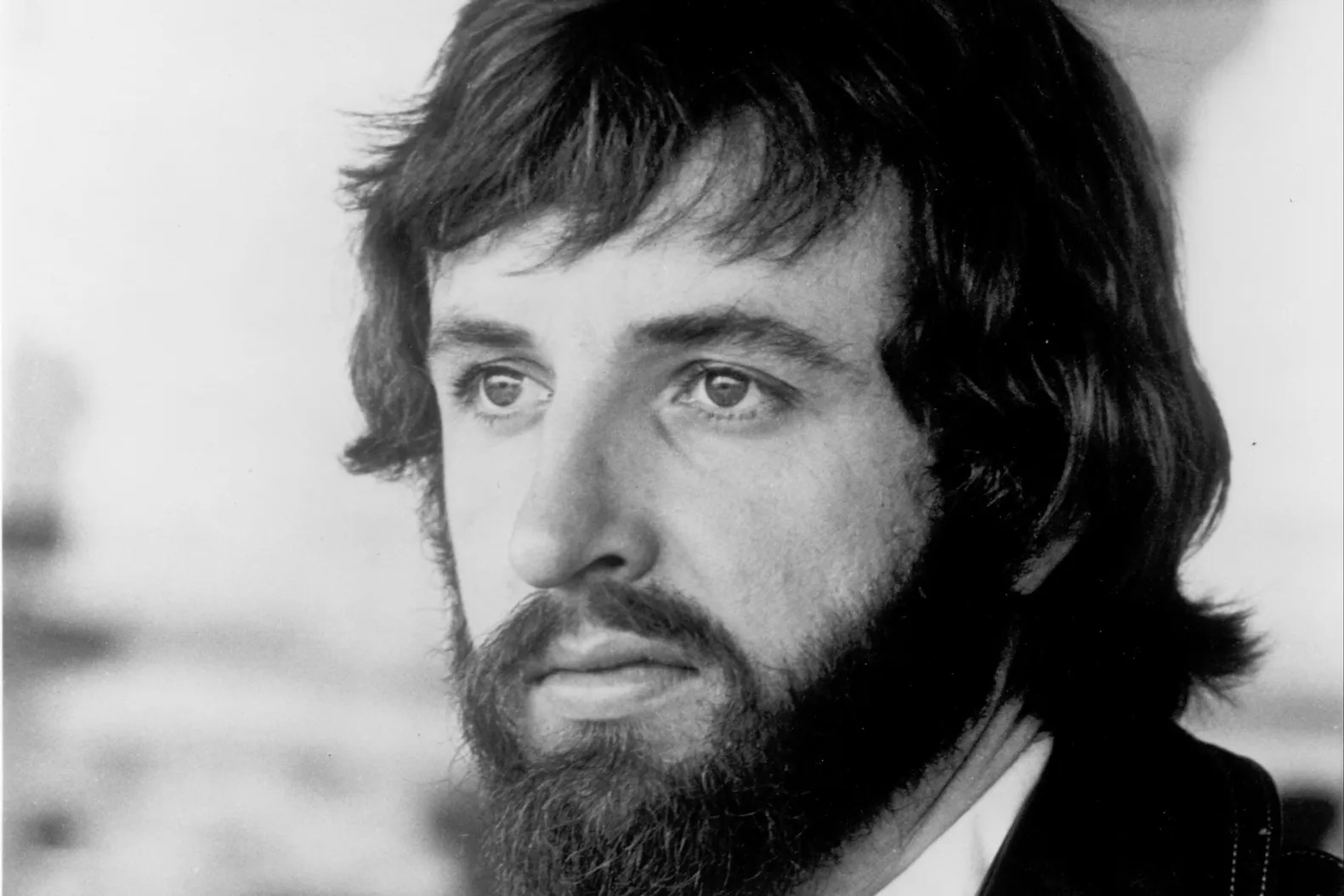
Terry Kirkman, frontman and lead singer of The Association, died September 23rd at age 83. Kirkman played woodwinds and brass instruments and played a key role in the vocal group’s lush harmonies on a string of singles between 1966-1970, most notably “Cherish,” the #1 hit he wrote, and “Windy,” “Never My Love” and “Along Comes Mary.” Although they were considered more pop than counterculture, The Association were selected as the opening act at the pioneering Monterey Pop Festival in 1967.

Rudolph Isley, one of the founding members of R&B giants The Isley Brothers, died October 11th at age 84. O’Kelly, Ronald and Rudolph Isley emerged from Cincinnati in 1959 with the classic call-and-response hit “Shout,” followed by “Twist and Shout” in 1962. Other Top Ten hits followed, such as “This Old Heart of Mine,” “It’s Your Thing,” “That Lady” and “Fight the Power,” plus two dozen popular hits on the R&B charts throughout the ’60s and ’70s.
Paul Harris, keyboardist on many dozens of albums and in the Stephen Stills band Manassas, died October 24th at age 78. Harris played piano, organ and synthesizer and handled music arrangements for a wide variety of artists in the ’60s, ’70s and ’80s, including The Doors, Dan Fogelberg, Maria Muldaur, Joe Walsh, Judy Collins, B.B. King, Bob Seger, Souther-Hillman-Furay Band, Andy Gibb, ABBA, Aerosmith, John Sebastian and, as noted, Manassas.
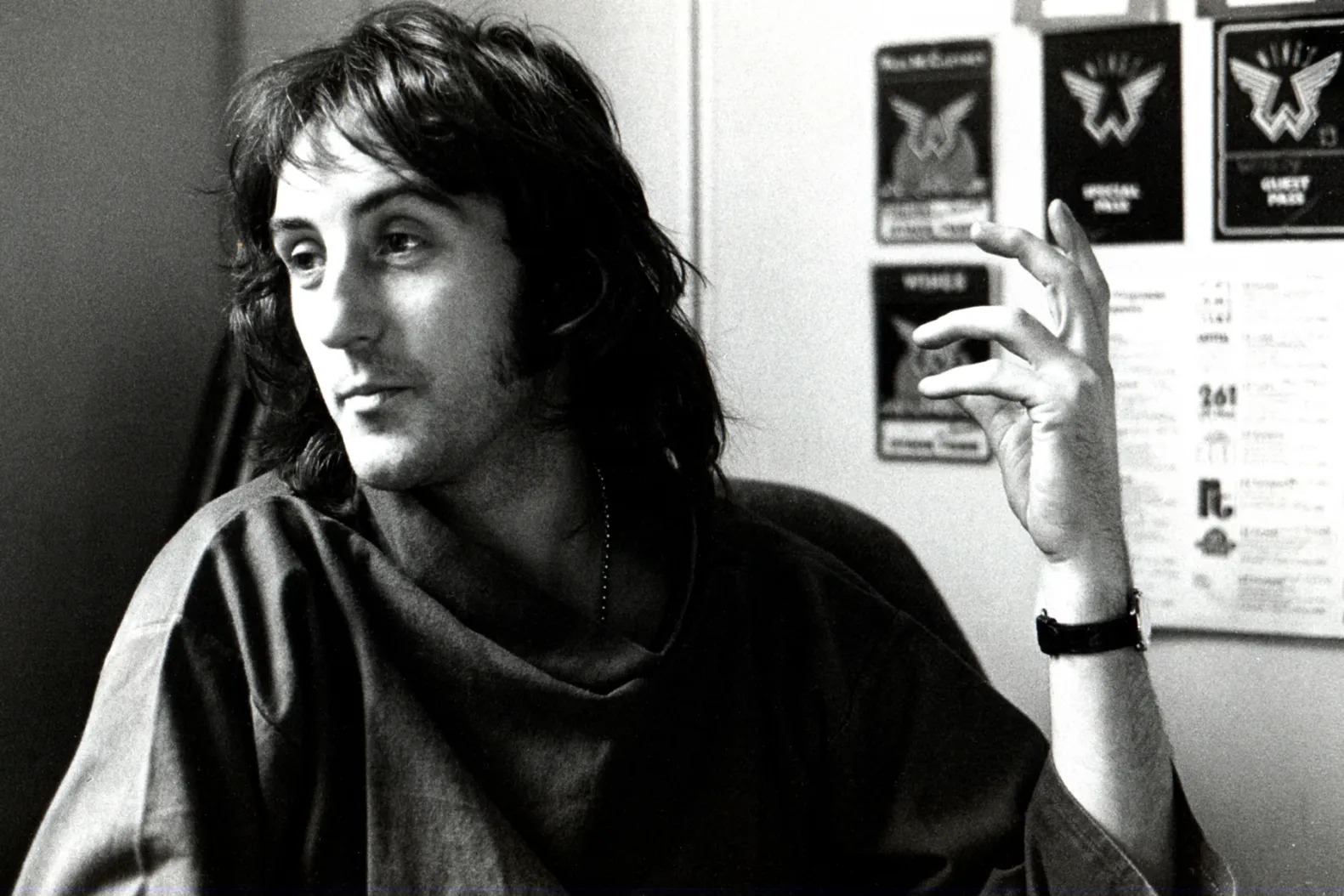
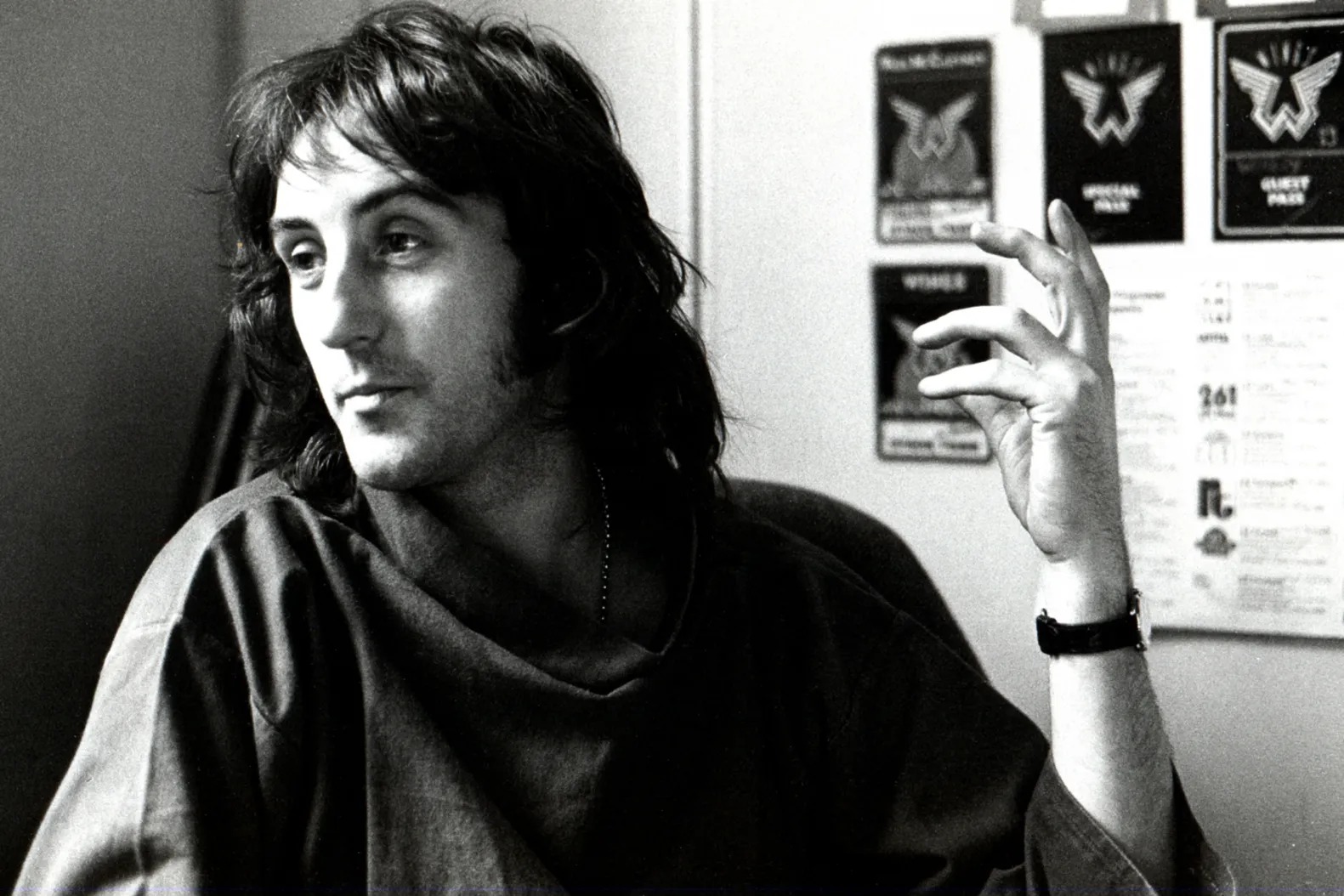
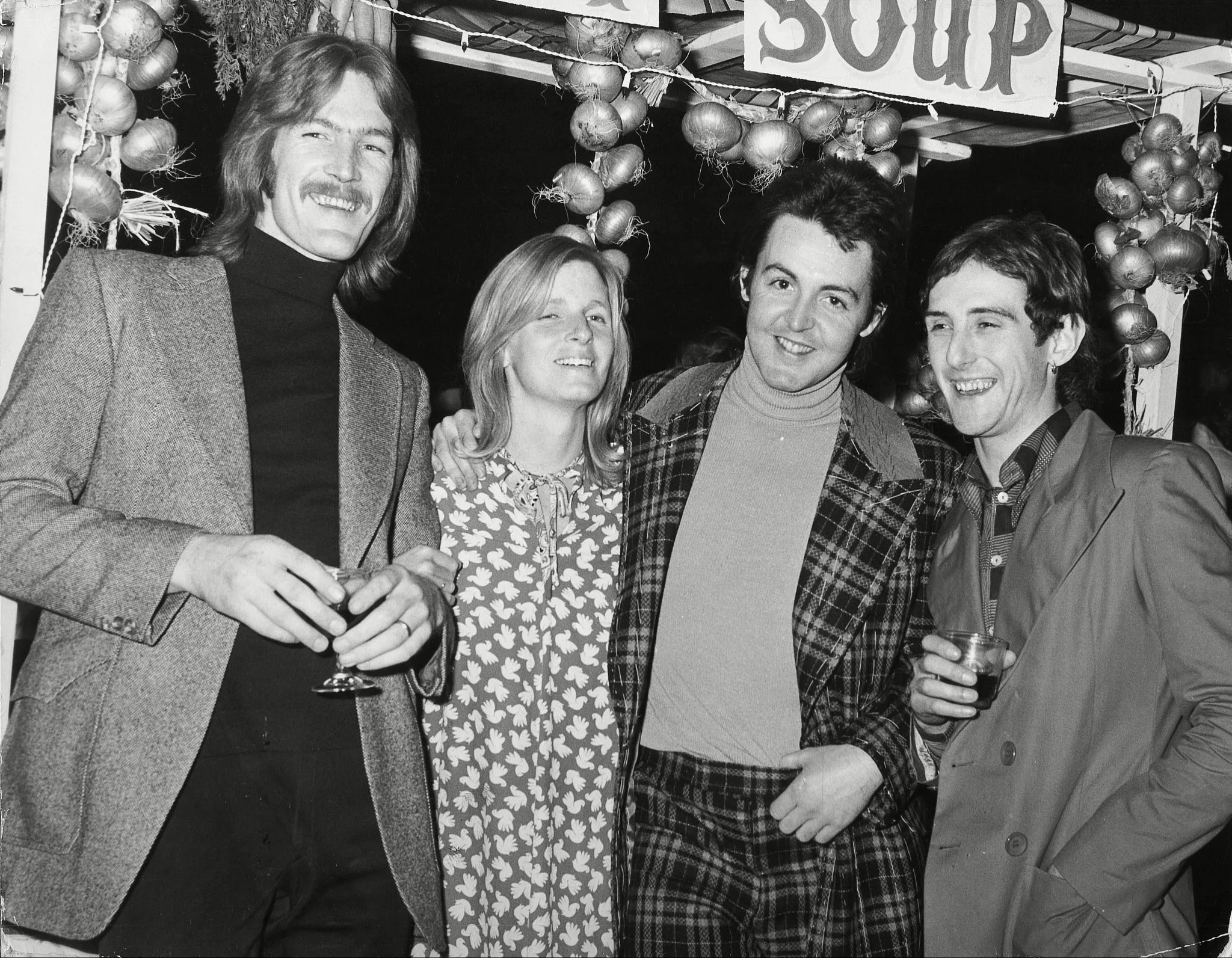
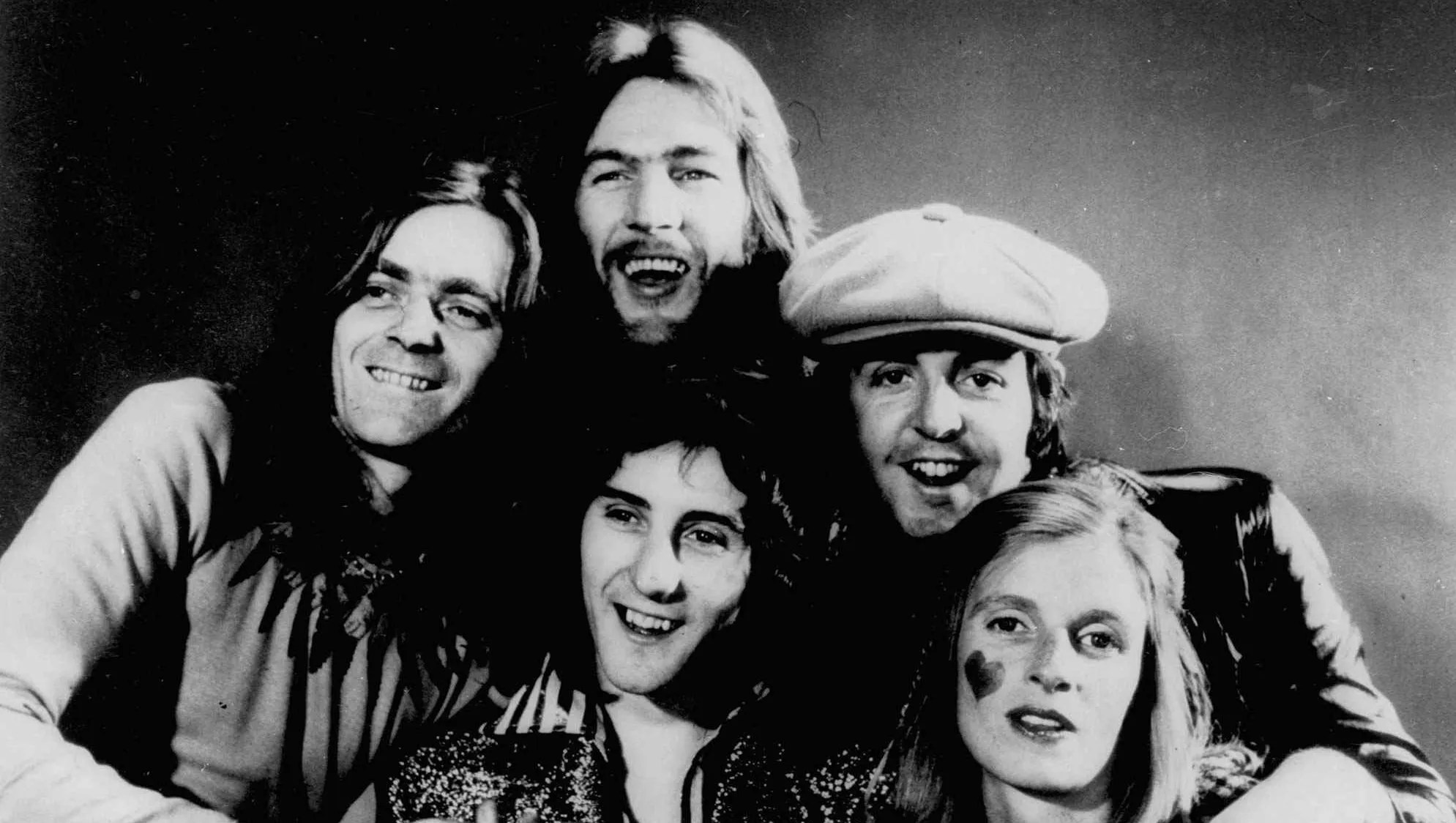
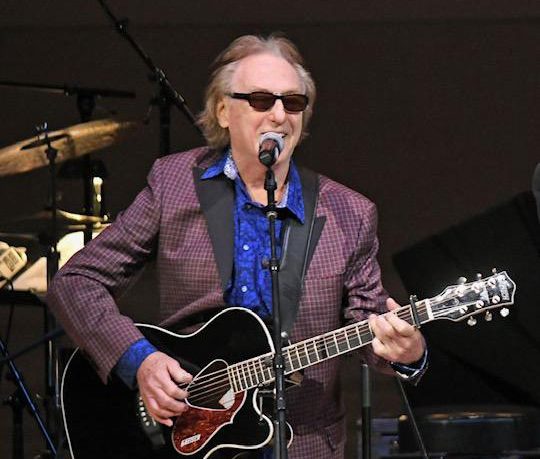
Denny Laine, singer/guitarist in the original lineup of The Moody Blues and then Paul McCartney’s trusty bandmaster in Wings, died December 5th at age 79. For more about Laine’s career, see my earlier blog post: https://hackbackpages.com/2023/12/08/since-youve-got-to-go-youd-better-go-now/
***************************
The playlist below includes one song by each artist that’s representative of their contribution to the band or to the catalog of music in which they played a part. Some of these were big hits, others less known.


 Hack's Back Pages