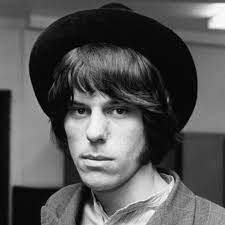
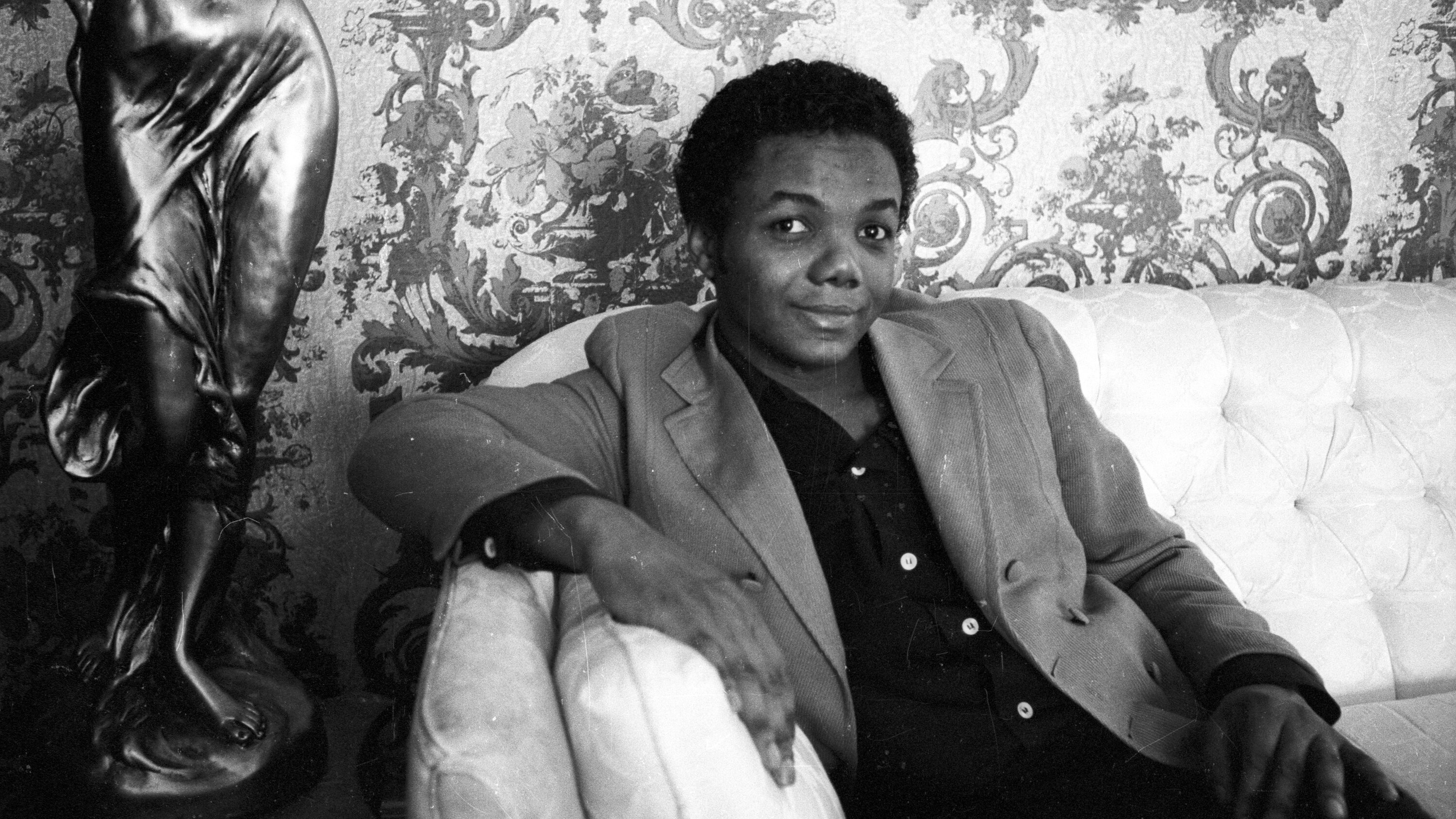
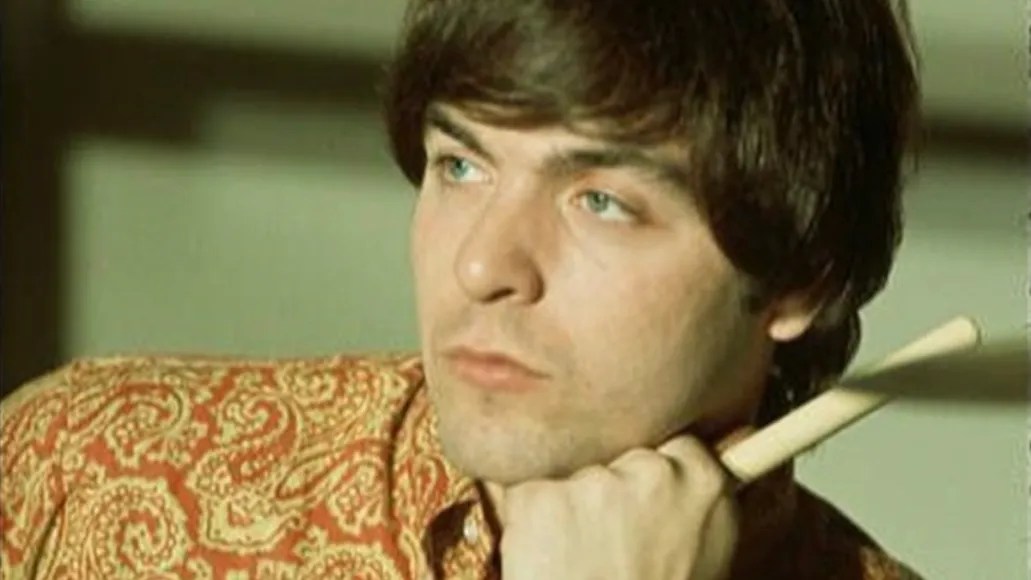
If there’s a rock ‘n’ roll heaven, they’ve got a hell of a band

We can’t begin the New Year until we pay our respects to the folks we lost in 2022. It’s always tough to say goodbye to those who made an impact in our lives, be they precious family members, longtime friends, or celebrities whose musical achievements touched our hearts at some point on life’s journey.

At Hack’s Back Pages this week, I am doing what I traditionally do for the final post of the calendar year — offering well-deserved appreciation for the classic rock artists who died in 2022. I have also included a Spotify playlist of 32 songs, two from each of the 16 artists profiled here.

Rest In Peace to these talented people…

****************************

Marvin Aday, better known the world over as the unforgettable Meat Loaf, passed away January 20th at age 74. “Bat Out of Hell,” the over-the-top album he created with songwriter Jim Steinman in 1977, remains one of the biggest sellers in rock music history. His larger-than-life persona helped him pack arenas and concert halls for decades, spurred on by the success of “Bat Out of Hell II” in 1993, with its #1 hit single “I’d Do Anything For Love (But I Won’t Do That).” Meat Loaf also did many dozens of cameos and acting gigs in mostly forgettable films and TV shows, although his appearances in “Rocky Horror Picture Show” and “Wayne’s World” were quite memorable.

Gary Brooker, keyboardist and lead singer for the British progressive rock band Procol Harum, died February 19th at age 76. It was Brooker’s vocals, songwriting prowess and piano talents that defined the group’s music, most notably on their game-changing debut single, “A Whiter Shade of Pale,” the first major work that effectively merged rock with classical music. Brooker remained the constant in the band’s lineup throughout the late ’60s and ’70s, playing a prominent role on albums like “A Salty Dog” and “Grand Hotel” and hit singles like “Conquistador,” recorded live with a symphony orchestra. He shepherded a successful reunion LP in the ’90s, participated in the “Concert For George” (Harrison) tribute concert and album in 2002, and recorded and toured as Procol Harum with new material as recently as 2017.

The rock music world was stunned when Taylor Hawkins, the mightily talented drummer of Foo Fighters, died suddenly in Brazil when his heart gave out on March 25th at age 50. He had been a session drummer and toured with Alanis Morrisette in the mid-’90s before joining up with Dave Grohl’s band in 1999, becoming a fixture on eight albums and numerous tours. He also formed a side project, Taylor Hawkins and The Coattail Riders, in 2004, who released three albums of their own. While he had been a recreational drug user in the past, it was a combination of prescribed meds that proved too much for Hawkins. He was inducted with the Foo Fighters into the Rock and Roll Hall of Fame in 2021.

Veronica Yvette Bennett Greenfield, known worldwide as Ronnie Spector, died of cancer January 12th at age 78. She was the pivotal member of the early ’60s “girl group” The Ronettes, who had several Top Ten hits in the US and the UK, most notably the iconic “Be My Baby,” and “Baby I Love You” and “Walking in the Rain.” She endured a stormy, controlling marriage to unstable record producer Phil Spector, who sabotaged her career by refusing to let her perform and threatening her life on multiple occasions. Her attempts at a solo career never amounted to much, but in the ’70s, she recorded vocals on tracks by Southside Johnny and performed with Bruce Springsteen a few times. In 1986, Spector added guest vocals on Eddie Money’s #4 hit, “Take Me Home Tonight.”

Since 1970, Christine Perfect McVie was a crucial member of Fleetwood Mac, a stable influence when so many others in the band’s lineup went spinning out of control. Hired to play keyboards and background vocals, she soon began writing and singing lead on her own songs (“Just Crazy Love,” “Heroes Are Hard to Find”). By the time Lindsey Buckingham and Stevie Nicks joined in 1975, McVie was writing compelling pop symphonies like “Over My Head” and “Say You Love Me,” and huge hit singles such as “Don’t Stop” and “You Make Loving Fun.” Her songs from Fleetwood Mac’s 1987 gem “Tango in the Night” tore up the airwaves that year (“Little Lies,” “Everywhere”). Christine suffered from severe scoliosis and died on November 30 at age 79.

Alan White, drummer extraordinaire with Yes for nearly 40 years, 15 albums and 30 tours, died May 26th at age 72. White was recruited by Yes to take over on skins when original drummer Bill Bruford left unexpectedly for King Crimson, leaving them in a quandary just before their 1972 opus “Close to the Edge” US tour, and White made the most of the great opportunity. Prior to joining Yes, White played numerous sessions in British studios, went on tour with Joe Cocker, and participated on several high-profile projects with John Lennon and his Plastic Ono Band, including the “Live Peace in Toronto” appearance and album, and the #1 “Imagine” LP.

Ronnie Hawkins, who died May 29th at age 87, is credited with kickstarting the Canadian rock music scene in the mid-’60s, bringing his infectious blend of gregarious rock ‘n’ roll and R&B. He was born in Arkansas USA, where he developed a love for “a sort of rockabilly/soul mix,” as he put it, which became the format for his group The Hawks. They sought and found some fame in Ontario, but The Hawks disbanded and later evolved into The Band. Hawkins moved to Toronto in the mid-’60s and. became a fixture in the clubs there and in Hamilton for 40 years, both as a flamboyant performer and a talent scout. He also appeared in Bob Dylan’s “Renaldo and Clara” film and The Band’s legendary “The Last Waltz” concert and film.

Jimmy Seals, one half of the popular 1970s soft rock duo Seals and Crofts, died June 6th at age 80. His songwriting, vocals and acoustic guitar playing anchored the albums and hit singles that marked the duo’s career, especially during their 1972-1973 peak with four Top 20 hits (“Summer Breeze,” “Hummingbird,” “Diamond Girl” and “We May Never Pass This Way Again”). Seals was a deep believer in the Baha’i faith, which regards abortion as a sin, and when he and Crofts recorded the controversial “Unborn Child” album and single in 1974, the duo fell out of favor for a while. They managed one more hit in 1976 with the #6 “Get Closer,” then retired from the business in 1980 except for occasional one-off reunions in the 1990s and 2000s.

Lamont Dozier, one third of the incredibly prolific Motown songwriting team of Holland-Dozier-Holland, died August 8th at age 81. With his partners, Dozier came up with hit after hit after hit in the 1964-1970 period, writing TEN #1 singles for The Supremes (“Stop! In the Name of Love,” “You Keep Me Hangin’ On,” “Baby Love”) and many iconic tunes for The Four Tops (“I Can’t Help Myself,” “Reach Out I’ll Be There”), Marvin Gaye (“How Sweet It Is”) and Martha Reeves (“Heat Wave”). He tried his hand as a recording artist himself, charting at #15 with “Trying to Hold On to My Woman” in 1974, and continued achieving as a songwriter into the ’80s and ’90s.

When it comes to riveting lead vocals in the British New Wave arena, few came close to Terry Hall, who served as front man in The Specials and Fun Boy Three, two of the most successful bands of the early ’80s in the UK. The Specials scored two Top Five LPs and six Top Ten singles, including “Gangsters,” “A Message to You Rudy,” Rat Race” and “Stereotype.” Hall left that band after only three years to form Fun Boy Three, again making a huge chart impact with two Top 20 albums and four Top Ten singles. Curiously, neither band made a dent in the US charts, so Hall’s name is known primarily here to discerning American rock fans. Hall died December 18 of pancreatic cancer at age 63.

Olivia Newton-John — wholesome songstress, iconic actress, sexy pop star, committed activist — passed away August 8th at age 73 after a lengthy battle with cancer. She established herself as a purveyor of sugar-sweet pop/country songs in the 1971-1976 period, but that all changed when she was cast as Sandy in the film version of “Grease” in 1978, in which she eventually transformed from innocent lass to aggressive vixen. The platinum “Grease” soundtrack was dominated by Newton-John singles (“You’re the One That I Want”) that influenced her next few rocked-up records, including the ubiquitous “Physical,” a #1 single for 10 weeks in 1981. By 1985 she was a wife and mother and got her first cancer diagnosis, so she switched gears to a less stressful career championing environmental causes.

Jerry Lee Lewis, the original bad boy among the influential pioneers of rock and roll, died October 28th at age 87. Parents in the ’50s found his brand of untamed rock (“Whole Lotta Shakin’ Going’ On,” “Great Balls of Fire”) unsettling, especially on stage, where he sang with unbridled passion and played piano like a man possessed. His cocky attitude was part of his persona, but it didn’t serve him well when, at age 22, he defiantly married his 13-year-old cousin, and the public outcry derailed his career for nearly a decade. In 1968, he recorded a traditional country LP that went to #3 on country charts, kicking off an impressive eight-year run as a country music artist. Lewis was deservedly inducted into the Rock and Roll Hall of Fame in its inaugural class.

Aaron Carter was only nine years old when his debut LP sold a million copies in 1997 and made him one of the most successful teen pop singers in recording history, with three more multi-million-selling albums over the next seven years. At his peak in 2000-2001, Carter’s LPs “Aaron’s Party” and “Oh Aaron” made him almost as huge a concert draw as his brother Nick’s band, The Backstreet Boys. Carter was found dead in the bathtub of his California home on November 5th at age 34, and the jury is still out on whether it was accidental overdose or suicide. Carter’s story is a sad one. He suffered from bipolar disorder and opiate addiction, necessitating ongoing rehabilitation attempts, and he endured parents who grossly mismanaged his finances.

The most awarded female country music recording artist of all time, Loretta Lynn scored an incredible 24 #1 hits on the country charts and 11 Number One LPs over the course of her six-decade career. Her 1970 #1 autobiographical single “Coal Miner’s Daughtrer” became her signature song and was turned into a popular biopic film in 1980 starting Sissy Spacek. Another crossover success came in 1993 when she collaborated with Dolly Parton and Tammy Wynette on “Honky Tonk Angels,” which reached #42 on the pop charts. Her 50 years of touring came to an end in 2017 when she suffered a stroke, then broke her hip the following year. She died October 4th at the age of 90.

Dino Danelli, the talented drummer of The Young Rascals (later The Rascals), died December 15th at age 78. Danelli has been described as “perhaps the most underappreciated drummer in rock history.” If you check out video clips of The Rascals in performance (notably “Good Lovin'” on “The Ed Sullivan Show”), it’s clear how vital Danelli was to the band’s dynamic sound. The Young Rascals had six Top Ten hits between 1966-1968, including three #1 classics — “Good Lovin’,” “Groovin'” and “People Got To Be Free” — as well as “A Girl Like You,” “A Beautiful Morning” and “How Can I Be Sure.” Danelli was a Jersey boy with jazz drum training who jammed with the likes of Lionel Hampton before meeting Eddie Brigati and Felix Cavaliere to form The Rascals. Later in life, he collaborated with Leslie West and then Little Steven & The Disciples of Soul.

Kim Simmonds, the founder and longtime guitarist of the venerable British blues band Savoy Brown, died on December 13th at age 75. Like so many of his young British compatriots in the mid-’60s, Simmonds was enamored by American blues and formed Savoy Brown in 1965. While they didn’t really catch on much in their native England, the group enjoyed modest success with US audiences thanks to constant touring. Simmonds, who wrote the majority of the band’s repertoire, tended to rule the group with an iron fist, which partly explains the revolving door of nearly 70 different members over the years. The group charted six LPs in the Top 100 here, with 1972’s “Hellhound Train” peaking at #34.

****************************
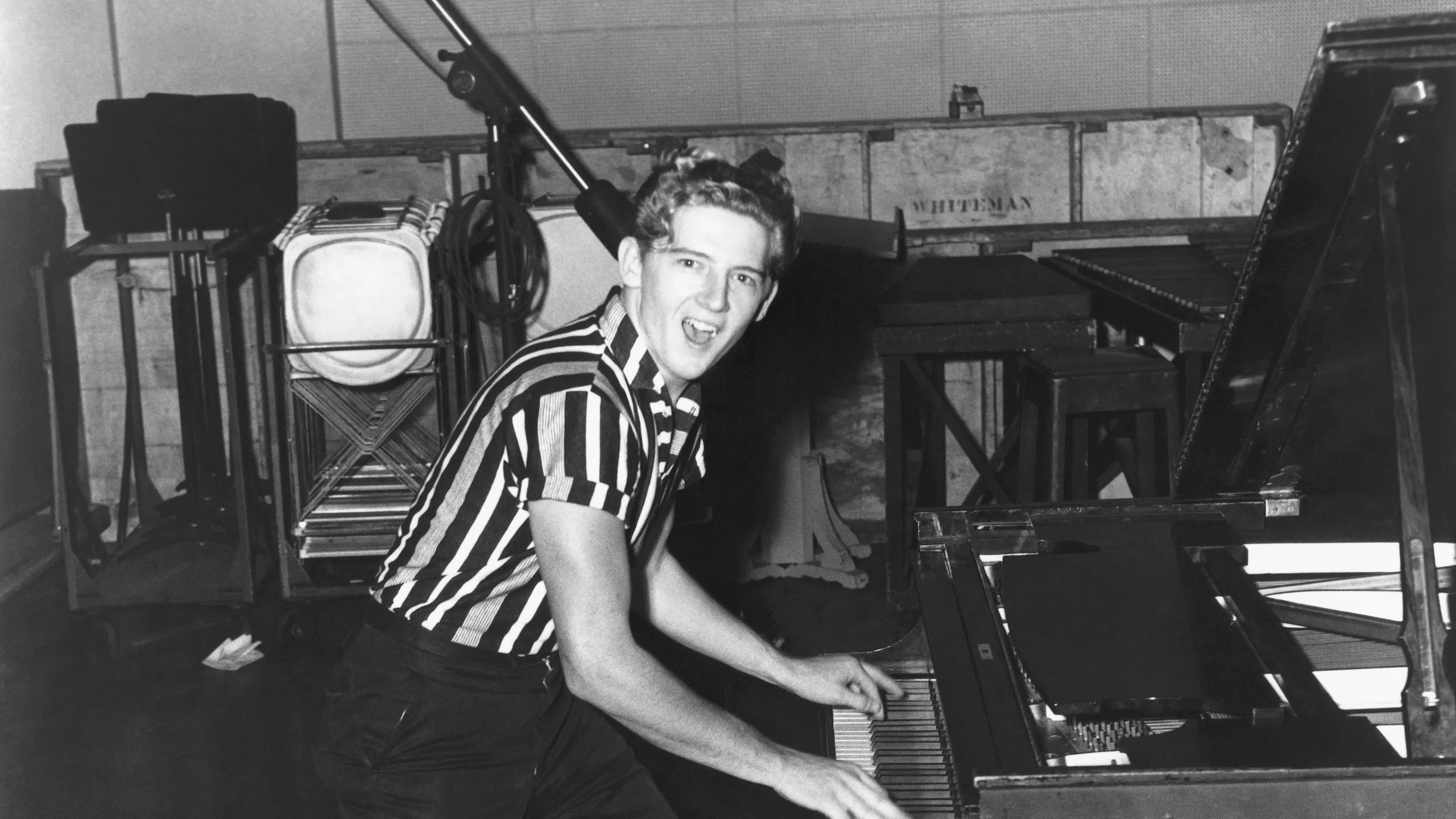
Honorable mentions:

Bobby Rydell, early ’60s pop idol, died April 5th at 79; Alec John Such, bassist for Bon Jovi, died June 5th at 70; Billie Dale “C. W. McCall” Fries, singer/writer of the CB radio #1 novelty hit “Convoy,”died April 1 at 93; Jerry Allison, drummer for Buddy Holly and The Crickets, died August 22nd at 82; country singer Naomi Judd died April 30th at 76; Depeche Mode keyboard player Andy Fletcher died May 26th at 60; and Irene Cara Escalera, singer/actor in “Fame” and “Flashdance (What a Feeling),” died November 25th at 63.

****************************

You can take me to the paradise

In 2017, my wife Judy was shopping for clothes with her friend Marie in a Malibu boutique store. When she came out of the dressing room in a fashionable blue jumpsuit, a woman standing nearby exclaimed, “Oh darling, you have to buy that. It looks great on you!” As Judy and Marie returned to the dressing room, Marie whispered, “Isn’t that Christine McVie?” Judy replied, “Sure is!”

We had all gone to see Fleetwood Mac the previous day at Dodger Stadium as part of “The Classic,” a two-day concert showcase of classic rock bands including Steely Dan, The Doobie Brothers, Earth Wind and Fire, Journey and The Eagles. McVie was staying in Malibu for a couple of days and, as luck would have it, had wandered into the store where Judy was shopping.

I tell this story to illustrate that, on that day, McVie was every bit the sort of warm, kind person she has been reputed to be throughout her life. As a member of one of the most successful bands in rock music history, she could have easily been one of the more self-absorbed rock stars who wouldn’t have paid any attention to a stranger trying on a new outfit. But she made a point of stopping and offering a friendly remark, making a lasting impression in the process.

Christine McVie in 1997

It was a sad day last week in our house when we heard that McVie had died at age 79. The cause of death was not reported, but she had been suffering from chronic scoliosis for some time, which affected her mobility and her ability to perform on stage.

In a Rolling Stone article six months ago, she responded to Mick Fleetwood’s hope that the band would reunite for one last farewell tour. “I don’t feel physically up for it,” she said. “I’m in quite bad health. I’ve got a chronic back problem which debilitates me. I stand up to play the piano, so I don’t know if I could actually physically do it. Touring is bloody hard work. What’s that saying? ‘The mind is willing, but the flesh is weak.'”

Said Fleetwood last week, “Part of my heart has flown away today. My dear sweet friend Christine McVie has taken to flight, and left us earthbound folks to listen to the sounds of that ‘songbird.’ I will miss everything about you, Chris.”

********************

Born in Lancashire, England, in 1943, Christine Anne Perfect was raised in a musical environment where her father and grandfather were accomplished performers (concert violinist and organist, respectively). She trained as a classical pianist until her older brother introduced her to rock and roll and the blues. “I couldn’t get enough of B.B. King, Little Walter, Sonny Boy Williamson, all those great Black American blues guys,” she recalled, falling in with other like-minded peers and singing in various struggling groups while attending art college, ultimately becoming keyboardist and singer with a London-based blues band called Chicken Shack.

“In 1966, we talked Christine into joining Chicken Shack,” Stan Webb, the band’s guitarist, said last week. “At that time there weren’t really any female band members on the British blues scene, so she was hesitant. I think she only joined to shut us up! Chicken Shack used the same studios as Fleetwood Mac in 1967-68, and it was there that Chris met Peter Green and his band. The rest is wonderful history. We sowed the seed, and from that seed grew this massive talent. I am grateful to have been a part of it. Rest In Peace, Chris. A legend never dies.”

Christine Perfect, 1969

In 1969, at the same time the original lineup of Fleetwood Mac had three Top Ten albums and four big hit singles on the UK charts, Chicken Shack, with Christine on lead vocals, charted at #14 with “I’d Rather Go Blind,” a smoldering cover of the Etta James blues track. By then, the bands became friendly, performing at the same clubs, often on the same bill. Christine took a fancy to Mac bassist John McVie — “He had a wonderful sense of humor, the most endearing person” — and the two married the same year.

Christine overlapped only briefly with Green, so you don’t see many photos of them together, but she was a huge fan of the original lineup and was keenly aware of Green’s contributions. “He was massively talented, and just a wonderful guy as well,” she recalled. When Green abruptly left the group he founded in 1970, Chris was invited to join on keyboards and occasional vocals. Thanks to guitarists/songwriters Danny Kirwan and, later, Bob Welch, Fleetwood Mac moved on from the blues to a more rock-based sound, sometimes hard-edged but usually with a sweeter, melodic groove. McVie’s original songs started showing up on the group’s LPs during this stage — thoughtful tunes like “Show Me a Smile” on 1971’s “Future Games,” “Spare Me a Little” on 1972’s “Bare Trees,” “Just Crazy Love” on 1973’s “Mystery to Me” and the rousing title track on 1974’s “Heroes Are Hard to Find.”

The band in 1974: John McVie, Mick Fleetwood, Bob Welch, Christine McVie

The media have typically given short shrift to this phase of Fleetwood Mac, overshadowed by the fertile blues period (in the UK) before it, and the stratospherically successful yet emotionally fraught era that followed. I think that’s a shame, because it was on these albums in the 1971-74 period when Christine McVie was showing significant growth as a songwriter and singer, taking on the role of the calm, steadfastly rational center of the lineup she would end up holding throughout her tenure in the band.

By the time Lindsey Buckingham and Stevie Nicks joined the group in 1975, giving Fleetwood Mac a compelling variety of strong material from three talented singer-songwriters, Christine had hit her stride with her sunny brand of melodic songs like “Over My Head” (the group’s first Top 20 single in the US), “Warm Ways” and the contagious “Say You Love Me.” This winning streak continued on the multiplatinum “Rumours” LP with “Don’t Stop” (#3) and “You Make Loving Fun” (#9), and what would become her signature tune, the gorgeous ballad “Songbird.”

Discussing the genesis of “Songbird,” McVie said, “I woke up in the middle of the night and the song just came into my head. I got out of bed, played it on the little piano I have in my room, and sang it with no tape recorder. I sang it from beginning to end: everything. I can’t tell you quite how I felt; it was as if I’d been visited. It was a very spiritual thing.”

Fleetwood Mac in 1975: Lindsey Buckingham, Christine McVie, Mick Fleetwood, Stevie Nicks, John McVie

Want more? There were plenty to come: “Think About Me” and “Brown Eyes” from 1979’s “Tusk”; “Hold Me” and “Only Over You” from 1982’s “Mirage”; and especially “Little Lies” (#4) and “Everywhere” (#14) from 1987’s “Tango in the Night.” McVie’s “Save Me” from 1990’s “Behind the Mask” was Fleetwood Mac’s final appearance on the US Top 40.

Nicks wrote and sang some killer songs in her early days, and Buckingham is a formidable songwriter in his own right, but for the most part, I’ve always found Christine McVie’s songs and vocals more to my liking. She could write a gorgeous, commercially appealing hook, integrate it into a three-minute pop symphony and deliver it with that authoritative yet sweet voice, and I, for one, just lapped it up. A songbird, indeed.

While Christine typically maintained a sense of normalcy as the other band members were caught in various melodramas and rock-star excess, she was not without her own issues. She and John McVie divorced in 1976; she had a public romance with one of the band’s crew members and also Beach Boy Dennis Wilson; and a 15-year marriage to musician Eddy Quintela that ended badly.

McVie in 1984

In the 1980s, when both Buckingham and Nicks pursued solo careers on the side, Christine stuck her toe in the water with a solo album that yielded a Top Ten single, “Got a Hold on Me.” She enlisted the help of Buckingham and Fleetwood on a few tracks, as well as British luminaries Eric Clapton and Steve Winwood, but the LP performed only modestly. Said McVie at the time, “Maybe it isn’t the most adventurous album in the world, but I wanted to be honest and please my own ears with it. I tend to like the traditional sound: three-part harmonies, guitar and piano.” (Check out my Spotify playlist below to acquaint yourself with some of the strong tracks from that album.)

The group’s lineup was full of change in the 1990-1997 period, with Christine McVie, Nicks and Buckingham each leaving for a spell, and temporary replacements Billy Burnette and Rick Vito (and later Dave Mason and Bekka Bramlett) gamely filling in. Somehow, the volatile original lineup mended seemingly unmendable fences and reunited in 1997 for “The Dance,” a live performance that was recorded as a live album that then sparked a year-long tour. It seemed the band was back in the saddle.

In 1998, though, McVie decided she’d had enough, and amicably quit the group and the music business in general. “I thought, ‘I want to be home in England and live a normal, domestic life with roots,'” she said in 2014. “I bought a house in Kent, and it had to be rebuilt brick by brick, and I did that quite lovingly. Then my marriage (to Quintela) fell apart, and I found myself in this huge place, alone in the middle of nowhere, and I got myself in a bit of trouble. I fell down the stairs, hurt my back and started taking pills for the pain. La-di-da, one thing led to the other, and I got a bit isolated. I sought help with a therapist, and discovered I had other issues. Eventually I had to figure out what the hell I was going to do with my life. The answer was clear: I couldn’t just sit there in the country anymore, rotting away. I needed to find my way back to Fleetwood Mac.”

She did record one solo album during that time, 2004’s “In the Meantime,” which again had typically great McVie melodies and vocal performances but was almost completely ignored, a fate for which she claims some responsibility. “I’d developed a fear of flying, which hindered my ability to promote the album or tour with my own band,” she noted. “I’ve never felt like I was a solo artist. I’ve always preferred to be part of a group. I’ve never really had the desire to be the center of attention. It just made me uneasy to headline a solo tour.” (Again, I think that’s a crying shame — I urge you to listen to the music from that album on the playlist below.)

Her final foray into the studio came in surprising fashion when she partnered with Buckingham in 2017 for “Lindsey Buckingham Christine McVie,” an enjoyable collection of tunes by the two songwriters, released after attempts fell through to record a new Fleetwood Mac album with songs from Nicks as well.

McVie and Nicks in 1997

McVie had said she and Nicks hit it off right away when Nicks joined the band in 1975, and they became close during their long months on the road during the band’s peak years, but they had significant differences. “Stevie really had her feet on the ground, along with a tremendous sense of humor, which she still has,” she said in 1984. “But she developed her own fantasy world somehow, which I’m not part of. We really haven’t socialized much.”

Todd Sharp, a veteran American guitarist who worked closely with Christine on her 1984 solo LP, had this to say in the wake of her passing: “She asked me to write songs with her, put a band together and make a record in England. Somebody pinch me! Chris, you left this place better than you found it, and your music and voice will live on forever. I will never forget the opportunity you offered me and the confidence you instilled in me. I will never forget your beautiful soul, your grace, friendship and generosity.”

Fleetwood Mac, with McVie still in the fold, did one last tour in 2019. Her final stage appearance, as it turned out, came in February 2020, just before the COVID pandemic hit, when she participated in a tribute concert at the London Palladium following the death of Peter Green.

McVie’s final LP (2022)

Even as her health was flagging earlier this year, McVie stayed busy by re-recording some of the overlooked tracks from her two solo albums, plus an orchestrated rendition of “Songbird,” and released it several months ago as “Songbird (A Solo Collection).”

Mike Campbell, former member of Tom Petty & The Heartbreakers who played guitar in Fleetwood Mac for that 2019 tour, said last week, “Dear, sweet Christine has left us…..that voice, those eyes, that smile. No one like her in the universe.  I remember in rehearsal once after playing ‘I’d Rather Go Blind,’ she looked at me and said, ‘I like playing the blues with you, Mike.’ I’ve never met anyone with such an angelic aura. Always so kind to everyone. We will all miss you so. No one could ever fill those shoes.”

Christine McVie reflected on her time in Fleetwood Mac by saying, “Even though I am quite a peaceful person, I did enjoy that storm. Although it’s said that we fought a lot, we actually did spend a lot of our time laughing.”

Rest in peace, Christine. Thanks for all the deeply satisfying music you added to my music collection.

***********************

Some readers might find this 80-song playlist rather daunting, but I wanted to provide a complete overview of her songs to help readers understand the breadth of her songwriting career. In addition to every song she wrote and sang for Fleetwood Mac, there are several tracks from her time with Chicken Shack, her three solo albums and her 2017 project with Lindsey Buckingham.