I remember when rock was young
I often wonder whether those in their teens today are willing (or able) to acknowledge the debt they pay to the pioneers of the music they love.
I’m speaking, of course, about Elvis, and Little Richard, and Chuck Berry, and Buddy Holly, and Fats Domino, and Jerry Lee Lewis, and a couple dozen more. Their impact goes well beyond their big hits, although those seismic tracks obviously played an  important part in it all. I’m talking more specifically about the very cool recordings from those early albums that received almost no airplay at all. It’s a crime that virtually no one today has heard these songs that contributed significantly to the major shift in 1950s popular music from gooey ballads to hip-shaking, three-chord, blues-based rock and roll.
Because, let’s face it — without these rebels and their dedication and passion, there may very well have been no Beatles, nor Stevie Wonder, nor Pink Floyd, nor Metallica, nor Michael Jackson, nor Oasis, nor Lady Gaga, nor Bruno Mars, nor anyone else you’ve come to love in the rock music pantheon.
The singers and songwriters who embraced the insatiable rhythms and fun-loving, teen-angst lyrics that helped create what became known as rock and roll played an unquantifiable yet (apart from their big hits) too often neglected part in the development of the popular music scene ever since.
So today, class, we’re going to have a little history lesson that, I hope, will help you all appreciate just how much these trailblazers of the ’50s did for all of us rock music lovers who came along in the decades since.
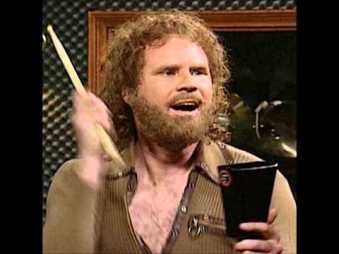 hit “(Don’t Fear) The Reaper,” he would hear the cowbell in the mix and wonder, “I wonder what that guy’s life is like?”
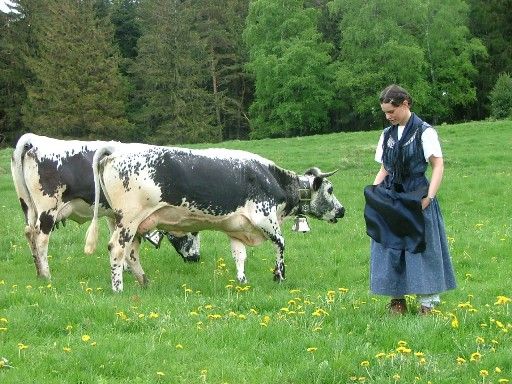 would strike the inside of the bell, alerting the shepherd to the animal’s location.
 variety of musical genres. Alpine bells — a full set representing two or three octaves of notes — were used in Europe as a novelty act or tourist attraction in the Northern Alps.
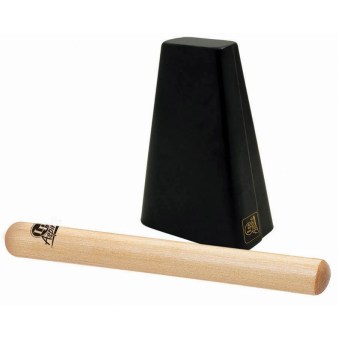 Other notable examples:
 Hack's Back Pages