I once was lost, but now I’m found
There’s nothing better than hearing a song you used to love but have somehow forgotten all about over the years. Perhaps it’s the one great song on a so-so album, so you don’t even remember it’s there. Or maybe it’s on a super album but the radio plays only the same 3-4 songs, neglecting some choice tunes in the mix.
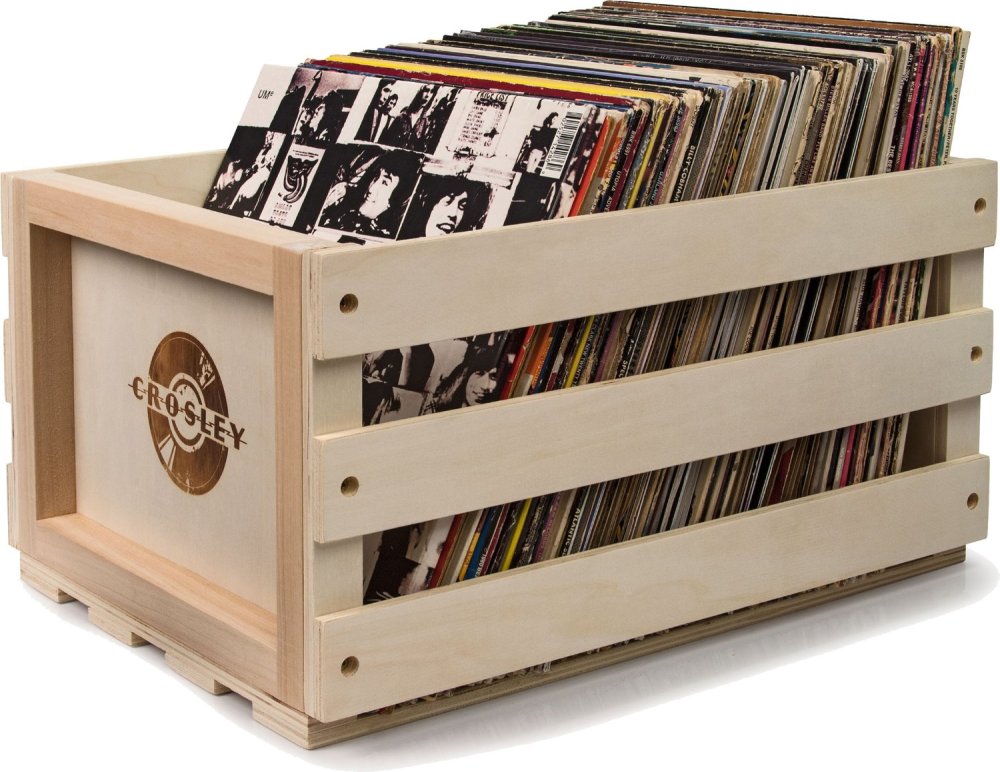 Or maybe you never heard it before, even though it’s on a popular album. Some music-loving friend turns you on to a deep track, and blows your mind. “Wow! Where has THAT song been all my life?”
That’s the purpose of my series of “lost classics” blogs (this is the sixth installment) in which I turn the spotlight on these hidden gems. They live among us, dear readers. Treat yourself to these dozen songs I’ve selected from the 1969-1983 period that will perhaps spark great memories, or thrill you for the first time.
Enjoy!
***********
 “Queen of My Soul,” Average White Band, 1976
This R&B band from Scotland made quite a splash in the US in the mid-to-late ’70s with singles like the #1 instrumental “Pick Up the Pieces” and its follow-up, “Cut the Cake,” and three Top Ten albums. On their third LP, “Soul Searching,” there’s an infectious dance track by guitarist/bassist/vocalist/songwriter Hamish Stuart called “Queen of My Soul” that is guaranteed to get you up out of your chair. Its main message, repeated often in the chorus and coda, is that music can play a hugely important role in our lives: “Music, sweet music, you’re the queen of my soul…”
 “Mirage,” Santana, 1974
After a spectacular debut LP, followed by two consecutive #1 albums, Santana foundered a bit in 1973 as their lead guitarist wanted to stretch boundaries and try new things. Several personnel shifts occurred, and the music, while fascinating at times, didn’t offer what the band’s early fans were looking for, so the albums didn’t chart as well. Still, there’s often a diamond in the rough hidden amongst average songs, and on “Borboletta,” it’s a gorgeous keyboard-dominated track called “Mirage,” written and sung by organist/pianist Leon Patillo. Carlos is on hand to offer his trademark biting guitar riffs.
 “I Really Don’t Know Anymore,” Christopher Cross, 1980
This unlikely-looking singer-songwriter seemingly came out of nowhere in early 1980 with his eponymous debut LP and its four hit singles (“Sailing,” “Ride Like the Wind,” “Never Be the Same” and “The Light is On”). He won the “Big Four” Grammys that year, including Song of the Year (as composer) and Record of the Year (as performer) for “Sailing,” Album of the Year, and Best New Artist, the only time this has happened in Grammy history. Did he deserve it? That’s debatable, but the album is full of really great music, and the lost gem, to me, is “I Really Don’t Know Anymore,” a shimmering rock track that features Michael McDonald sharing vocals, and a scorching guitar solo by jazz/rock great Larry Carlton.
 “Starship Trooper,” Yes, 1971
This accomplished progressive rock group from England had greater chart success with their “Fragile” album and its single “Roundabout,” and their #1 opus “Close to the Edge,” but I keep going back to the brilliant 1971 LP, “The Yes Album.” There you’ll find the minor hit “I’ve Seen All Good People” and the sonic smorgasbord of the leadoff song, “Yours is No Disgrace,” but most diehard Yes fans are partial to the 9-minute “Starship Trooper,” which is actually a suite of three separate pieces of music combined in a gorgeous, mesmerizing track. In particular, Jon Anderson’s crystalline vocals and Steve Howe’s intricate guitar work stand out.
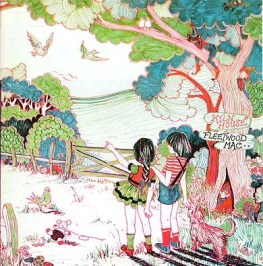 “Tell Me All the Things You Do,” Fleetwood Mac, 1970
The band that blues guitarist Peter Green put together in 1967 would go through several giddy highs and discouraging lows before they hit superstardom in 1977. In 1970, Fleetwood Mac muscled their way through the sessions for “Kiln House,” their first LP without Green at the helm, who had abruptly left to join a commune. Guitarist Jeremy Spencer wasn’t much of a songwriter, and he too would soon be swayed by a persuasive cult. This left the bulk of the songwriting on the frail shoulders of young Danny Kirwan, a new recruit the year before. He came through with a couple of gems, including “Tell Me All the Things You Do,” where his tenor voice sounds a lot like Christine McVie, who became a full-fledged member later that year. Kirwan’s guitar work is masterful here.
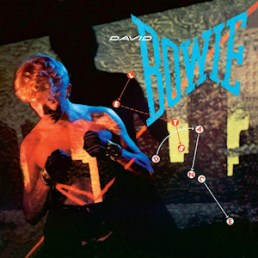 “Criminal World,” David Bowie, 1983
It had been three years since Bowie’s last release, 1980’s “Scary Monsters,” so naturally, the public was about to meet a new Bowie persona. He wrote or identified eight captivating songs, hired Chic’s Nile Rodgers to produce, and unleashed then-unknown blues guitarist Stevie Ray Vaughan on most of the tracks, and the result, “Let’s Dance,” was #1 in ten countries. While “Modern Love,” “China Girl” and the anthemic title song rightly get most of the attention, I suggest you take a listen to “Criminal World,” which features Vaughan adding just the right guitar fills to spice things up. Great song!
 “Albert Flasher,” The Guess Who, 1971
Randy Bachman had been the de facto leader/guitarist/songwriter of this polished Canadian band, but he departed after “American Woman” in 1970, later to lead Bachman-Turner Overdrive. That left singer/pianist/songwriter Burton Cummings to take over the reins, and he came up with some impossibly catchy Top 20 tunes to keep the Guess Who popular for several more years — “Share the Land,” “Hand Me Down World,” “Rain Dance” and my favorite, “Albert Flasher,” a piano-driven single that wasn’t available on an album until many years later. Cummings’ vocal delivery here is simply spectacular. I wish this one went on longer than its brief 2:18 length.
 “Tell Me to My Face,” Dan Fogelberg & Tim Weisberg, 1978
For his fifth album, Fogelberg teamed up with jazz flautist Weisberg for the delightful “Twin Sons of Different Mothers,” which reached #8 on the charts on the strength of the single, “The Power of Gold.” Most of the LP showcases the delicate interweaving of flute and acoustic guitar, but “Power of Gold” is full-bodied and really cooks, and even more so is the incredible 7-minute rendition of “Tell Me to My Face,” written by Graham Nash and Allan Clarke in 1966 and recorded by The Hollies. Fogelberg’s version is leaps and bounds better than the original, if only because production values are so superior…but so is the musicianship. I crank this one up every chance I get.
 “Be My Lover,” Alice Cooper, 1971
The shock rock of Alice and his band of hard rock misfits had struggled to find an audience at first, but producer Bob Ezrin polished up their sound and asked for songs with great hooks, and the band responded with “I’m Eighteen,” a teenage rallying cry to this day. On their “Killer” album in ’71, “Under My Wheels” kept momentum alive until 1972’s “School’s Out” and “Elected” and 1973’s “Billion Dollar Babies” LP made them one of the nation’s top concert draws. But go back to “Killer” — many compelling songs there, particularly “Be My Lover,” written by guitarist Michael Bruce. The dude knew his way around a knockout riff.
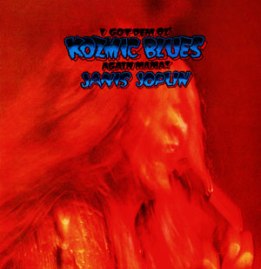 “Kozmic Blues,” Janis Joplin, 1969
In early 1969, Janis had left her erstwhile group, Big Brother and the Holding Company (despite their #1 album together, “Cheap Thrills”), and instead assembled a new band loosely known as The Kozmic Blues Band. This group, which included blues great Mike Bloomfield on a few tracks, recorded the impressive “I Got Dem Ol’ Kozmic Blues Again Mama!” just before appearing at Woodstock. The album’s release a month later capitalized on that event and reached #6 on the charts. Three singles were released but curiously went nowhere, despite their energy and musical quality. The title track shows Joplin in fine form, offering alternately dulcet and screeching vocals as a basic piano melody evolves into a full brass, full-throated tour de force, all in a compact 4:42.
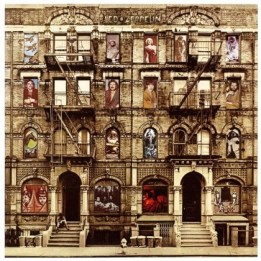 “Night Flight,” Led Zeppelin, 1975
Eight new songs were recorded by the band for their “Physical Graffiti” album in 1974, but since their combined length pushed the limit of a conventional single album, they decided to resurrect some unreleased tracks recorded during previous sessions and make “Graffiti” a double album. Naturally, it went to #1, but only four or five of the 15 songs got much airplay — usually “Kashmir” and “Trampled Under Foot,” maybe “In My Time of Dying.” But the one I like is “Night Flight,” originally intended for the “IV/Untitled” album in 1971. Carried by John Paul Jones’ keyboards, and a typically powerful Robert Plant vocal, it packs a wallop, and recalls “Misty Mountain Hop” and “Four Sticks” from that classic album.
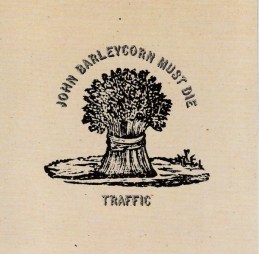 “Freedom Rider,” Traffic, 1970
Steve Winwood had already achieved so much before he was 21 — hits with Spencer Davis Group, forming trippy folk/rock band Traffic, then teaming up with Eric Clapton for the Blind Faith project. He then decided the time was right for a solo LP, and started writing the songs that would eventually make up the extraordinary “John Barleycorn Must Die” album. Because Winwood used Traffic’s drummer Jim Capaldi and flute/sax player Chris Wood in the recording sessions, he relented and agreed to call it a Traffic album, which kick-started another five years and three amazing albums for the band (and delayed Winwood’s solo career until the late ‘70s). On “Freedom Rider,” Wood’s sax and flute passages perfectly complement Winwood’s piano and organ, and that voice — well, there few peers in the business.
*************
I’d love to hear your suggestions for “Lost Tracks” I might feature in future blog entries!
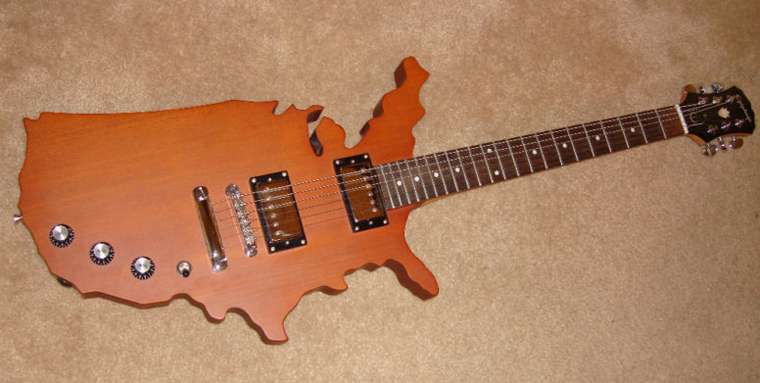 All this interstate travel got me thinking about how popular music has offered up quite a collection of songs about U.S. states.
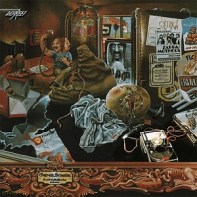 “Montana,” Frank Zappa, 1973
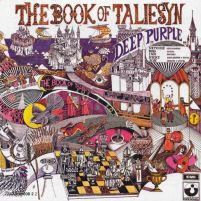 “Kentucky Woman,” Deep Purple, 1968
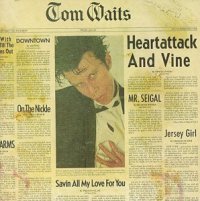 “Jersey Girl,” Tom Waits, 1980
 “Arizona,” Mark Lindsay, 1970
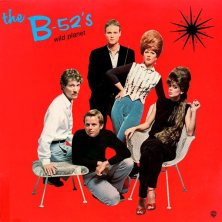 “Private Idaho,” B-52’s, 1980
 “Indiana Wants Me,” R. Dean Taylor, 1970
 “Louisiana Blues,” Paul Rodgers, 1993
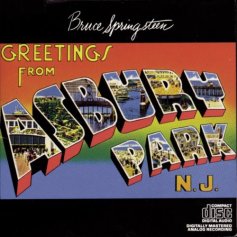 “Mary, Queen of Arkansas,” Bruce Springsteen, 1973
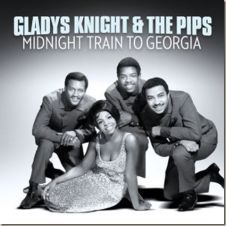 “Midnight Train to Georgia,” Gladys Knight and the Pips, 1970
 “Texas Flood,” Stevie Ray Vaughan, 1983
 “Sweet Virginia,” Rolling Stones, 1972
 “Far Alaska,” Jethro Tull, 1999
 “(North) Carolina in My Mind,” James Taylor, 1969
 “(South) Carolina Day,” Livingston Taylor, 1970
 “Going to Maine,” The Mountain Goats, 1999
 “Illinois,” Dan Fogelberg, 1974
 “Mississippi Queen,” Mountain, 1970
 “Colorado,” Stephen Stills & Manassas, 1972
 “Mainline Florida,” Eric Clapton, 1974
 “Alabama,” Neil Young, 1971
 “Massachusetts,” The Bee Gees, 1967
 “Oklahoma Boy,” Lazarus, 1973
 “Hawaii Five-0,” The Ventures, 1969
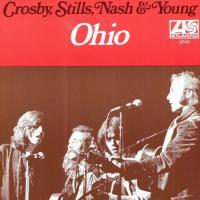 “Ohio,” CSNY, 1970
 “Tennessee Waltz,” Sam Cooke, 1963
