If it’s more than 30 years old, it could be a classic

How do we determine what qualifies as “classic rock”?

For quite a while now — at least as long as the ten years I’ve been writing Hack’s Back Pages — the loose definition I’ve used has been rock/pop songs of the ’50s, ’60s, ’70s and ’80s. Songs that are, 30, 40, 50 years old or longer, basically.

With that in mind, it’s time for a reality check: 1990 was 35 years ago.

That means that songs and albums of the 1990s (at least the first half of the ’90s) should now qualify as “classic rock” because they’re three decades old.

That means they are now valid candidates to be among the songs I like to call “lost classics” — tunes you might recall but have forgotten about, or tunes from albums you knew but were “deep tracks” that flew under your radar at the time.

In the early ’90s, I was a new dad of young daughters, and I had neither the time nor the disposable income to pay as close attention to the music being released. As a longtime record collector, I tried to keep up, but where I once bought an album a week in the ’70s or ’80s, I was instead buying maybe an album a month.

But it’s high time that this blog should acknowledge some of the great songs released in the early ’90s and present them for my readers’ consideration. This week’s post includes a dozen lost classics from albums released in the 1991-1993 period. As always, there’s a Spotify playlist at the end.

I expect some of these will be vaguely or instantly familiar to you, but perhaps most of these will be brand new to you because, like me, you weren’t listening as closely to what the radio was playing at that point. In either case, I reckon you’ll find these songs appealing and worthy of your attention.

*****************************

“Weather With You,” Crowded House, 1991

Singer/guitarist/songwriter Neil Finn formed his band Crowded House in Australia in 1986 and had early Top Ten success in the US with two hit singles, “Don’t Dream It’s Over” and “Something So Strong.” Their popularity continued in the UK and elsewhere but didn’t last in the US. When I bought their greatest hits CD in 1996, I discovered about a dozen of their earlier gems, especially the catchy “Weather With You” from their 1991 LP “Woodface.” Said Finn, “My brother Tim had the line ‘Everywhere you go, you always take the weather with you,’ and we got the guitar riff going and wrote the song together. It’s about a guy totally wrapped up in melancholy, but ultimately, the theme of the song is, you are always creating your own weather, making your own environment, always.”

“Stars,” Simply Red, 1991

Mick Hucknall has one of the most appealing voices I’ve ever heard, alternating between sensual and powerful throughout Simply Red’s 13-album catalog. Only the first three LPs performed well on US charts, thanks to their #1 singles “Holding Back the Years” and the remake of “If You Don’t Know Me By Now,” but in their native UK, every one of their 13 albums has made the Top Ten. One of their most consistent is 1991’s “Stars,” the title track of which was a big hit elsewhere but managed only #44 here. Critics loved it, calling it “wistfully dreamy” and “charmingly upbeat.” Hucknall wrote it as a love song between two people who are crazy about each other but “unlikely to walk off into the sunset together,” as he put it in a 1995 interview. I find it curious that Simply Red’s engaging music wasn’t embraced more enthusiastically in the US.
“Crazy,” Seal, 1991

I’ve loved this guy from the moment my friend Barney returned from England raving about this startling new vocal talent, and I’ve bought everything he’s ever released since. Critics have compared his vocal control to Marvin Gaye, though Seal’s voice offers more grit in his delivery. His first hit was “Crazy” (no relation to the Patsy Cline classic), which he wrote in 1990 in response to world events at the time. The lyrics preach a simple philosophy: “We’re never gonna survive unless we get a little crazy.” Musically, the track has a keyboard-driven bass/synthesizer groove that flows naturally enough that you find yourself humming along on first listening. It peaked at #7 on US charts and served as an entree to the more conventional “Kiss From a Rose,” a #1 hit for Seal three years later.
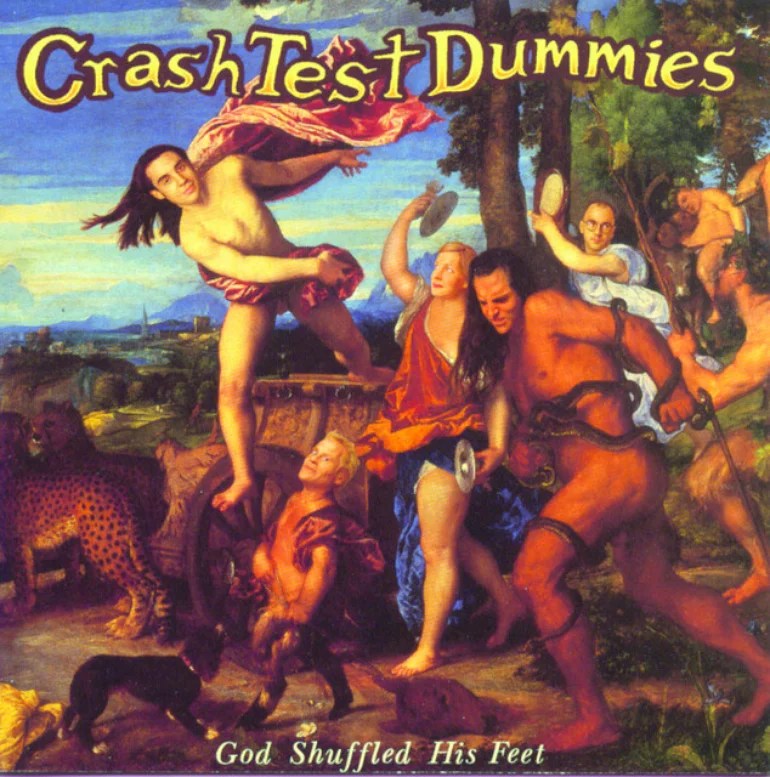
“Afternoons and Coffeespoons,” Crash Test Dummies, 1993

One of Canada’s more intriguing rock bands, the Crash Test Dummies found major success in 1993 with their third LP, “God Shuffled His Feet.” The unusual bass/baritone vocals of lead singer Brad Roberts take a little getting used to, but the group’s songs are instantly likable. US audiences were enamored by the unusually titled #4 hit “Mmm Mmm Mmm Mmm,” but just as strong to me was the fan favorite “Afternoons & Coffeespoons,” a pop/folk rock track inspired by the famous T.S. Eliot poem “The Love Song of J. Alfred Prufrock.” Roberts said, “It’s a song about being afraid of getting old, which is a reflection of my very neurotic character.” Although it charted well in Canada and a few European countries, it inexplicably stalled at #66 here.

“Dream in Blue,” Los Lobos, 1992

In 1973, David Hidalgo and Louie Pérez were classmates at an East Los Angeles high school and discovered they both played guitar and had similar musical tastes. Pérez recalls, “I went over to his house one day and stayed for about a year, listening to records, playing guitars, and starting to write songs.” By 1980, they formed Los Lobos (translated as The Wolves), and gained momentum warming up for bands like The Clash and The Blasters. Their cover of Ritchie Valens’s hit “La Bamba” went to #1 in 1988, and they’ve maintained a loyal fan base ever since, even though their chart performance doesn’t show it. My friend Lou exposed me to their 1992 LP “Kiko,” which is full of great tunes, particularly “Kiko and the Lavender Moon” and the leadoff track, “Dream in Blue.”
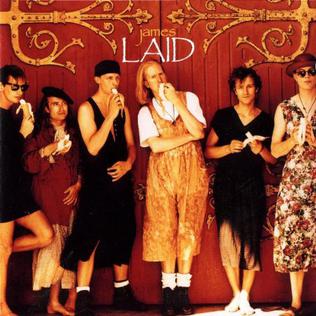
“Say Something,” James, 1993

Hailing from Manchester, England, in the late ’80s, James has been consistently popular there for more than 30 years, but their success in the US has been relatively limited. In 1993, college radio stations latched on to their single “Laid,” the title track to their sixth album, which stalled at #61 on pop charts but reached #3 on Alt Rock listings. The LP leans acoustic, partly because they had just completed a stint as the support act for Neil Young during his “Harvest Moon” tour, and their next songs reflected that. Again, I credit a friend (this time Bob) for turning me on to that album, which has a whole bunch of great songs produced by the great Brian Eno and carried by the strong vocals of Tim Booth. “Say Something” is one of the songs that first caught my attention.

“Hero,” David Crosby, 1993

Probably the least prolific of the songwriters in the CSNY stable, Crosby seemed more focused on quality than quantity, writing some of the more complex, fascinating songs in their repertoire (“Déjà Vu,” “Guinnevere,” “The Lee Shore”). His third solo studio album, 1993’s “Thousand Roads,” got almost no attention, but it’s jam-packed with great tracks, mostly written by other noteworthy composers (Joni Mitchell, Marc Cohn, John Hiatt, Stephen Bishop, Jimmy Webb). Phil Collins collaborated with Crosby to write and produce the soothing tune “Hero,” an underperforming single on which Collins also sang backing vocals and played drums and keyboards. Crosby didn’t record another solo LP until “Croz” in 2014, then churned out four more in seven years before his death in 2023.

“Professional Jealousy,” Van Morrison, 1991

Talk about prolific: This 79-year-old musical dynamo has released 50 LPs between 1968 and 2025, specializing in vibrant Irish soul, folk and ballads. In the US, his albums from the 1970s were his most popular (“Moondance,” “Tupelo Honey,” “Saint Dominic’s Preview”), but he could reliably sell several hundred thousand copies here every time he released something new. In 1991, his first double studio album, “Hymns to the Silence,” managed only a #99 charting, and critics felt it rehashed his most recent predecessors, “Avalon Sunset” and “Enlightenment,” but I think it stands as a solid effort in its own right. “Professional Jealousy,” the leadoff track, “brims with the consistent passion that continues to make Morrison fascinating,” according to Rolling Stone.
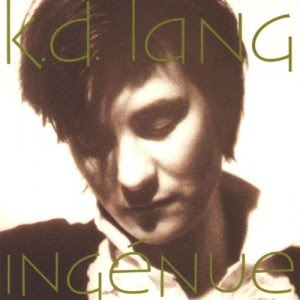
“Miss Chatelaine,” k.d. lang, 1992

An admirer of poet e.e. cummings and his fondness for the lower case, Canadian singer k.d. lang came on strong in 1992 with “Ingénue,” a commendable LP of originals that fall more into the cabaret genre than the country music groove she first presented. She has been nominated for Grammys several times, and “Ingenue” won a Juno Award for Best Album, helped along by three well-received singles: “Constant Craving,” “Save Me” and the come-hither bauble “Miss Chatelaine.” The latter song’s popular video depicted lang in an exaggeratedly feminine manner that seemed like a “Lawrence Welk Show” parody because it was such an about-face from her decidedly androgynous appearance most of the time. This is one of those “guilty pleasure” songs for me.

“Jesse,” Joshua Kadison, 1993

This humble guy seemed to come out of nowhere in 1993 with his debut, “Painted Desert Serenade,” a smart collection of introspective story-songs that went platinum on the strength of two hits: “Beautiful In My Eyes,” which became a popular choice at weddings, and “Jessie,” with its lovely piano-based melody that recalls Marc Cohn’s gem “Walking in Memphis.” Critics compared Kadison’s voice to superstars like Billy Joel and Elton John, which is actually pretty accurate. “I was so used to being outside of whatever was going on that I didn’t even think I’d ever get a record deal, much less have my songs played on the radio,” Kadison said in 1996. Although he released four more LPs before withdrawing in 2001, none managed the simple appeal of his first.

“On Every Street,” Dire Straits, 1991

Mark Knopfler is easily one of my Top Five favorite guitarists, with a supple, quicksilver sound that augments his songs and informs his solos, first on six Dire Straits albums and then ten solo records since 1996. “Brothers in Arms,” the group’s multiplatinum international LP, was in everybody’s collection in 1985-86, but truth be told, I’ve always preferred their swan song, 1991’s “On Every Street,” with a dozen exquisitely realized tunes that show uncommon diversity and depth. It went #1 all over the world, and peaked at #12 in US, despite no singles on the pop charts. The track that never fails to grab me is the marvelous title song, about a private eye who’s trying to find an elusive criminal: “There’s gotta be a record of you some place, you gotta be on somebody’s books… /Somewhere your fingerprints remain concrete, and it’s your face I’m looking for on every street…”
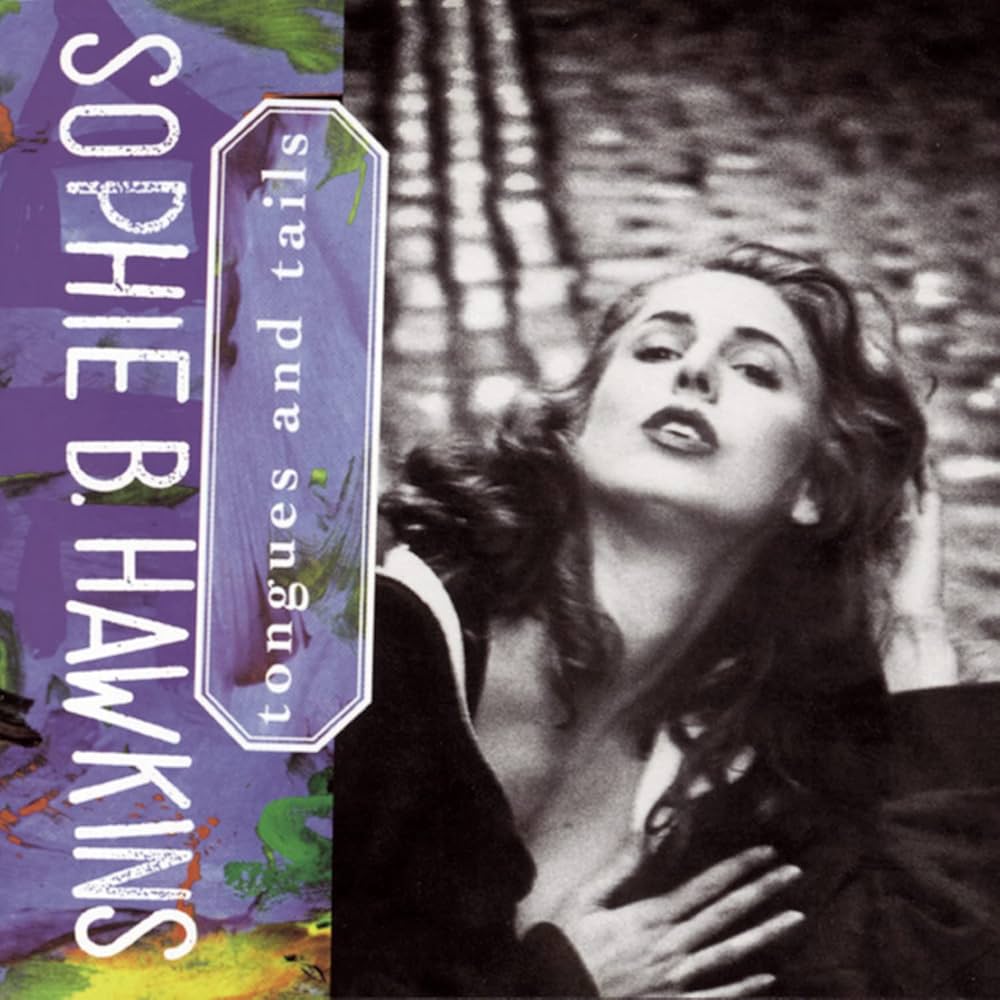
“California Here I Come,” Sophie B. Hawkins, 1992

This quirky, talented singer-songwriter from New York City made an impressive debut in 1992 with “Tongues and Tails,” an album full of mostly originals that included the surprise #5 hit, “Damn I Wish I Was Your Lover.” A second LP in ’94 did almost as well, but Hawkins had a falling out with her record label over the third album, which soured her on the music business and curtailed her career. Critics praised her “Madonna-meets-Chrissie Hynde voice” on deeper tracks like “California Here I Come,” a compelling tune about the lure of the West Coast: “How come some people got it all, some people got none, /I been banging my head against the writing on the wall, /But now I just wanna have fun, /California, here I come, open up your golden arms, /I had enough of the New York City slums…”

***************************
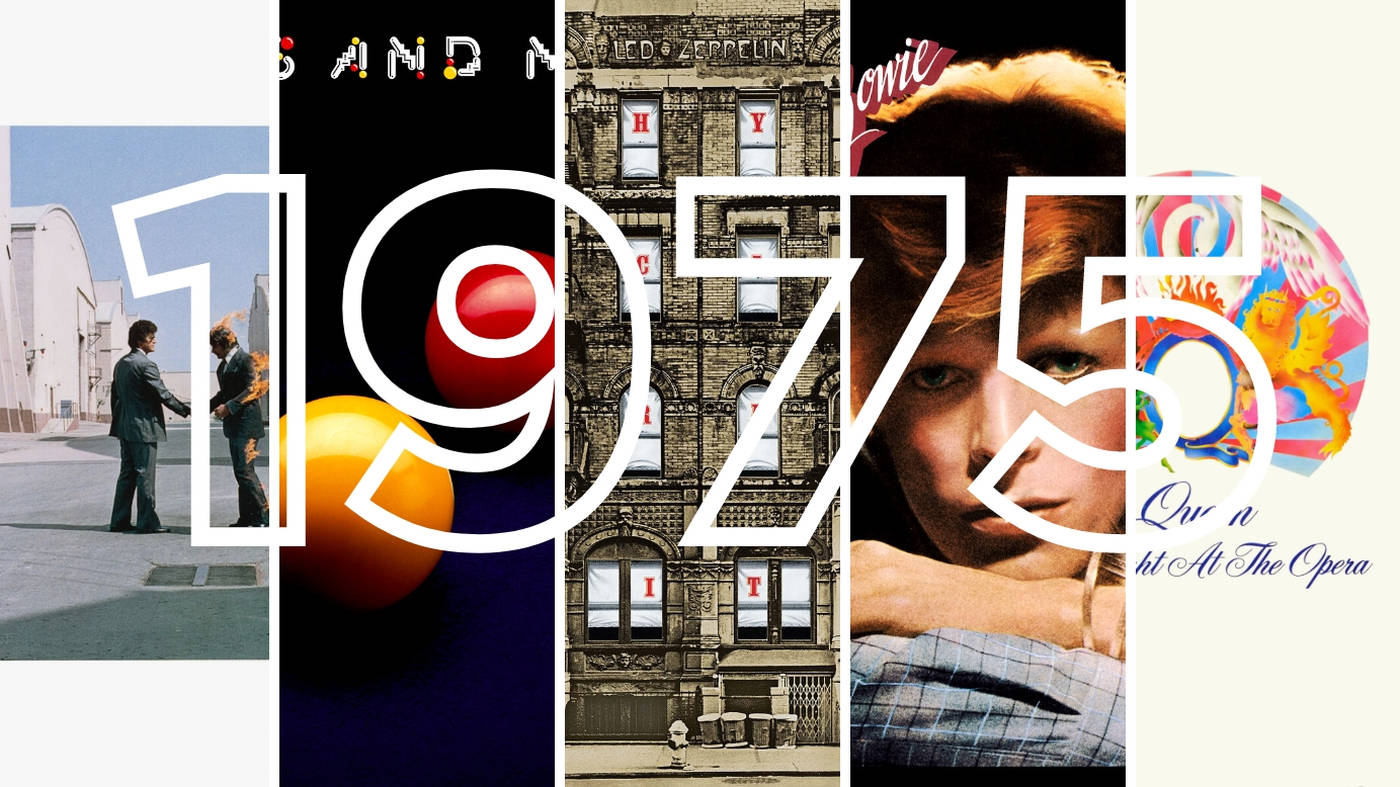
In the summer of ’75, the world’s gonna come alive

For me, 1975 was a transitional year. I was finishing my sophomore year at the University of Cincinnati before transferring to Syracuse University in the fall to pursue journalism. I was also broadening my musical horizons to try other genres besides my tried-and-true blues rock and singer-songwriter acoustic.

The music business was transitory as well. Country rock was peaking, progressive rock was on its last legs, jazz fusion was making inroads, funk/R&B was stronger than ever, and both disco and punk were poised to soon have their time in the limelight.

Each spring here at Hack’s Back Pages, I like to go back into the archives of 50 years ago and review the list of several hundred albums that came out during that calendar year. Here in 2025, that means determining my picks for the best 15 albums of 1975.

I have friends who, if asked, would most likely come up with an entirely different list of 15 albums they liked better than my 15 selections. That’s okay. It’s the nature of subjective lists. Our selections are usually a factor of how old we were, who we were hanging out with, and what we were doing that particular year.

I welcome your comment and suggestions about the music you liked best from 1975.

****************************

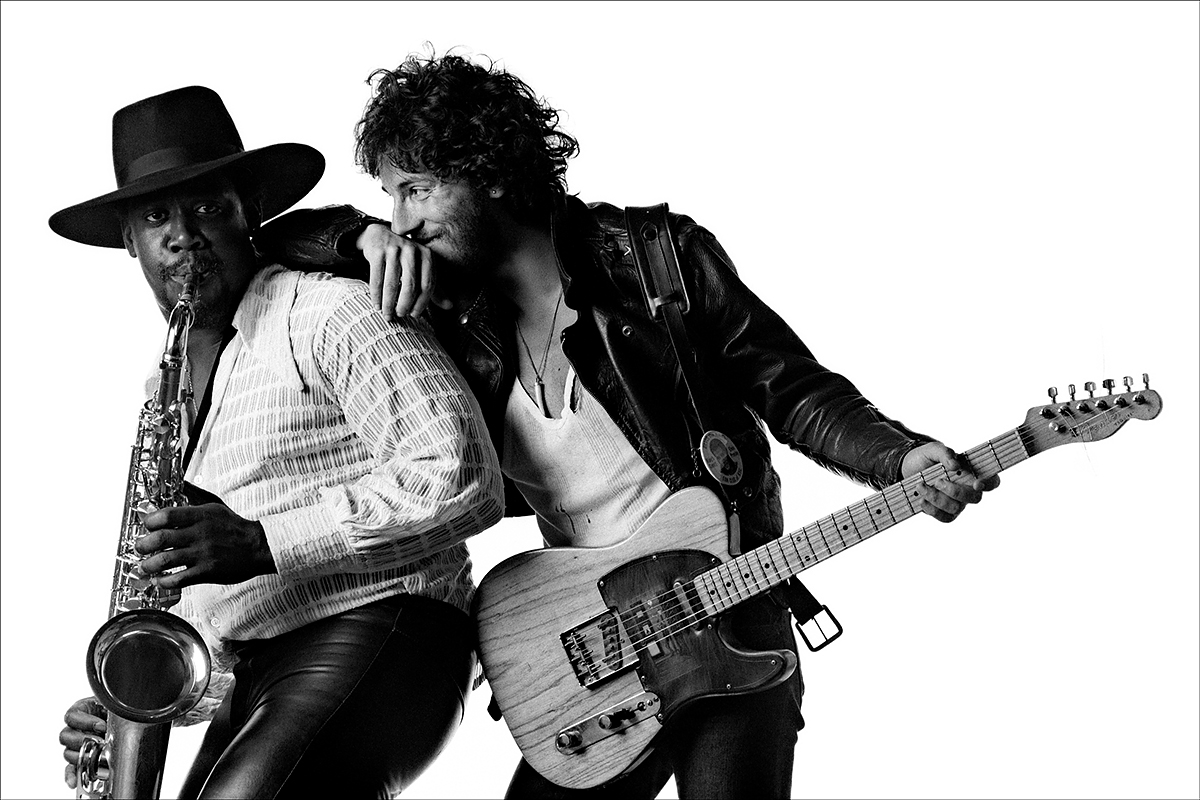
“Born to Run,” Bruce Springsteen

From the day it debuted in August 1975, this album has been almost universally praised as an extraordinary masterpiece, a thrilling amalgam of rock and R&B. Springsteen said the lyrics of the album’s eight songs tell the tale of one long summer day and night, full of romantic imagery, passion and desperation. He said he was inspired by the sounds and lyrical themes of 1950s icons like Roy Orbison, Duane Eddy and Elvis, and the production techniques of Phil Spector. Epic tracks like “Thunder Road,” “Jungleland,” “She’s the One,” “Night” and the title song took listeners on cinematic journeys, while more introspective tunes like “Meeting Across the River” gave us the chance to catch our breath and ruminate on coming events. Some say Springsteen never again reached the heights he achieved on this LP, and as much as I have admired much of his music since, I’m inclined to agree. For me, it’s the album of the year, and in the Top Ten of the decade.

“Blood on the Tracks,” Bob Dylan

On the strength of the phenomenal “Tangled Up in Blue” alone, this incredible album earns a place as one of Dylan’s top three LPs. But there’s so much more here: the gentle lope of “Simple Twist of Fate,” the reassuring perfection of “Shelter From the Storm,” the return to traditional folk structure on “You’re Gonna Make Me Lonesome When You Go.” Although Dylan claims the songs are not autobiographical, many observers believe the lyrics sprang from turmoil in his life at the time, notably a growing estrangement from his then-wife Sara. It’s interesting to note that he recorded all ten songs in New York City in September 1974, then re-recorded them with different arrangements and other musicians in Minnesota in December, and chose five from each session for the final LP, released in January 1975. Dylan sings well on this collection, and the songs have endured and matured masterfully over the years.

“Katy Lied,” Steely Dan

This expertly crafted album, Steely Dan’s fourth overall, was the first after Donald Fagen and Walter Becker elected to stop touring and focus on creating “sonically perfect” music in the studio. The duo continued their penchant for writing concise pop songs adorned with enigmatic lyrics and brilliant instrumental fills from an array of session musicians. We get to hear Michael McDonald’s harmonies for the first time, and the virtuoso guitar of jazz great Larry Carlton, and the sharp drumming of a young Jeff Porcaro throughout. How to pick a favorite among such stunning tracks as “Chain Lightning,” “Rose Darling,” “Bad Sneakers,” “Daddy Don’t Live in That New York City No More” and “Your Gold Teeth II”? Well, you can focus on “Doctor Wu,” carried by the great Phil Woods on sax. Fagen’s lead vocals on “Katy Lied” are among the best he ever committed to vinyl, and although it wasn’t Steely Dan’s most commercially successful LP (peaking at #13), it was perhaps its most appealing.

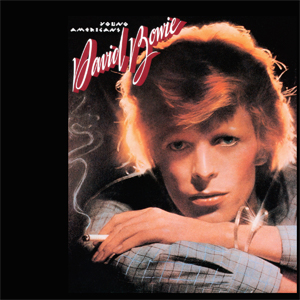
“Young Americans,” David Bowie

The man who sold the world a hunky-dory image of himself as a space-age glam rocker named Ziggy Stardust made his first chameleon-like career change in 1975 with the release of “Young Americans,” his convincing “blue-eyed soul” LP. Suddenly, the British dude with the orange hair and lightning-bolt facial makeup became a purveyor of American black soul music, thanks in large part to the involvement of funk guitarist Carlos Alomar, a veteran cohort of James Brown and Wilson Pickett. With soulful backing vocalists and saxophonist David Sanborn in the mix, Bowie crafted a delicious R&B sound that made pop listeners sit up and take notice. The appealing title track in particular won him a broader audience, as did deeper tracks like “Win” and “Right.” He even shared the spotlight with none other than John Lennon, collaborating on a cover of his Beatles tune “Across the Universe” and one of Bowie’s biggest hits ever, the #1 single “Fame.”

“Blow By Blow,” Jeff Beck

Since emerging as the audacious new guitarist replacing Eric Clapton in The Yardbirds in the mid-’60s, Beck blazed trails with a singular sound and technique that reinvented blues guitar rock. His 1968 solo debut “Truth” created the template that Led Zeppelin capitalized on with their ’70s catalog, and his next several LPs with different musicians expanded on that genre. By 1975, he decided to concentrate on purely instrumental tracks as he dove headfirst into jazz fusion, shepherded by ex-Beatles producer George Martin, on the bold “Blow By Blow” album. This no-vocals collection of guitar workouts was decidedly non-commercial, but with the involvement of R&B god Stevie Wonder on tracks like “Thelonious” and “‘Cause We’ve Ended as Lovers,” the album was a surprise hit, reaching #4 on US album charts. Do yourself a favor and check out “Freeway Jam,” Beck’s astonishing cover of “She’s a Woman” and the eight-minute epic, “Diamond Dust.”

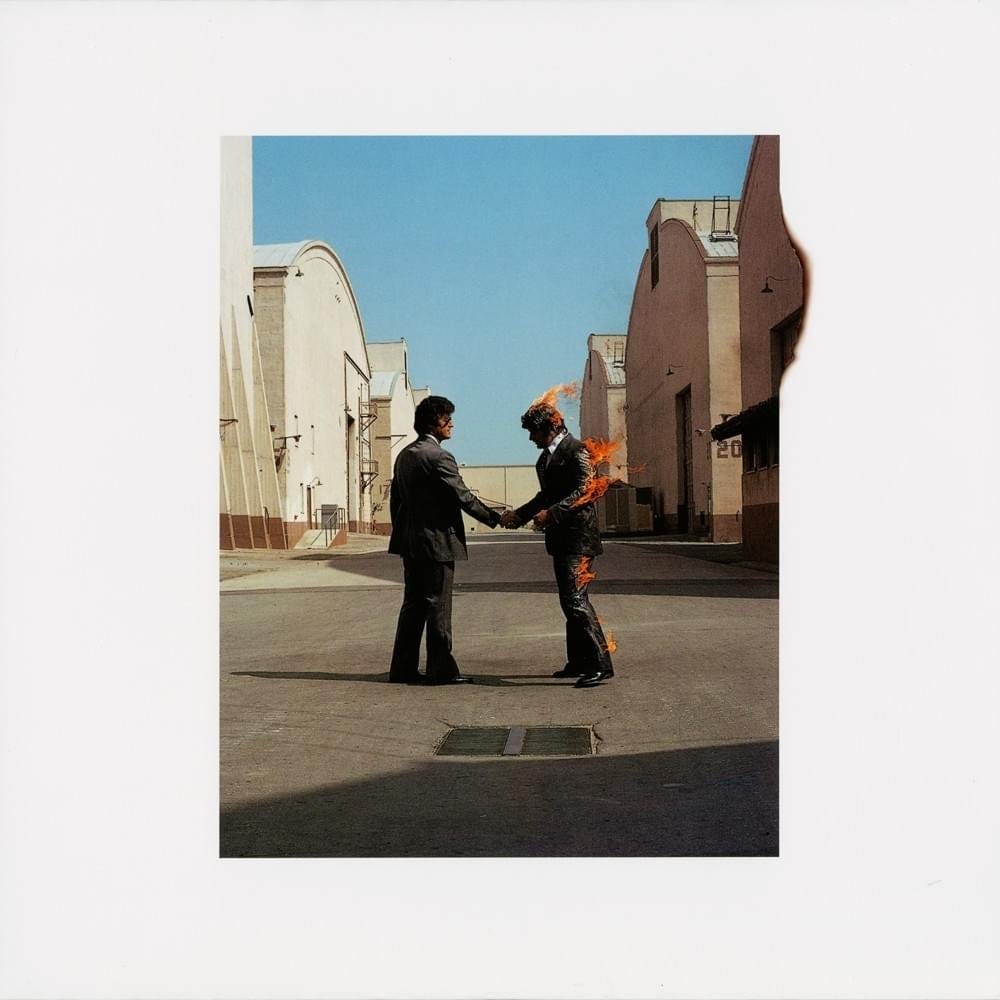
“Wish You Were Here,” Pink Floyd

In 1974, the members of Pink Floyd faced a dilemma: How to follow the game-changing success of their monumental “Dark Side of the Moon” LP? The answer, it seems, was to keep doing what they’d been doing. It took well over a year to write and record, but “Wish You Were Here” does a masterful job of building on their laurels with more studio wizardry and superb musicianship. They continued mining the theme of madness with “Shine On You Crazy Diamond,” the epic, 25-minute piece (split into two sections) that pays tribute to their fallen founder Syd Barrett. The demands of their record label for more product was cynically described in “Have a Cigar,” and Roger Waters’s mellower acoustic side showed its face on the withering title song. David Gilmour’s stunning guitar work and droning vocals carried the day throughout, and the result was another in a series of international #1 albums.

The Hissing of Summer Lawns,” Joni Mitchell

The soprano voice, penetrating lyrics and stark acoustic music of her debut were eons away from the startling sounds that comprise “The Hissing of Summer Lawns,” Mitchell’s seventh LP. We first heard hints of her fascination with jazz chords and instruments the previous year on “Court and Spark” and the live package “Miles of Aisles,” where she was supported by sax man Tom Scott and the jazz musicians of L.A. Express. With this album, Mitchell pushed the boundaries further along on tracks like “Shadows and Light,” “The Jungle Line” and “Harry’s House/Centerpiece.” Traces of her former motif showed up in the melodic pop of “In France They Kiss on Main Street,” and on transitional work like “Don’t Interrupt the Sorrow” and “Edith and the Kingpin.” Instead of the naked confessional of “Blue” and “For the Roses,” this time around she chose to explore societal malaise and smug materialism. It was a brave evolution from a woman who would take even bigger risks with her artistry in the coming decade.

“Gorilla,” James Taylor

The “aw shucks” persona and quixotic introspection of “Sweet Baby James” and “Mud Slide Slim” had, by 1975, morphed into a more buoyant, whimsical style that dominates Taylor’s sixth LP, “Gorilla.” Most notably, his joyous cover of the Marvin Gaye classic “How Sweet It Is (To Be Loved By You)” took the charts by storm, peaking at #5 that summer. Just as sunny is the album opener, “Mexico,” and the tender tribute to his new daughter, “Sarah Maria.” Taylor was still capable of moody metaphors like “Lighthouse” and the risky temptations of “You Make It Easy,” but overall, the feeling I got from this LP was that he had temporarily shelved his depression and soul-searching for a calmer, more positive approach. His demons would return to share the space on future albums, but at this point, it was a relief to hear him celebrate life more fully. As his upbeat song “Music” states, “Just leave a happy side out loud sometime, /There’s a symphony inside you, there’s a thousand things for you to do…”

“Wind on the Water,” Crosby and Nash

These two guys — the mellower pair compared to the fiery nature of Stephen Stills and Neil Young — always intrigued and mesmerized me with the intricate harmonies and warm melodies they brought to the CSNY mix. Their initial solo musings in 1971 (Crosby’s enigmatic “If I Could Only Remember My Name” and Nash’s poignant “Songs For Beginners”) offered considerable promise, and their collaboration on 1975’s “Wind on the Water” reinforced my opinion that they were the more gifted songwriters. With James Taylor’s backing band (and Taylor himself) participating, Crosby and Nash came up with ten recordings that run the gamut from sublime (“Naked in the Rain” and “Carry Me”) to spirited (“Take the Money and Run” and “Low Down Payment”). The highlight for me has always been the closing medley that pairs Crosby’s vocal chorale “Critical Mass” with Nash’s heartbreaking ode to the whale, “Wind on the Water.”

“Fleetwood Mac,” Fleetwood Mac

Born as a British purist blues group in the late ’60s, Fleetwood Mac eventually added American singer-songwriter Bob Welch to keep them going in the 1971-1974 period. In August 1975, when a friend played me an album by “a new group called Fleetwood Mac,” I knew they certainly weren’t new, but their latest additions to the lineup — guitarist Lindsay Buckingham and singer Stevie Nicks — brought new life, new voices and new songs. The self-titled “Fleetwood Mac” LP (their tenth) eventually reached #1 and went seven times platinum on the strength of three hit singles (“Over My Head,” “Rhiannon” and “Say You Love Me”), but just as appealing were deep tracks like “I’m So Afraid,” “World Turning,” “Warm Ways” and especially the Nicks beauty “Landslide.” It was the initial salvo in a pop juggernaut that saw the band dominate the charts for the next decade. Overplayed? You bet, but you can’t deny the quality of material on this gem from 1975.

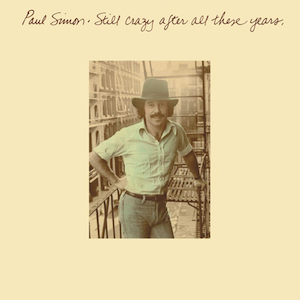
“Still Crazy After All These Years,” Paul Simon

One of the most important and influential songwriters of our time, Simon had already made a huge impact with Art Garfunkel during their phenomenal 1965-1970 run, and his first two solo works (“Paul Simon” and “There Goes Rhymin’ Simon”) were critics’ darlings with major hit singles. With his first marriage dissolving, Simon wrote a more reflective, downbeat collection of songs for his next LP, and the result was “Still Crazy After All These Years,” the Grammy winner for Album of the Year. Musically dominated by Richard Tee’s electric piano and Steve Gadd’s drums, the album is full of some of Simon’s finest moments: a gospel duet with Phoebe Snow (“Gone at Last”), a reunion with Garfunkel (“My Little Town”), a whimsical look at breaking up (“50 Ways to Leave Your Lover”) and the resignation of the passing of time (the quasi-dark title song). Add in the sobering “You’re Kind,” “Have a Good Time” and “I Do It For Your Love” and you’ve got yourself an album for the ages.

“Ambrosia,” Ambrosia

By fusing a sort of symphonic art rock with slickly produced pop reminiscent of The Beatles’ “Abbey Road,” Ambrosia came up with a debut album in 1975 that is best described as melodic progressive. Hailing from the South Bay area of L.A., singer-guitarist David Pack and singer-bassist Joe Puerta came up with an irresistible batch of songs that alternately challenged and soothed listeners. The catchy “Nice, Nice, Very Nice” used words from author Kurt Vonnegut, while the more cinematic “Holdin’ On to Yesterday” ended up reaching #17 on US pop charts. I grew fond of deeper tracks like “Make Us All Aware,” “Time Waits For No One,” “Lover Arrive” and “World Leave Me Alone” that showed off their more complex arrangements. The group would eventually jump into soft-rock waters with Top Five hits like “How Much I Feel,” “You’re the Only Woman” and “Biggest Part of Me,” but I prefer the songs found on this surprising debut.

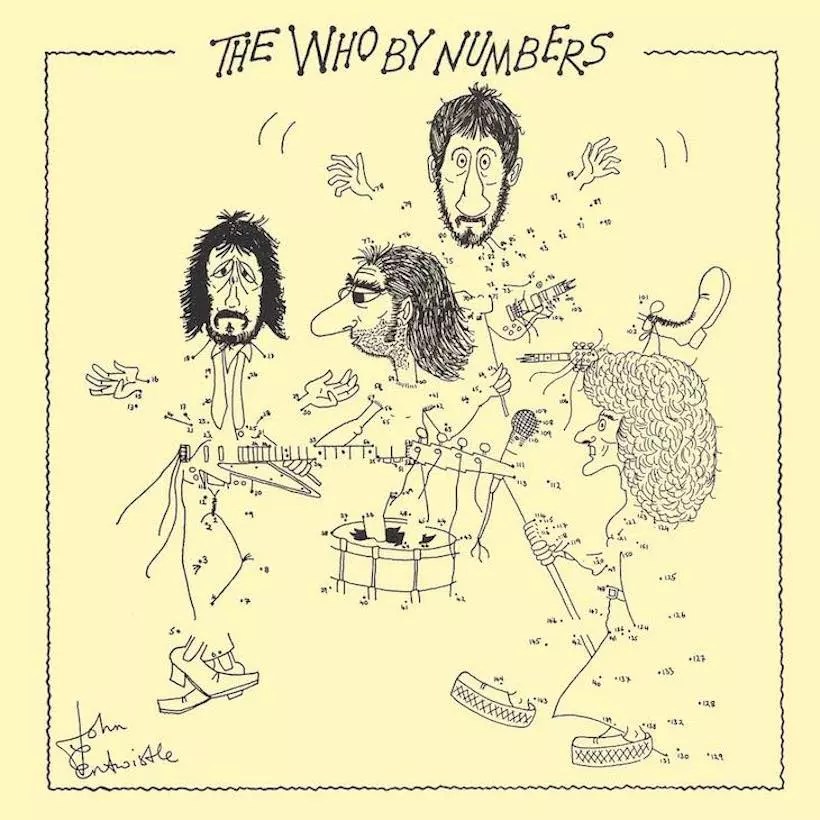
“By Numbers,” The Who

It was probably inevitable that Pete Townshend and The Who would eventually relinquish their hold on the “loudest/best rock band” crown after the four-album dynasty of “Tommy,” “Live at Leeds,” “Who’s Next” and “Quadrophenia.” To my ears, though, the quality of their songs and performances remained strong on their next entry, “The Who By Numbers.” Townshend was rather burnt out and drinking too much at this point, and the lyrics certainly reflect that (“However Much I Booze,” “How Many Friends,” “Imagine a Man”). Said Townshend, “The songs were written with me stoned out of my brain in my living room, crying my eyes out, detached from my own work and from the whole project. I felt empty.” Strangely, the resulting music was both hauntingly beautiful and powerful, from power-chord rock (“Slip Kid,” “In a Hand or a Face”) to docile acoustic folk (“Blue, Red and Grey”). Even when feeling out of sorts, Townshend and the band still came through with a satisfying slab of vinyl.

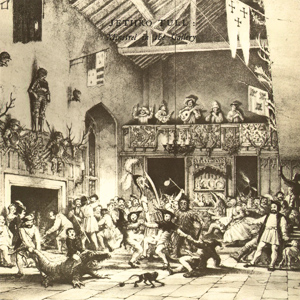
“Minstrel in the Gallery,” Jethro Tull

Found smack in the middle of their early ’70s prog rock successes (“Aqualung,” “Thick as a Brick,” “Passion Play” and “War Child”) and their late ’70s folk-rock trilogy (“Songs From the Wood,” “Heavy Horses” and “Stormwatch”), this transitional album is one of Jethro Tull’s underrated jewels. Ian Anderson wrote more personal, introspective pieces like “One White Duck,” “Requiem” and “Grace,” which contrasted with the more bombastic “Cold Wind to Valhalla” and “Black Satin Dancer.” The highlights for me are the two tracks that include both acoustic and electric sections: “Minstrel in the Gallery,” the semi-autobiographical title song, and especially the 16-minute suite “Baker Street Muse.” Anderson’s voice and flute are in fine form, as is Martin Barre’s distinctive electric guitar. David (later Dee) Palmer came up with string arrangements for most of these tracks, giving them an air of sophistication not found on other Tull LPs.

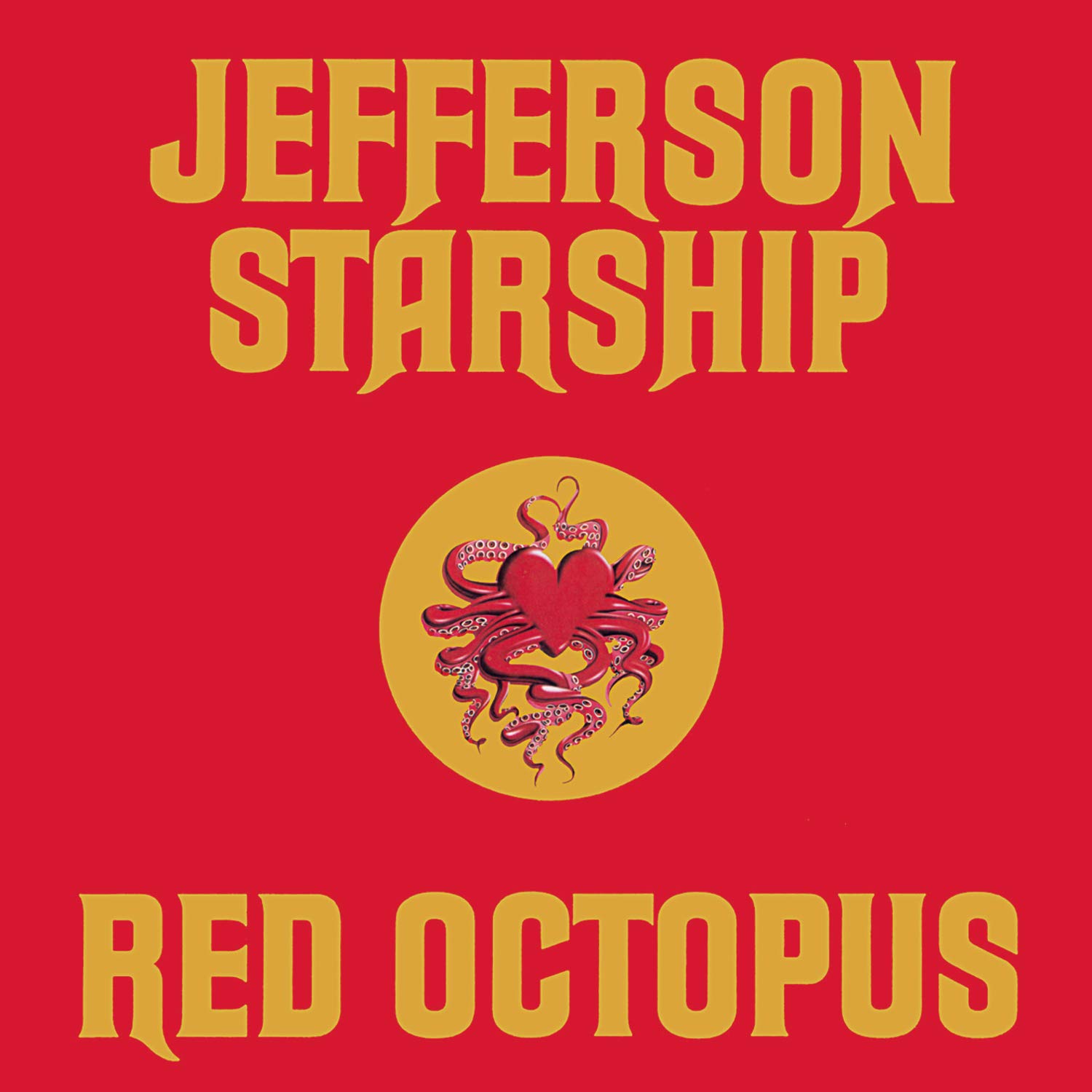
“Red Octopus,” Jefferson Starship

Once Jefferson Airplane flew its last flight in 1972, two of its primary singer-songwriters — Paul Kantner and Grace Slick — hoped to resurrect their group as Jefferson Starship with guitarist Craig Chaquico and multi-instrumentalists David Freiberg and Pete Sears. They released “Dragon Fly” in 1974, a solid group of songs that featured “Caroline,” the lone entry by estranged band founder Marty Balin. He was persuaded to return to the fold as an official member, along with fiddlemeister Papa John Creach, for their next LP, “Red Octopus,” which ended up being the most successful album in the Airplane/Starship catalog, thanks in large part to Balin’s #3 hit “Miracles.” The LP also included great rock tunes by the other members, FM radio favorites such as “Fast Buck Freddie,” “Play on Love,” “Sweeter Than Honey” and “There Will Be Love.” It’s a thoroughly enjoyable album that combined the Starship’s commerciality with the counterculture swagger of the Airplane at its best.

*************************
I’m sure some readers will disagree with my selections, preferring some of these “honorable mentions” below, or even a few not even singled out here at all (Rush’s “Fly By Night,” The Tubes’ debut, Bad Company’s “Straight Shooter,” Gary Wright’s “The Dream Weaver”). Sorry — can’t please everyone with these subjective lists…

Honorable mentions:

“Physical Graffiti, Led Zeppelin

“Breakaway,” Art Garfunkel

“One Of These Nights,” Eagles

“That’s the Way of the World,” Earth, Wind & Fire

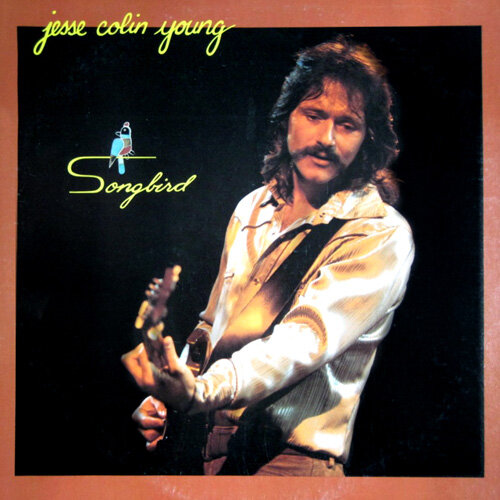
“Songbird,” Jesse Colin Young

“Elite Hotel,” Emmylou Harris

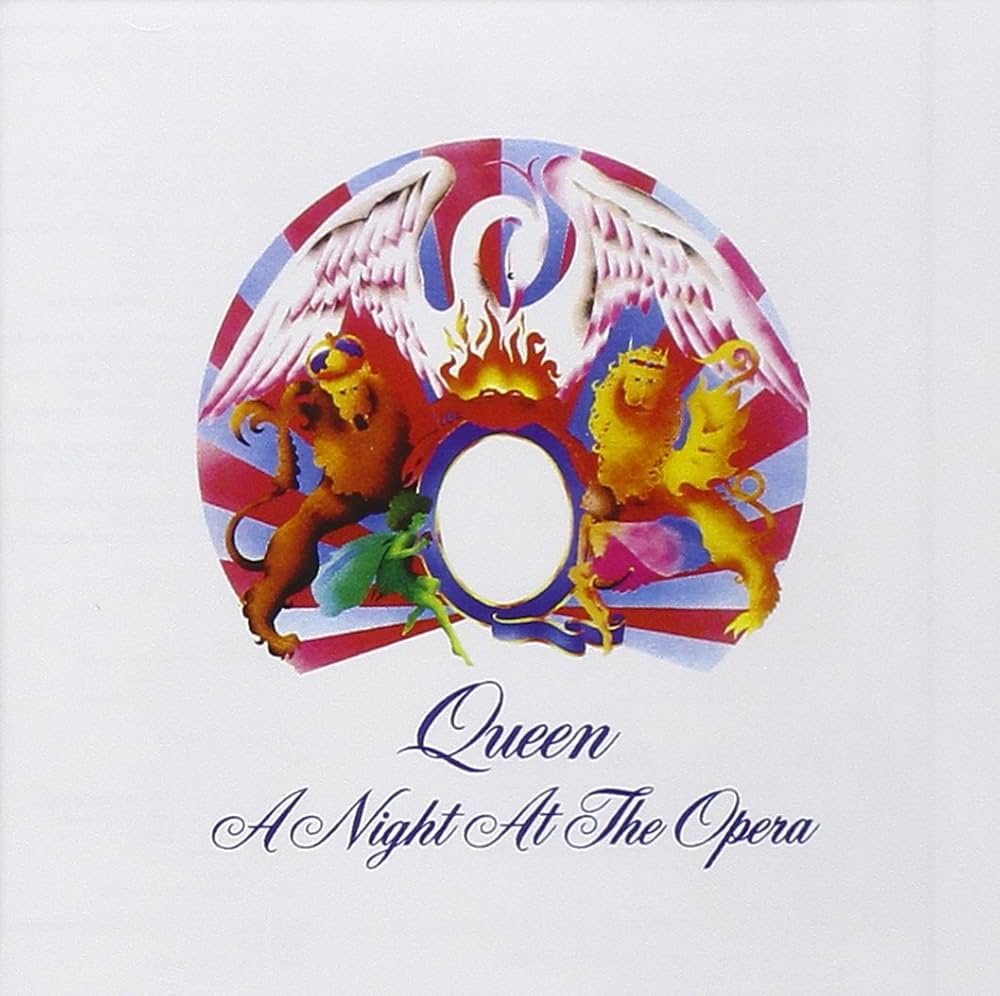
“A Night at the Opera,” Queen

“Prisoner in Disguise,” Linda Ronstadt

“Dreamboat Annie,” Heart

“Face the Music,” Electric Light Orchestra

******************************