I am music, and I write the songs
Before the arrival of Bob Dylan, The Beach Boys and The Beatles, singing and songwriting were considered two distinctly separate talents. Up until about 1960, you were pretty much one or the other, but not both.
Songwriters, by and large, accepted their place in the scheme of things, churning out catchy melodies and lyrics that someone else turned into hit singles. In some cases, however, the songwriter nursed a dream of becoming a recording artist in his/her own right, even if that didn’t happen until years later.

Carole King is perhaps the best example of this. Throughout the ’60s, she and husband Gerry Goffin wrote dozens of hits made famous by others — “Up on the Roof” by the Drifters, “I’m Into Something Good” by Herman’s Hermits, “The Locomotion” by Little Eva, “Will You Still Love Me Tomorrow” and “One Fine Day” by the Shirelles, “Pleasant Valley Sunday” by The Monkees, “(You Make Me Feel Like a) Natural Woman” by Aretha Franklin, “Hi-De-Ho” by Blood Sweat and Tears, to name just a few.
Then in 1970, King took a stab at singing, and although her debut album went unnoticed, her second was “Tapestry,” one of the biggest-selling albums of all time, and the beginning of an accomplished career as a singer.
There are some intriguing examples of hit songs from that era that were written by songwriters who hadn’t yet made their name on the charts as singers. In the process of creating the song, the composers often recorded their own versions, either as demos or as official recordings that received little attention. Hearing these “rough drafts” of tunes that became huge hits by others makes for fascinating listening, as the Spotify song list at the end of this blog will demonstrate.
***************************


“I’m a Believer,” written by Neil Diamond. Made famous by The Monkees (#1 in 1967)
Diamond, who went on to write 37 Top 40 hits, developed a passion for songwriting at age 15 growing up in Brooklyn. He had his eye on a recording career, but meanwhile, he was happy to have his songs picked up by others. In 1966, TV producer Don Kirshner, in charge of finding material for the new created-for-TV pop rock band The Monkees, came to Diamond and selected one of his recent compositions called “I’m a Believer,” which ended up at #1 on US pop charts for seven weeks. Diamond recorded his own version later the same year on his “Just for You” LP, which also included his first hits “Cherry, Cherry” and “Girl, You’ll Be a Woman Soon.”
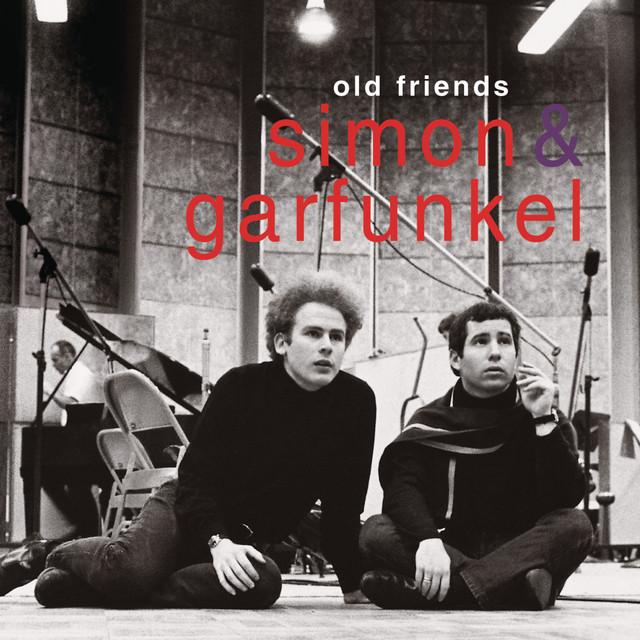
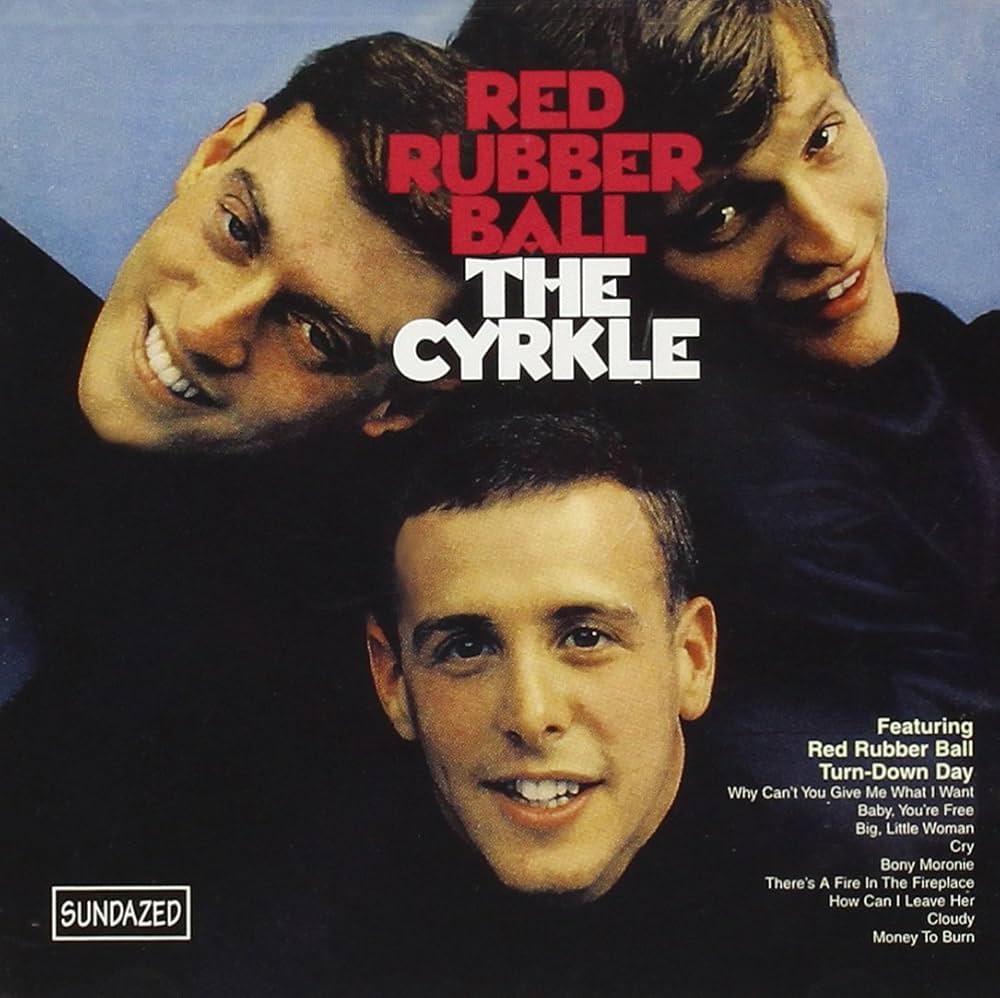
“Red Rubber Ball,” written by Paul Simon. Made famous by The Cyrkle (#6 in 1966)
Simon had been writing his irresistible melodies and introspective lyrics since 1963, and had recorded one album with Art Garfunkel that went nowhere. But when a producer added drums, bass and electric guitar to their acoustic recording of “The Sound of Silence,” it became a #1 hit in early 1966, and Simon and Garfunkel were off and running. Meanwhile, he had written “Red Rubber Ball” with Bruce Woodley of The Seekers, and the short-lived band called The Cyrkle made it into a big hit. S&G played it in concert occasionally, and their live recording of it appears on the 1997 collection “Old Friends.”


“One,” written by Harry Nilsson. Made famous by Three Dog Night (#5 in 1969)
In 1968, at a time when bands wanted to (or were expected to) write their own songs, Three Dog Night went the other way, covering songs written by others, mostly struggling young songwriters who had great material. Singer Chuck Negron heard the unknown album “Aerial Ballet” by Nilsson, which included a track called “One,” a simple, mellow song about the loneliness felt following a romantic breakup. The band recorded a more exuberant arrangement for their debut album, and “One” became a #5 hit in 1969, the first of 15 Top 20 singles for the trio.

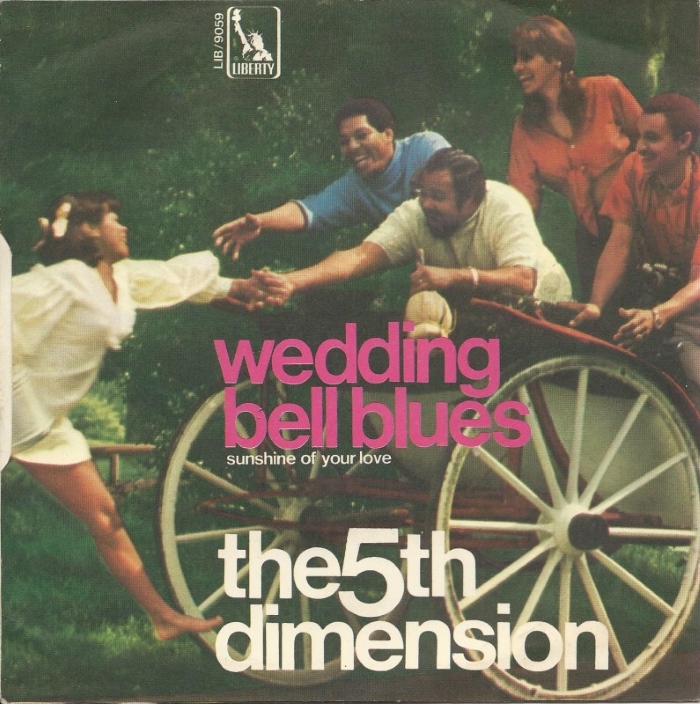
“Wedding Bell Blues,” written by Laura Nyro. Made famous by The 5th Dimension (#1 in 1969)
Nyro’s original vision for “Wedding Bell Blues” was as part of a mini-suite with dramatic rhythm changes to reflect the dual themes of adoring love and frustrated lament felt by the woman who “wonders if she’ll ever see her wedding day.” That version was turned down by her producer, but instead she recorded a more soulful arrangement and released it in 1967 on her “More Than a New Discovery” debut album. Two years later, The 5th Dimension enjoyed a pair of hits with Nyro’s songs “Stoned Soul Picnic” and “Sweet Blindness,” so they tried a third time with their rendition of “Wedding Bell Blues” (which was very similar to Nyro’s), and it went to #1.
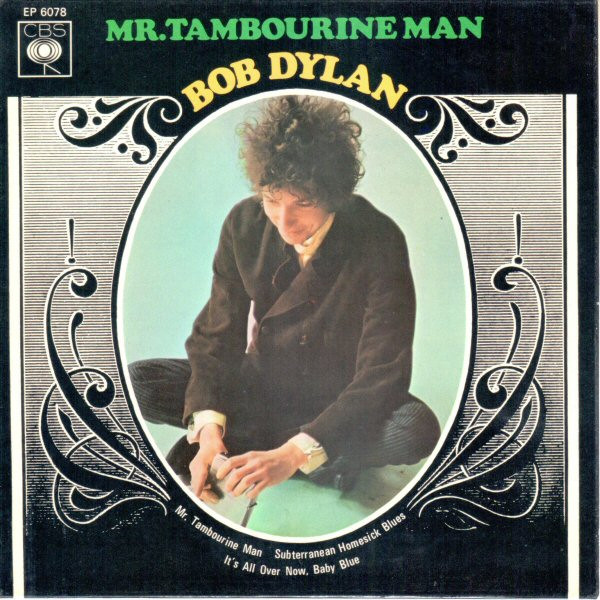

“Mr. Tambourine Man,” written by Bob Dylan. Made famous by The Byrds (#1 in 1965)
By 1965, Dylan was already regarded as a songwriting genius/prophet in some circles, but he hadn’t yet made a dent on the charts as a recording artist. That began to change when the Southern California band The Byrds used their jangly electric 12-string guitar sound and lush harmonies on a folk-rock arrangement of Dylan’s acoustic “Mr. Tambourine Man,” and The Byrds’ cover rocketed to #1. Dylan’s version, found on his “Bringing It All Back Home” LP, has a running time of 5:34 and includes four verses; The Byrds’ version is severely truncated to 2:29, using only the second of the four verses.
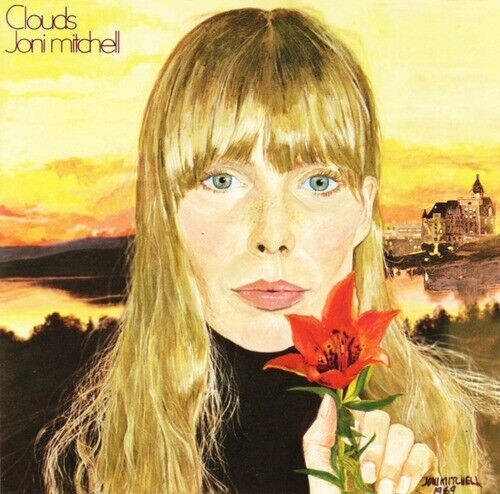

“Both Sides Now,” written by Joni Mitchell. Made famous by Judy Collins (#8 in 1968).
Judy Collins gives credit to her friend and musician Al Kooper for introducing her to the genius of Joni Mitchell, still a relative unknown at the time. “He knew I was in the midst of recording my ‘Wildflowers’ album, and he wanted me to hear Joni’s songs, particularly ‘Both Sides Now,'” Collins wrote in her autobiography. “Joni’s writing was magnificent. ‘Both Sides Now’ has everything — sweep and tenderness, specificity and breadth. It’s a perfect jewel of a song, perhaps one of the greatest songs ever written.” Mitchell’s own version appeared on her second album, “Clouds,” in 1969.

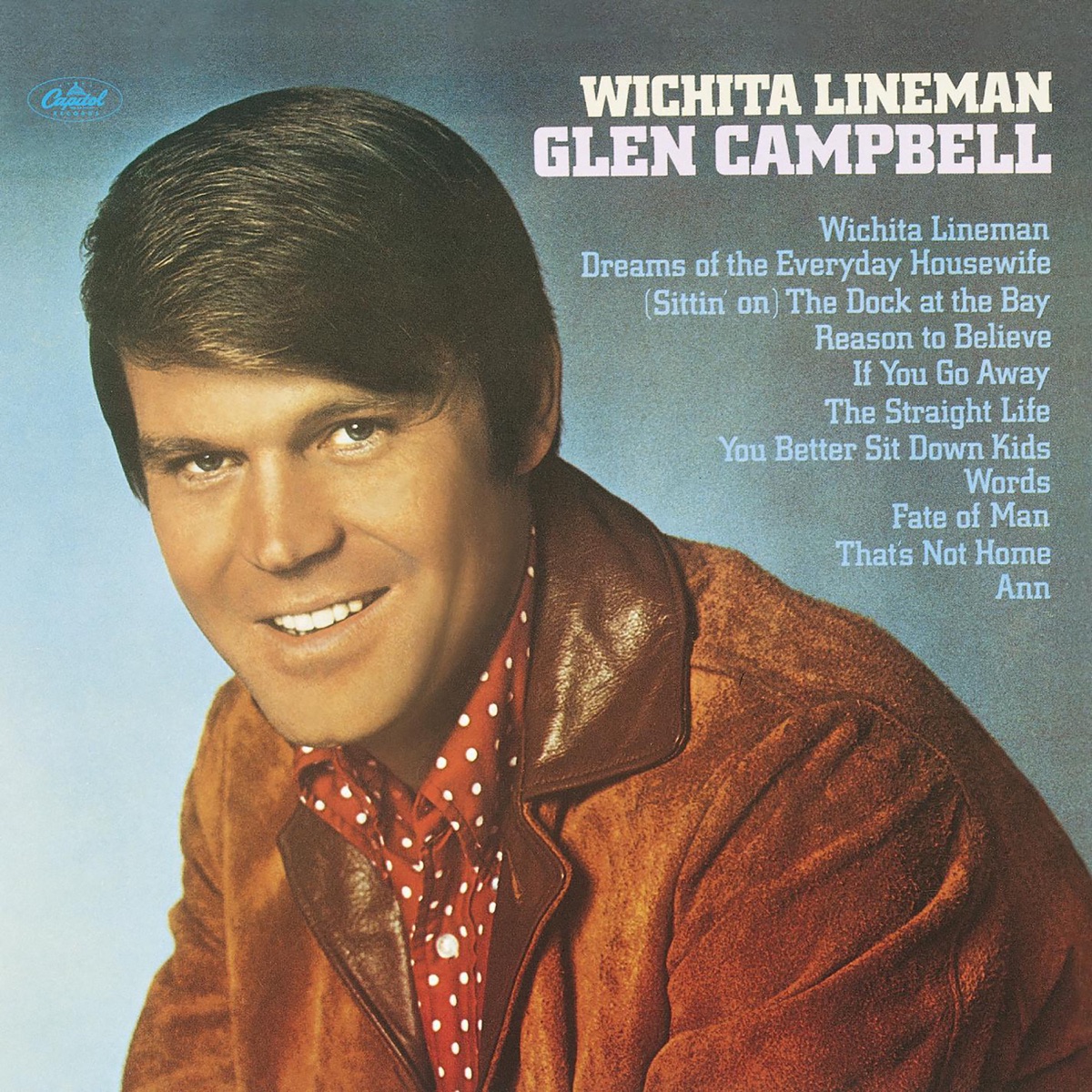
“Wichita Lineman,” written by Jimmy Webb. Made famous by Glen Campbell (#3 in 1968)
Webb remembers driving toward the late afternoon sun one day in Oklahoma, passing endless miles of telephone poles, until he saw the silhouette of a solitary lineman atop a pole. “He looked like the absolute picture of loneliness,” said Webb, who put himself in the lineman’s place and wrote what has been described as “the first existential country song” and “the greatest pop song ever composed.” Glen Campbell was the first of many artists to record “Wichita Lineman,” which charted at #3, and Webb himself finally got around to it on his 1996 album called “Ten Easy Pieces,” which also includes new arrangements of other hits he wrote like “By the Time I Get to Phoenix,” “The Worst That Can Happen,” “Galveston” and “MacArthur Park.”


“Mama Told Me Not to Come,” written by Randy Newman. Made famous by Three Dog Night (#1 in 1970)
After an early attempt as a recording artist flopped, Newman concentrated on songwriting throughout the ’60s, and his 1966 song “I Think It’s Going to Rain Today” was recorded by a dozen different singers. That same year he wrote “Mama Told Me Not to Come” for Eric Burdon and The Animals, but it ended up an overlooked album track. Four years later, Newman released his “12 Songs” LP, which included his piano-based rendition of the song. Almost simultaneously, Three Dog Night’s rock/funk version raced up the charts to become one of the biggest singles of the year.

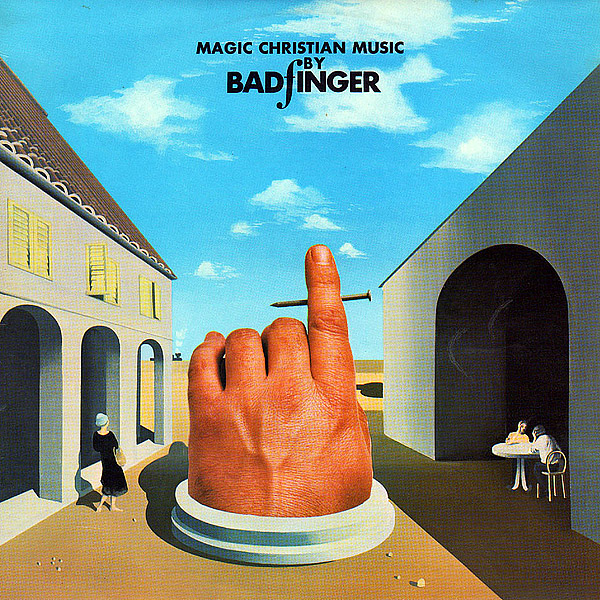
“Come and Get It,” written by Paul McCartney. Made famous by Badfinger (#7 in 1970)
McCartney wrote several songs during the Beatles years that he gave away to others, particularly Peter & Gordon (Peter Asher was the brother of his then-girlfriend Jane Asher). In 1969, McCartney was commissioned to write songs for “The Magic Christian” soundtrack, and in the midst of the “Abbey Road” sessions, he arrived early one day and recorded a polished demo of “Come and Get It” by himself. Badfinger was a new band signed to the Apple label, and to help jumpstart their career, he gave them “Come and Get It,” also producing it exactly as he had recorded it on the demo. McCartney’s original was finally released as a Beatles track on the “Anthology 3” CD in 1996.


“Red Red Wine,” written by Neil Diamond. Made famous by UB40 (#1 in 1988)
This one has this list’s longest gestation period from composing to hit-single status. Originally written and recorded by Diamond in 1967 on his “Just for You” LP, “Red Red Wine” was resurrected 15 years later by British pop/reggae band UB40, who released an album in 1983 of cover versions of songs by their early rock idols. Their reggae version went to #1 in the UK but stalled at #34 here, but five years later in 1988, it was re-released in the US and went to #1 here as well.


“Stoney End,” written by Laura Nyro. Made famous by Barbra Streisand (#6 in 1971)
Another Nyro composition that appeared on her underrated 1967 debut “More Than a New Discovery” was this upbeat number that eventually captured the attention of producer Richard Perry. He suggested it as a featured song for Barbra Streisand’s first album of pop-rock songs, and although she initially balked at the line “I was raised on the good book Jesus” because of her Jewish faith, it ended up being the title song when released in 1971. She took Nyro’s song to #6, her first Top Ten hit since “People” in 1964, and the beginning of an impressive run on the charts throughout the ’70s and into the ’80s.
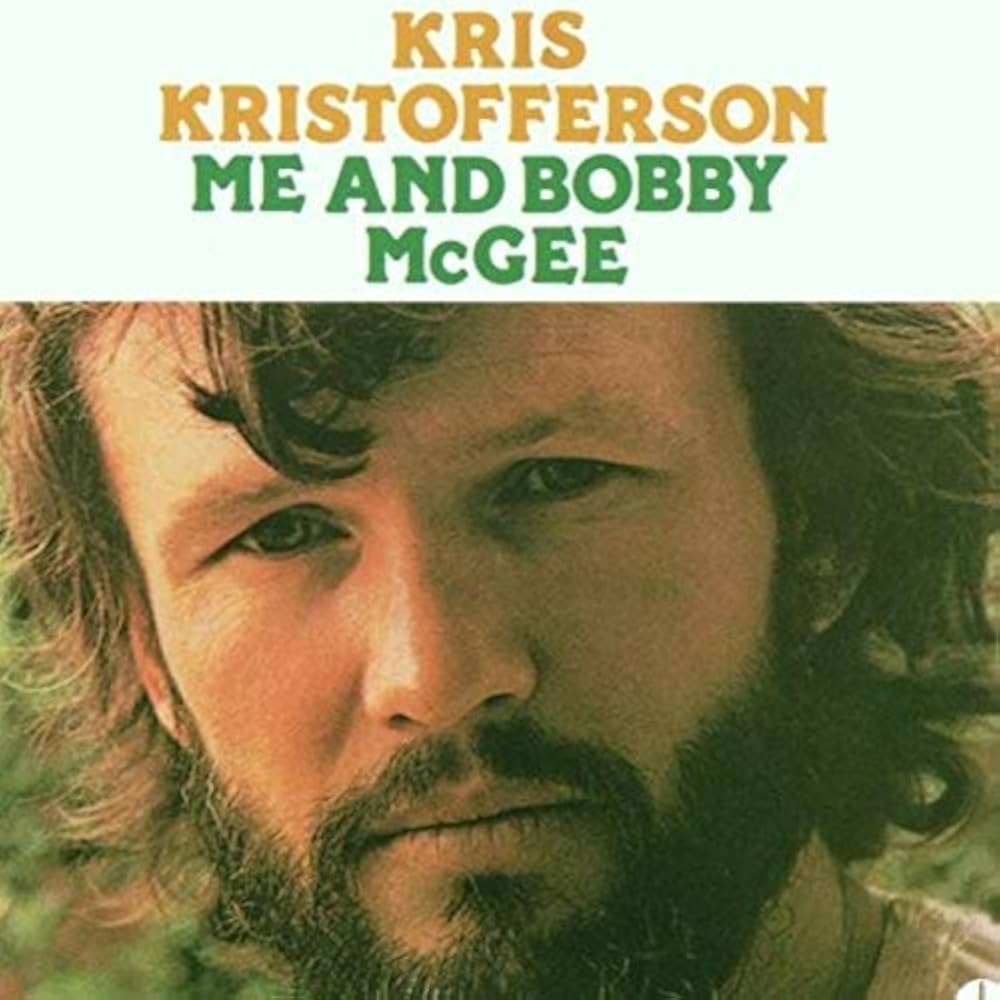

“Me and Bobby McGee,” written by Kris Kristofferson. Made famous by Janis Joplin (#1 in 1971)
Kris Kristofferson was an Army brat who became an accomplished pilot, an award-winning boxer and rugby player, and a Rhodes scholar at Oxford — and he left all that behind to pursue his dreams of writing music and acting. He found his niche in Nashville, where his songs were recorded by dozens of country stars from Johnny Cash to Ray Price, but Kristofferson’s own recordings never achieved much commercial success. He introduced one song from his debut album “Kristofferson” to his friend Janis Joplin, who decided to record a rollicking arrangement for what would become her final album, “Pearl.” Four months after her death, Janis’s recording of “Me and Bobby McGee” was the #1 song in the country.
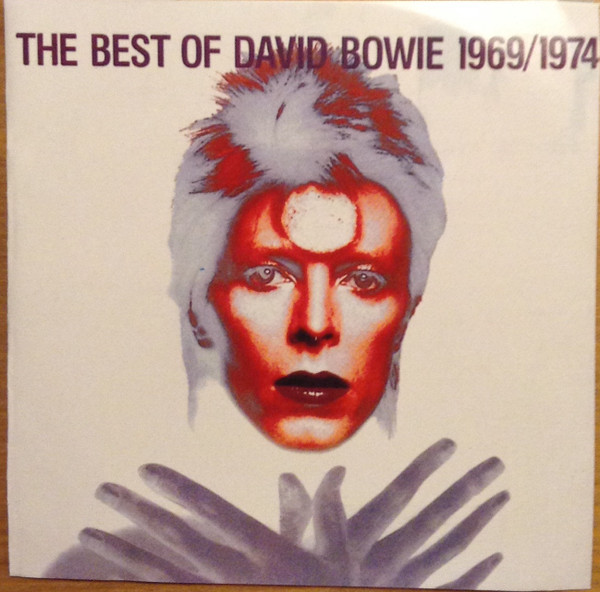

“All the Young Dudes,” written by David Bowie. Made famous by Mott the Hoople (#37 in 1972)
In 1972, Bowie’s career was only just starting to take off in the US when he heard that his friends in Mott the Hoople were about to break up because of a lack of chart success. He offered them his song “Suffragette City” from the “Ziggy Stardust” LP, but they turned him down, so instead, Bowie sat down in a London flat across from singer Ian Hunter and wrote “All the Young Dudes” specifically for them. It went to #3 in the UK, saving the band’s career, and it became the unofficial anthem of the glam-rock era. Bowie recorded it himself during the “Aladdin Sane” sessions but never released it until the mid-’90s on several different compilation CD sets.


“Lotta Love,” written by Neil Young. Made famous by Nicolette Larson (#8 in 1979)
Larson had sung backing vocals on Young’s “American Stars and Bars” album in 1977, and the two had become friends. One day she was driving around Malibu with him when she popped a cassette of his demos in his tape player. She praised his early take of “Lotta Love,” and Young responded, “You want it? It’s yours.” Her shimmering arrangement of it became her successful debut single in early 1979, while Young’s more stripped-down version appeared on his “Comes a Time” LP around the same time.
***********************
I urge you to compare the composers’ and cover versions of these other hits that made my honorable mention list:
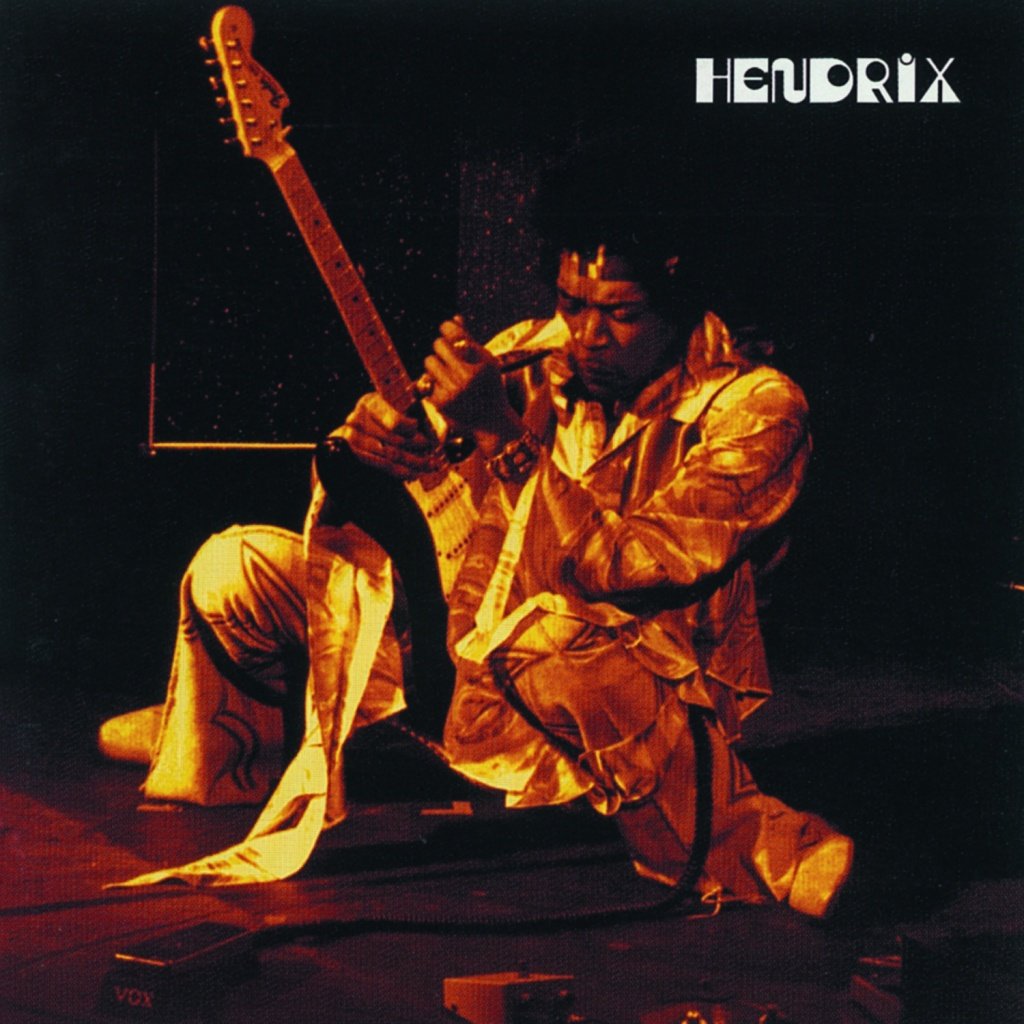
Bruce Springsteen wrote “Blinded by the Light,” “Fire,” and “Because the Night” (popularized by Manfred Mann, The Pointer Sisters and Patti Smith, respectively); Bob Marley wrote “I Shot the Sheriff,” a #1 hit for Eric Clapton; Leon Russell wrote “This Masquerade” (a hit for George Benson) and “A Song for You” (the title song of The Carpenters’ fourth album); Tom Waits wrote “Ol ’55,” a popular track for The Eagles; Prince wrote “Nothing Compares 2 U” (Sinead O’Connor’s big debut) and “Manic Monday,” (a #1 smash for The Bangles); and Bob Dylan wrote “All Along the Watchtower” (wildly reimagined by Jimi Hendrix).
*****************************



 Hack's Back Pages