If you’re an ardent fan of blues music, you’re well aware of John Mayall. If you like the blues but don’t know much about its best practitioners, it’s important for you to know more about the pivotal role Mayall played in keeping the genre alive and popular through the many decades of his long career.
Mayall, who died this week at the ripe old age of 90, did nearly as much for the proliferation of blues music as did the early pioneers who first wrote and played the blues back in the ’20s, ’30s and ’40s in the rural American South.
He had a well-earned reputation as a mentor and talent spotter of some of the more iconic names in British rock. Between 1965 and 2019, nearly a hundred different musicians have recorded with Mayall on more than 70 albums he released as a solo artist or under the name of his erstwhile band brand, The Bluesbreakers. Alumni include guitarist luminaries like Eric Clapton, Mick Taylor, Peter Green, Harvey Mandel, Rick Vito and Coco Montoya; drummers Mick Fleetwood, Aynsley Dunbar and Jon Hiseman; bassists John McVie, Jack Bruce, Larry Taylor and Andy Fraser; and sax greats Ernie Watts and James Holloway.
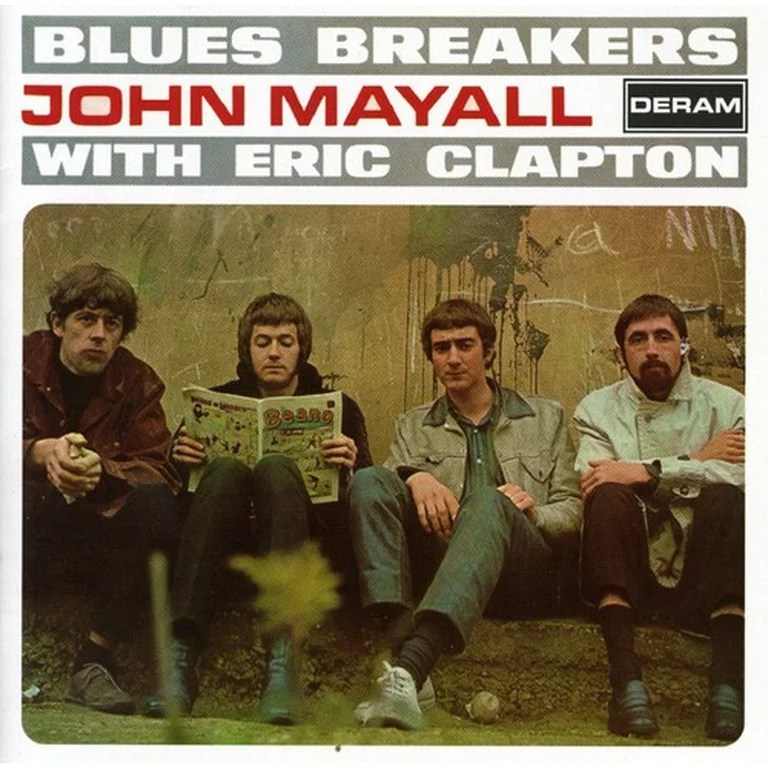
My introduction to Mayall came in 1969 when a friend turned me on to “John Mayall’s Bluesbreakers With Eric Clapton,” a 1966 album of extraordinary blues tracks brimming with instrumental and vocal prowess from Clapton and Mayall. At 14, I had already become a huge fan of Clapton through his incendiary work with Cream, but here was where I marveled at the talent he showed in his formative years as both a soloist and accompanist to Mayall on original songs (“Little Girl,” “Double Crossing Time,” “Have You Heard”) and classic covers (“All Your Love,” “Hideaway,” “Ramblin On My Mind”).
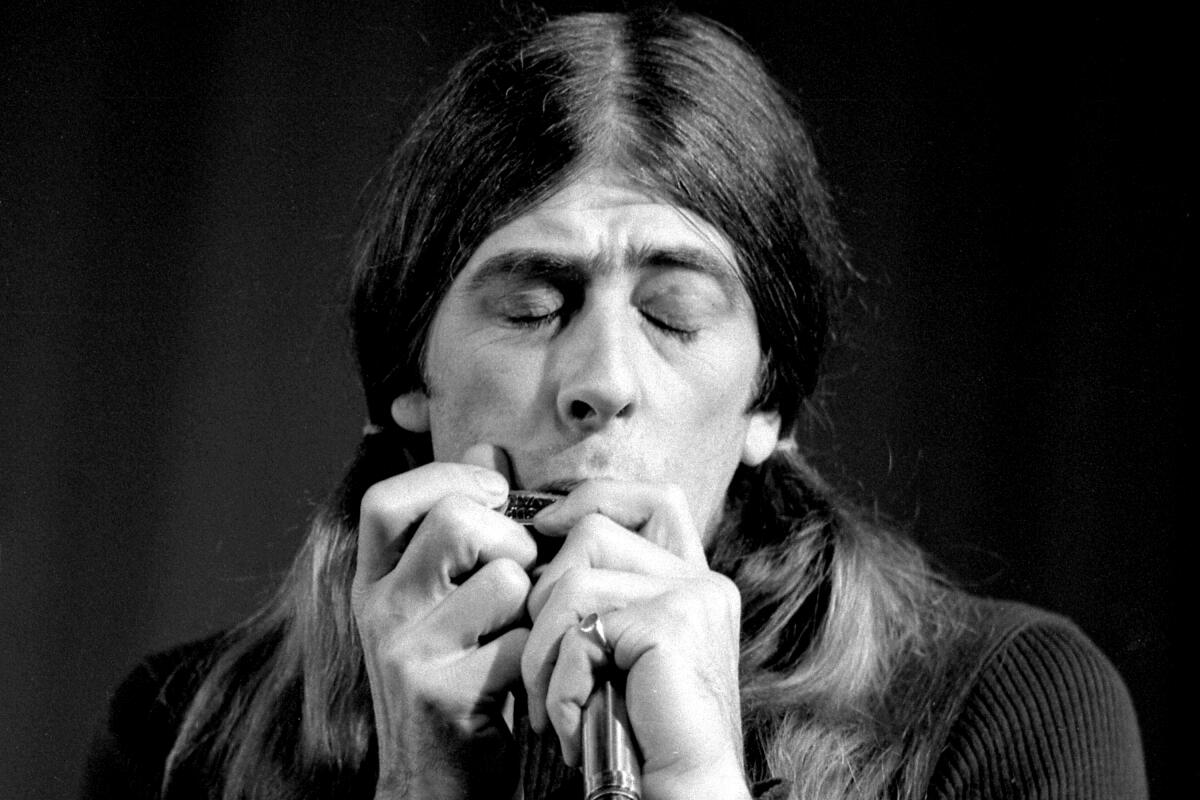
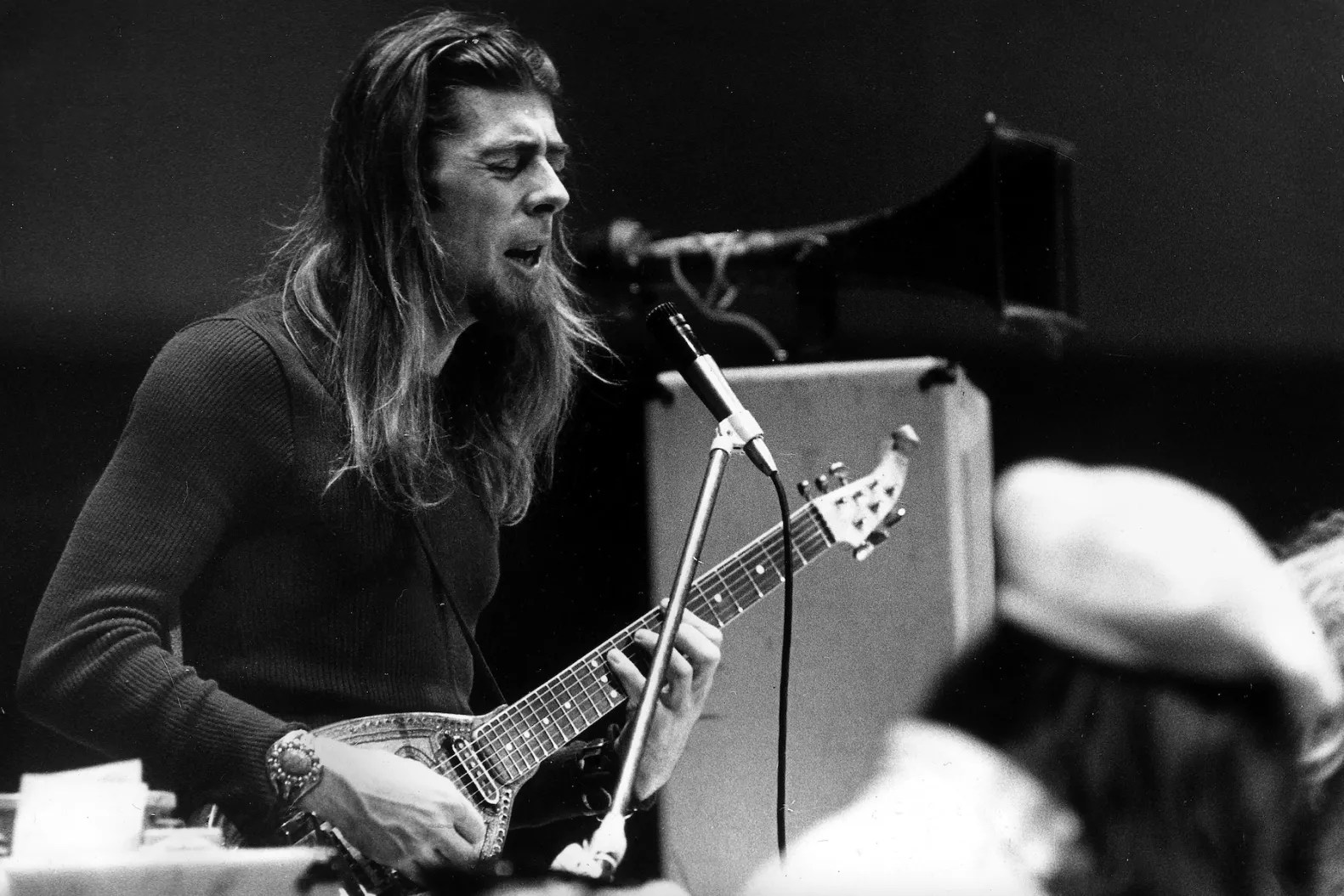
Mayall was a Brit from the Manchester area who was inspired by the Chicago and Mississippi blues records his father collected in the 1950s, rapidly becoming obsessed with the structure, emotion and appeal of blues music. Mayall developed a distinctive songwriting style that was both heavily indebted to an American art form and somehow still uniquely British. Mayall played piano, harmonica and guitar, and sang the blues with uncanny authenticity, sparking widespread interest in the blues among British musicians and listeners. They in turn triggered a ’60s blues revival in the US, as listeners who had been unfamiliar with the likes of homegrown blues talents like Freddie King, Otis Rush and Robert Johnson were snatching up albums by British blues-rock bands like the early Rolling Stones, The Animals and The Yardbirds.
Rather than limiting himself to traditional blues themes like unfaithful women or bad luck, Mayall distinguished himself by writing about the world around him. On “Nature’s Disappearing,” from 1970, he tackled pollution; on “Plan Your Revolution,” another track from that year, he sang about constructive political and social change. More recently, on “World Gone Crazy,” he explored the relationship between religious conflict and war. “Blues musicians ought to be singing songs about their own lives,” he said in 2014. “A lot of borrowing goes on in the blues, but it’s not just a matter of copying other people. You’ve got to think about representing your own life in the music. Blues has always been about that raw honesty with which it expresses our experiences in life, something which all comes together not only in the lyrics but the music as well.”
Though Mayall never approached the fame of some of his illustrious alumni — he was still performing in his late 80s, pounding out his version of Chicago blues — he wasn’t shy about expressing his disappointment about being eclipsed by his former mates. “I’ve never had a hit record, I never won a Grammy Award, and Rolling Stone has never done a piece about me,” he said in 2010. “I’m basically still an underground performer to most of the public. But I guess it’s just a part of my history. It really sums up the period of my life when I was in London. There was such a swift turnover of musicians at the time. All of them were just young guys who were just trying to find their feet, and I was able to help them along.”
Following Clapton’s departure in 1966, Peter Green became the focus for the next Bluesbreakers LP, “A Hard Road,” but he too left to form Fleetwood Mac, and Mick Taylor assumed guitar duties for “Crusade.” But by 1968, Mayall found himself drawn to America, specifically Los Angeles, where he bought a house in Laurel Canyon and ended up living in the area for the rest of his life. He cast aside the Bluebreakers moniker for a spell, instead releasing solo efforts like “Blues From Laurel Canyon” and the popular live LP “The Turning Point,” which went gold and put Mayall in the Top 40 of the US albums chart with its compelling harmonica workout, “Room to Move.”
Mayall continued to experiment, recording his next album, 1970’s “USA Union,” with a new drummer-less band that included ex-Mothers Of Invention violinist Don “Sugarcane” Harris, which became his highest-charting album in America, reaching number 22 in the Billboard 200. For his follow-up, a sprawling 1971 double LP called “Back to the Roots,” he surprised fans by reuniting with Clapton and Taylor; it was the first in a series of line-up changes during his career in America, which gave Mayall an air of unpredictability. “My record label – Polydor at the time – asked me for new albums every few months, it seemed,” he explained in his autobiography. “To achieve this, I needed to keep the music fresh, and that meant rebuilding my line-up from time to time.”
Over the next four decades, Mayall continued to explore his love for the blues in a variety of different contexts. After taking a funkier direction in the late 1970s, he reverted back to blues rock in the 1980s, then revived the Bluesbreakers with the vital 1988 LP “Chicago Line.” In the ’90s, he even reunited with old friends like blues virtuoso John Lee Hooker on the album “Padlock on the Blues,” released just a year before Hooker’s death.
Fleetwood, one of many British musicians who owe a musical debt to Mayall, recalled his early encounters with him. “When you went around to John Mayall’s house, it was a shrine to the blues,” Fleetwood said. “He’d sit you down, almost like a school teacher, and he’d bring out this vinyl.” In the wake of Mayall’s death this week, Fleetwood added, “He created a platform, a stage, for musicians — me being one of them — that mustn’t be forgotten. John’s legacy is that he has been true to his schooling as a blues player. He has never compromised that, and he has never pretended to be anything other than that. He has stuck to his guns, and he has placed his love of the blues above anything else.”
It seems unfair that Mayall isn’t in the Rock and Roll Hall of Fame, and almost cruel that his long-overdue induction in the Musical Influences category isn’t coming until three months after his death when he’ll be so honored in October.
It was a difficult task, but I cobbled together a playlist of some of Mayall’s finest moments under the Bluesbreakers tent and on his own. He has so much great material in his catalog that I could’ve easily doubled the length of this list and not suffered any in quality.
R.I.P., Mr. Mayall. Do yourself a favor, dear readers, and dive into the sturdy blues recordings of this unquestioned titan of British blues.
Recently I was reading a book about the earliest days of The Beatles, and I was intrigued by a story about the day Paul McCartney and John Lennon first met in 1957. Lennon and his skiffle band, The Quarrymen, were playing at an outdoor church festival, and McCartney was in attendance. A mutual friend introduced the two, and McCartney showed John a different tuning for his guitar, and then broke into a rendition of a song by American rocker Eddie Cochran called “Twenty Flight Rock.”
The 16-year-old Lennon was impressed that this kid was not only familiar with the relatively new tune from the States, but he knew how to play it and sing it. Lennon asked McCartney to join his band, and popular music would be forever changed.
It occurred to me that I didn’t really know the Cochran song that played such a pivotal role in music history, so I checked it out. It reminded me of “Rock Around the Clock” in the way it counted off numbers, and it got me to thinking: Could I come up with classic rock songs with numbers from one to twenty-one in the title?
Some numbers are well represented; others, barely at all. But I found 21 suitable selections, and then decided to reverse the order and present them in a countdown, like the radio stations used to do each week when I was a kid.
So I hope you get a kick out of this eclectic mix of tunes. There is, of course, a Spotify playlist found at the bottom of this post.
****************************
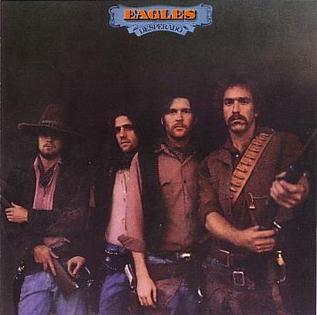
“Twenty-One,” The Eagles, 1973
Even in their early work, The Eagles were dominated by the songwriting of singer/guitarist Glenn Frey and singer/drummer Don Henley, but bassist Randy Meisner and multi-instrumentalist Bernie Leadon played crucial parts in the band’s sound. Indeed, Leadon’s love of bluegrass and his abilities on banjo, mandolin, Dobro and guitars helped cement their reputation as the most important band in the emerging country rock genre. On “Desperado,” their cowboy album, Leadon wrote and sang lead vocals on the excellent “Bitter Creek” and down-home “Twenty-One,” which deals with the feelings of hope and promise every boy feels on the brink of manhood: “Twenty-one and strong as I can be, I know what freedom means to me, /I believe in getting what you can, and there ain’t no stoppin’ this young man…”
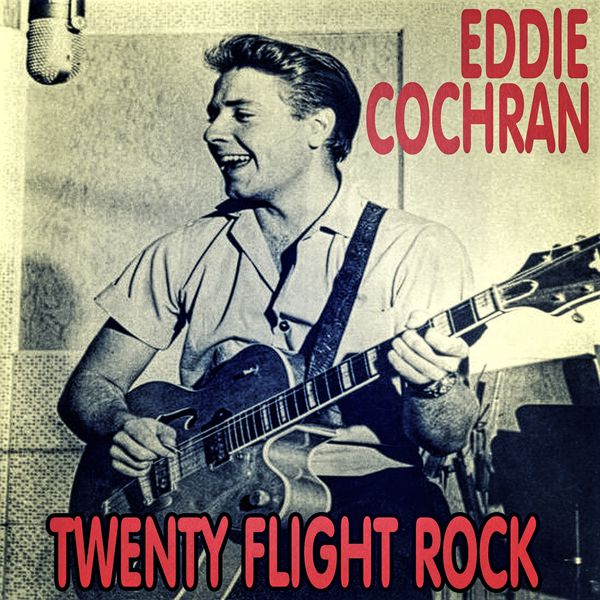
“Twenty-Flight Rock,” Eddie Cochran, 1957
Although he died in a car crash in 1960 at just 21 years old, Cochran achieved icon status for his powerful rock anthems, teen-idol good looks and rebellious attitude. Although his original rendition of “Summertime Blues” was his only Top Ten hit, his brief catalog also included influential songs like “Sitting in the Balcony,” “Three Steps to Heaven,” “C’Mon Everybody” and “Something Else.” On “Twenty Flight Rock,” which shares the count-off device used in Bill Haley’s “Rock Around the Clock,” the lyrics bemoan the effort needed to date a girl in a 20th Floor apartment: “So I walked one flight, two flight, three flight, four, /Five, six, seven flight, eight flight more, /Up on the twelfth, I started to drag, /Fifteenth floor, I’m ready to sag, /Get to the top, I’m too tired to rock…”
“Hey Nineteen,” Steely Dan, 1980
Steely Dan’s songwriting team of Donald Fagen and Walter Becker typically populated their songs with recluses, outlaws and ne’er-do-wells (“Doctor Wu,” “Charlie Freak,” “Kid Charlemagne,” “Cousin Dupree”), and “Hey Nineteen” is no exception. Fagen has said that the narrator is a man in his 30s who’s dating a 19-year-old because she’s young and sexy, but he quickly learns they don’t share the same interests nor musical influences (“That’s ‘Retha Franklin, she don’t remember the Queen of Soul”). It’s unclear whether their relationship is still active or already played out, but “we can’t dance together” and “we can’t talk at all” indicates it’s pretty much doomed. “She thinks I’m crazy but I’m just growing old, Hey Nineteen, no, we got nothing in common…”
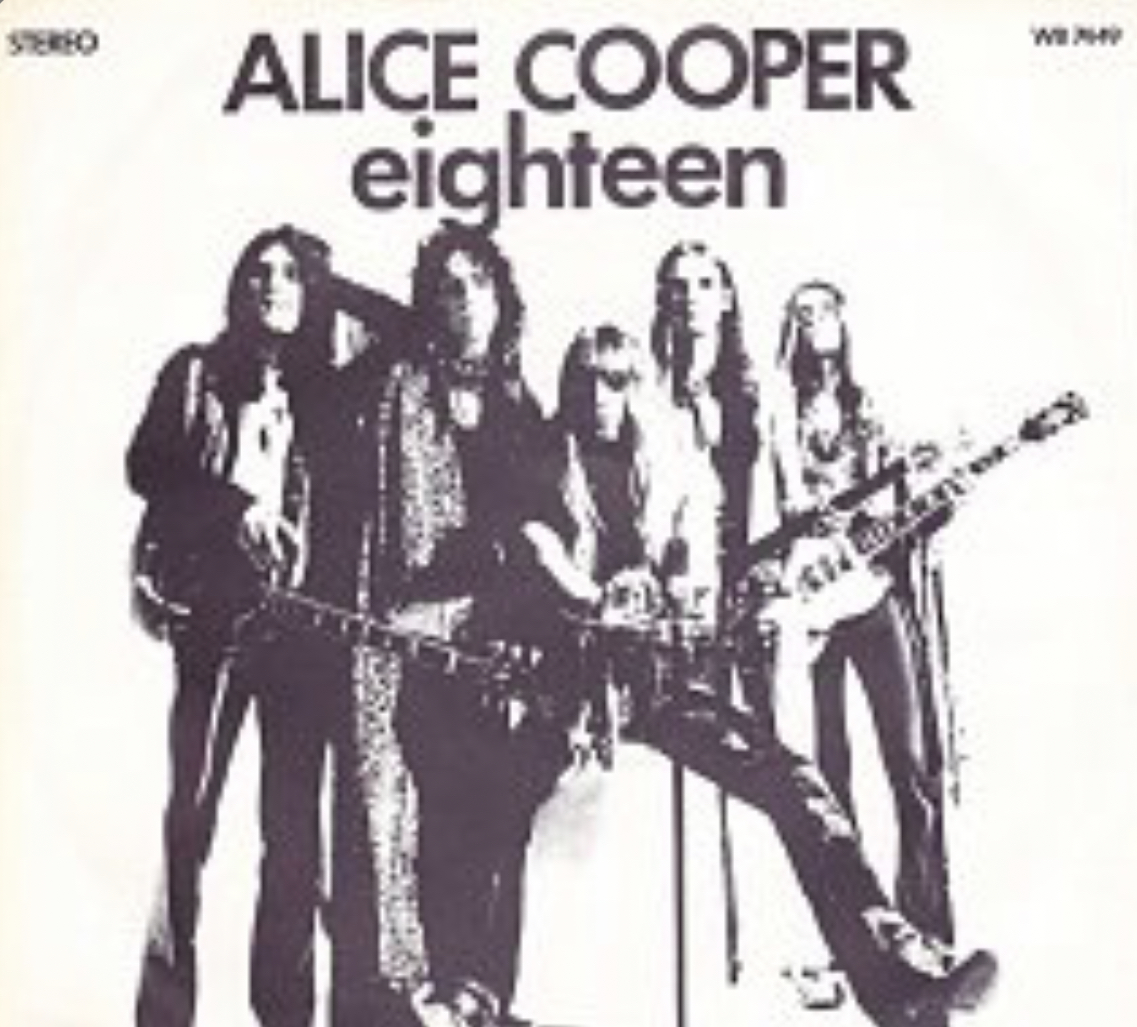
“I’m Eighteen,” Alice Cooper, 1970
Known far and wide as “the godfather of shock rock,” Alice Cooper was both a band and its outrageous frontman when they emerged from out of Frank Zappa’s shadow in 1970. The man who was born Vincent Furnier quickly decided he and his cohorts had to be shocking, even disturbing, to differentiate themselves from all the other rock bands of that period. Alice wrapped himself with a boa constrictor and staged simulated beheadings and fake-mangled barnyard animals while cranking out accessible hard rock for the radio (“Under My Wheels,” “School’s Out,” “Elected” and “No More Mr. Nice Guy”). He made a huge impression in 1971 with the raucous teenage anthem “I’m Eighteen”: “Don’t always know what I’m talkin’ about, feels like I’m livin’ in the middle of doubt /’Cause I’m eighteen, I get confused every day…”
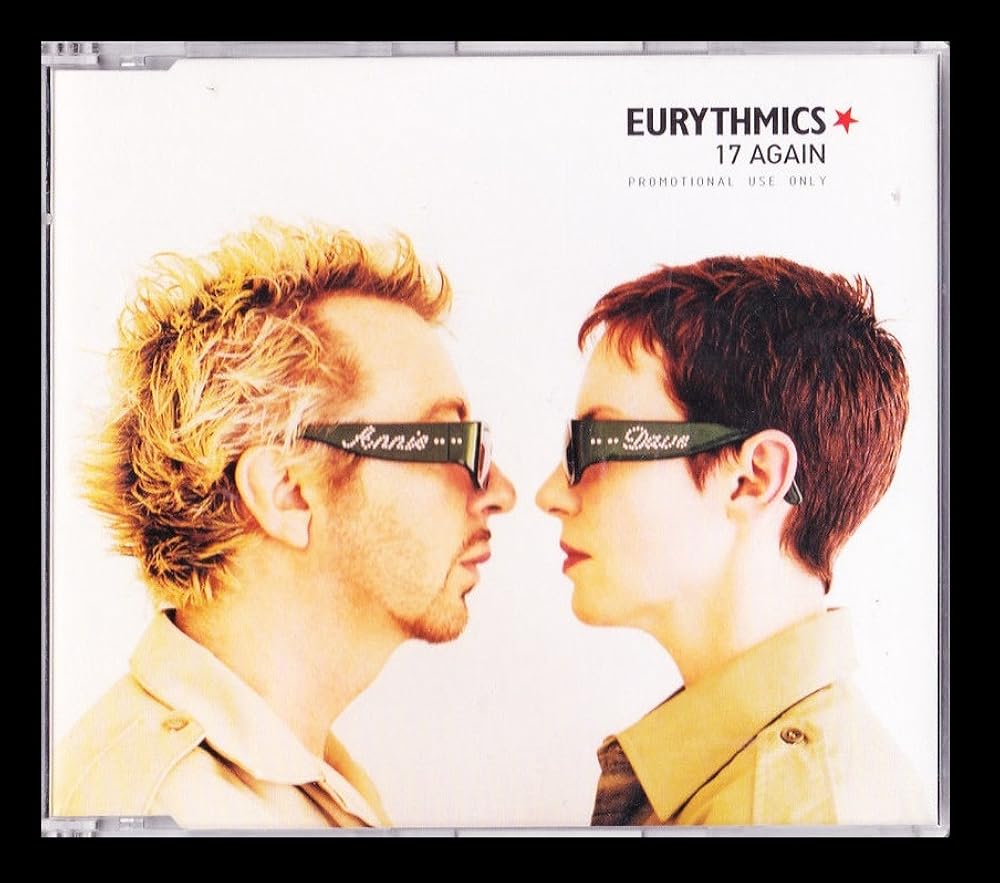
“17 Again,” Eurythmics, 1999
Multitalented musician/producer Dave Stewart and phenomenal singer Annie Lennox co-founded Eurythmics in 1980, and in short order, they were on top of the charts internationally with “Sweet Dreams (Are Made Of This),” “Here Comes the Rain Again” and “Would I Lie To You?” Their angular, synthesized sound and Lennox’s short orange haircut and unparalleled voice made them hugely influential throughout the ’80s. They broke up in 1990 and released excellent solo work but reunited for one album, “Peace,” in 1999, which included several strong tracks like “Beautiful Child,” “I Saved the World Today” and particularly “17 Again”: “Hey hey, I’m a million miles away, /Funny how it seems like yesterday, /And it feels like I’m seventeen again…”
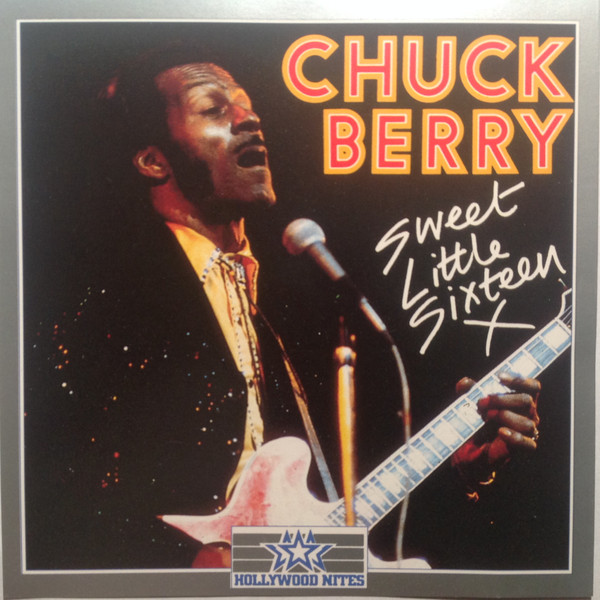
“Sweet Little Sixteen,” Chuck Berry, 1958
One of the true pioneers of the rock ‘n’ roll genre, Berry came up with the indelible guitar riffs, the signature “duck walk” and lyrics about cars, high school and young love to which every teenager could relate. “Maybellene,” “School Day,” “Roll Over Beethoven,” “Johnny B Goode” and “Rock and Roll Music” were all Top Ten pop hits in 1955-1958, culminating in “Sweet Little Sixteen,” which peaked at #2. The music for “Sweet Little Sixteen” was blatantly ripped off by The Beach Boys for its 1963 hit “Surfin’ U.S.A.,” while the lyrics dealt with a girl who was younger than she looked. It was perhaps cruelly ironic that he later spent time in prison for consorting with an underage girl. “Tight dresses and lipstick, she’s sportin’ high heel shoes, /Oh, but tomorrow morning she’ll have to change her trend, /And be sweet sixteen, and back in class again…”
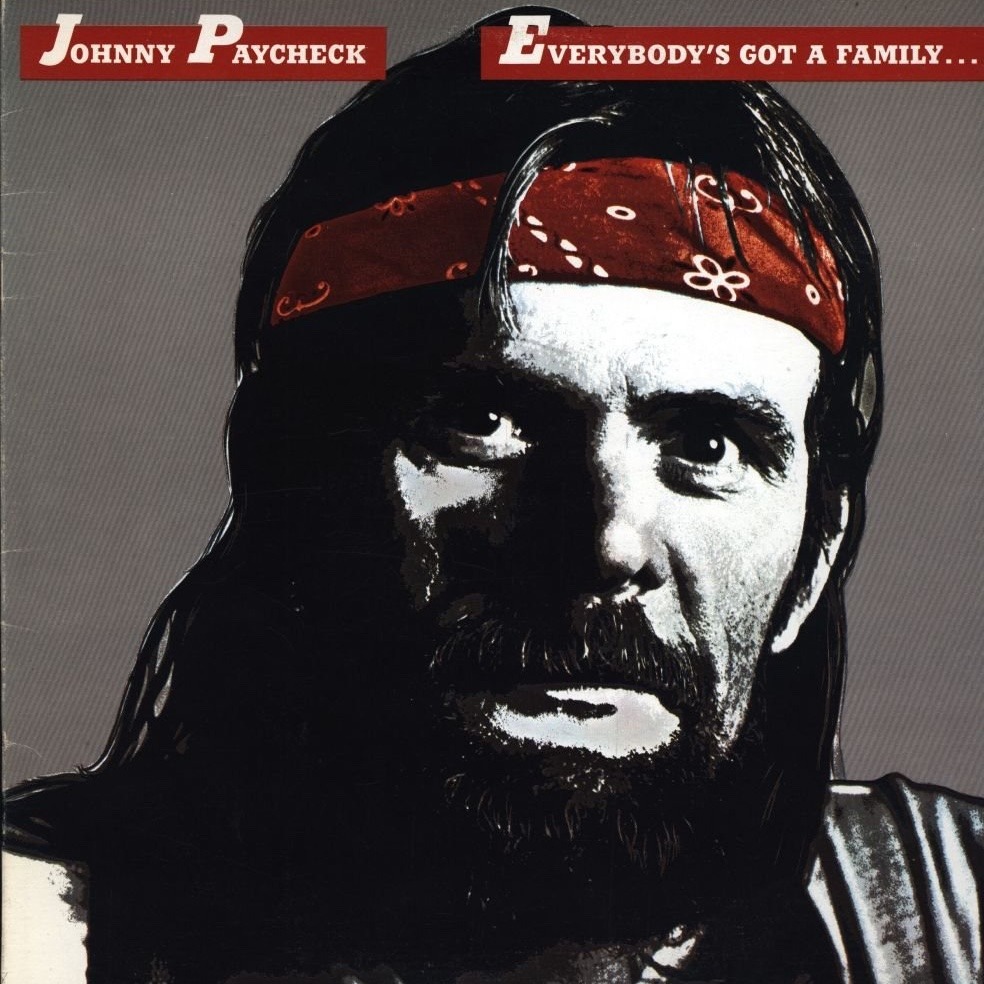
“Fifteen Beers,” Johnny Paycheck, 1979
Donald Lytle moved from Ohio to Nashville in the late 1950s, where he adopted the stage name Johnny Paycheck (not, however, as a parody of Johnny Cash, as some may think). After decades as a session player on scores of country albums, he claimed his own moment in the sun in 1977 with his rendering of the David Allan Coe tune “Take This Job and Shove It,” which sold two million copies and became a #1 hit on country charts. He became a leading figure in the “outlaw country” movement with Waylon Jennings and Willie Nelson, with songs like “Me and The IRS,” “I’m the Only Hell My Mama Ever Raised” and the 1979 minor hit “Fifteen Beers,” which goes: “I drank fifteen beers, that’s a whole lot of brew in one night when you try to drown a memory from your mind…”
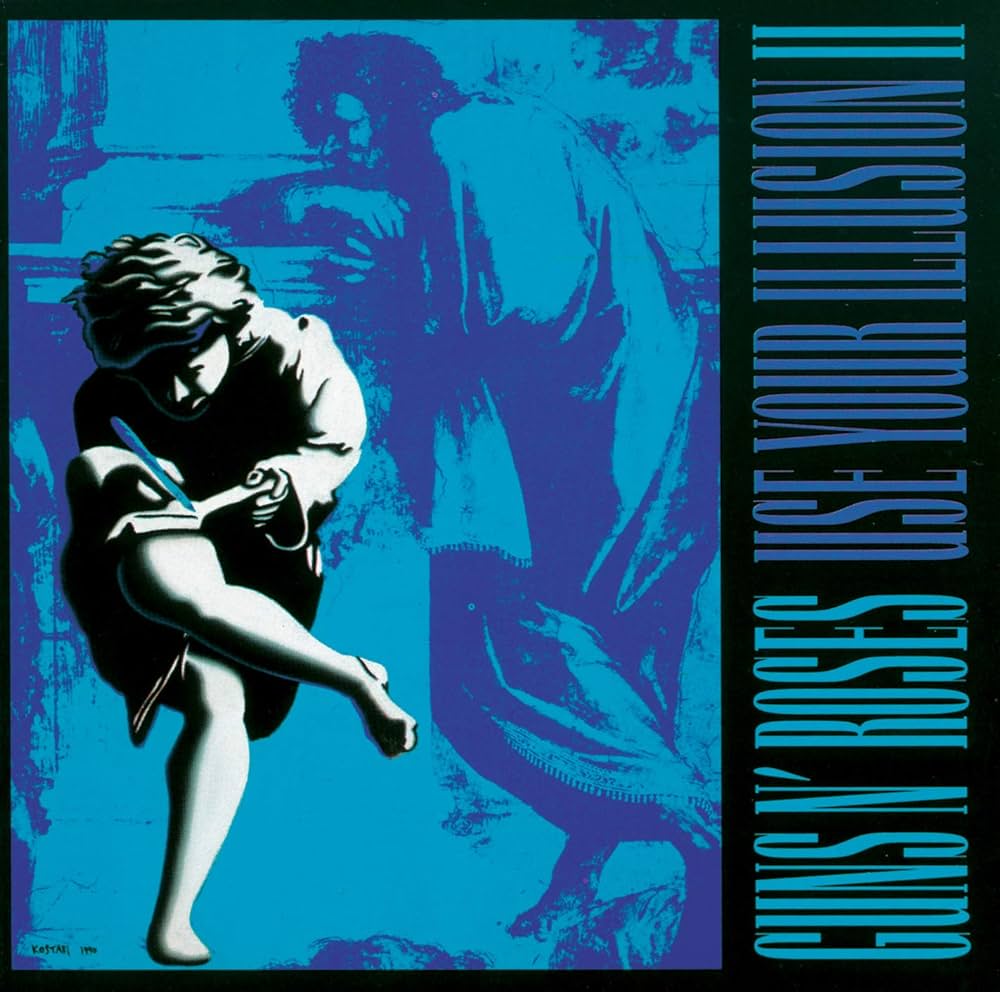
“14 Years,” Guns N’ Roses, 1991
I’ve never been much of a fan of Guns N’ Roses’ brand of hard rock/heavy metal, but there are exceptions. Certainly, “November Rain” from “Use Your Illusion I” is one of hard rock’s finest moments, and there’s a great track on “Use Your Illusion II” called “14 Years” that’s well worth your time. The song was written and sung almost entirely by original guitarist Izzy Stradlin, who left the band soon after the concurrent release of these two LPs. There are competing interpretations of the lyric’s meaning; he’s clearly pissed off that he has thrown away 14 years of his life on someone…but who? Some say a girl, but some say Rose, with whom he had a falling out and left the band: “But it’s been 14 years of silence, it’s been 14 years of pain, /It’s been 14 years that are gone forever, and I’ll never have again…”
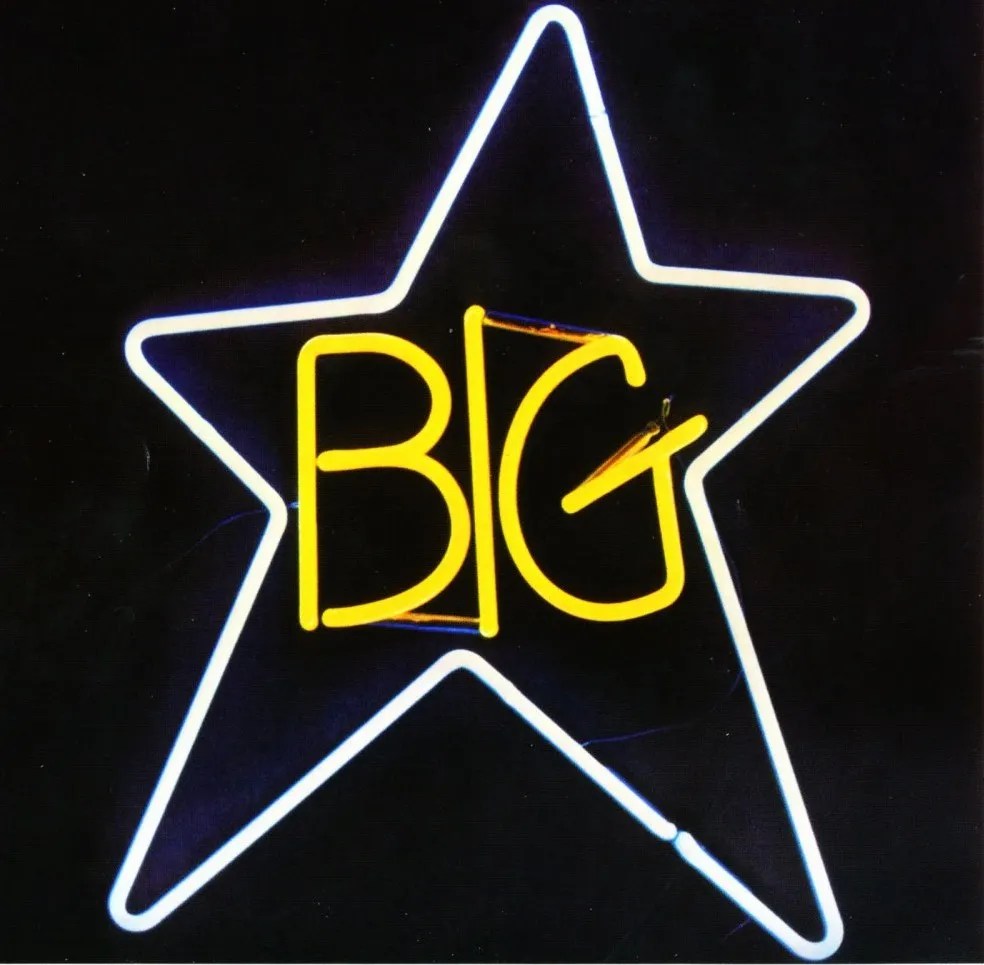
“Thirteen,” Big Star, 1972
Formed in Memphis in 1971, Big Star have been described as “the quintessential American power pop band” and “one of the most mythic and influential cult groups in all of rock & roll.” Led by singer Alex Chilton, formerly with The Box Tops (“The Letter,” “Cry Like a Baby”), Big Star never lived up to its early promise, sabotaged by poor promotion and distribution by their record label, causing dissension and defections. Their debut LP, 1972’s “#1 Record,” coulda/shoulda been a success, and it is often mentioned as being an influence on ’80s groups like Tom Petty and the Heartbreakers and R.E.M. The song “Thirteen,” which features fine harmonies and a more acoustic sound than most of Big Star’s tracks, sounds to me like a true “lost classic.”
“Twelve Volt Man,” Jimmy Buffett, 1983
After a slow start, Buffett found fame in the late ’70s with “Margaritaville” and a string of albums that reached the Top 20 on US pop charts. His fun-loving vibe and passionate following of “parrot heads” made him a huge concert draw throughout the ’80s, although he didn’t make as much of an impression on the charts during that period. For instance, his 1983 LP “One Particular Harbour” stalled at #59 with no singles, but the title track and his cover of “Brown Eyed Girl” got sporadic airplay and became concert favorites. Another track, “Twelve Volt Man,” refers to a character who sounds an awful lot like Buffett himself: “Now I know this Joe down in Mexico, he went there to work on his tan, /For years he’s been plugged into blenders and songs, they call him the Twelve Volt Man…”
“11 O’Clock Tick Tock,” U2, 1980
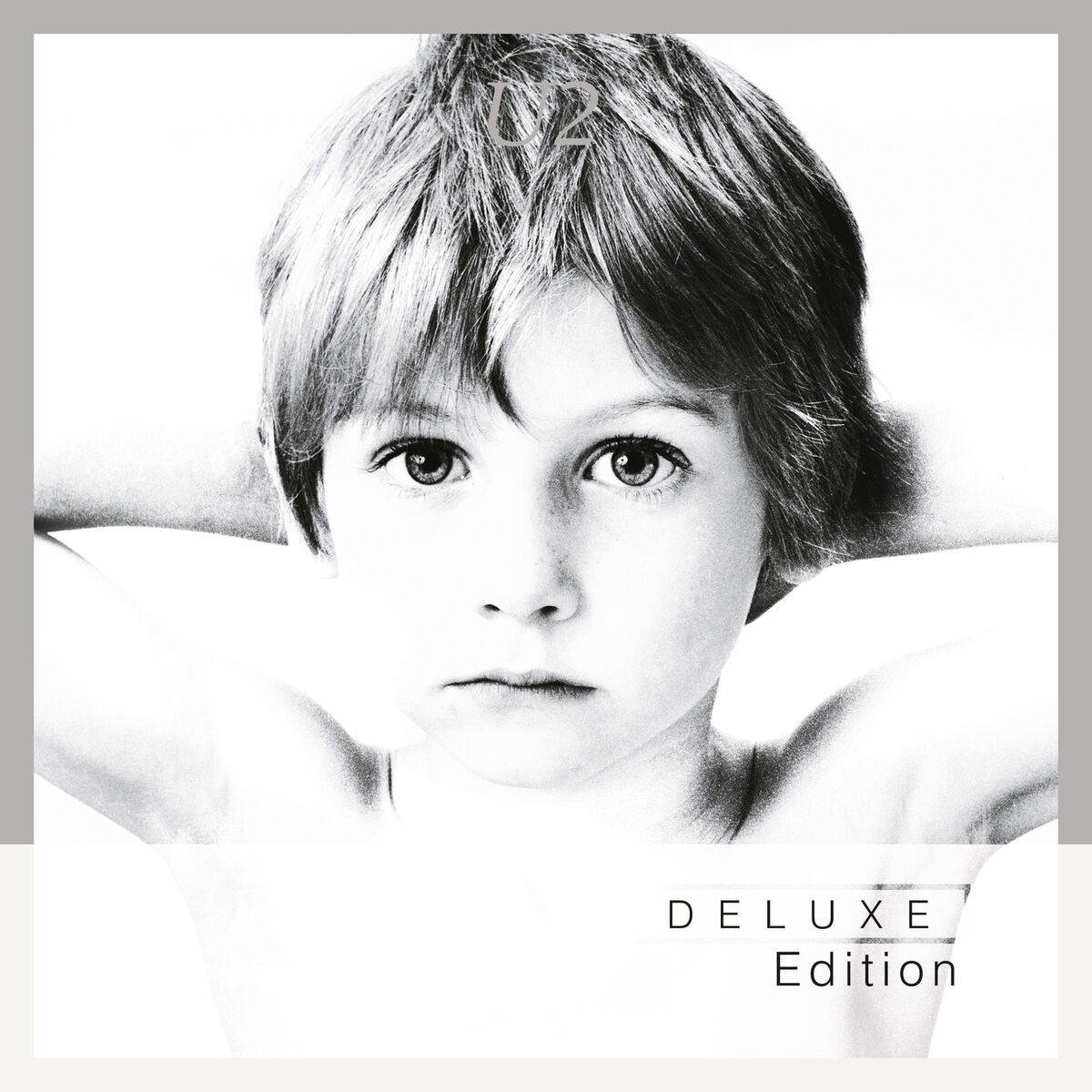
In early 1980, before they’d cut an album, U2 recorded and released an EP and two singles, one of which was “11 O’Clock Tick Tock,” inspired by a note that Bono’s friend left on his front door one night. Even then, The Edge was an innovator with guitar sounds, and he helped producer Martin Hannett realize a fuller sound that improved on the arrangement. Although the single failed to chart, it became an important part of their live set throughout the 1980s and was included on their “Under a Blood Red Sky” live LP. The studio version was included on a 2008 deluxe repackaging of their 1980 “Boy” album, and frankly, it sounds better than most of the tracks originally featured on that debut LP.
“Ten Years Gone,” Led Zeppelin, 1975
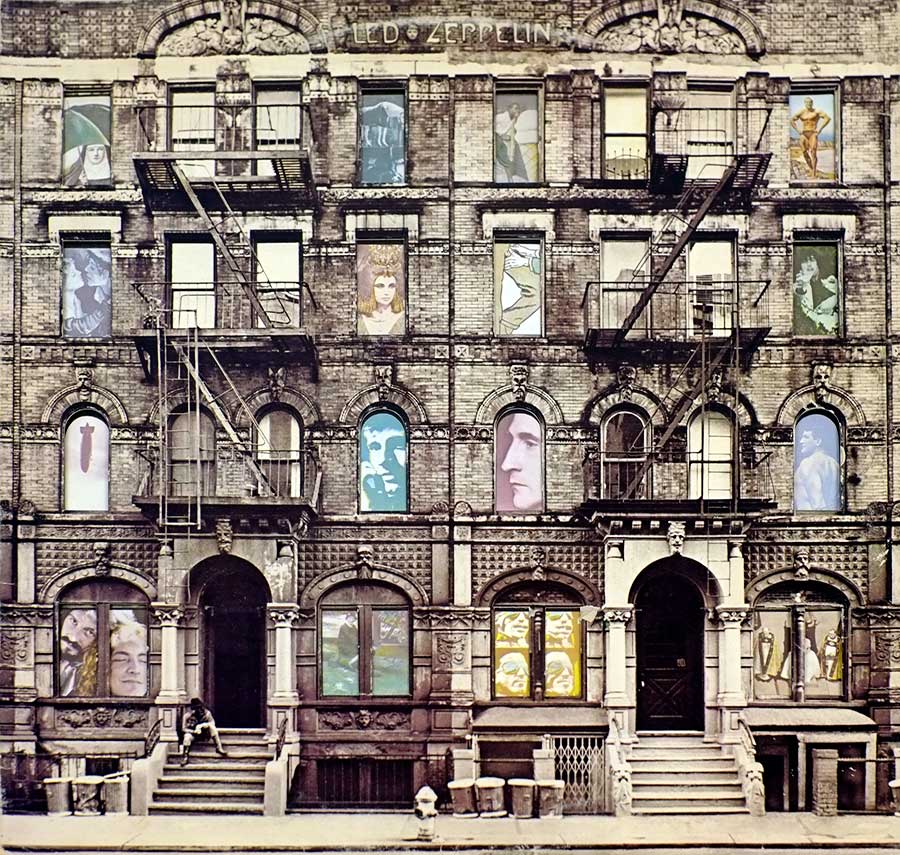
From their inception as The New Yardbirds in 1968, Led Zeppelin rewrote the book on heavy blues rock, yet remaining true to their “darkness and light” contradiction by including acoustic songs and passages in the mix. Each successive album explored new horizons, as Jimmy Page and Robert Plant teamed up on ever-evolving music and lyrics. On the sprawling double album “Physical Graffiti” in 1975, one of the best tracks is “Ten Years Gone,” with multiple layers of guitars and thundering drums. Plant said the lyrics refer to a woman who, ten years earlier, had given him the “it’s me or your fans” ultimatum. Said Plant in 1975: “Not that I really had fans yet at that point, but I said, ‘I can’t stop. I’ve got to keep going.’ We went our separate ways. Ten years gone, I’m afraid.”
“Cloud Nine,” The Temptations, 1969
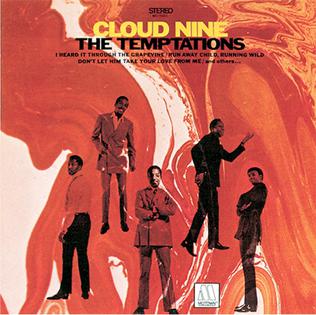
As one of the most successful vocal groups in Motown’s lucrative stable of artists, The Temptations had ten huge hits between 1964 and 1968, including “My Girl,” “Ain’t Too Proud to Beg,” “I Wish It Would Rain,” “Beauty’s Only Skin Deep” and “I Know I’m Losing You.” When producer Norman Whitfield first heard Sly and The Family Stone’s “Dance to the Music,” he admired it but thought the style too radical a change for The Temptations to try. He soon changed his mind, and created the innovative backing tracks that would be the foundation for “Cloud Nine,” recognized as the first of several “psychedelic soul” songs they released. Whitfield’s lyrics focus on a down-and-out man who copes with his situation by “riding high on cloud nine.” Was he referring to drugs or just a positive attitude? He never said.
“Eight Miles High,” The Byrds, 1966
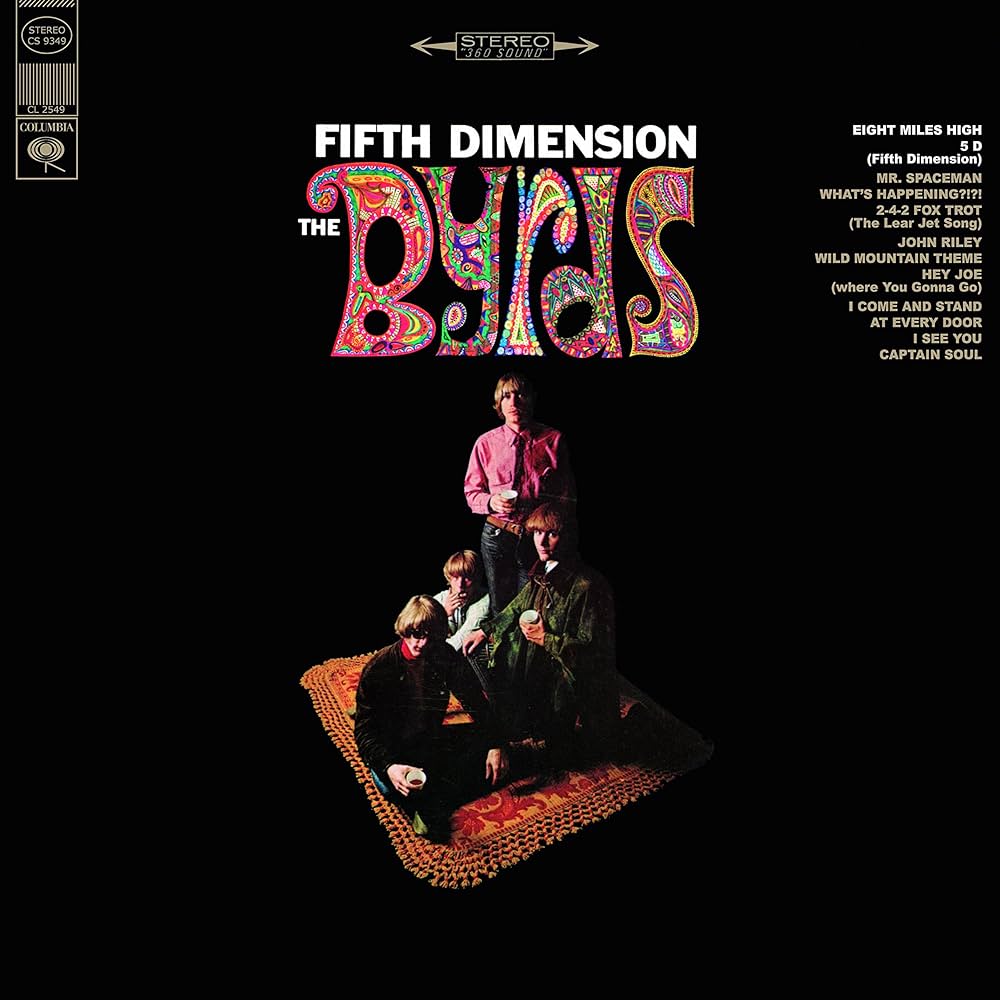
Although their roots were in folk and rock music, the members of The Byrds (particularly David Crosby) were also influenced by the jazz of John Coltrane and the Indian music of Ravi Shankar. Both were in evidence in the finished recording of “Eight Miles High,” which lays claim to being one of the first psychedelic pop songs, reaching #14 in the US in 1966. Many interpreted the lyrics to be about drug use (and Gene Clark conceded, “We were probably stoned when we wrote it”), but it was actually primarily about the band’s flight to London for their first British tour in late 1965: “Eight miles high, and when you touch down, you’ll find that it’s stranger than known, /Rain gray town, known for its sound, nowhere is there warmth to be found…”
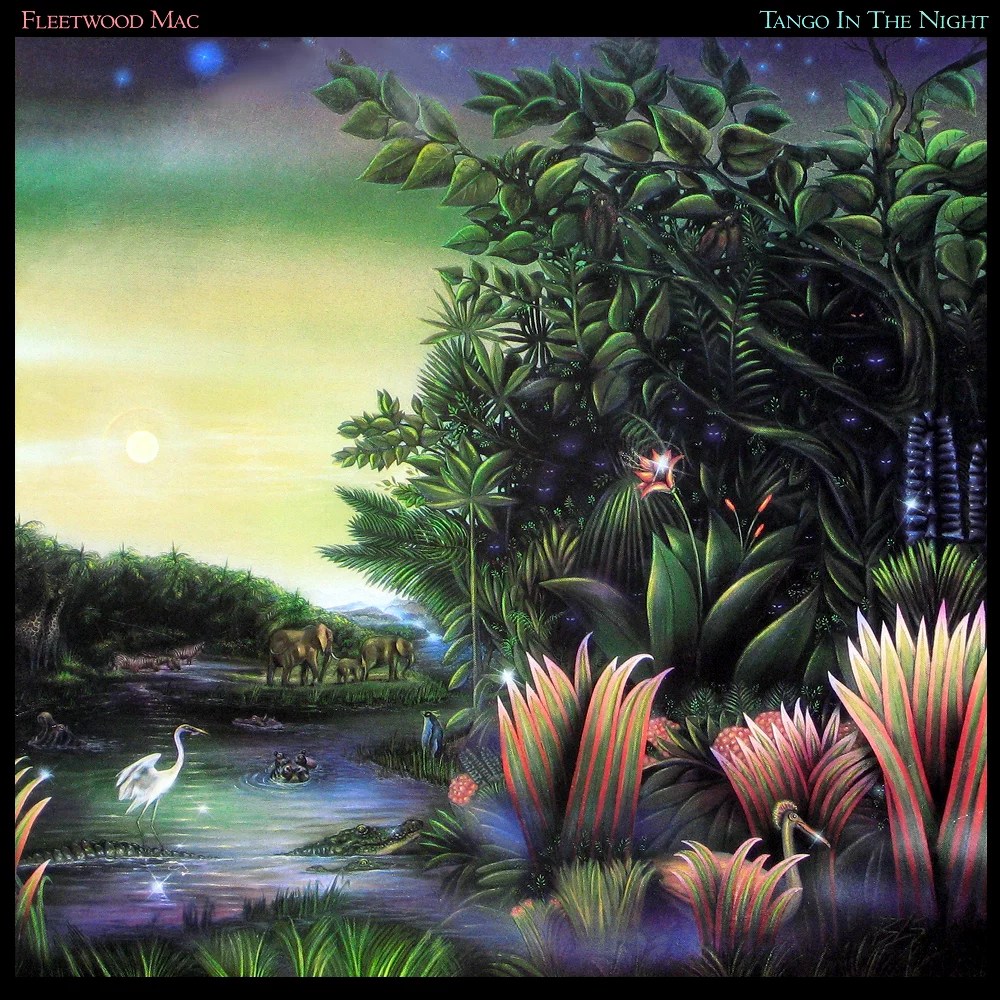
“Seven Wonders,” Fleetwood Mac, 1987
Sandy Stewart, a Houston-based singer/songwriter, collaborated on songs several times with Stevie Nicks, most notably the appealing “Seven Wonders,” which reached #19 on the US pop charts in 1987 as the second single from Fleetwood Mac’s “Tango in the Night” album. In the lyrics, the narrator fondly recalls a past love affair and claimed that even if she were to see all Seven Wonders of the World, they wouldn’t compare to the beauty of that romance: “So long ago, it’s a certain time, it’s a certain place, /You touched my hand and you smiled, all the way back you held out your hand, /If I hope and if I pray, ooh, it might work out someday, /If I live to see the seven wonders, I’ll make a path to the rainbow’s end, I’ll never live to match the beauty again…”
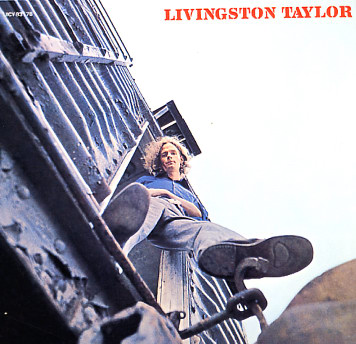
“Six Days on the Road,” Livingston Taylor, 1970
It may not have been the first song celebrating the American truck driver, but country singer Dave Dudley’s 1963 recording of “Six Days on the Road” definitely sparked a plethora of truck-driving songs over the next several decades. Dudley’s recording reached #2 on country charts and made it to #2 on pop charts as well, which consequently spawned dozens of covers — not just country stars like Merle Haggard, George Jones and Charley Pride but also pop artists like Jim Croce, The Flying Burrito Brothers and Jesse Colin Young and The Youngbloods. I was introduced to the song when Livingston Taylor covered it on his 1970 debut LP. “My home town’s coming in sight, if you think I’m happy, you’re right, /Six days on the road and I’m gonna make it home tonight…”
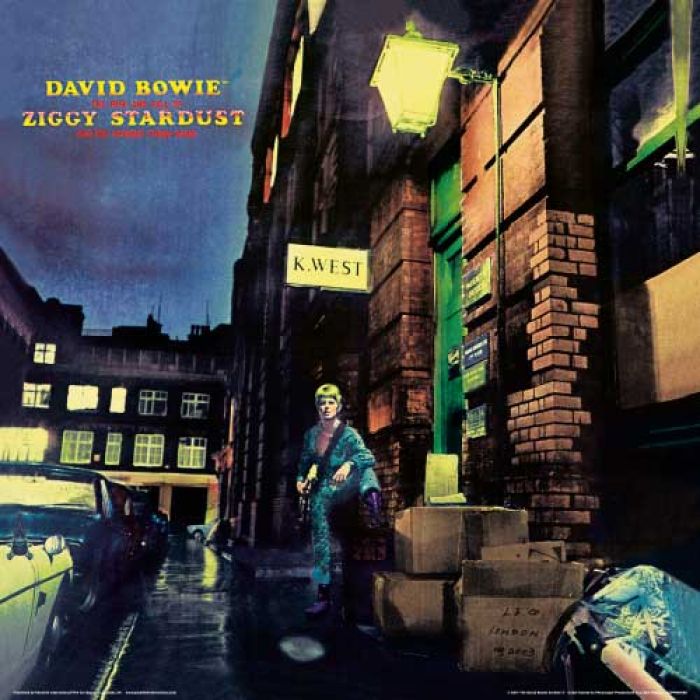
“Five Years,” David Bowie, 1972
Throughout his extraordinary career, Bowie showed a remarkable ability to experiment with, and usually master, a broad range of musical genres, from pop to heavy metal, from soul to electronica, from glam rock to progressive. In many people’s eyes, his most accomplished triumph was “The Rise and Fall of Ziggy Stardust and the Spiders From Mars,” his 1972 rock opera concept album about a fictional androgynous rock star who is sent to Earth as a savior before an impending apocalyptic disaster. The opening track, “Five Years,” sets the stage for Ziggy’s arrival by explaining that the Earth will soon cease to exist as people run around in frustration trying to figure out how got use the remaining time: “Five years, what a surprise, /We’ve got five years, my brain hurts a lot, /Five years, that’s all we’ve got…”
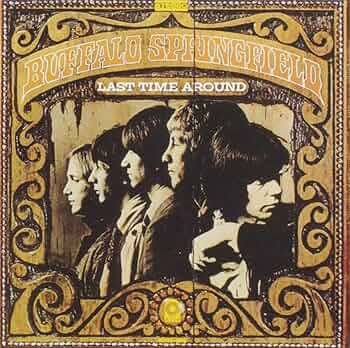
“Four Days Gone,” Buffalo Springfield, 1968
In the “should’ve been a huge success” category of classic rock music, Buffalo Springfield rank right at the top. With Stephen Stills, Neil Young and Richie Furay as songwriters, the group had a ton of talent, but warring egos, drug busts and inept management conspired to ruin whatever momentum they got going during their 1966-1968 lifespan. Nevertheless, their catalog includes bonafide classics like “For What It’s Worth,” “Bluebird,” “Mr. Soul,” “Rock and Roll Woman” and “Sit Down I Think I Love You.” Their final album, aptly titled “Last Time Around,” was a strange mix of tracks that Stills or Young or Furay had written and recorded on their own. One of the best was “Four Years Gone,” an acoustic Stills tune about a fugitive’s flight: “I hate to say, I can’t tell you my name ’cause I’m four days gone into running…”
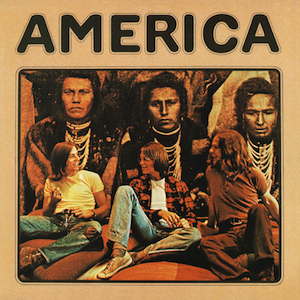
“Three Roses,” America, 1972
Dan Peek, Gerry Beckley and Dewey Bunnell were all US military brats whose fathers were stationed near London in 1970. They formed an acoustic trio that capitalized on the sound of Crosby, Stills and Nash, calling themselves America so they wouldn’t be mistaken for Brits trying to sound American. I never much cared for their huge hit “A Horse With No Name,” with its lame lyrics and a vocal that blatantly mimicked Neil Young’s warble, but the rest of the songs on America’s debut LP were pleasing and compelling, including “I Need You,” “Sandman,” “Riverside” and the irresistibly catchy “Three Roses,” which Bunnell wrote and sang: “Walking through a wonderland, I got you by the hand, Every move we made just as if it were planned, /Three roses were bought with you in mind…”
“Two of Us,” The Beatles, 1970/2003
The recent documentary “Get Back” confirmed that although there was plenty of tension and boredom that marred the January 1969 sessions that would become the “Let It Be” album and film, The Beatles still made magic with some of the songs they recorded that month, including “The Long and Winding Road,” “I’ve Got a Feeling,” “Get Back” and “Let It Be.” Perhaps most charming was the album opener, “Two of Us,” which features Lennon and McCartney singing and playing guitars face to face as they’d often done in the early days of their songwriting partnership. The 2003 alternate mix LP “Let It Be…Naked” captures the song without the extraneous spoken lines that peppered the original 1970 album. “Two of us wearing raincoats, standing solo in the sun, /You and me chasing paper, getting nowhere on our way back home…”
“The One,” Elton John, 1992
As we learned in the musical biopic “Rocket Man,” Elton John spiraled down into drug and alcohol abuse, which affected the quality of his work, and he didn’t hit bottom until the late 1980s. Following his rehabilitation in 1990, his next album, 1992’s “The One” was a triumphant return to form, with a fine batch of songs with his songwriting partner Bernie Taupin. John was particularly touched by the words Taupin wrote for the title song: “There are caravans we follow, drunken nights in dark hotels, /When chances breathe between the silence, /Where sex and love no longer gel, /For each man, in his time, is Cain, until he walks along the beach, /And sees his future in the water, a long, lost heart within his reach, /And all I ever needed was The One…”
***************************
Alternate choices:
“One,” Three Dog Night, 1969; “One,” U2, 1991; “It Takes Two,” Marvin Gaye and Kim Weston, 1966; “Love Me Two Times,” The Doors, 1967; “Gimme Three Steps,” Lynyrd Skynyrd, 1973; “Three Little Birds,” Bob Marley, 1977; “Four Sticks,” Led Zeppelin, 1971; “Four Strong Winds,” Neil Young, 1978; “Five Minutes to Live,” Johnny Cash, 1961; “Five O’Clock World,” The Vogues, 1965; “25 or 6 to 4,” Chicago, 1970; “I Got the Six,” ZZ Top, 1983; “Seven Days,” Sting, 1993; “Seven Turns,” The Allman Brothers Band, 1990; “Eight Days a Week,” The Beatles, 1965; “Pieces of Eight,” Styx, 1978; “Karn Evil 9,” Emerson Lake and Palmer, 1973; “#9 Dream,” John Lennon, 1974; “Ten,” Yellowcard, 2001; “Ten-Cent Pistol,” The Black Keys, 2010.






 Hack's Back Pages