If we couldn’t laugh, we would all go insane
“I just left the planet Earth. Where I go, I hope there’s rum!”
This line from the title track of Jimmy Buffett‘s popular 1979 LP “Volcano” succinctly captures the deft way this talented and beloved man could merge whimsy and reality in his song lyrics, usually to a captivating calypso beat.
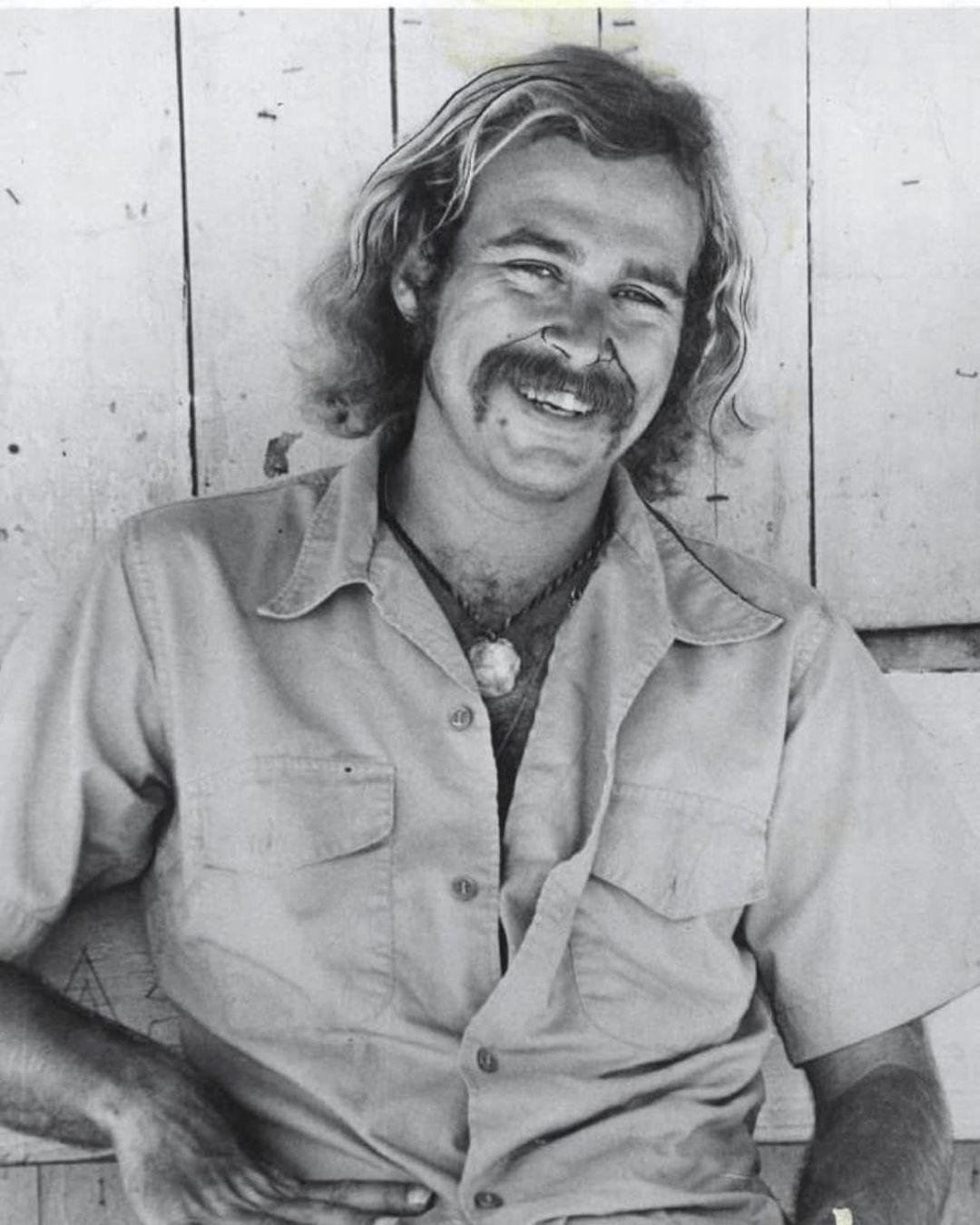
Millions of music lovers — particularly “Parrotheads,” those legions of devoted Buffett fans who have worshiped at the Margaritaville altar since they first heard him in the mid-1970s — have spent the past week cranking up his music as they mourned the loss of their good-life leader. As one newspaper account put it the day after we all heard of Buffett’s passing September 1 at age 76: “It’s somehow appropriate that Jimmy Buffett’s death emerged at the beginning of the Labor Day weekend, the point of every American summer’s symbolic end. For so many, he embodied something they held onto tightly — the promise of an eternal summer.”
The fact that this beach-loving musician died of skin cancer was not lost on one of his good friends, who noted matter-of-factly, “He lived his life in the sun, literally and figuratively.” Ever since he first visited Key West, Florida, in 1971 (documented in his song “I Have Found Me a Home”), Buffett has celebrated and championed the tropical, carefree lifestyle of those who spend their lives outdoors in sunny climes.
His music and his warm, positive personality touched so many, including dozens of fellow musical travelers who spoke out last week with words of praise. James Taylor had this to say about Buffett: “He invented his own character, which, in a sense we all do: invent, assemble, inherit, or fall into our inner identity. But Jimmy was the founder of an actual tribe: tens of thousands of us made our way to where he was holding court, just to be near him. There was no defensive macho bullshit, just a model of how to enjoy the great gift of being alive. And that’s what he shared so generously with us: a positive enthusiasm for being here.”

Buffett wrote a great deal about (as his 1992 box-set title put it) “Boats, Beaches, Bars and Ballads,” and although many were party tunes that urged us all to have a good ol’ time, he was capable of creating some touching tributes and melancholy memories as well. Even his signature song “Margaritaville,” for all its steel-drum/marimba arrangement and singalong vibe, is essentially a sad tale of losing a girl over too much excessive partying. Still, as Buffett once told his brother-in-law Tom McGuane, “It’s not in my nature or personality to be a dark poet. I see my role as being lighthearted, giving people a bit of island life.”
Indeed. As singer/songwriter Brandi Carlile said the other day, “He was a legend for having fun. I learned a lot from Jimmy just by living in a world that he put art into. He once told me, ‘There are no excuses for not finding some way to make yourself happy.’ What a legacy!”
Born in Mississippi and raised in Alabama, with a grandfather who was a steamship captain and a father who was a marine engineer and sailor, Buffett was exposed to sailing and the sea almost from his first breath, and it made a lasting impression on him in multiple ways, not the least of which was through song titles like “Son of a Son of a Sailor.” He learned how to play guitar in college, befriended musicians and writers, and quickly discovered he wanted to devote his time to writing and playing music, but he had learned he needed a day job to allow for that sort of self-indulgent life. Playing to his strengths, he became a first mate for a while on an industrialist’s yacht harbored in Key West.
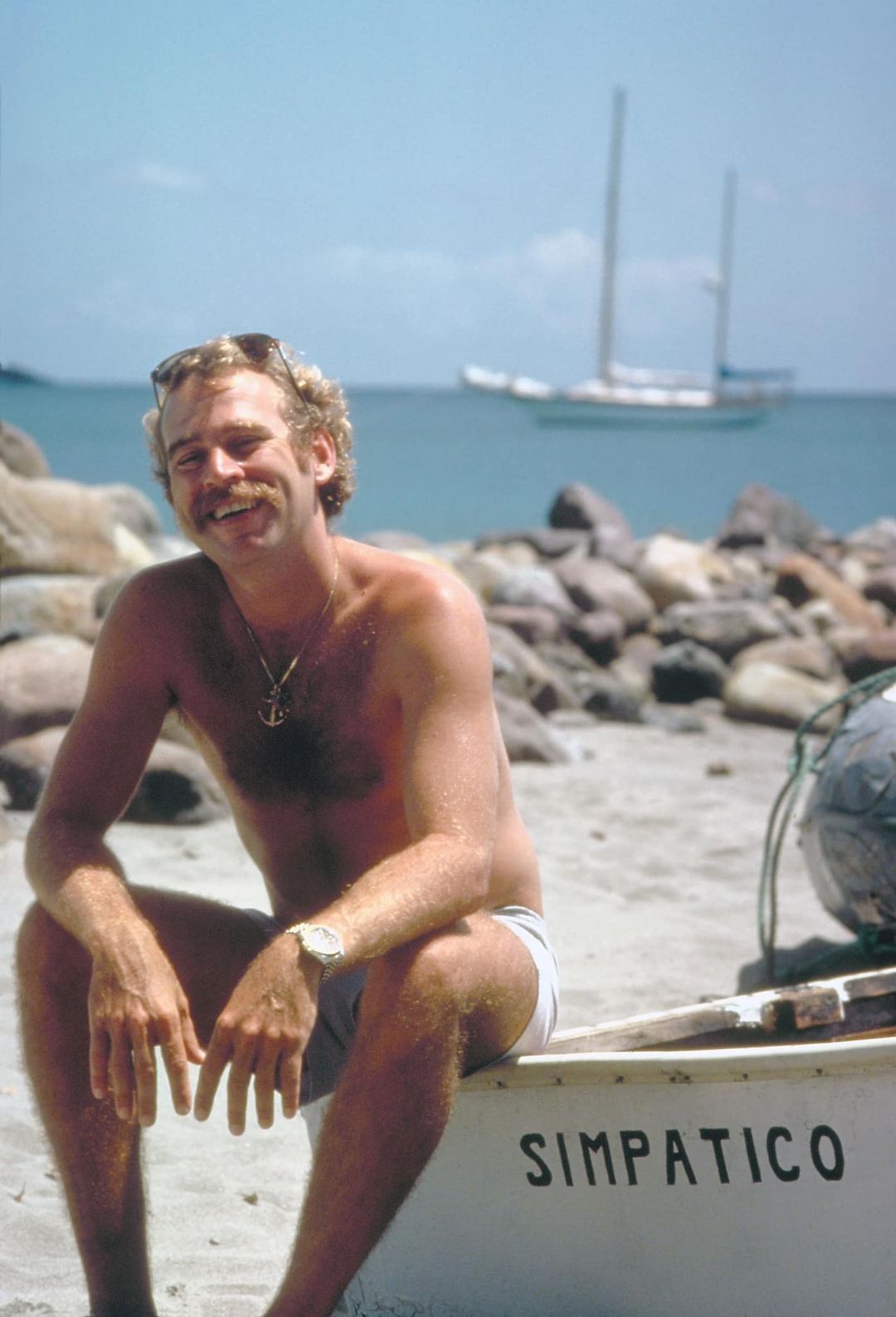
He had recorded his debut LP, a country-tinged folk rock album called, appropriately enough, “Down to Earth,” in Nashville in 1970, but it made nary a ripple in the musical waters at the time. In 1973, he won a contract with ABC/Dunhill, and his first effort on that label — “A White Sport Coat and a Pink Crustacean” — started getting airplay, thanks to happy-go-lucky songs like “Grapefruit – Juicy Fruit” and the risqué “Why Don’t We Get Drunk (and Screw).”
Said label mate Joe Walsh last week, “Jimmy was an immediate friend from the day we met. He got signed to the same record label as the James Gang, Three Dog Night and Steppenwolf. We all had a good laugh wondering what the hell he was doing there with such a motley crew. But he showed us all that he was built to last. A great sailor, a good friend and a man who did a lot of good for this world while nobody was looking.”
Its follow up, “Living and Dying in 3/4 Time,” included his first Top 40 hit, the gentle “Come Monday,” but the album stalled at #175. He started making serious headway on the album charts in 1975 with “A1A,” which peaked at #25 and kicked off a run of classic Buffett releases over the next five years that achieved platinum or gold sales figures. Not coincidentally, “Margaritaville” hit the Top Ten during that period, the only song in his career to do so.
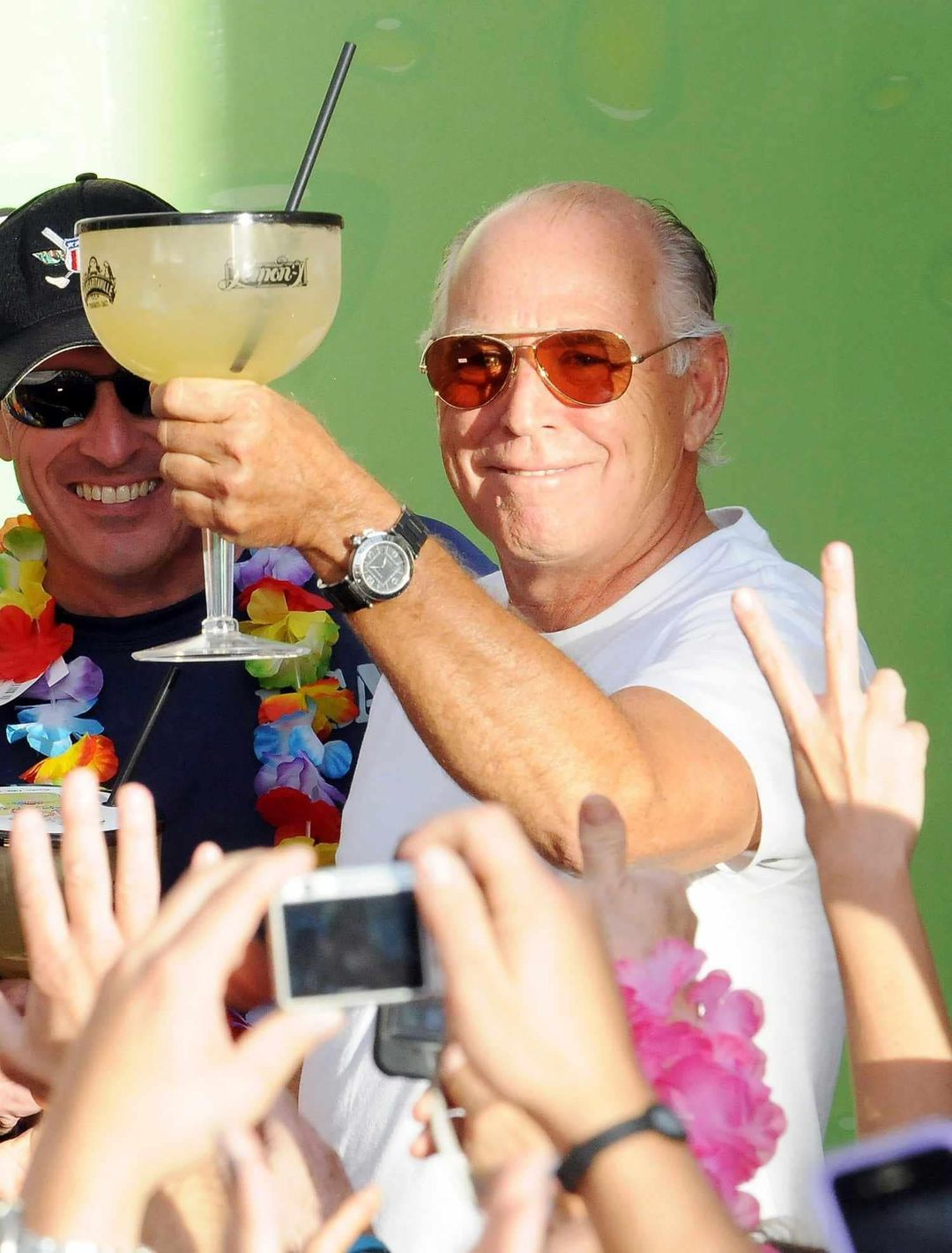
The thing that appealed the most to me about Buffett was his way with words. Sure, the good-time melodies almost always put me in a great mood, but I adored his rare gift for comically poignant storytelling, and his knack for coming up with clever puns and turns of phrase in his lyrics and song titles. Consider these: “The Weather is Here, Wish You Were Beautiful,” “The Wino and I Know,” “Last Mango in Paris,” “Please Bypass This Heart,” “Off to See the Lizard,” “I Heard I Was in Town,” “Tryin’ to Reason With Hurricane Season.”
His songs were funny, smart, sweet and nostalgic. Some of them exemplified his easygoing philosophy to such a degree that, if they weren’t autobiographical, they certainly could’ve been: “Growing Older But Not Up,” “Life is Just a Tire Swing,” “Jolly Mon Sing,” “King of Somewhere Hot,” “I Love the Now,” “A Pirate Looks at Forty,” “I Will Play For Gumbo.”

His album sales dropped off a bit in the ’80s, but his concerts routinely packed ’em in with fun-loving, hard-drinking music lovers who found his party vibe irresistible. What the revelers may not have known is that Buffett was actually a savvy guy who knew when the time had come to dial it back. In 1989, he said, “I could wind up like a lot of my friends did, burned out or dead, or I could redirect the energy. I’m far from old, but I’m getting older. It was fun, all that hard drinking and hard drugging. No apologies. I just don’t do the things I used to do. That period of my life is over.”
His albums since 1990 or so continued to bring on the fun, and he toured incessantly because he enjoyed it. Along the way, he put his music-making work ethic to use and became a shrewd businessman, turning his persona into a brand that made him, in the end, a billionaire.
“I discovered that Chi Chi’s Restaurant chain had copyrighted the word ‘Margaritaville,'” Buffett said in a 2020 interview. “I actually had to reach a settlement with them to use the name of a song I had written! Then some woman in Hawai’i had copyrighted ‘Cheeseburger in Paradise.’ I was being ripped off everywhere because I wasn’t paying attention. There was demand there, and everyone was exploiting it but me. So I learned a lesson. If you want the carefree beautiful beach life admiring sunsets, you better damn sure take care of business or you’ll never get there.”
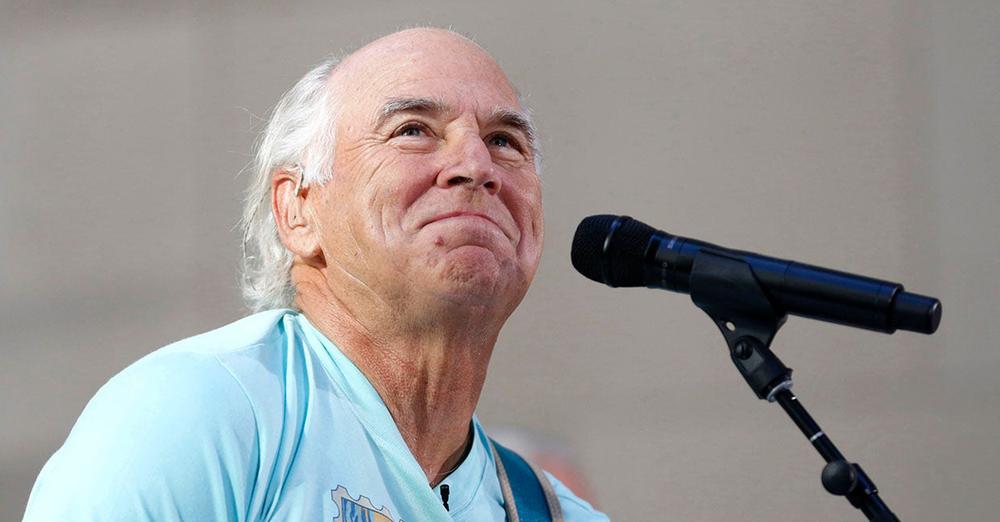
In addition to the Cheeseburger in Paradise restaurants, his Margaritaville brand graced cruises, resorts, casual clothes, outdoor furniture, packaged foods, beverages, bar and pantry products, even senior living facilities. Those who were turned off by these capitalist ventures accused Buffett of “selling out,” but he saw it differently. In a 2018 article, he pointed out, “I think it was just the way I was brought up in a seafaring family. I could never hand the wheel over to someone else. I wanted to be in charge, like the captain of the boat.”
He also started working smarter, establishing his own record label (to increase his per-unit profit), owning his own custom-built tour buses (because renting them is way more expensive), and taking charge of his own merchandise. The last one he did not because he was greedy but because he figured he could do it better than the people who were selling concert t-shirts that spelled his name “Jimmy Buffet.”
Other top stars were eager to collaborate with Buffett in the studio. In 1994, he joined the parade of singers who lined up to record remote duets with Frank Sinatra, laying down a spirited rendition of “Mack the Knife” that Sinatra claimed as one of his favorites from that project.
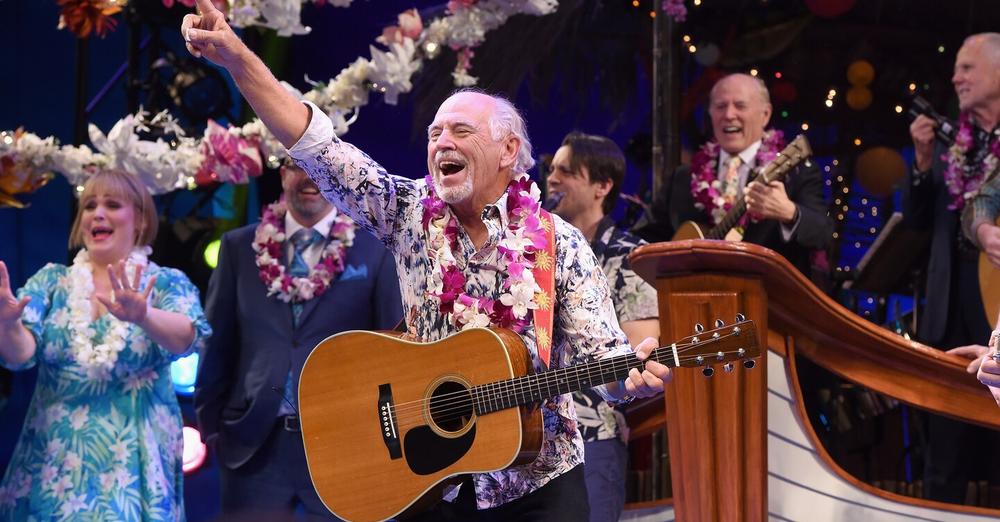
Country star Alan Jackson persuaded Buffett to re-record “Margaritaville” with him in 1999, which performed only modestly on the country charts, but then the two stars teamed up again in 2003 on “It’s Five O’Clock Somewhere” (written by Jim “Moose” Brown and Don Rollins), which not only reached #1 on the country chart and #17 on the pop charts but entered the popular lexicon as a phrase that rationalizes partying at any time of day. Buffett topped the country charts a second time eight years later when he joined forces with Zac Brown Band in 2011 on “Knee Deep.”
For those who maintain (or assume) Buffett’s later work wasn’t as strong as his classic ’70s material, I strongly suggest you check out albums like 2004’s “License to Chill,” which features duets with Jackson, Toby Keith, Clint Black, Kenny Chesney and Martina McBride, and 2013’s “Songs From St. Somewhere,” a delightful collection that includes “Too Drunk to Karaoke,” “Useless But Important Information” and “Oldest Surfer on the Beach” (written and featuring guitar by Mark Knopfler).
In 2020, Buffett participated in the “Willie Nelson – American Outlaw” TV special, singing Jimmy Cliff’s “The Harder They Come” and joining in the rousing closer, “Roll Me Up and Smoke Me When I Die,” with an all-star chorus of major stars.

Buffett is survived by his wife of 46 years, Jane, and three adult children.
I end this tribute with a bit of good news. There will be some new Buffett material released later this fall, songs he recently wrote and recorded. Paul McCartney alluded to them in a touching recollection about Buffett he shared the other day. In case you didn’t see it, it bears repeating:
“I was on holiday and neglected to pack a guitar,” he recalled. “Jimmy said he’d get me one of his, but I reminded him that I’m left-handed. He had his roadie restring one of his and loaned it to me for the whole week. He then followed this act of generosity by giving me my own beautiful left-handed guitar that had been made by one of his pals. Every time I play it now, it’ll remind me of what a great man he was. He had the most amazing lust for life. When we swapped tales about the past, his were so exotic and lush, involving sailing and surfing and so much else, it was hard for me to keep up with him.
“His songwriting ability was extraordinary. He played me some of his new songs earlier this year, and I was happy to have played on one of his last records, ‘My Gummy Just Kicked In,’ based on a remark he heard someone say. Another one I love is called ‘Bubbles Up,’ where he turned a scuba diving term into a metaphor for life. If you’re confused and disoriented and don’t know where you are, just follow the bubbles, and they’ll take you up to the surface and straighten you out.
“So long, Jim. It was a great privilege to get to know you. Bubbles up, my friend.”
If you grew up where I did in Cleveland, Ohio, or any of dozens of other non-coastal locations around this country, there was no better way to get “a bit of island life” than to drop the needle on one of Buffett’s albums, or better yet, go see him in concert at an outdoor venue, as I did twice, in 1982 and 1990. The days of kicking back at a Buffett show may have come to an end, but his music lives on forever.
R.I.P., Jimmy. May you be enjoying a cheeseburger in paradise today.
**********************








 Hack's Back Pages