I write the songs that make the whole world sing

“I would write five songs to get one song.  I’d have a big junkyard of stuff written as the year went by.  If something wasn’t complete, I just pulled out the parts I liked, like taking the parts you need from several cars, and you put them in the other car so that car runs.” — Bruce Springsteen, on the songwriting process
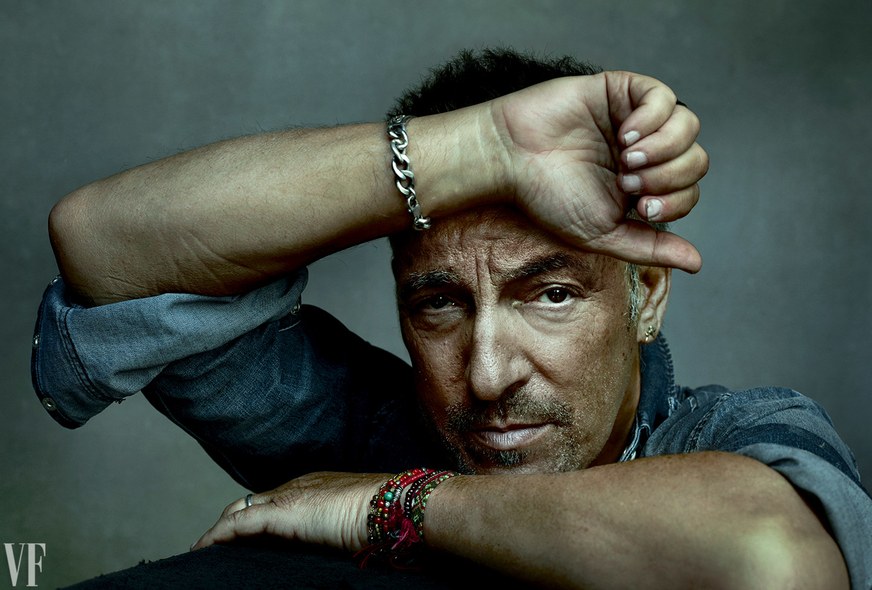
bruce-springsteen-october-2016-ss01

*****************

To the layman, the art of writing a song seems magical, almost otherworldly.

Many people find it hard enough just to write a coherent sentence or a paragraph, let alone an essay, a speech or, God forbid, a book.  The idea of conjuring up song lyrics and then putting them to music is… well, a Herculean task, and pretty much impossible.

So how do the songwriters do it?  How do they do it even once, never mind dozens of times?  How do icons like Bob Dylan or Paul McCartney write memorable song after memorable song just about every year from their teens into their 80s? Clearly, it’s a very rare, God-given talent.  And it is baffling.  Even the songwriters themselves are hard-pressed to explain exactly how it works or where their songs come from.
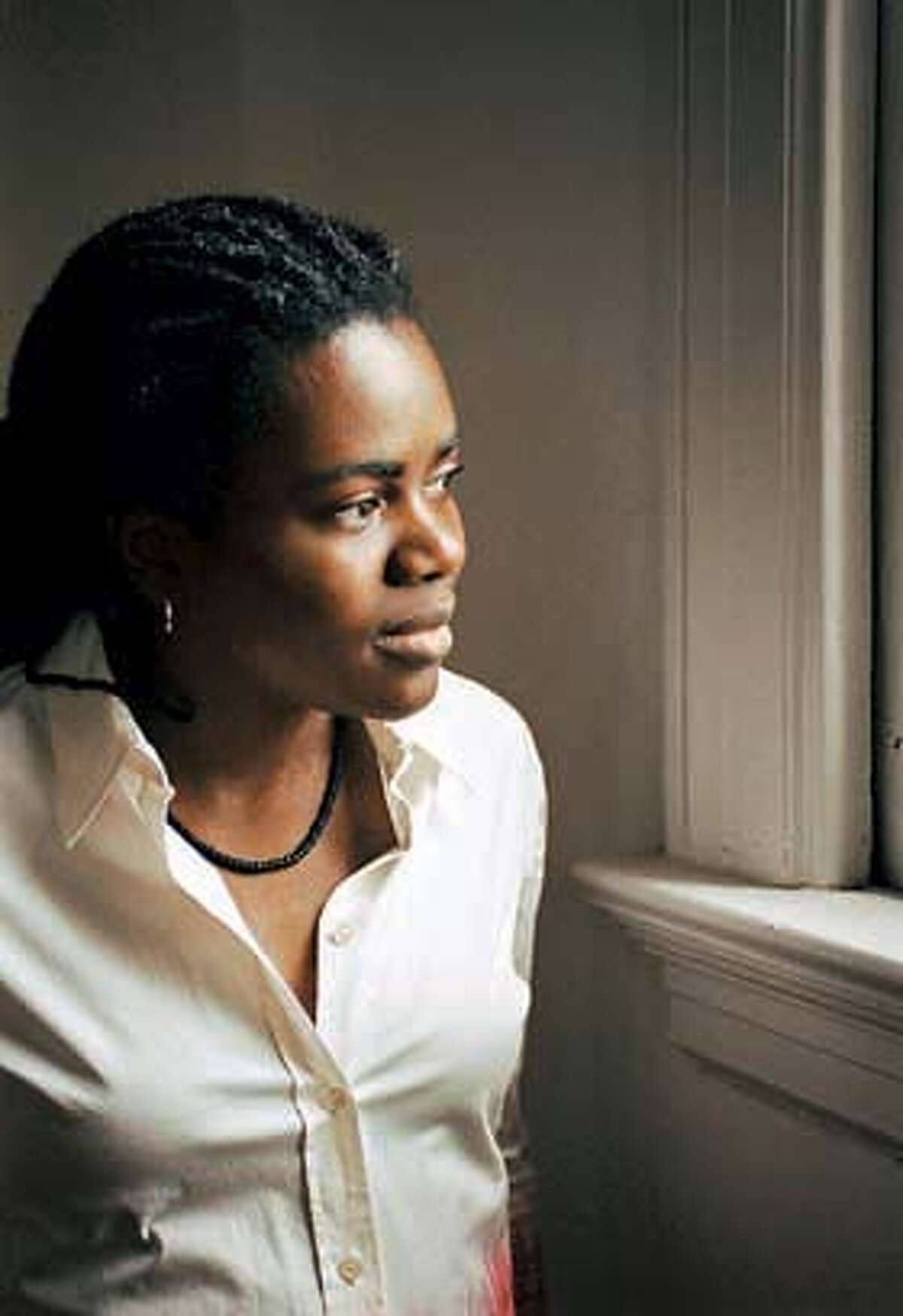
“Songwriting is a very mysterious process.  It feels like creating something from nothing. It’s something I don’t feel like I really control.”  — Tracy Chapman

“If I knew where the good songs came from, I’d go there more often.  It’s a mysterious condition.”  — Leonard Cohen
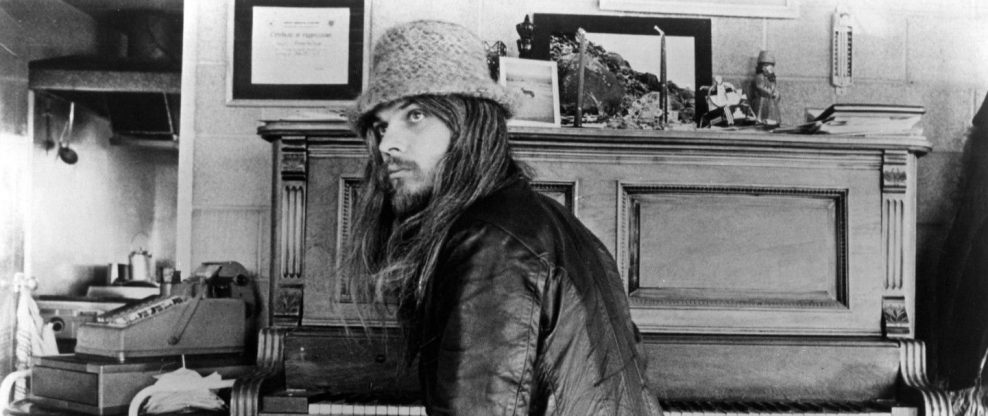
Those fortunate few who have the ability to craft a song concede that they often struggle to produce something they’re satisfied with.  The late Leon Russell, an exceptional pianist, arranger and recording artist, admitted that songwriting never came naturally to him.  “Songwriting was very tough for me.  I would go in and sit, and hope for inspiration to come, but it was rarely forthcoming.”

Most classical music composers studied the intricacies of music for many years before attempting to write an aria, sonata or symphony.  By contrast, many pop songwriters confess that they had little or no musical education.  Paul McCartney, the most successful songwriter of the past half-century, says he can’t read nor notate music.  It just comes to him by playing around with notes and chords as he plays guitar or piano.

“If I was to write a song right now,” McCartney said, “I’d use my usual method:  I’d either sit down with a guitar or at the piano and just look for melodies, chord shapes, musical phrases, some words, a thought just to get started with. And then I’d just sit with it to work it out, like I’m writing an essay or doing a crossword puzzle. That’s the system I’ve always used.”

Brian Wilson says the songs he wrote in The Beach Boys catalog were often begun on bass guitar.  “Knowing how to play bass affects how you write.  If you start with the bass line, you can be sure of having a firm structure.  Then you write the melody and the changes, and it flows from there.”

Neil Diamond may have put his finger on it when he explained what he saw as a major deficiency in his songwriting toolbox.  “I don’t deny now that it would have been nice to have had more background in music theory.  But because I never had any of that, songwriting is easily the hardest part of what I do.”

Paul Simon admits that it takes him a long time to write songs.  “For me, the music — or more accurately, the rhythm — usually comes first, and then a melody will suggest itself.  This may take weeks, even months.  Then I struggle a long time to settle on the lyric.  It’s very helpful to start with something that’s true.  If you start with something that’s false, you’re always covering your tracks.”

Some artists have had considerable success by regarding songwriting as a process.  Here’s Don Henley‘s take on it:  “My process hasn’t changed much at all.  I still use legal pads.  I do a lot of writing in my head when I’m engaged in other activities, like driving, or loading the dishwasher.  I find that when I’m doing menial tasks, my mind lets go of all the clutter, and then the creative stuff can bubble up from the subconscious.”

The late great David Bowie, whose lengthy career underwent numerous stylistic changes, said he found it helpful to have rules and a structural process, but he never minded breaking those rules now and then.  “I think process is quite important. To allow the accidental to take place is often very good.  So I trick myself into things like that.  Maybe I’ll write out five or six chords, then discipline myself to write something only with those five or six chords involved.  Of course, I’ll cheat as well.  If I’ve got the basis of something really quite good coming out of those five or six chords, then I’ll allow myself to restructure it a bit, if I think, well, that could be so much better if instead it went to F-sharp, or something like that.”

Artists of all types talk about having a muse — an intangible inspiration, stimulus or creative influence.  In Greek mythology, the Muses were the nine goddesses (daughters of Zeus) who presided over the arts and sciences, and the Muses could be very unpredictable.

Songwriters point out that their muse ebbs and flows, and can sometimes seem to disappear for long stretches (the so-called “writer’s block”).  Carly Simon offers this recollection:  “My songwriting artistry has gone through many phases, including one time where it has been very quiet and abandoned me completely for a few years.  That was really frightening.  I didn’t know if I’d ever get it back.”

Songwriting is a curious art form that, like most art forms, cannot be rushed.  It is for this reason that artists and their corporate benefactors are often at odds about how much time is necessary to produce quality work.  As rocker Nick Cave puts it:  “My relationship with my muse is a delicate one at the best of times, and I feel it is my duty to protect her from influences that may offend her fragile nature.  My muse is not a horse, and I am not in a horse race.”

Springsteen, a notoriously prolific songwriter for most of his 50-year career, concedes even he has had times when he couldn’t come up with anything:  “I wish I could write every day, but I’ve sometimes gone for long periods of time without writing because I didn’t have any good ideas, or whatever is in there is just sort of gestating.  Sometimes, I’ve had to force myself to write.  I think what happens is you move in and out of different veins.  You’re mining, and you hit a vein, and then you go with that, and then it dries up.”
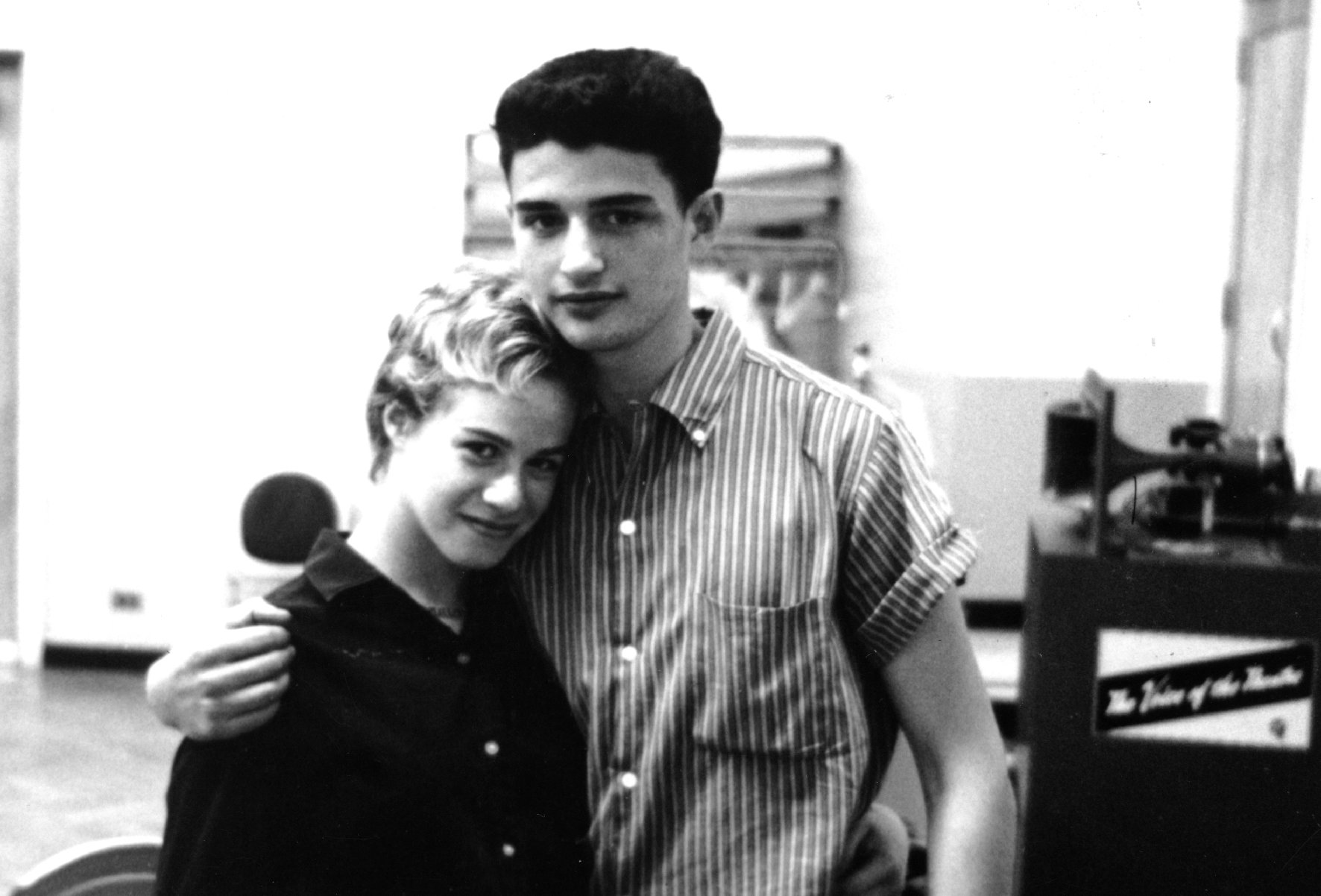
Patience and perseverance are crucial for songwriters, they say.  Many failures come before they hit on a song they really like.  Gerry Goffin, the lyricist and ex-husband of songwriter Carole King, was part of the famous Brill Building stable of songwriting teams who reported for work each day and were expected to crank out hit songs like some sort of factory assembly line.  Goffin was pragmatic about that kind of creative environment:  “You’ve got to realize it’s a hit or miss process.  But my advice would be, Don’t be afraid to write a bad song, because the next one may be great.”

My daughter Emily Hackett is a Nashville-based singer-songwriter who writes on her own or in collaboration with others.  Either way, she says, it’s a process of exploration.  “There’s a lot of discovery in songwriting.  If you’re doing it right, you’re constantly discovering new avenues.  You could take a certain road for five or ten minutes and not get anywhere, but that’s okay.  Try a different road.  Eventually you’ll land on the right path, and the song will unfold.”
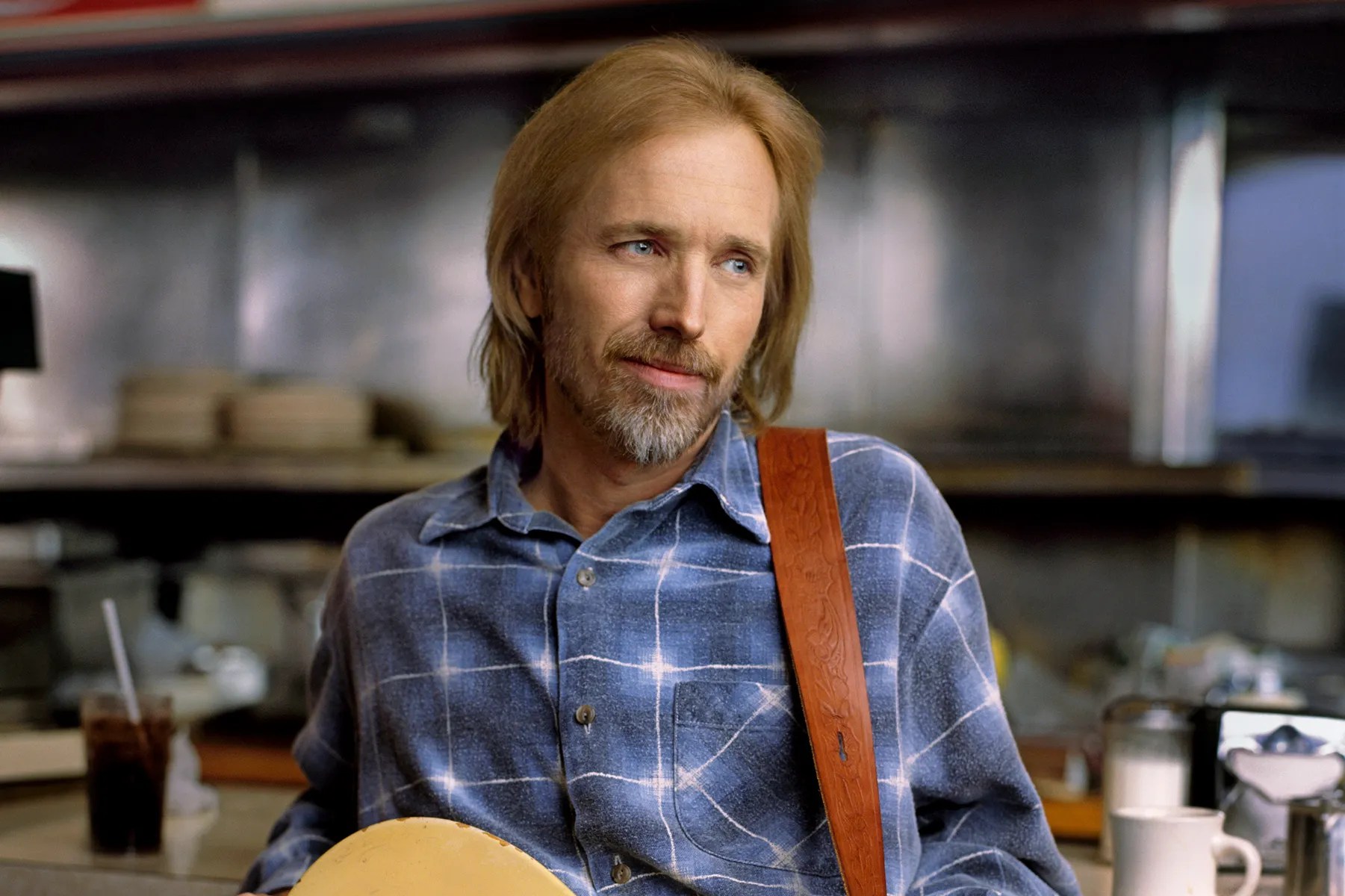
The late Tom Petty drew an analogy between writing a song and catching a fish:  “Songwriting is pretty lonely work.  I think a lot of people don’t have the patience for it.  You’re not necessarily going to get one every time you try.  In fact, most times you try, you’re not going to get one.  It’s like fishing.  You’re fishing, and you either caught a fish, or you didn’t.  If you did, there’s one in the boat; if you didn’t, there’s not.  But you’ve got to go back and keep your pole in the water.  That’s the only way you’re going to get a bite.”

We music lovers should be grateful that songwriters are often almost addicted to their art.  They enjoy writing songs, certainly, but sometimes it becomes an obsession that haunts them, and doesn’t let go until the piece is finished.  John Lennon had this to say about that:  “It’s like being possessed.  It won’t let you sleep, so you have to get up, make it into something, and then you’re allowed to sleep.  That’s always in the middle of the bloody night, when you’re half awake and your critical facilities are switched off.”

Country songwriter Dolly Parton has said she looks forward to those times when she isn’t touring or leading a busy life so she has the opportunity to focus on writing new songs.  “I always long for that block of time and space when I can go on a writing binge, because I’m really addicted to songwriting.”

Some songwriters are amazed when they come up with a great song and wonder why no one had beaten them to the punch.  Says Keith Richards:  “With most of the songs I’ve written, I’ve felt there’s this gap waiting to be filled, and I think, man, this song should have been written hundreds of years ago.  How did nobody else pick up on that little space before?”
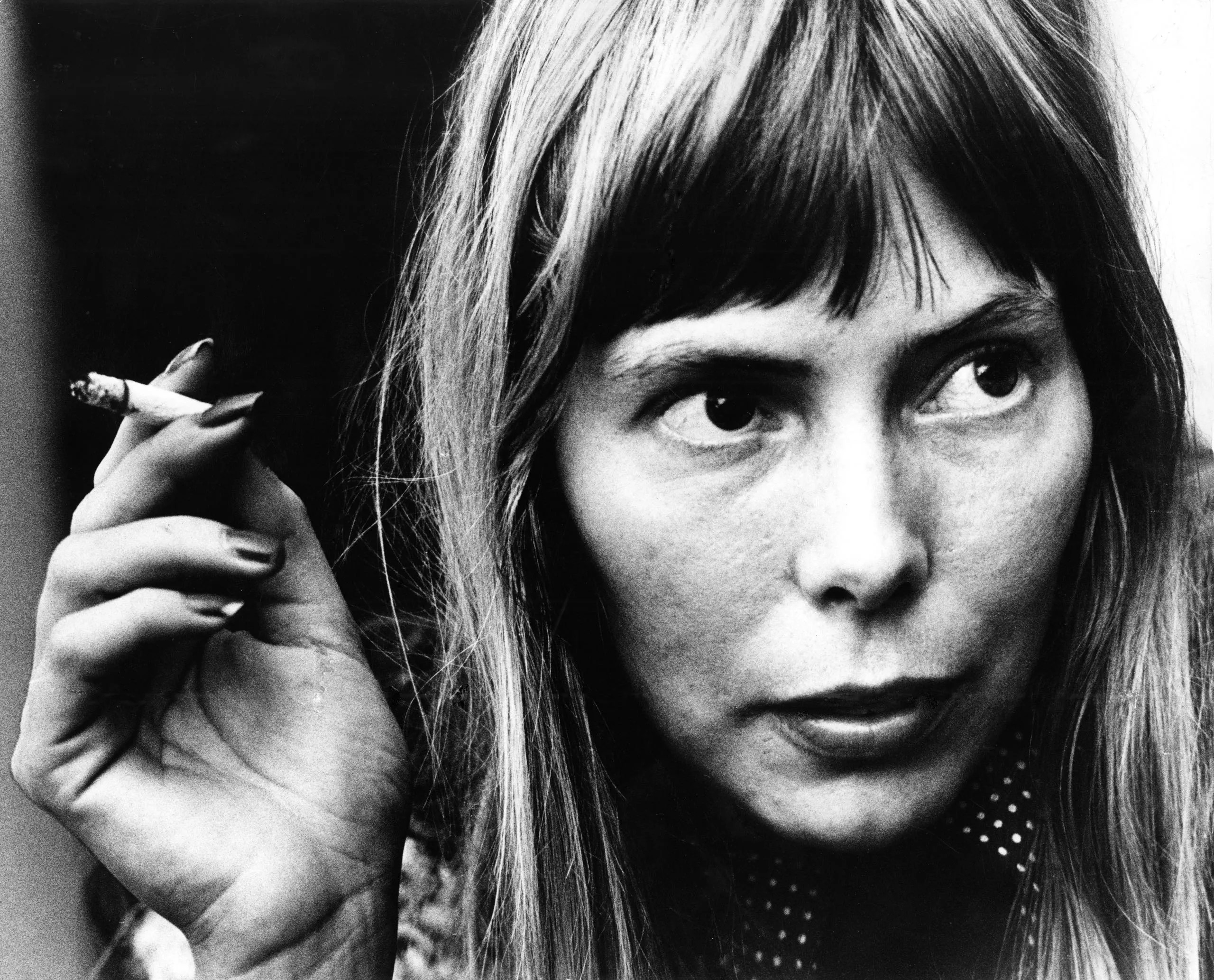
Other tunesmiths are such perfectionists that, once they’ve recorded and released a song, they find themselves forever unhappy with the result.  Here’s Joni Mitchell talking:  “When I listen back to my early music, it’s always, ‘Why didn’t I put a guitar fill there?  Why did I sing the line like that?  And why am I whining?'”
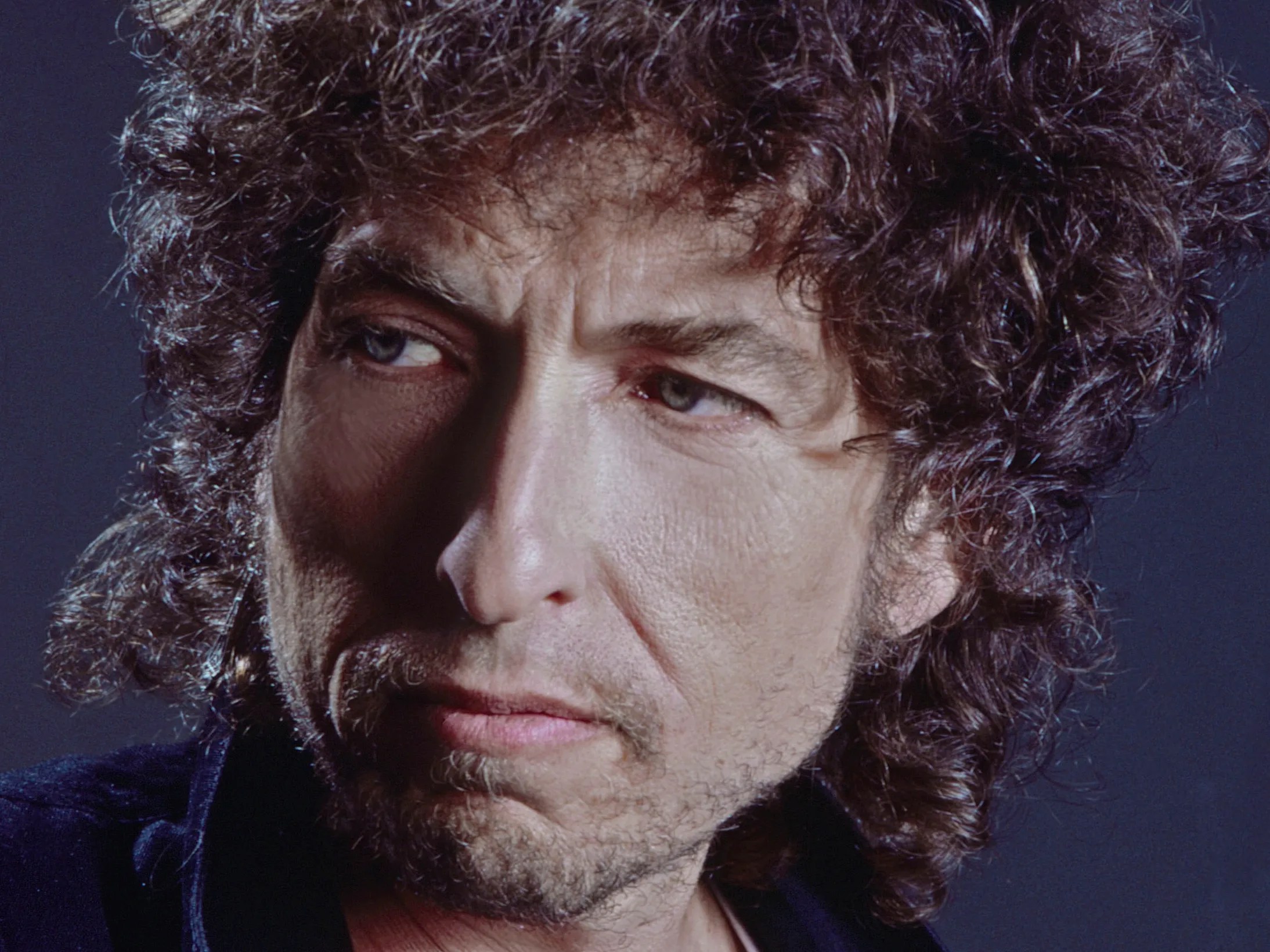
Although he hates to be labeled as a “poet laureate,” Bob Dylan acknowledges that that’s how people see him. And yet, although his lyrics are sharply original, he insists his music is derivative. “You have to understand that I’m not a melodist. My songs are either based on old Protestant hymns, or Carter Family songs, or variations of the blues form. What happens is, I’ll take a song and simply start playing it in my head. That’s the way I meditate. I wrote ‘Blowin’ in the Wind’ in 10 minutes, just putting words to an old spiritual.” 

Some pop songwriters have found themselves facing lawsuits because their song sounds like another song that’s already been written.  In 1976, a court found George Harrison had “subconsciously plagiarized” The Chiffons’ song “He’s So Fine” when he wrote “My Sweet Lord,” and awarded millions in royalties, which later spurred Harrison to write “This Song,” with these lyrics:  “This song has nothing tricky about it, this song ain’t black or white, and as far as I know don’t infringe on anyone’s copyright, so this song we’ll let be…”

Lennon once said:  “You know, there are only so many notes.”  Springsteen maintains, “Everyone steals from everyone else.”  Folk singer Pete Seeger famously wrote, “So sing, change, add to, subtract.  But beware multiplying.  If you record and start making hundreds of copies, watch out.  Write a letter first.  Get permission.”
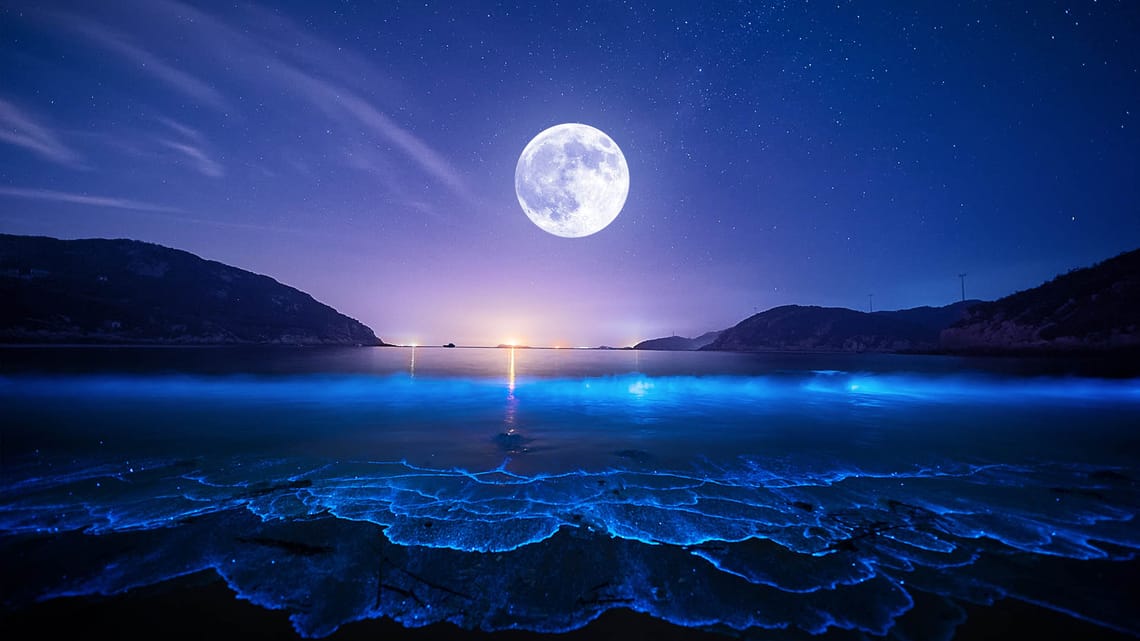
She’s got the moon in her eye

There’s a full moon this weekend (it’s called the “hunters moon” this time of year), and Halloween is on Tuesday. It’s the perfect time to explore the many ways we are entranced, romanced, spooked, comforted and otherwise affected by the lunar orb. Consider what young George Bailey says to his sweetheart Mary in an early scene from the 1946 film “It’s a Wonderful Life”:

“What is it you want, Mary? What do you want? You want the moon? Just say the word and I’ll throw a lasso around it and pull it down. Hey, that’s a pretty good idea. I’ll give you the moon, Mary….”

Songwriters have been fascinated by the moon for more than a century, ranging from the 1909 chestnut “By the Light of the Silvery Moon” to Pink Floyd’s 1973 concept album “The Dark Side of the Moon.” Popular music has produced many hundreds of songs, albums, musicals and even operas that pay homage to the magnetic pull of the celestial body that orbits Planet Earth.

Because this blog focuses on music of the ’50s, ’60s, ’70s, ’80s and ’90s, I was able to narrow down the list of available songs about the moon to those decades. Even so, research showed upwards of 80 titles that include the word, and I whittled that list down to 15 selections to feature here, plus another 25 honorable mentions, and yet another 10 that use “moonlight” or some other variation. It’s a tough job, I tell ya, but someone’s gotta do it!

There’s a Spotify playlist at the end so you can listen to these tunes if you like.

**************************

Song About the Moon,” Paul Simon, 1983

If you’re searching for songs about the moon, it doesn’t get more basic than this one from Simon’s overlooked 1983 LP “Hearts and Bones.” Simon was suffering from a writer’s block in the early ’80s, and through therapy, he stumbled on a solution. Instead of intellectualizing, he returned to simple themes and imagery, which can sometimes be more potent: “If you want to write a song about the moon, /Walk along the craters of the afternoon, /When the shadows are deep and the light is alien, /And gravity leaps like a knife off the pavement, /And you want to write a song about the moon, /You want to write a spiritual tune, /Then… presto! /A song about the moon…”

“Man on the Moon,” R.E.M., 1992

The music for this track from 1992’s successful “Automatic For the People” album was written and first performed without lyrics and vocals, and singer Michael Stipe thought it should be recorded as an instrumental. But he was persuaded to come up with lyrics, and decided to focus on conspiracy theories and whether comic performance artist Andy Kaufman had faked his own death. As bassist Mike Mills put it, “Did the moon landing really happen? Is Elvis really dead? Kaufman was something of a put-on, the perfect guy to tie this stuff together.” The song reached #30 on US charts: “If you believed they put a man on the moon, man on the moon, /If you believe there’s nothing up his sleeve, then nothing is cool…”

“Blue Moon,” Billie Holiday, 1952

Mel Tormé, Ella Fitzgerald, Frank Sinatra, The Marcels, Elvis Presley, Sam Cooke, The Platters, Bob Dylan, Cyndi Lauper, Rod Stewart… Just about everyone has taken a stab at this standard ballad from 1934, written by Richard Rodgers and Lorenz Hart. It actually went through three earlier sets of lyrics before they settled on these about how the moon exposed the narrator’s loneliness and then his joy when he found someone to love. The doo-wop arrangement by The Marcels in 1961 was the most commercially successful, but I’ve always been partial to the great Billie Holiday’s poignant rendition: “Then there suddenly appeared before me the only one my arms will ever hold, /I heard somebody whisper ‘please adore me,’ and when I looked, the moon had turned to gold, /Blue moon, now I’m no longer alone…”

Drunk on the Moon,” Tom Waits, 1974

Both of Waits’s first two LPs — 1973’s “Closing Time” and 1974’s “The Heart of Saturday Night” — reflected his interest in nightlife, unrequited romance and the underbelly of society. The songs on “Closing Time” were perhaps more folk-oriented and melodic, but thanks to the arrival of jazz-oriented producer Bones Howe for the second album (and the third, “Nighthawks at the Diner”), his music took on a looser, jazzier feel that drew praise from critics, even though it didn’t sell all that well. This track in particular has always been a favorite: “And I’m blinded by the neon, /Don’t try and change my tune, ‘Cause I thought I heard a saxophone, /I’m drunk on the moon…”

Walking on the Moon,” The Police, 1979

Sting, who wrote nearly every song in The Police’s five-album catalog, recalls two memories of this song’s origin. “I was drunk one night in Munich in a hotel room, and thought of the melody line as I sang ‘Walking ’round the room,'” he said. “But in the morning, it seemed like a stupid line, so I put it aside. Weeks later, I was remembering my first girlfriend and how I felt that being in love was like being relieved of gravity, like walking on the moon.” As a single from the band’s second LP “Regatta de Blanc,” it reached #1 in their native UK but didn’t even chart in the US. “Walking back from your house, walking on the moon, feet they hardly touch the ground, walking on the moon…”

“Fly Me to the Moon,” Frank Sinatra, 1965

I grew up in a household where the music of Sinatra was in heavy rotation on my dad’s “hi-fi.” This song in particular always appealed to me — not only the delightful music but the lyrics that equated true love with going to the moon. Written in 1954 with the title “In Other Words,” it was recorded by many dozens of singers from Peggy Lee and Eydie Gormé to Nancy Wilson and Connie Francis. Sinatra recorded it with the Count Basie Orchestra in 1964 using a swing arrangement by Quincy Jones, and that became the definitive version: “Fly me to the moon, let me play among the stars, /Let me see what spring is like on Jupiter and Mars, /In other words, hold my hand, /In other words, baby, kiss me…”

“Once in a Blue Moon,” Van Morrison, 2003

The brilliantly prolific Van the Man is responsible for “Moondance,” one of the most beloved romantic songs about the moon. But not only does it miss the cut because I’m choosing to be rigid about using songs with only the word moon, but I was eager to instead include this much more recent Morrison track that makes use of the phrase “once in a blue moon.” It’s a lively Irish number that hails from one of his best albums of the past 25 years, his 2003 LP “What’s Wrong With this Picture?” “When the wind is blowing all around the fence, /I get that happy feeling, things start making sense, /All just feels so lucky that you just can’t go wrong, /Once in a blue moon, someone like you comes along…”

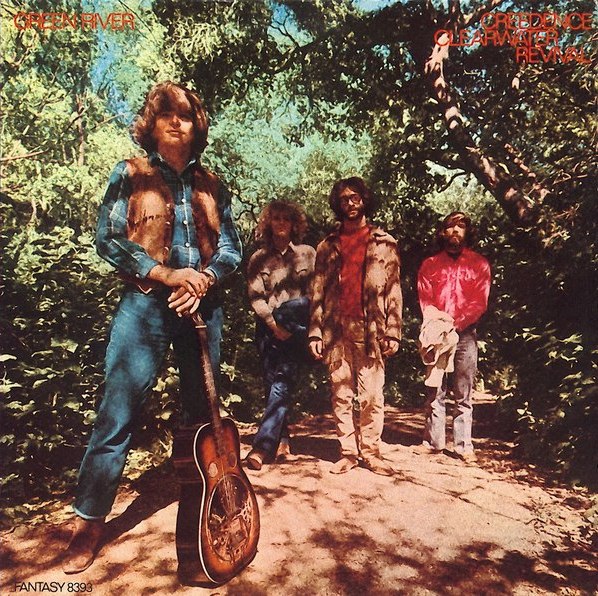
“Bad Moon Rising,” Creedence Clearwater Revival, 1969

John Fogerty had been reading news accounts of how tornados had destroyed farm crops across several states and was inspired to write what became one of Creedence’s most popular tunes. “The words were all full of warning about terrible weather and death and destruction, so I decided it needed the dichotomy of an upbeat, happy melody to balance it out,” he said. The track reached #2 on US pop charts (#1 in the UK) in the summer of 1969, and appeared in a pivotal scene in the 1981 horror comedy “An American Werewolf in London” just before the protagonist transforms into a werewolf: “I hear hurricanes a-blowing, I know the end is coming soon, /I fear rivers overflowing, I hear the voice of rage and ruin, /Don’t go around tonight, well, it’s bound to take your life, /There’s a bad moon on the rise…”

Half Moon,” Janis Joplin, 1971

In 1970, Johanna Hall was a writer for The Village Voice, assigned to interview Janis Joplin for an article. Johanna’s husband, John Hall, was a struggling musician (who would later become frontman for the soft rock band Orleans). Joplin hit it off with Johanna and invited the couple to write a song for her next album. The married couple collaborated on “Half Moon,” inspired by a Hendrix guitar riff and an interest in astrology, and Joplin loved it, recording a full-throated demo of it with her Full-Tilt Boogie Band. She died before recording an official take, but the demo was good enough for release, so it appeared on her posthumous “Pearl” album, and as the B-side of her single “Me and Bobby McGee.” Hall later recorded it for the debut Orleans album as well.

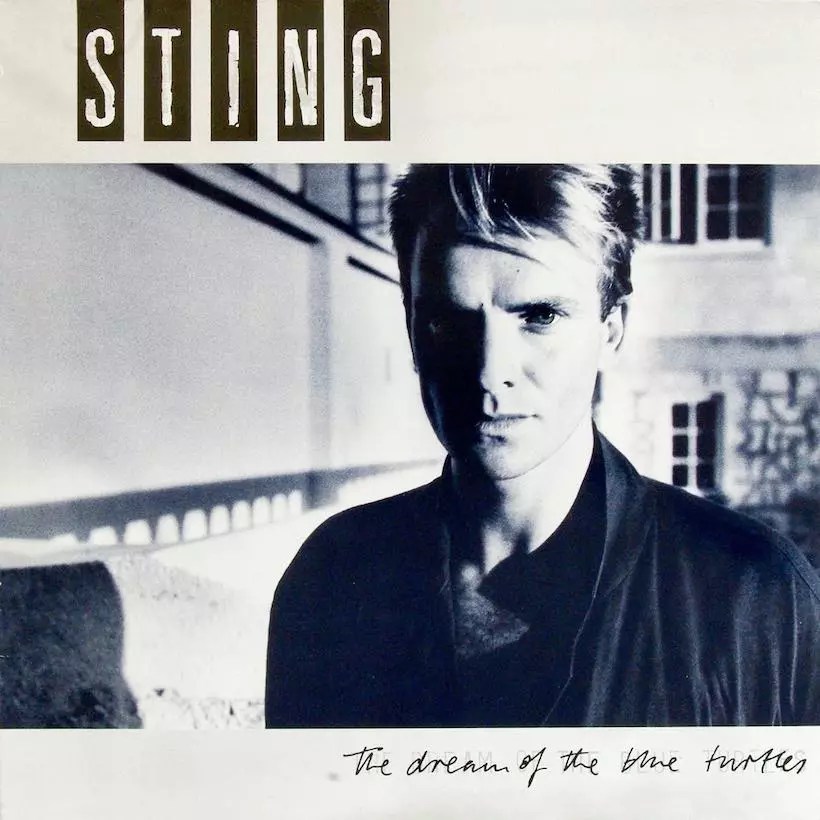
Moon Over Bourbon Street,” Sting, 1985

On his first solo album, “The Dream of the Blue Turtles,” Sting took his music in a jazz-oriented direction, bringing in Branford Marsalis to provide prominent sax passages on several tracks. One in particular, “Moon Over Bourbon Street,” was a successful single in the UK but didn’t get much attention here. Sting was inspired by Anne Rice’s gothic novel “Interview With the Vampire” and the lead character’s duality as “an immortal, poignant soul who has to kill to live but wants to stop.” The reference to Bourbon Street came from Sting’s visit to New Orleans’ French Quarter one moonlit night when he felt as if he was being followed: “The brim of my hat hides the eye of a beast, I’ve the face of a sinner but the hands of a priest, /Oh you’ll never see my shade or hear the sound of my feet while there’s a moon over Bourbon Street…”

“Blue Moon of Kentucky,” Elvis Presley, 1954

Bill Monroe, known as “the father of bluegrass,” wrote this classic as a waltz when he first performed it on the Grand Ole Opry broadcast in 1945. Numerous country artists and early rockabilly acts often performed the song, but it wasn’t until Elvis Presley recorded it in 4/4 time as a bluesy rocker that it became more widely known in the mainstream. It became the B-side of his very first single, “That’s All Right,” on Sun Records in 1954. Monroe didn’t care for the rock version but eventually performed it in 4/4 time himself. Paul McCartney recorded it for his “Unplugged” show and album in 1991. “It was on a moonlight night, the star is shining bright, and they whispered from on high, ‘Your love has said goodbye,’ /Blue moon of Kentucky, keep on shining, shine on the one that’s gone and said goodbye…”

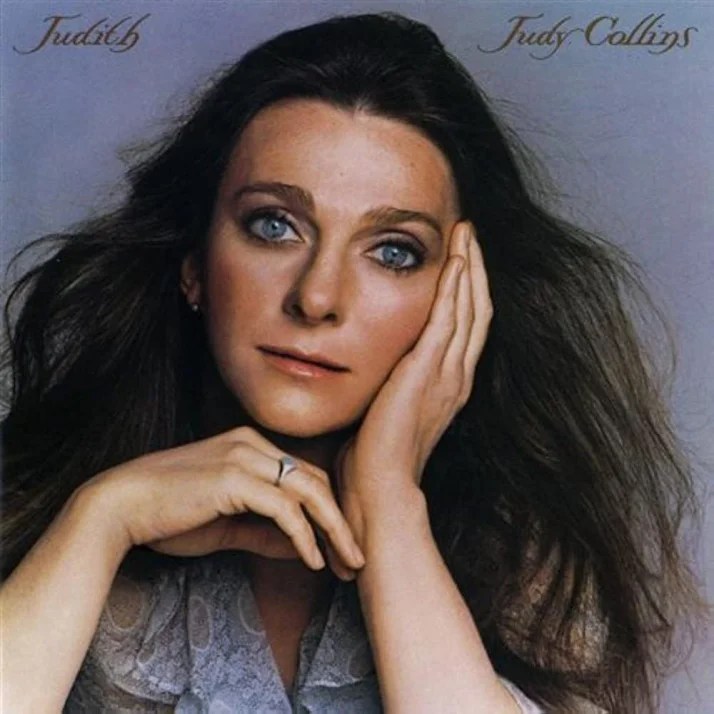
The Moon’s a Harsh Mistress,” Judy Collins, 1975

As a teenager, songwriter Jimmy Webb had been a fan of science fiction books, particularly Robert Heinlein’s 1966 book “The Moon is a Harsh Mistress.” He was so captivated by that title that he sought and received permission to use it as the title of a song he wrote in 1974 about how something that appears so beautiful can be fraught with danger or heartbreak. Although it was never a hit single for any artist, many recorded it, from Joe Cocker and Glen Campbell to Linda Ronstadt and Pat Metheny. I first heard it in a gorgeous arrangement on “Judith,” the 1975 Judy Collins album: “I fell out of her eyes, fell out of her heart, fell down on my face, /I tripped and missed my star, fell and fell alone, /The moon’s a harsh mistress, /the sky is made of stone, /The moon’s a harsh mistress, she’s hard to call your own…”

“Pink Moon,” Nick Drake, 1972

Among the different moons described in literature and science, the pink moon arrives in April, the first full moon after the spring equinox. “Pink” refers not to the appearance of the moon itself but the pink moss and wildflowers that bloom underneath it at that time of year, according to Native American folklore. In late 1971, British singer-songwriter Nick Drake wrote and recorded a dozen songs with just his guitar and voice, and “Pink Moon” ended up as his final album before depression and drugs ended his life prematurely. The lovely title track, and Drake’s recordings in general, gained new attention in 1999 when it was used in a Volkswagen commercial in the UK and the US.

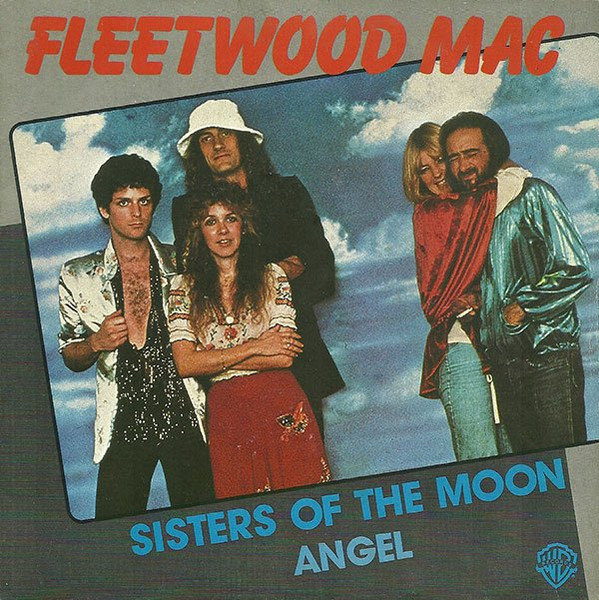
“Sisters of the Moon,” Fleetwood Mac, 1979

This harrowing track from Fleetwood Mac’s sprawling double LP “Tusk” was born from a late-night jam session on which Lindsay Buckingham made his guitar whine and howl while Stevie Nicks chanted the rather spooky lyrics. Although it failed at #86 on US charts as a single, it proved to be quite popular in concert, where it often went on for nearly twice its 4:30 length: “She was dark at the top of the stairs, and she called to me, /And so I followed, as friends often do, /I cared not for love, nor money, /I think she knew the people, they love her, /And still they are the most cruel, /She asked me, /Be my sister, sister of the moon…”

Moon River,” Eric Clapton and Jeff Beck, 2023

This classic tune, with music by Henry Mancini and lyrics by Johnny Mercer, will forever be linked to the 1961 Audrey Hepburn film “Breakfast at Tiffany’s” and the 1962 instrumental recording that won multiple Grammy awards. Crooner Andy Williams turned it into his signature song, and dozens of other singers recorded it over the years. As one critic put it, “It’s a love song in which the romantic partner is the idea of romance.” How extraordinary it is that rock guitarists Eric Clapton and Jeff Beck would collaborate on this tasty arrangement featuring Beck’s sublime guitar work and Clapton’s subtle vocals. It was recorded mere months prior to Beck’s passing in January, and released in May. What a fine record!

********************************

An important note: Two songs with “moon” in the title I’ve always admired — Joni Mitchell’s “Moon at the Window” (1982) and Neil Young’s “Harvest Moon” (1992) — could not be included because both artists refuse to allow Spotify to stream their music.

*********************************

HONORABLE MENTION:

Child of the Moon,” The Rolling Stones, 1968; “Bark at the Moon,” Ozzy Osbourne, 1983; “Moon Rocks,” Talking Heads, 1983; “What’s Next to the Moon,” AC/DC, 1978; “Havana Moon,” Chuck Berry, 1957; “The Boy With the Moon and Stars on His Head,” Cat Stevens, 1972; “Mad Man Moon,” Genesis, 1976; “Full Moon Night,” Lynyrd Skynyrd, 1999; “Shoot Down the Moon,” Elton John, 1985; “Everyone’s Gone to the Moon,” Jonathan King, 1965; “Monkberry Moon Delight,” Paul McCartney, 1971; “Rope Ladder to the Moon,” Jack Bruce, 1969; “Kiko and the Lavender Moon,” Los Lobos, 1992; “Here Comes the Moon,” George Harrison, 1979; “The Same Moon,” Phil Collins, 1996; “Moon Song,” America, 1972; “Moon Over Miami,” Ray Charles, 1960; “Black Moon,” Emerson, Lake & Palmer, 1992; “Surface of the Moon,” Del Amitri, 1992; “Shame on the Moon,” Bob Seger, 1983; “Mountains of the Moon,” Grateful Dead, 1969; “Ticket to the Moon,” Electric Light Orchestra, 1981.

************************************

More than just “moon”:

Moondance,” Van Morrison, 1970; “Moonshadow,” Cat Stevens, 1971; “Dancing With the Moonlight Knight,” Genesis 1973; “Moonlight Drive,” The Doors, 1967; “Dancing in the Moonlight,” King Harvest, 1972; “Moonlight Mile,” The Rolling Stones, 1971; “Moonlight in Samosa,” Robert Plant, 1982; “Sonny Got Caught in the Moonlight,” Robbie Robertson, 1987; “Moonage Daydream,” David Bowie, 1972; “Under Moonshine,” The Moody Blues, 1977.