Come on in and cover me

When I was in my teens and early 20s, I had a peculiar aversion to cover songs. If I loved a tune, I had no interest in hearing someone else record the same song, whether it was a note-for-note copy or a radically different arrangement. I thought it was lazy of the artist to rip off a song already made famous when there were so many unknown songs waiting to be recorded and popularized.

Eventually, I saw how shortsighted this attitude was. I felt sheepish when I discovered that a song I loved — James Taylor’s “How Sweet It Is To Be Loved By You,” for instance — was in fact a cover version of Marvin Gaye’s original from a decade earlier.

A great song is a great song, and it will almost certainly stand up to multiple re-imaginings. This truth has been driven home to me hundreds of times in recent years as newer artists have been returning time and time again to songs from the ’60s, ’70s and ’80s. Some of these cover versions, of course, have been failed experiments, to my ears, but so many more have been resoundingly successful as valid art, regardless of whether they made any impact on the charts.

I have enjoyed combing through the releases of the past two decades, searching for the best cover renditions of classic rock tracks by current singers. Some I knew already but others were brand new to me, and I felt compelled to select 15 and present them here to my readers. As always, I have included a Spotify playlist so you can listen to these new versions of old favorites as you read along. If you have your own favorite cover songs, I’d be very interested to hear about them for a future blog post.

****************************
“Someday We’ll Be Together,” Bruce Springsteen, 2022

Since his earliest days as a performer, Springsteen has often covered classic R&B and roots rock tunes in his concerts, most notably “Devil With the Blue Dress,” “Raise Your Hand,” “War,” “Quarter to Three,” “In the Midnight Hour” and “Twist and Shout.” In 2022, he finally got around to recording “Only the Strong Survive,” an entire studio album of soul covers like “Turn Back the Hands of Time,” “What Becomes of the Broken Hearted” and “Do I Love You (Indeed I Do).” My favorite from that collection is his version of The Supremes #1 hit from 1969, “Someday We’ll Be Together.” One critic praised the LP as “an ideal opportunity for a new audience to discover glorious classics as interpreted by a rock ‘n’ roll stalwart.”

“Back Stabbers,” Seal, 2011

“In my years in the music industry, two things have remained constants — the voice and the song,” noted Seal upon the release of “Soul 2,” his second collection of R&B covers. “I continue to make music because of the chance that today could be the day I write a memorable song or have the opportunity to sing an all-time classic.” The songs he chose — “What’s Going On,” “Let’s Stay Together,” “I’ll Be Around,” among others — are some of the finest soul tunes ever. His magnificent treatment of The O’Jays’ 1972 hit “Back Stabbers” is the cream of the crop.

“Happy Together,” Weezer, 2019

Since their debut in the mid-1990s, Weezer has been one of the most critically praised and commercially successful alt-rock bands in the country, churning out more than a dozen albums and 15 Top Ten singles on the alt-rock charts. Their fans wanted them to record a cover of Toto’s mid-’80s hit “Africa,” so instead, they released another Toto hit, “Rosanna,” which led to “The Teal Album,” an LP of covers that included not only “Africa” but other iconic tunes like “Billie Jean,” “Everybody Wants to Rule the World,” a-ha’s “Take On Me” and The Turtles’ 1967 hit “Happy Together.” They chose to remain faithful to the originals — “straight-ahead paint-by-numbers covers,” as one critic put it, “like something a wedding band might play.”

“Lean On Me,” Keb’ Mo’, 2022

Kevin Moore has been going by the Ebonic “Keb’ Mo'” version of his name since his debut in 1995, writing, recording and performing award-winning contemporary blues music. He has also dabbled in many convincing covers along the way, re-imagining traditional pieces like “America the Beautiful” and pop songs such as The Youngblood’s “Get Together,” Stevie Wonder’s “Isn’t She Lovely” and The Eagles’ “One Of These Nights.” In 2022, his 18th LP “Good To Be…” featured a compelling cover of the Bill Withers #1 hit “Lean On Me.”

“After the Gold Rush,” k.d. lang, 2004

Inspired by poet e.e. cummings and his use of lower-case letters, Kathryn Dawn Lang became k.d. lang upon her debut as a Canadian country singer in the late 1980s. She has won Grammy and Juno awards for her country, pop and folk music in the years since, especially for her 1992 LP “Ingenue” and its hits “Constant Craving” and “Miss Chatelaine.” She paid tribute to fellow Canadian musicians Leonard Cohen, Joni Mitchell and Neil Young on her 2004 LP “Hymns of the 49th Parallel” (the latitudinal line that comprises much of the border between Canada and the US). Feast your ears on her gorgeous cover of Young’s “After the Gold Rush.”

“Tougher Than the Rest,” Shawn Colvin, 2015

Colvin is best known for the 1997 Grammy Song of the Year “Sunny Came Home,” but there’s so much more in her rich catalog that’s well worth exploring. She typically records her own songs but has twice released albums of other composers’ work — 1994’s “Cover Girl,” on which she sang unknown songs, and 2015’s “Uncovered,” where she attempted familiar tracks like “Baker Street,” “American Tune,” Graham Nash’s “I Used to Be a King” and Creedence’s “Lodi.” From that LP, check out her credible arrangement of Bruce Springsteen’s “Tougher Than the Rest” from his 1987 album “Tunnel of Love.”

“Alone Again Naturally,” Diana Krall, 2014

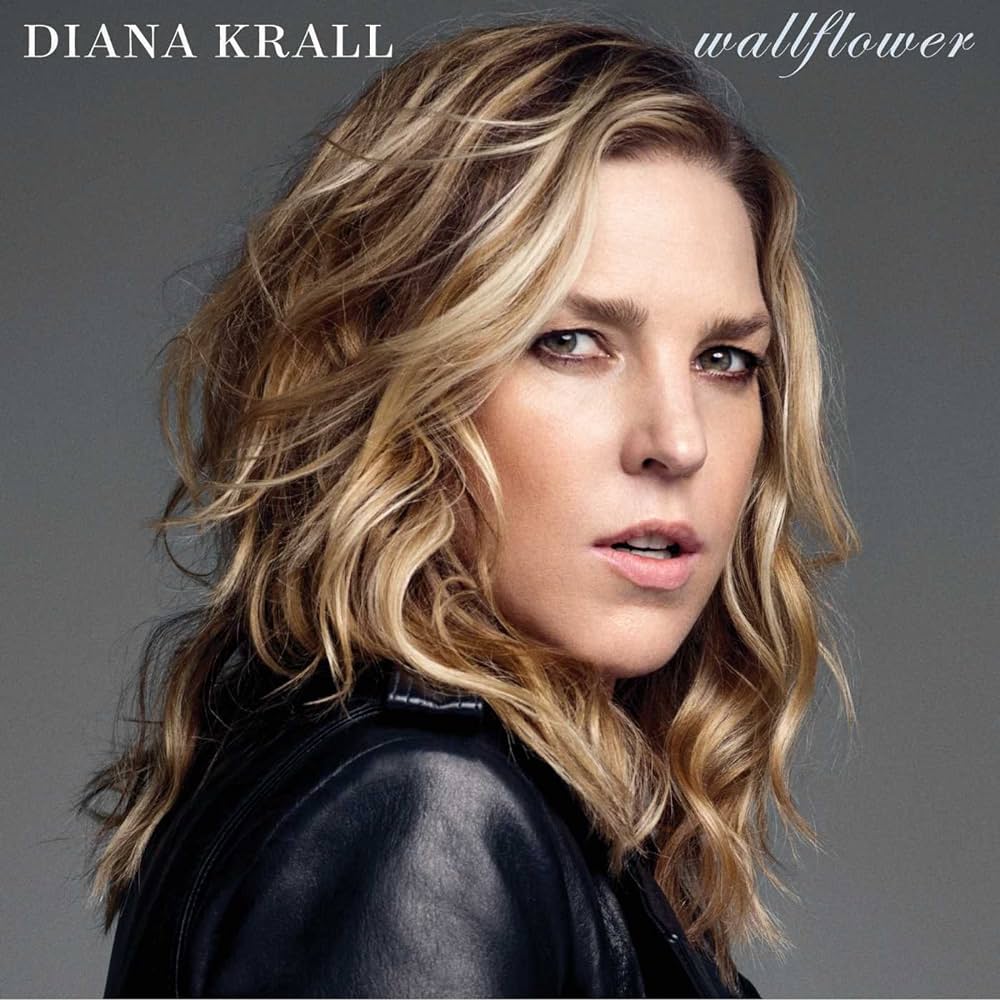
Krall is an accomplished jazz singer and pianist, winning countless awards for her impressive albums on which she has favored time-honored standards by the likes of Hoagy Carmichael, Irving Berlin, Cole Porter and Sammy Cahn. In 2014, she chose to wrap her voice around some of the better pop ballads of the 1970s by artists as varied as Jim Croce, The Carpenters, 10cc and The Eagles for her album “Wallflower,” produced by David Foster. I was knocked out how she took an eye-roller like Gilbert O’Sullivan’s melancholy 1972 hit “Alone Again (Naturally)” and made it something rather extraordinary.

“Bluebird,” Corrine Bailey Rae, 2014

Since the mid-1990s, several albums have been released that gathered a range of popular artists to each record covers of songs by celebrated songwriters like Elton John and Bernie Taupin, Jackson Browne, Bob Dylan, Don Henley and Glenn Frey. On 2014’s “The Art of McCartney,” 42 different singers (Brian Wilson, Billy Joel, Smokey Robinson, Chrissie Hynde, B.B. King, Roger Daltrey, to name a few) paid tribute to the songs written by Sir Paul as a Beatle and a solo artist. Several of these tracks stood out to me, one being Corrine Bailey Rae’s version of “Bluebird,” the tender ballad from Wings’ 1973 LP “Band On the Run.”

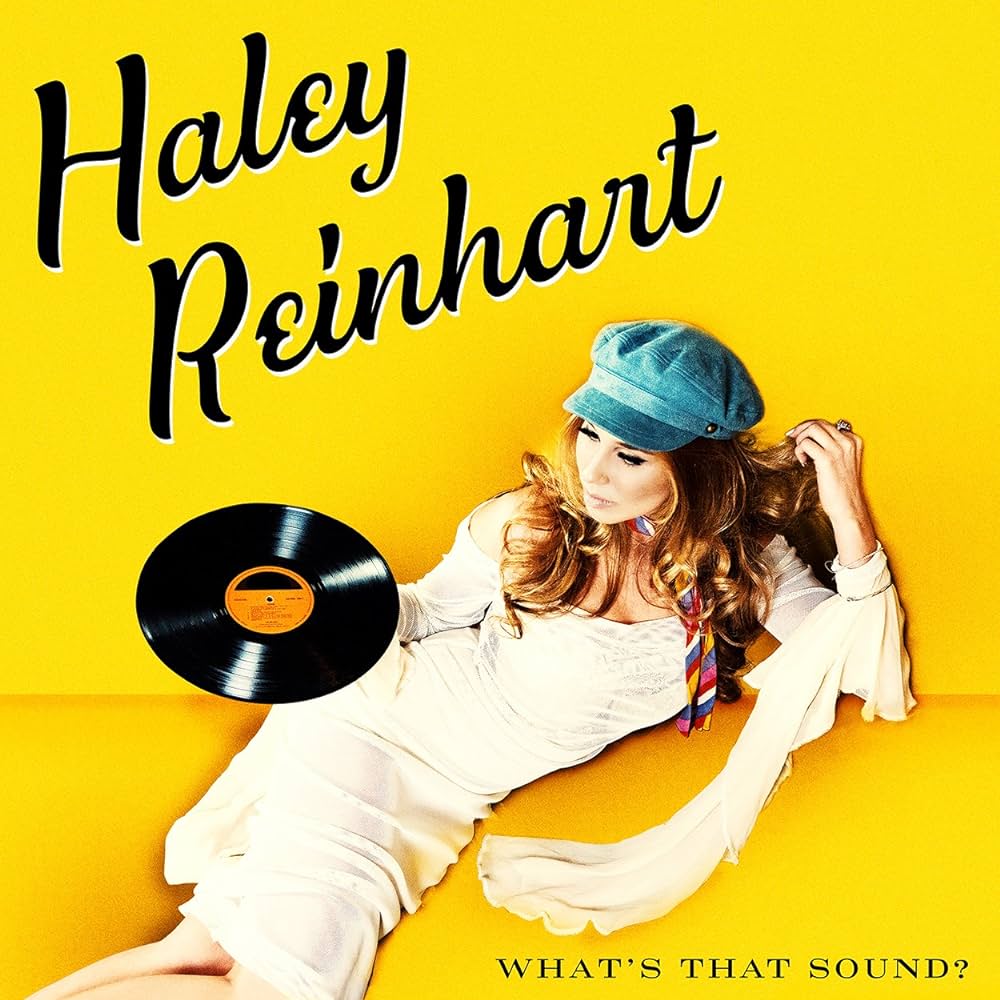
“Can’t Find My Way Home,” Haley Reinhart, 2017

Reinhart came to the nation’s attention through the “American Idol” TV program, where contestants sing their versions of hit songs to show off their vocal chops. In Season 10 in 2012, Reinhart was a finalist, earning standing ovations for her renditions of songs by The Animals, Led Zeppelin and Adele. She won a record contract and has done well with superb covers of songs like Radiohead’s “Creep,” Elvis Presley’s “Can’t Help Falling in Love,” Janis Joplin’s “Piece of My Heart” and Buffalo Springfield’s “For What It’s Worth.” From her “What’s That Sound?” LP in 2017, I’ve been impressed by the way she nailed Steve Winwood’s classic “Can’t Find My Way Home” from the 1969 “Blind Faith” album.

“For Free,” David Crosby with Sarah Jarosz, 2021

Crosby played a pivotal role in getting Joni Mitchell discovered back in 1968, bringing her to L.A. and producing her debut LP. In the mid-’70s, he and Graham Nash sometimes performed Mitchell’s song “For Free” (from her 1970 “Ladies of the Canyon” LP), and a recording of one of their performances ended up on the Crosby, Stills and Nash live album “Allies” in 1983. In 2021, Crosby decided to collaborate with singer Sarah Jarosz for a proper studio recording of “For Free” and made it the title track of what turned out to be his final album before his death in 2023. What a song. What a voice.

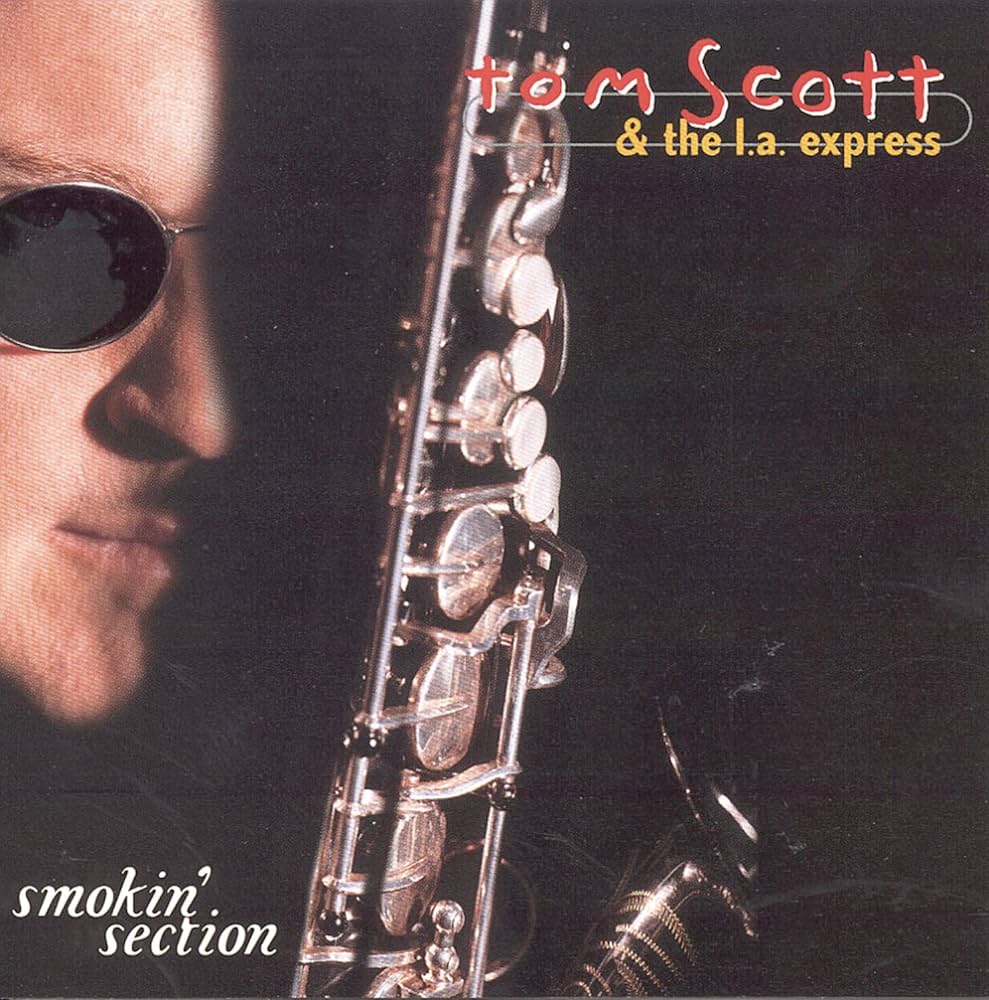
“Ode to Billie Joe,” Tom Scott with Patty Smyth, 1999

Saxophone great Tom Scott has appeared on more than 200 albums during his storied career, sometimes just contributing sax solos, sometimes as bandleader on his own albums. His work spans multiple genres — jazz fusion, rock, blues, country and pop — and in 1999, a new lineup of the L.A. Express accompanied him on his “Smokin’ Section” LP. It’s an all-instrumental album, with one exception: He invited the great Patty Smyth (formerly with ’80s band Scandal and a solo artist in the ’90s) to offer a potent vocal on a new arrangement of the 1967 hit by Bobbie Gentry, “Ode to Billie Joe.”

“Bell Bottom Blues,” Larkin Poe, 2020

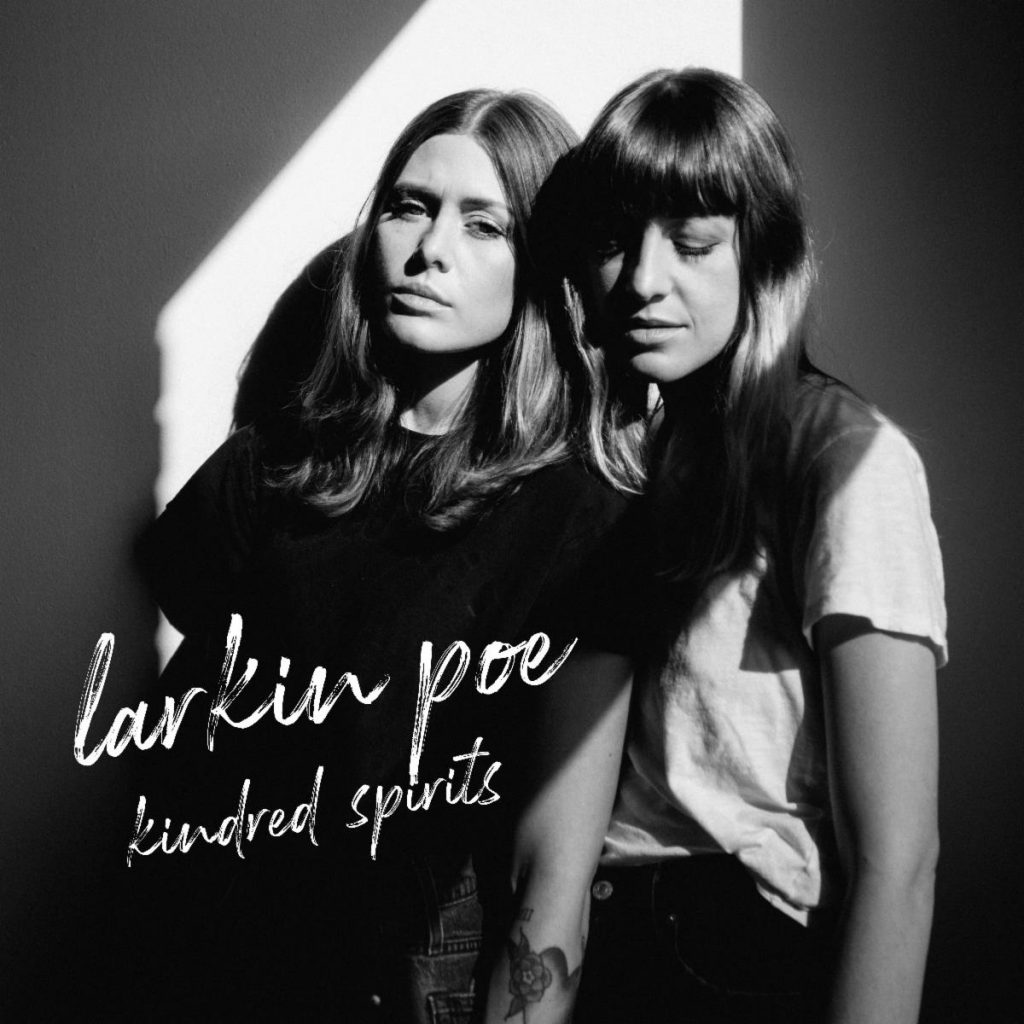
Sisters Rebecca and Megan Lovell, based in Nashville, have built a following under the moniker Larkin Poe, the name of one of their ancestors. They have specialized in blues and Southern rock since their 2010 debut, releasing LPs and EPs and collaborations with other like-minded players. In 2020, they came up with “Kindred Spirits,” an album of covers of songs by Neil Young, The Allman Brothers, The Moody Blues, Elton John and Phil Collins. Not surprisingly, their most effective entry here is the Eric Clapton heartbreaker, “Bell Bottom Blues,” from the Derek and The Dominos’ “Layla” double album.

“Immigrant Song,” Trent Reznor and Atticus Ross with Karen O, 2011

In 2010, filmmaker David Fincher tapped Atticus Ross and Ten Inch Nails frontman Trent Reznor to provide the electro-industrial soundtrack for his movie “The Social Network,” and their work earned an Oscar for Best Soundtrack. They were an obvious choice the following year when Fincher needed an edgy soundtrack for his film version of “The Girl With the Dragon Tattoo.” The highlight of the soundtrack LP, featured in the popular trailer as well, was a spectacular take on Led Zeppelin’s chaotic “Immigrant Song” from “Led Zeppelin III,” with Karen O of Yeah Yeah Yeahs shredding the lead vocals.

“Space Oddity,” Brandi Carlile, 2022

Carlile has been everywhere lately, notably as cheerleader and collaborator for the return to the stage of Joni Mitchell, but her albums have been generating lavish praise since her 2005 debut. Each LP has performed better than the one before, and her two most recent works — “By the Way, I Forgive You” (2018) and “In These Silent Days” (2021) — have won awards, notably the anthemic ballad “The Joke” from 2017. She chose to re-release “In These Silent Days” in 2022 with acoustic treatments of the songs, and then added a startling cover version of David Bowie’s landmark “Space Oddity” as the closer.

“The Sound of Silence,” Disturbed, 2015

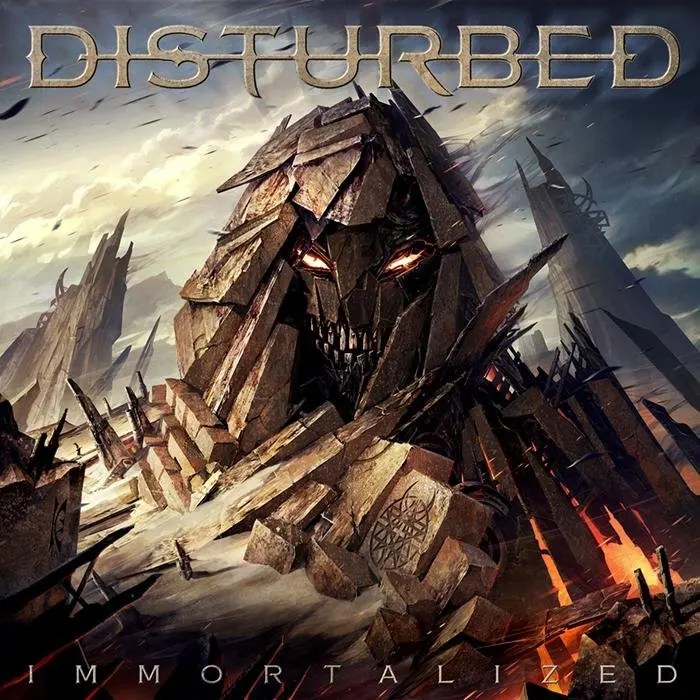
Surely one of the most unlikely covers recorded in recent years was this heavy metal band’s reinterpretation of Simon and Garfunkel’s 1965 classic. “I was surprised,” said Paul Simon in response to Disturbed’s performance of his song on “Late Night With Conan O’Brien” in 2016. “It was pretty moving.” Disturbed has released four #1 LPs since 2002, mostly original material, and had covered a few tunes from the ’80s like Tears for Fears’ “Shout” and U2’s “I Still Haven’t Found What I’m Looking For,” but this was a much bigger departure for them. “We’re aggressive, but also intensely melodic,” claimed lead singer David Draiman, “and the song is about isolation and darkness, so maybe it wasn’t all that strange for us to give it a shot.”

******************************
If we couldn’t laugh, we would all go insane

“I just left the planet Earth. Where I go, I hope there’s rum!”

This line from the title track of Jimmy Buffett‘s popular 1979 LP “Volcano” succinctly captures the deft way this talented and beloved man could merge whimsy and reality in his song lyrics, usually to a captivating calypso beat.

Millions of music lovers — particularly “Parrotheads,” those legions of devoted Buffett fans who have worshiped at the Margaritaville altar since they first heard him in the mid-1970s — have spent the past week cranking up his music as they mourned the loss of their good-life leader. As one newspaper account put it the day after we all heard of Buffett’s passing September 1 at age 76: “It’s somehow appropriate that Jimmy Buffett’s death emerged at the beginning of the Labor Day weekend, the point of every American summer’s symbolic end. For so many, he embodied something they held onto tightly — the promise of an eternal summer.”

The fact that this beach-loving musician died of skin cancer was not lost on one of his good friends, who noted matter-of-factly, “He lived his life in the sun, literally and figuratively.” Ever since he first visited Key West, Florida, in 1971 (documented in his song “I Have Found Me a Home”), Buffett has celebrated and championed the tropical, carefree lifestyle of those who spend their lives outdoors in sunny climes.

His music and his warm, positive personality touched so many, including dozens of fellow musical travelers who spoke out last week with words of praise. James Taylor had this to say about Buffett: “He invented his own character, which, in a sense we all do: invent, assemble, inherit, or fall into our inner identity. But Jimmy was the founder of an actual tribe: tens of thousands of us made our way to where he was holding court, just to be near him. There was no defensive macho bullshit, just a model of how to enjoy the great gift of being alive. And that’s what he shared so generously with us: a positive enthusiasm for being here.”

Buffett wrote a great deal about (as his 1992 box-set title put it) “Boats, Beaches, Bars and Ballads,” and although many were party tunes that urged us all to have a good ol’ time, he was capable of creating some touching tributes and melancholy memories as well. Even his signature song “Margaritaville,” for all its steel-drum/marimba arrangement and singalong vibe, is essentially a sad tale of losing a girl over too much excessive partying. Still, as Buffett once told his brother-in-law Tom McGuane, “It’s not in my nature or personality to be a dark poet. I see my role as being lighthearted, giving people a bit of island life.”

Indeed. As singer/songwriter Brandi Carlile said the other day, “He was a legend for having fun. I learned a lot from Jimmy just by living in a world that he put art into. He once told me, ‘There are no excuses for not finding some way to make yourself happy.’ What a legacy!”

Born in Mississippi and raised in Alabama, with a grandfather who was a steamship captain and a father who was a marine engineer and sailor, Buffett was exposed to sailing and the sea almost from his first breath, and it made a lasting impression on him in multiple ways, not the least of which was through song titles like “Son of a Son of a Sailor.” He learned how to play guitar in college, befriended musicians and writers, and quickly discovered he wanted to devote his time to writing and playing music, but he had learned he needed a day job to allow for that sort of self-indulgent life. Playing to his strengths, he became a first mate for a while on an industrialist’s yacht harbored in Key West.

He had recorded his debut LP, a country-tinged folk rock album called, appropriately enough, “Down to Earth,” in Nashville in 1970, but it made nary a ripple in the musical waters at the time. In 1973, he won a contract with ABC/Dunhill, and his first effort on that label — “A White Sport Coat and a Pink Crustacean” — started getting airplay, thanks to happy-go-lucky songs like “Grapefruit – Juicy Fruit” and the risqué “Why Don’t We Get Drunk (and Screw).”

Said label mate Joe Walsh last week, “Jimmy was an immediate friend from the day we met. He got signed to the same record label as the James Gang, Three Dog Night and Steppenwolf. We all had a good laugh wondering what the hell he was doing there with such a motley crew. But he showed us all that he was built to last. A great sailor, a good friend and a man who did a lot of good for this world while nobody was looking.”

Its follow up, “Living and Dying in 3/4 Time,” included his first Top 40 hit, the gentle “Come Monday,” but the album stalled at #175. He started making serious headway on the album charts in 1975 with “A1A,” which peaked at #25 and kicked off a run of classic Buffett releases over the next five years that achieved platinum or gold sales figures. Not coincidentally, “Margaritaville” hit the Top Ten during that period, the only song in his career to do so.

The thing that appealed the most to me about Buffett was his way with words. Sure, the good-time melodies almost always put me in a great mood, but I adored his rare gift for comically poignant storytelling, and his knack for coming up with clever puns and turns of phrase in his lyrics and song titles. Consider these: “The Weather is Here, Wish You Were Beautiful,” “The Wino and I Know,” “Last Mango in Paris,” “Please Bypass This Heart,” “Off to See the Lizard,” “I Heard I Was in Town,” “Tryin’ to Reason With Hurricane Season.”

His songs were funny, smart, sweet and nostalgic. Some of them exemplified his easygoing philosophy to such a degree that, if they weren’t autobiographical, they certainly could’ve been: “Growing Older But Not Up,” “Life is Just a Tire Swing,” “Jolly Mon Sing,” “King of Somewhere Hot,” “I Love the Now,” “A Pirate Looks at Forty,” “I Will Play For Gumbo.”

His album sales dropped off a bit in the ’80s, but his concerts routinely packed ’em in with fun-loving, hard-drinking music lovers who found his party vibe irresistible. What the revelers may not have known is that Buffett was actually a savvy guy who knew when the time had come to dial it back. In 1989, he said, “I could wind up like a lot of my friends did, burned out or dead, or I could redirect the energy. I’m far from old, but I’m getting older. It was fun, all that hard drinking and hard drugging. No apologies. I just don’t do the things I used to do. That period of my life is over.”

His albums since 1990 or so continued to bring on the fun, and he toured incessantly because he enjoyed it. Along the way, he put his music-making work ethic to use and became a shrewd businessman, turning his persona into a brand that made him, in the end, a billionaire.

“I discovered that Chi Chi’s Restaurant chain had copyrighted the word ‘Margaritaville,'” Buffett said in a 2020 interview. “I actually had to reach a settlement with them to use the name of a song I had written! Then some woman in Hawai’i had copyrighted ‘Cheeseburger in Paradise.’ I was being ripped off everywhere because I wasn’t paying attention. There was demand there, and everyone was exploiting it but me. So I learned a lesson. If you want the carefree beautiful beach life admiring sunsets, you better damn sure take care of business or you’ll never get there.”

In addition to the Cheeseburger in Paradise restaurants, his Margaritaville brand graced cruises, resorts, casual clothes, outdoor furniture, packaged foods, beverages, bar and pantry products, even senior living facilities. Those who were turned off by these capitalist ventures accused Buffett of “selling out,” but he saw it differently. In a 2018 article, he pointed out, “I think it was just the way I was brought up in a seafaring family. I could never hand the wheel over to someone else. I wanted to be in charge, like the captain of the boat.”

He also started working smarter, establishing his own record label (to increase his per-unit profit), owning his own custom-built tour buses (because renting them is way more expensive), and taking charge of his own merchandise. The last one he did not because he was greedy but because he figured he could do it better than the people who were selling concert t-shirts that spelled his name “Jimmy Buffet.”

Other top stars were eager to collaborate with Buffett in the studio. In 1994, he joined the parade of singers who lined up to record remote duets with Frank Sinatra, laying down a spirited rendition of “Mack the Knife” that Sinatra claimed as one of his favorites from that project.

Country star Alan Jackson persuaded Buffett to re-record “Margaritaville” with him in 1999, which performed only modestly on the country charts, but then the two stars teamed up again in 2003 on “It’s Five O’Clock Somewhere” (written by Jim “Moose” Brown and Don Rollins), which not only reached #1 on the country chart and #17 on the pop charts but entered the popular lexicon as a phrase that rationalizes partying at any time of day. Buffett topped the country charts a second time eight years later when he joined forces with Zac Brown Band in 2011 on “Knee Deep.”

For those who maintain (or assume) Buffett’s later work wasn’t as strong as his classic ’70s material, I strongly suggest you check out albums like 2004’s “License to Chill,” which features duets with Jackson, Toby Keith, Clint Black, Kenny Chesney and Martina McBride, and 2013’s “Songs From St. Somewhere,” a delightful collection that includes “Too Drunk to Karaoke,” “Useless But Important Information” and “Oldest Surfer on the Beach” (written and featuring guitar by Mark Knopfler).

In 2020, Buffett participated in the “Willie Nelson – American Outlaw” TV special, singing Jimmy Cliff’s “The Harder They Come” and joining in the rousing closer, “Roll Me Up and Smoke Me When I Die,” with an all-star chorus of major stars.

Buffett is survived by his wife of 46 years, Jane, and three adult children.

I end this tribute with a bit of good news. There will be some new Buffett material released later this fall, songs he recently wrote and recorded. Paul McCartney alluded to them in a touching recollection about Buffett he shared the other day. In case you didn’t see it, it bears repeating:

“I was on holiday and neglected to pack a guitar,” he recalled. “Jimmy said he’d get me one of his, but I reminded him that I’m left-handed. He had his roadie restring one of his and loaned it to me for the whole week. He then followed this act of generosity by giving me my own beautiful left-handed guitar that had been made by one of his pals. Every time I play it now, it’ll remind me of what a great man he was. He had the most amazing lust for life. When we swapped tales about the past, his were so exotic and lush, involving sailing and surfing and so much else, it was hard for me to keep up with him.

“His songwriting ability was extraordinary. He played me some of his new songs earlier this year, and I was happy to have played on one of his last records, ‘My Gummy Just Kicked In,’ based on a remark he heard someone say. Another one I love is called ‘Bubbles Up,’ where he turned a scuba diving term into a metaphor for life. If you’re confused and disoriented and don’t know where you are, just follow the bubbles, and they’ll take you up to the surface and straighten you out.

“So long, Jim. It was a great privilege to get to know you. Bubbles up, my friend.”

If you grew up where I did in Cleveland, Ohio, or any of dozens of other non-coastal locations around this country, there was no better way to get “a bit of island life” than to drop the needle on one of Buffett’s albums, or better yet, go see him in concert at an outdoor venue, as I did twice, in 1982 and 1990. The days of kicking back at a Buffett show may have come to an end, but his music lives on forever.

R.I.P., Jimmy. May you be enjoying a cheeseburger in paradise today.

**********************