If only you believe in miracles, baby, so would I
(Please note: I’ve made a pretty big mistake. I saw more than one posting this week about the passing of Marty Balin, so I devoted this week’s essay to a tribute to him. Somehow I inadvertently overlooked the fact that these posts were referring to his death THREE YEARS AGO this week. How embarrassing! Ah well, we can still celebrate Balin and his contributions…)
*********************
Mention the name Jefferson Airplane and the first thing that comes to mind is fiery lead singer Grace Slick. At a time when female rock stars were virtually nonexistent, Slick had a high profile, thanks to her indelible vocal contributions to the Airplane’s 1967 hit singles, “Somebody to Love” and “White Rabbit,” and her arresting visual presence on stage and in TV appearances.

Truth be told, though, the world might have never heard of Slick if not for the group’s founder, singer/songwriter Marty Balin. He may not have the name recognition, but he played a pivotal role in putting the various players together, writing many key songs in their catalog, and bringing his strong tenor to bear on lead vocals and harmonies. He proved to be the level-headed leader of one of San Francisco’s best known bands of psychedelic experimenters.
Balin became yet another famous member of the Sixties counterculture generation to pass away when he died this week at age 76.
“Marty and I were young together in a time that defined our lives,” wrote Jefferson Airplane guitarist Jorma Kaukonen on his blog. “Had it not been for him, my life would have taken an alternate path I cannot imagine. Marty always reached for the stars, and took us all along with him.”
Balin had a passion for folk music and love songs. He grew up in the Bay Area and, at age 18, founded and led The Town Criers, a folk-singing outfit modeled after The Weavers and The Kingston Trio. They had a modest West Coast following (the first two tracks on my Spotify playlist below are from that early period), but the folk movement was on its last legs once The Beatles and others showed up to lead a revolution in popular music. The Town Criers disbanded in 1964, and Balin set his sights on forming a rock band.
He turned first to Paul Kantner, a visionary songwriter and rhythm guitarist, who shared his interest in the burgeoning folk rock scene exemplified by The Byrds and The Lovin’ Spoonful. “Balin and Kantner came together and, like plutonium halves in a reactor, started a chain reaction that still affects many of us today,” said Kaukonen. “It was a moment of powerful synchronicity.” Balin and Kantner recruited other area musicians, most notably Kaukonen and singer Signe Anderson, and although the group’s original drummer and bass player didn’t last, their replacements — drummer Spencer Dryden and bassist Jack Casady — both became mainstays in the group’s classic lineup.
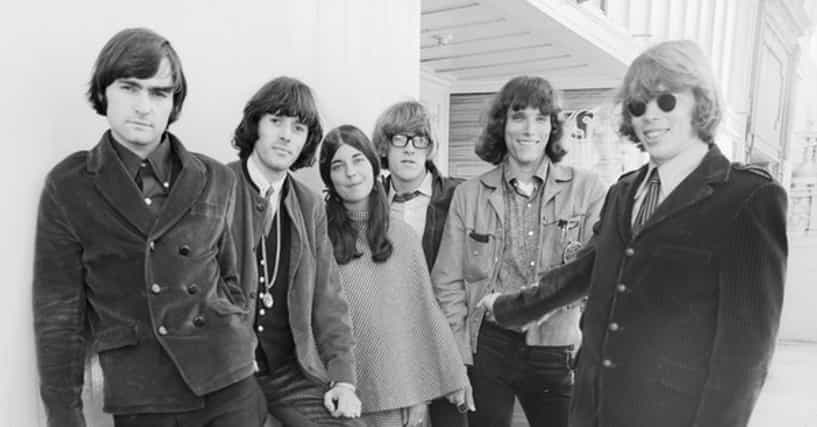
“I knew I wanted to play with electric guitars and drums,” Balin said in a 2000 interview, “but when I mentioned that notion in clubs where I had played, the owners would say, ‘We wouldn’t have you play here. This is a folk club.’” Balin’s solution? With three other business partners, he opened the Matrix Club in San Francisco, down the street from what would soon become the famed rock venue The Fillmore Ballroom. The Matrix would become an important part of the burgeoning San Francisco music scene, and would host performances by the Grateful Dead, Steve Miller, Santana, Janis Joplin and many others.
When it opened in August 1965, The Matrix’s first concert was by Balin’s new band, which they had dubbed Jefferson Airplane, named after bluesman Blind Lemon Jefferson and the idea of taking flight. The group’s performing skills improved quickly and, with Balin writing compelling folk-oriented songs for rock band arrangements, the band got the attention of San Francisco Tribune music editor Ralph Gleason, whose complimentary reviews helped them win a contract with RCA.
On the Airplane’s debut LP, “Jefferson Airplane Takes Off,” eight of the 11 songs were penned by Balin, including the first single, “It’s No Secret,” featuring Balin’s strong tenor voice, and other seminal tracks like “Blues From an Airplane” and “Come Up the Years.” While Anderson did a decent job on vocals as well, she chose to leave once her first child was born in 1966. Her replacement was Slick, who had been singing with The Great Society, often as a warmup act for Balin and company.

Jefferson Airplane became a national act in 1967 with the classic album “Surrealistic Pillow,” which brought Slick’s powerful vocals to the forefront as an effective counterpoint to Balin’s lighter tone. Their vocal blend, with Kantner often adding a third harmony, became the Airplane’s most identifiable sound.
Balin was eager for the group to succeed and willingly let Slick become the focal point and even the spokesperson for the group he founded. As Kantner put it, “Marty was quite the businessman. He was the one who pushed us to keep an eye on all the business stuff, orchestrating, thinking ahead, looking for managers and club opportunities when we were still young and new. He was very good at it.”
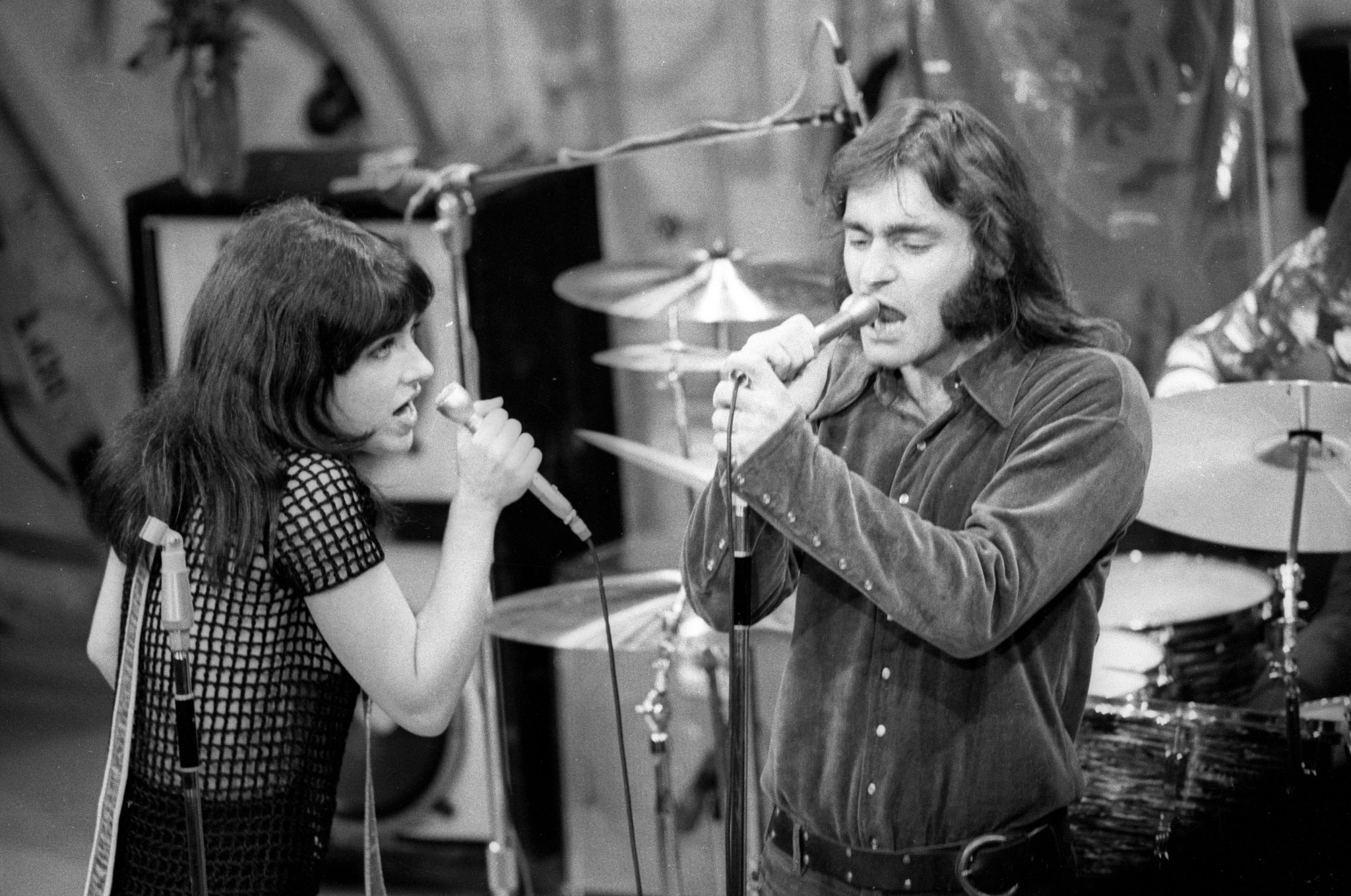
Balin’s knack for irresistible melodies provided a crucial contrast to the group’s sometimes meandering instrumental outpourings. He co-wrote the fan favorites “She Has Funny Cars” and “Plastic Fantastic Lover” with Kantner, but even more noteworthy was his gentle, trippy ballad “Today,” which got plenty of airplay on the underground FM radio stations that were sprouting in major markets at that time.
Jon Pareles of The New York Times came up with the best description of Jefferson Airplane’s oeuvre I’ve ever read: “They play a molten, improvisatory mixture of folk, rock, blues, jazz, R&B, ragas and more, sometimes adopting pop-song structures and sometimes exploding them. The songs were about love, freedom, altered perception, rebellion and possibilities that could be transcendent or apocalyptic.”

The Airplane’s next three LPs — “After Bathing at Baxter’s” (1967), “Crown of Creation” (1968) and “Volunteers” (1969) — saw fewer and fewer Balin love songs and more Kantner explorations of science fiction themes and radical politics. Simultaneously, the group was leading the way in psychedelic drug use, which Balin didn’t particularly care for. The Airplane played all the milestone concerts — Monterey, Woodstock, Altamont — but Balin somehow felt out of place. By late 1970, he withdrew from the group.
“I don’t know, I’d say Janis (Joplin)’s death around then really struck me,” Balin said in a 1993 interview. “Those were dark times. Everybody was doing so much drugs and I couldn’t even talk to the band. It was getting strange for me. I was into yoga and health foods and I’d given up drinking. Cocaine was a big deal in those days, and it made people crazy and very selfish. I couldn’t talk with everybody who had an answer for every goddamn thing, rationalizing everything that happened. I thought it made the music really tight and constrictive and ruined it. So after Janis died, I thought, I’m not gonna go onstage and play that kind of music anymore.”
The group soldiered on without Balin for a couple more ho-hum albums (1971’s “Bark” and 1972’s “Long John Silver”) while various members concurrently recorded solo projects, like Kaukonen’s and Casady’s splinter band, Hot Tuna, and Kantner’s sci-fi project, “Blows Against the Empire,” credited to “Paul Kantner and Jefferson Starship.”
It’s not surprising to me that, when Kantner and Slick regrouped in 1974 with new backing musicians to officially launch Jefferson Starship as a more mainstream “next-generation” offshoot, Balin was persuaded to participate. For “Dragon Fly,” the Starship’s first official LP, Balin wrote and sang lead on just one track, “Caroline,” a remarkable seven-minute power ballad. It’s arguably the best song on a very solid album.
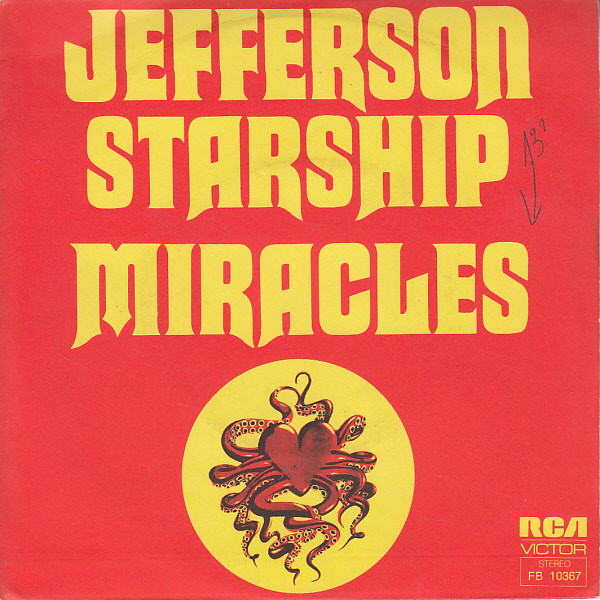
That worked out so well that Balin joined full-time for the next project, “Red Octopus,” which turned out to be the most successful album in the entire Airplane/Starship catalog. Balin co-wrote and sang lead on four tunes and was the sole writer of the dreamy ballad “Miracles,” which peaked at #3 on US charts.
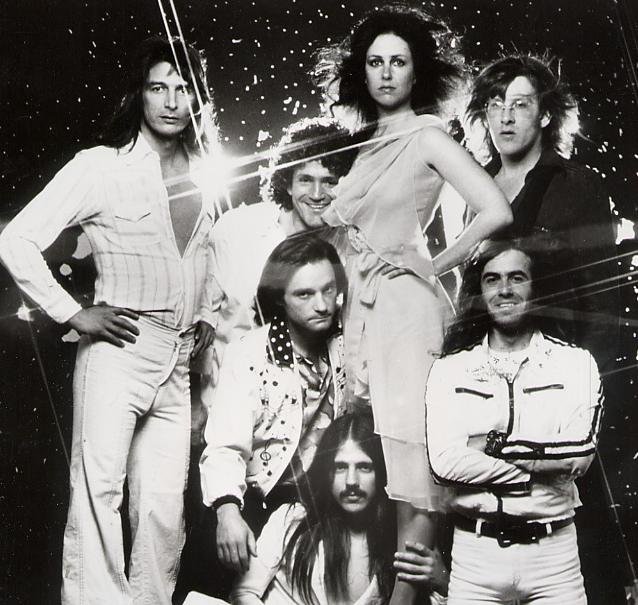
Diehard fans of Jefferson Airplane didn’t like the decidedly slicker, more commercial approach of Jefferson Starship’s music, but it appealed to the 1970s pop-rock audience. “Red Octopus,” “Spitfire” (1976) and “Earth” (1978) all reached the Top Five on the album charts, due in large part to Balin’s melodic hit singles, “With Your Love,” “Count on Me” and “Runaway.” Kantner and Slick and guitarist Craig Chaquico played important roles in the group’s success, but without Balin’s songs and vocals, I don’t think they would’ve achieved as much as they did.
Tired of touring, Balin bailed again in late 1978, and while the band continued on with singer Mickey Thomas at the mic, Balin took a stab at a solo career, releasing a solo album (“Balin”) in 1981 that branded him as a power balladeer, with the #8 hit “Hearts” and #27 “Atlanta Lady” giving him chart cachet.

The original classic Jefferson Airplane lineup of Balin, Slick, Kantner, Kaukonen and Casady (but not Dryden) buried hatchets and reconvened in 1989 with a new album (“Jefferson Airplane”) full of songs originally recorded on various solo works but re-recorded by the band. It didn’t sell well, but they played to full houses on tour, playing many old Airplane tracks, a few Starship tunes and a handful of the newer stuff like Balin’s sentimental reverie about 1967, “Summer of Love.”
“We went out and did 36 shows, and I thought we were dynamite,” Balin said. “At the end, we finished, and everyone said, ‘This was great,’ then split apart. Everybody went home. Nobody calls anybody, nobody says anything. Same old band.”
In 1996, this lineup of Jefferson Airplane was inducted into the Rock and Roll Hall of Fame.
Balin spent the last 20 years periodically performing and recording, both on his own and with Kantner in various iterations of Jefferson Starship. I only recently learned that he was also a painting enthusiast, doing sensitive treatments of many major musicians of the rock era, which remain on display at his art gallery in St. Augustine, Florida.
“R.I.P. Marty Balin, fellow bandmate and music traveler,” Casady said upon Balin’s passing. “He was a great songwriter and singer who loved life and music. We shared some wonderful times together. We will all miss you!”
I suspect many readers weren’t really aware (until now) of Balin’s name or his contributions to making Jefferson Airplane and Jefferson Starship what they were. Now you can hear precisely by listening to my Balin-oriented playlist on Spotify below. Thank you, Marty, for your songs, your singing and your devotion to your craft.
*****************************




 Hack's Back Pages