I never weep at night, I call your name

I remember when I was young thinking how cool it would be to have a song named after you.  Well, not me personally, but a song that was entitled “Bruce.”  I soon learned, however, that while there are many dozens, even hundreds, of songs named after women, there are only a handful featuring men’s names.  Elton John’s “Daniel” comes immediately to mind, or that macabre tune from 1971 which features two boys who apparently ate their friend in order to survive being trapped in a mine (“Timothy, Timothy, where on earth did you go?”).

Men (and a few women) have been writing songs about the women in their lives for at least a century or two.  These tunes have come in the form of romantic ballads, bitter break-up songs, heartfelt tributes and bittersweet odes.

More often than not, songwriters don’t mention these women by name, perhaps to preserve anonymity, or because their manager urged them to keep it more generic so the song might have more universal appeal.  But sometimes a writer insisted on keeping it specific to pay homage, or to hold in contempt, or simply because the sound of the name fit nicely in the song’s meter.

There are several dozen pretty great examples of classic rock songs with women’s names as the title.  No modifiers, no extra words.  Just the name.

In searching for these titles, I came across many others that use women’s names with descriptors (“Judy in Disguise,” “Long Tall Sally”), verbs (“Come on Eileen,” “The Wind Cries Mary”) and other qualifiers (“Mary Jane Can’t Dance,” “Caroline No”).  All perfectly good songs, but I limited my list to one-word titles.

Here are 20 for your consideration, with another baker’s dozen “honorable mentions.” There’s my usual Spotify playlist at the end.  Enjoy!

**************************

“Sara,” Fleetwood Mac, 1979

It took a while, but in 2014, Stevie Nicks finally confirmed what had been rumored for quite some time — that this 1979 song from Fleetwood Mac’s “Tusk” LP is about an aborted child she and lover Don Henley chose not to have.  “Had we gotten married and had that baby, and if it had been a girl, her name would have been Sara,” Nicks said.  “It’s a special name to me.  One of my very best lifelong friends is named Sara.”  The recording reached #7 as a single in early 1980, and Nicks still performs the song, both with the band and as a solo act.
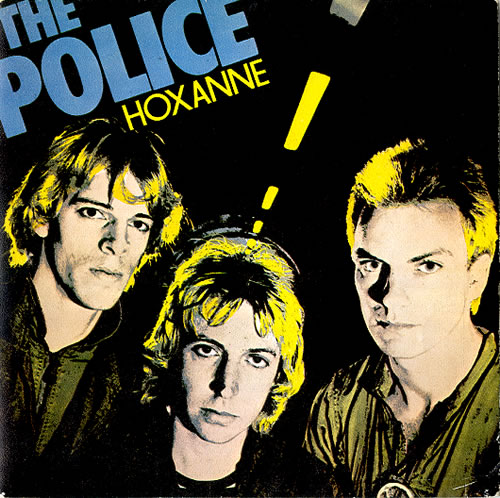
“Roxanne,” The Police, 1978

In 1977, when The Police were performing in dive clubs around Europe, Sting was inspired by the prostitutes who worked outside the seedy hotel in Paris where the band was staying.  He wrote this sympathetic tune, urging the woman to give up the hard life she had chosen.  He decided to call her Roxanne after seeing a movie poster in the hotel lobby featuring the old film “Cyrano de Bergerac,” whose female lead is named Roxanne.   The song peaked at only #32 in the US in 1978, but it remains one of The Police’s signature songs.

“Gloria,” Them, 1964

Van Morrison said he wrote “Gloria” in the summer of 1963 as he was turning 18.  The song is as simple as it gets, only three chords, and he often ad-libbed lyrics as he performed it, sometimes stretching the song to 15 or 20 minutes.  Gloria was a real person, a girl he was infatuated with, and his desire to seduce her made it more challenging for some ’60s radio programmers to include the song in Top 40 formats.  Indeed, when an obscure group called The Shadows of Knight had a Top 10 hit with their cover of “Gloria” in 1966, it eliminated the reference to “coming up to my room.”

“Victoria,” The Kinks, 1969

In the leadoff song on The Kinks’ criminally underrated 1969 LP “Arthur,” Ray Davies’ satirical lyrics juxtapose the grim realities of life in Britain during the 19th century (“Sex was bad and obscene, and the rich were so mean”) with the empathetic hopes of the British Empire in the Victorian age (“From the West to the East, from the rich to the poor, Victoria loved them all”).  Throughout her reign, Queen Victoria was beloved even by the downtrodden working class (“Though I am poor, I am free, when I grow, I shall fight, for this land I shall die”). The song? Not so much — it managed only #33 in the UK and stalled at #62 in the US, despite its catchy melody.

“Jolene,” Dolly Parton, 1973

Parton’s solo career was just gathering momentum when she penned this evocative song about a simple gal who pleads with a stunningly beautiful woman named Jolene to leave her man alone:  “Pretty girl, please don’t take my man just because you can.”   So many country music fans could relate to that woman’s desperate feeling that the song soared to #1 on the country charts (although only #60 on the pop charts).  It became one of Parton’s most loved tunes, and many cover versions have been recorded since. There was even a song called “Diane” by country singer Cam in 2017 that serves as a sequel to “Jolene” in which the pretty woman apologizes, saying she was duped by the cheating man.

“Amie,” Pure Prairie League, 1972

Craig Fuller was the chief singer-songwriter in the original lineup of the country rock group Pure Prairie League, and he wrote great down-home songs on those classic but largely overlooked first two albums in 1971 and 1972.  One song, “Amie,” didn’t do much at first but eventually earned listeners through FM and college radio stations, and by 1975, it was a #27 hit nationwide.  The narrator and Amie have one of those on-again, off-again relationships, and it’s never clear whether they end up together.  As Fuller said later, “The protagonist of the song is just laying it out there, and the rest is up to her.”

“Suzanne,” Leonard Cohen, 1967

Cohen said “Suzanne” was inspired by his platonic relationship with a woman named Suzanne Verdal, who had been the girlfriend of one of his contemporaries, the famed sculptor Armand Vaillancourt.  The lyrics deftly describe the rituals they enjoyed in Montreal, where they lived near each other.  Contrary to some interpretations, Cohen insisted he and Suzanne were only friends, not lovers.  “I admit I imagined having sex with her, but there was neither the opportunity nor the inclination to actually go through with it,” he admitted. It never charted in the US, but it was one of his signature tunes, and after Cohen’s death in 2016, “Suzanne” reached the Top Ten in France and Spain.

“Martha,” Tom Waits, 1973

From the 1970s to the current day, Waits has been known for his distinctive deep, gravelly singing voice and song lyrics that focus on the underside of U.S. society.  Many of the characters who populate his music are unpleasant ne’er-do-wells and unsympathetic outliers, but a few reek of pathos, such as Tom Frost, the elderly guy who places a phone call to “Martha,” an old flame with whom he is meekly hoping to rekindle something.  It becomes clear that that’s not going to happen, but we listeners feel supportive of Tom’s wistful trip down memory lane to speak with her once again.

“Maybellene,” Chuck Berry, 1955

Berry wrote and recorded this prototype rock and roll song as an adaptation of the Western swing fiddle tune “Ida Red,” recorded in 1938 by Bob Wills and his Texas Playboys.  Leonard Chess, owner of the legendary Chess Records label, loved Berry’s sprightly lyrics about a hot rod race and a broken romance, but told him he felt the woman’s name needed to be something less rural than Ida Red.  He spied a bottle of Maybelline mascara in the studio and said, “Well, hell, let’s name her Maybellene,” altering the spelling to avoid a potential suit by the cosmetic company. It reached #5 on US pop charts in 1955 as one of the first-ever rock ‘n’ roll songs.

“Cecilia,” Simon and Garfunkel, 1970

This #4 hit, among Simon and Garfunkel’s final chart singles, began life as a cacophony of rhythms pounded out on coffee tables and kitchen counters in Simon’s apartment.  He later wrote the lyrics as a reflection about anguish and jubilation regarding an untrustworthy lover.  “Cecilia,” Simon has noted, refers to St. Cecilia, patron saint of music in the Catholic tradition, and he conceded that the song also refers to the frustrations and joy he has experienced in the songwriting process, as musical inspiration often arrived and departed quickly for him.

“Melissa,” The Allman Brothers Band, 1972

Gregg Allman wrote the acoustic tune “Melissa” back in 1967 when he and his brother were recording and performing as The Allman Joys. “Duane adored that song,” Gregg said, “which was one of the first decent tunes I wrote after many failed attempts. I always thought it was too mellow for The Allman Brothers Band, and I was saving it for a solo album I figured I’d put out eventually.” When Duane died at only 24 in 1971, Gregg was persuaded to record it with the band as a tribute to his brother for their “Eat a Peach” album in 1972, and it became a regular part of the band’s set list over the years since.

“Rachel,” Emily Hackett, 2020

My daughter Emily has been writing, recording and performing music since her high school days, and her sister Rachel has always been her biggest fan. In 2020 during the pandemic, “She had just given me an epic present for my 30th birthday,” Emily recalled. “I decided it was high time I wrote a song for her, so I sat on my front porch and wrote ‘Rachel’ as if I was writing a letter. It came fast. I think the lyrics really nail who she is. ‘A golden ray of sunshine.’ ‘Her eyes are so blue, it’s painful.'” She produced it herself in time for Rachel’s 27th birthday and released it three weeks later. I cherish this song.

“Julia,” The Beatles, 1968

During the sessions for The Beatles’ “White Album,” John Lennon was burning with a desire to write a song about his mother, Julia Baird.  “I lost her twice,” he said, “once as a five-year-old when I was moved in with my auntie, and then again when she physically died when I was 17.”  He borrowed phrasings from Kahlil Gibran’s “Sand and Foam” in which the original verse reads, “Half of what I say is meaningless, but I say it so the other half may reach you.”  Although it’s a Beatles track, no one but the composer was present for the recording, which featured Lennon alone on acoustic guitar and vocal.

“Angie,” The Rolling Stones, 1973

When the Stones reached #1 on the charts with the ballad “Angie” in the fall of 1973, speculation was rampant about the identity of the woman in question.  Some said Jagger and Richards were writing about David Bowie’s first wife Angela, with whom they had been spending time during that period.  Others assumed it was a tribute to Richards’ newborn daughter, Dandelion Angela.  In his 2010 autobiography “Life,” Richards said that he had chosen the name at random when writing the song, before he knew that his daughter would be named Angela or even knew that the baby would be a girl.

“Rosanna,” Toto, 1982

This Song of the Year Grammy winner in early 1983 was written by Toto keyboard player David Paich, who said it was a composite of several girls he had known.  During recording sessions, Toto band members initially played along with the assumption that the song was based on actress Rosanna Arquette, who was dating keyboard player Steve Porcaro at the time.  Arquette herself played along with the joke, commenting in an interview that year, “that song was about my showing up at 4 a.m. at the studio to bring them juice and beer.”

“Brandy,” Looking Glass, 1972

Elliot Lurie, guitarist and vocalist for the New Jersey-based group Looking Glass, had been reading old novels when he was inspired to write “Brandy,” a tune about a barmaid in a busy harbor town. Although lonely sailors flirted with her, she instead longed only for a man who left her years earlier because, he claimed, “my life, my lover, my lady, is the sea.” The song quickly moved up the charts to #1 in the summer of 1972, and enjoyed a second life in 2017 when it was used in the soundtrack for “Guardians of The Galaxy Vol. 2.” Interesting note: In 1974, Barry Manilow had to change his song “Brandy” to “Mandy” after the Looking Glass song became a huge hit.
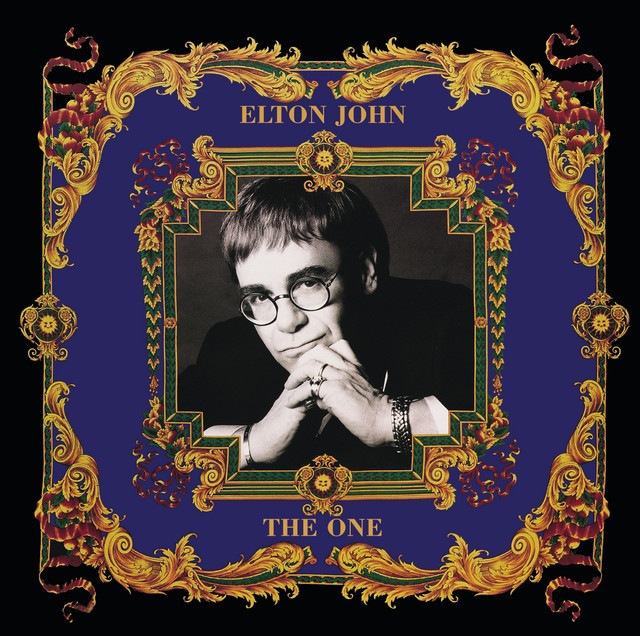
“Emily,” Elton John, 1992

John’s longtime lyricist partner Bernie Taupin penned one of the most poignant character studies in his catalog on this deep track from the 1992 album “The One.”  Taupin recalled writing the lyrics to “Emily” after an afternoon walk through the streets and cemeteries of Paris, France, where he couldn’t help but notice an elderly woman paying respects at various gravesites as she walked haltingly among the headstones.  “Elton wrote such a glorious melody to accompany this one,” Taupin said.  “It’s one of my favorites”:  “The old girl hobbles, nylons sagging, talks to her sisters in the ground…”

“Jane,” Jefferson Starship, 1979

Vocalist figurehead Grace Slick had temporarily left the band in 1978 when the Jefferson Starship brought in singer Mickey Thomas for the “Freedom at Point Zero” LP. Bassist David Freiberg wrote most of the music and lyrics for what would become the album’s single, “Jane.”  He said, “She’s no one in particular, just the kind of girl who’s insincere and manipulative in the way she behaves in a relationship.  I think we’ve all know women — and men — like that”:  “You’re playing a game called ‘hard to get’ by its real name, you’re playing a game you can never win, girl…”

“Aubrey,” Bread, 1972

Of the several hit ballads David Gates wrote in the early ’70s as chief songwriter for the soft-rock band Bread, “Aubrey” came across as one of the most sad and heartfelt.  One interpretation had it that Aubrey was the name of a baby girl who died at birth; another said she was a woman the narrator was infatuated with but was too shy to approach.  In the booklet from Bread’s 2006 anthology collection, Gates said the truth behind “Aubrey” was less interesting — it was inspired by an Audrey Hepburn film he saw but never fully understood. It peaked at #15 in 1973 as the third single from Bread’s fifth LP, “The Guitar Man.”
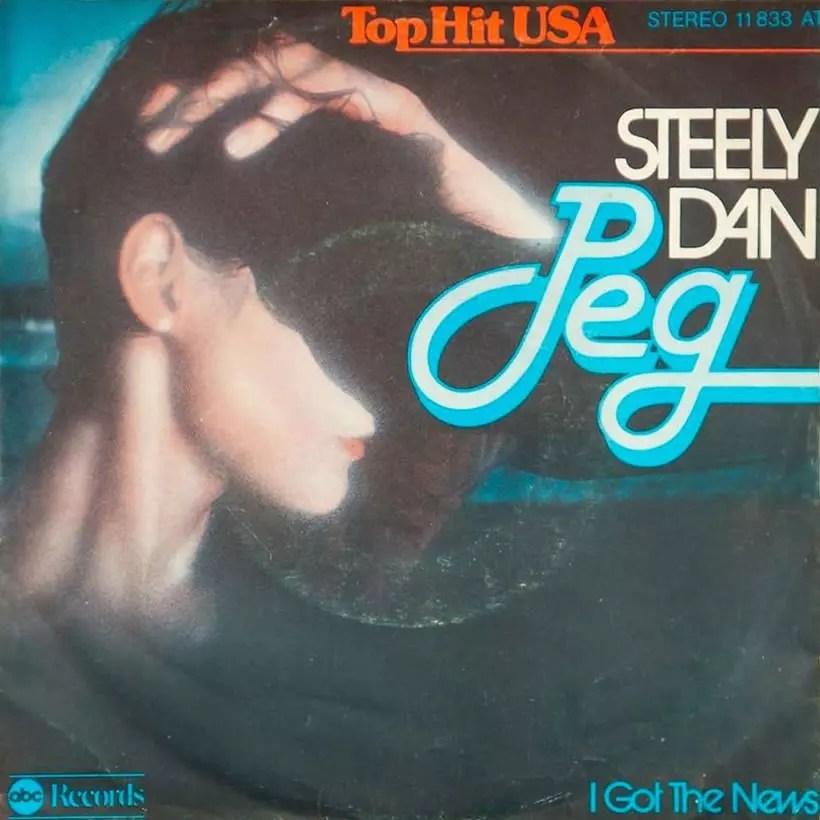
“Peg,” Steely Dan, 1977

Songwriters Donald Fagen and the late Walter Becker have typically been tight-lipped about the meaning behind their often puzzling lyrics, but Fagen once conceded in an interview that “Peg,” a #11 hit in 1978 from their platinum LP “Aja,” referred to Peg Entwistle, a star of Broadway theater in the 1920s and 1930s.  Fagen and Becker found her to be a suitable entry in the Steely Dan cast of offbeat characters because, in 1932, she jumped to her death off the famous Hollywood sign (when it was “Hollywoodland,” an advertisement for a new housing development) before her first film was ever released.

****************************

Honorable mention:

Michelle,” The Beatles, 1965;  “Lucille,” Little Richard, 1957; “Clarice,” America, 1971;  “Wendy,” The Beach Boys, 1964;  “Valerie,” Steve Winwood, 1982;  “Amanda,” Boston, 1983;  “Sherry,” The Four Seasons, 1962;  “Jessie,” Joshua Kadison, 1992; “Carrie-Anne,” The Hollies, 1967;  “Luka,” Suzanne Vega, 1987; “Diana,” Paul Anka, 1958;  “Nanci,” Toad the Wet Sprocket, 1994; “Veronica,” Elvis Costello, 1989.

******************************

She’s a good girl, crazy ’bout Elvis

In the ’60s, ’70s and ’80s — and in the decades since as well — pop music songwriters occasionally got a kick out of writing songs with references to other musical artists in their lyrics, delighting their listeners with sometimes thinly veiled, sometimes overt mentions of well-known colleagues in the rock/pop arena.

When folk music started morphing into folk rock in the mid-’60s, folk artists like Peter, Paul and Mary found themselves waning somewhat in popularity.  The solution:  Paul Stookey collaborated with songwriters James Mason and Dave Dixon to write “I Dig Rock and Roll Music,” a whimsical tune that name-dropped several of the rising (and established) stars of the new genre, and the result was a comeback #9 hit for the trio:  “I dig The Mamas and The Papas at the Beat, Sunset Strip in L.A., they’ve got a good thing going when the words don’t get in the way…”  “I dig Donovan kind of in a dreamed out, tripped out way, his crystal images, hey, they tell you ’bout a brighter day…  And when The Beatles tell you they’ve got a word ‘love’ to sell you, they mean exactly what they say…”

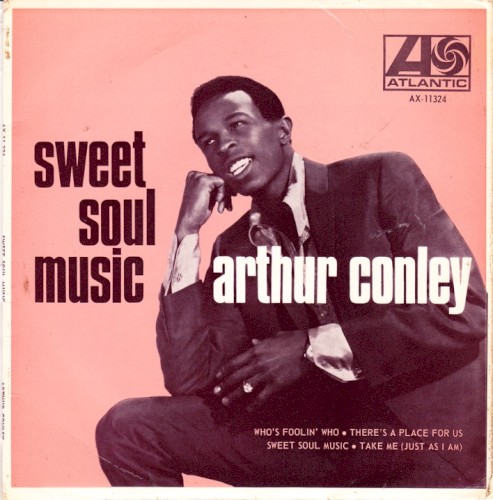
Similarly, R&B singer Arthur Conley teamed up with Otis Redding in 1967 to rework the old Sam Cooke song “Yeah Man” with new lyrics that called out several of the hot soul singers of that period.  The result, “Sweet Soul Music,” was a #2 hit on the pop charts and a Top Ten hit in Europe:  “Spotlight on Lou Rawls, y’all… Spotlight on Sam & Dave, y’all… Spotlight on Wilson Pickett, now…  Spotlight on Otis Redding, now… Spotlight on James Brown, y’all, he’s the king of them all, y’all…”

The musical fraternity of artists from the American South have supported each other throughout their careers, perhaps never as overtly as on The Charlie Daniels Band’s 1975 anthem “The South’s Gonna Do It,” which references no less than eight groups from that region:   “Well, the train to Grinder’s Switch is runnin’ right on time, and them (Marshall) Tucker boys are cookin’ down in Caroline, people down in Florida can’t be still when ol’ Lynyrd Skynyrd‘s pickin’ down in Jacksonville, people down in Georgia come from near and far to hear Richard Betts pickin’ on that red guitar…  Elvin Bishop sittin’ on a bale of hay, he ain’t good lookin’, but he sure can play, and there’s ZZ Top, and you can’t forget that old brother (Wet) Willie‘s gettin’ soakin’ wet, and all the good people down in Tennessee are diggin’ Barefoot Jerry and C.D.B...”

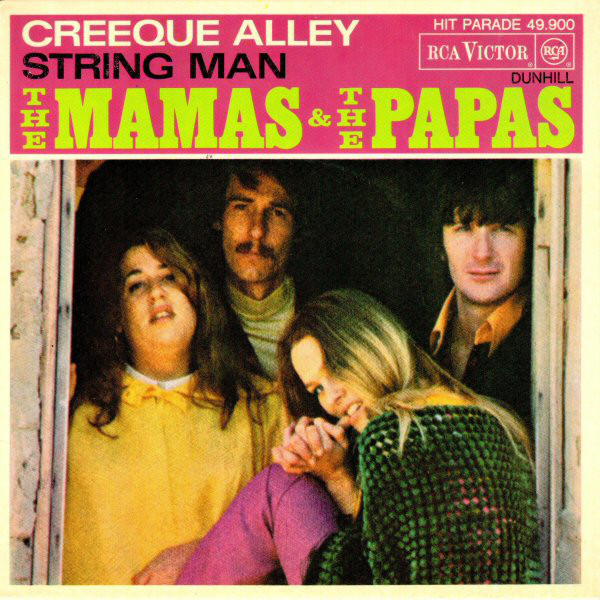
The Mamas and The Papas chief songwriter John Phillips wrote the 1966 autobiographical song “Creeque Alley” that told the background story of how he, Michelle Phillips, Denny Doherty and Cass Elliot all used to hang out (and perform) with artists who later went on to greater fame in other bands.  Six verses of lyrics dreminisce about the days when they sang in Greenwich Village clubs and eventually worked their way to Los Angeles:  (John) Sebastian and Zal (Yanovsky) formed the (Lovin’) Spoonful, Michelle, John, and Denny gettin’ very tuneful, (Roger) McGuinn and (Barry) McGuire just a-catchin’ fire in L.A., you know where that’s at…”

In “We Didn’t Start the Fire,” Billy Joel’s #1 hit from 1989, he assembled a virtual grocery list of celebrities and events that marked the years from roughly 1950 to the late 1980s.  He didn’t comment on them, he just rattled them off, like a CNN feed line across the bottom of the TV screen.  A few of these were fellow musicians:  “Davy Crockett, Peter Pan, Elvis Presley, Disneyland…”  Buddy Holly, Ben Hur, space monkey, Mafia…”  Chubby Checker, Psycho, Belgians in the Congo…”  Dylan, Berlin, Bay of Pigs invasion…”

“American Pie,” one of the biggest hits of 1971-72, famously chronicles the development of rock and roll from its mid-’50s infancy through the end of the ’60s.  Most of McLean’s lyrics use code words to identify the artists he’s singling out — “the jester” (Bob Dylan), “the king” (Elvis Presley), “the players” (The Rolling Stones) and “the marching band” (The Beatles).  Perhaps most easily identifiable was his allusion to Mick Jagger in the phrase “Jack Flash sat on a candlestick,” and the reference to The Byrds and their hit single in this line:  “Helter skelter in the summer swelter, the birds flew off to the fallout shelter, eight miles high and falling fast…”

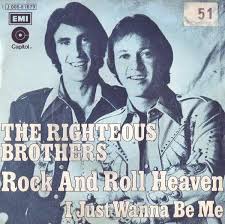
By the mid-’70s, rock music had already lost several of its stars to untimely deaths, so the time was ripe for a song like “Rock ‘n Roll Heaven,” which calls out the names and hits of four fallen stars.  Just before  The Righteous Brothers recorded it, songwriters Alan O’Day and Johnny Stevenson added a final verse to include two additional deaths, and the song ended up a #3 hit in the summer of 1974:  Jimi (Hendrix) gave us rainbows, and Janis (Joplin) took a piece of our hearts, and Otis (Redding) brought us all to the dock of a bay., sing a song to light my fire, remember Jim (Morrison) that way…”  “Remember bad bad Leroy Brown, hey, Jimmy (Croce) touched us with that song, time won’t change a friend we came to know, and Bobby (Darin) gave us ‘Mack the Knife,’ well, look out, he’s back in town….”

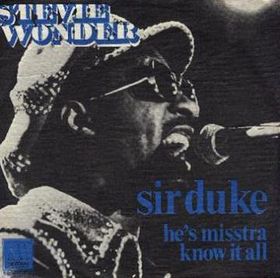
One of Stevie Wonder’s biggest hits of the ’70s was “Sir Duke,” which came from the multi-platinum LP “Songs in the Key of Life.”  Wonder was a huge fan of Big Band music and its legends, and the track’s lyrics pay homage to Duke Ellington and four more of his peers from that period:  “But here are some of music’s pioneers that time will not allow us to forget, for there’s (Count) Basie, (Glenn) Miller, Satchmo (Louis Armstrong), and the king of all, Sir Duke, and with a voice like Ella (Fitzgerald) ringing out, there’s no way the band can lose…”

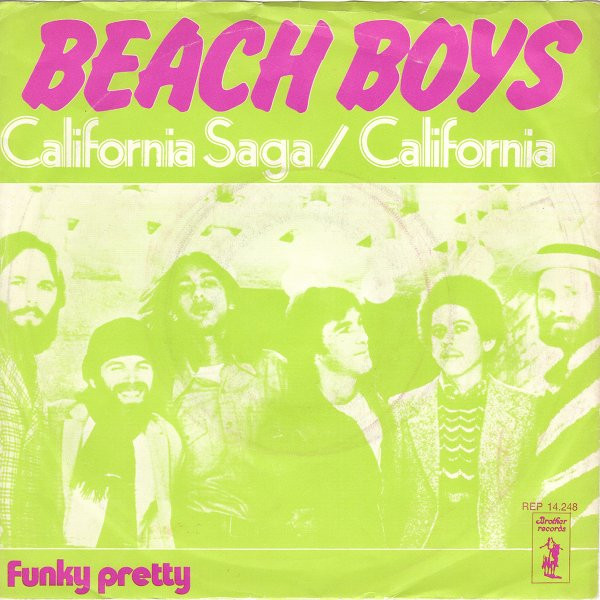
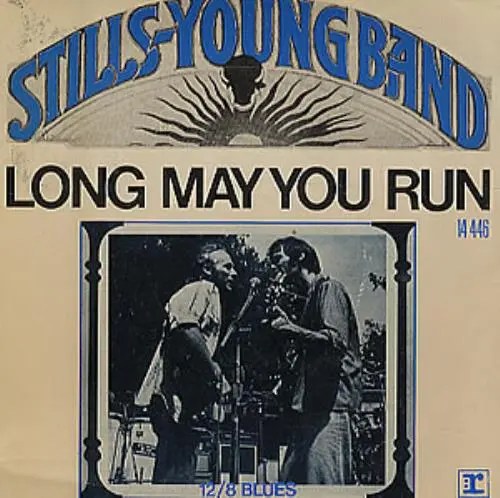
The Beach Boys were on both ends of the name-dropping bandwagon.  In 1973 for their “Holland” LP, they wrote a suite called “California Saga,” in which they mentioned a stalwart of the outdoor festival scene: “Have you ever been to a festival, the Big Sur congregation, where Country Joe (McDonald) will do his show, and he’d sing about liberty…”  Soon after, Neil Young referenced California’s favorite sons in his song “Long May You Run,” recorded by The Stills-Young Band in 1976:  “Maybe The Beach Boys have got you now, with those waves singing ‘Caroline,’ (oh Caroline No)…”

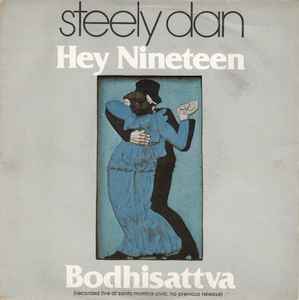
Steely Dan name-checked two artists in two different songs in their catalog.  First, in the track “Everything You Did” from the 1976 LP “The Royal Scam,” the lyrics outline an argument between a warring husband and wife.  One of them offers a suggestion to keep others from eavesdropping on their conversation:  “Turn up The Eagles, the neighbors are listening…”  Then on “Gaucho” in 1980, the big hit single “Hey Nineteen” offers lyrics that illustrate the challenges of dating someone considerably younger who may not be familiar with your favorite artists:  “Hey Nineteen, that’s ‘Retha Franklin, she don’t remember the Queen of Soul, it’s hard times befallen The Soul Survivors, she thinks I’m crazy but I’m just growing old…”

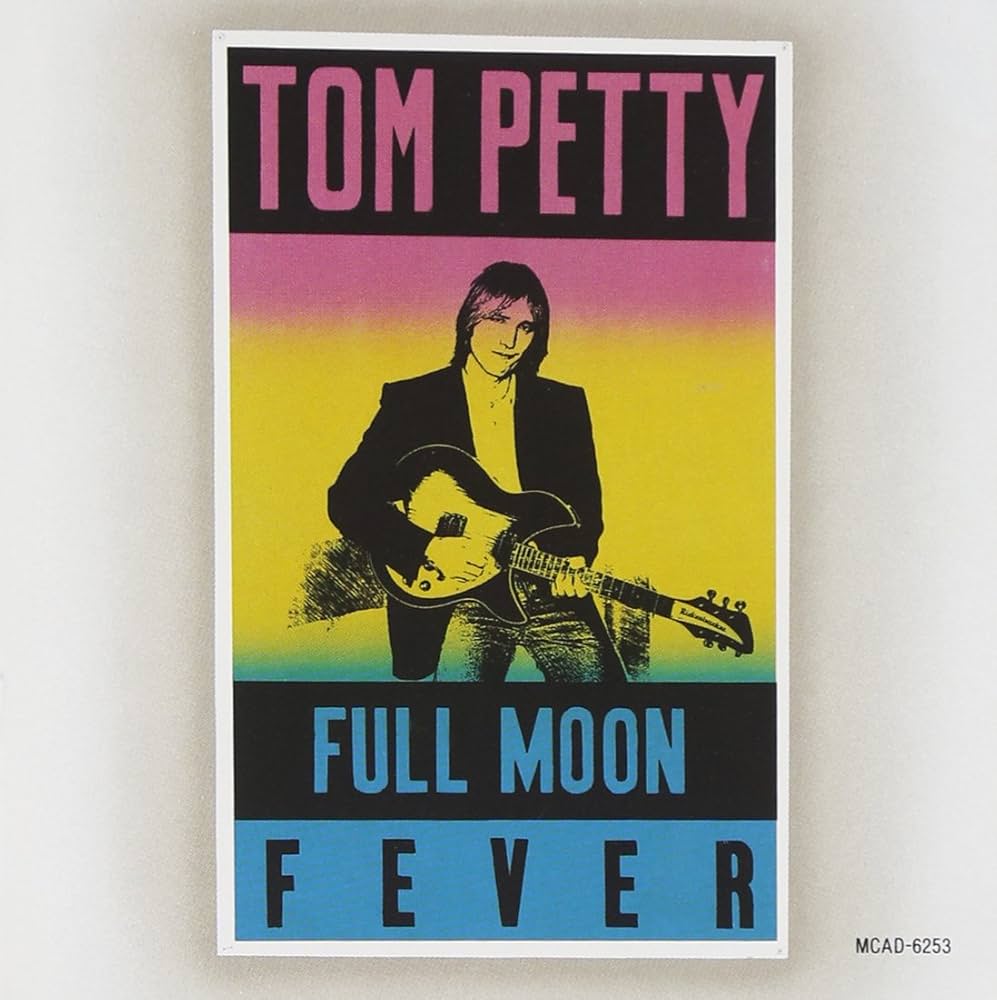
“Free Fallin,” the opening track on Tom Petty’s 1989 solo LP “Full Moon Fever,” became his highest charting single, peaking at #7 in 1989. It offers a simple version of the tried-and-true theme of “good girl falls for bad boy and gets heart broken.” The lyrics focus on how bad boys cherish their independence, even though it means hurting the women who love them. In the opening stanza, Petty describes the girl who’s headed for heartache because she fell for the wrong guy: “Loves her mama, loves Jesus and America too, she’s a good girl, crazy ’bout Elvis, loves horses and her boyfriend too…”

The Dutch rock band Golden Earring has had a long history of success in their native Netherlands, but their big moment on US airwaves came with the 1973 Top Ten hit “Radar Love,” a classic tune about a guy who’s always on the road, and dying to get home to his lady.  To drive the point home, the lyrics refer to a long-ago romantic hit by a long-forgotten female vocalist who used to top the charts:  “The radio is playing some forgotten song, Brenda Lee‘s comin’ on strong…”

Soft rock crooner Stephen Bishop enjoyed success in the ’70s and ’80s with hits like “It Might Be You” (from the “Tootsie” film soundtrack) and “Save It For a Rainy Day,” but his biggest chart hit was the 1976 tearjerker “On and On,” which referenced Ol’ Blue Eyes himself in the second verse:  “Poor ol’ Jimmy sits alone in the moonlight, saw his woman kiss another man, so he takes a ladder, steals the stars from the sky, puts on (Frank) Sinatra and starts to cry…”

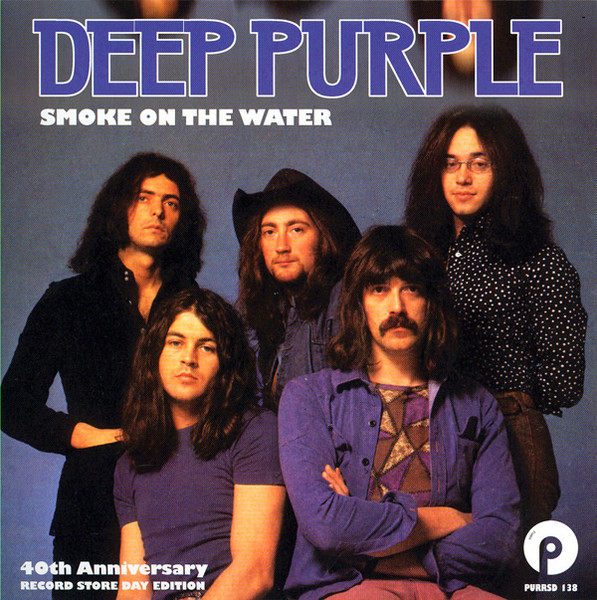
British rockers Deep Purple were scheduled to perform at a venue in Montreux, Switzerland, which was to be recorded for a live album, but at a concert held there the previous night, a reckless fan accidentally started a fire.  Deep Purple turned that story into their 1973 signature song, “Smoke on the Water,” and the lyrics called out the band that had been performing:  “We all came out to Montreux on the Lake Geneva shoreline to make records with a mobile, we didn’t have much time, Frank Zappa and the Mothers were at the best place around, but some stupid with a flare gun burned the place to the ground…”

On Nirvana’s third (and, as it turned out, final) album “In Utero” in 1993, Kurt Cobain included the song “Pennyroyal Tea,” and I always assumed the title was a play on words about a songwriter earning a “penny royalty.” In fact, pennyroyal is a medicinal herbal abortive that has been used by women as a home remedy to end a pregnancy. “The song is about a person who’s beyond depressed,” Cobain said in 1993. “My therapy when I was depressed was to listen to Leonard Cohen music, which actually made it worse.” The lyrics state: “Give me a Leonard Cohen afterworld so I can sigh eternally…” After Cobain’s suicide in 1994, Cohen said, “I’m sorry I never got the chance to speak to the young man. I might’ve been able to help him…or maybe not.”

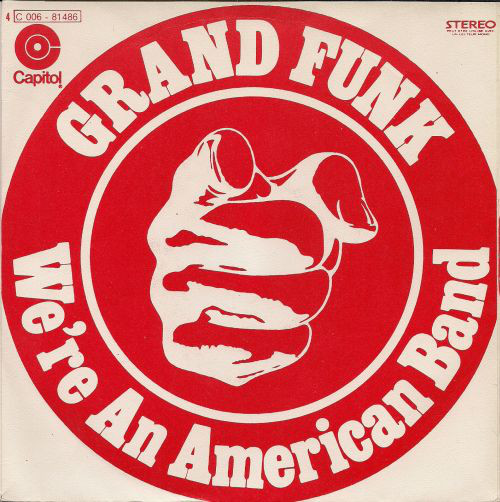
Don Brewer, the drummer for Grand Funk Railroad,  came up with the song “We’re An American Band” and they got studio wizard Todd Rundgren to produce it, resulting in a #1 US hit that broadened the band’s audience.  The lyrics relate the ups and downs of life on the road, where their time spent offstage was sometimes spent in the company of other artists:  “Up all night with Freddie King, I got to tell you, poker’s his thing, booze and ladies keep me right as long as we can make it to the show tonight, we’re an American band…”

In 1972, British rockers Mott the Hoople were about to hang it up due to lack of commercial success.  They got a big lift from David Bowie, who penned “All the Young Dudes” for them to record, and it ended up becoming one of the anthems of the glam rock movement on both sides of the Atlantic.  Two references to other artists show up in the lyrics:  “Television man is crazy saying we’re juvenile delinquent wrecks, oh man, I need TV when I’ve got T. Rex…”  “And my brother’s back at home with his Beatles and his Stones, we never got off on that revolution stuff, what a drag, too many snags…”

Elton John’s lyricist Bernie Taupin finally got around to referencing another musician on Elton’s 1989 LP “Sleeping With the Past,” which contains songs meant to reflect the style of 1960s R&B.  On the Motown-inspired “Club at the End of the Street,” which leveled off at #28 on the U.S. singles chart, Taupin described the atmosphere you might find in smaller tucked-away venues:  “From the alleyways where the catwalks gently sway, you hear the sound of Otis (Redding) and the voice of Marvin Gaye, in this smoky room, there’s a jukebox plays all night, and we can dance real close beneath the pulse of a neon light…”

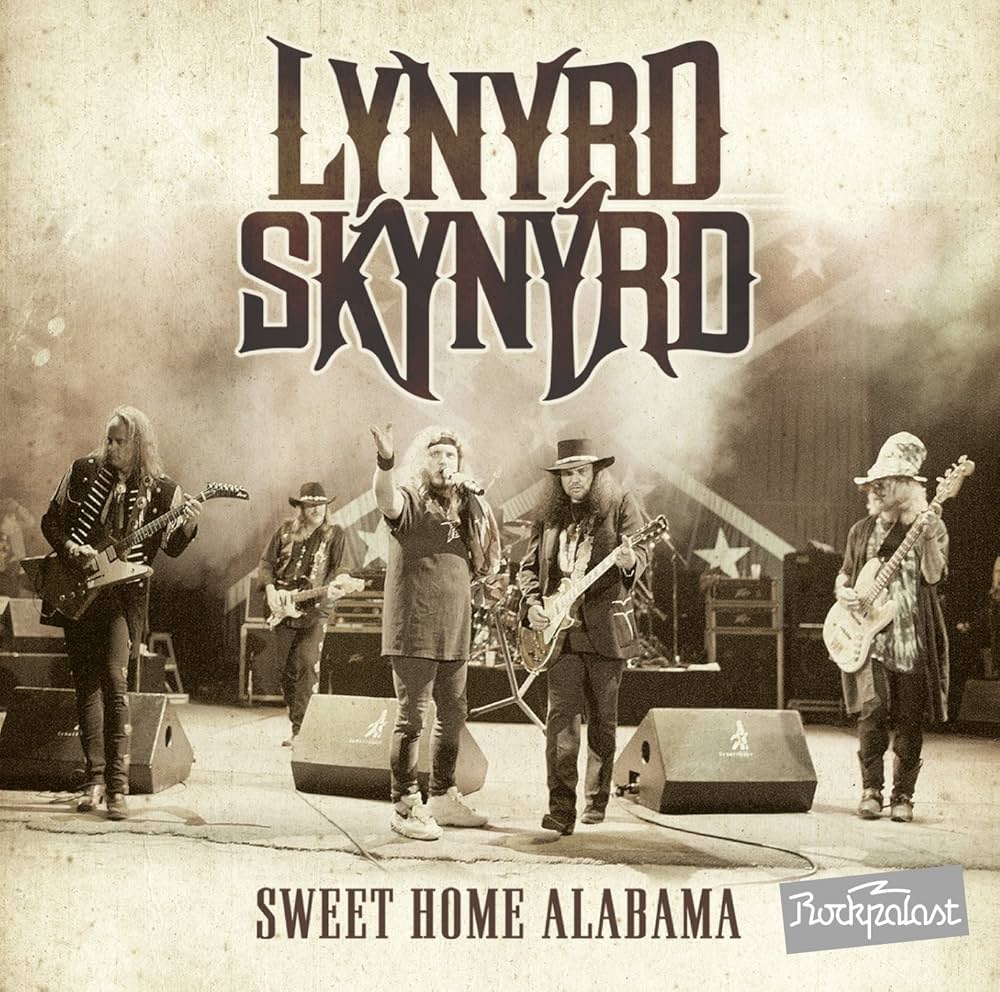
In the early ’70s, when Neil Young wrote a couple of songs (“Southern Man,” “Alabama”) taking the South to task for its racist history, Lynyrd Skynyrd took exception and wrote “Sweet Home Alabama” in defense of their homeland.  Their lyrics came right out and mentioned Young not once but three times in one verse:  “Well, I heard Mister Young sing about her, well, I heard ol’ Neil put her down, well, I hope Neil Young will remember, a Southern man don’t need him around anyhow…”

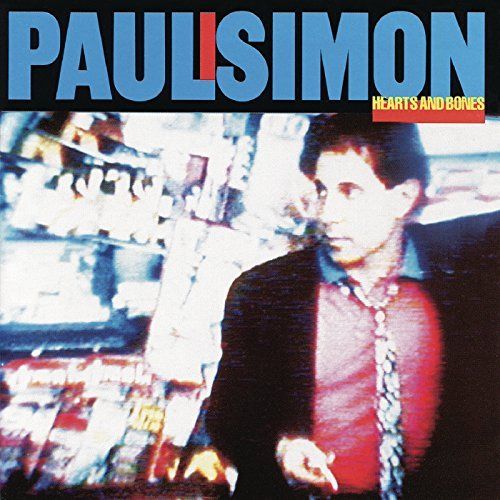
In 1983, for his underrated LP “Hearts and Bones,” Paul Simon wrote the song “The Late Great Johnny Ace,” which used the name of the often neglected ’50s R&B singer to talk about that awful night in 1980 when John Lennon was shot:  “On a cold December evening, I was walking through the Christmastide, when a stranger came up and asked me if I’d heard John Lennon had died, and the two of us went to this bar, and we stayed to close the place, and every song we sang was for the late great Johnny Ace, yeah yeah yeah…”

Back in 1980, when John Mellencamp was going by the name Johnny Cougar, he had his first chart success (#17) with “Ain’t Even Done With the Night,” his first attempt at writing a soul song.  The lyrics speak of the frustration and eager hormones involved in early romance, referencing one of the best singers from that genre:  “Well, our hearts beat like thunder, I don’t know why they don’t explode, you got your hands in my back pockets, and Sam Cooke‘s singin’ on the radio…”

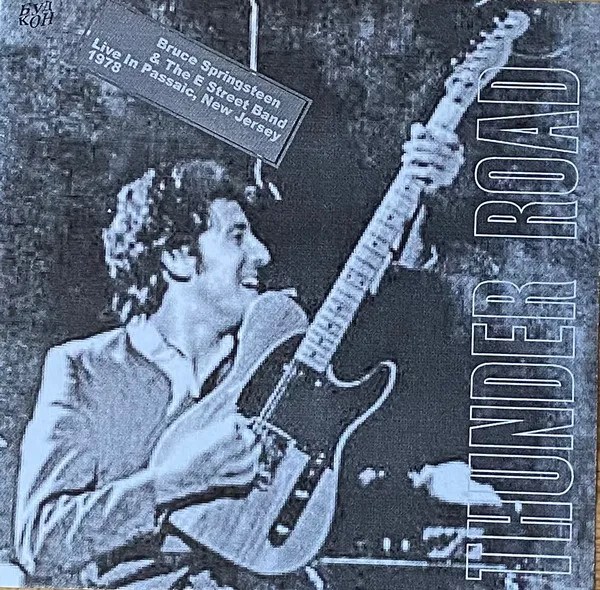
“Thunder Road,” one of Bruce Springsteen’s most celebrated songs from his pivotal “Born to Run” album, tells the tale of a young man longing to break out of his dead-end existence and coax the target of his infatuation to join him on his journey of discovery.  He uses the name of a ’50s icon to push the point home:  Roy Orbison singing for the lonely, hey, that’s me, and I want you only, don’t turn me home again, I just can’t face myself alone again…”

In 1972, Van Morrison boldly kicked off his “Saint Dominic’s Preview” LP with “Jackie Wilson Said (“I’m in Heaven When You Smile),” an overt reference to the energetic R&B singer (and his debut single, “Reet Petite” from 1957).  The lyrics use Wilson’s name to start the song, but the rest of it is really just a joyous love tune:  Jackie Wilson said it was ‘Reet Petite,’ the kind of love you got knock me off my feet, let it all hang out, and you know I’m so wired up, don’t need no coffee in my cup, let it all hang out…”

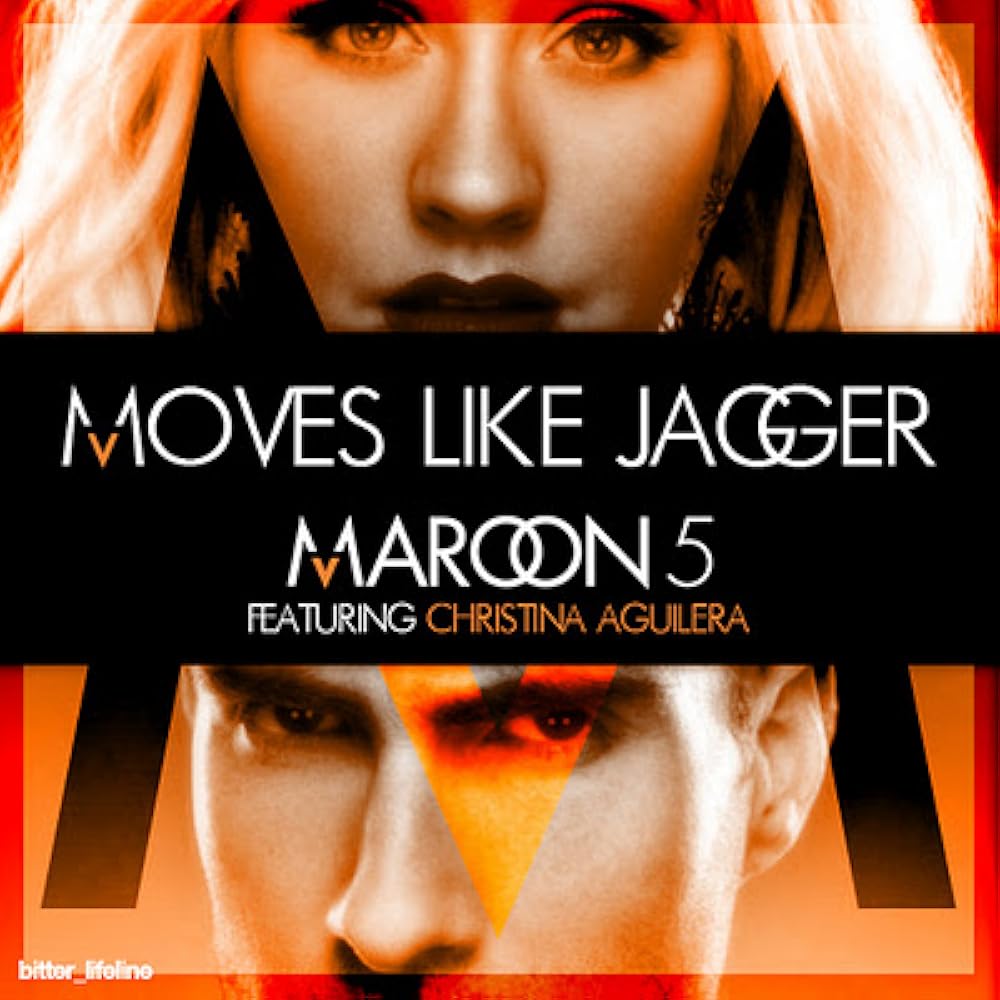
This trend shows no signs of slowing down, either.  Barenaked Ladies had two songs on their 1992 debut LP called “Brian Wilson” and “Be My Yoko Ono.”  Then there’s Taylor Swift’s 2006 debut single “Tim McGraw,” followed not so coincidentally by Tim McGraw’s 2007 song “Kristofferson” and Eric Church with his 2011 country hit “Springsteen.”  Maroon 5 and Christina Aguilera teamed up that same year with the #1 pop hit “Moves Like Jagger,” which focused on how the narrator claims he can mimic the famous singer’s stage presence:  “Look into my eyes and I’ll own you with them moves like (Mick) Jagger, I’ve got the moves like Jagger…”

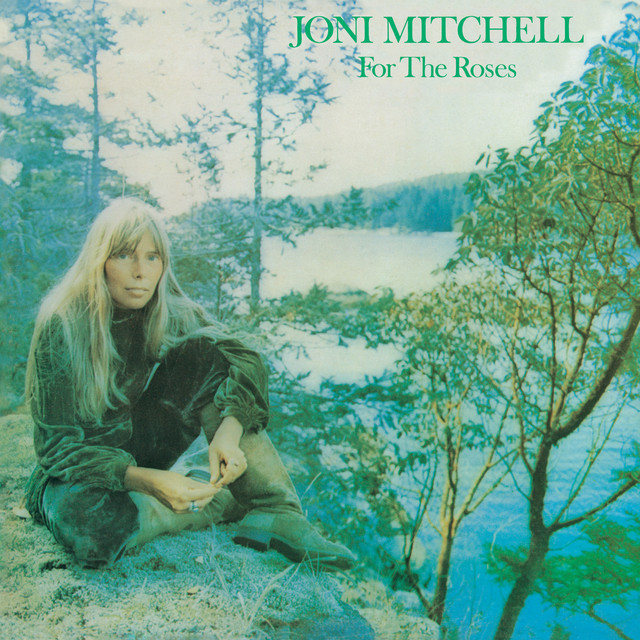
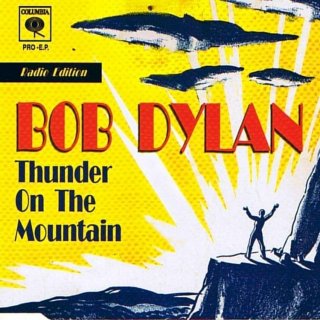
Even Joni Mitchell and Bob Dylan, two of the most celebrated songwriters of the past half-century, have not been averse to mentioning another artist by name.  Mitchell’s wonderfully playful “Barangrill” from 1972’s “For the Roses” album cites one of pop music’s icons from the ’40s and ’50s: “The guy at the gas pump, he’s got a lot of soul, he sings ‘Merry Christmas’ for you just like Nat King Cole…”  Dylan’s 2006 track “Thunder on the Mountain” makes a blatant reference to a relatively new singer he admired:  “I was thinking about Alicia Keys, couldn’t keep from crying, when she was born in Hell’s Kitchen, I was living down the line, I’m wondering where in the world Alicia Keys could be, I been looking for her even clear through Tennessee…”

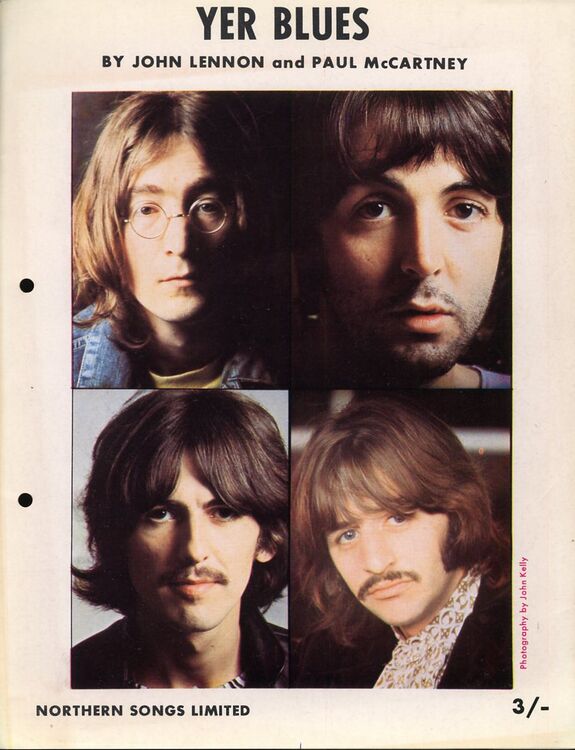
On 1968’s “The White Album,” John Lennon’s track “Yer Blues” made reference to a character from the 1965 Bob Dylan track “Ballad of a Thin Man” to describe his own depression: “The eagle picks my eye, the worm he licks my bone, /I feel so suicidal, just like Dylan‘s Mr. Jones, /Lonely, wanna die…” Then in 1970, in the song “God” from his solo studio LP “Plastic Ono Band,” Lennon mentioned both Dylan and Elvis Presley, and The Beatles themselves, as things in which he no longer had faith: “I don’t believe in Elvis, I don’t believe in Zimmerman, I don’t believe in Beatles…”

*************************

There have even been bands and artists who have gone so far as to use another artist’s name as a song title: “Brian Wilson” by Bare Naked Ladies (“Dr. Landy, tell me you’re not just a pedagogue, ’cause right now I’m lying in bed just like Brian Wilson did…); “Tim McGraw” by Taylor Swift (“When you think Tim McGraw, I hope you think of me…”); “Springsteen” by Eric Church (“Funny how a melody sounds like a memory, like a soundtrack to a July Saturday night, Springsteen…”); the disturbing “Don Henley Must Die” by Mojo Nixon (“He’s serious, pretentious, and I just don’t care, Don Henley must die!…”)

*************************