By the time we got to Woodstock
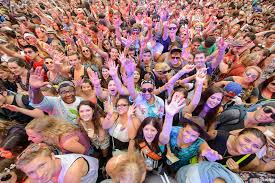 Rock music festivals — where multiple acts perform on one site for thousands over two or three days — are everywhere now, and very big business these days. But it wasn’t all that long ago when the very idea was dismissed as too costly, too unwieldy, maybe even too dangerous.
It’s generally agreed that the concept of assembling many musical artists on one outdoor stage for a day or two was born in the mid-’50s, when the first Newport Jazz Festival was held in 1954 to bring jazz to the Rhode Island resort town. Impresario George Wein assembled many top jazz artists of the day, and the event attracted 13,000 over two days. That festival has changed venues and even cities over the years, especially in the 1970s, but returned to Newport in 1981 and still operates there today, where the 62nd Festival was held three months ago.
Wein also initiated the Newport Folk Festival in 1959, staging a two-day event that featured folk, blues, country and bluegrass artists of the period. It stopped operating in the late ’60s but resumed in 1985 and still attracts crowds of 10-12,000 today.
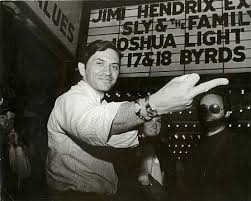 It was 1966. In San Francisco, there was an event called the Trips Festival, where the burgeoning hippie movement conducted informal “acid tests” (LSD) while area bands played in a haphazard, rather chaotic setting. Jerry Garcia, guitarist and spiritual leader of The Grateful Dead, remembers his first encounter that day with “this guy running around with a clipboard, trying to impose order in the midst of total insanity.”
 Hack's Back Pages