The things that pass for knowledge I can’t understand

I get a lot of positive feedback here at Hack’s Back Pages when I publish a Rock Lyrics Quiz or a Rock Trivia Quiz. Let’s face it, most of us love to test our knowledge when magazines and websites publish quizzes on various topics. So here I go again, gauging my readers’ abilities at recalling and/or guessing the answers to 15 quiz questions about rock artists and music from the ’50s, ’60s, ’70s and ’80s!

Hand completing a multiple choice exam.

You needn’t feel bad if some of this stuff is too obscure. I’m a self-professed classic rock nerd, and I go deeper than your average music fan in ferreting out what I consider interesting factoids about the albums and the songs, and the people who made them.

If you scroll down a bit below the questions, you’ll find the answers and some back-story information that might shed some light on the subject matter.

Enjoy!

*********************************
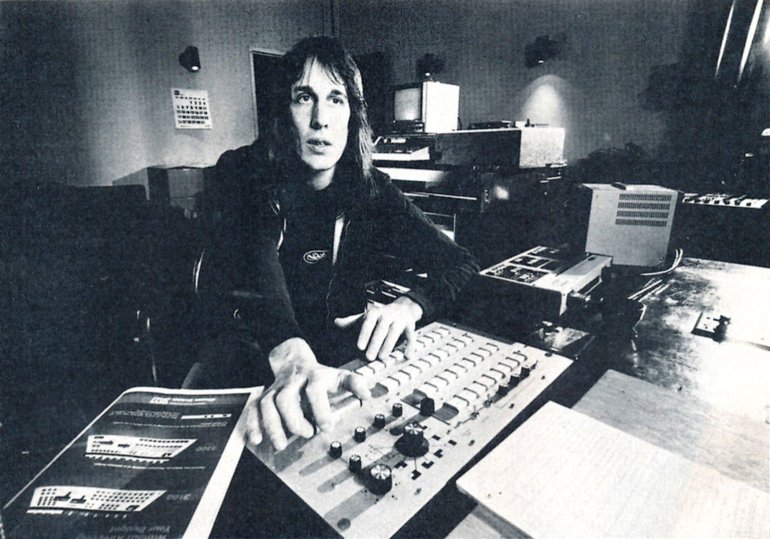
1. Which mid-’70s classic rock album did Todd Rundgren produce?
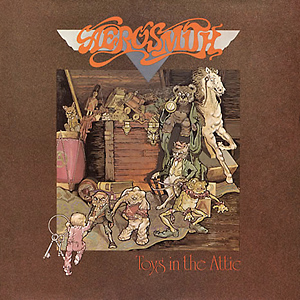
“Toys in the Attic,” Aerosmith

“Welcome to My Nightmare,” Alice Cooper
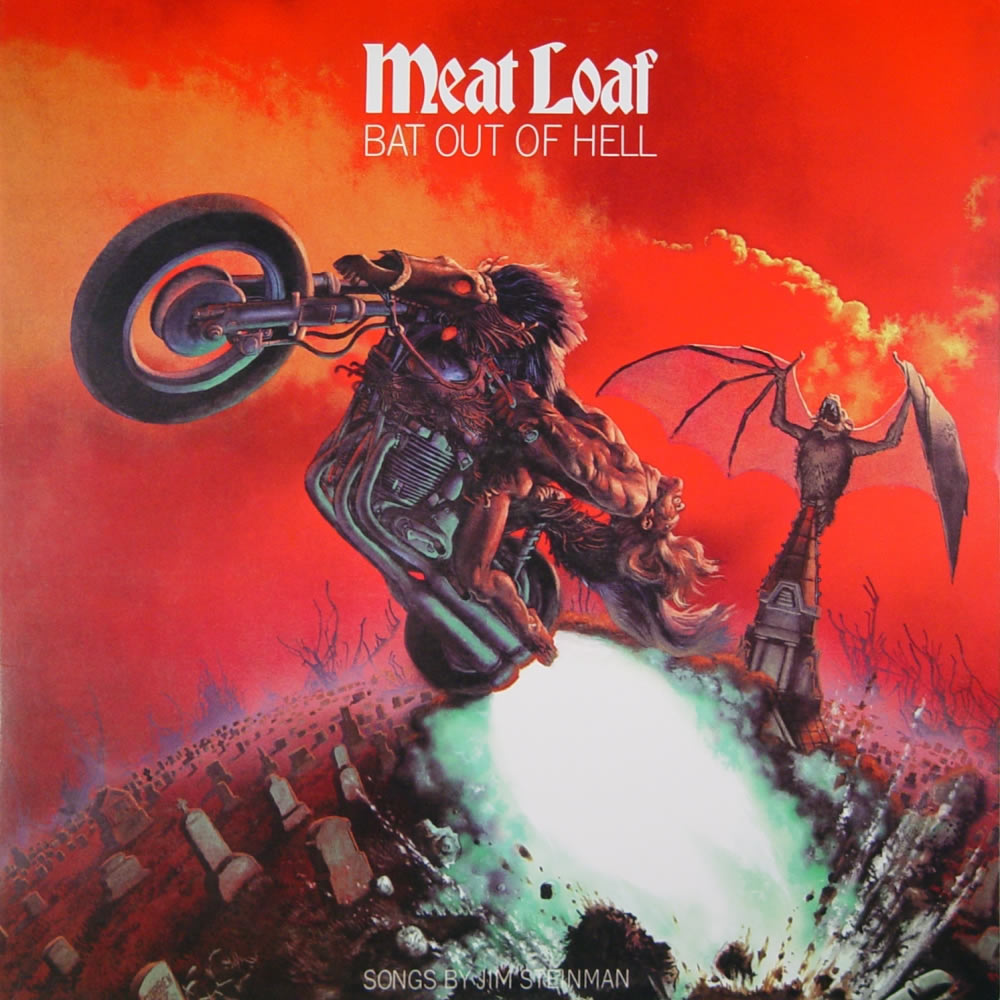
“Bat Out of Hell,” Meat Loaf
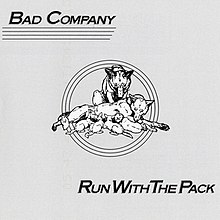
“Run With the Pack,” Bad Company

2. What job did Art Garfunkel hold before joining Paul Simon to become pop stars?

Newspaper reporter

Algebra teacher

Park ranger

Advertising copywriter

3. Stevie Wonder won the Album of the Year Grammy three times in the 1970s. Which album was NOT a Grammy winner for him?
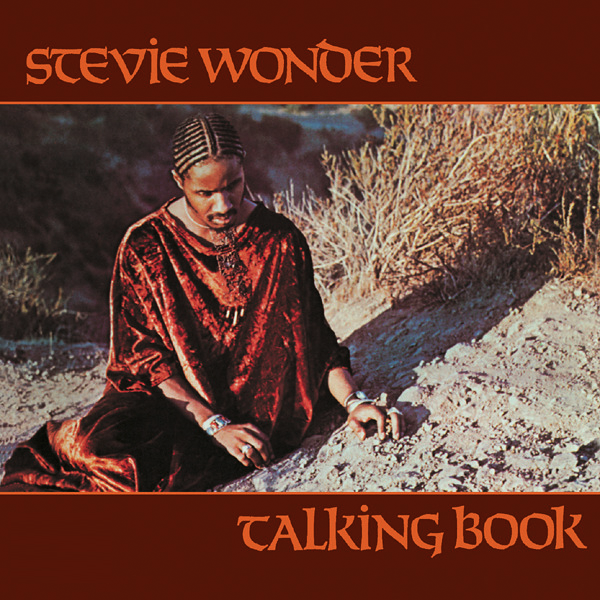
“Talking Book” (1972)
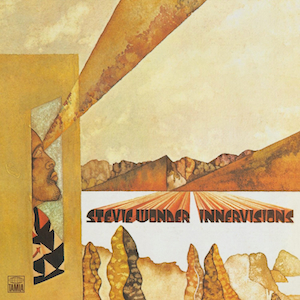
“Innervisions” (1973)

“Fulfillingness’ First Finale” (1974)
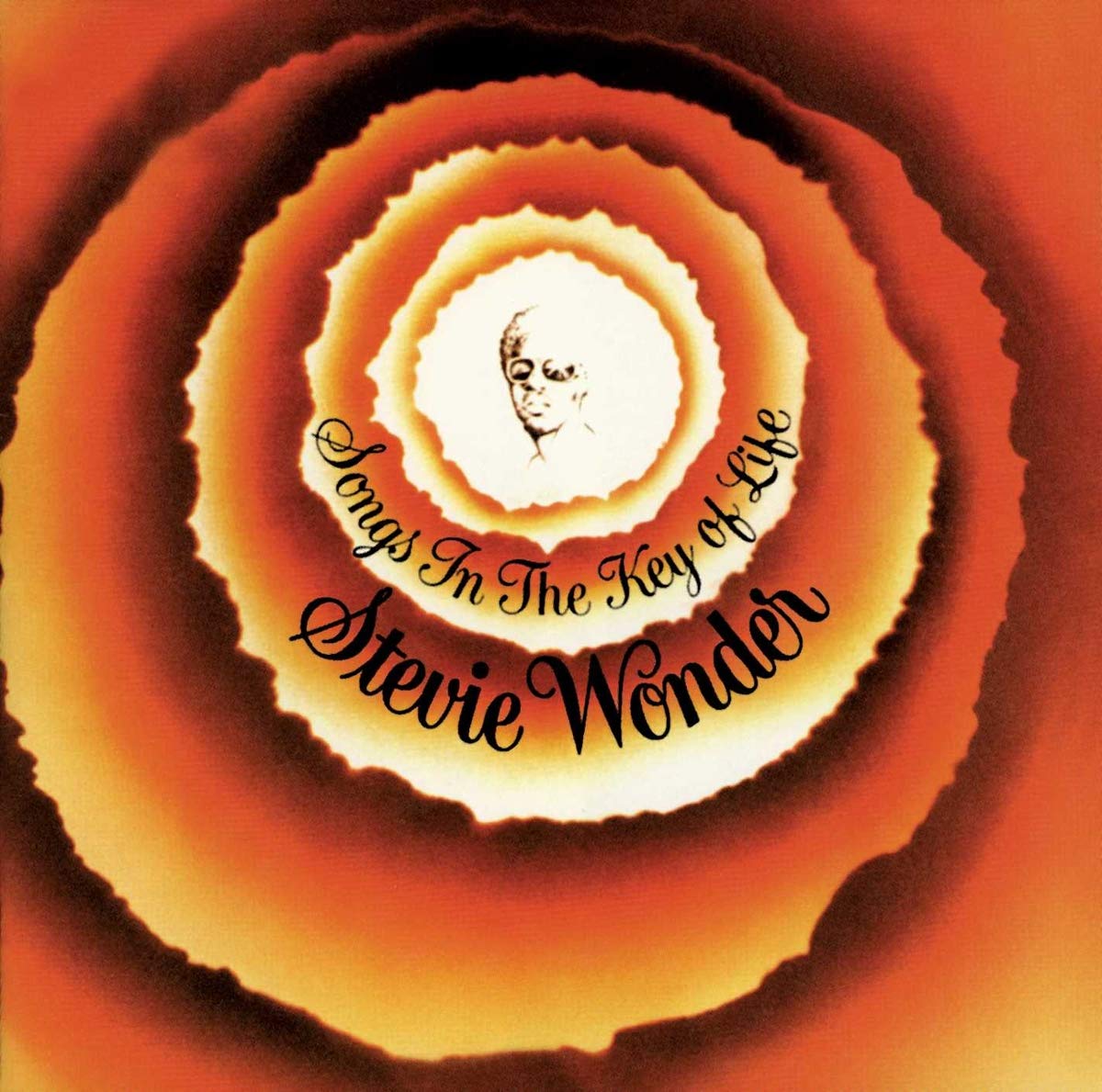
“Songs in the Key of Life” (1976)

4. What is the meaning behind the band name Lynyrd Skynyrd?

It’s a fictitious name

It was the name of a high school gym teacher

It was the name of a popular local head shop proprietor

It was the name of a modestly successful welterweight boxer
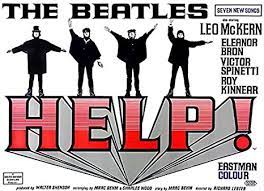
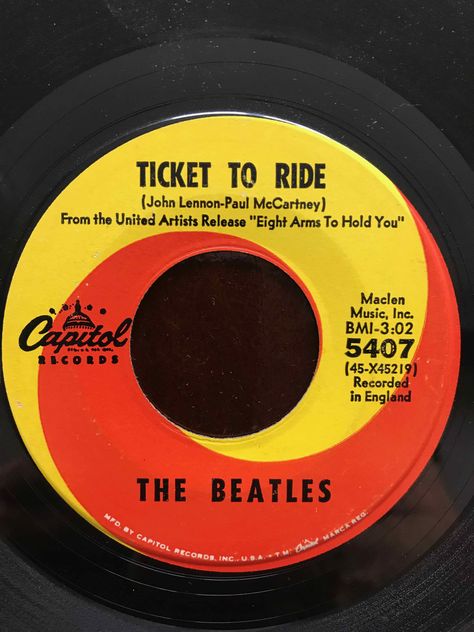
5. What was the original title of The Beatles second film, “Help!”?

“Ticket to Ride”

“Eight Arms to Hold You”

“Save Ringo!”

“The Night Before”

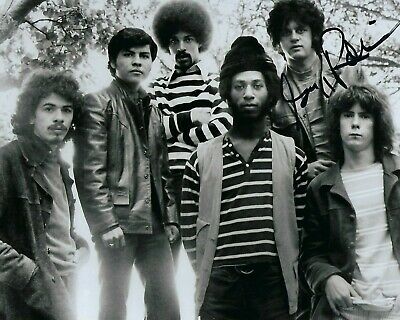
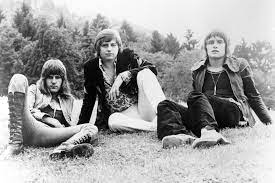
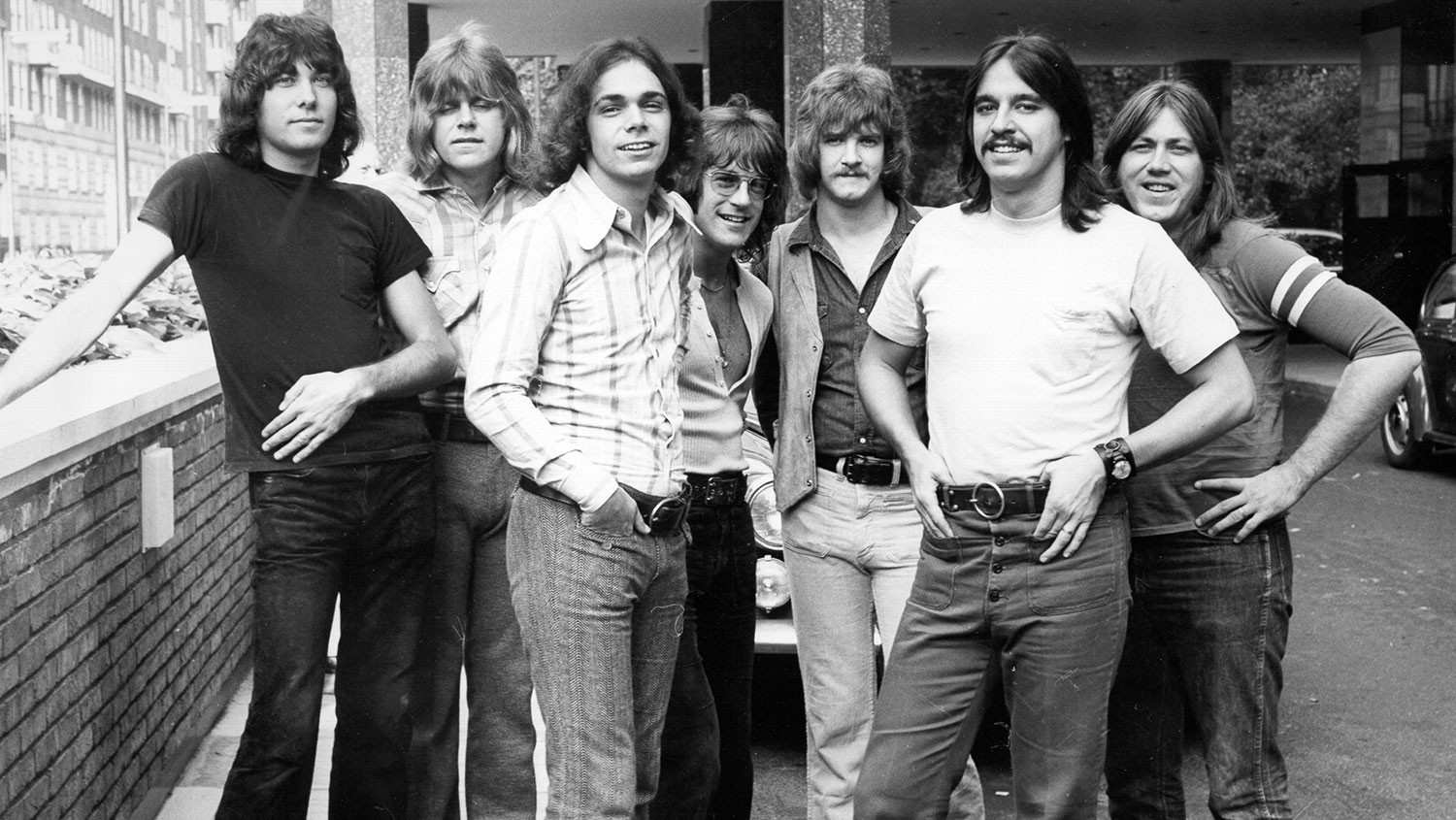
6. Which group’s debut was a double album?

The Doors

Santana

Emerson, Lake and Palmer

Chicago

7. When Brian Wilson quit touring with The Beach Boys in 1964, who briefly took his place?

David Crosby

Glen Campbell

Neil Diamond

John Denver

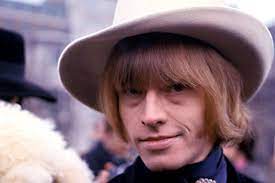
8. When The Rolling Stones’ Brian Jones died in 1969, where was his body found?

in the band’s tour bus

in his swimming pool

in the VIP Room of a London club

in his girlfriend’s bed

9. Which legendary blues artist successfully sued Led Zeppelin for partial credit and royalties related to their unauthorized use of his songs on two tracks from the “Led Zeppelin II” album?
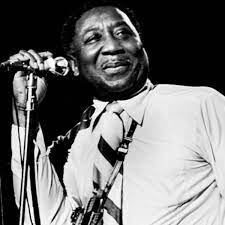
Muddy Waters

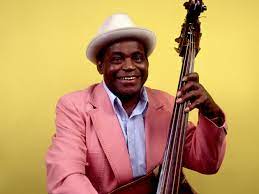
Willie Dixon

John Lee Hooker

B.B. King

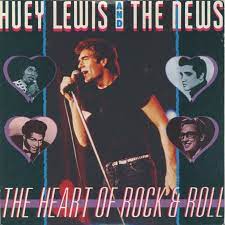
10. Which city is NOT mentioned in the lyrics of the Huey Lewis & The News hit “The Heart of Rock and Roll”?

Cleveland

Atlanta

San Francisco

Austin

11. In 1985, which rock musician performed at Live Aid in London, then flew across the pond on the Concorde in time to perform on Live Aid’s Philadelphia stage later the same day?

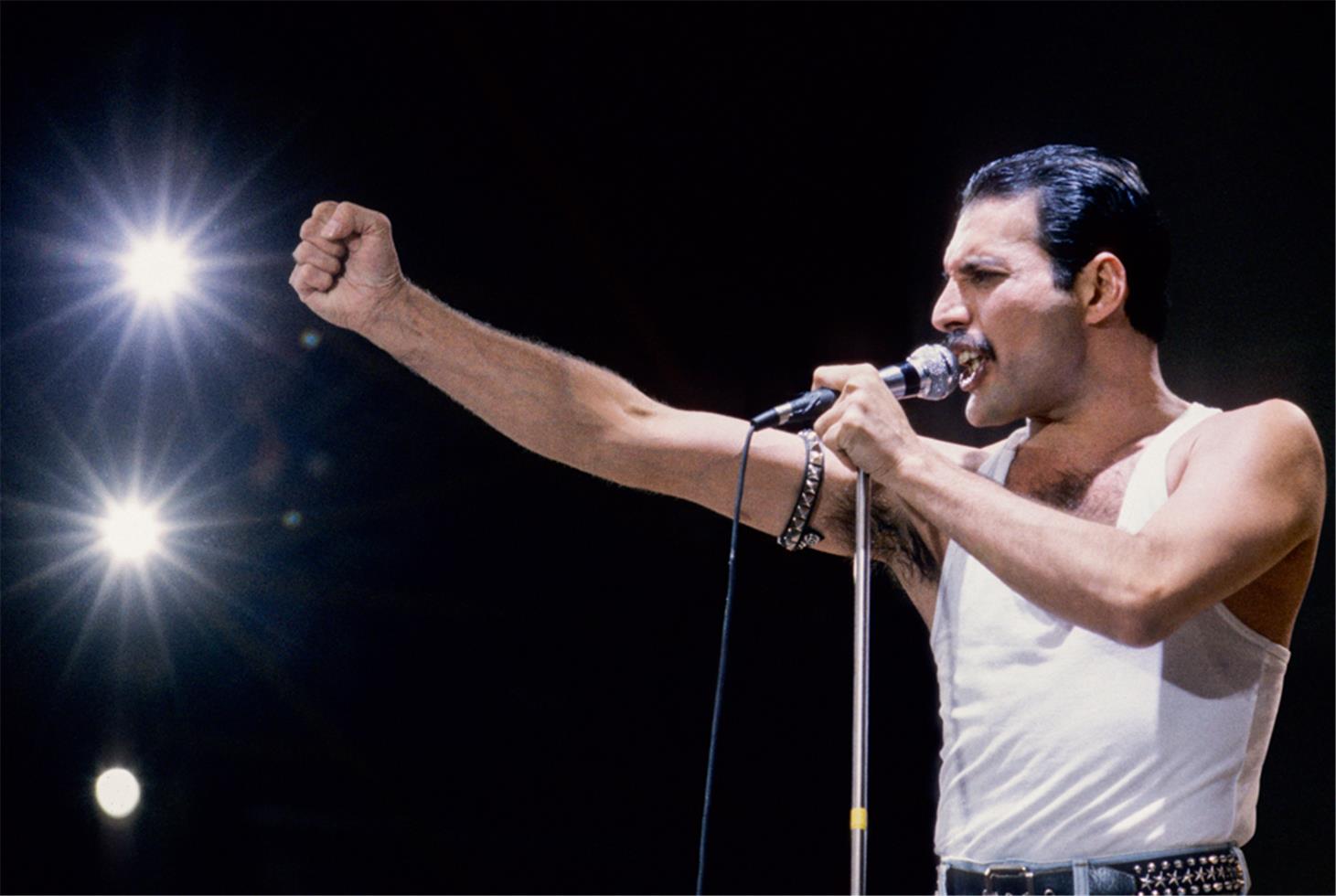
Sting

Freddie Mercury

Phil Collins

Eric Clapton

12. Which of these four James Taylor hit singles is the only one he composed?

“You’ve Got a Friend”

“Handy Man”

“Your Smiling Face”

“How Sweet It Is to Be Loved By You”

13. Four members of The Band are Canadian. Who is the only American?

Robbie Robertson

Garth Hudson

Levon Helm

Rick Danko

Richard Manuel

14. Which of these musicians did NOT participate in the recording sessions for George Harrison’s 1970 solo debut LP “All Things Must Pass”?

Billy Preston

Steve Winwood

Gary Wright

Dave Mason

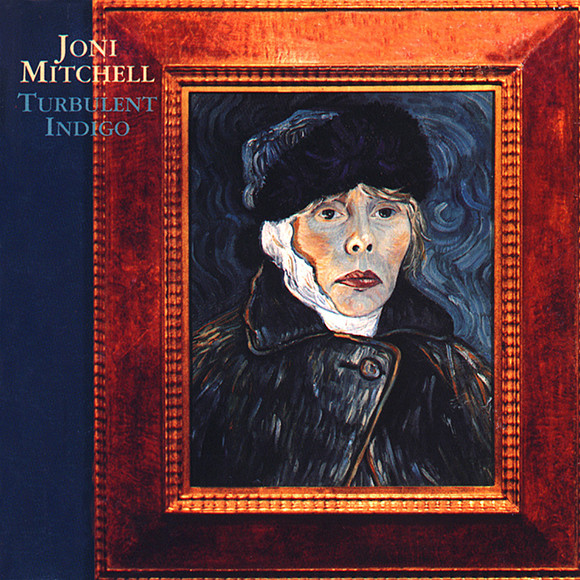
15. What is the only Joni Mitchell album to win a Grammy?

“Court and Spark” (1974)

“Blue” (1971)

“Turbulent Indigo” (1994)

“The Hissing of Summer Lawns” (1975)

*

*

*

*

*

*

*

*

*

*

*

*

*

*

*

ANSWERS
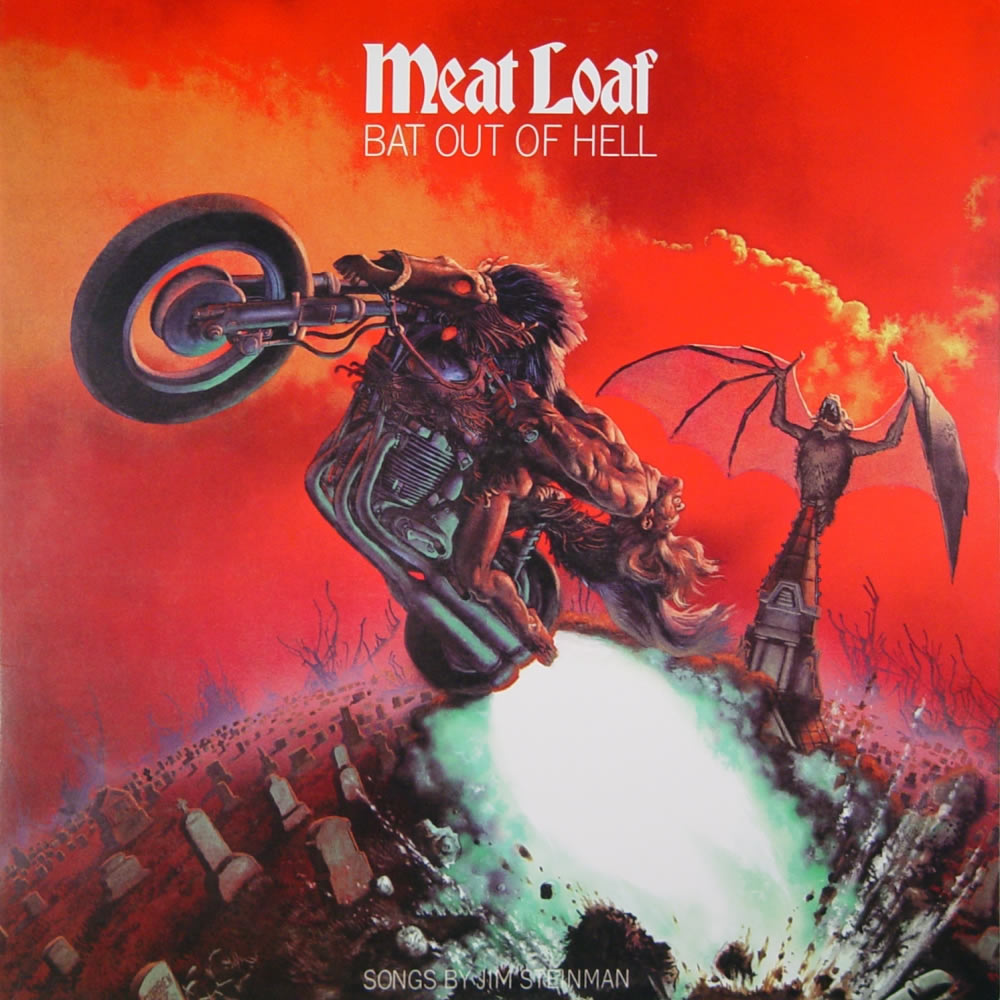
1. “Bat Out of Hell,” Meat Loaf

Rundgren, a formidable recording artist and songwriter, was also highly sought after as a producer during his long career. Although he never worked with Aerosmith, Alice Cooper nor Bad Company, he manned the boards for albums by many other bands, including Grand Funk, Badfinger, Hall and Oates, The Tubes and, most notably, Meat Loaf’s mega-platinum 1977 LP “Bat Out of Hell.” Once he heard songwriter Jim Steinman’s operatic songs and the way Meat Loaf sang them, he thought it could be recorded as a spoof on Bruce Springsteen’s “Born to Run” LP. The result was one of the biggest selling albums of the 1970s.

2. Algebra teacher

Garfunkel and Simon met in their Queens middle school, formed a duo named Tom and Jerry, and had one modest hit in 1957 with “Hey Schoolgirl.” They went their separate ways but reunited as Simon and Garfunkel in 1964 to record their first full LP, “Wednesday Morning 3 AM,” which included an acoustic version of “The Sound of Silence.” The album stiffed, so again they parted, and while Simon headed to England to write songs and play small clubs, Garfunkel earned a degree in math education and then taught high school algebra…until “The Sound of Silence” became a #1 hit in early 1966.
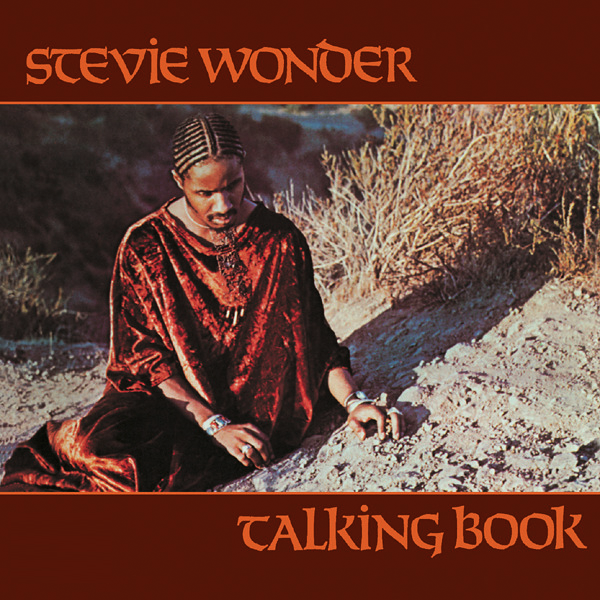
3. “Talking Book”

In 1971, Wonder turned 21 and won his freedom to cut a new contract with Motown Records that gave him total control over his records. After a couple of false starts, he hit pay dirt in 1972 with the critically acclaimed “Talking Book,” which yielded two #1 hit singles, “Superstition” and “You Are the Sunshine of My Life.” It won him his first Grammys in minor categories but wasn’t nominated in the Best Album category. His next three LPs, “Innervisions,” “Fulfillingness’ First Finale” and “Songs in the Key of Life” all won Album of the Year in a four-year span, an unsurpassed Grammy achievement.

Leonard Skinner

4. a high school gym teacher

Singer Ronnie Van Zant, guitarist Gary Rossington and drummer Bob Burns all attended the same Jacksonville high school in the late ’60s where a strict gym teacher named Leonard Skinner rigidly enforced the school’s policy regarding long hair on boys. When the guys decided their fledgling band, The One Percent, needed a new name, they decided to name themselves Lynyrd Skynyrd in mocking tribute to their rigid P.E. teacher. Skinner was none too pleased about it, but as the band became national rock stars, he grew to appreciate the attention. They even invited him on stage once to introduce them at a concert.

Mock-up of original film soundtrack

5. “Eight Arms to Hold You”

(Note the fine print)

When the movie eventually titled “Help!” was first being discussed, director Richard Lester, who had also directed “A Hard Day’s Night,” wasn’t sure what the film’s title ought to be. “Beatles Phase II” was suggested. Producer Walter Shenson proposed “The Day the Clowns Collapsed.” George Harrison offered “Who’s Been Sleeping in My Porridge?” Lester instead chose “Eight Arms to Hold You,” which alluded to the eight-armed bronze idol used as a backdrop in several scenes. Pressings of the 45 single “Ticket to Ride,” released a month earlier, said “from the UA film “Eight Arms to Hold You” on the label. At the last minute, Lester decided “Help!” was more marketable. John Lennon then wrote the song the same night.
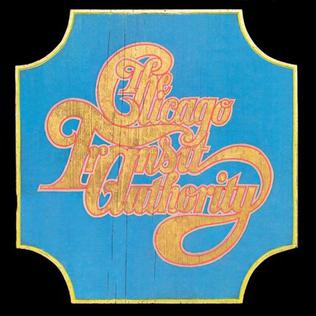
6. Chicago

It was incredibly bold for a recently discovered band to insist that Columbia Records let them release a double album right out of the gate, but “Chicago Transit Authority” became Chicago’s stunning debut in 1969. Even more daring was that their compelling second LP, “Chicago,” was also a double album…and so was “Chicago III,” although their luck ran out with that one. The Doors , Santana, and Emerson, Lake & Palmer all eventually released double albums in their careers, but their debut LPs (all superb, by the way) were the more traditional single albums.
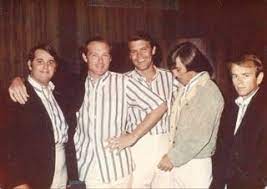
Campbell on tour as one of The Beach Boys

7. Glen Campbell

Wilson always preferring writing and recording songs, not performing them. Once the band started touring internationally in 1964, he had a breakdown and declared he would no longer go on the road, remaining in the studio. With tour dates already scheduled, the group had to act fast to fill the void on stage, and were lucky to have Campbell at the ready, who had been playing guitar and singing on several Beach Boys recordings. At that time, Crosby was in The Byrds, still waiting for their big break; Diamond was a Brill Building songwriter, hoping for his first single; and Denver had just joined The Mitchell Trio.
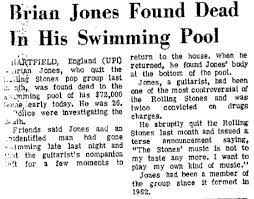
8. in his swimming pool

Frankly, any of the four choices listed would be a plausible answer. We’ve all read about rock stars and the excesses that might occur in luxury coach buses, backstage parlors, ladies’ bedrooms and the like. But Jones was, at the end, more reclusive, depressed about his diminishing influence in The Stones’ juggernaut. He preferred staying home at his estate with just a friend or two, partying to his heart’s content. He ended up in the pool on July 2, 1969, where the coroner said Jones drowned, labeling the cause as “death by misadventure,” a phrase British authorities employed to describe fatally risky behavior involving drugs.
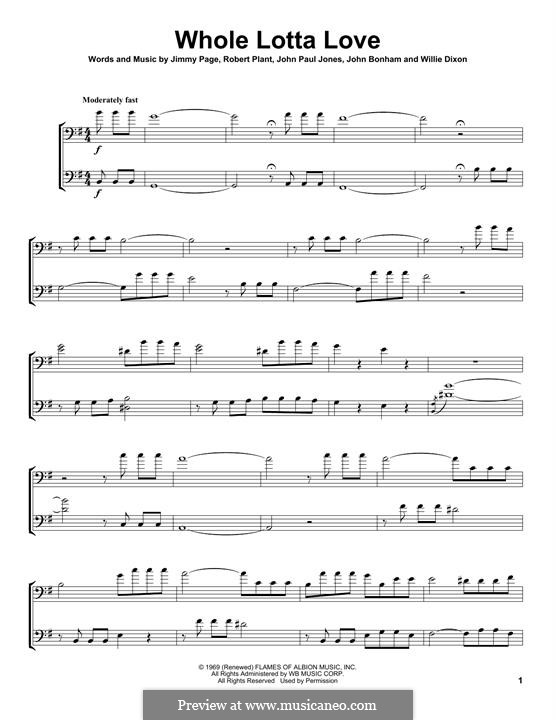
Sheet music giving partial credit to Willie Dixon

9. Willie Dixon

One of the architects of the Chicago Blues sound, Dixon was a bassist, songwriter and producer, working with virtually every major blues artist in the ’40s, ’50s and ’60s. He wrote “Hoochie Coochie Man,” “Spoonful,” “Little Red Rooster” and many others. Lyrics and musical passages from Dixon’s “You Need Love” were prominent in Led Zep’s #4 hit “Whole Lotta Love,” and the band recorded an altered version of Dixon’s song “Bring It On Home” without giving even partial credit. Dixon won a 1987 judgment. Muddy Waters, John Lee Hooker and B.B. King had a few unsuccessful plagiarism suits of their own.
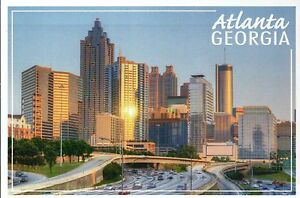
10. Atlanta

Lewis and his band had just played a high-energy show for an enthusiastic Cleveland audience and were headed out of town when the lead singer, still buzzed from the vibe, told the band and crew, “You know what? The heart of rock and roll is in Cleveland!” He wrote a song about it, but he was persuaded to broaden its appeal by including other cities in the verses, ultimately focusing on New York and L.A., as usual. In addition to Cleveland, you can hear references to Austin, San Francisco, Boston, Seattle, Oklahoma City, Detroit, Philly, D.C., San Antonio, Tulsa, Baton Rouge…but not Atlanta.

11. Phil Collins

In 1985, Collins was so omnipresent, you could barely swing a cat around by its tail without hitting him in the head. His solo material was in heavy rotation, duets with Marilyn Martin and Philip Bailey went to #1, and songs he sang with Genesis were always cropping up as well. So it’s not at all surprising that this triple threat overachiever would attempt this crazy feat: For the historic Live Aid concert in August, he performed four songs alone and/or with Sting at Wembley Stadium, then whisked off on the Concorde to Philadelphia, U.S.A., to perform two solo songs, and also play drums for Clapton’s and Led Zeppelin’s sets.

12. “Your Smiling Face”

Throughout his career, Taylor has made a habit of recording stirring, convincing covers of other people’s songs: Carole King’s “You’ve Got a Friend,” his only #1 hit; “Handy Man,” the 1959 Jimmy Jones tune that went to #4 for Taylor in 1977; “How Sweet It Is (To Be Loved By You),” the Holland-Dozier-Holland classic popularized by Marvin Gaye. But Taylor is, of course, a mighty fine songwriter himself, composing great stuff like “Carolina In My Mind,” “Fire and Rain,” “You Can Close Your Eyes,” “Don’t Let Me Be Lonely Tonight” and his Top Twenty hit “Your Smiling Face,” from his wonderful “JT” album in 1977.
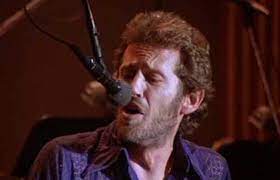
13. Levon Helm

The Band were originally The Hawks, a backup group for Toronto-based rockabilly singer Ronnie Hawkins, who had handpicked the best musicians from other Canadian bands to join him. That’s how guitarist/songwriter Robbie Robertson, bassist Rick Danko, and keyboard players Richard Manuel and Garth Hudson first came together. Drummer/singer Levon Helm, on the other hand, was Arkansas-born, like Hawkins himself, and had migrated to Ontario with him in 1957. Ten years later, The Band went out on their own, recorded “Music From Big Pink” and “The Band,” and became a major musical influence.

Musician credits for the “All Things Must Pass” LP

14. Steve Winwood

When George Harrison was at last free to record his own songs without John Lennon and Paul McCartney around, he reached out to a broad spectrum of mostly British musicians to add their chops to various tracks on his sprawling “All Things Must Pass” triple album. Billy Preston provided piano parts on many songs; Gary Wright was invited to play organ on several sessions; and Dave Mason pitched in on acoustic guitar on a couple of tunes. Eric Clapton, Ringo Starr, Gary Brooker and others were there, too…but not Steve Winwood, who was busy recording the next Traffic LP at the time.

Joni Mitchell, 1994

15. “Turbulent Indigo”

How extraordinarily screwed up it is that a one-of-a-kind talent like Joni Mitchell had to wait until her 15th album, 25 years after her debut, before voters at The Grammys figured out she was worthy of a major award. Her magnificent confessional LPs like “Blue,” “For the Roses” and “Court and Spark” and bolder jazz excursions like “The Hissing of Summer Lawns” and “Hejira” were all more than worthy of such accolades, but in fact, it wasn’t until her return to introspection in 1994 with the subtle “Turbulent Indigo” LP that she won the “Pop Album of the Year” Grammy.

*******************************

I’ve been taking on a new direction

We’re from all parts of the country, and all parts of the world. No matter where we’re from, we can travel east, west, north, south, and find someone and something new and different. Something exciting, something dangerous, something sweet and sublime, something magnificent. As E.B. White once wrote. “Wherever the wind takes us. High, low. Near, far. East, west. North, south. We take to the breeze. We go as we please.”

Old compass on white background with soft shadow

You’d think there would be hundreds of popular songs that focus on one of the four primary directions on the compass, but in my recent search, I came up with only a couple dozen. From the catalog of tunes from the ’60s, ’70s and ’80s and a few more recent, I have selected four each that mention North, South East or West in the title. They’re an eclectic group of songs, and you can listen to them on the Spotify playlist I compiled and placed at the end of this post.

Happy traveling!

***************************

“Northern Sky,” Nick Drake, 1971

During his lifetime, Drake was a chronically shy, withdrawn person with enormous talent as a sensitive singer/songwriter whose three albums were poorly promoted and sadly under-appreciated. More recently, his work has been celebrated by artists from Beck and Aimee Mann to the Black Crowes and R.E.M. On “Northern Sky,” from his second LP, “Bryter Layter,” Drake welcomed the input of producer John Cale, who added piano, bass and drums to Drake’s typically sparse arrangement, creating what has been called “the most unabashedly joyful song in Drake’s canon.” It should have been his breakthrough single, but that never happened. He died at age 26 of an accidental overdose of antidepressants.

Life in a Northern Town,” Dream Academy, 1985

This sublime piece of “baroque pop,” as one critic described it, was written as an elegy to Nick Drake, who died in 1974. Nick Laird-Clowes and Gilbert Gabriel, chief songwriters of The Dream Academy, said the song was heavily influenced by Drake’s music, and even the vocals are reminiscent of Drake. The music on “Life in a Northern Town” is a smart blend of classical structure, African rhythms, psychedelia and pop, and it reached #7 on the US pop charts in early 1986. The lyrics pay tribute to Drake and mourn his passing at a young age: “And though he never would wave goodbye, you could see it written in his eyes as the train rolled out of sight…bye-bye…”

“North and South of the River,” U2, 1997

Bono and The Edge teamed up with veteran Irish folk singer Christy Moore in 1995 to write this tune, which Moore recorded and released in the UK. Its lyrics offer a message of hope for reconciliation between warring factions, and most observers believe the song is about Northern and Southern Ireland, or the north and south sides of the River Foyle in the battle-scarred city of Londonderry. U2 recorded it in 1997 and relegated it to the B-side of a single because, as Bono put it, “If we featured that song on an album, it might be reason enough for the Troubles to start up again. We’ve got to be smarter now.” The song also appeared on the group’s “The Best of 1990-2000” compilation.

“North and South,” The Clash, 1985

Perhaps the most important band of the British punk rock movement, and post-punk and new wave as well, was The Clash, who enjoyed widespread critical acclaim in the late ’70s and commercial success in the early ’80s. Following the fine showing of their “Combat Rock” LP and “Rock the Casbah” single in the US in 1982, internal dissension between co-songwriters Joe Strummer and Mick Jones caused a nasty breakup. New members were brought in, but The Clash’s sixth and final LP, “Cut the Crap,” was widely panned for heavy-handed production techniques. Still, there were a couple of decent tracks, like “North and South,” written and sung by newcomer Nick Sheppard.

*************************

“Southbound,” The Allman Brothers Band, 1973

The “Brothers and Sisters” LP is a perfect example of how a period of difficult challenge can produce superb results. The Allman Brothers had lost their leader Duane Allman and then their bass player Berry Oakley, both to motorcycle wrecks, but they decided to soldier on with Dickey Betts leading the way and other musicians like keyboardist Chuck Leavell and guitarist Les Dudek playing guest roles. Thanks to the #2 hit “Ramblin’ Man,” the superb instrumental “Jessica” and Gregg Allman tunes like “Wasted Words” and “Come and Go Blues,” the album reached #1. Betts also contributed the “Southbound,” a spirited guitar/piano blues workout.

“South of the Border,” The Doobie Brothers, 1989

In 1975, Tom Johnston, the leader/guitarist/singer/songwriter of The Doobies, was forced to leave the lineup because of bleeding ulcers and exhaustion. Keyboardist/crooner Michael McDonald was recruited and ultimately took the band in a more soulful direction for its second phase. After breaking up in 1982, The Doobies regrouped in 1989 with Johnston back at the forefront and released “Cycles,” which recalled the band’s early LPs. Johnston’s tune “The Doctor” became a Top Ten single, but just as compelling was his marvelous boogie groove, “South of the Border,” about riding to “a sleepy little town” in Mexico for a romantic rendezvous.

“Southern Cross,” Crosby, Stills and Nash, 1982

In 1982, Rick and Michael Curtis wrote a song called “Seven League Boots” and showed to Stephen Stills. “They brought us this wonderful song, but I decided to write a new set of words for it, a story about a long boat trip I took after my divorce. It’s about using the power of the universe to heal your wounds.” It became “Southern Cross,” named for the Crux constellation, and went to #18 on the US charts: “When you see the Southern Cross for the first time, you understand now why you came this way, /’Cause the truth you might be runnin’ from is so small, but it’s as big as the promise, the promise of a comin’ day…”

“Down South,” Tom Petty, 2006

On his third solo LP without The Heartbreakers, Petty, a native of Florida, wanted to write about the South. “It’s a very romantic place, but it’s also a spooky place,” he said. “You’d think a lot of ghosts still linger down there. I’d written about the South years ago, and I wondered, ‘What if I went back? What would be my impressions?’ And then it came pretty easily. I wrote all the lyrics before I wrote the music.” It’s one of his best: “Create myself down south, impress all the women, /Pretend I’m Samuel Clemens, wear seersucker and white linens, /So if I come to your door, let me sleep on your floor, /I’ll give you all I have, and a little more…”

**************************

“Looking East,” Jackson Browne, 1996

One of Southern California’s native sons and very best singer-songwriters, Browne sang and wrote poignantly about life and love on his 1970s LPs and then turned his attentions to politics and global issues in the mid-1980s and beyond. On his 1996 album “Looking East,” the title track found Browne philosophical about what’s to come with the dawn: “Standing in the ocean with the sun burning low in the west, at the edge of my country, my back to the sea, looking east… And there’s a God-sized hunger underneath the laughing and the rage, /In the absence of light and the deepening night where I wait for the sun, looking east…”

“East at Midnight,” Gordon Lightfoot, 1986

Canada’s premier songwriter since the 1960s had quite an impressive run on the US charts throughout the 1970s, but when pop music tastes changed in the ’80s, sales fell off. Lightfoot continued to write and record great songs, including “Dream Street Rose, Baby Step Back,” “Anything For Love” and particularly the title track from his 1986 album, “East of Midnight.” Its lyrics adopt a familiar Lightfoot theme of a traveling man looking for romance and a place to rest his head: “Put me somewhere east of midnight, along about daylight, /Anywhere I wander is where I’ll take my rest, /If we could just lie down, toss some thoughts around…”

“East of the Sun (and West of the Moon),” Frank Sinatra, 1961

Wrritten back in 1935 by a Princeton University junior named Brooks Bowman for the college’s a cappella singing groups, this tune became a standard by the mid-1940s. It’s been recorded by dozens of major stars like Sarah Vaughan, Billie Holiday, Tony Bennett, Ella Fitzgerald and Diana Krall, and even instrumental,ists like Al Hirt, Charlie Parker and Stan Getz. The Tommy Dorsey Orchestra recorded it in 1940 with a very young Frank Sinatra, and Sinatra recorded it again in 1961 for a tribute LP called “I Remember Tommy.”

“East of Eden,” Michael McDonald, 1993

First as a background vocalist for Steely Dan, then as a full-fledged member of The Doobie Brothers, and finally as a solo artist, McDonald became a ubiquitous presence on Top 40 radio in the ’70s and ’80s. His work in the 1990s failed to gain much attention, though, especially his 1993 LP “Blink of an Eye,” which didn’t chart at all. There’s a nice, spiritually driven tune he wrote called “East of Eden” that’s worth a listen: “The world goes mad around us as I stand by and watch you sleep, /In the hope that harm won’t find us, I pray the lord our souls to keep, /Does he see us here? Are we precious in his sight? /Or are we merely dust on this tiny ball he hurled out into the night somewhere east of Eden…”

**************************

“Once Upon a Time in the West,” Dire Straits, 1979

For the leadoff track on Dire Straits’ second album, “Communiqué,” songwriter/guitarist Mark Knopfler wrote a downbeat piece comparing London’s West End to the American Wild West, where, in both cases, you had to watch your step and avoid dangerous situations. “Once Upon a Time in the West” benefits from Knopfler’s spooky, fluid guitar style, which is the perfect complement for the forbidding lyrics: “Sitting on a fence, that’s a dangerous course, /Oh, you could even catch a bullet from the peace-keeping force…”

“Wild, Wild West,” The Escape Club, 1988

Here’s another example of a British band comparing life in London in the late ’80s to the American Wild West. The Escape Club’s guitarists, Trevor Steel and John Holliday, were the songwriters that came up with the music and lyrics for this unusual song, which has sexual connotations, as did the edgy music video played heavily on MTV at the time. It reached #1 in the US in 1988, with references to the East/West conflict and the Cold War of the Reagan years: “Got to live it up, live it up, Ronnie’s got a new gun, /She’s so mean but I don’t care, I love her eyes and her wild wild hair, /Dance to the beat that we love best, /Heading for the Nineties, living in the wild Wild West…”

“West End Girls,” Pet Shop Boys, 1985

Neil Tennant and Chris Lowe of The Pet Shop Boys wrote this haunting, yet danceable pop hit, which was #1 in the UK in 1985 and in the US in 1986. It’s about class struggles and the challenges of inner-city life in London, delivered in a half-sung, half-spoken voice. I love how citric Nitsuh Abebe describes it: “Tennant mumbles the verses to us not like a star, but like a stranger in a raincoat, slinking alongside you and pointing out the sights.” All the music on the track was created digitally — drums, bass, synthesized strings, even trumpet — using an Emulator.

“Into the West,” Annie Lennox, 2003

“Lord of the Rings” director Peter Jackson wanted a poignant, moving song that would work well for the conclusion of “Return of the King,” the final chapter of the Tolkien trilogy. Film score composer Howard Shore collaborated with screenwriter Fran Walsh and the great Annie Lennox to write “Into the West,” sung by Lennox, which won a Grammy, a Golden Globe and an Oscar for best original song that year. The song’s meaning can be viewed from the perspectives of various characters as the epic tale ends, but some say it’s about Death singing to everyone as they prepare to pass away.

*******************************

Honorable mentions:

Girl From the North Country,” Bob Dylan, 1963/1969; “North Sea Oil,” Jethro Tull, 1979; “Southern Man,” Neil Young, 1970; “South of the Border (Down Mexico Way),” Chris Isaak, 1996; “South Dakota Morning,” The Bee Gees, 1973; “Salty South,” Indigo Girls, 2009; “Southbound Again,” Dire Straits, 1978; “South City Midnight Lady,” The Doobie Brothers, 1973; “East at Easter,” Simple Minds, 1984; “Eastbound and Down,” Jerry Reed, 1977: “Wild West,” Joe Jackson, 1985; “West L.A. Fadeaway,” The Grateful Dead, 1987; “Wild West Hero,” ELO, 1977.