Let’s talk about sex, baby
Sex and Drugs and Rock ‘n’ Roll. The notorious hat trick of vices.
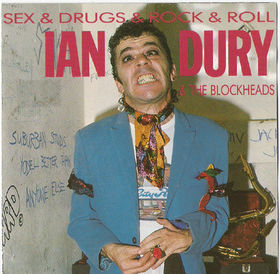
It’s been a familiar phrase since at least 1977, when British punk rocker Ian Dury had a mildly popular single by that name. There was even a cable TV comedy series a few years back called “Sex&Drugs&Rock&Roll.”
So let’s explore the connection between sex and rock & roll. You’ll note that sex is the first thing mentioned, and that’s no coincidence. From the very beginning, even before there was a genre called rock and roll, the black communities in this country were grooving to rhythm and blues, boogie-woogie and gospel, and they certainly weren’t sitting down. They were, as they liked to call it, “rockin’ and rollin'” — swaying, dancing, bumping and grinding, and yes, having sex to the relentlessly contagious rhythms.
So the very term “rock and roll” is actually a euphemism for sexual intercourse. Disc jockey Alan Freed was well aware of that when he started using the term “rock and roll” on his Cleveland radio show in 1951 to describe the new musical hybrid that combined elements of rhythm and blues, country, gospel and swing. He often chuckled to himself when he thought about how mainstream America would soon adopt the term and use it liberally to describe this new music, without knowing that it really meant SEX.
The country’s relatively Puritan culture in the 1940s and ’50s forbade mention or depiction of sex in films and popular music, but if you spoke in code and kept it mild, you could sneak in a song now and then. Dozens of blues tunes featured lyrics about sex (“I Want a Bow-Legged Woman,” “My King-Sized Papa,” “It Ain’t the Meat, It’s the Motion”), but these were certainly not songs you found on the Hit Parade.
Perhaps that era’s most overt example of a mainstream hit about sex was “Makin’ Whoopee,” written way back in 1928 but popularized by Ella Fitzgerald in 1954 and Frank Sinatra in 1956. It really wasn’t all that racy; its lyrics began with the pleasures of married sex but soon devolved into the tedious routine and responsibility of spouse and kids, all resulting from the aforementioned whoopee: “Another bride, another June, another sunny honeymoon, another season, another reason for makin’ whoopee…He’s washin dishes and baby clothes, he’s so ambitious, he even sews, so don’t forget, folks, that’s what you get, folks, for makin’ whoopee…”
In 1959, a country singer named Floyd Robinson took it a step further with a rock and roll song entitled “Makin’ Love,” whose lyrics leave no doubt: “What would people think? What if people knew? Instead of being off to school, all day I was with you, makin’ love, makin’ love…” It was yanked from the airwaves in many markets but still managed to reach #20 on Billboard’s Top 40 chart.
For the most part, any reference to sex in rock song lyrics during its first decade (1955-1965) was buried deep in vague language. Witness “Wake Up, Little Susie” by The Everly Brothers: “The movie’s over, it’s four o’clock and we’re in trouble deep…We fell asleep, our goose is cooked, our reputation is shot, wake up, little Susie…” Nothing ever happened, but they’re still afraid of the public perception.

Starting around 1967 (about the same time veiled references to drugs started appearing, too), taboo topics and more blatant references began showing up in popular music lyrics. Van Morrison’s classic “Brown-Eyed Girl” spoke of “making love in the green grass behind the stadium with you.” The Who’s hit “Pictures of Lily” is all about how dirty magazines help a young man learn about self-pleasuring: “Pictures of Lily made my life so wonderful, pictures of Lily helped me sleep at night, pictures of Lily solved my childhood problem, pictures of Lily made me feel all right…”
Leave it to The Beatles to be among the first to come right out and say it with these lyrics from the 1968 “White Album”: “Why don’t we do it in the road, no one will be watching us, why don’t we do it in the road?”
In 1969, master songwriter Bob Dylan offered a #8 song which made no bones about the narrator’s wishes: “Lay lady lay, lay across my big brass bed, stay lady stay, stay with your man a while, until the break of day, let me see you make him smile…”
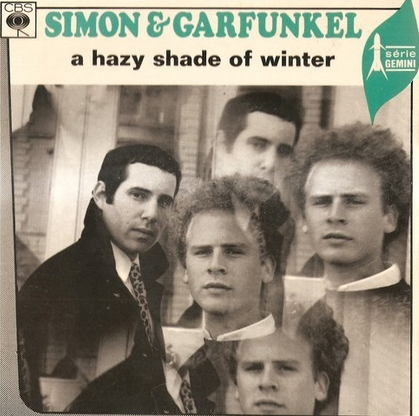
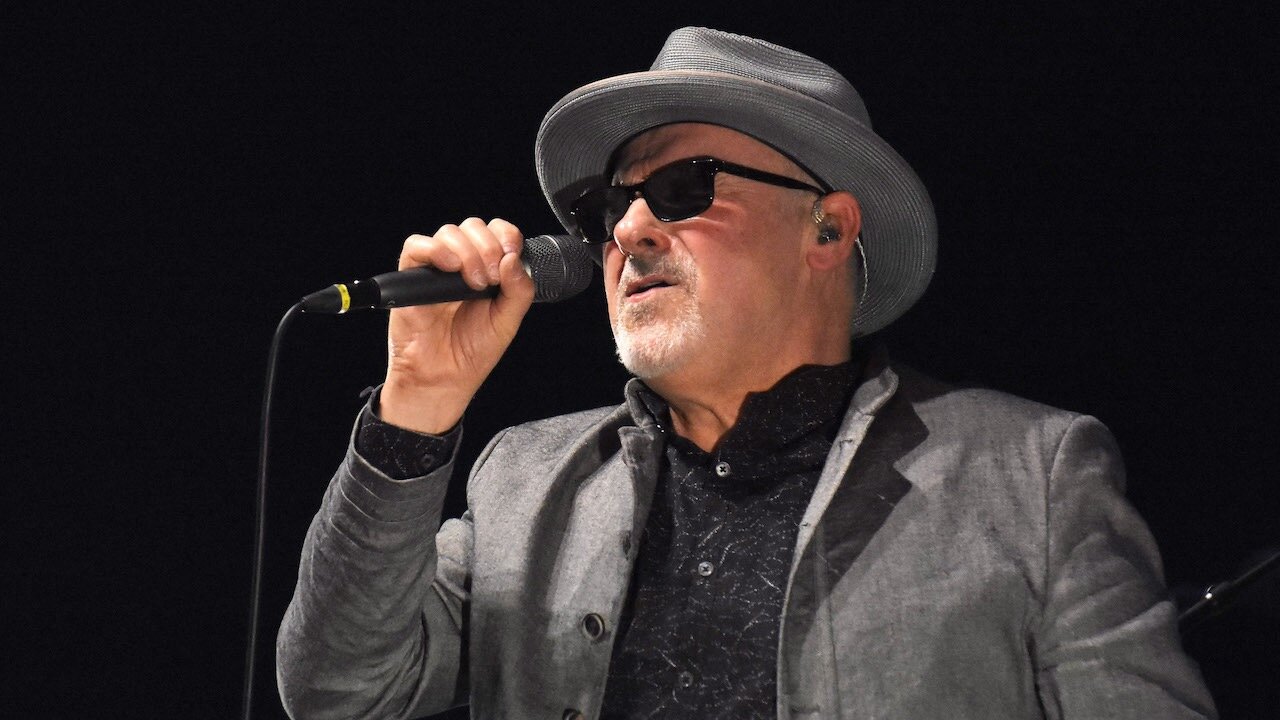
Even the introspective Paul Simon was capable of a boldly whimsical song like “Cecilia,” which seemed to hint at a threesome: “Making love in the afternoon with Cecilia up in my bedroom, I got up to wash my face, when I come back to bed, someone’s taken my place…”

The culture started changing considerably in the Seventies, as the sexual revolution gathered steam and the music and film industries pushed the boundaries of acceptability. I’ll never forget the first time I heard an instrumental track called “Jungle Fever” by a Belgian group called The Chakachas in 1972. It offered no lyrics about sex, in fact no lyrics at all, but with the intermittent heavy breathing and orgasmic moaning, it was easily the most blatantly sexual song ever at that point.
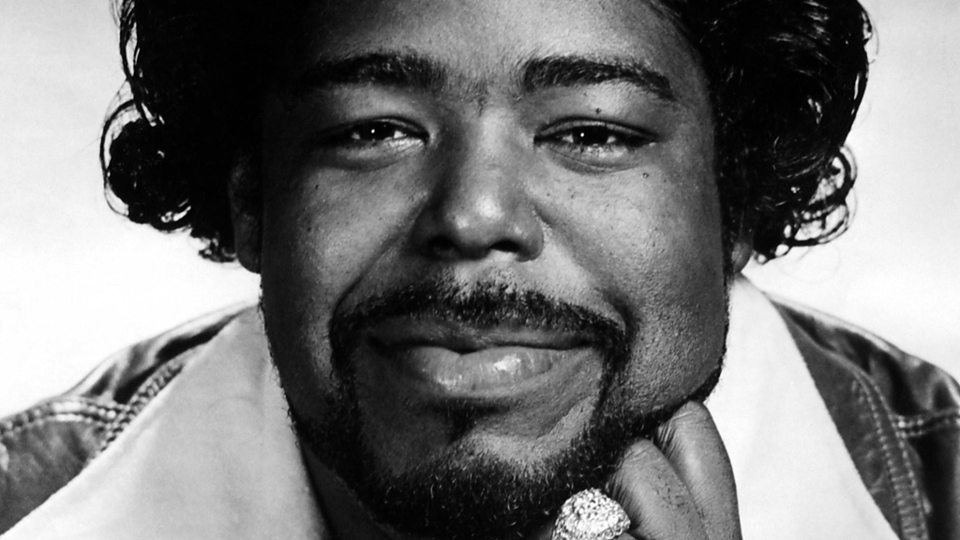
And then there was Barry White. His lyrics weren’t overtly sexual, graphic or profane in any way, but his songs and their delivery were so steamy hot and sensual, I’d wager to say there were more babies conceived to his music than any other artist of his time.
Under the mainstream radar, plenty of deep album tracks pushed the envelope on sexual lyrics (see “Dinah-Moe Humm” by Frank Zappa). But even on the Top 40 charts, lyrics about sex were suddenly everywhere, coming from hard rock bands, disco divas, power pop groups, soul music artists, singer-songwriters…even MOR acts like The Captain and Tennille and Olivia Newton-John. Some were suggestive, some were romantic, some were naughty, even nasty. A sampling:
“Whole Lotta Love,” Led Zeppelin: “Way, way down inside, I’m gonna give you my love, I’m gonna give you every inch of my love, want a whole lotta love…”

“Get Up (I Feel Like Being a) Sex Machine,” James Brown: “Get on up like a sex machine…get on up, then shake your money maker…”
“Brown Sugar,” The Rolling Stones: “I’m no schoolboy but I know what I like, you shoulda heard me just around midnight, brown sugar, how come you taste so good? Brown sugar, just like a young girl should…”
“Brand New Key,” Melanie: ” I’m okay alone, but you got something I need, I got a brand new pair of roller skates, you’ve got a brand new key, I think that we should get together and try them out to see…”

“Go All the Way,” The Raspberries: “She kissed me and said, ‘Baby, please go all the way, it feels so nice being with you here tonight’…”
“Walk on the Wild Side,” Lou Reed: “In the back room, she was everybody’s darling, but she never lost her head, even when she was giving head, I said hey babe, take a walk on the wild side…”
“Let’s Get It On,” Marvin Gaye: “I’m asking you, baby, to get it on with me, I ain’t gonna worry, I ain’t gonna push, come on, come on, stop beating around the bush, let’s get it on…”
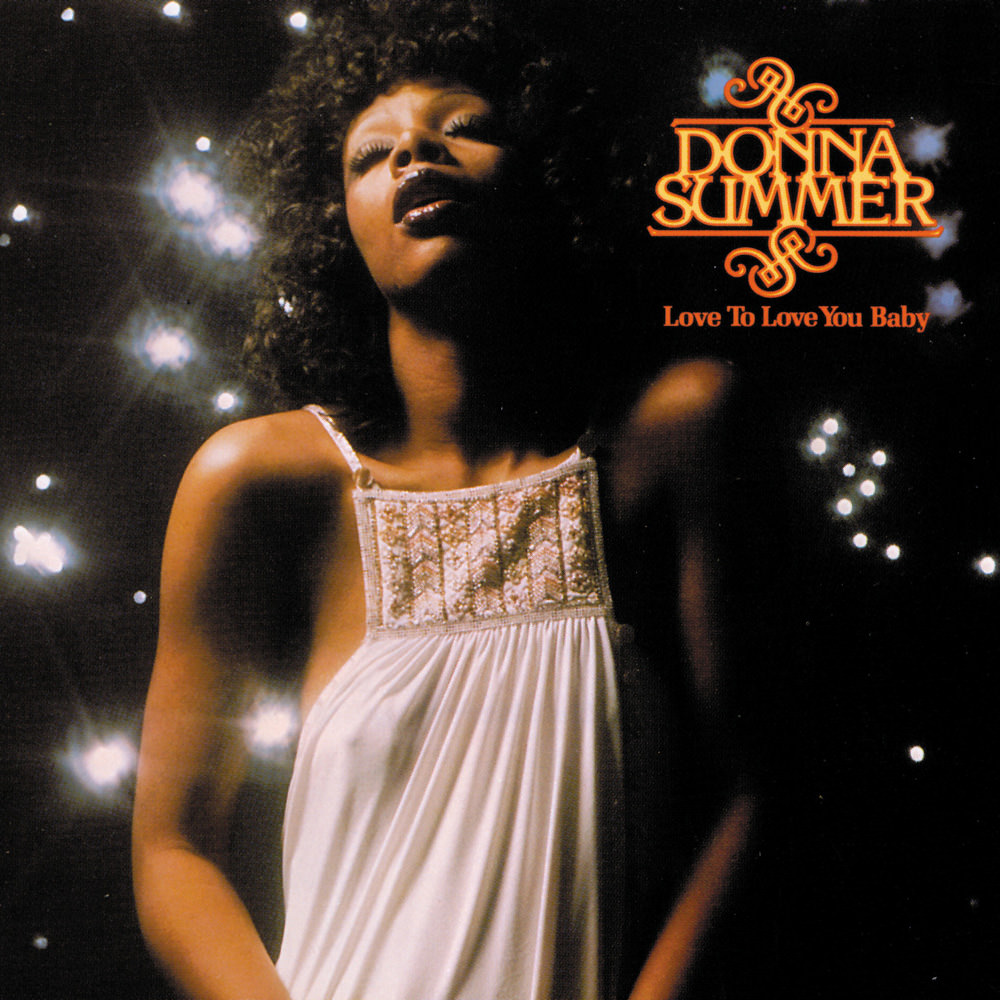
“Love to Love You Baby,” Donna Summer: “I love to love you baby, do it to me again and again, you put me in such an awful spin, in a spin, I love to love you, baby…”
“Feel Like Makin’ Love,” Bad Company: “You know I would give you both night and day, love satisfyin’, I feel like makin’, feel like makin’ love…”
“Midnight at the Oasis,” Maria Muldaur: “You won’t need no harem, honey, when I’m by your side, and you won’t need no camel, no no, when I take you for a ride…”
“Miracles,” Jefferson Starship: “I had a taste of the real world, didn’t waste a drop of it, when I went down on you, girl…”

“Sexy Mama,” The Moments: “I wanna open up them love gates…I think in just a moment there’s gonna be a love explosion, go ahead and let your jones get good and funky…”
“Get Down Tonight,” KC and the Sunshine Band: “Do a little dance, make a little love, get down tonight…”
“Afternoon Delight,” Starland Vocal Band: “Rubbin’ sticks and stones together, make the sparks ignite, and the thought of loving you is getting so exciting, sky rockets in flight, afternoon delight…”

“Tonight’s the Night,” Rod Stewart: “Come on, angel, my heart’s on fire, don’t deny your man’s desire, you’d be a fool to stop this tide, spread your wings and let me come inside, tonight’s the night, gonna be all right…”
“Paradise By the Dashboard Light,” Meat Loaf: “Ain’t no doubt about it, we were double blessed, we were barely 17 and we were barely dressed, we’re gonna go all the way tonight, we’re gonna go all the way, and tonight’s the night…”

“Do That to Me One More Time,” The Captain and Tennille: “Once is never enough with a man like you, do that to me one more time, I can never get enough of a man like you, whoa, kiss me like you just did, oh baby, do that to me once again…”
“Physical,” Olivia Newton-John: “There’s nothing left to talk about unless it’s horizontally, let’s get physical, physical, let me hear your body talk…It’s getting hard, this holding back, if you know what I mean…”
By the time the Eighties rolled around, the old barriers seemed to have been completely obliterated. Heavy metal groups (Quiet Riot, Def Leppard), R&B artists (Teddy Pendergrass), mainstream divas (Sheena Easton, Madonna) and early hip-hop bands (Salt-N-Pepa, 2 Live Crew) were utterly brazen in the way they used sex as a lyrical topic.
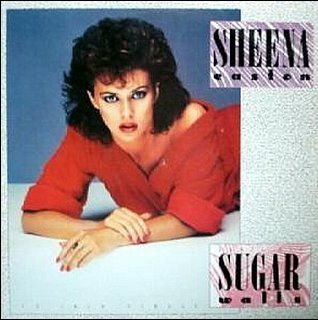
“Sugar Walls,” Sheena Easton: “Blood races to your private spots, lets me know there’s a fire, you can’t fight passion when passion is hot, temperatures rise inside my sugar walls…”
“Turn Off All the Lights,” Teddy Pendergrass: “Let’s take a shower, shower together baby, I’ll wash your body and you’ll wash mine, yeah, rub me down in some hot oils, baby, and I’ll do the same thing to you…”
“Like a Virgin,” Madonna: “Touched for the very first time…Feels so good inside, when you hold me and your heart beats…”
“Push It,” Salt-n-Pepa: “Can’t you hear the music’s pumpin’ hard like I wish you would, now push it, push it good…”

“I Want Your Sex,” George Michael: “Sex is something we should do, sex is something for me and you, sex is natural, sex is good, not everybody does it, but everybody should…”
“Pour a Little Sugar on Me,” Def Leppard: “You gotta squeeze a little, tease a little more, easy operator, come a-knockin’ on my door, sometime, anytime, sugar me sweet, I’m hot sticky sweet, from my head to my feet…
“Love in an Elevator,” Aerosmith: “In the air, in the air, honey, one more time, now it ain’t fair, love in an elevator, livin’ it up when I’m goin’ down…”
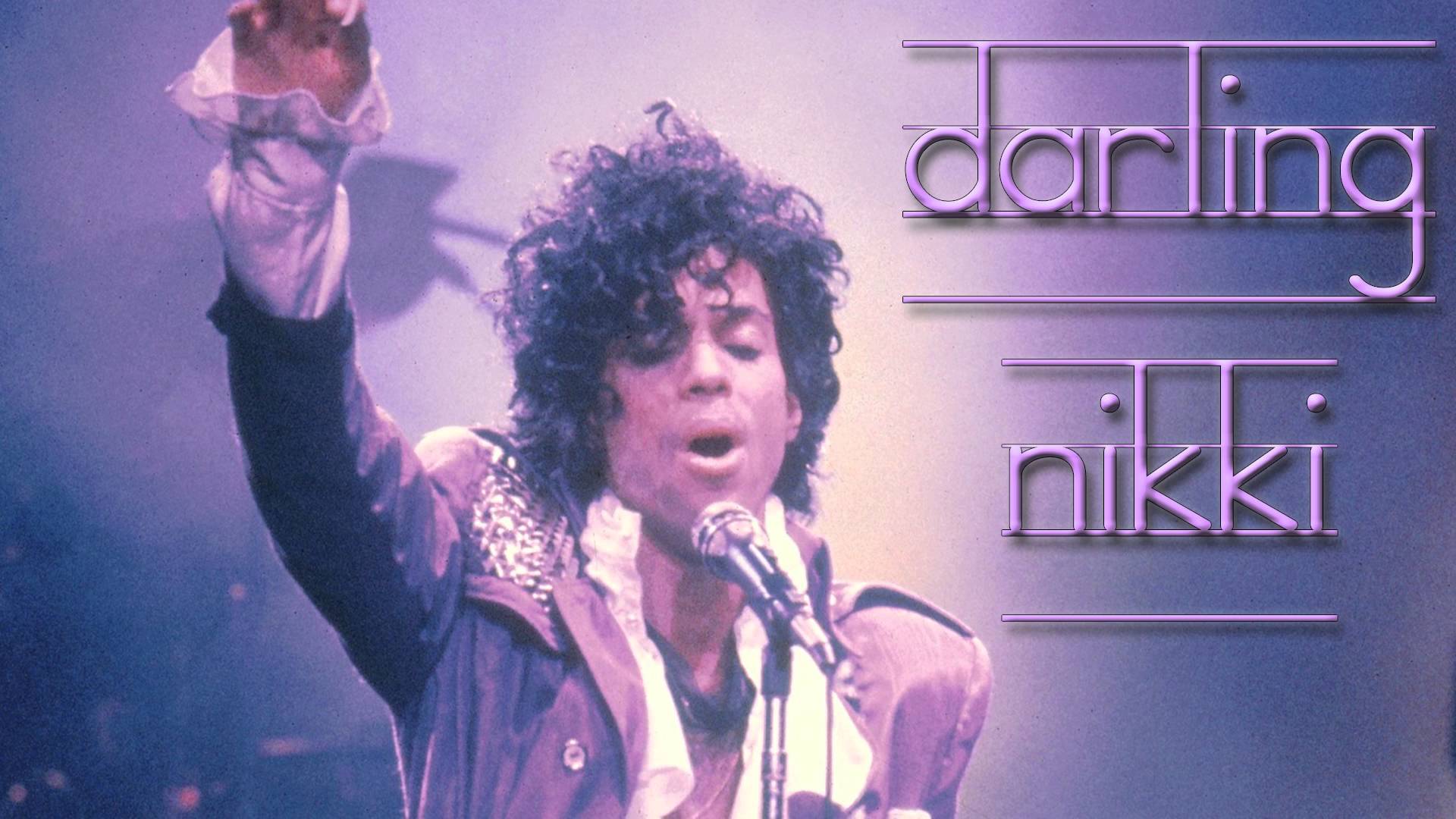
The late great Prince may have been the boldest practitioner of the dirty sex lyric, starting with his “Dirty Mind” album right up through tracks like “Head,” “Jack U Off” and the infamous “Darling Nikki,” which is generally regarded as the match that ignited the fuse for Congress to slap parental warning stickers on albums with offensive lyrics. Here’s why: “I met her in a hotel lobby masturbating with a magazine, she said, ‘how’d you like to waste some time?’, and I couldn’t resist when I saw little Nikki grind…”

As the Nineties arrived, well, many older music fans started longing for the days when there was at least a modicum of discretion about sex in song lyrics. I’m no prude, that’s for damn sure, but holy crap, I can’t even quote from songs like 2 Live Crew’s “Me So Horny,” Ginuwine’s “Pony” or Nine Inch Nails’ “Closer,” or hundreds and hundreds of others released in the past 20 years. You’ll have to look ’em up yourself.
I’ll just say this: Is there no filter anymore? Is there no boundary that won’t be crossed? Is it really necessary to be so damn graphic and ugly in our lyrical expressions of sex? It’s kind of like the difference between scantily clad and naked — leaving something to the imagination can be much sexier…
Needless to say, we’ve come a long way from ’60s songs like The Stones’ “Let’s Spend the Night Together,” or Tommy James and The Shondells’ “I Think We’re Alone Now”: “Trying to get away into the night, and then you put your arms around me and we tumble to the ground and then you say, ‘I think we’re alone now, the beating of our hearts is the only sound’…”
You can hear the progression of sex lyrics over the decades on the Spotify list below:



















 Hack's Back Pages