How’s that for openers?
Every writer — novelist, speechwriter, essayist, lyricist — knows that you’ve got to have a great opening line. You need a thought, an image or a line of dialog that really grabs readers/listeners and pulls them in.
You might startle them, make them chuckle, shock them or just caress them in such a way that they have no choice but to stick around and see what happens next.

In the song lyrics of classic rock, there are many thousands of great examples of this. From The Beatles’ “I read the news today, oh boy” to Simon and Garfunkel’s “Hello darkness, my old friend”, the archives runneth over with captivating opening lines that demand our attention.
Many songs take the easy way out and start things off by using the title as the opening line (“Hey Jude, don’t make it bad”, “Here’s to you, Mrs. Robinson”), and that has certainly been a successful tactic as well. I’m drawn, however, to the song lyrics that begin with some mystery, some indelible image, some phrase that I simply must follow to learn more.
I’ve selected two dozen of my favorite opening lines from rock songs of the ’60s, ’70s and ’80s for you to ruminate on and identify. For the most part, these should generally be rather easy to pick out because they’re mostly from big hits. As usual, you can scroll down in the text to find the answers, and a little bit of info about what inspired the songwriters. And there’s a Spotify list at the end so you can enjoy hearing the lyrics performed by the artists.
Good luck!
************************
1 “Just yesterday morning, they let me know you were gone…”
2 “I was a little too tall, could’ve used a few pounds…”
3 “In the corner of my eye, I saw you in Rudy’s, you were very high…”
4 “Well, no one told me about her, the way she lied…”
5 “It was raining hard in Frisco, I needed one more fare to make my night…”
6 “It was the Third of June, another sleepy, dusty Delta day…”
7 “Chewin’ on a blade of grass, walkin’ down the road…”
8 “Now I’ve heard there was a secret chord that David played, and it pleased the Lord…”
9 “Stayed in bed all morning just to pass the time…”
10 “‘There must be some kind of way out of here,’ said the joker to the thief…”
11 “I saw her today at the reception, a glass of wine in her hand…”
12 “It’s the same kind of story that seems to come down from long ago…”
13 “Let us be lovers, we’ll marry our fortunes together…”
14 “The screen door slams, Mary’s dress sways…”
15 “Really don’t mind if you sit this one out…”
16 “On a morning from a Bogart movie, in a country where they turn back time…”
17 “Picture yourself in a boat on a river with tangerine trees and marmalade skies…”
18 “I can see her lying back in her satin dress in a room where you do what you don’t confess…”
19 “On a dark desert highway, cool wind in my hair…”
20 “Hey, where did we go, days when the rains came…”
21 “You walked in to the party like you were walking onto a yacht…”
22 “If there’s a smile on my face, it’s only there trying to fool the public…”
23 “When are you gonna come down? When are you going to land?…”
24 “Gonna write a little letter, gonna mail to it my local deejay…”
25 “I came upon a child of God, he was walking along the road…”
*
*
*
*
*
*
*
*
*
ANSWERS:

1 “Just yesterday morning, they let me know you were gone…”
“Fire and Rain,” James Taylor, 1970
Taylor’s breakthrough hit address three issues in its three verses: the loss of a friend, his struggle against addiction, and his concerns for the future of his career. Taylor had spent time in a psychiatric hospital at age 18 and, upon release, he learned his ladyfriend had killed herself, which became the stark opening line of “Fire and Rain,” a mature piece about the ups and downs of life.
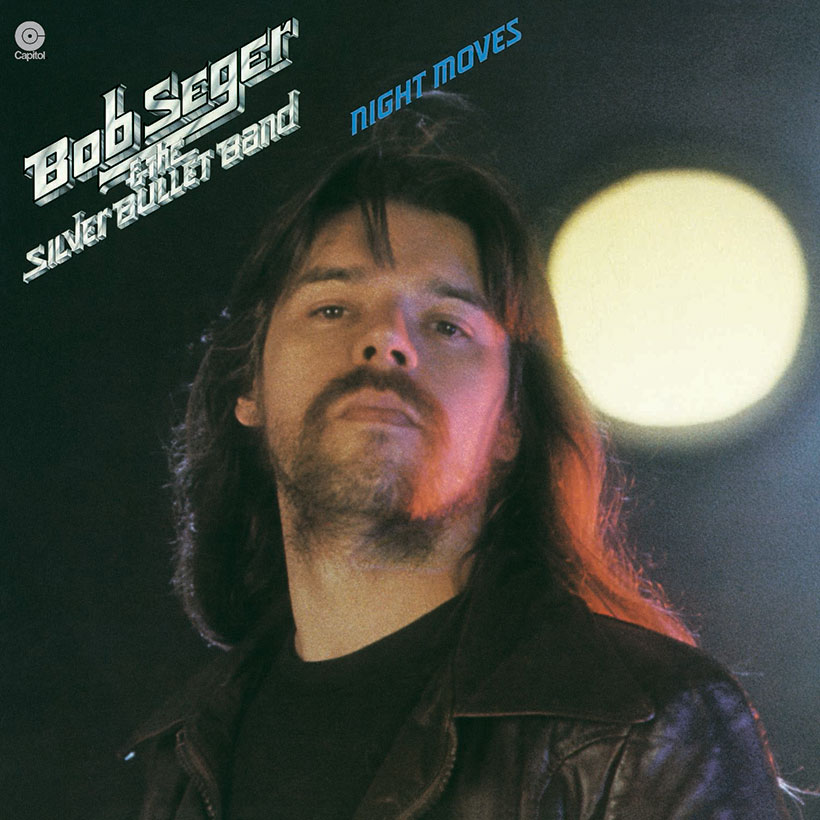
2 “I was a little too tall, could’ve used a few pounds…”
“Night Moves,” Bob Seger, 1976
After seeing “American Graffiti” upon its release, Seger was inspired to write his own story about adolescent love and coming-of-age challenges. He said he lacked self-confidence and felt physically awkward — “a little too tall, could’ve used a few pounds,” as he wrote in the opening line of “Night Moves” — but his ability to sing and play music gave him an in with the “cool” kids, he recalled.
3 “In the corner of my eye, I saw you in Rudy’s, you were very high…”
“Black Cow,” Steely Dan, 1977
I could’ve picked almost any song from the Steely Dan catalog to include here. The Fagen-Becker songwriting team had an uncanny ability to draw you in with mischievously cryptic lyrics. In this song, they revealed years later, the narrator is talking about a girl he used to be involved with, who’s sitting stoned at Rudy’s soda fountain drinking a coke float (known as a Black Cow in many regions of the country).

4 “Well, no one told me about her, the way she lied…”
“She’s Not There,” The Zombies, 1964
When Rod Argent was encouraged to write an original song for the group’s upcoming session, he was inspired by a John Lee Hooker song called “No One Told Me,” deciding that would be a great opening line to describe a cheating, dishonest woman who, when the shit hit the fan, up and disappeared. Breakup songs were popular, but one that vilified the woman for being a chronic liar was something new in 1964.

5 “It was raining hard in Frisco, I needed one more fare to make my night…”
“Taxi,” Harry Chapin, 1972
Chapin developed an enviable reputation as a songwriting storyteller, introducing characters and their evolving relationships with uncommon flair. Here, in his signature tune, Chapin sets the stage by identifying the locale, the weather and the protagonist’s occupation all in one busy opening line. He goes on to introduce his former flame, who’s rich but evidently very unhappy (at least, compared to Harry).

6 “It was the Third of June, another sleepy, dusty Delta day…”
“Ode to Billie Joe,” Bobbie Gentry, 1967
Here’s another fine example of an opening line that beautifully captures an image — in this case, life in the South one hot summer afternoon. It reads almost like a William Faulkner novel, and it sure makes me say, “Go on…” There’s a great deal more to the story, but it left certain crucial facts unstated, which created curiosity in listeners and kept them coming back to examine the lyrics many times over.
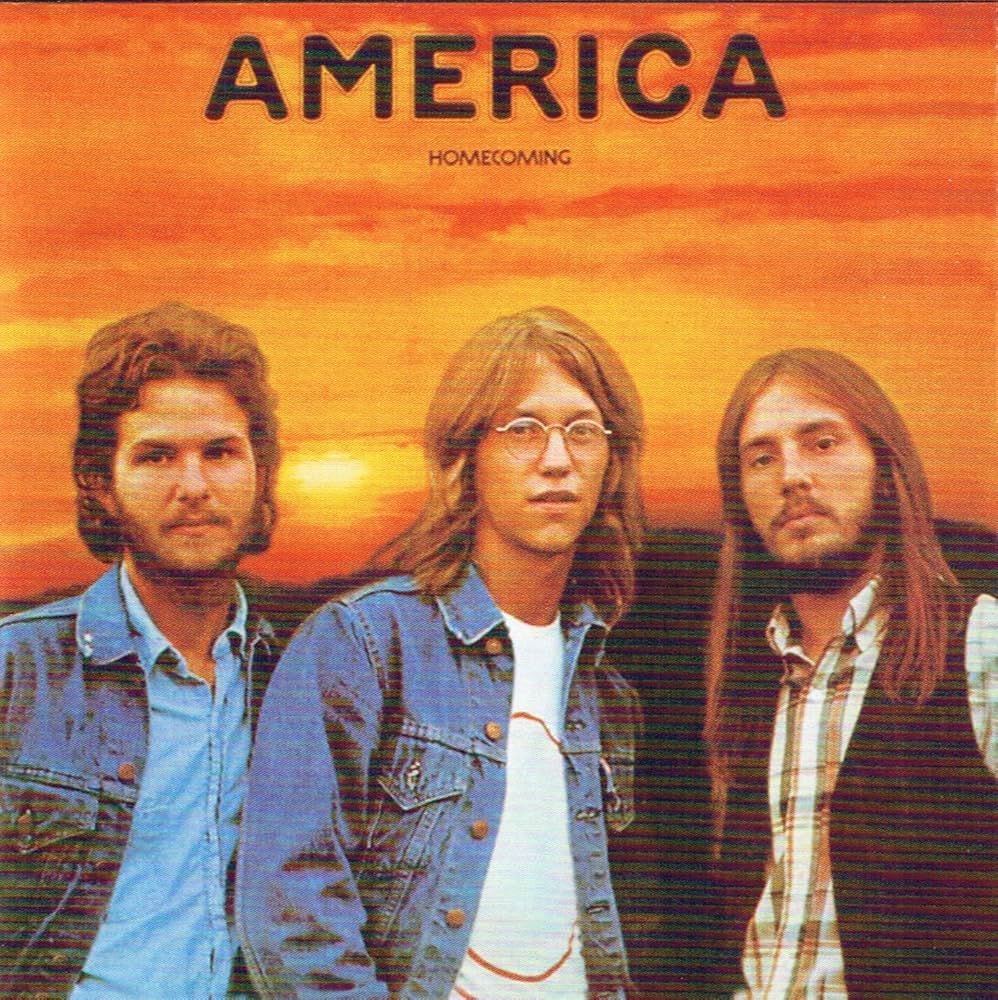
7 “Chewin’ on a blade of grass, walkin’ down the road…”
“Ventura Highway,” America, 1972
Dewey Bunnell, one of the trio of singer-songwriters who comprised America, said he remembered growing up in the cornfields of Nebraska, wondering if there wasn’t more to life than chewing on grass, walking down a rural road. Maybe he could head out West to California, where he vacationed with his family. He envisioned the Pacific Coast Highway but he called it Ventura Highway, which doesn’t really exist, although some consider it Route 101, which travels through the town of Ventura.
8 “Now I’ve heard there was a secret chord that David played, and it pleased the Lord…”
“Hallelujah,” Leonard Cohen, 1984
Legend has it that Cohen agonized for months over the lyrics to this epic piece, composing as many as 75 different verses before settling on just three for the final recording, which appeared on his 1984 LP. Other artists, most notably Jeff Buckley, took the song to much greater chart heights than Cohen’s original, but “Hallelujah” remains one of the most important songs in the Canadian poet laureate’s extraordinary catalog.

9 “Stayed in bed all morning just to pass the time…”
“It’s Too Late,” Carole King, 1971
Breakup songs can be brutal and full of bitterness or, conversely, they can be tender and tinged with sadness. Carole King’s sometime collaborator Toni Stern came up with this treatment that approaches its subject gingerly, knowing that the end of the relationship has arrived but wanting to end it on soft ground without so much heartbreak. Who hasn’t wanted to stay in bed longer rather than face a tough decision?

10 “‘There must be some kind of way out of here,’ said the joker to the thief…”
“All Along the Watchtower,” Bob Dylan, 1967
Even though Jimi Hendrix’s ferocious cover version is the one most people know, Dylan’s stark original does an amazing job of capturing the same apocalyptic intensity in a different way. The opening line is a grabber, but it has been said that Dylan’s brief tale actually begins with the final verse, and ends with the beginning, where the princes stood in the watchtower keeping an eye out for the impending doom.

11 “I saw her today at the reception, a glass of wine in her hand…”
“You Can’t Always Get What You Want,” The Rolling Stones, 1969
I can’t count the number of times I’ve used this opening line as I have approached a female friend holding a glass of vino at a wedding reception. The woman Mick Jagger sings about here turns out to be out of reach because she has another agenda. He wrote this amazing song as a philosophical treatise on how to balance our desires for the unattainable with our basic needs for the more basic elements of life.

12 “It’s the same kind of story that seems to come down from long ago…”
“Hypnotized,” Fleetwood Mac, 1973
The insistent, hypnotic music created by this earlier lineup of Fleetwood Mac is matched by furtive lyrics that remind us, “There’s no explaining what your imagination can make you see and feel.” It begins by telling us its story is like so many others “that seem to come down from long ago,” and it coaxes the listener in with a mixture of everyday images and visions of “a strange, strange pond,” among other mysteries.

13 “Let us be lovers, we’ll marry our fortunes together…”
“America,” Simon and Garfunkel, 1968
One of the most concise, literary songs ever, about a romantic couple eager to hit the road and explore the world and search for their souls simultaneously. Simon chooses to open the track with dialog as the man asks the woman to share his dream of traveling to find their future together. It struck a chord with many, because America was experiencing violent, angry times when this album and song were released.

14 “The screen door slams, Mary’s dress sways…”
“Thunder Road,” Bruce Springsteen, 1975
On a brilliant album chock-full of marvelous imagery, the first line of the first song might be the best. The hero is waiting in his car as the radio plays when his girl Mary emerges from her house to come join him for another adventure. Who can’t relate to the sound of a screen door slamming to announce someone’s arrival or departure? It’s a universal thing, and Springsteen knew it.
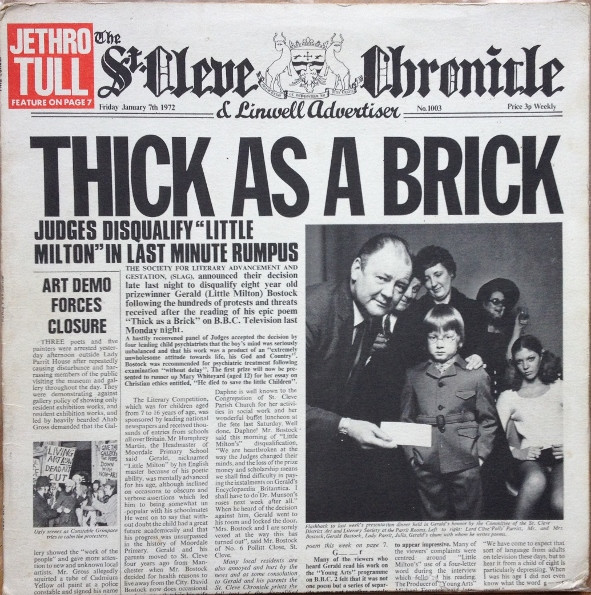
15 “Really don’t mind if you sit this one out…”
“Thick as a Brick,” Jethro Tull, 1972
What a bold thing to do: Compose an epic, 45-minute piece of progressive rock music with multiple sections, movements, moods and instrumental passages, with lyrics about generational relationships, and then undercut the whole thing by starting it with the line, “Really don’t mind if you sit this one out.” Tull’s Ian Anderson knew that it needed to have self-deprecating humor so as not to be taken too seriously.
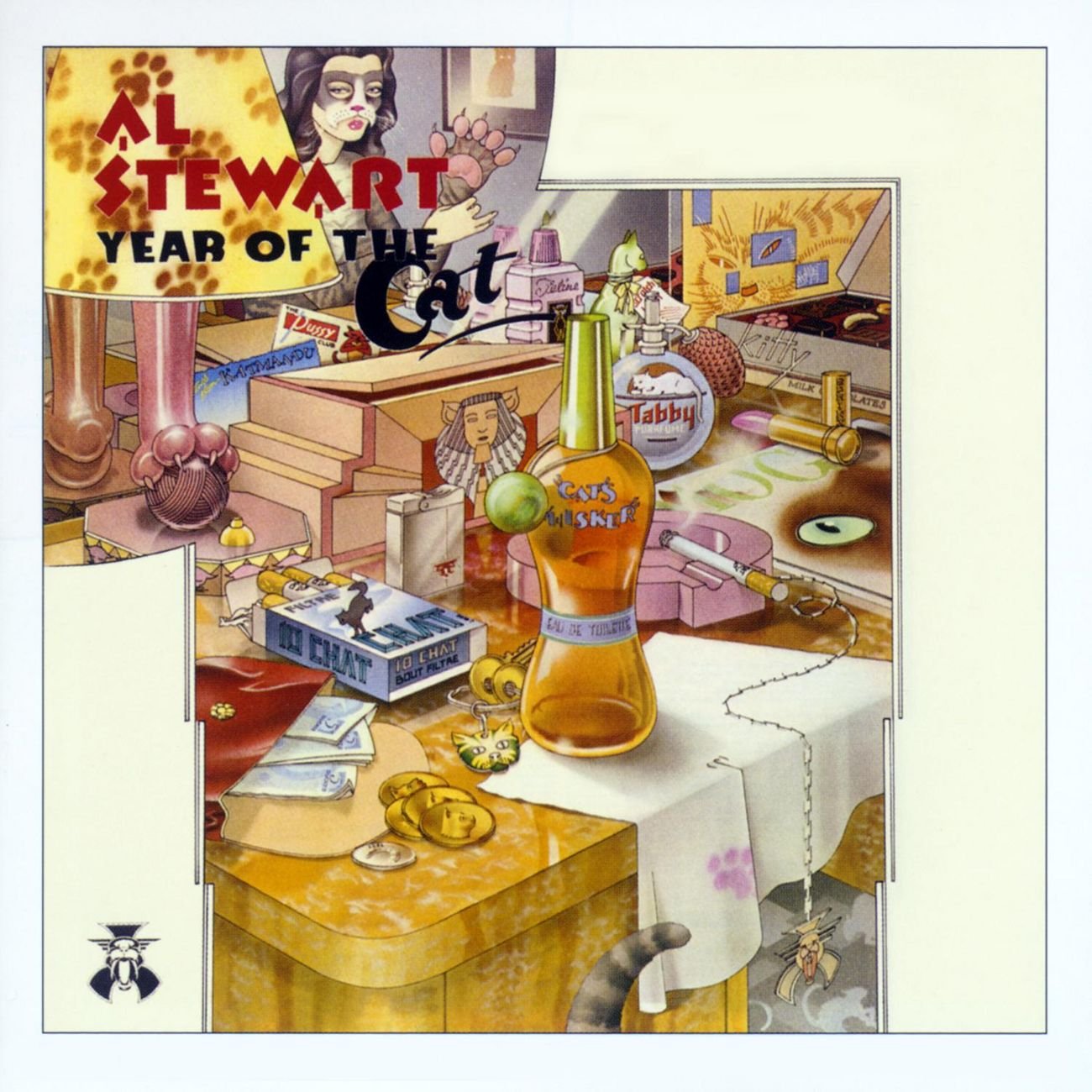
16 “On a morning from a Bogart movie, in a country where they turn back time…”
“Year of the Cat,” Al Stewart, 1976
England’s version of the songwriting storyteller was Stewart, who had studied historical fiction and different world cultures and became quite good at creating both short and long tales about romantic encounters and entanglements. For “Year of the Cat,” he began by recalling the setting of the classic film “Casablanca” in a nameless North African country “where they turn back time.” I’m hooked, how about you?

17 “Picture yourself in a boat on a river with tangerine trees and marmalade skies…”
“Lucy in the Sky With Diamonds,” Beatles, 1967
Recreational drug users swear that this John Lennon fantasy simply must be experienced under the influence of psychedelics to be fully appreciated. Maybe, but at the very least, he sucks us in with colorful, idyllic images that invite us all to join him in his boat on the river. Other dazzling phrases (“rocking-horse people,” “cellophane flowers”) follow, taking us further into his apparent dream sequence.

18 “I can see her lying back in her satin dress in a room where you do what you don’t confess…”
“Sundown,” Gordon Lightfoot, 1974
As a talented songwriter and lyricist, Lightfoot was often mentioned in the same breath with his fellow Canadians Joni Mitchell and Leonard Cohen. While his subject matter and vocabulary were perhaps not quite as weighty, Lightfoot had a fine flair for storytelling and painting a picture with words. Witness “Sundown,” which deftly describes the telltale actions of a cheating lover.
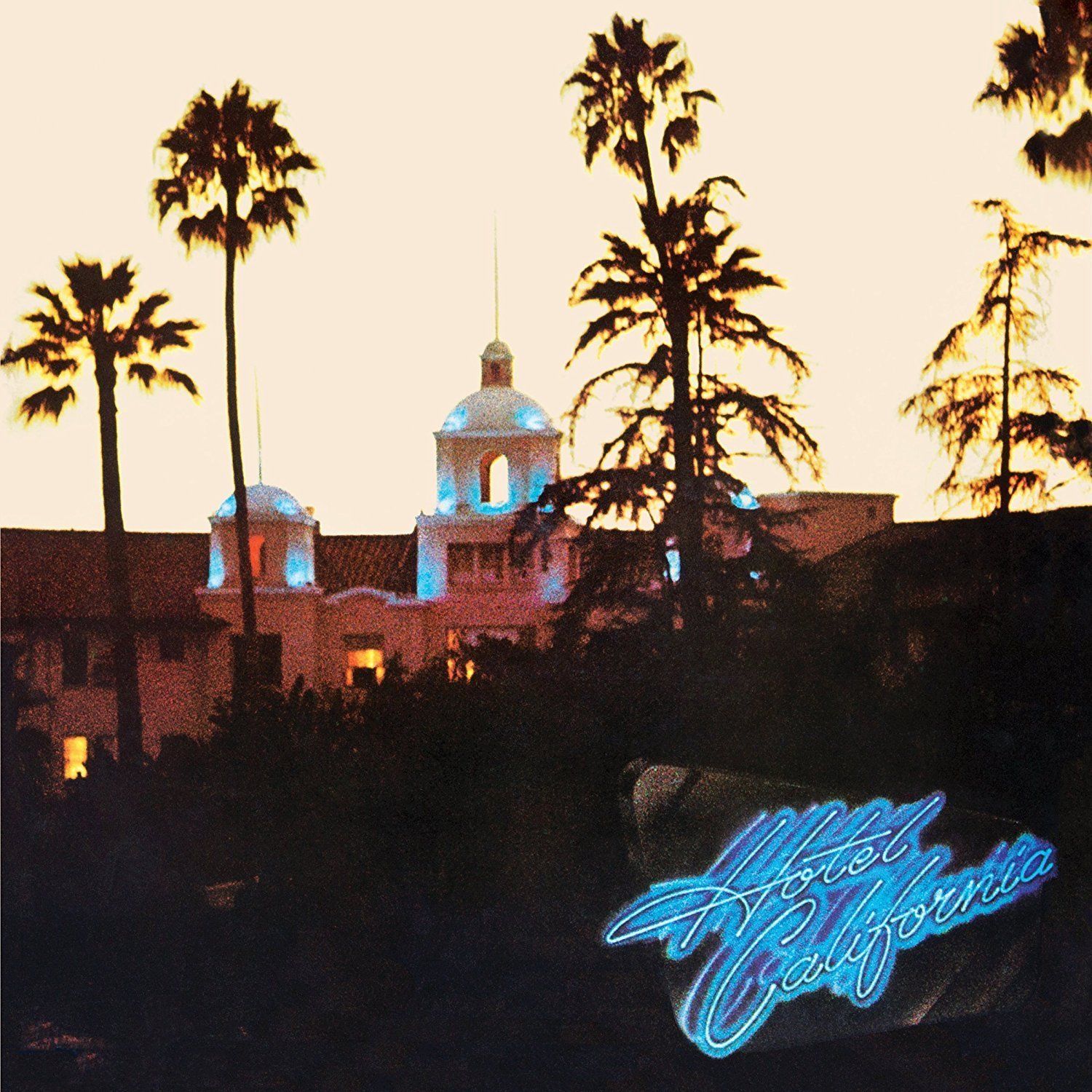
19 “On a dark desert highway, cool wind in my hair…”
“Hotel California,” The Eagles, 1976
This is one of the most thoroughly examined songs in classic rock, with multiple interpretations of what Don Henley and Glenn Frey were talking about here. They certainly set the table from the outset, as someone approaches on one of California’s dark desert highways. Is Hotel California a real place, or a metaphor for the allure of the Los Angeles entertainment industry? You decide.

20 “Hey, where did we go, days when the rains came…”
“Brown-Eyed Girl,” Van Morrison, 1967
The fun and frolic of this song is evident from the get-go as Morrison describes what he and his young brown-eyed girl would do and where they’d go — down in the hollow, down in the old mine, along the waterfall, behind the stadium. He has said the lyric originally focused on a “brown-skinned girl” he met in Jamaica, but his conservative record label insisted he change it to something less controversial.

21 “You walked in to the party like you were walking onto a yacht…”
“You’re So Vain,” Carly Simon, 1972
You can just picture the guy, oozing with ego and cockiness, that Simon is describing in that opening line. The song goes on to become a damning indictment of a man so full of himself that he has no concern for others, particularly the many women he loves and leaves with careless abandon. Simon has said she was writing about three different men who shared this trait, one of whom was actor Warren Beatty.

22 “If there’s a smile on my face, it’s only there trying to fool the public…”
“Tears of a Clown,” Smokey Robinson and The Miracles, 1970
The idea of a happy-face clown actually being a sad person behind the makeup was not new, but in this marvelous slice of Motown, Robinson used it to describe a man who puts on a brave face to the world even though he’s brokenhearted inside about a romantic breakup. The music was written by Stevie Wonder, who struggled with the lyrics until Robinson helped him find the right words to complete it.
23 “When are you gonna come down? When are you going to land?…”
“Goodbye Yellow Brick Road,” Elton John, 1973
Lyricist Bernie Taupin used one of his favorite films, “The Wizard of Oz,” as a metaphor for the trappings of success in the rock music business. He said in 2014, “I said I wanted to leave Oz and get back to the farm. I was never turning my back on fame or saying I didn’t want it. I was hoping that maybe there was a happy medium way to exist successfully in a tranquil setting. My naiveté was believing I could do it so early on.”

24 “Gonna write a little letter, gonna mail to it my local deejay…”
“Roll Over Beethoven,” Chuck Berry, 1956
As rock ‘n’ roll was gaining momentum, Berry was amused by the idea of writing a song in which rock (and R&B) would replace classical music. At home, Berry’s sister was often at the piano playing classical pieces, leaving Berry frustrated enough to wish that Beethoven, Mozart and the rest would “roll over” out of the way and make room for his new musical art form. And don’t forget to “tell Tchaikovsky the news.”
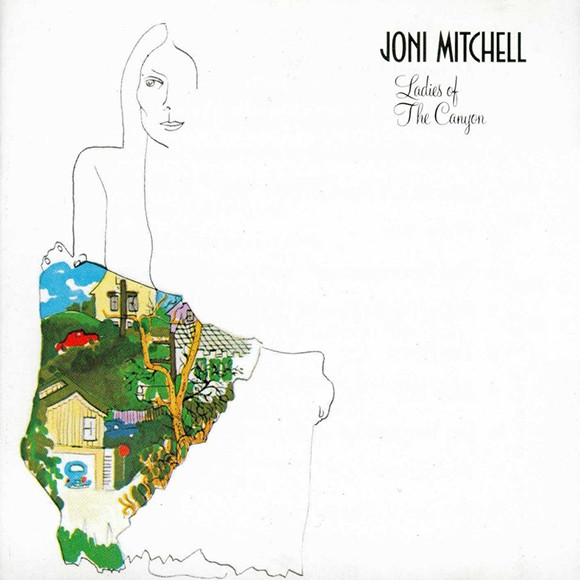
25 “I came upon a child of God, he was walking along the road…”
“Woodstock,” Joni Mitchell, 1970
Mitchell was on the list of artists due to perform at Woodstock, but because of the difficulty in getting in and out of the festival grounds, her manager was afraid she would miss her scheduled appearance on the next night’s taping of “The Dick Cavett Show,” so she remained in New York. From her hotel room, watching news reports of the momentous event, she wrote the song “Woodstock,” the remarkably perceptive account of what transpired there.
******************************








 Hack's Back Pages