And you can quote me on that
In my former life as a newspaper reporter, I covered city council meetings and wrote news articles based on what was discussed there. The stories were peppered with quotes from the mayor and council members whose own words sometimes revealed a truer understanding of their inner thoughts on important issues of the day. My reportorial summary of events might explain the particulars about a pending bill or budget matter, but it was their direct quotes that shed the most light.

Public figures — politicians, sports stars, musical artists — have to choose their words carefully because they can reveal their inner character or genuine feelings, and they know the media will capture them and broadcast them, sometimes in a way that is unflattering. That “juicy quote” from the interview was “taken out of context,” they’ll protest, but if it’s on audiotape or videotape, it’s preserved as proof they did say it.
That’s why these folks write books, to tell their story “in their own words.”
When it comes to rock music luminaries, I tend to look at the lyrics to their songs, which they presumably labored to write so they would say precisely (or cryptically) what they meant to say. I love to quote lyrics from well-known songs to help reinforce a point I’m trying to make. Indeed, I have a t-shirt that says “80% of my brain is song lyrics” (and my friends say that’s probably a low estimate).
Here at Hack’s Back Pages, I have periodically posted lyrics quizzes to test my readers’ abilities to recognize which songs of the ’60s, ’70s and ’80s they came from, and which artists sang them. I think it’s a fun way to recall classic songs.
This week’s post is perhaps a bit more challenging. Rather than quote lyrics you’ve probably seen before, I have gathered 25 thought-provoking quotes of things said in books and interviews, and I ask you to guess which of the four multiple-choice answers is the correct source of the quote. Some may be more obvious than others, based on how much you know about the individuals.
Play honestly, now — don’t jump ahead to the answers or the Spotify playlist until after you’ve jotted down your guesses. You might be better at this than you think!
So: Who said it?
*************************
1 “I think people who create and write, it actually does flow into their head from who knows where, into their hand, and they write it down. Nothing pleases me more than to go into a room and come out with a piece of music. It’s simple, really, and for me it’s cathartic. Music is like a psychiatrist.”
Jackson Browne
Paul McCartney
Billy Joel
Dolly Parton
2 “As an adolescent, I was painfully shy and withdrawn. I didn’t have the nerve to sing my songs on stage, and nobody else was doing them. I decided to do them in disguise so I didn’t have to go through the terrifying humiliation of going on stage and being myself.”
Elton John
Peter Gabriel
David Bowie
Gene Simmons
3 “I like to experiment with different instrumentation, keeping the basic format but adding other musicians. I want to create new sounds, try to transmit my dreams to the audience. Music must always continue to expand further out, further away, using extreme and opposite musical textures, with great contrasts. Kids listen with open minds, and I don’t want to give them the same things all the time.”
Steve Winwood
Carlos Santana
Donald Fagen
Jimi Hendrix
4 “I really don’t like talking about my songs much. If you have to explain ’em, then they weren’t any good in the first place.”
Bob Dylan
John Lennon
Tom Waits
Paul Simon
5 “I could wind up like a lot of my friends did, burned out or dead, or I could redirect the energy. I’m far from old, but I’m getting older. It was fun, all that hard drinking and hard drugging. No apologies. I just don’t do the things I used to do. That period of my life is over.”
Joe Walsh
Pete Townshend
Stevie Nicks
Jimmy Buffett
6 “I’ve lost a lot of different colors in my voice. There’s a lot of things you do in singing. You turn your voice to different planes to make different sounds, and gradually I couldn’t do any of that anymore. Singing is really complex, and I was made most aware of that by having it vanish. I still sing in my mind, but I can’t do it physically.”
Linda Ronstadt
Madonna
Carole King
Joni Mitchell
7 “I wanted to sing like Nat Cole, with lyrics like Louis Jordan, with the swing of Benny Goodman, playing Carl Hogan’s riffs, and with the soul of Muddy Waters. Oh, I had it all mixed in there.”
Sam Cooke
Elvis Presley
Marvin Gaye
Chuck Berry
8 “We’d been abused and mocked a lot by the press, so we soon developed a ‘fuck you’ attitude toward them. We basically stopped doing interviews. We decided that they needed us more than we needed them.”
Roger Waters
Don Henley
Robert Plant
Ian Anderson
9 “I am, and always will be, a blues guitarist. It was a very powerful drug to be introduced to me, and I absorbed it totally. I didn’t care for pop music at that time. Blues was it for me.”
Buddy Guy
Eric Clapton
Stevie Ray Vaughn
Robert Cray
10 “It’s only in recent times that I’ve appreciated how complex the music was. I was only 24 at the time we wrote it and recorded it. Yet there are so many weird time changes and musical innovations on the album. I would say that what we were striving for was more sophisticated than the usual riff rockers you’d find at that time, and certainly more involved than anything we’d done before.”
Ian Anderson
Peter Gabriel
Keith Emerson
Rick Wakeman
11 “One of the most important things in pop music, any music, is the beat. But in the eyes of the law, it’s melody, harmony and lyrics that matter. I added the 5/4 time introduction on one of our hits and I suggested that the tempo for another hit was way too fast and should be much slower. These were both important contributions to those tracks, but I got no credit whatsoever.”
Charlie Watts
Ginger Baker
John Bonham
Max Weinberg
12 “You know, it’s a tricky thing to go freestyle with two guitars. Most bands with two guitarists either have everything worked out or they stay out of each other’s way, because it’s easy to sound like two cats fighting if you’re not careful.”
Jerry Garcia
Dickey Betts
Tom Johnston
Peter Frampton
13 “Everywhere we look, all they want is to make the most money possible. This is a dangerous, corrupt notion. It’s where you see the advent of programming on the radio, and radio research, all these silly things. That has made pop music the wasteland it is today. Everything – morals, truth, art – is all going out the window in favor of profit.”
Tom Petty
Frank Zappa
Joni Mitchell
Eddie Vedder
14 “I don’t understand why some people will only accept a guitar if it has an instantly recognizable guitar sound. Finding ways to use the same guitar people have been playing for years to make sounds no one has heard before — that’s truly what gets me off.”
Jeff Beck
Peter Frampton
Carlos Santana
Robin Trower
15 “We’re not interested in rock/jazz fusion. That has only resulted in ponderous results so far. We play rock and roll, but we swing when we play. We want that ongoing flow, that lightness, that forward rush of jazz.”
Boz Scaggs
Walter Becker
Van Morrison
Bryan Ferry
16 “I’m a victim of my own insides. There was a time when I wanted to know everything. It used to make me very unhappy, all that feeling. I just didn’t know what to do with it. But now I’ve learned to make that feeling work for me. I’m full of emotion and I want a release, and if you’re on stage, and if it’s really working and you’ve got the audience with you, it’s so sublime.”
Stevie Nicks
Chrissie Hynde
Janis Joplin
Carly Simon
17 “How innocent and naive we all were. That contract was terrible for all of us financially — our royalty rate was 10 percent, paid out of net sales, not gross — but for me, as the sole creator of the material, there were long-reaching implications. The manager owned the copyright on all our songs, lock, stock and barrel. But I didn’t really discover this until two years later.”
Pete Townshend
John Fogerty
John Phillips
John Sebastian
18 “I wanted to craft a record that sounded like the last record on Earth, the last one you’d ever need to hear. It used classic rock ‘n’ roll images — the road, the car, the girl — but to make them matter, I knew I had to shape them into something fresh. It took six months to write, slowly, searching for words I could stand to sing.”
Bruce Springsteen
Brian Wilson
Todd Rundgren
Chuck Berry
19 “I was exhausted from touring, from giving interviews, from the ongoing catastrophe that was my personal life. I considered myself an album artist, and I’d inadvertently become this huge singles machine, having smash after smash. But your records aren’t going to make #1 forever. I knew someone else would eventually come along.”
Michael Jackson
Elton John
Madonna
Freddie Mercury
20 “I used to sit on the edge of my bed with a six-pack of Schlitz Malt talls. My brother would go out at 7PM to party and get laid, and when he’d come back at 3AM, I would still be sitting in the same place, playing guitar. I did that for years.”
Eddie Van Halen
Lindsey Buckingham
Joe Perry
Mark Knopfler
21 “I felt like a puppet in a circus, and I wanted more freedom in determining my creative direction. With the world exploding around me, how was I supposed to keep singing love songs all the time?”
Marvin Gaye
Cher
Stevie Wonder
Mike Nesmith
22 “Sure, I have regrets. I regret all the time I wasted being smashed. More recently, I’ve alienated nearly everyone I know. All the guys I’ve made music with won’t talk to me now. I don’t quite know how to undo the things I’ve said and done.”
David Crosby
Mick Fleetwood
Steven Tyler
Axl Rose
23 “I appreciated being picked one of the top fifty performers in rock, but who is number one and who is number two? The Rolling Stones? The Beatles? James Brown? Jimi Hendrix? I encouraged all of them, I talked to them, and off they went. Good for them. They’re always going to be in front of me.”
Little Richard
Chuck Berry
Jerry Lee Lewis
Fats Domino
24 “There were times when my dad would say, ‘How long are you going to do this? You have no money, you’re not happy, you work constantly at dead-end jobs, you clean houses, you get sick very easily, you’re living in Los Angeles. Why are you doing this?’ And I would just say, ‘Because this is what I came here to do.'”
Stevie Nicks
Tina Turner
Bonnie Raitt
Cyndi Lauper
25 “Knowing when to quit is probably a very important thing, but I just am not ready. I think it surprises a lot of people that I’m still around, you know. I sometimes wonder how many of these lifetime achievement awards you can accept before you have to do the decent thing and die.”
Joni Mitchell
James Taylor
Van Morrison
Dave Mason
*************************
*
*
*
*
*
*
*
*
*
*
ANSWERS:
1 “I think people who create and write, it actually does flow into their head from who knows where, into their hand, and they write it down. Nothing pleases me more than to go into a room and come out with a piece of music. It’s simple, really, and for me it’s cathartic. Music is like a psychiatrist.”
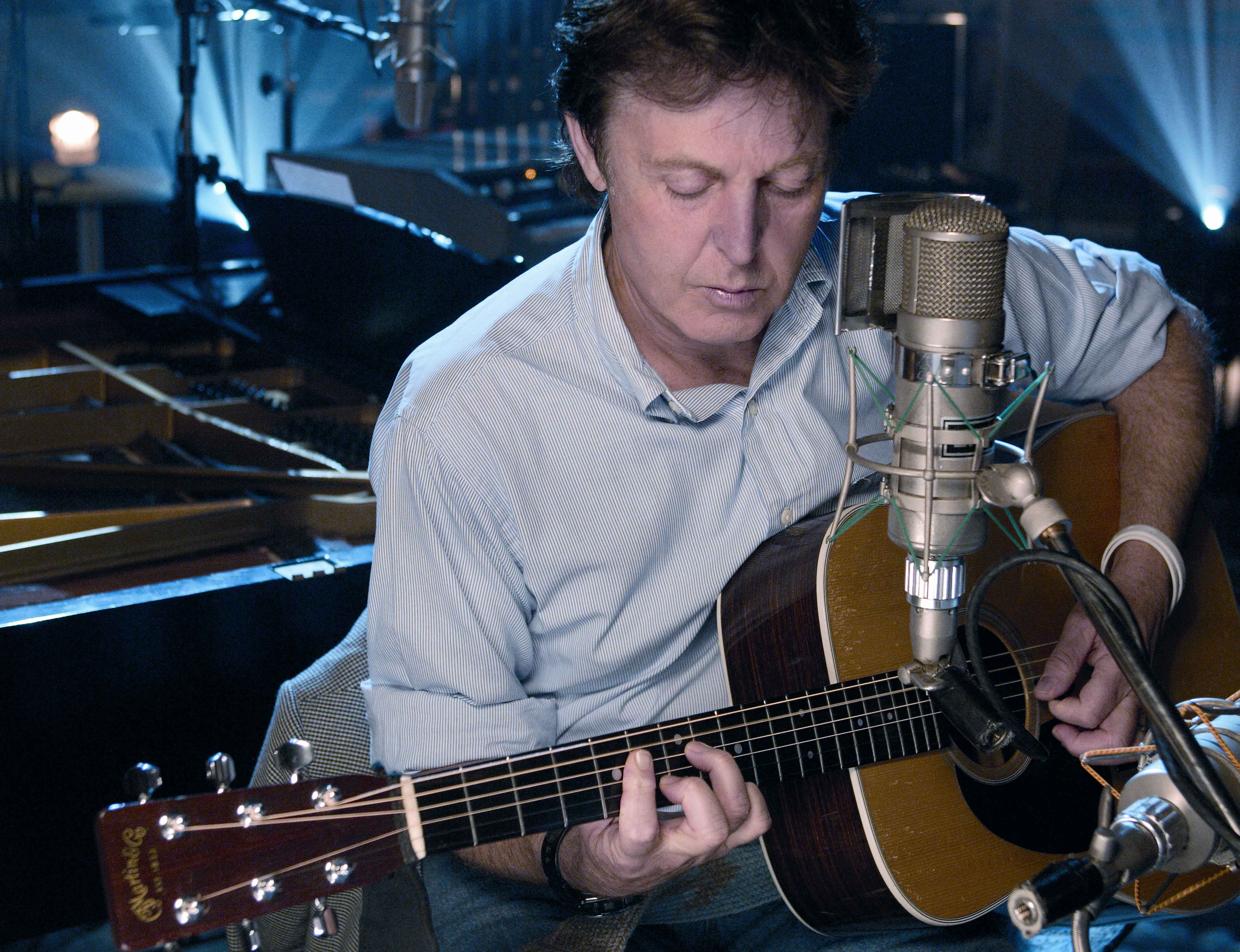
Paul McCartney
Dolly Parton, Jackson Browne and Billy Joel each wrote hundreds of songs, sometimes rather effortlessly, but no one has made it look easier than Paul McCartney, who was clearly born with an uncanny talent for writing likable, accessible melodies pretty much every time he sat down with a guitar or at a piano.
*
2 “As an adolescent, I was painfully shy and withdrawn. I didn’t have the nerve to sing my songs on stage, and nobody else was doing them. I decided to do them in disguise so I didn’t have to go through the terrifying humiliation of going on stage and being myself.”
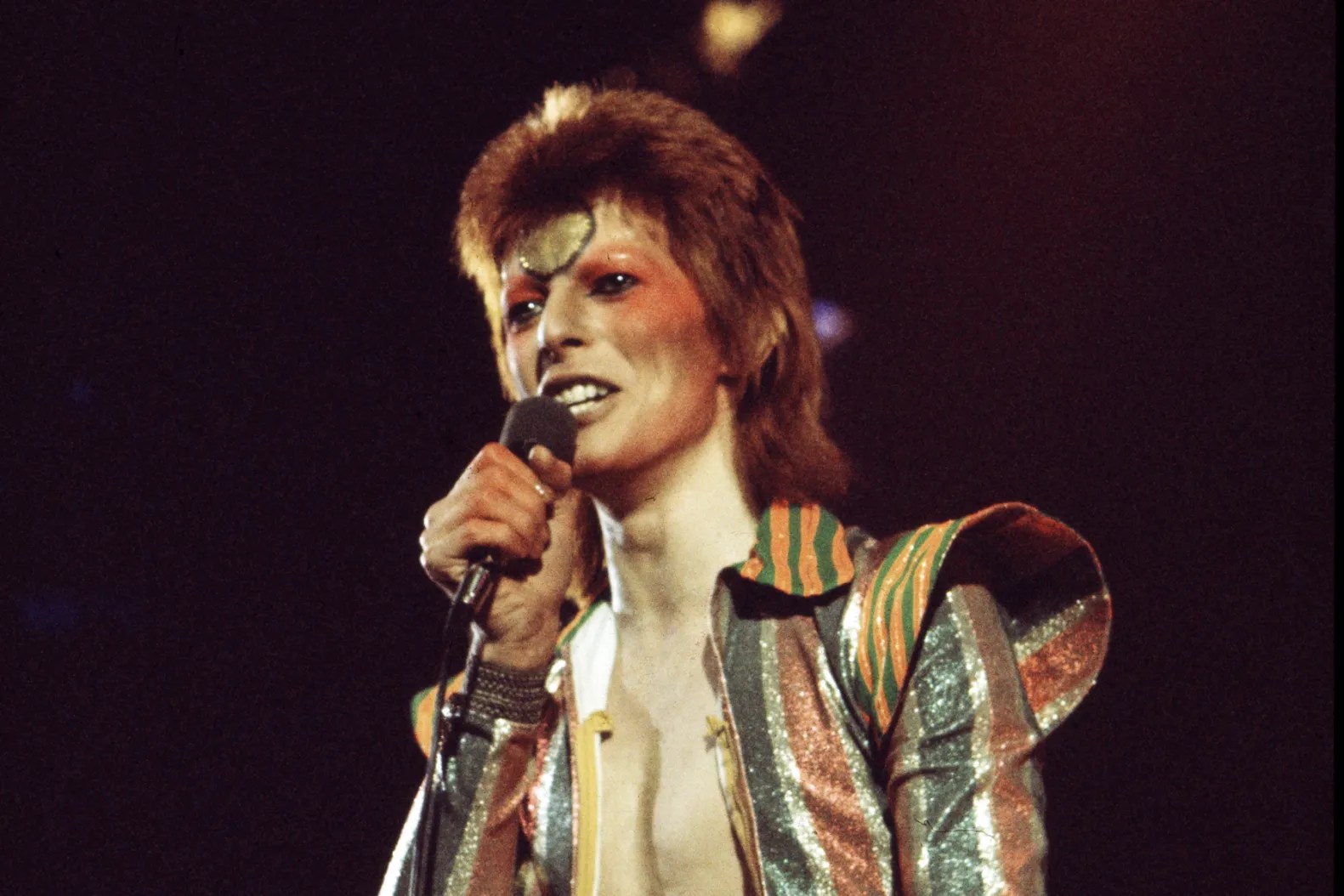
David Bowie
It’s hard to imagine a supreme showman like David Bowie considered himself “painfully shy and withdrawn,” but it was that reluctance to bare his soul that resulted in his chameleon-like approach to public presentation over his 50-year career. Over the decades, he seemed to become more comfortable being himself on stage, but at first, it was Ziggy, the Thin White Duke and other characters that he hid behind when he performed.
*
3 “I like to experiment with different instrumentation, keeping the basic format but adding other musicians. I want to create new sounds, try to transmit my dreams to the audience. Music must always continue to expand further out, further away, using extreme and opposite musical textures, with great contrasts. Kids listen with open minds, and I don’t want to give them the same things all the time.”
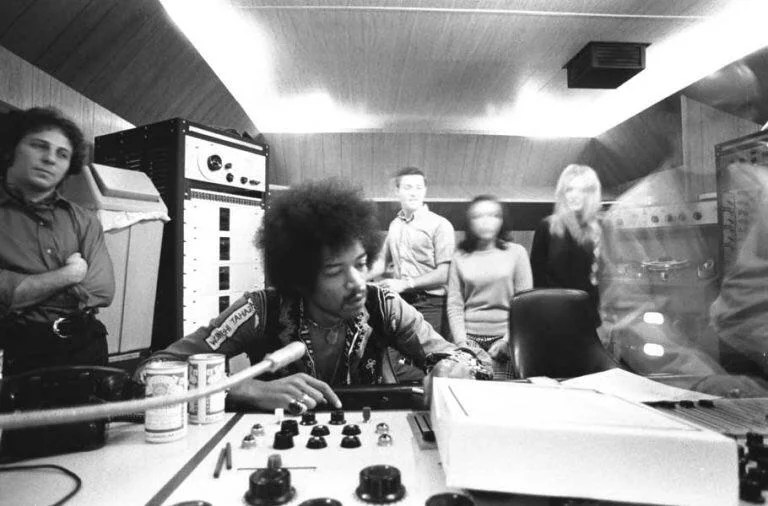
Jimi Hendrix
Of all the talented musicians who left us far too early, I think Jimi Hendrix’s demise at age 27 was the most tragic. Clearly, he had so much more in store for us. His visionary approach to music making was as important as the extraordinary execution of it on the four albums he released during his lifetime and the unfinished work that came out posthumously. He championed experimentation as much as anyone in rock music history.
*
4 “I really don’t like talking about my songs much. If you have to explain ’em, then they weren’t any good in the first place.”

Bob Dylan
Many songwriters prefer to let their lyrics speak for themselves. Lately, Bob Dylan has been more forthcoming in interviews or in his own memoirs about what inspired his songs, but in his early days, he was notorious for remaining silent or aloof when asked to expand on the meaning behind his works. The above quote came from a 1966 talk with a persistent reporter who demanded to know more about “Like a Rolling Stone.”
*
5 “I could wind up like a lot of my friends did, burned out or dead, or I could redirect the energy. I’m far from old, but I’m getting older. It was fun, all that hard drinking and hard drugging. No apologies. I just don’t do the things I used to do. That period of my life is over.”

Jimmy Buffett
“Wasted away again in Margaritaville” was more than a song lyric. It was Buffett’s proudly stated lifestyle, and he pursued it for more than 30 years before deciding it was time to become a more responsible citizen and businessman. He said in 2000 he felt fortunate that he didn’t find it as difficult to make the major lifestyle change as some of his contemporaries did.
*
6 “I’ve lost a lot of different colors in my voice. There’s a lot of things you do in singing. You turn your voice to different planes to make different sounds, and gradually I couldn’t do any of that anymore. Singing is really complex, and I was made most aware of that by having it vanish. I still sing in my mind, but I can’t do it physically.”

Linda Ronstadt
Over time, virtually every singer eventually loses some of their ability to control the pitch, sustain, volume or power of their voice. In the heartbreaking case of Linda Ronstadt, a case of Parkinson’s has robbed her of all of those qualities, which forced her to retire from the stage in 2011, well before she would’ve liked. She handled the blow with uncommon grace, instead focusing on encouraging young singers looking for a career like hers.
*
7 “I wanted to sing like Nat Cole, with lyrics like Louis Jordan, with the swing of Benny Goodman, playing Carl Hogan’s riffs, and with the soul of Muddy Waters. Oh, I had it all mixed in there.”
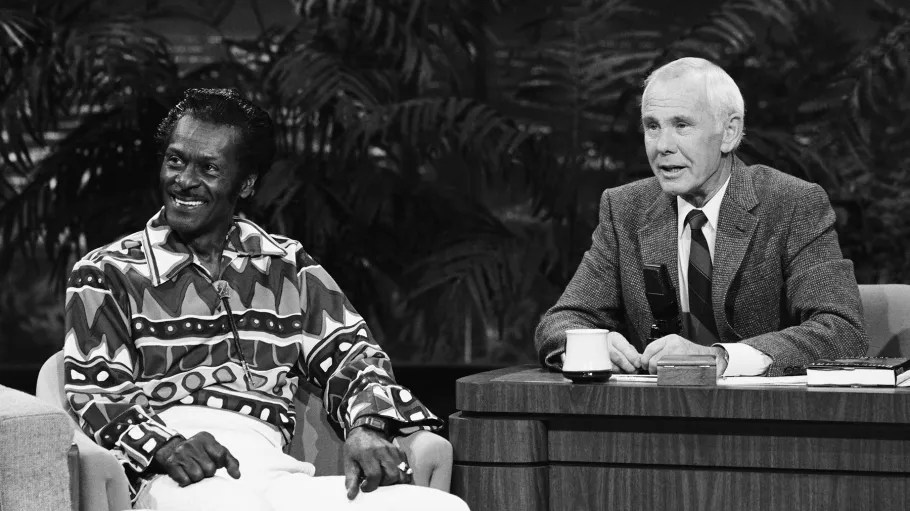
Chuck Berry
Out of the rock ‘n’ roll pioneers who first made an impression, Chuck Berry was the one who brought the whole package — songwriting, guitar hooks, the “duck walk,” great vocals, the works. In 1987, to promote his star turn in the concert documentary film “Hail! Hail! Rock ‘n’ Roll,” Berry appeared on Johnny Carson’s “Tonight Show,” where he summarized what he felt he brought to the table as a performing artist.
*
8 “We’d been abused and mocked a lot by the press, so we soon developed a ‘fuck you’ attitude toward them. We basically stopped doing interviews. We decided that they needed us more than we needed them.”

Don Henley
The Eagles didn’t get much respect from critics during their first couple of albums and tours, and it led to the band (Henley and Glenn Frey in particular) harboring a serious grudge against them. Once they hit #1 with “One of These Nights” and sold out arenas, they concluded they didn’t have to subject themselves to media derision and chose to just clam up instead.
*
9 “I am, and always will be, a blues guitarist. It was a very powerful drug to be introduced to me, and I absorbed it totally. I didn’t care for pop music at that time. Blues was it for me.”
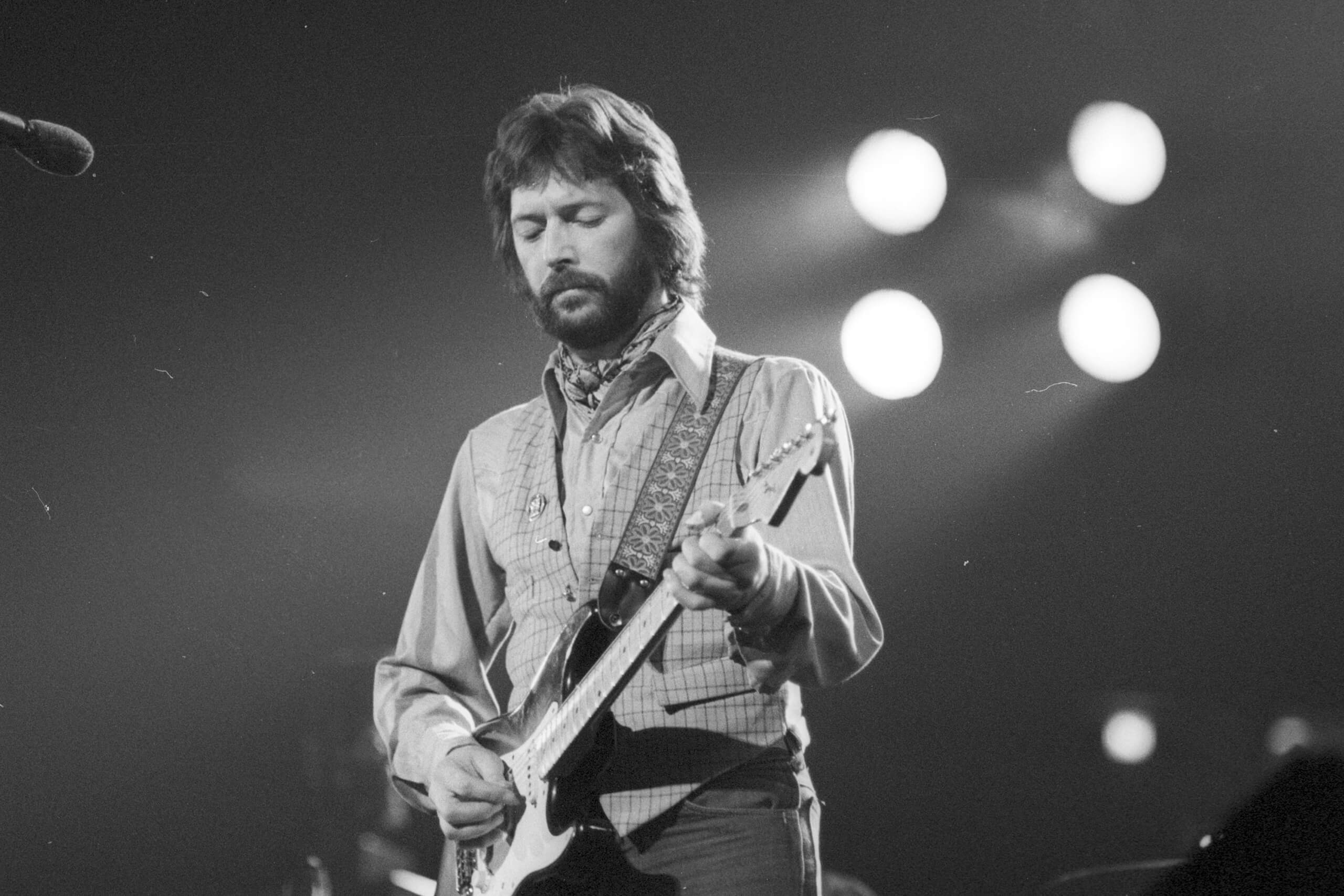
Eric Clapton
When The Yardbirds, originally a blues group, started having hits with pop songs, Eric Clapton was not pleased. He didn’t want to be part of the pop scene, so he left the band to join John Mayall’s Bluesbreakers and then formed Cream in order to fully realize his passion for blues music. Ironically, his later solo career included many pop tunes, but he always returned to the blues numbers for which he was most famous.
*
10 “It’s only in recent times that I’ve appreciated how complex the music was. I was only 24 at the time we wrote it and recorded it. Yet there are so many weird time changes and musical innovations on the album. I would say that what we were striving for was more sophisticated than the usual riff rockers you’d find at that time, and certainly more involved than anything we’d done before.”
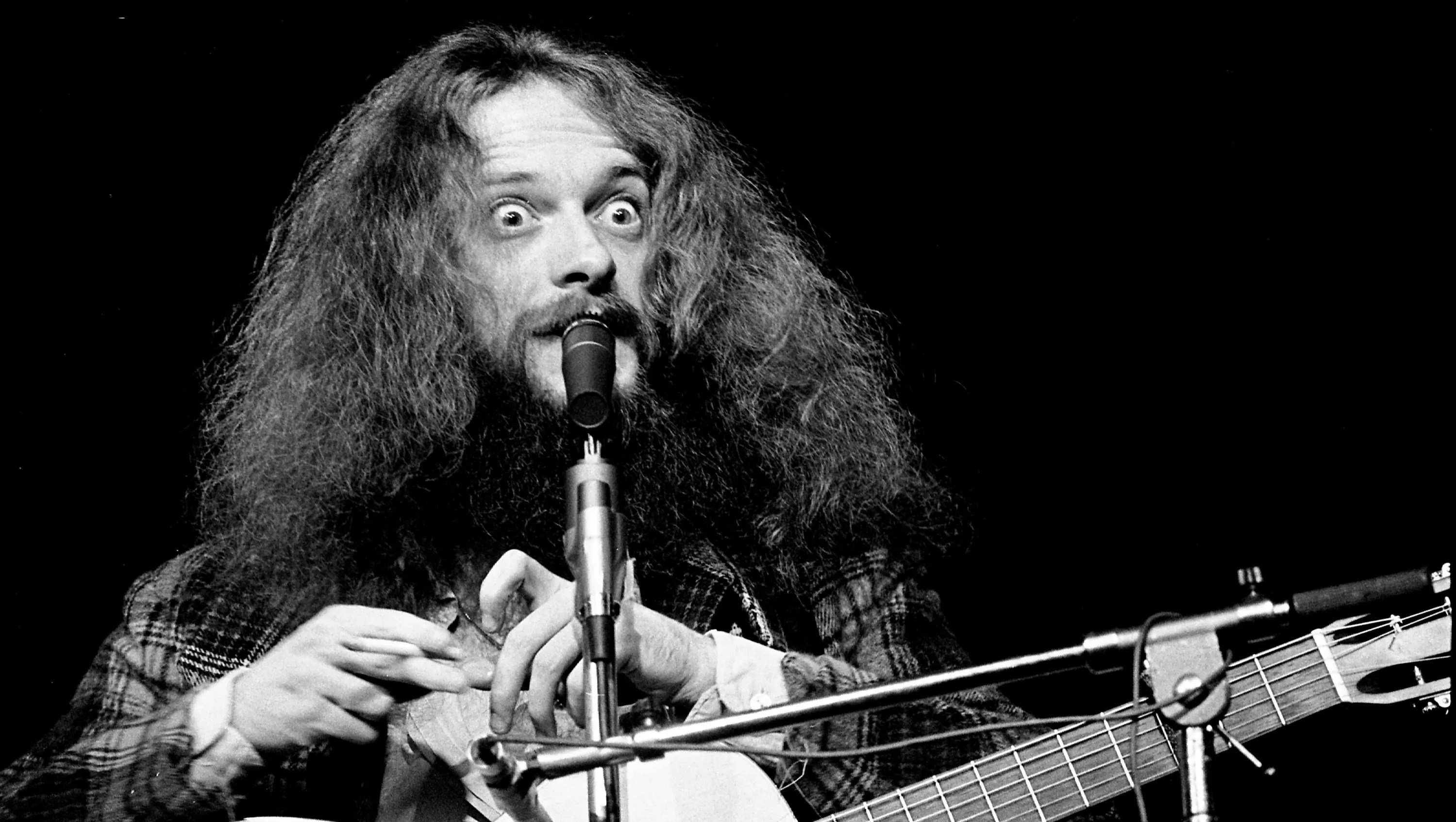
Ian Anderson
The lengthy progressive rock pieces written by the likes of Genesis and Yes during the 1969-1974 period were indeed complex, sophisticated and involved. In this case it was Ian Anderson who was referring to the 45-minute opus “Thick as a Brick,” regarded by many as Jethro Tull’s finest achievement. It boggles the mind that he and his collaborators were still young adults when they arranged and recorded this ambitious work.
*
11 “One of the most important things in pop music, any music, is the beat. But in the eyes of the law, it’s melody, harmony and lyrics that matter. I added the 5/4 time introduction on one of our hits and I suggested that the tempo for another hit was way too fast and should be much slower. These were both important contributions to those tracks, but I got no credit whatsoever.”
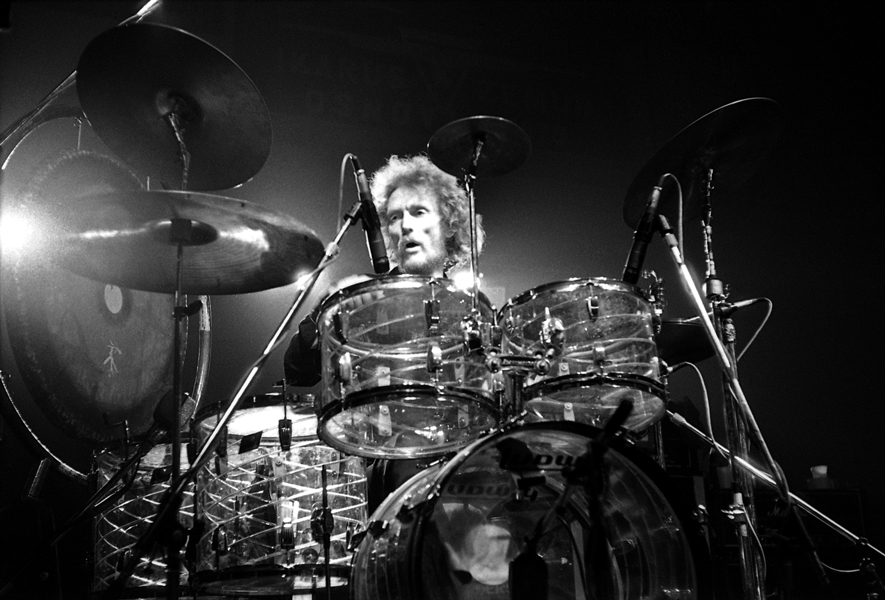
Ginger Baker
The tempestuous drummer was referring to his influence on the recordings of “White Room” and “Sunshine Of Your Love,” Cream’s two most familiar hits on the pop charts. Songwriting credit went to Jack Bruce and lyricist Pete Brown, and Eric Clapton, but Baker got no piece of the royalties pie in either case. He did get composer credit for three or four songs in the Cream catalog, but they were deep tracks that received little airplay and, therefore, negligible financial reward.
*
12 “You know, it’s a tricky thing to go freestyle with two guitars. Most bands with two guitarists either have everything worked out or they stay out of each other’s way, because it’s easy to sound like two cats fighting if you’re not careful.”
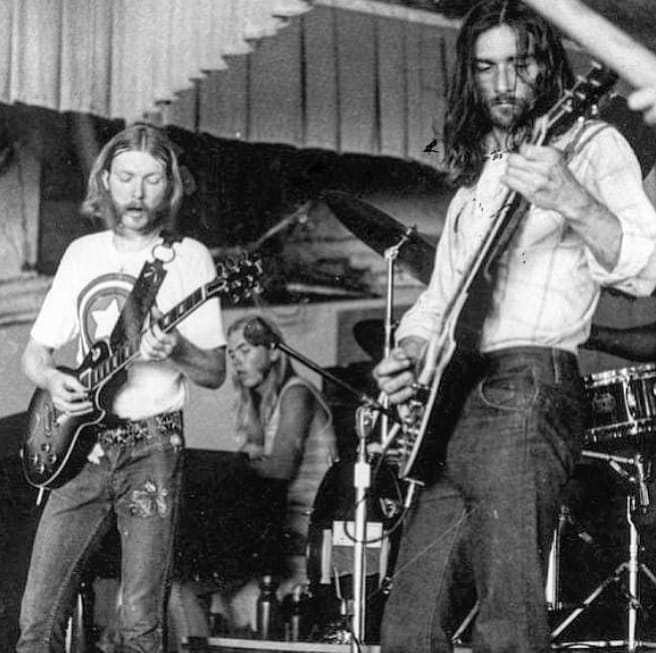
Dickey Betts (right)
Bands like The Doobie Brothers, Blue Oyster Cult and Humble Pie all had success with twin-guitar lineups, but it was Dickey Betts and Duane Allman who were the gold standard for intertwining two hot guitarists in both improvisational and tightly arranged formats. Just cue up The Allman Brothers’ live version of “In Memory of Elizabeth Reed” for all the evidence you need regarding their amazing talents.
*
13 “Everywhere we look, all they want is to make the most money possible. This is a dangerous, corrupt notion. It’s where you see the advent of programming on the radio, and radio research, all these silly things. That has made pop music the wasteland it is today. Everything – morals, truth, art – is all going out the window in favor of profit.”
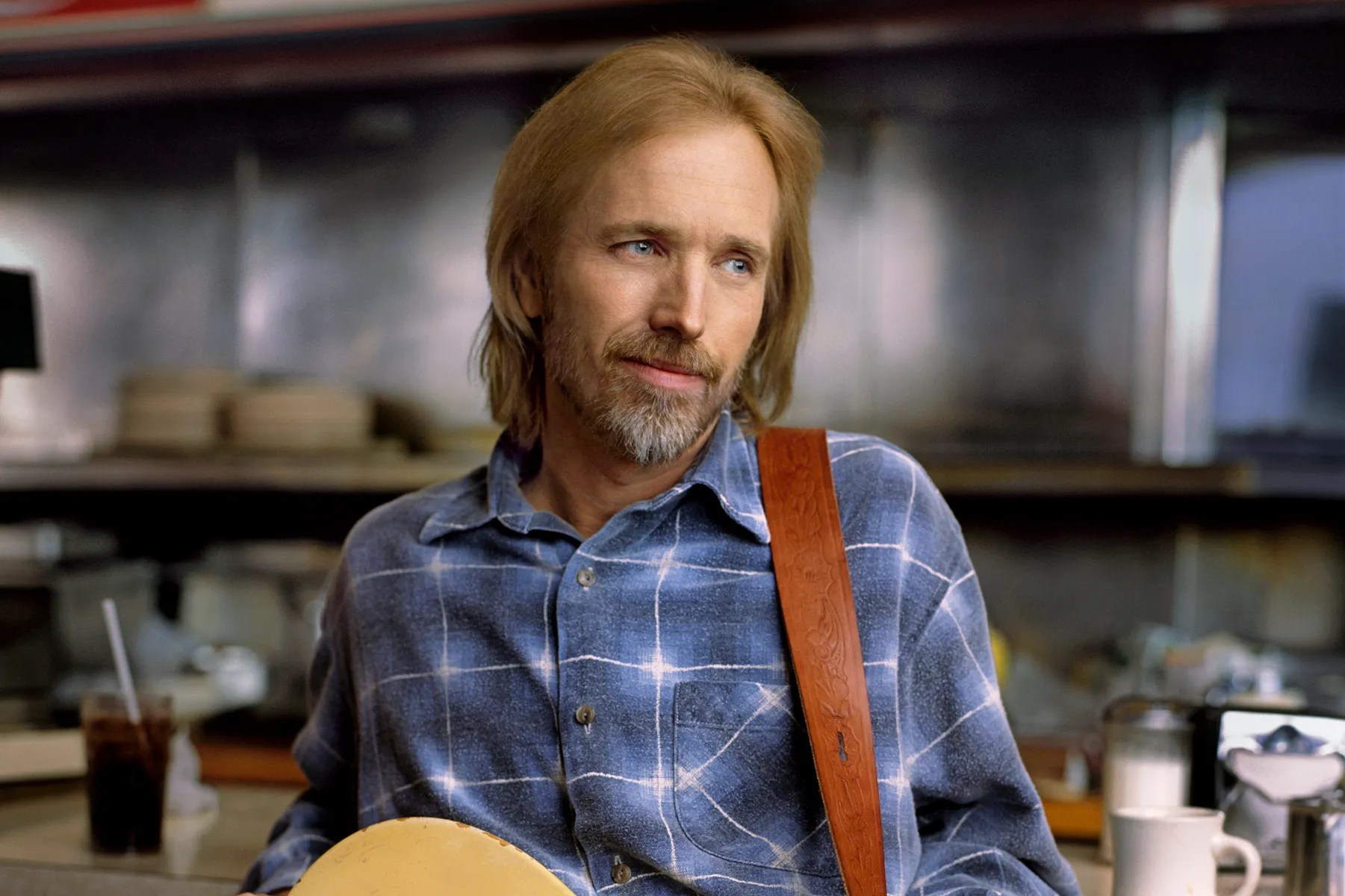
Tom Petty
Frank Zappa in the ’70s, Joni Mitchell in the ’80s and Eddie Vedder in the ’90s each prominently spoke out against unfair business practices in the music industry, but Tom Petty was the mainstream artist that first stood up to record label pricing structures. He remained a vocal opponent of corporate greed and hypocrisy throughout his 40 years in the business.
*
14 “I don’t understand why some people will only accept a guitar if it has an instantly recognizable guitar sound. Finding ways to use the same guitar people have been playing for years to make sounds no one has heard before — that’s truly what gets me off.”

Jeff Beck
Peter Frampton, Carlos Santana and Robin Trower all experimented with the way a lead guitar could sound on rock recordings, with satisfying results. No one was more passionate about pushing the sonic boundaries of electric guitar than Jeff Beck, whose catalog offers dozens of instrumental LPs that allowed him to showcase his ability to merge technology with soulful blues, rock and jazz.
15 “We’re not interested in rock/jazz fusion. That has only resulted in ponderous results so far. We play rock and roll, but we swing when we play. We want that ongoing flow, that lightness, that forward rush of jazz.”
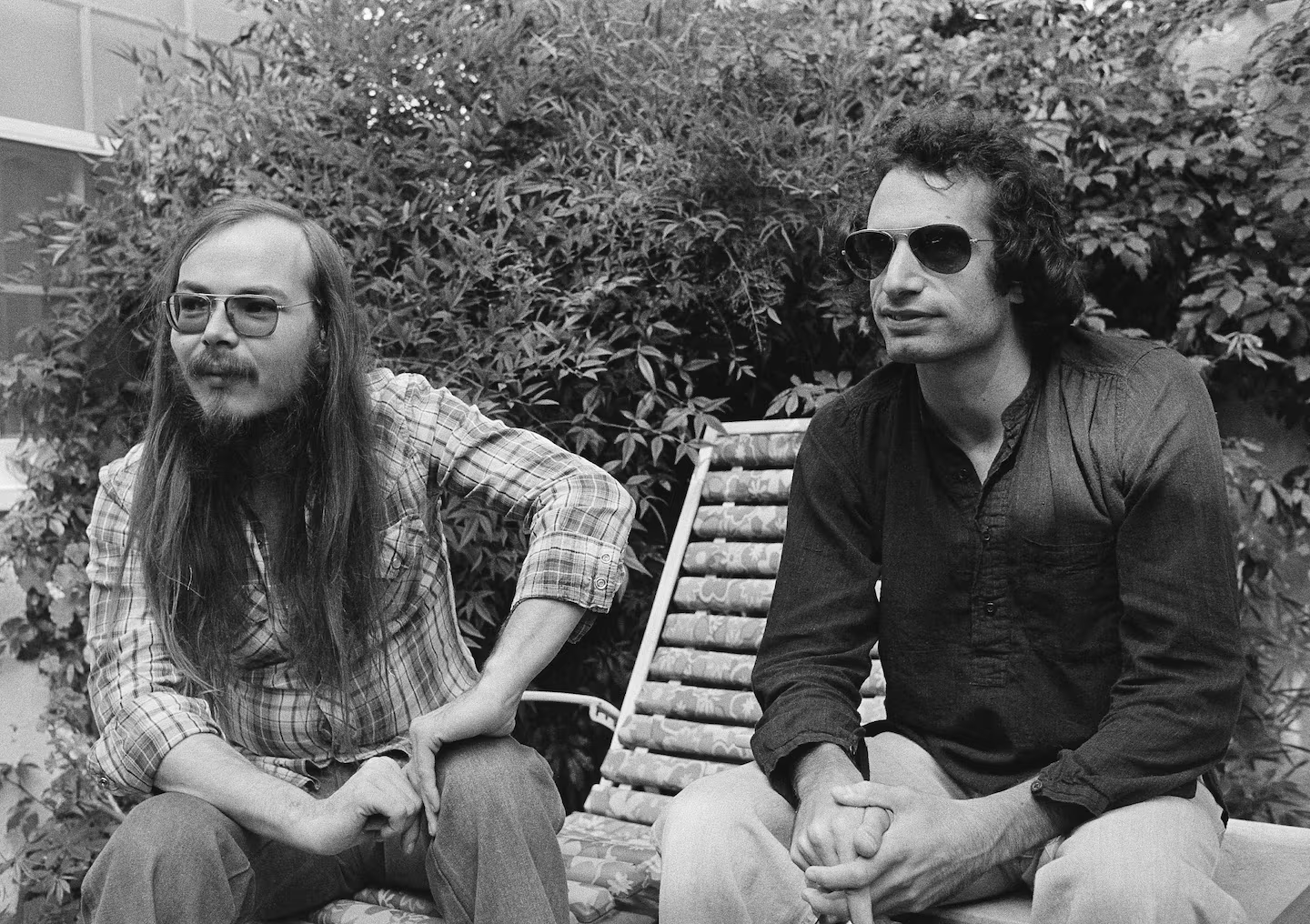
Walter Becker (left)
The utterly unique sound of Steely Dan’s records was achieved by the musical minds of Walter Becker and Donald Fagen, who co-wrote all the songs, performed various instruments, and brought in the industry’s best session players to flesh out their imaginative arrangements. They both grew up on jazz and blues and early rock ‘n’ roll, and their songs showed the influence of each genre.
*
16 “I’m a victim of my own insides. There was a time when I wanted to know everything. It used to make me very unhappy, all that feeling. I just didn’t know what to do with it. But now I’ve learned to make that feeling work for me. I’m full of emotion and I want a release, and if you’re on stage, and if it’s really working and you’ve got the audience with you, it’s so sublime.”

Janis Joplin
Growing up in small-town Texas, Joplin felt like a fish out of water, never really fitting in at school or the community at large. Once she relocated to San Francisco and began belting out soulful blues with various bands, she found her groove, but she remained restless and anxious much of the time. Drugs and alcohol temporarily eased her pain but ultimately cut her life short.
*
17 “How innocent and naive we all were. That contract was terrible for all of us financially — our royalty rate was 10 percent, paid out of net sales, not gross — but for me, as the sole creator of the material, there were long-reaching implications. The manager owned the copyright on all our songs, lock, stock and barrel. But I didn’t really discover this until two years later.”
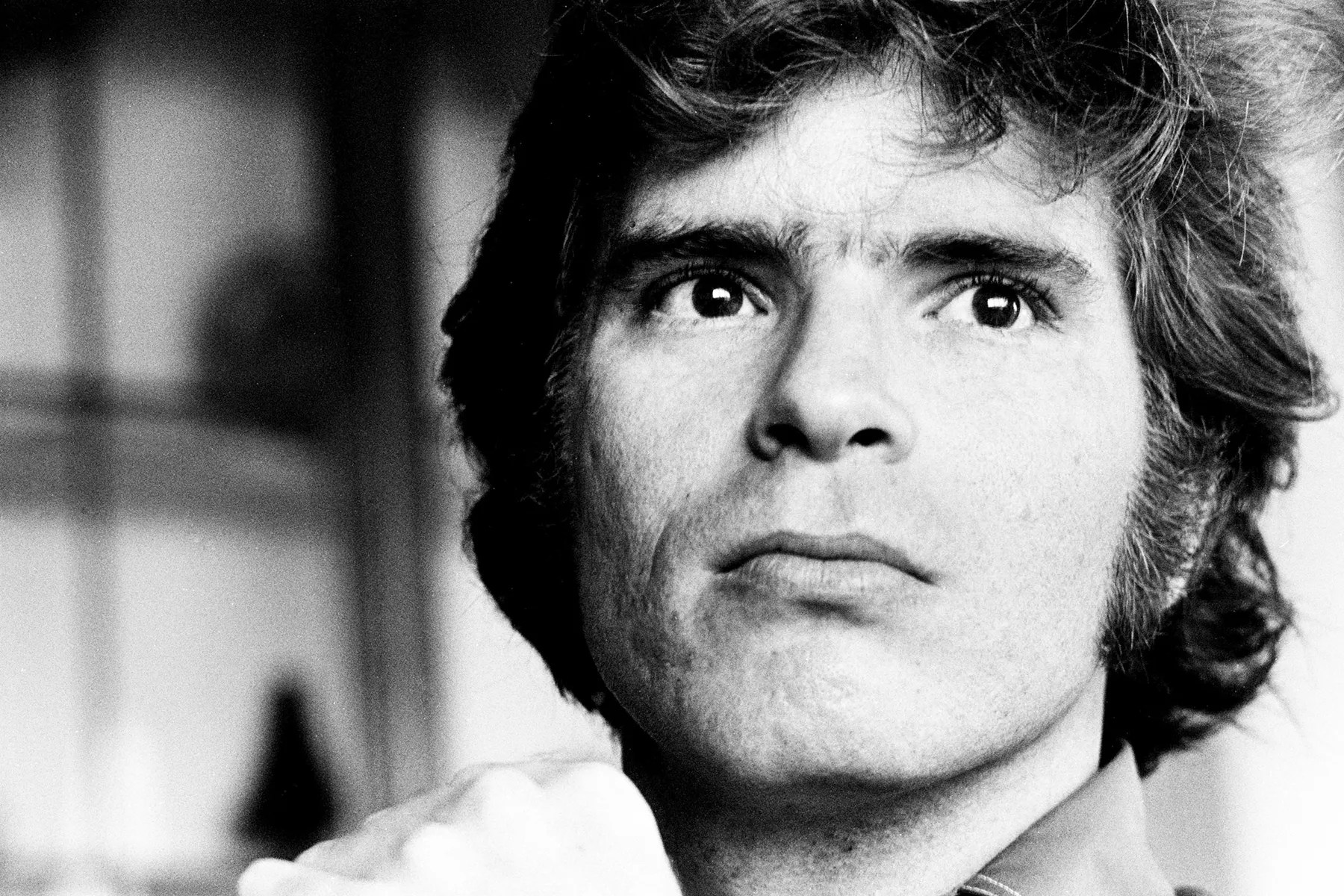
John Fogerty
From rock music’s earliest days, the managers and record label suits have conspired to give the shaft to recording groups and artists. John Sebastian (with The Lovin’ Spoonful) and John Phillips (with the Mamas and Papas), not to mention Pete Townshend and The Who, all were taken advantage of with their initial recording contracts. The worst deal of the era was no doubt the one John Fogerty signed during his first days with Creedence Clearwater Revival. He paid the price for several decades.
*
18 “I wanted to craft a record that sounded like the last record on Earth, the last one you’d ever need to hear. It used classic rock ‘n’ roll images — the road, the car, the girl — but to make them matter, I knew I had to shape them into something fresh. It took six months to write, slowly, searching for words I could stand to sing.”

Bruce Springsteen
Brimming with enthusiasm and effervescent music, Springsteen’s first two albums nevertheless were met with ambivalence by critics and the public, and he knew he had to aim big for his next record, which turned out to be “Born to Run,” an anthem to top all rock anthems. Nearly 50 years after its release, it remains one of his signature tunes, performed at virtually every concert since 1975.
*
19 “I was exhausted from touring, from giving interviews, from the ongoing catastrophe that was my personal life. I considered myself an album artist, and I’d inadvertently become this huge singles machine, having smash after smash. But your records aren’t going to make #1 forever. I knew someone else would eventually come along.”
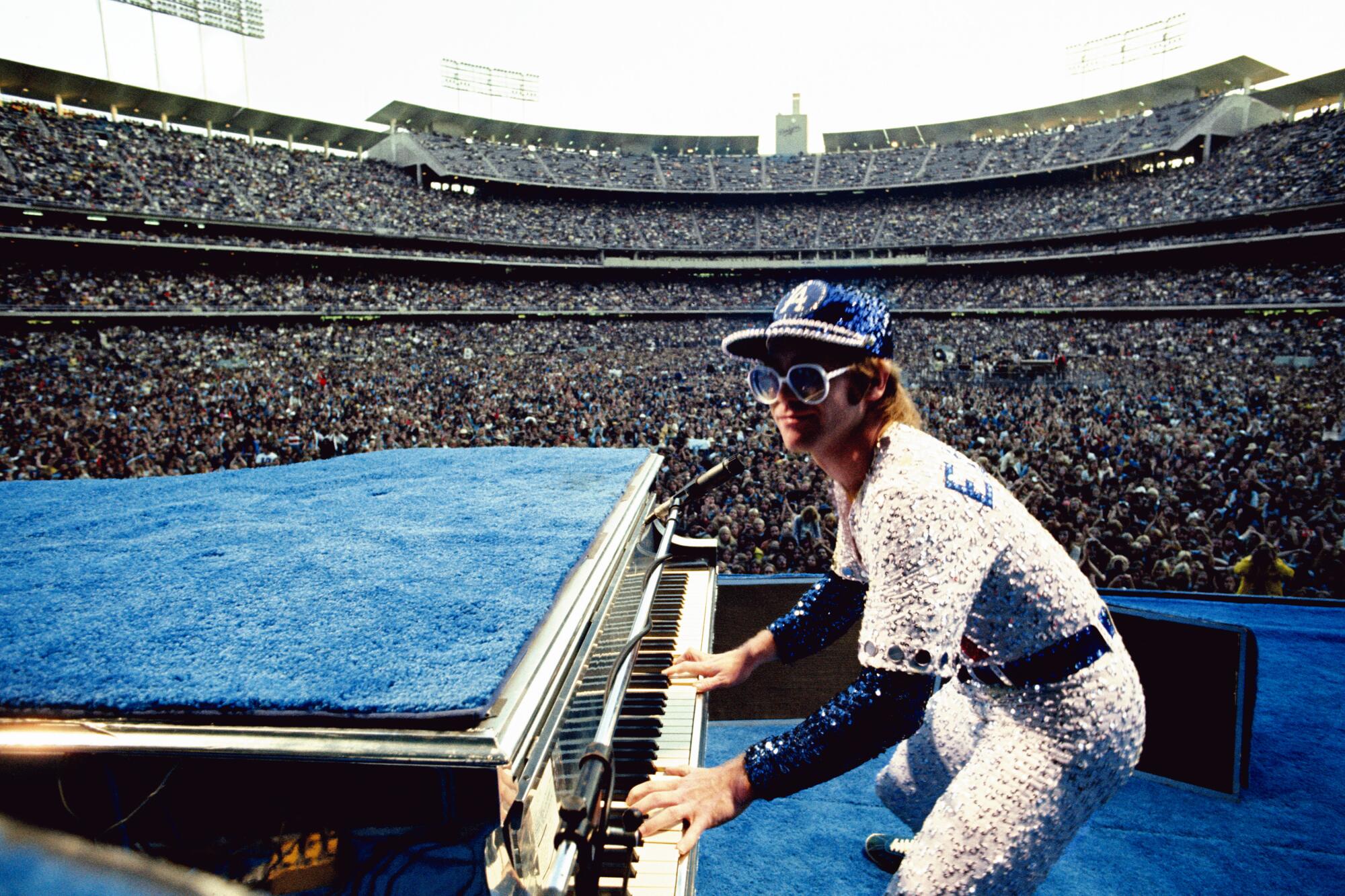
Elton John
If you saw the “Rocket Man” biopic film, you know all about the stratospheric arc and damaging excesses that marked Elton John’s career in the mid-’70s. He went from artful LPs like “Tumbleweed Connection” and “Madman Across the Water” to teen-friendly singles like “Bennie and the Jets” and “The Bitch is Back,” and the subsequent superstar fame came at a cost.
*
20 “I used to sit on the edge of my bed with a six-pack of Schlitz Malt talls. My brother would go out at 7PM to party and get laid, and when he’d come back at 3AM, I would still be sitting in the same place, playing guitar. I did that for years.”

Eddie Van Halen
Just as Olympic athletes became great by putting in the proverbial 10,000 hours of practice, so did virtuoso instrumentalists like Eddie Van Halen. Many budding guitarists squirreled themselves away in their teenage bedrooms honing their chops, which paid off in a big way for Joe Perry (Aerosmith), Lindsey Buckingham (Fleetwood Mac) and Mark Knopfler (Dire Straits). The sellout crowds at Van Halen concerts were there mostly to see Eddie work his magic on the frets.
21 “I felt like a puppet in a circus, and I wanted more freedom in determining my creative direction. With the world exploding around me, how was I supposed to keep singing love songs all the time?”

Marvin Gaye
Some of the most popular singers of the ’60s felt hemmed in by the way they were pre-packaged commercially, which prevented them at first from evolving into the artists they envisioned they could be. Marvin Gaye was among them, itching to record songs that spoke about important social issues instead of just romantic relationships. The change came in 1971 with the monumental “What’s Going On” LP.
*
22 “Sure, I have regrets. I regret all the time I wasted being smashed. More recently, I’ve alienated nearly everyone I know. All the guys I’ve made music with won’t talk to me now. I don’t quite know how to undo the things I’ve said and done.”

David Crosby
Always a maverick with a mercurial disposition, David Crosby was tossed out of The Byrds in 1967 and eventually found himself estranged from Stephen Stills and Graham Nash as well, thanks to excessive drug abuse and erratic behavior. A prison term and rehab turned him around, but it didn’t cure him of his prickly reputation, which turned off many who chose to stop working with him.
*
23 “I appreciated being picked one of the top fifty performers in rock, but who is number one and who is number two? The Rolling Stones? The Beatles? James Brown? Jimi Hendrix? I encouraged all of them, I talked to them, and off they went. Good for them. They’re always going to be in front of me.”
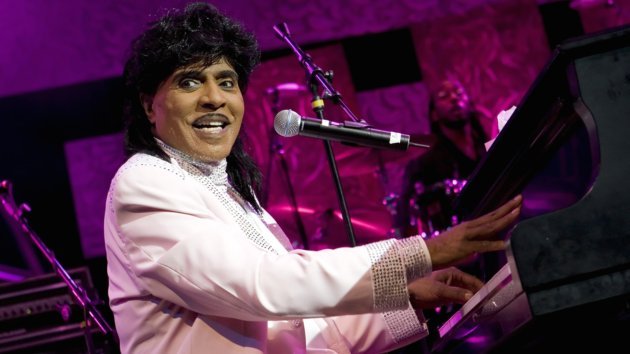
Little Richard
Most of the trailblazers of early rock music felt disrespected by the generations of rockers who followed in their footsteps, perhaps none more than Richard “Little Richard” Penniman, a deeply conflicted man who struggled with sexual identity and their place in rock’s hierarchy. Many of rock’s legendary stars got their start working for or alongside Little Richard, but many fans remain unaware how influential he was.
*
24 “There were times when my dad would say, ‘How long are you going to do this? You have no money, you’re not happy, you work constantly at dead-end jobs, you clean houses, you get sick very easily, you’re living in Los Angeles. Why are you doing this?’ And I would just say, ‘Because this is what I came here to do.'”
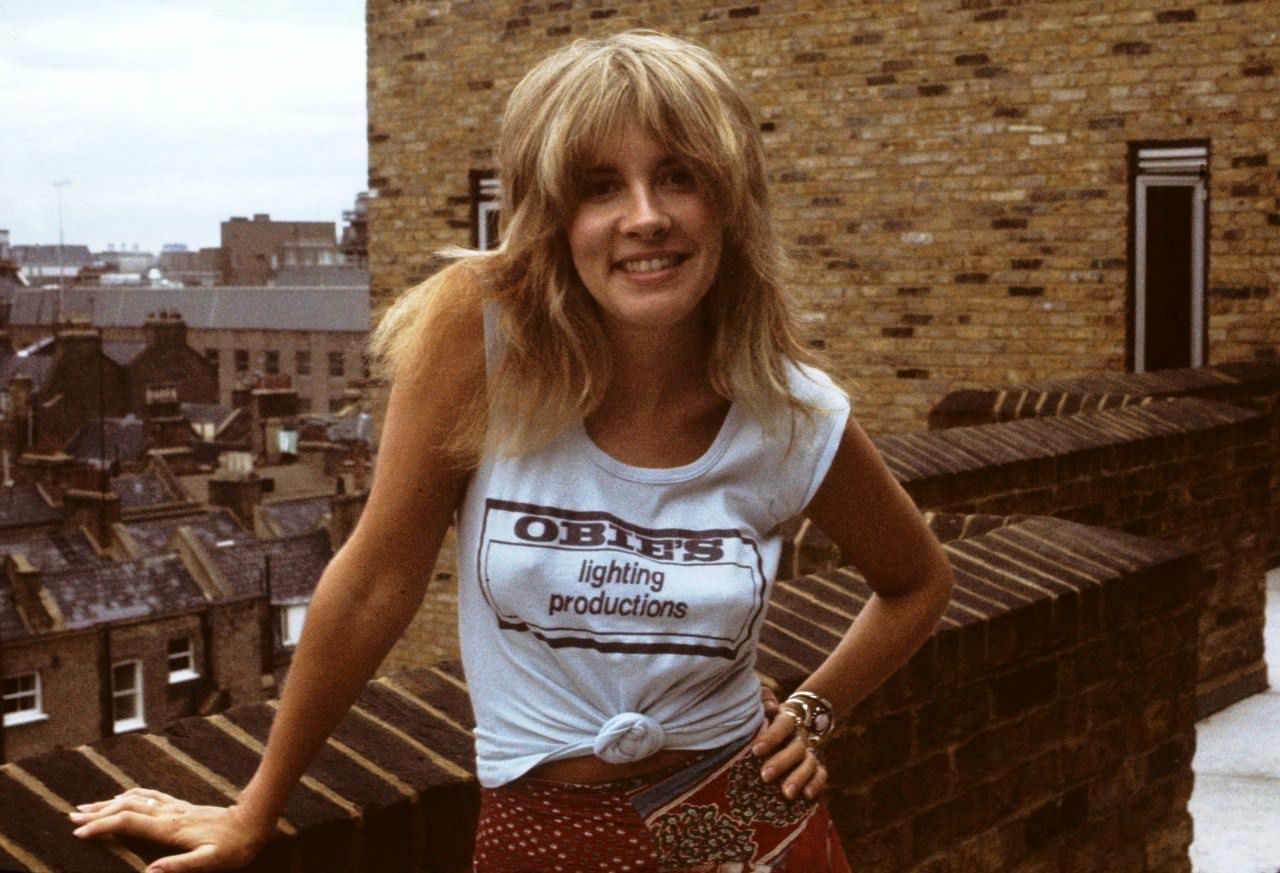
Stevie Nicks
For seven years, Nicks and her guitarist boyfriend Lindsey Buckingham struggled to make their mark in bands and as a duo, but they had to work demeaning jobs to make ends meet while they continued to dream of eventual stardom. Nicks has said her father urged her to give it up and seek a more stable life outside music, but then Fleetwood Mac came calling, and their careers took off into the stratosphere.
*
25 “Knowing when to quit is probably a very important thing, but I just am not ready. I think it surprises a lot of people that I’m still around, you know. I sometimes wonder how many of these lifetime achievement awards you can accept before you have to do the decent thing and die.”

James Taylor
Now 76, Taylor was just 22 when his breakthrough record “Sweet Baby James” put him on the map in 1970. He had a few lean years along the way, but his loyal fan base has kept him performing for five decades, and his “aw shucks” persona seems to attract new generations of followers when most artists his age have hung up their guitars for good.
**************************





 Hack's Back Pages